/










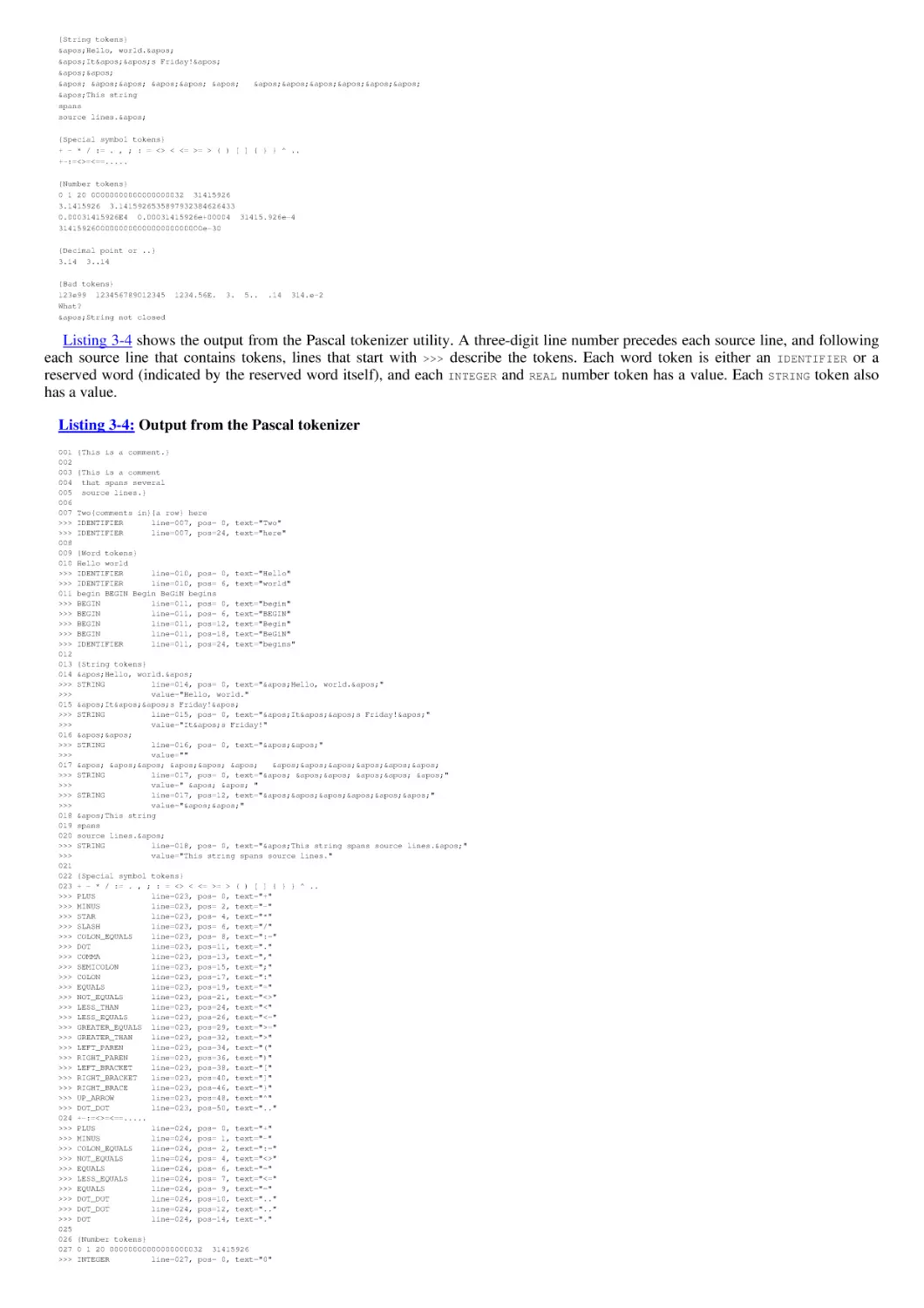
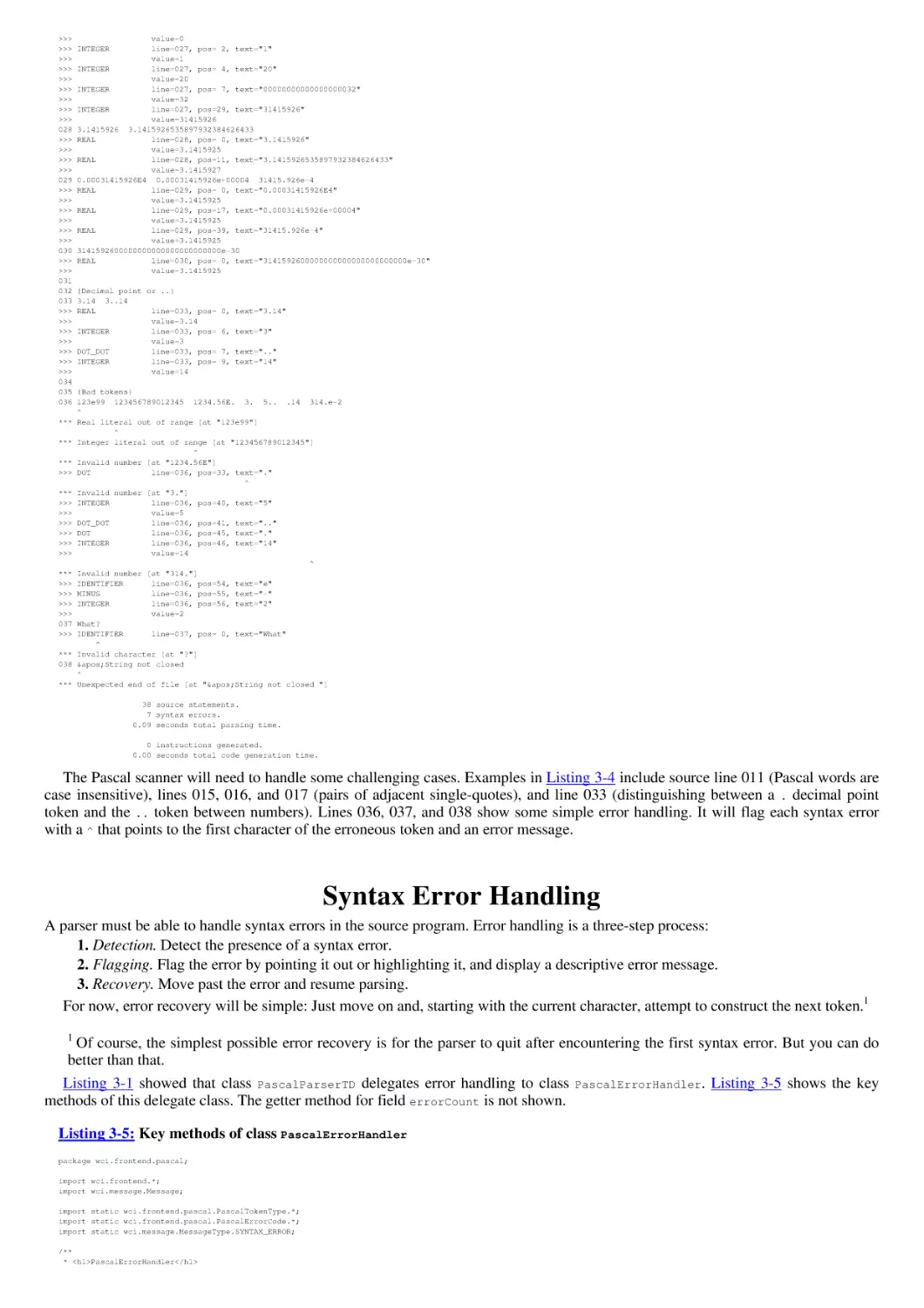
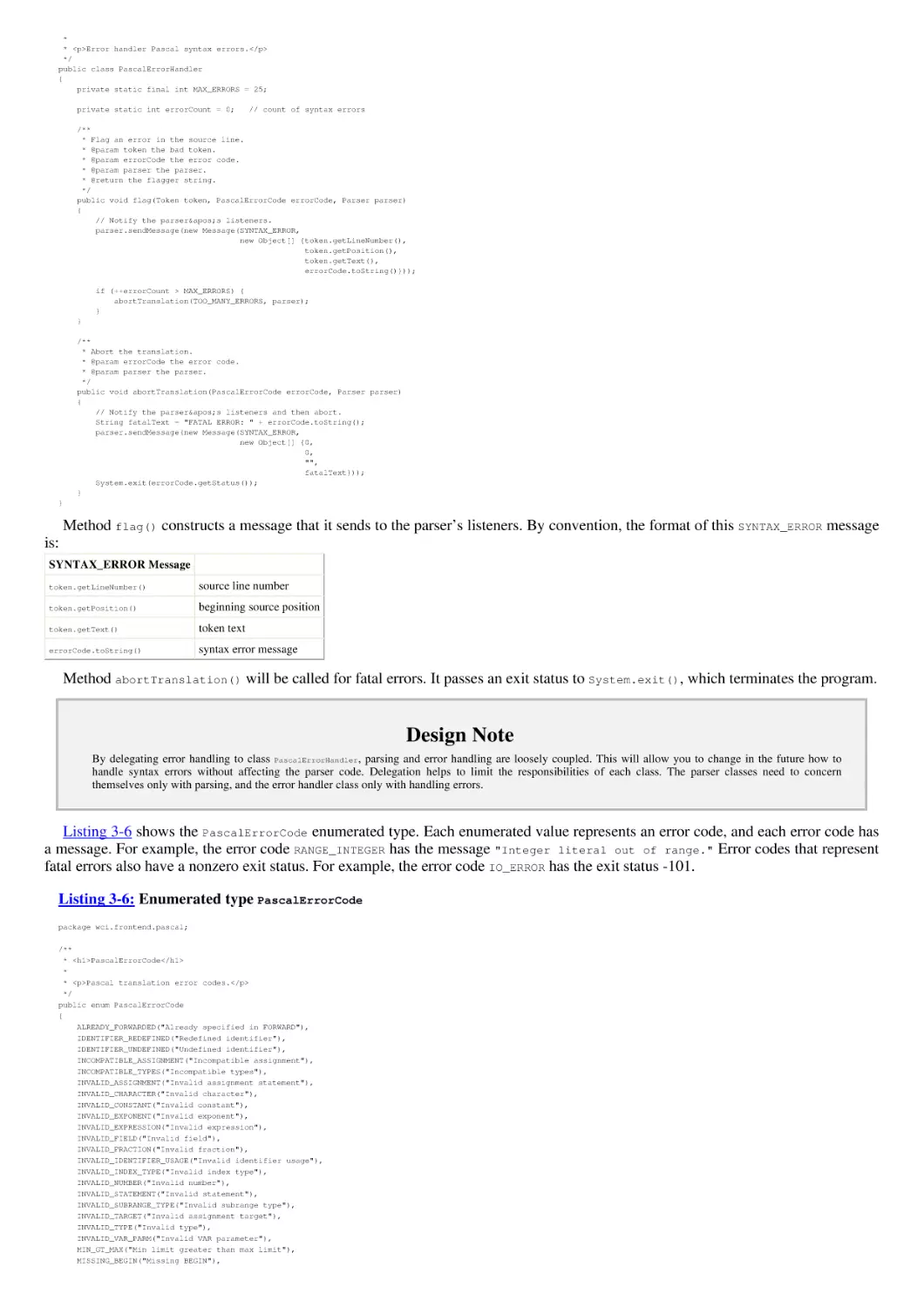
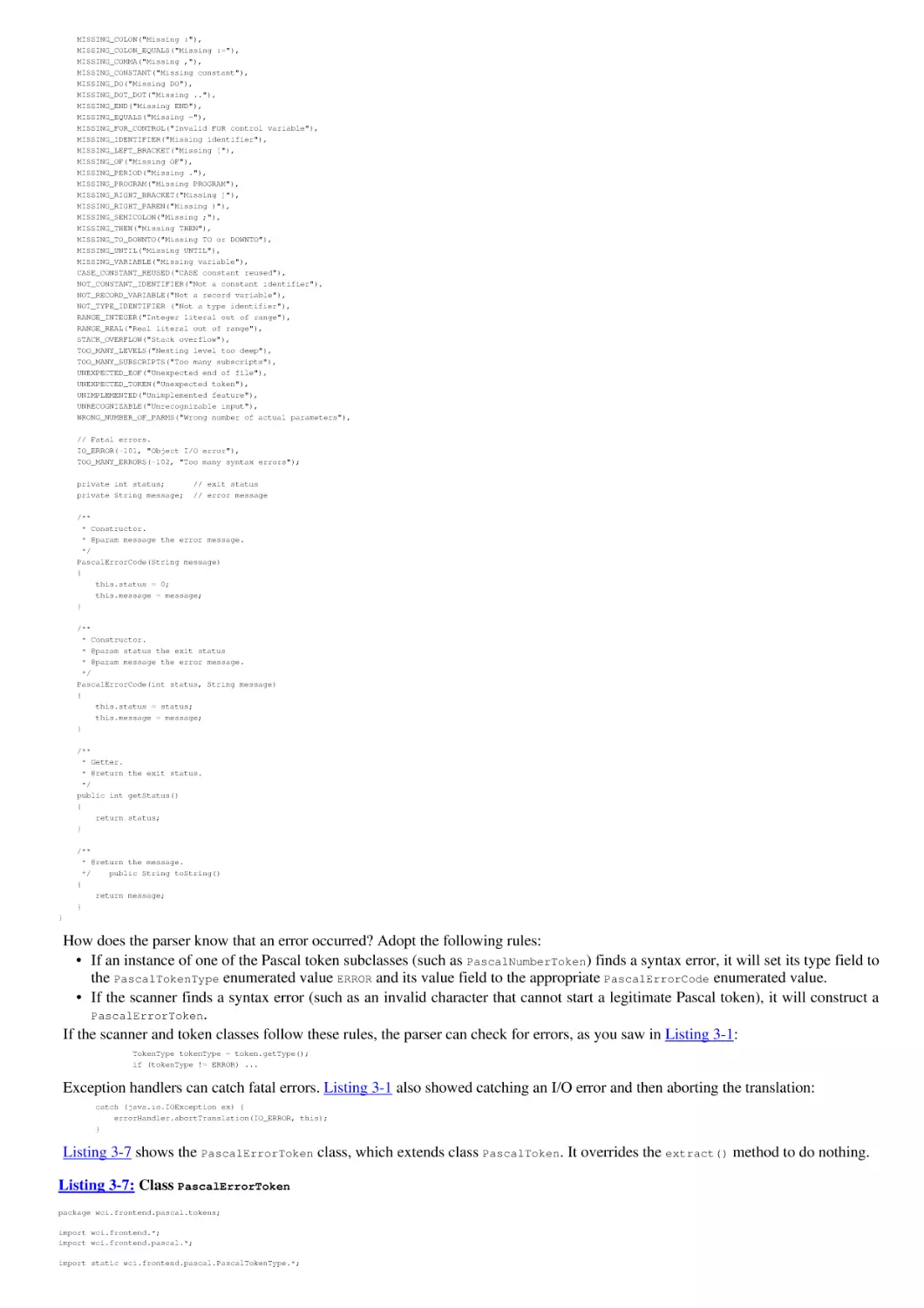










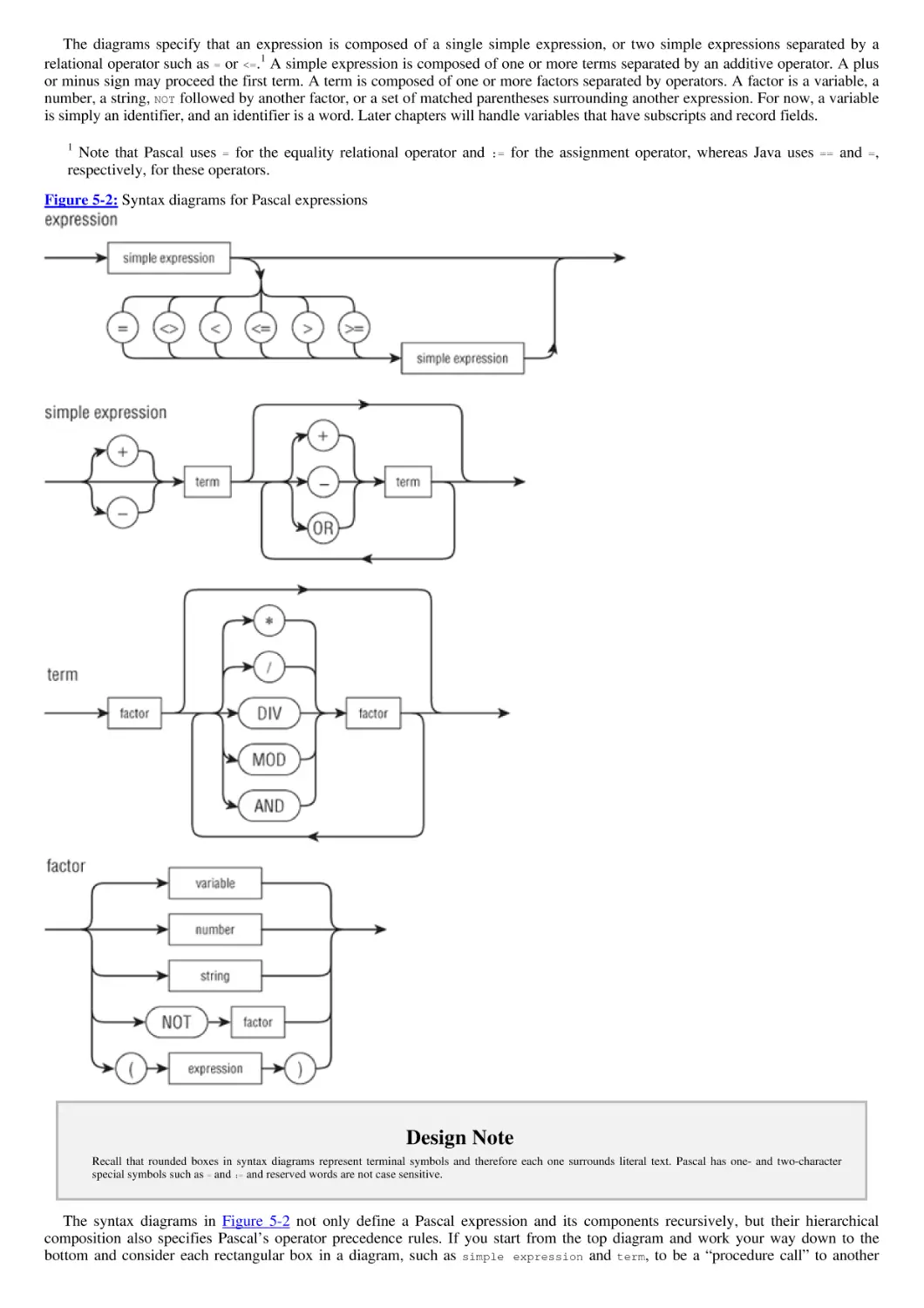
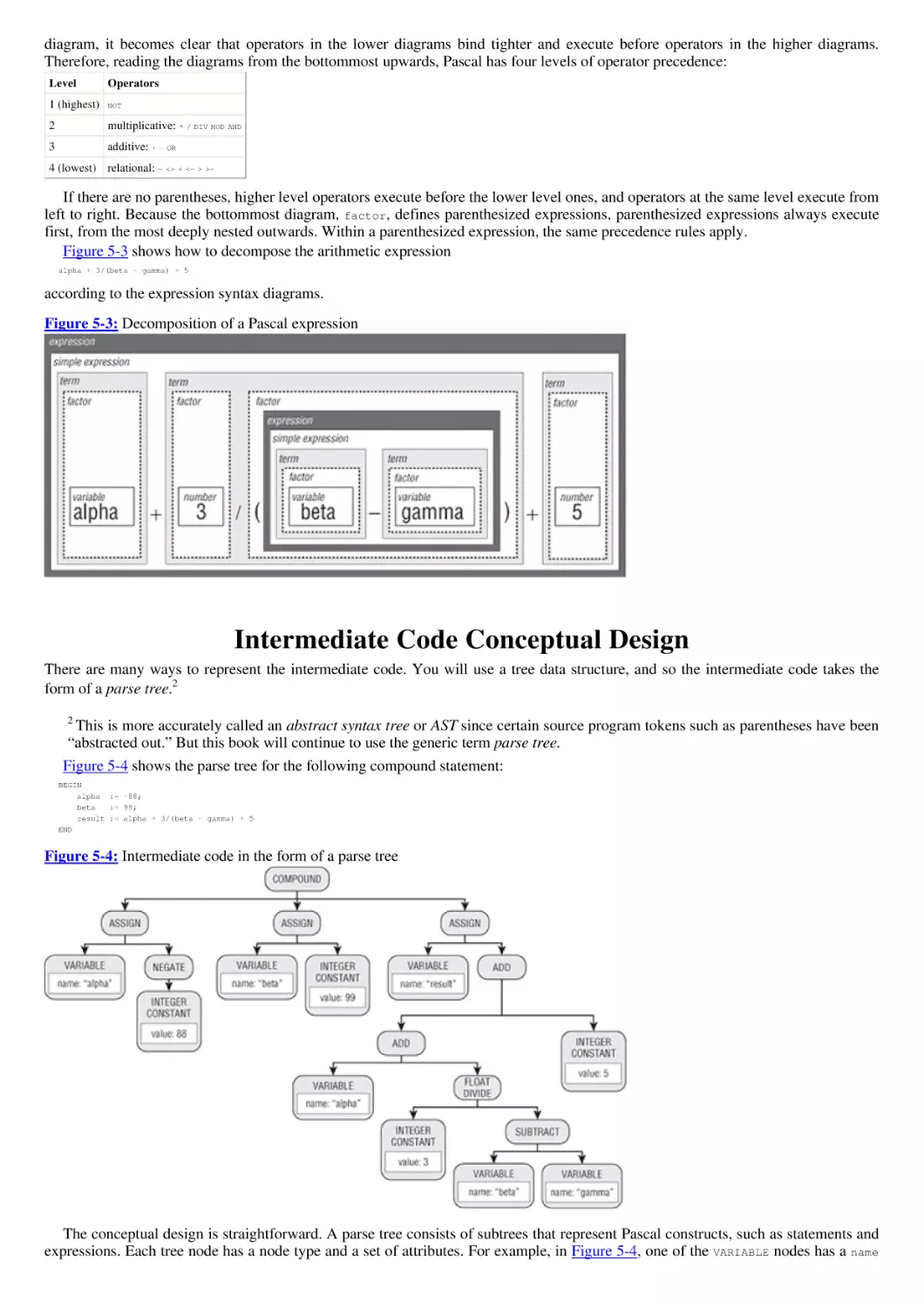
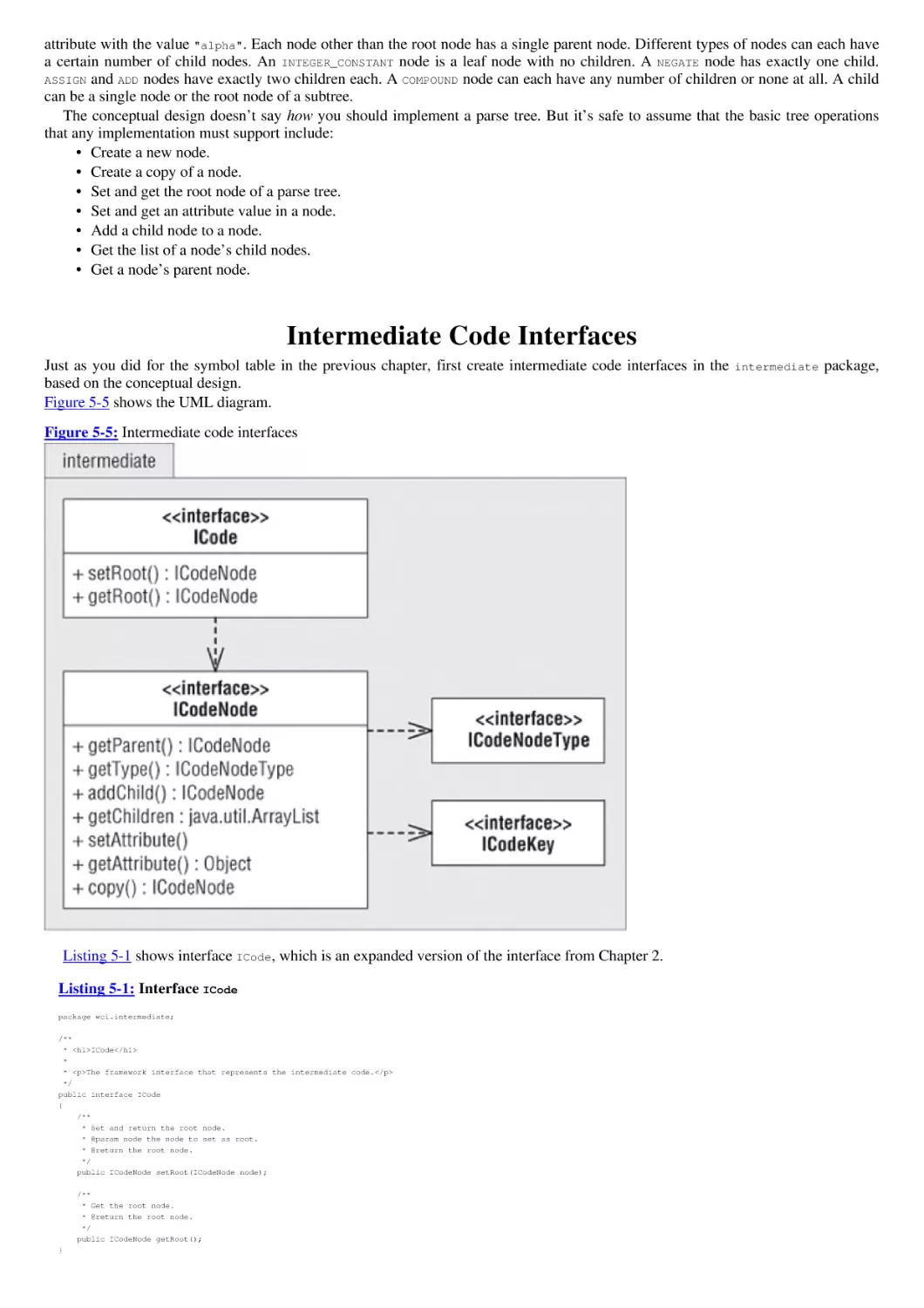

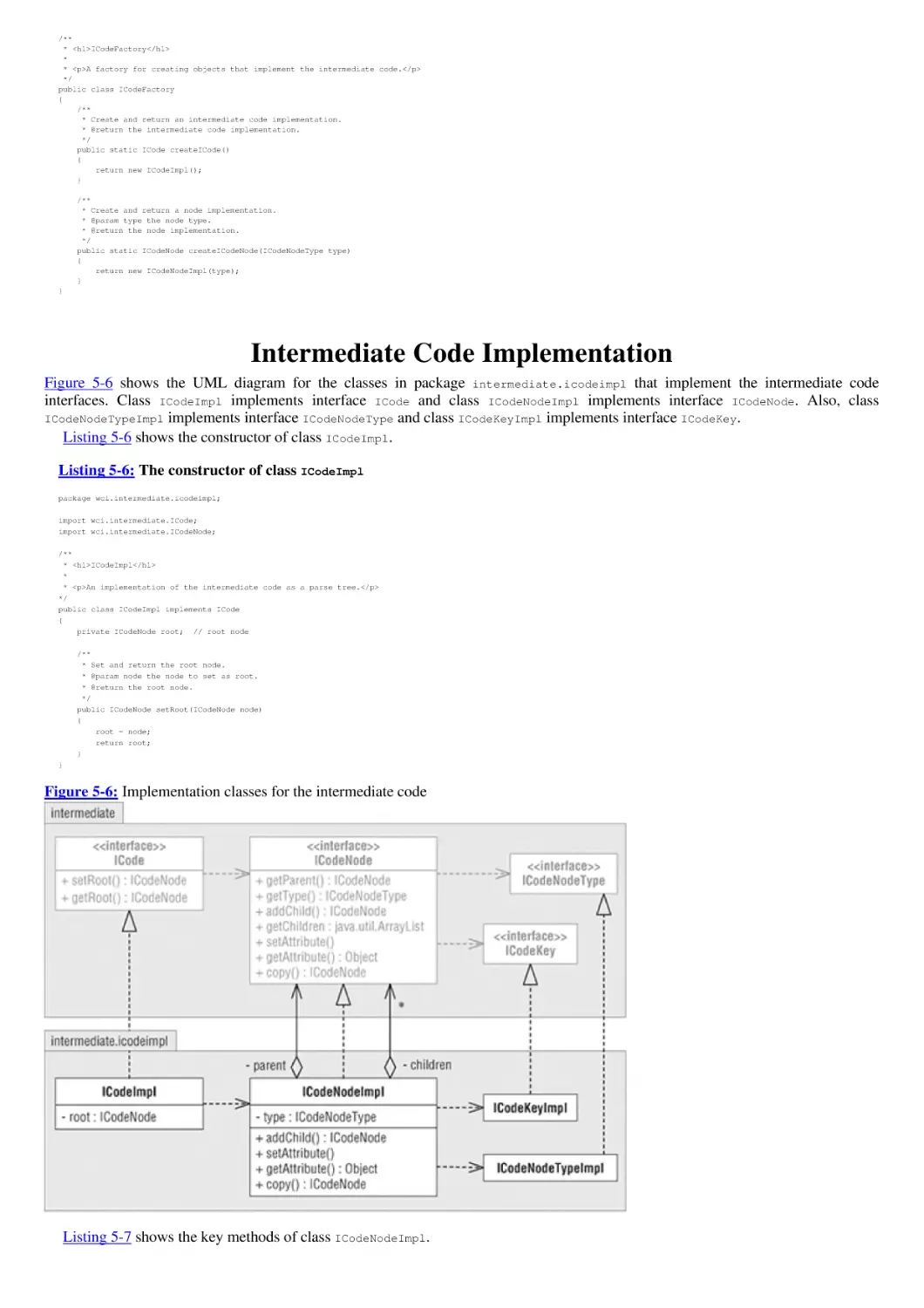













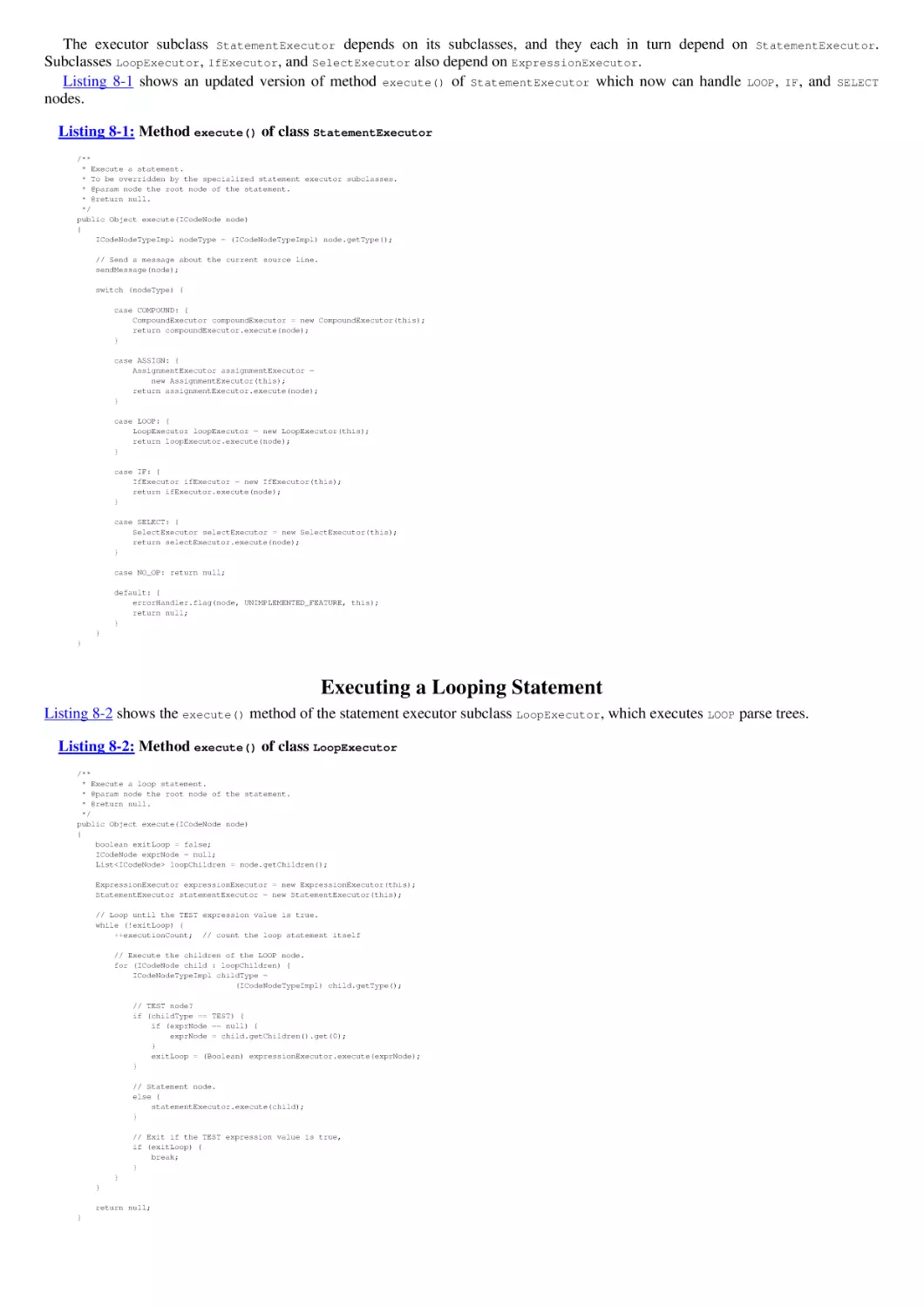

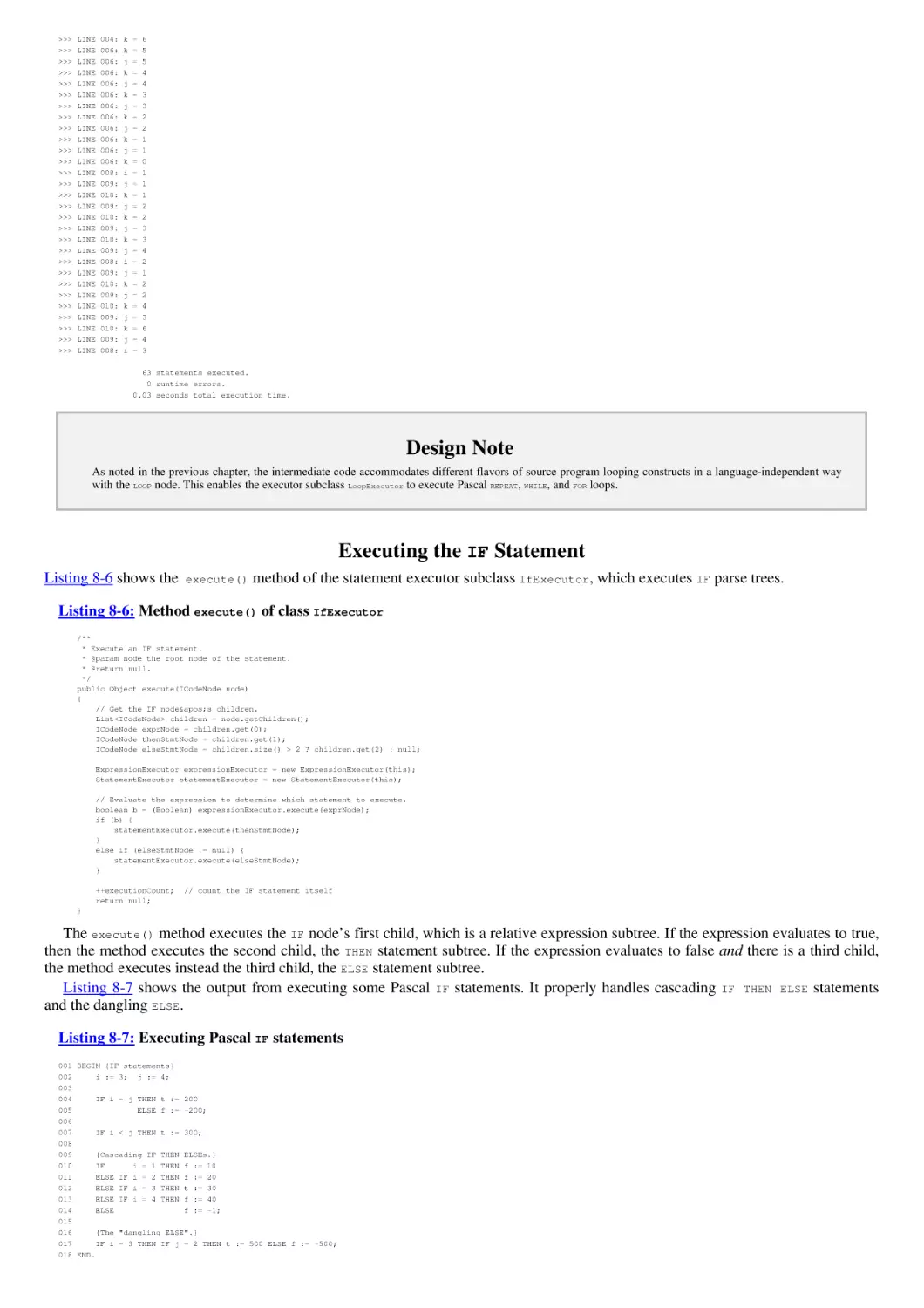
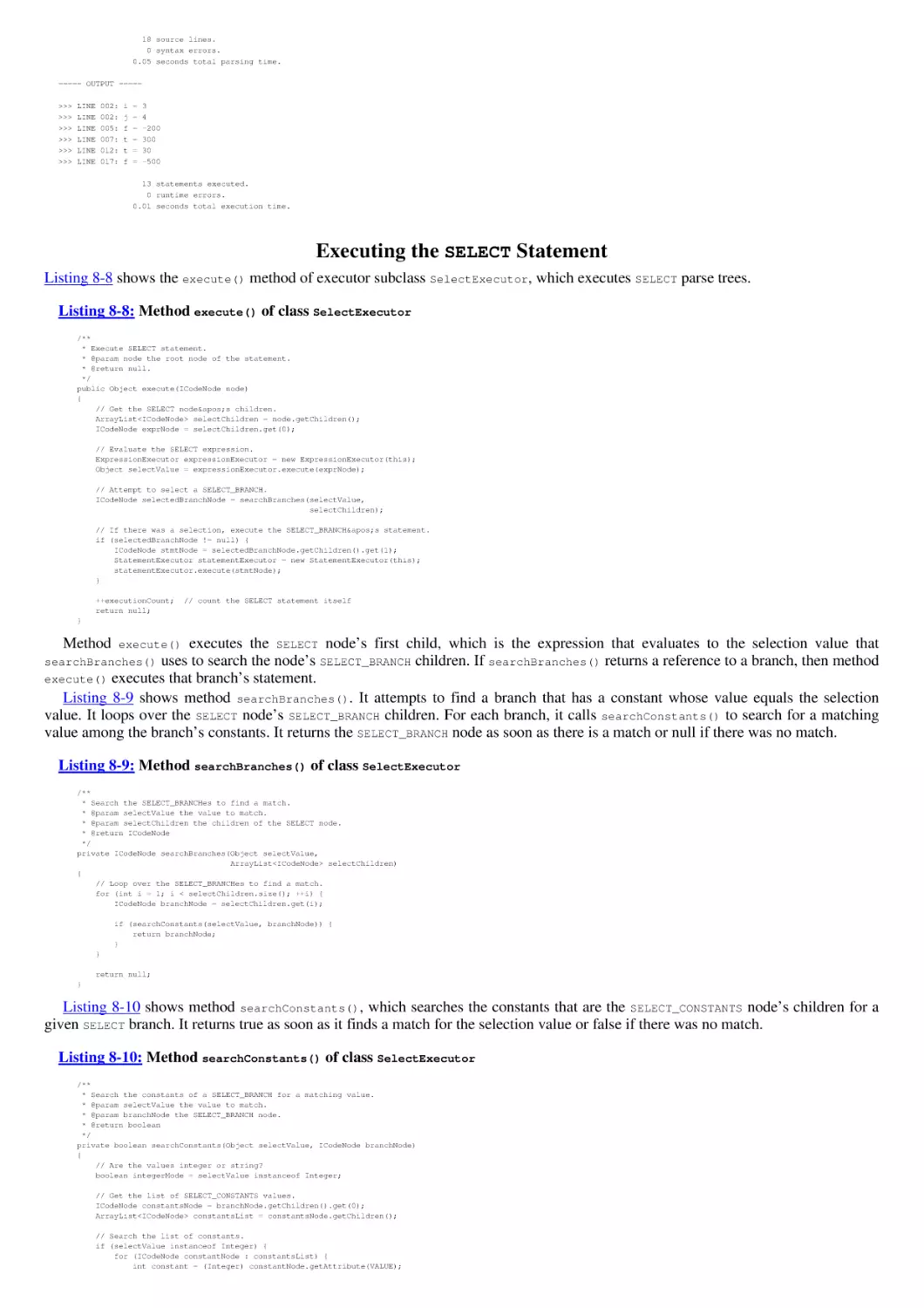


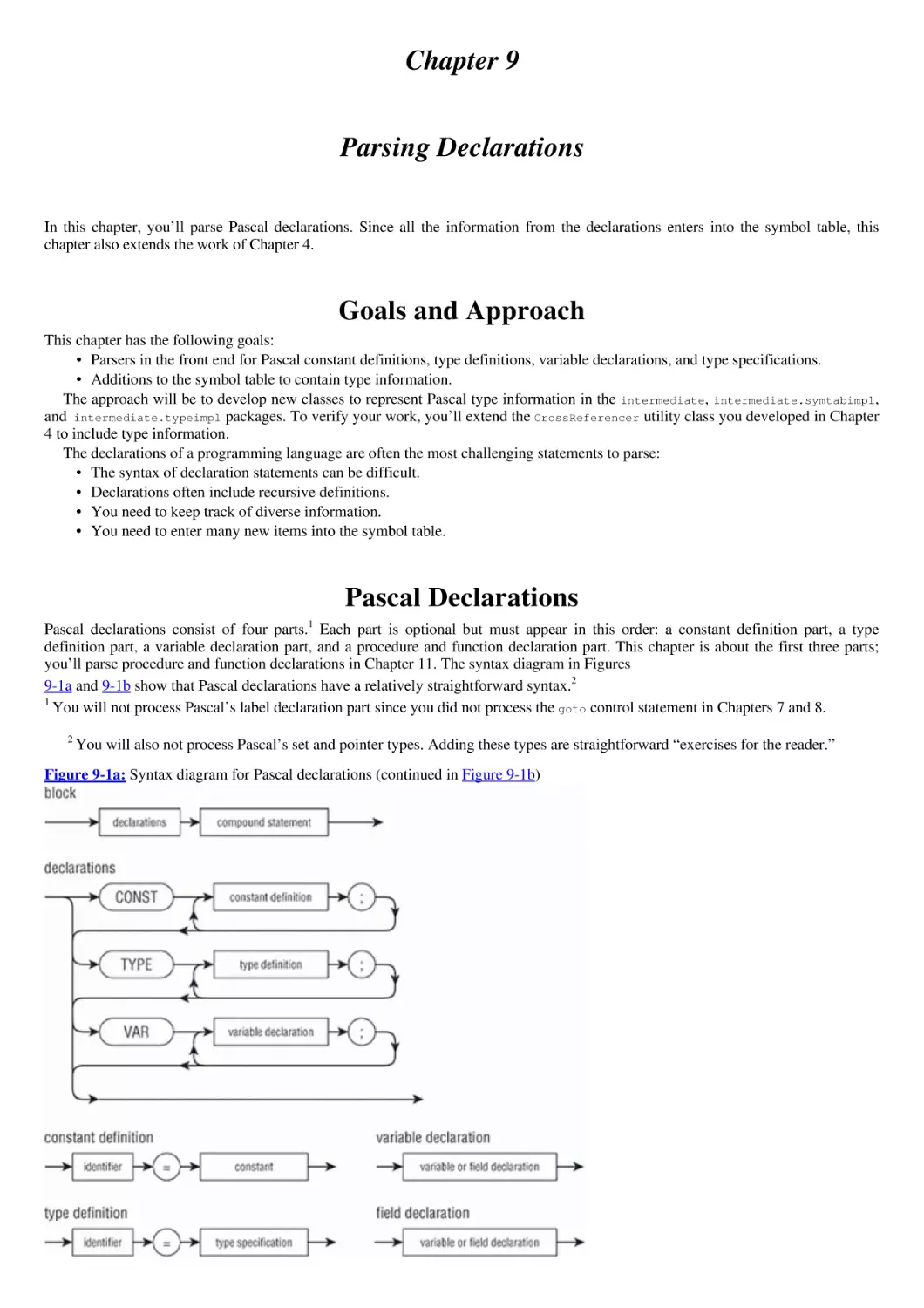

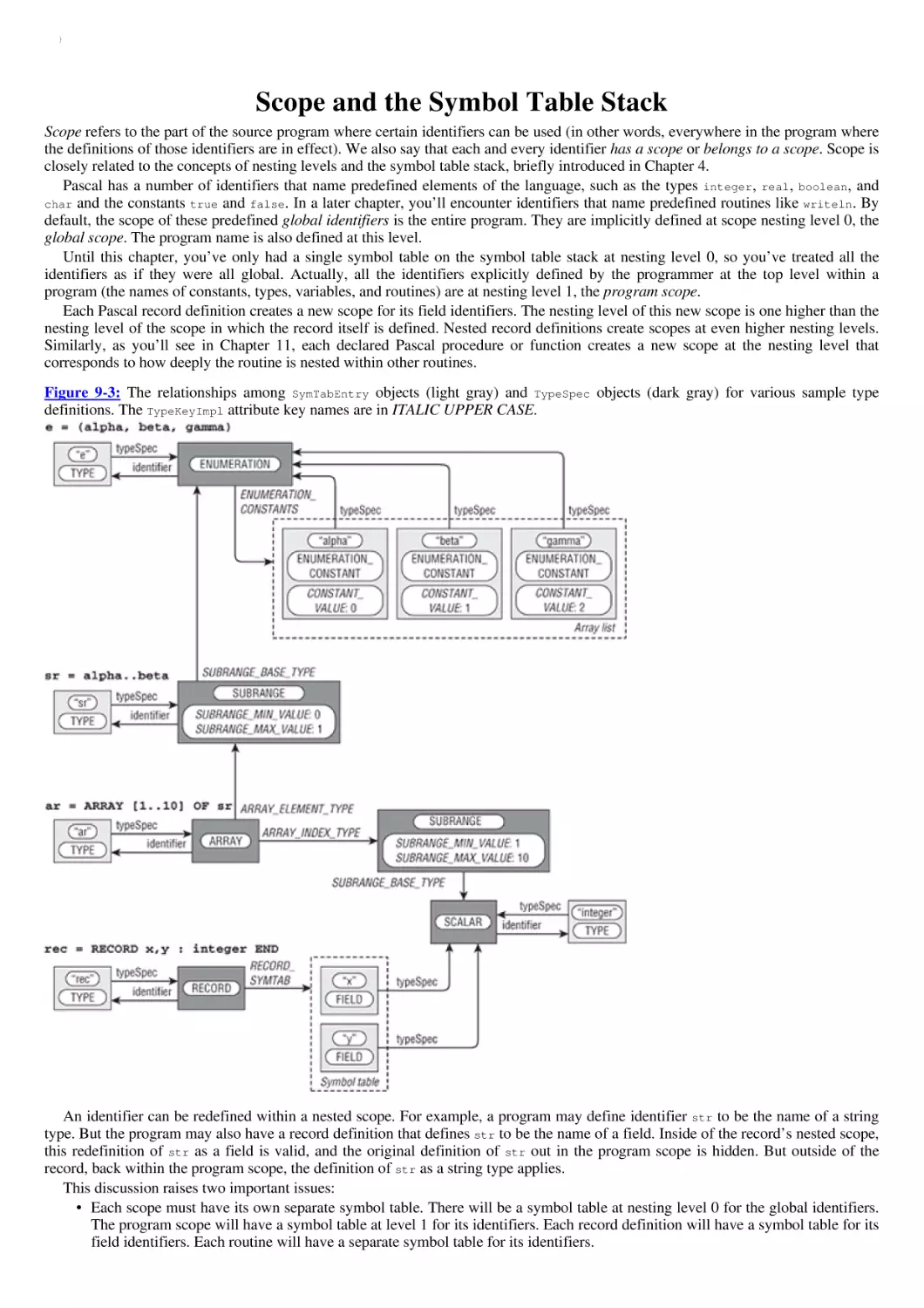
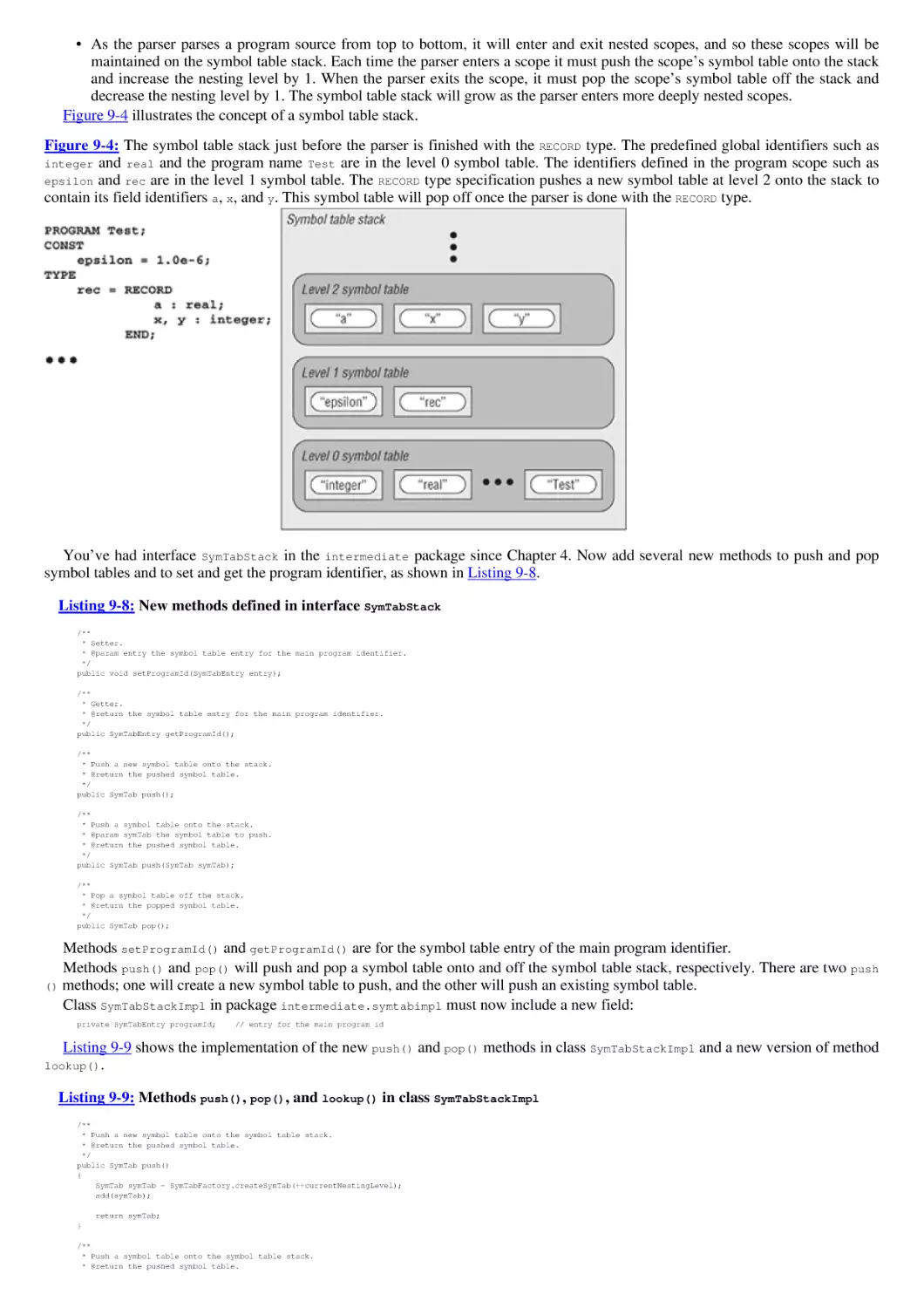
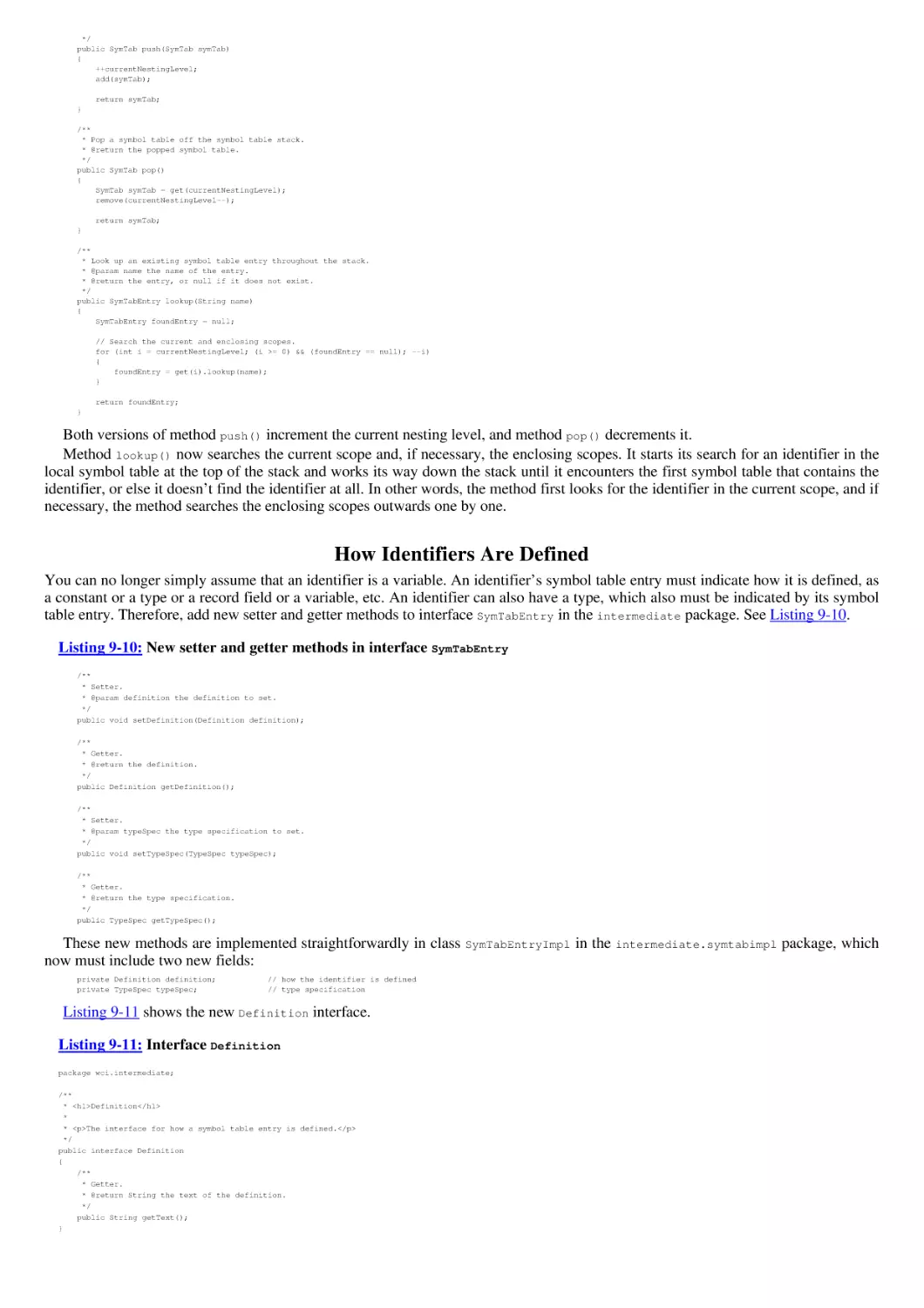


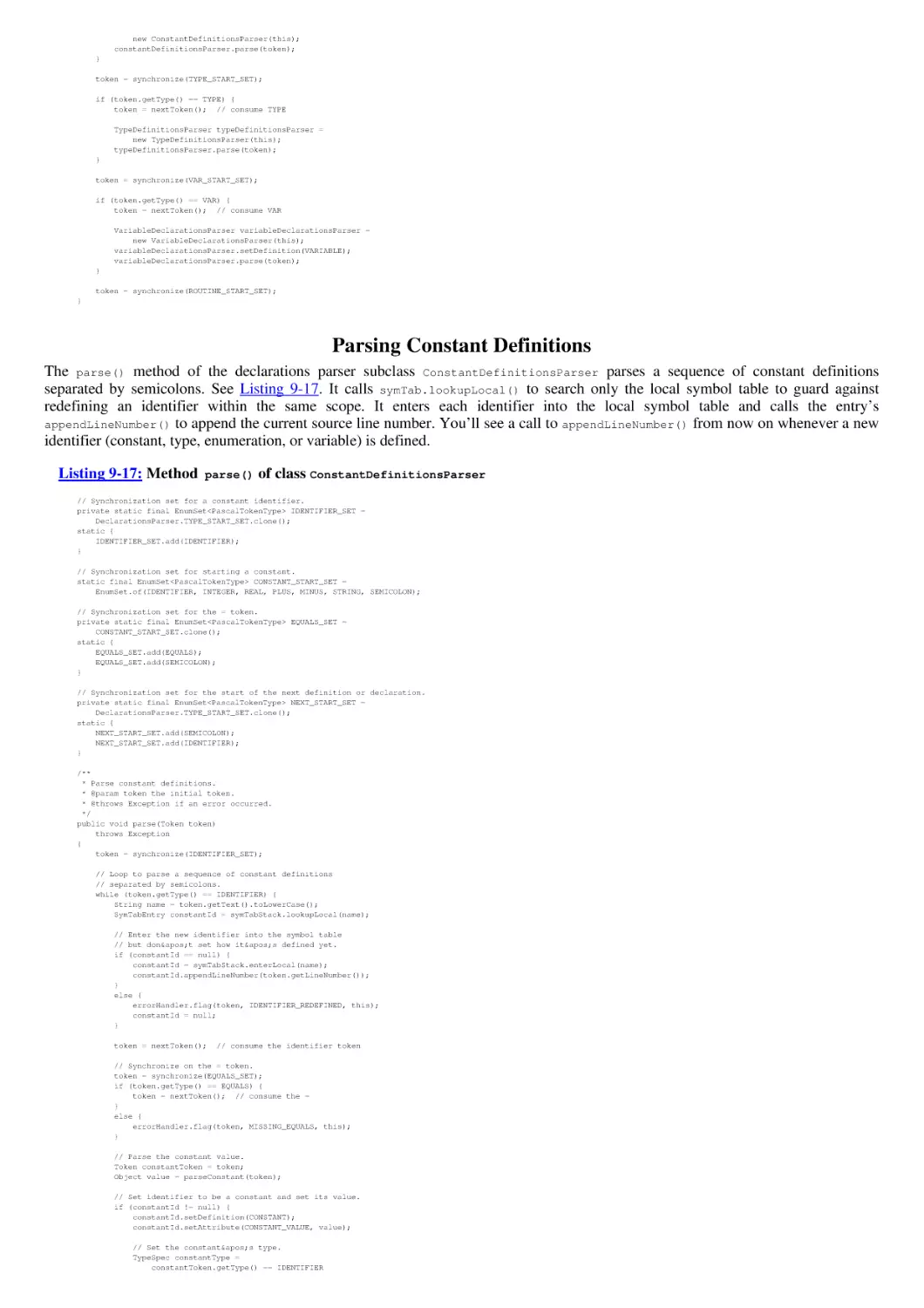


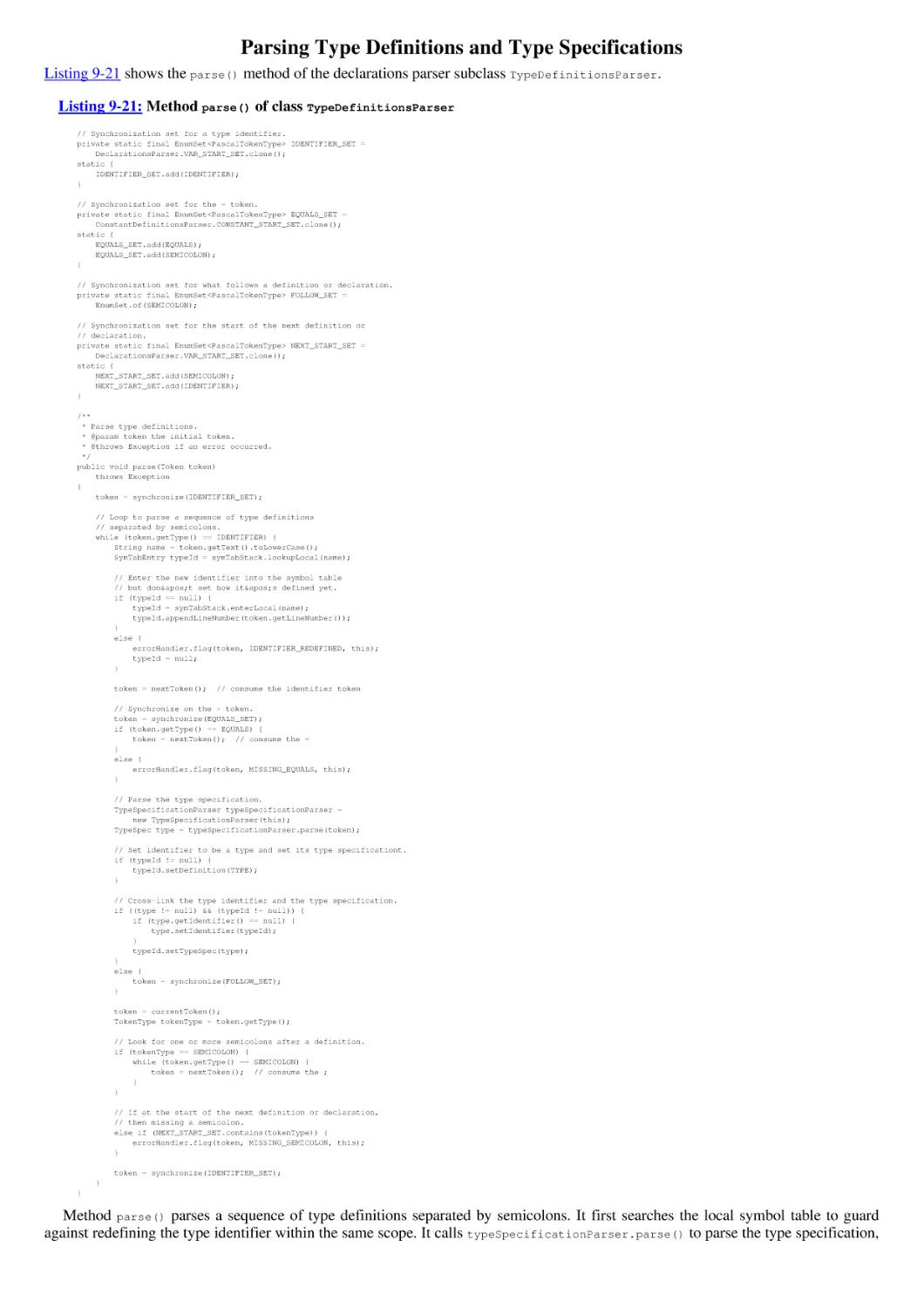
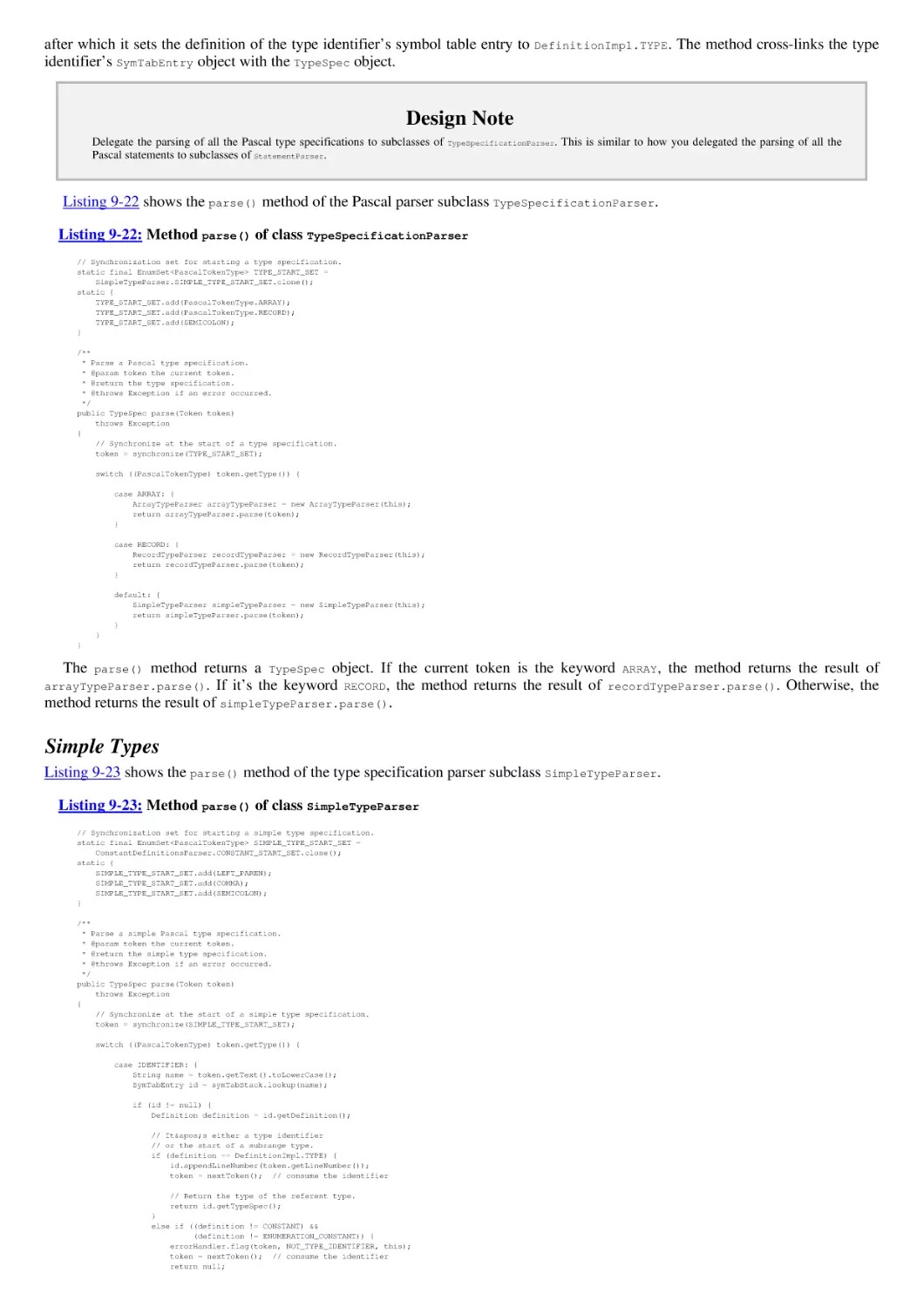
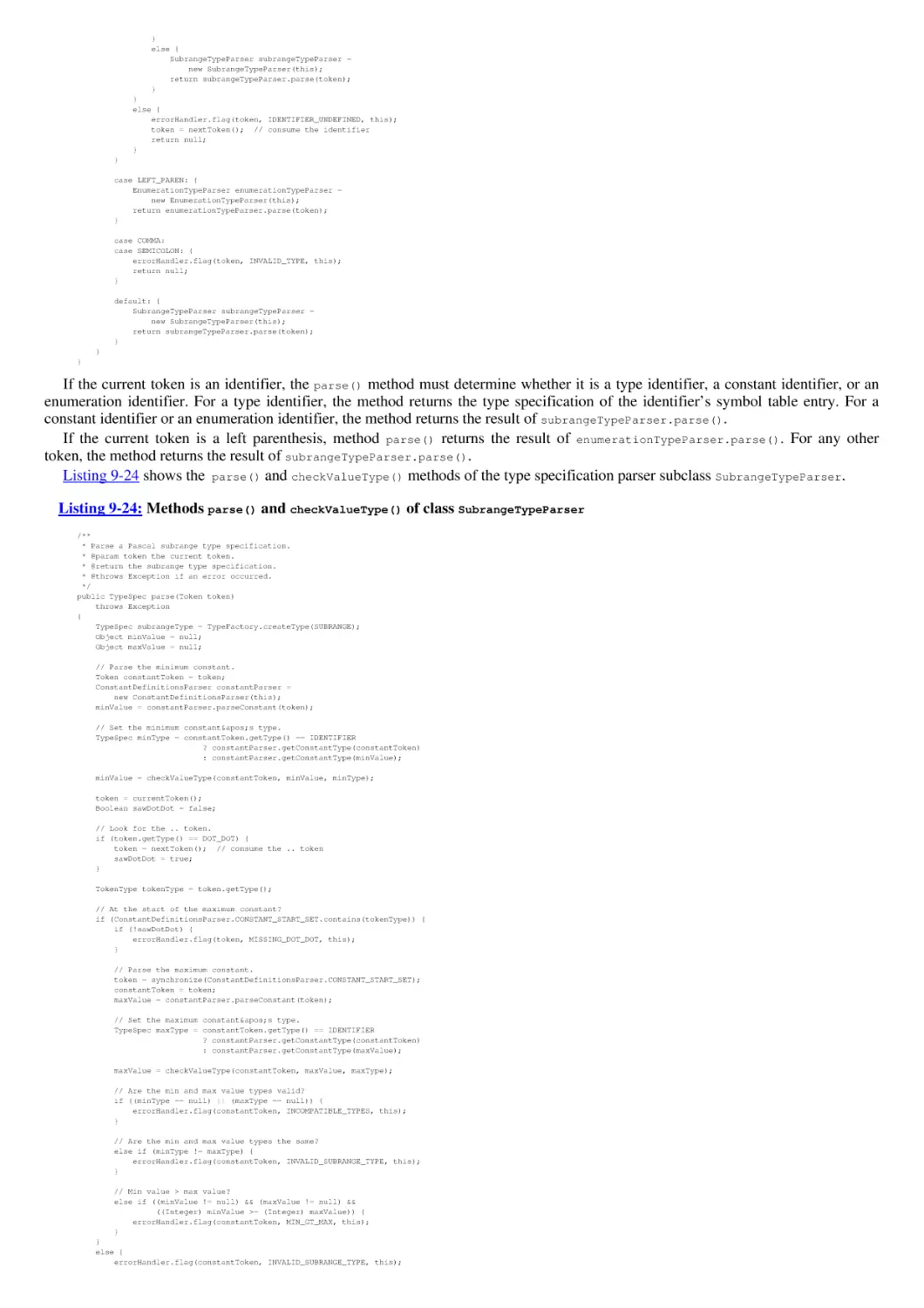
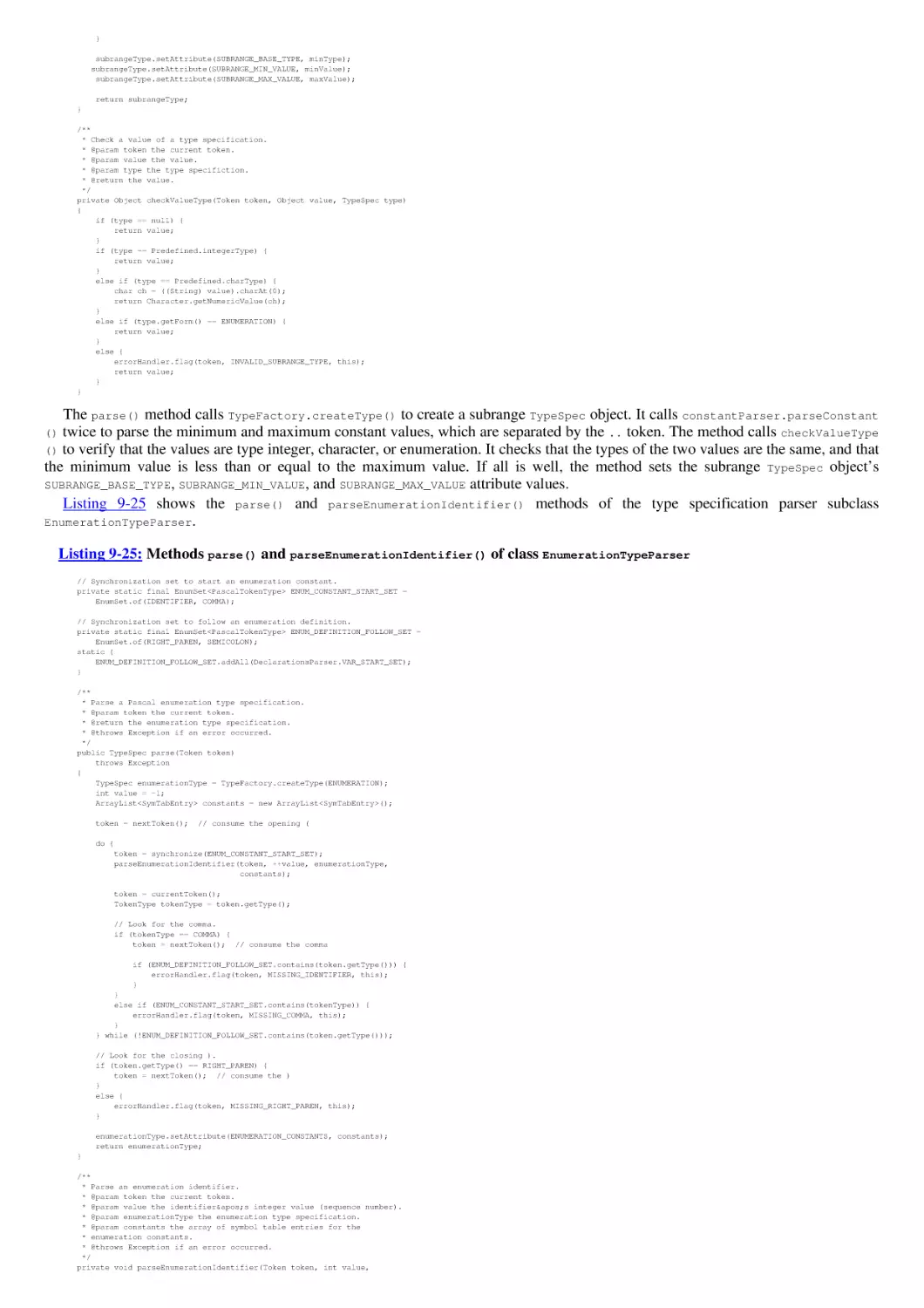

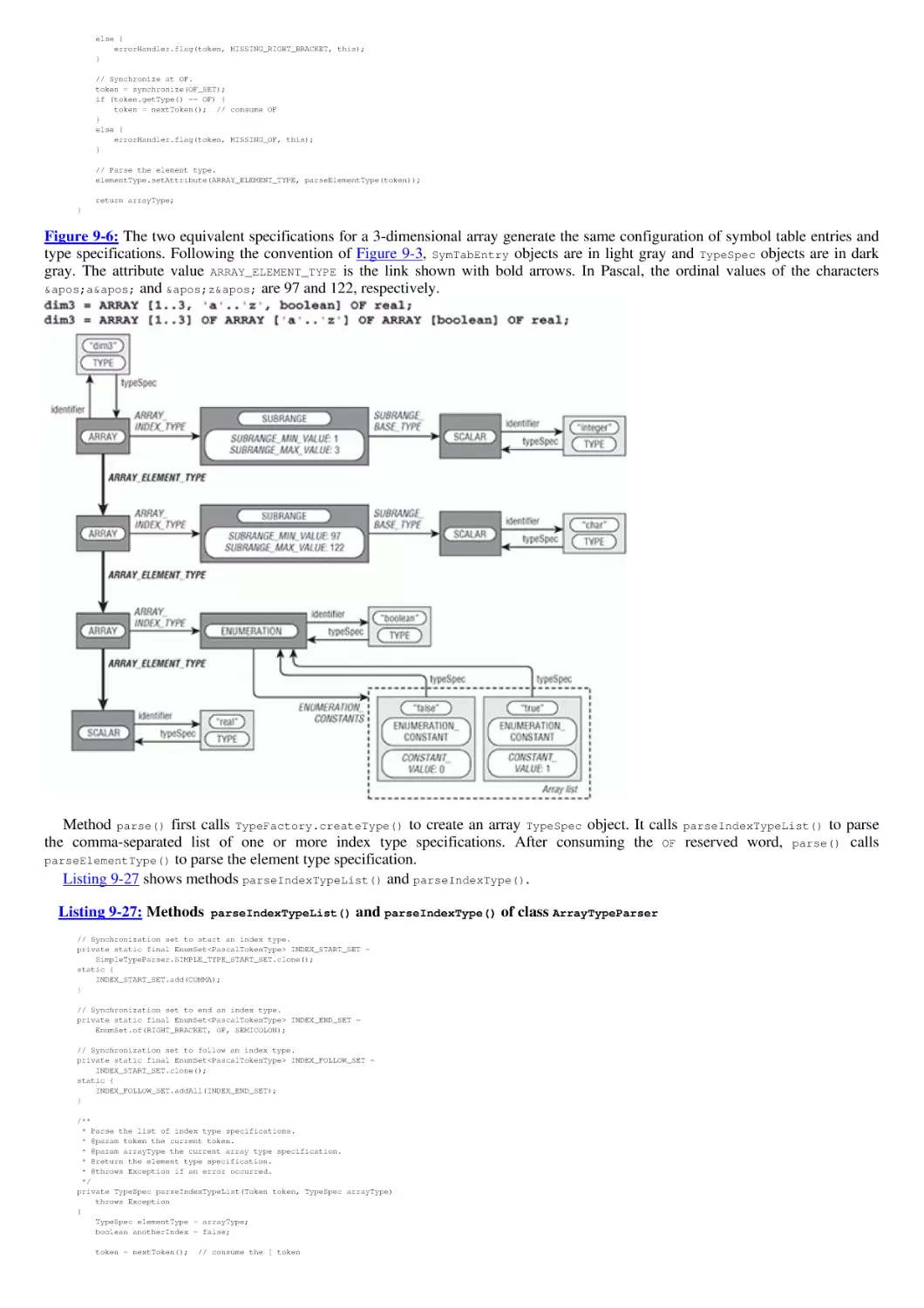
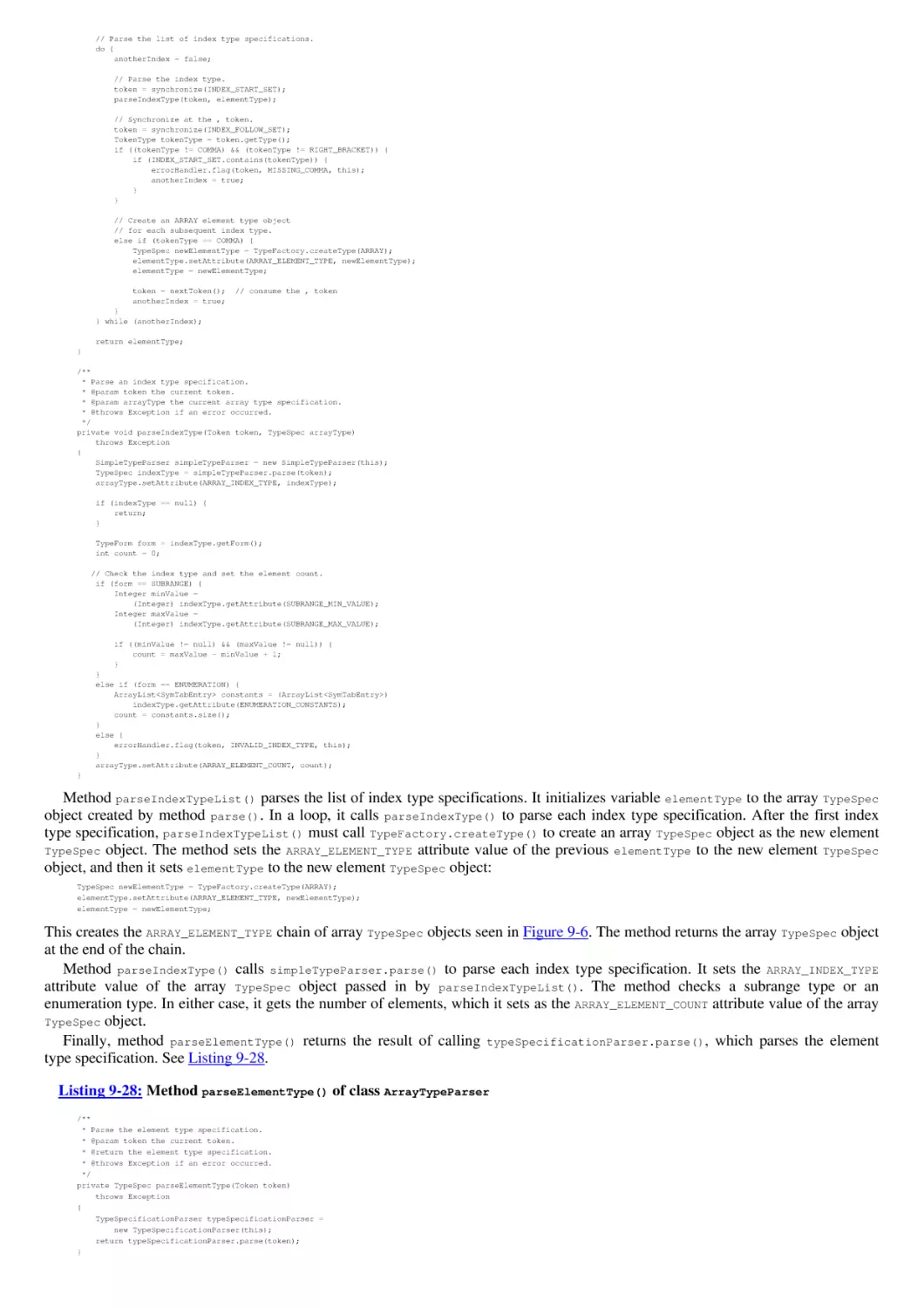

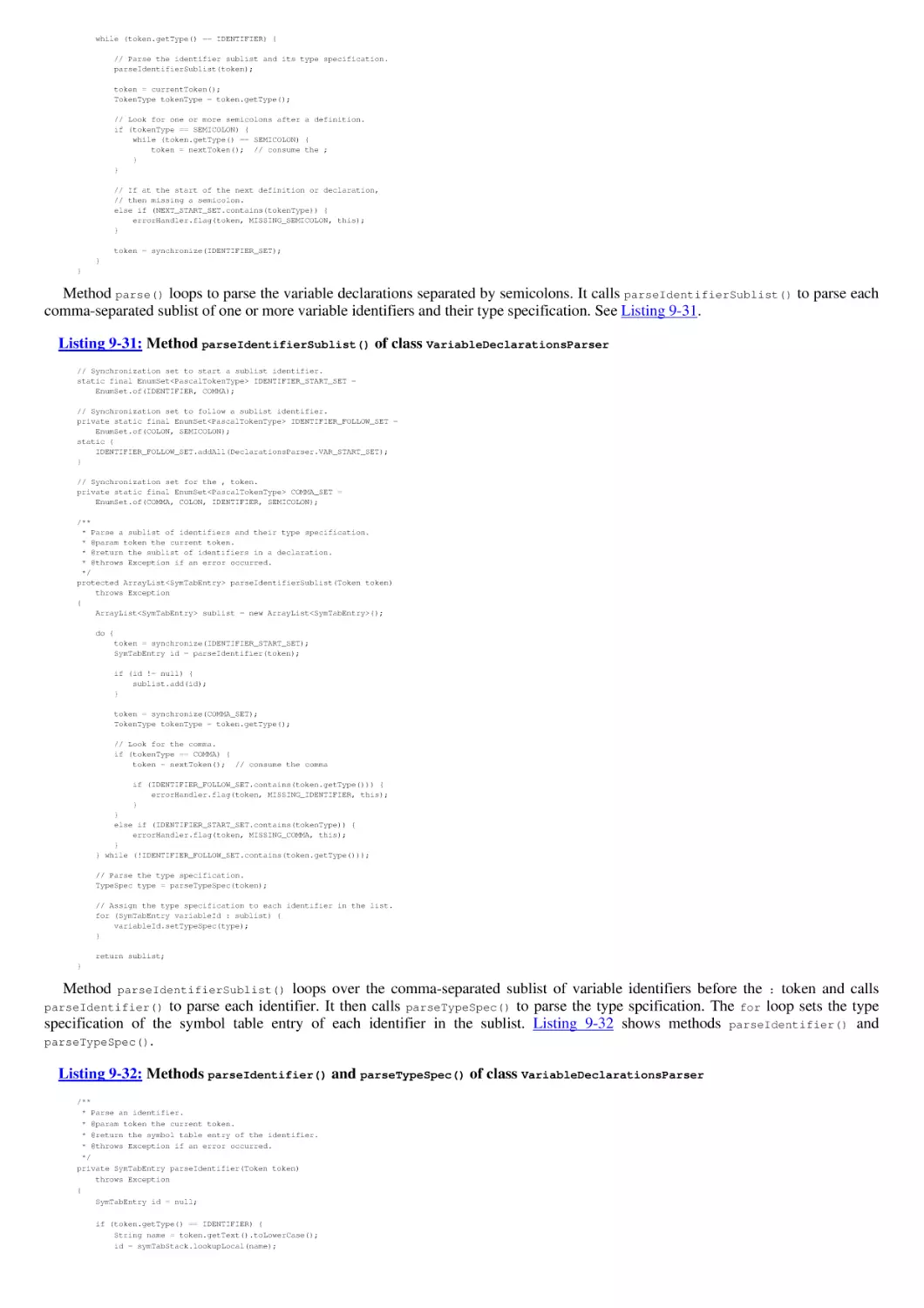
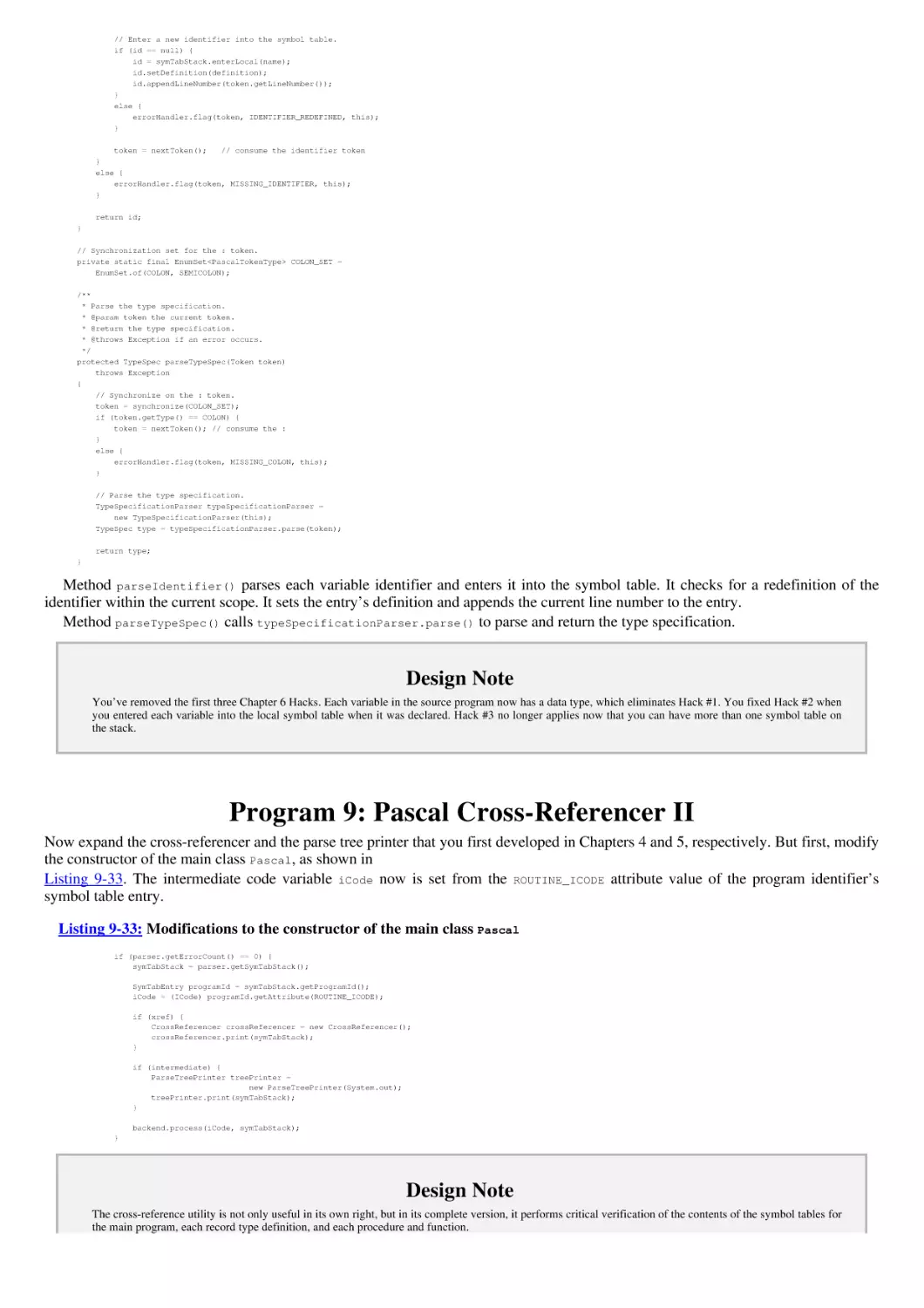






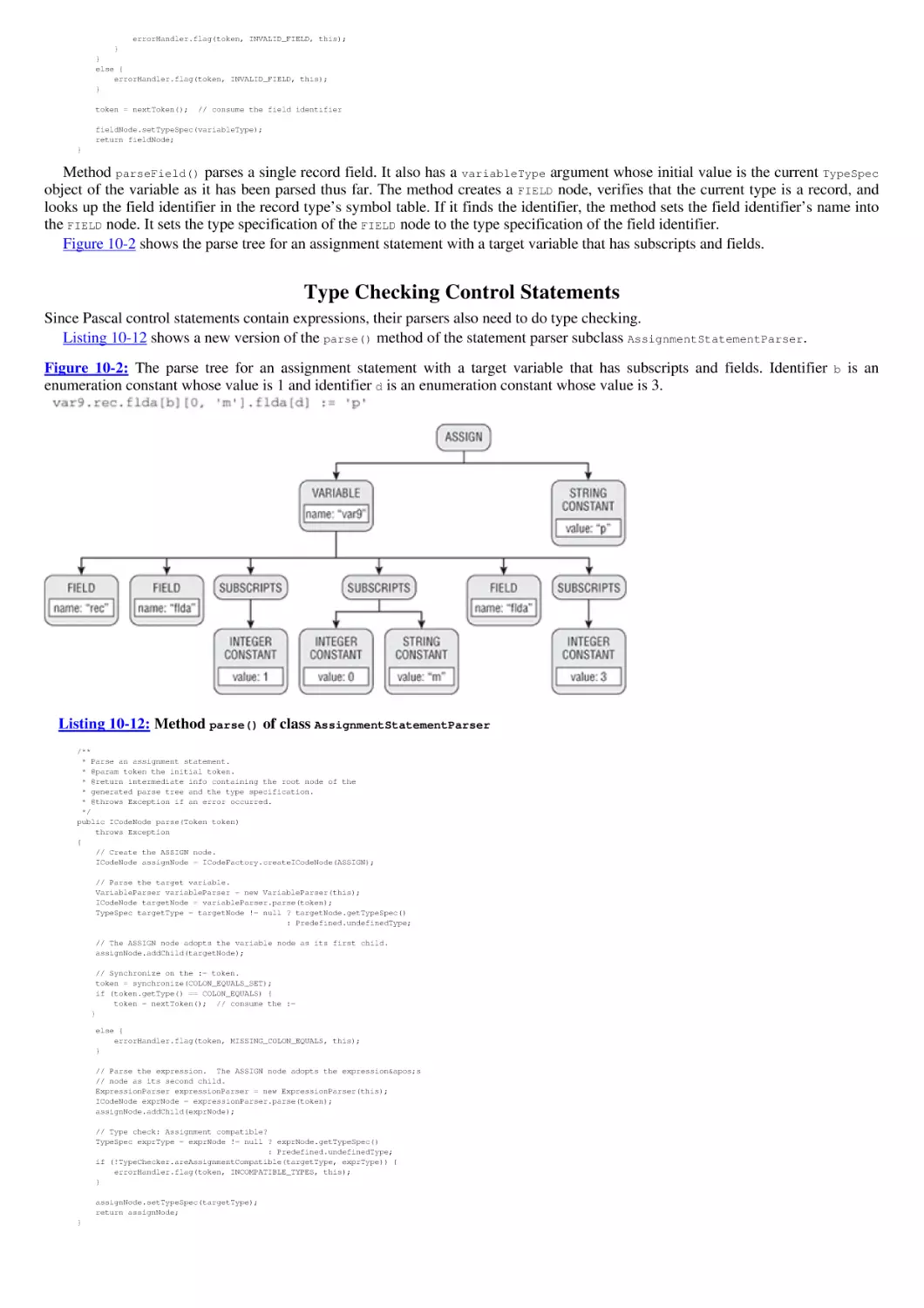
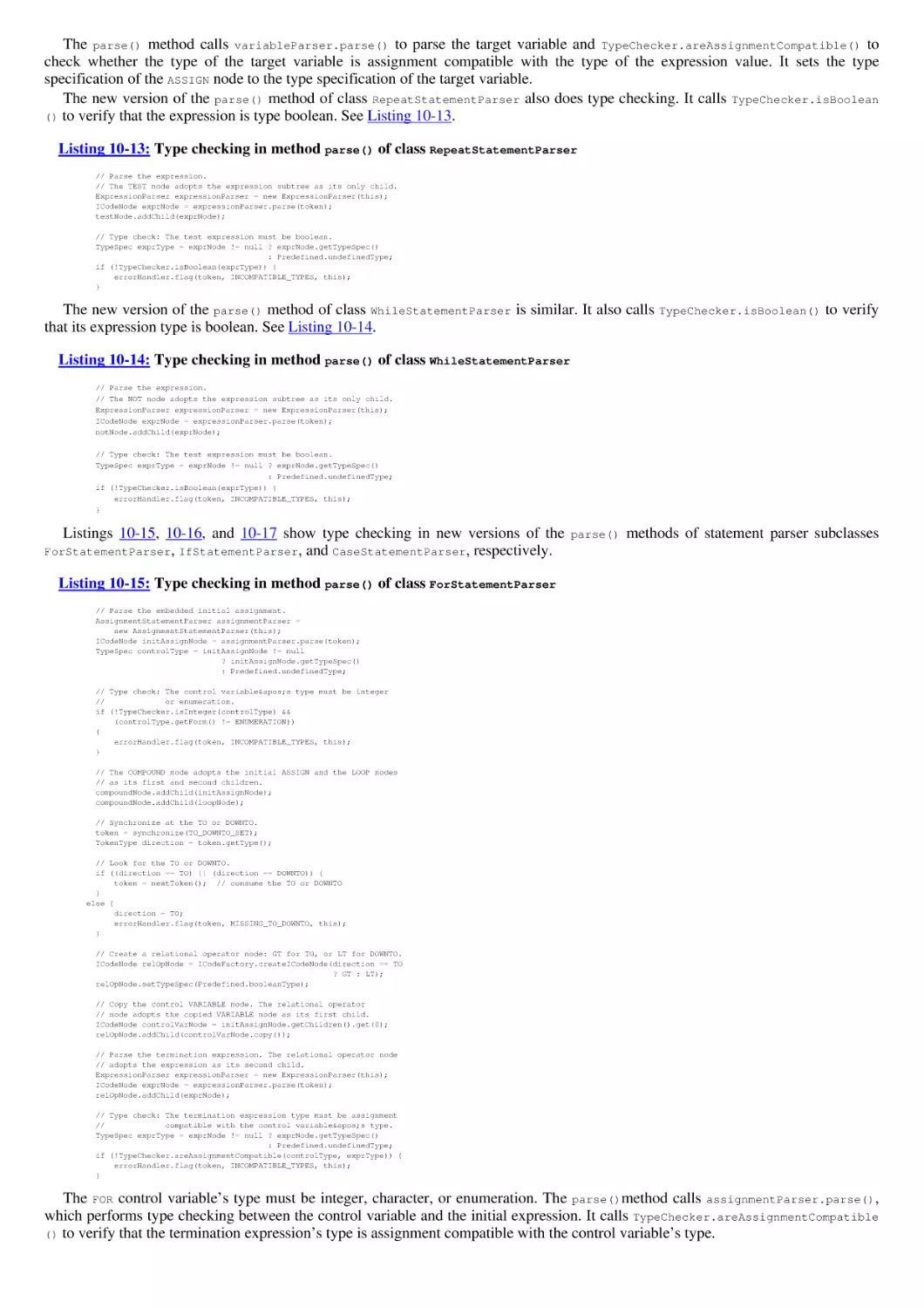

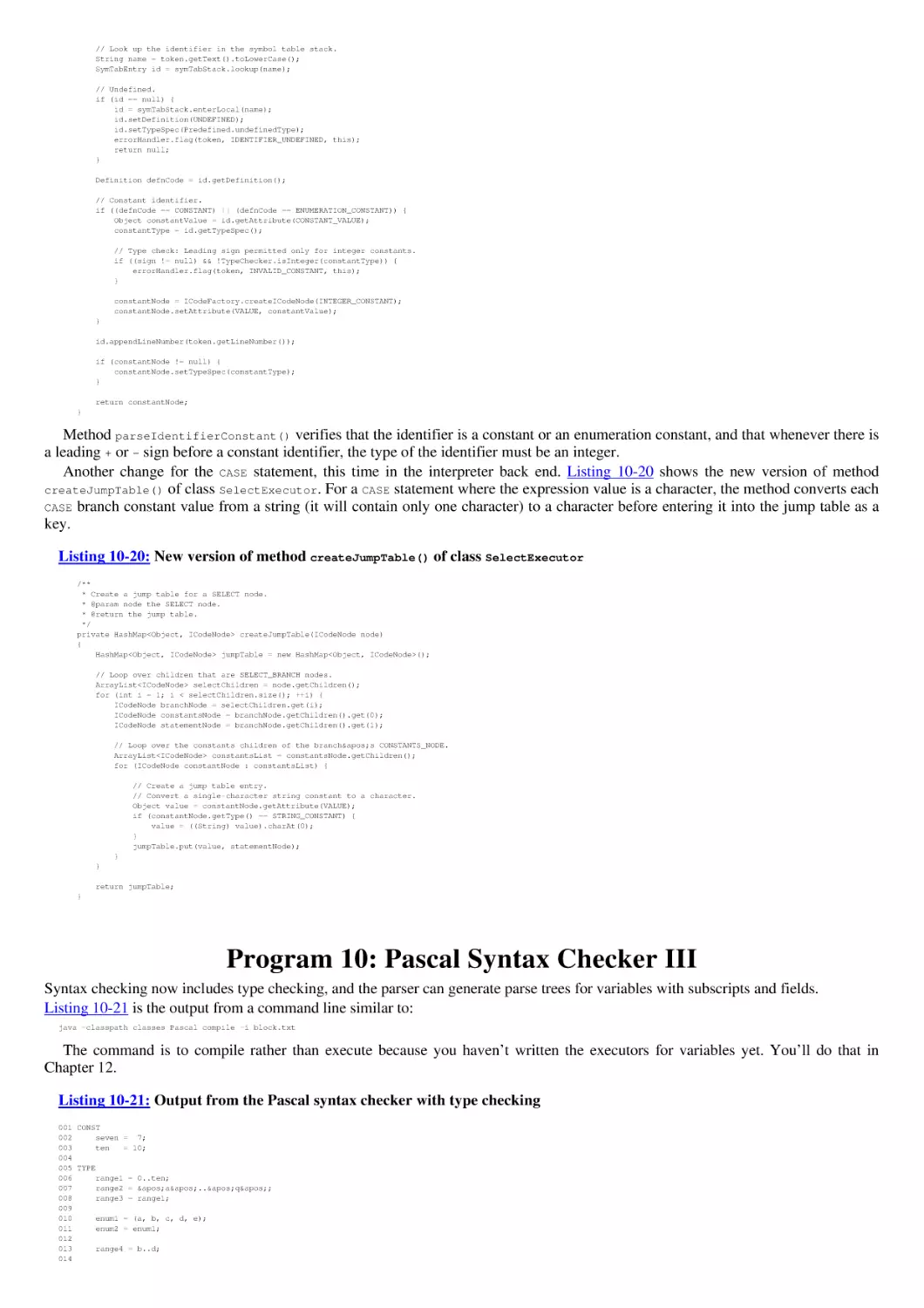

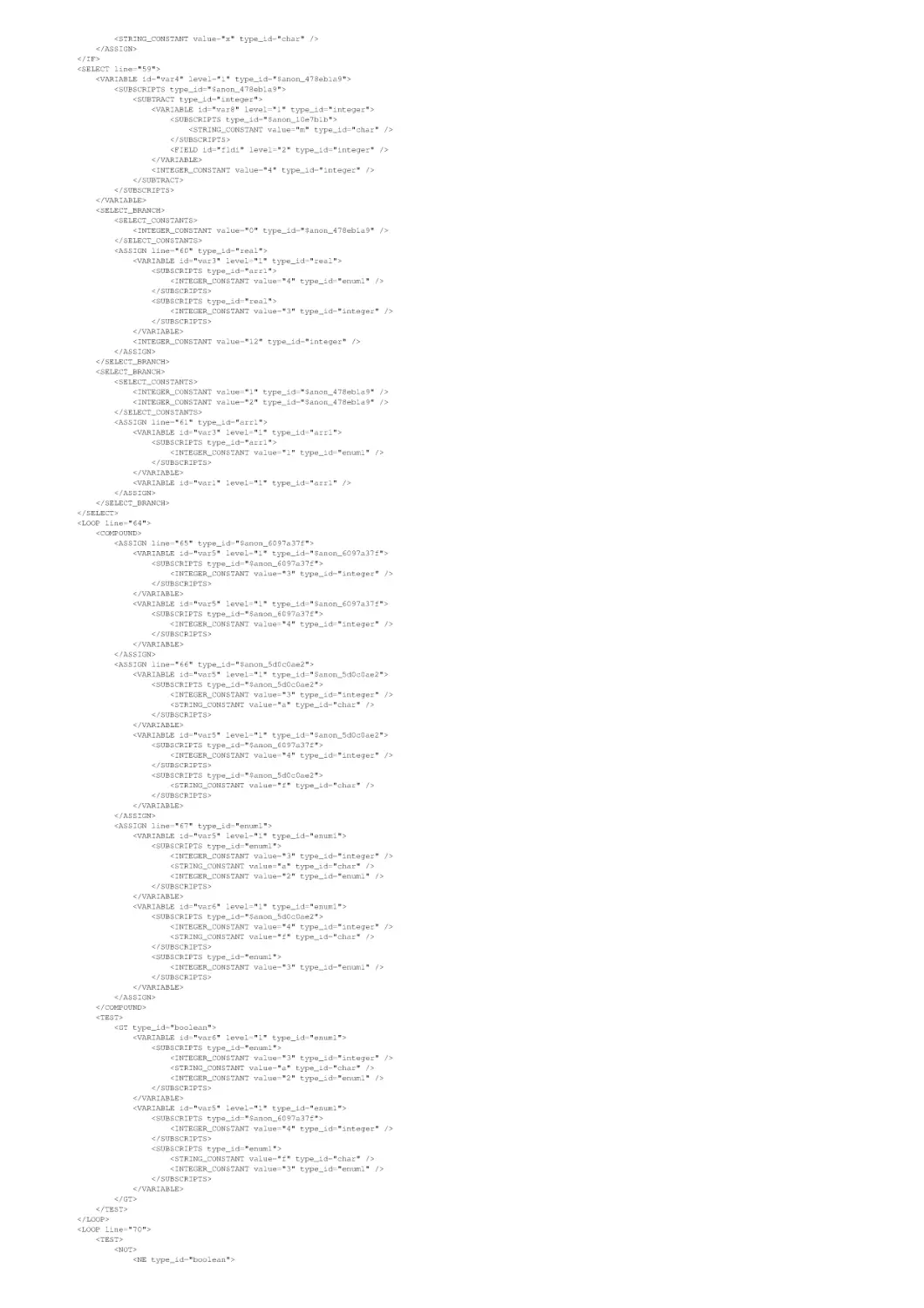



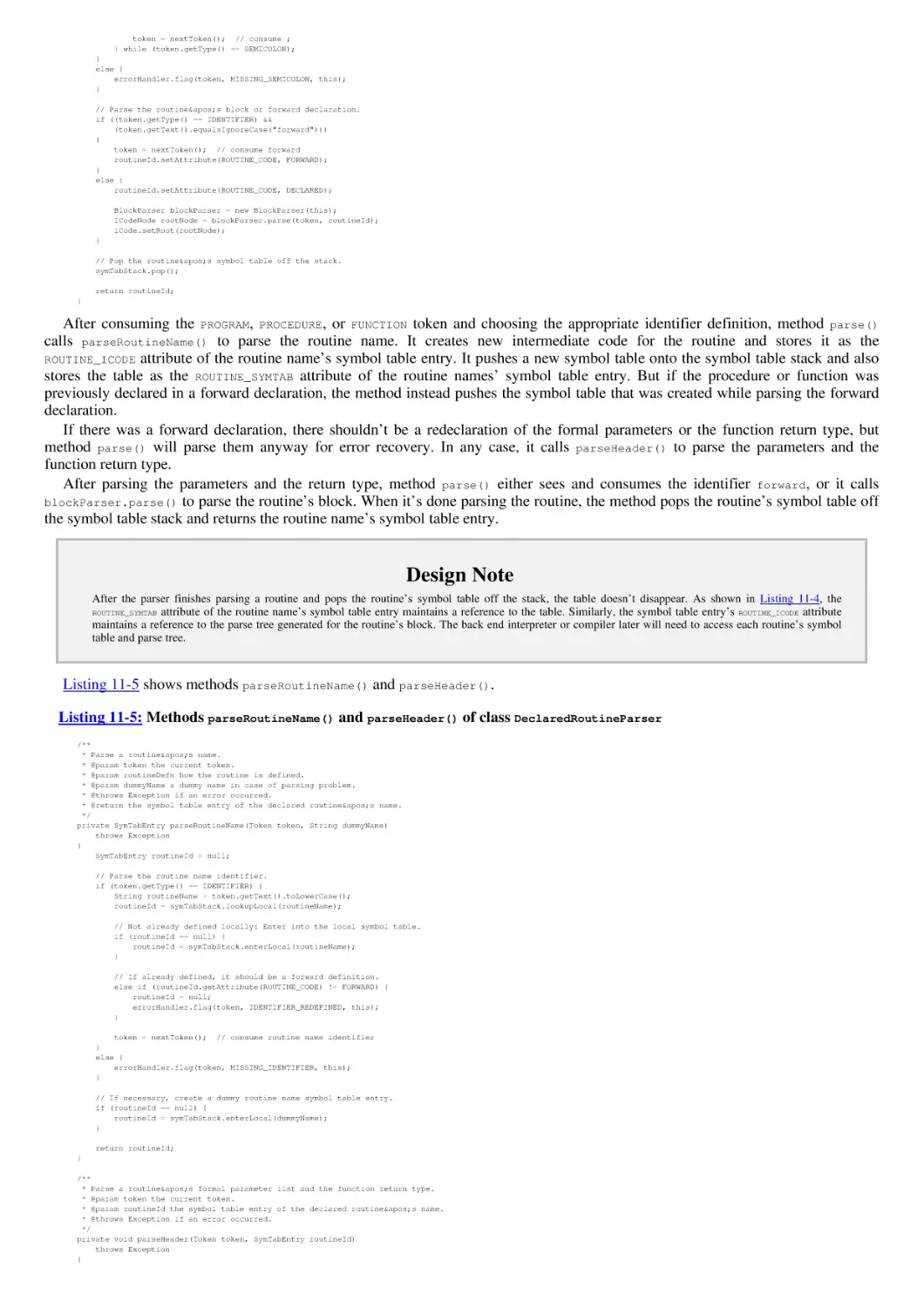
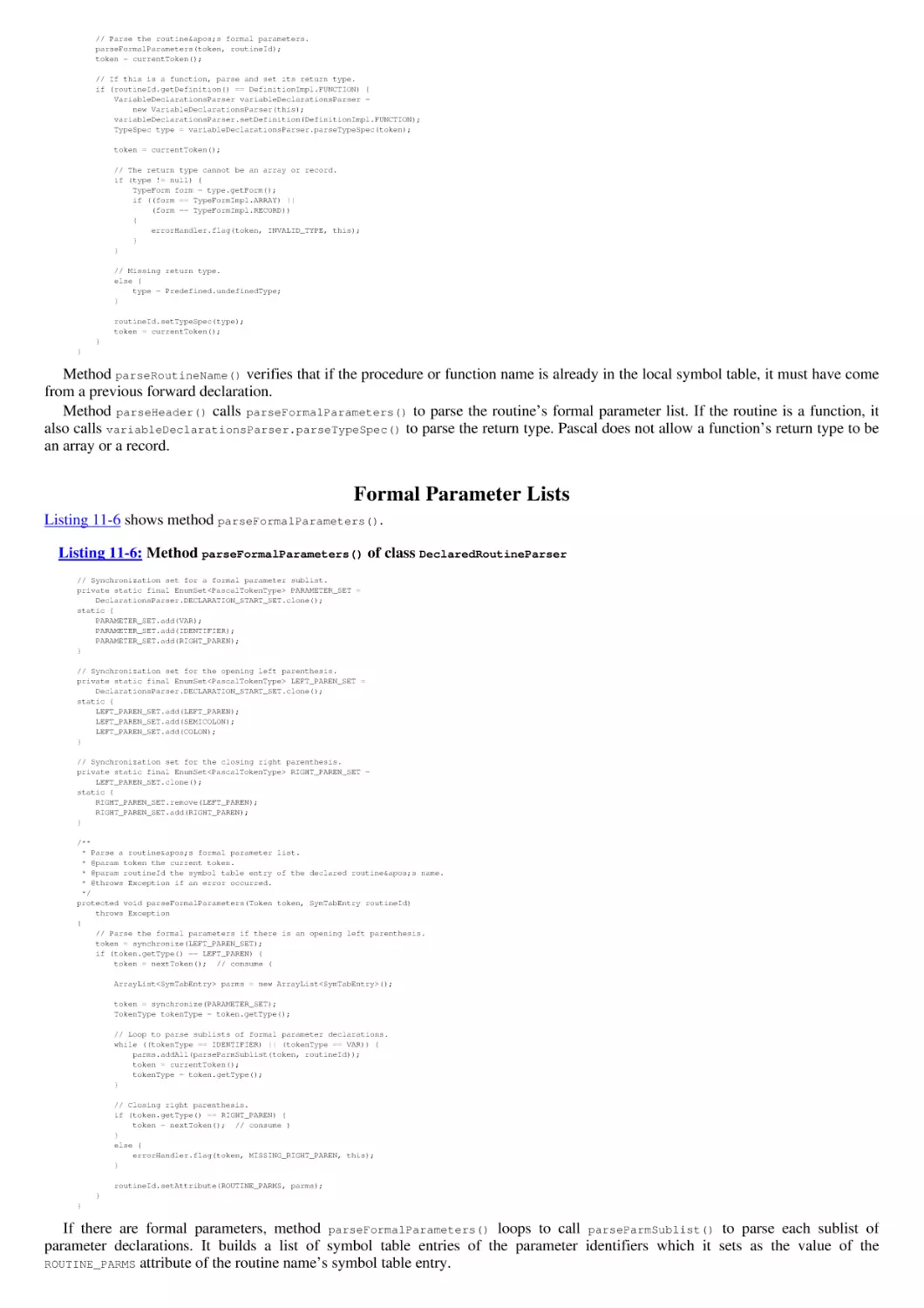


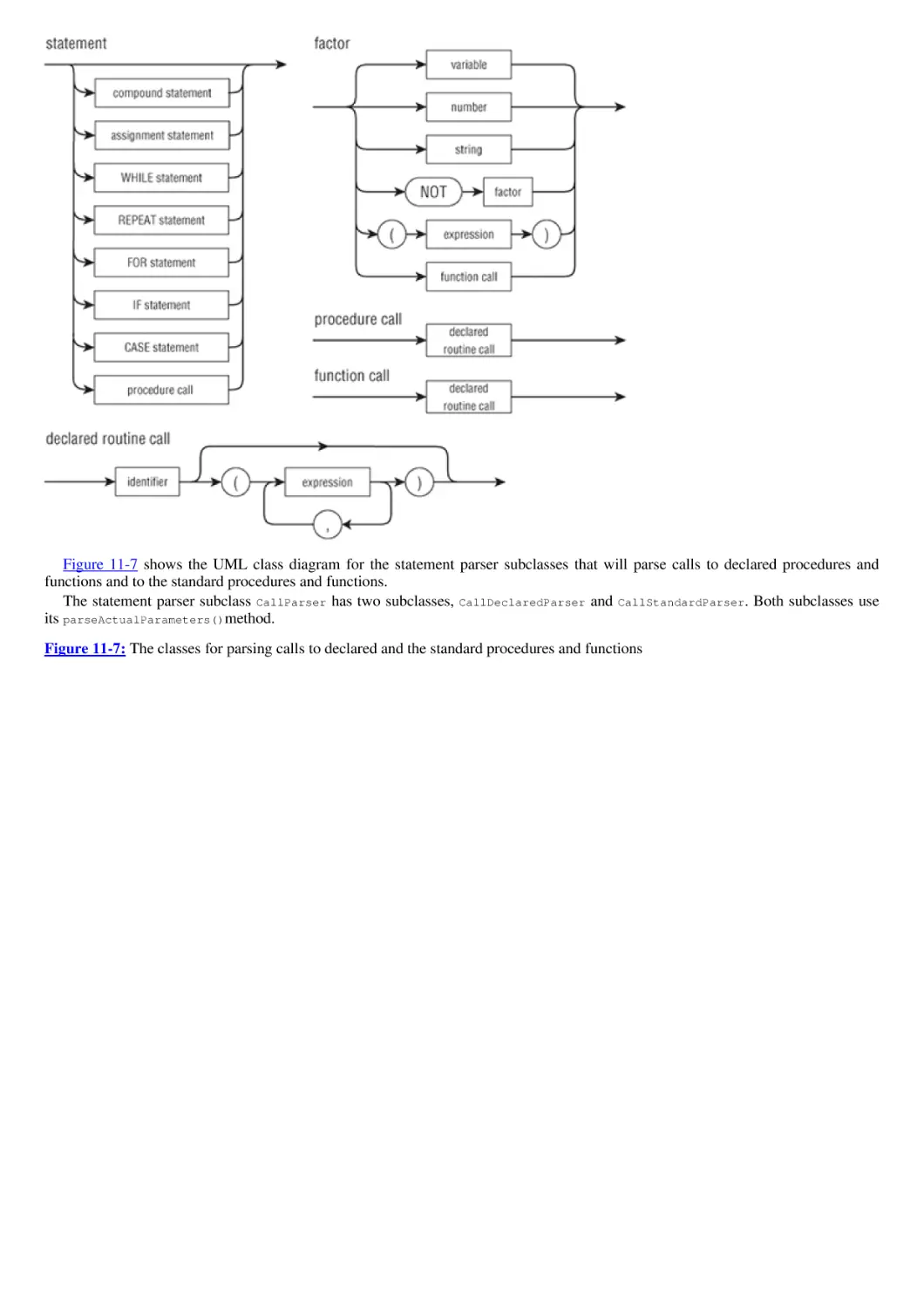
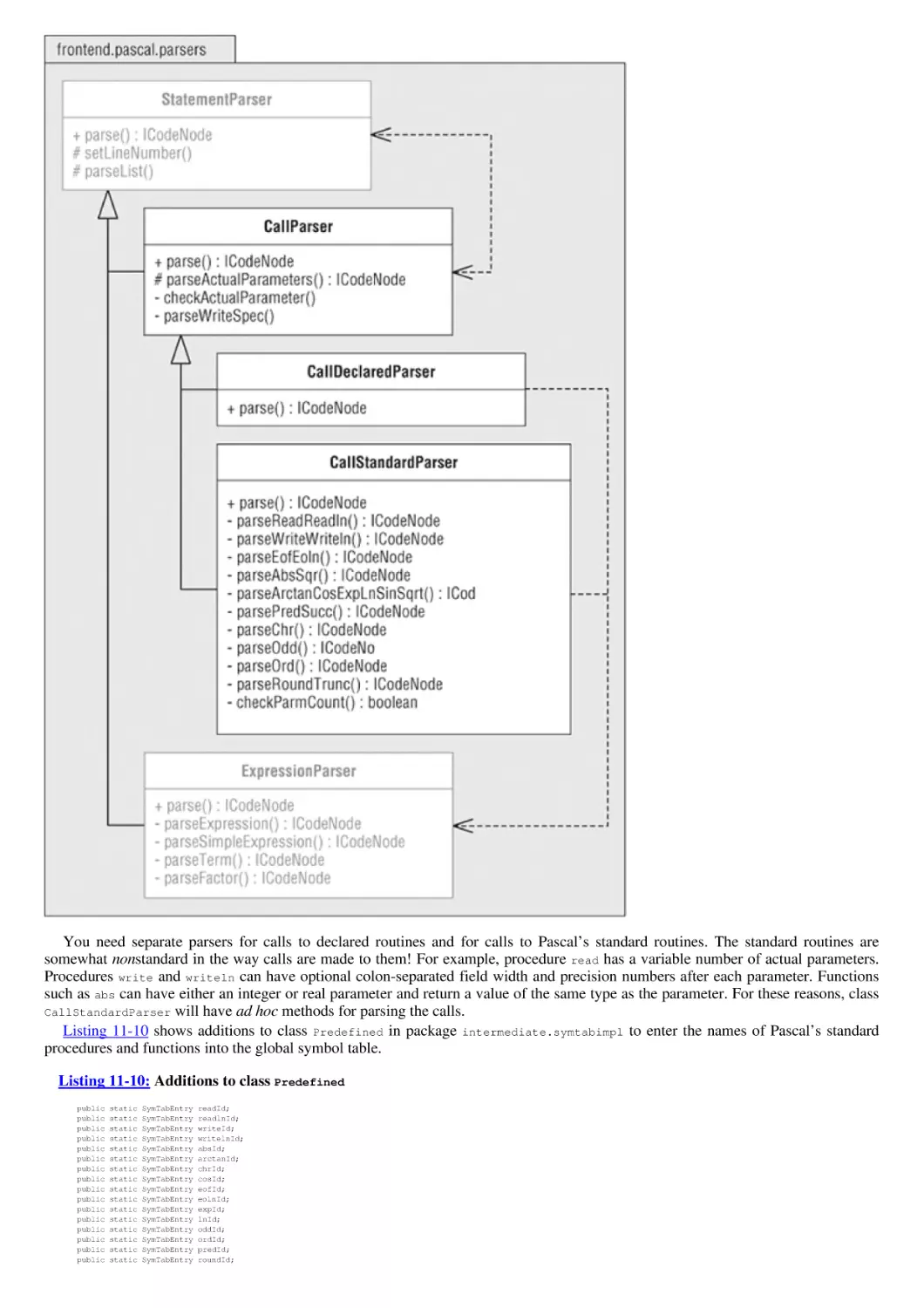








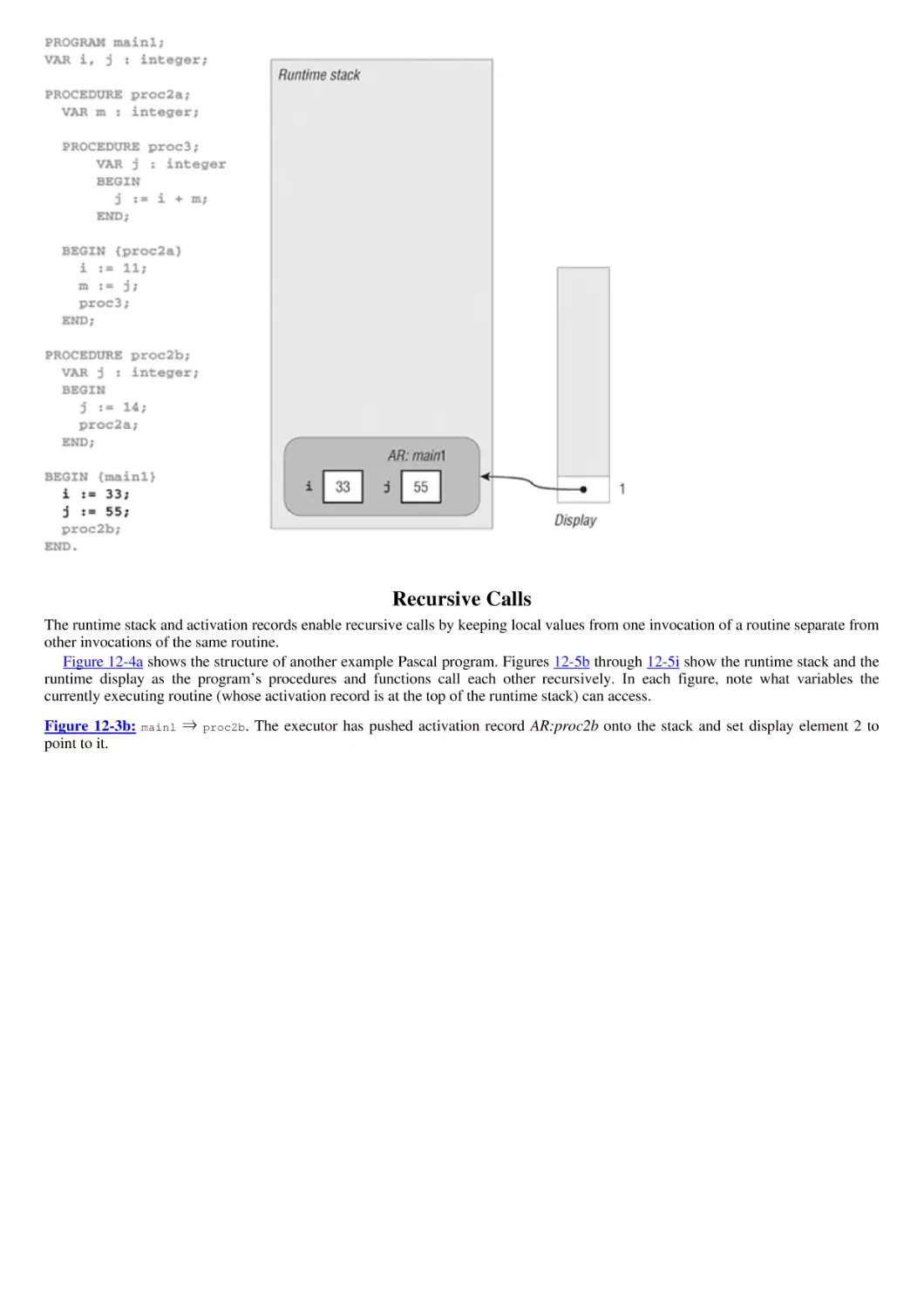
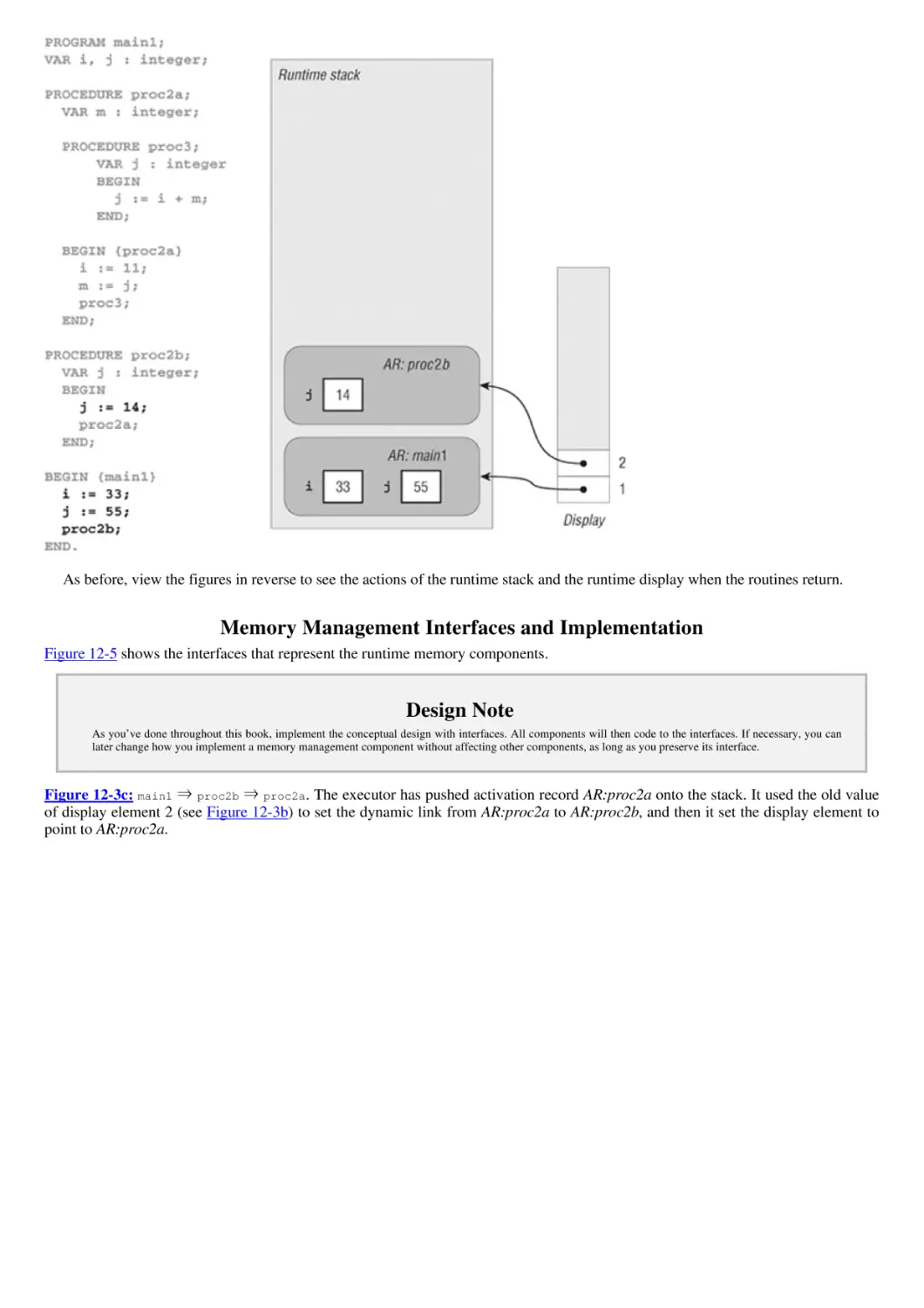
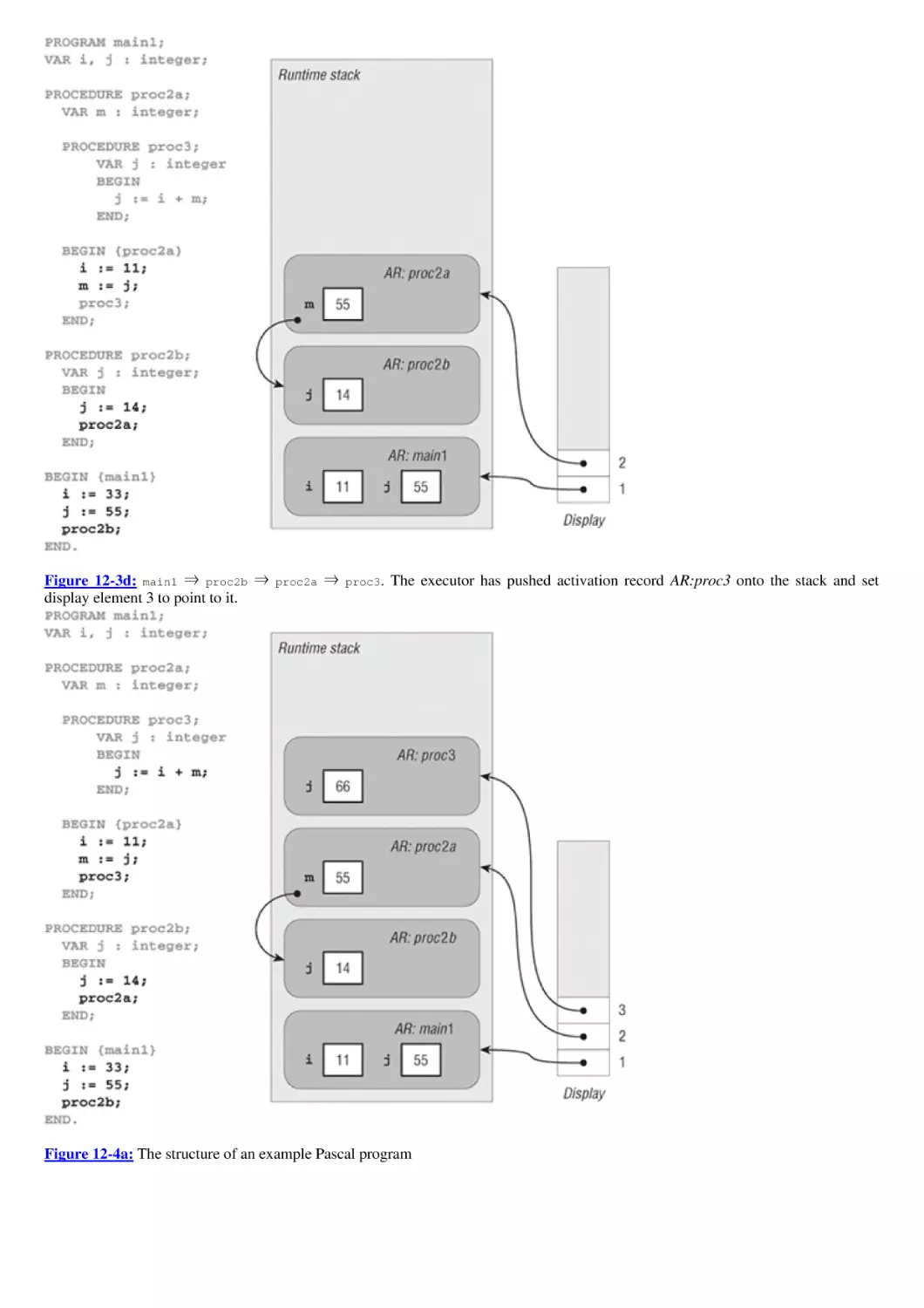
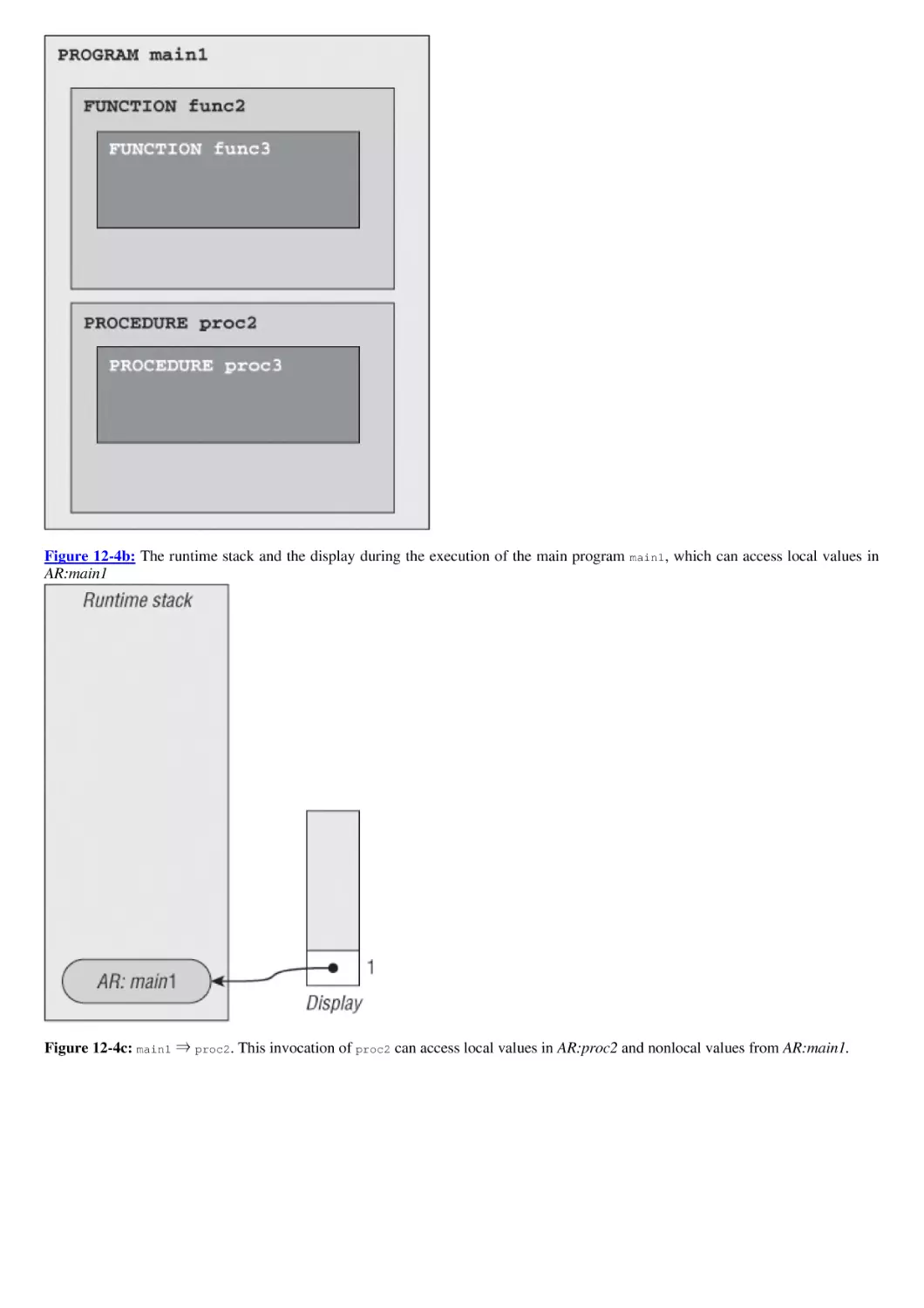





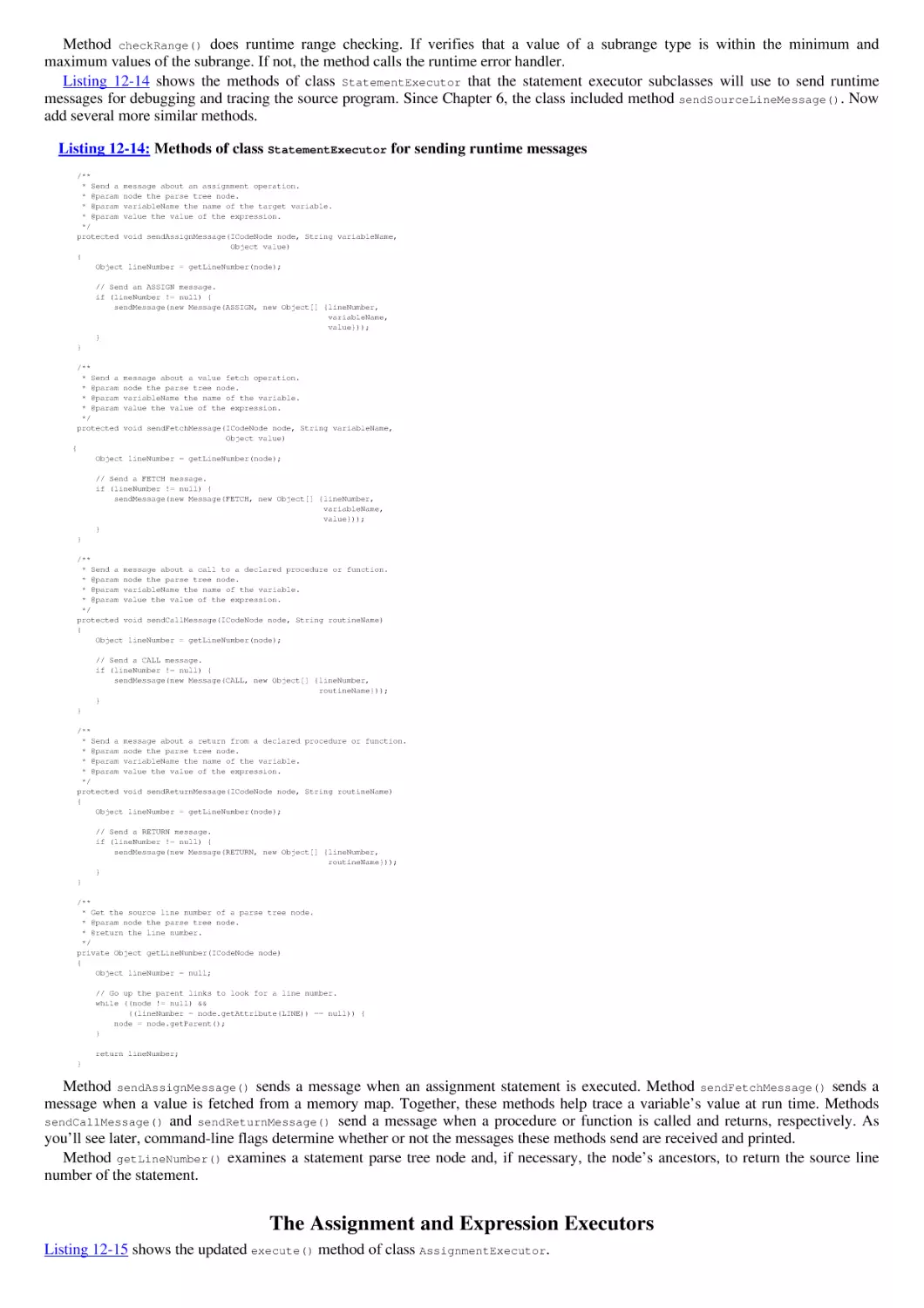
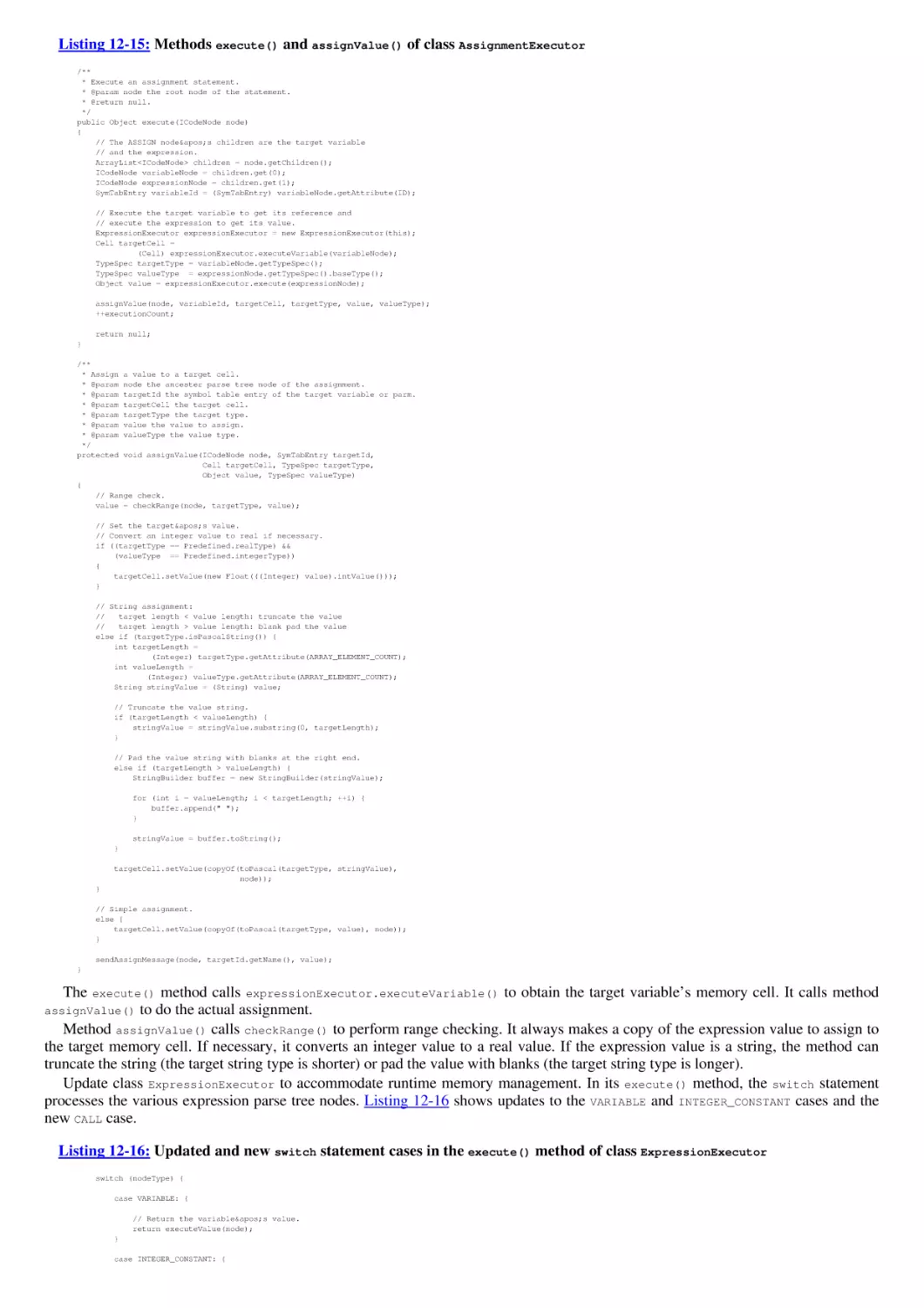


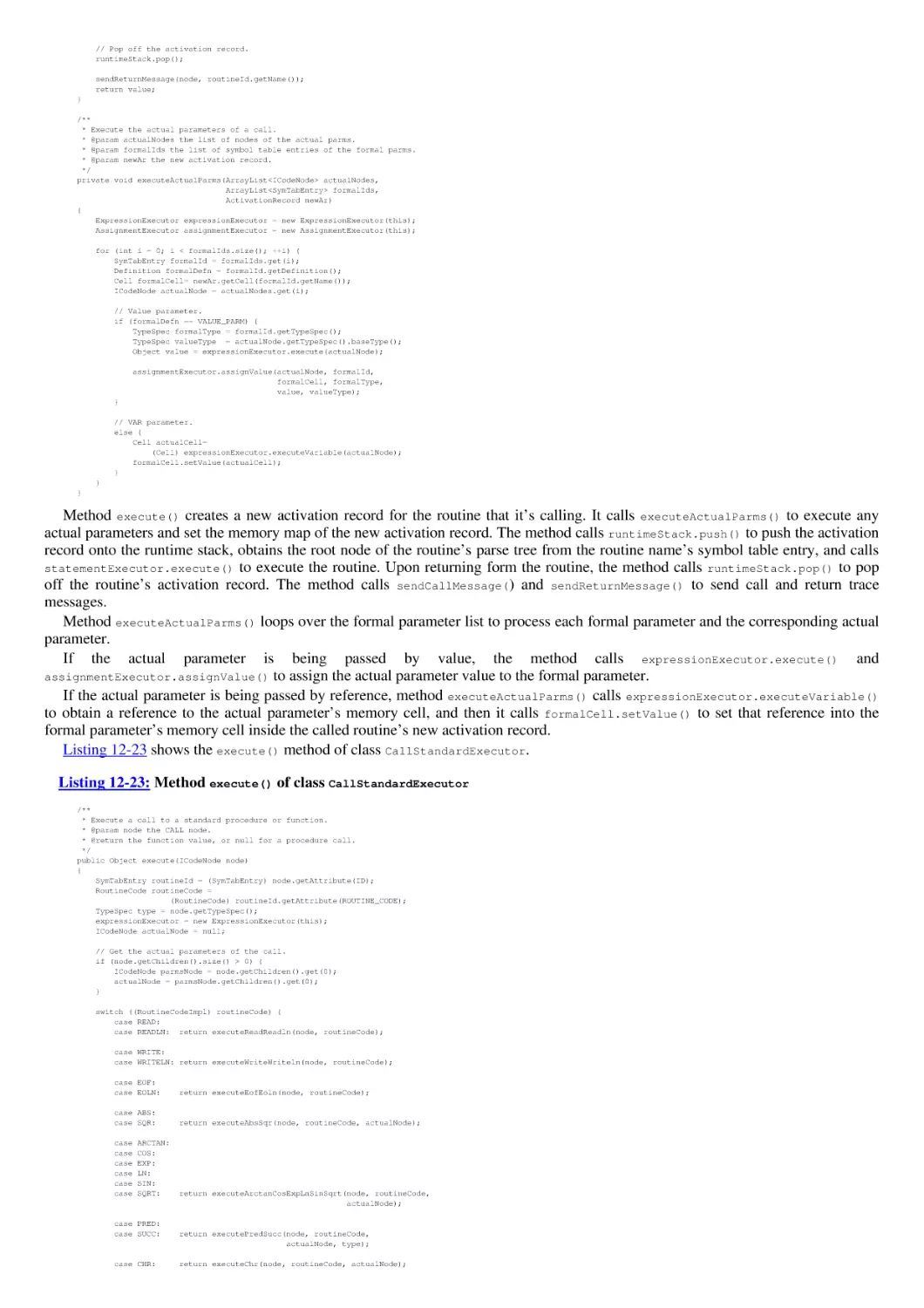
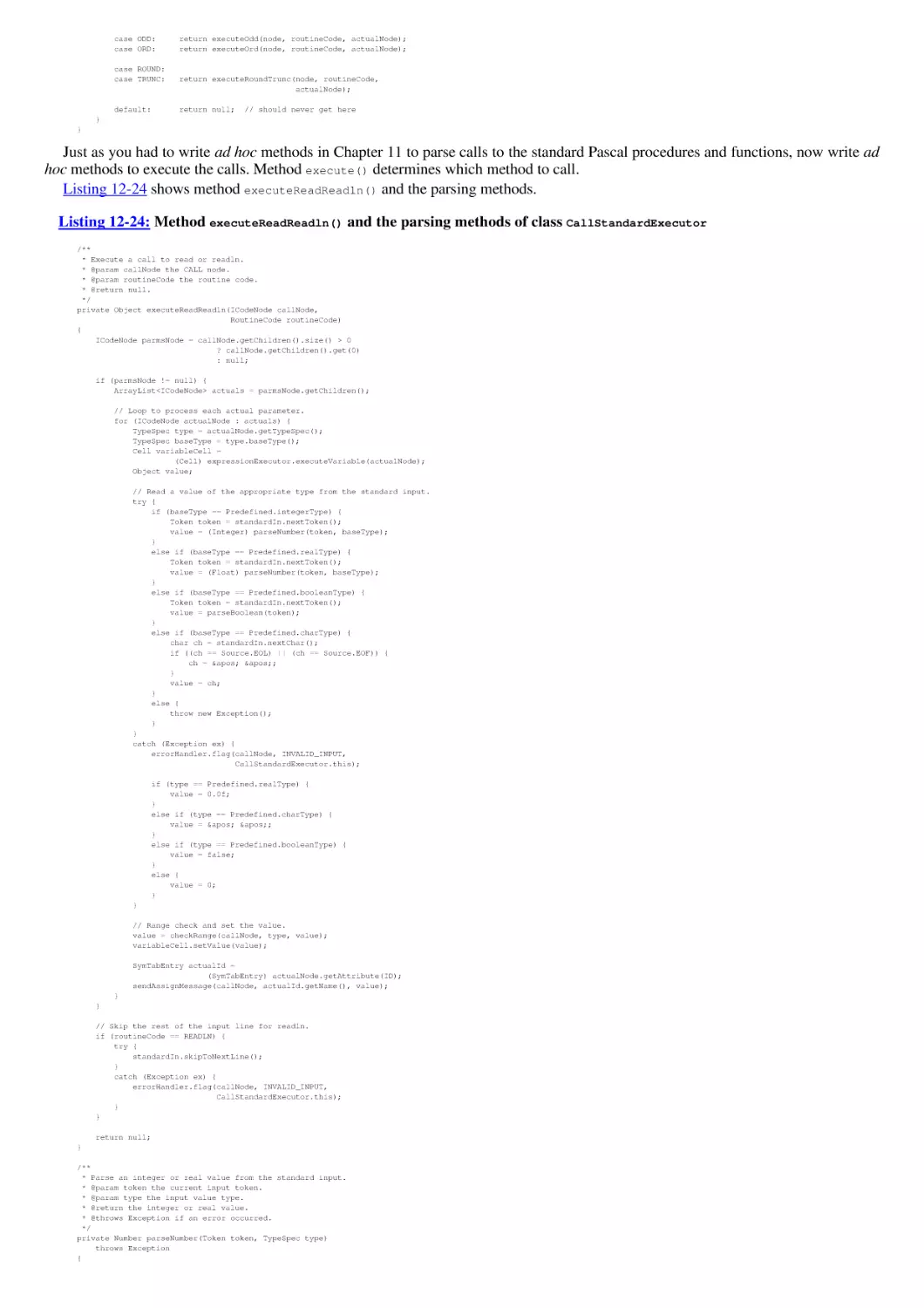






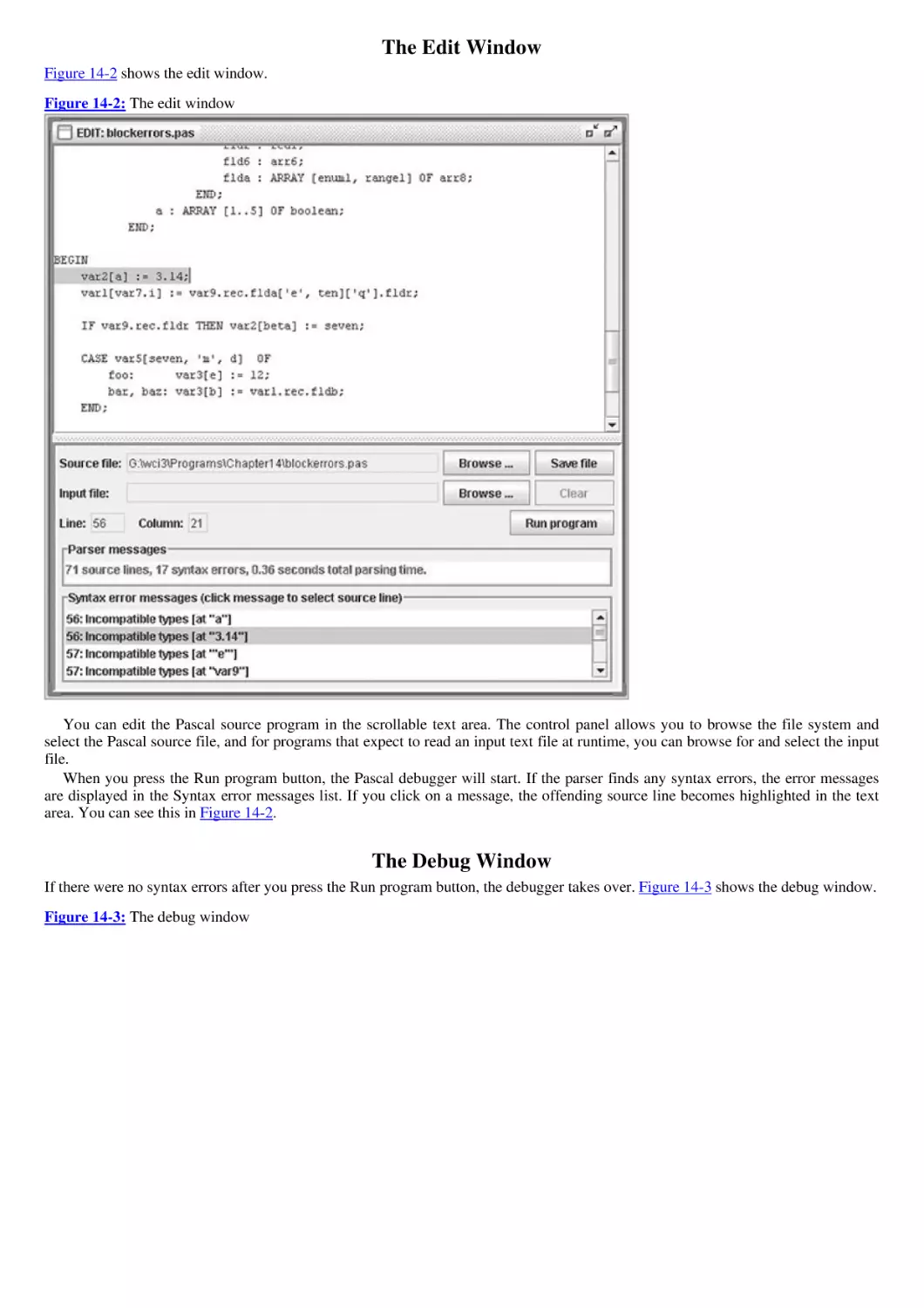


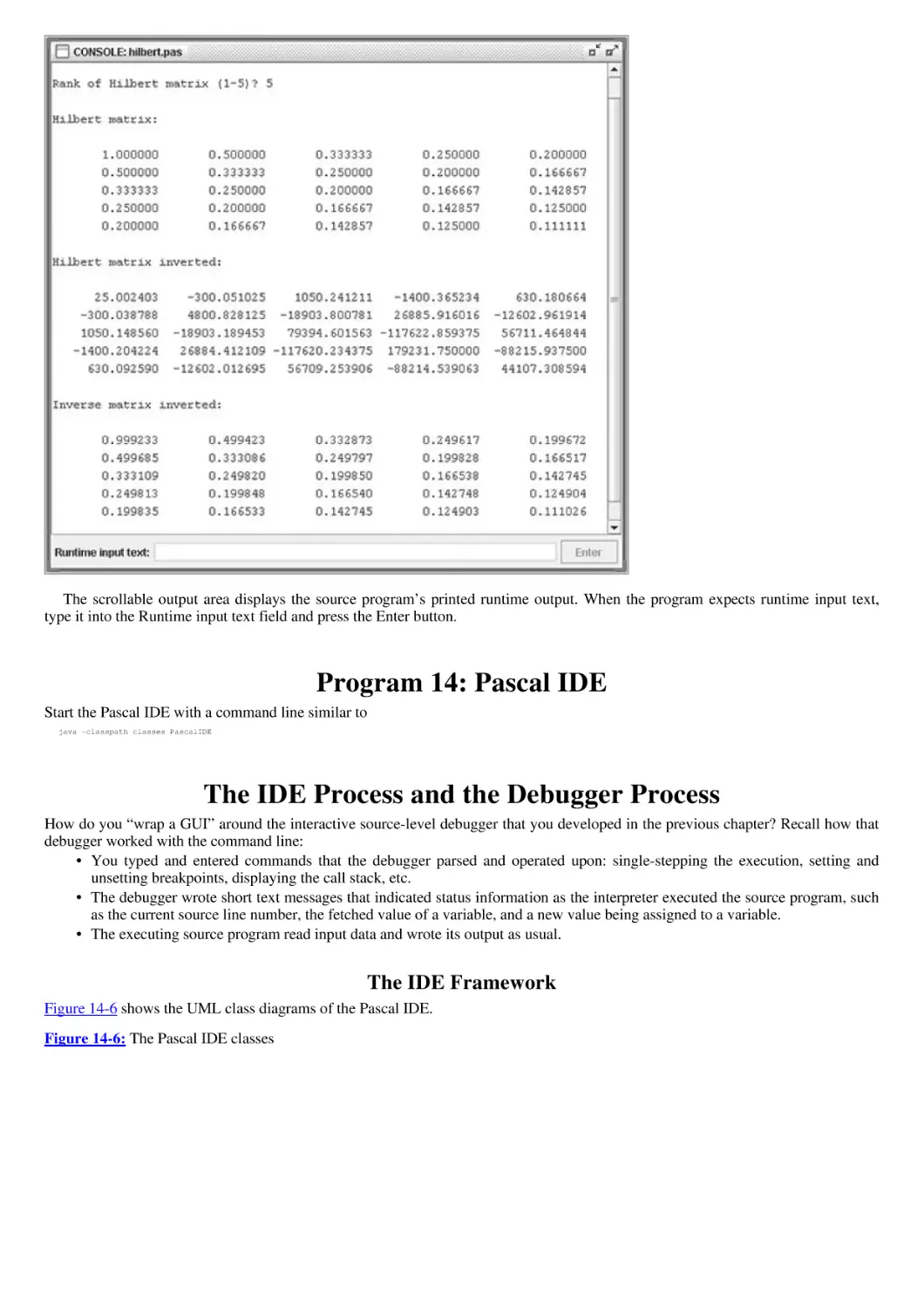
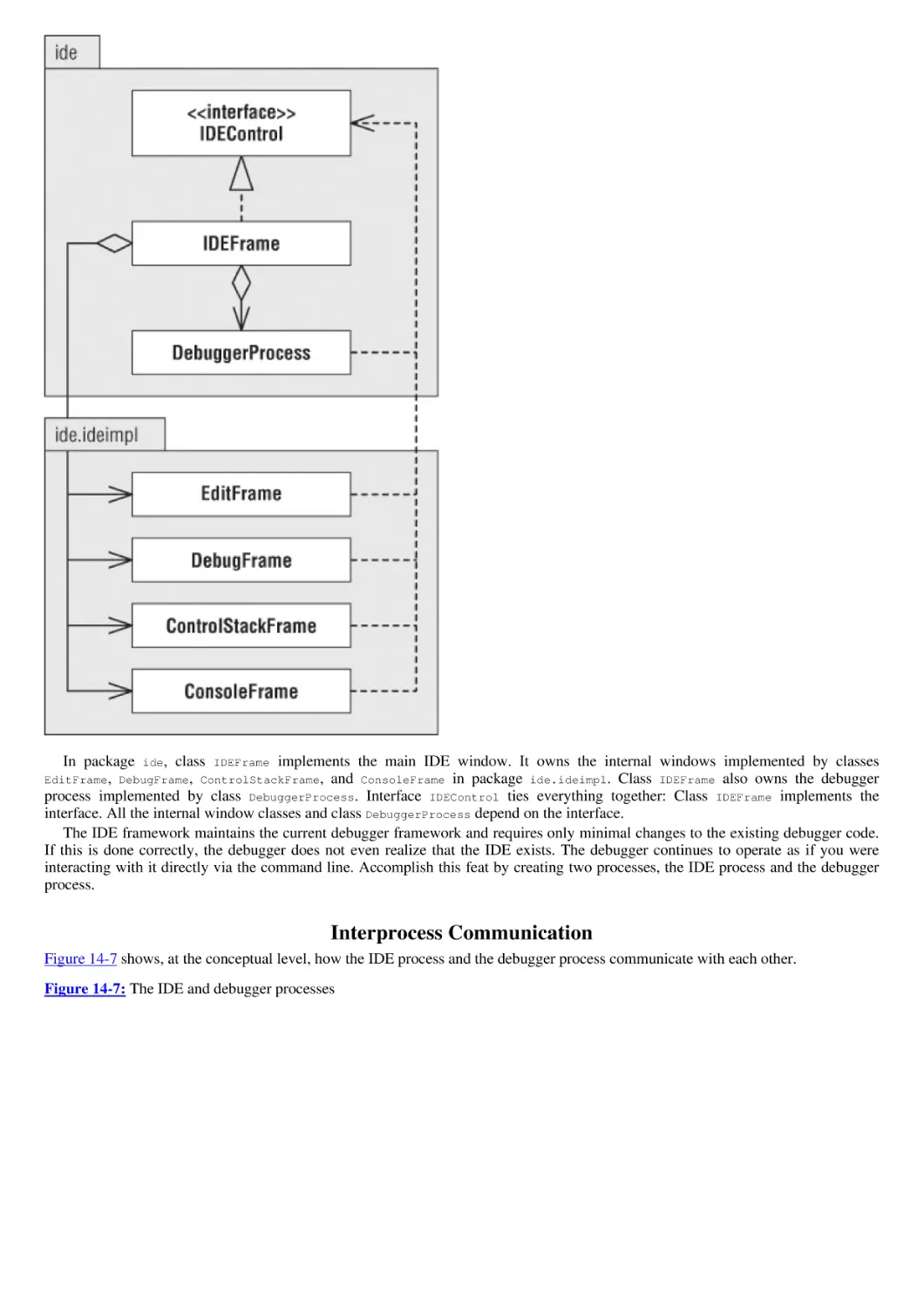

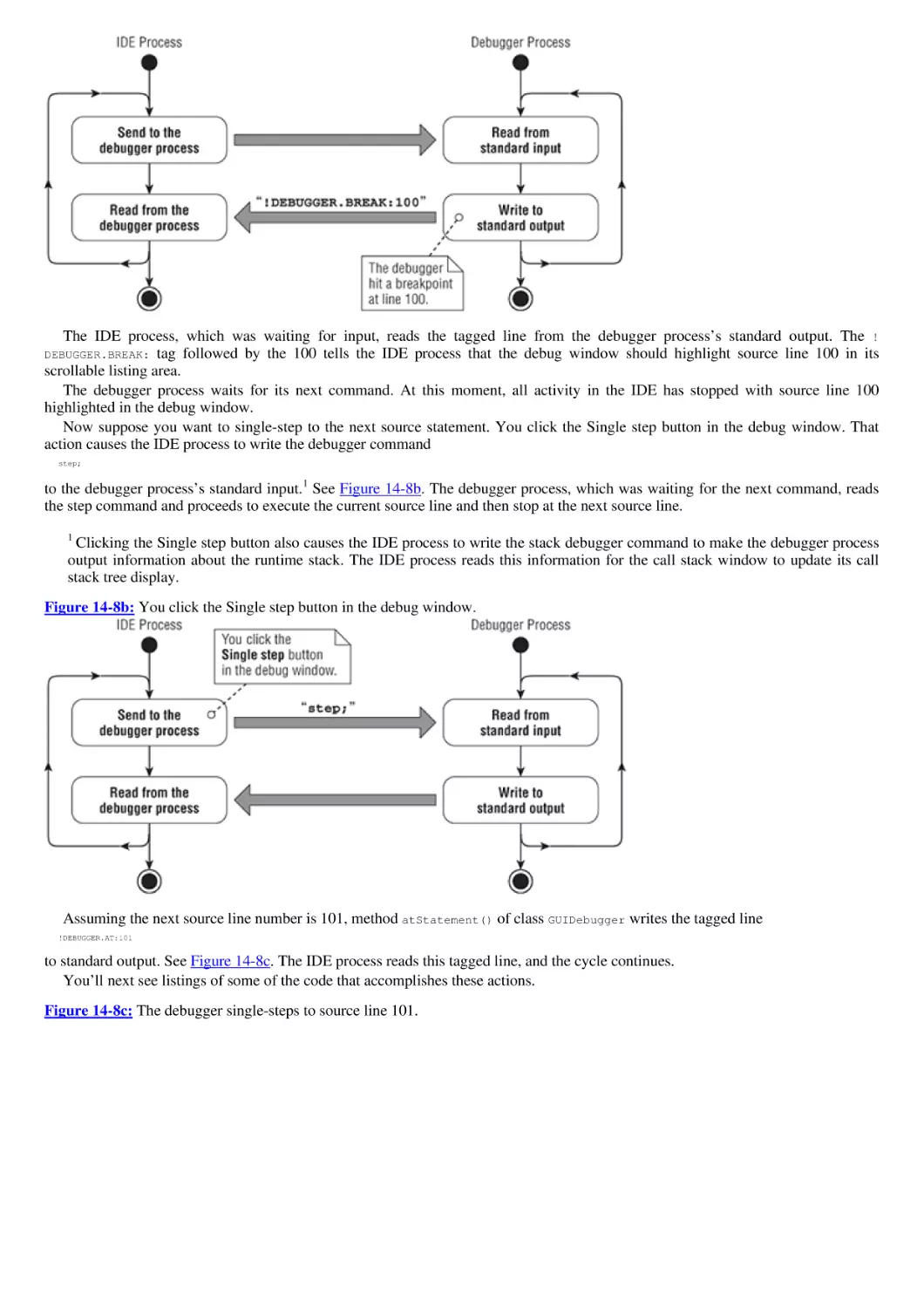
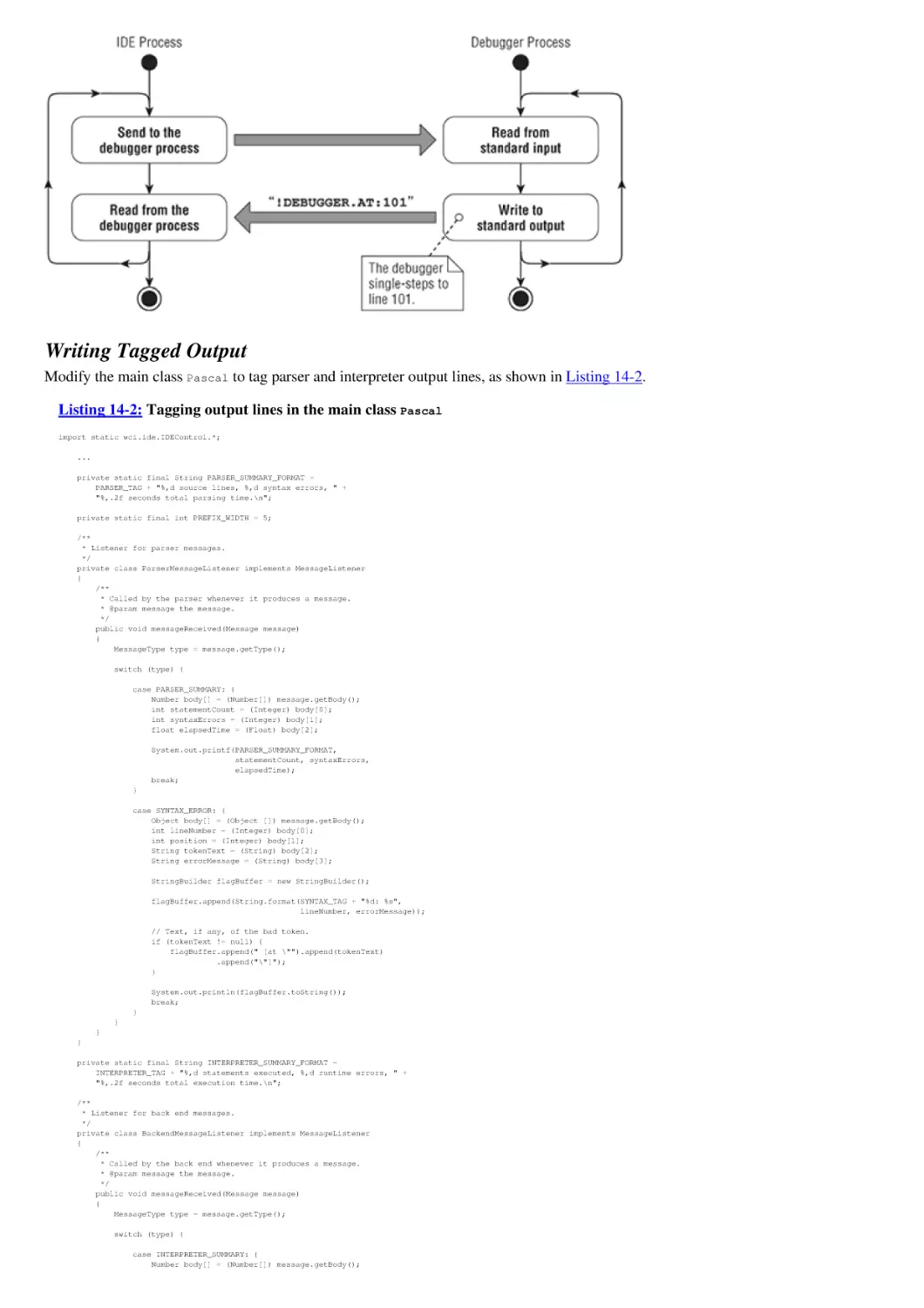


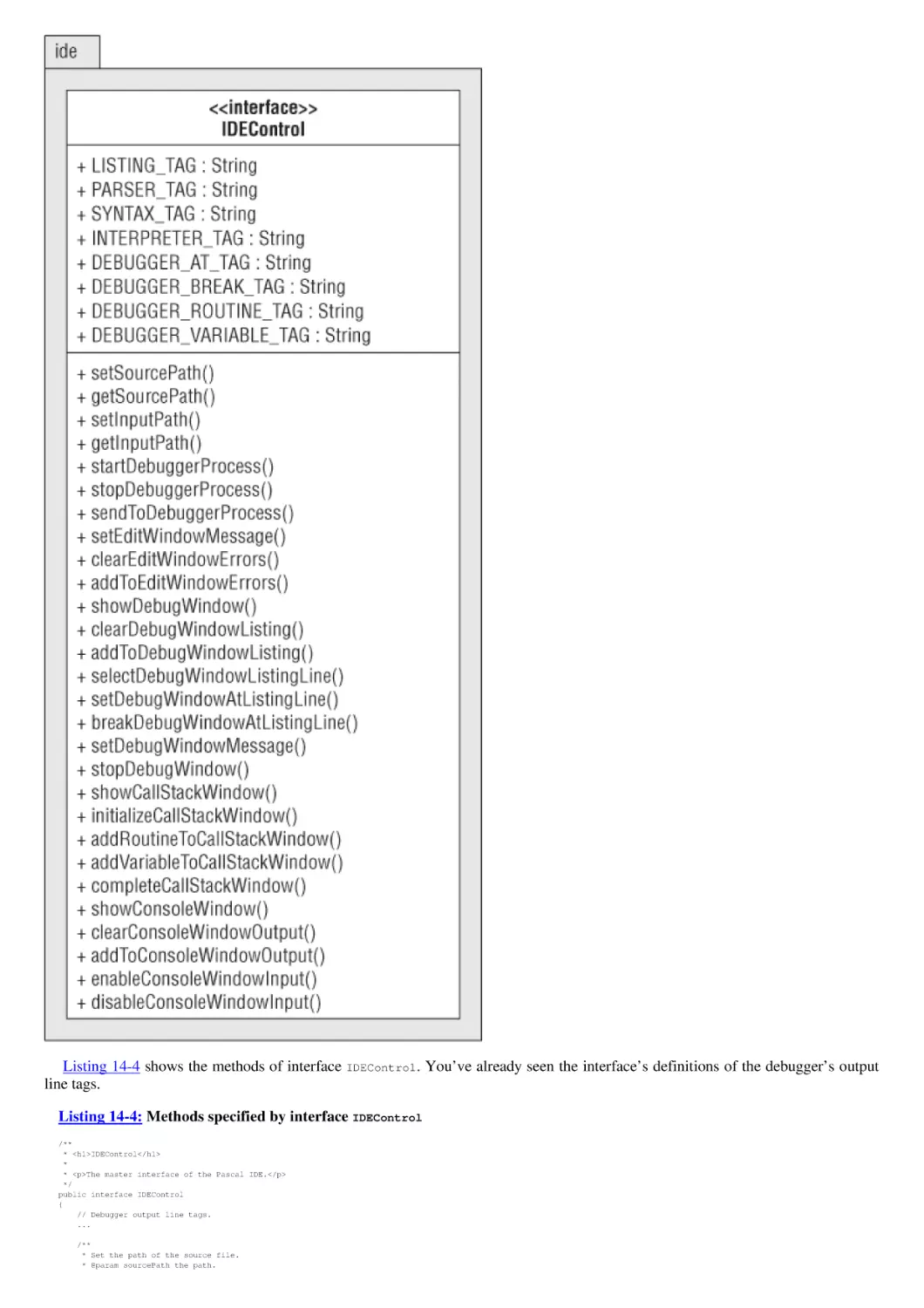


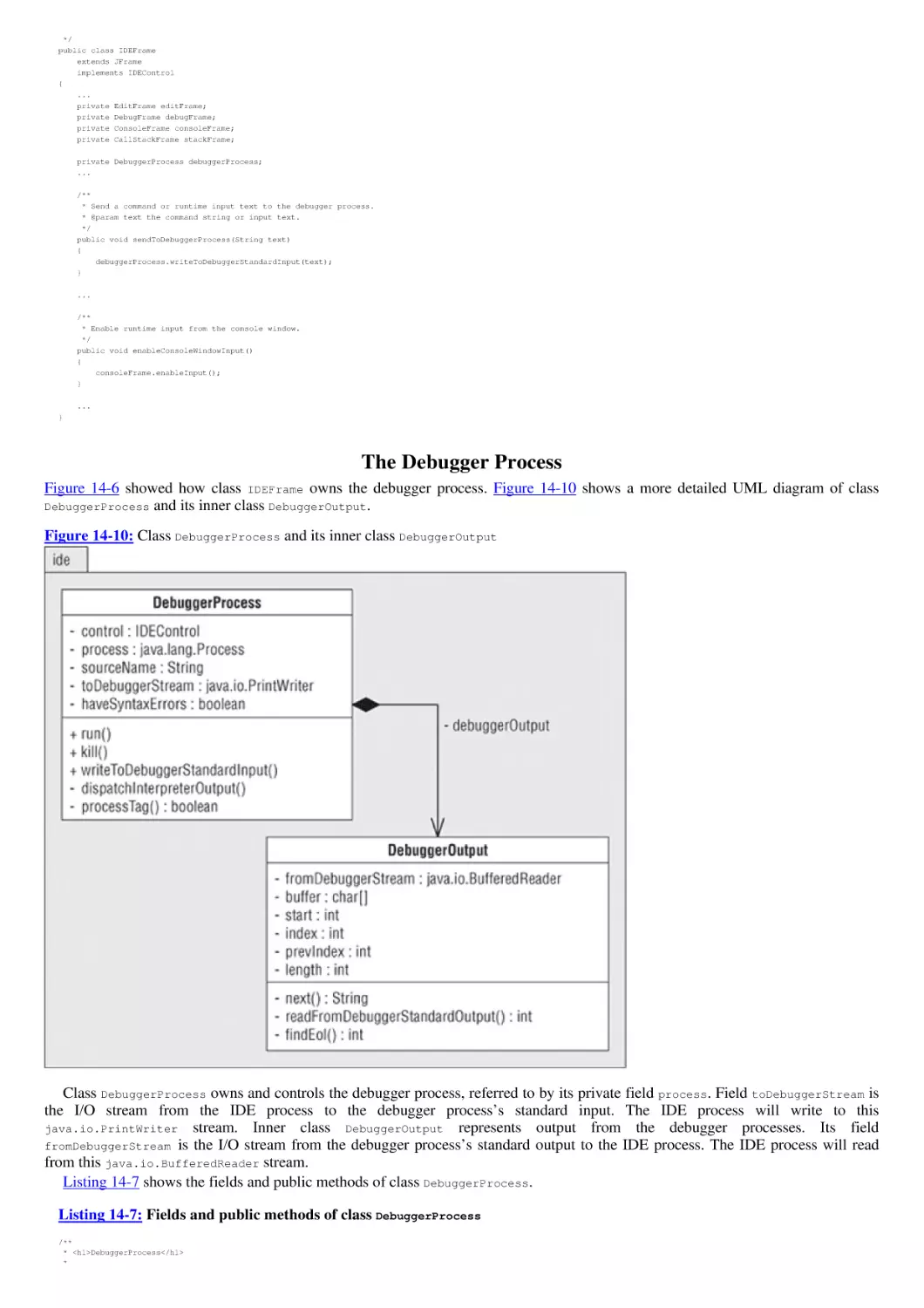
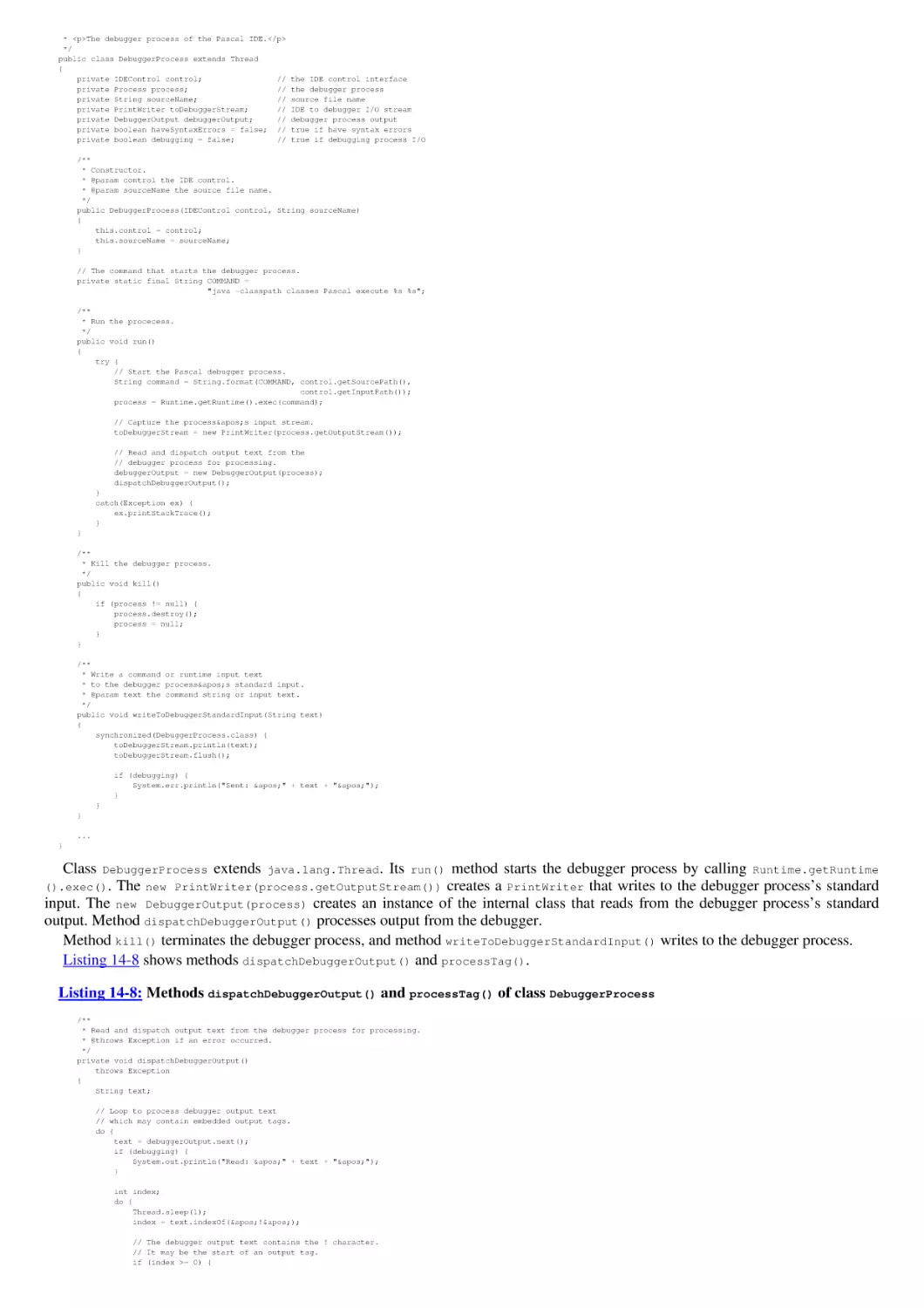









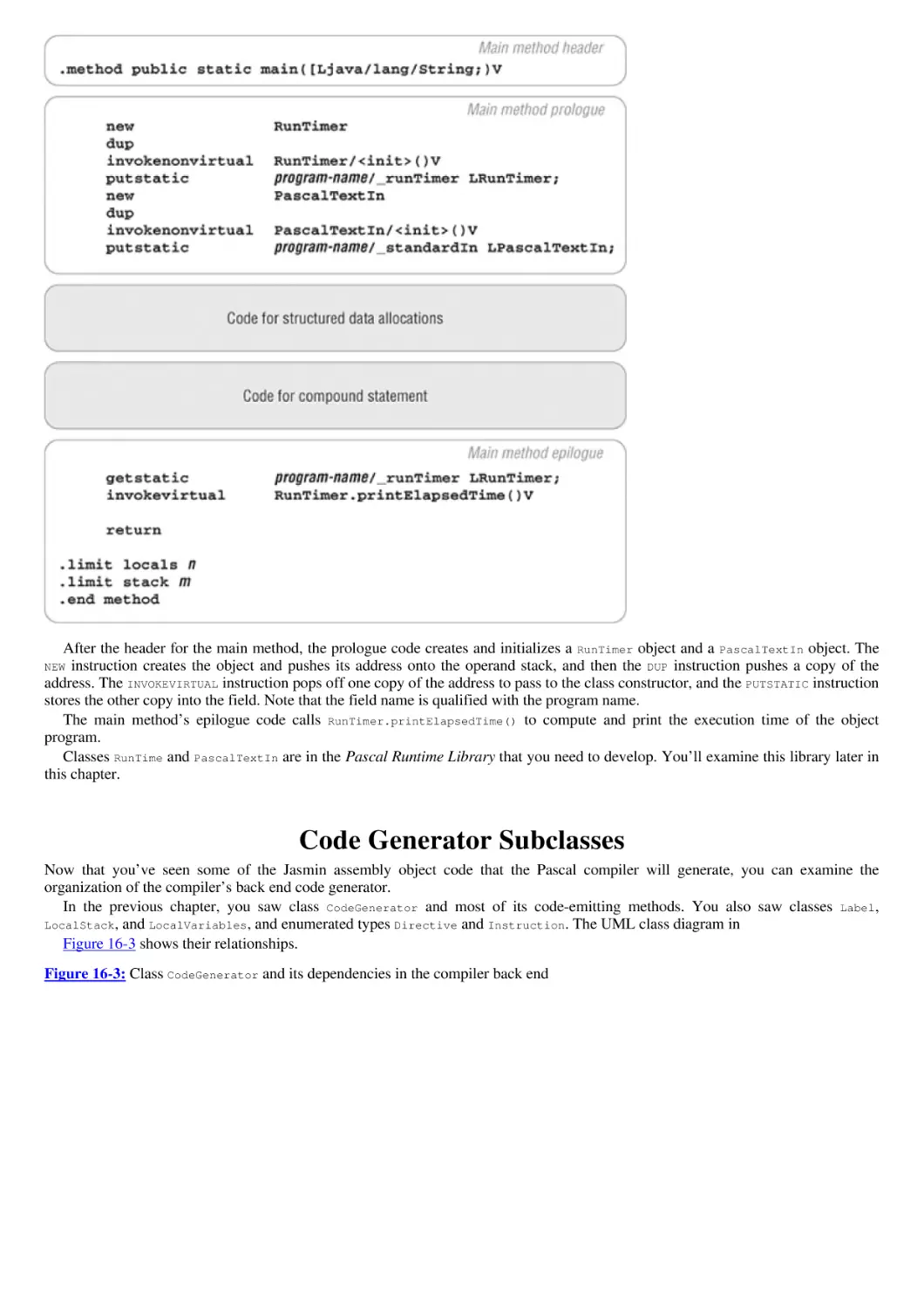


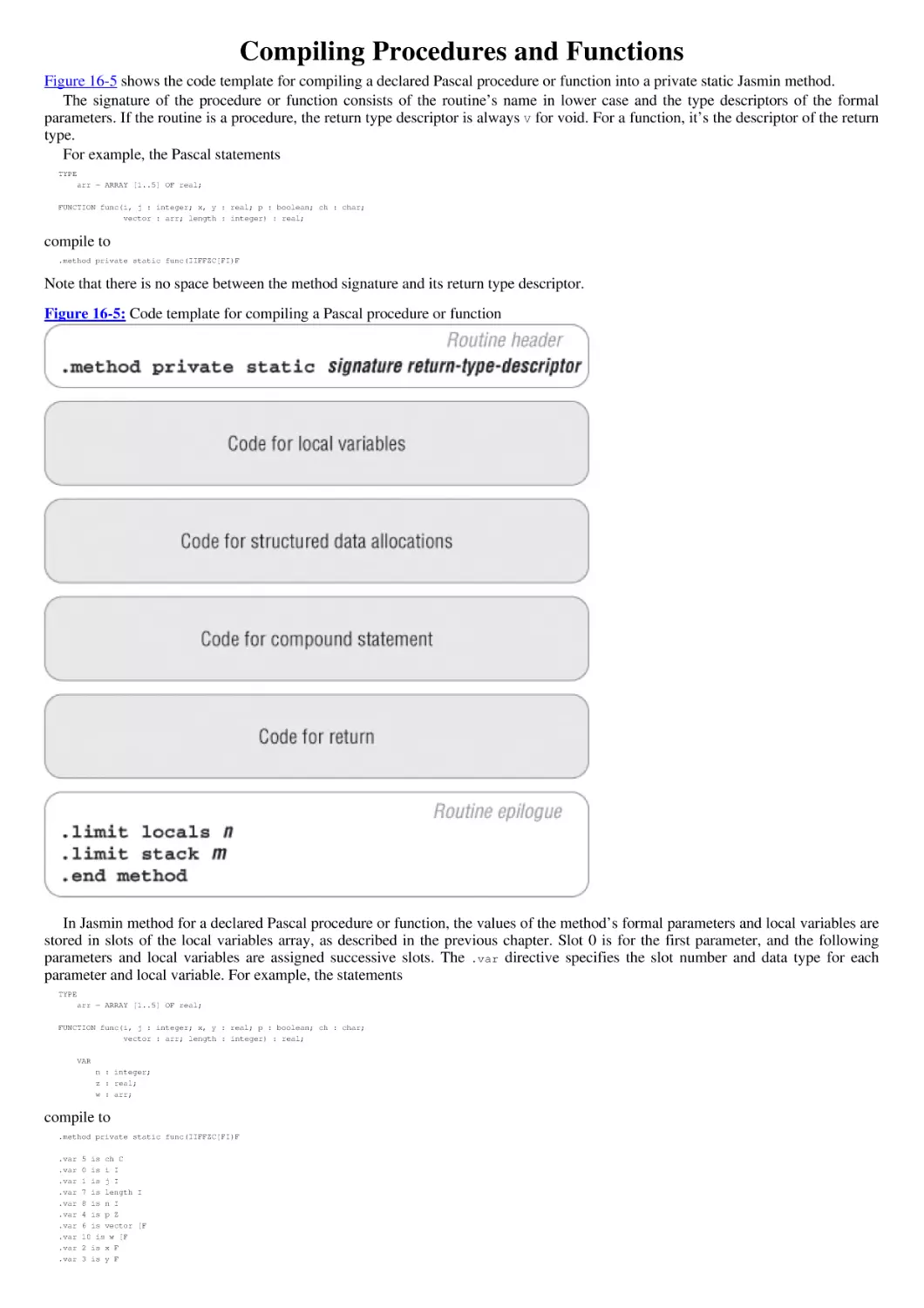


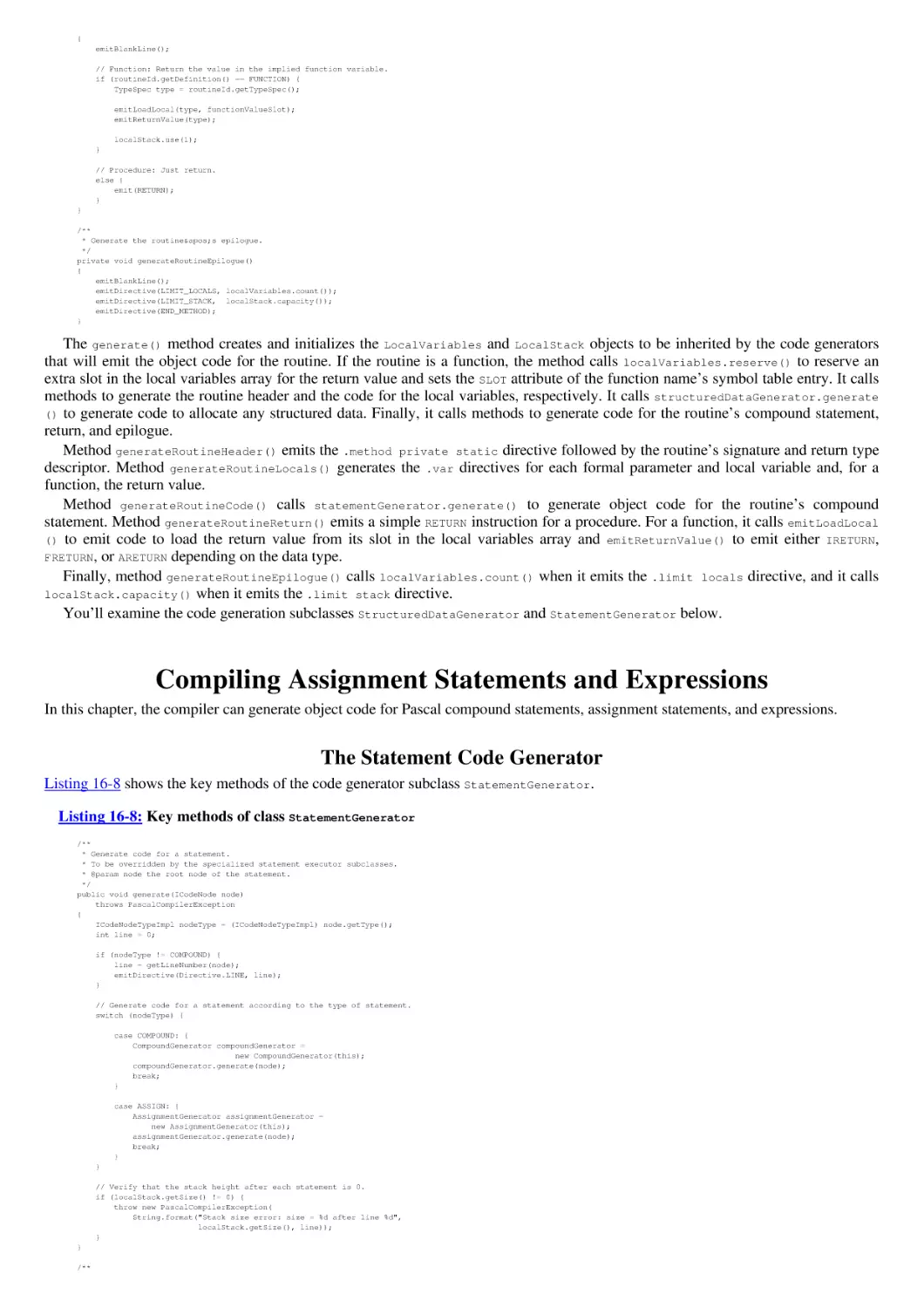

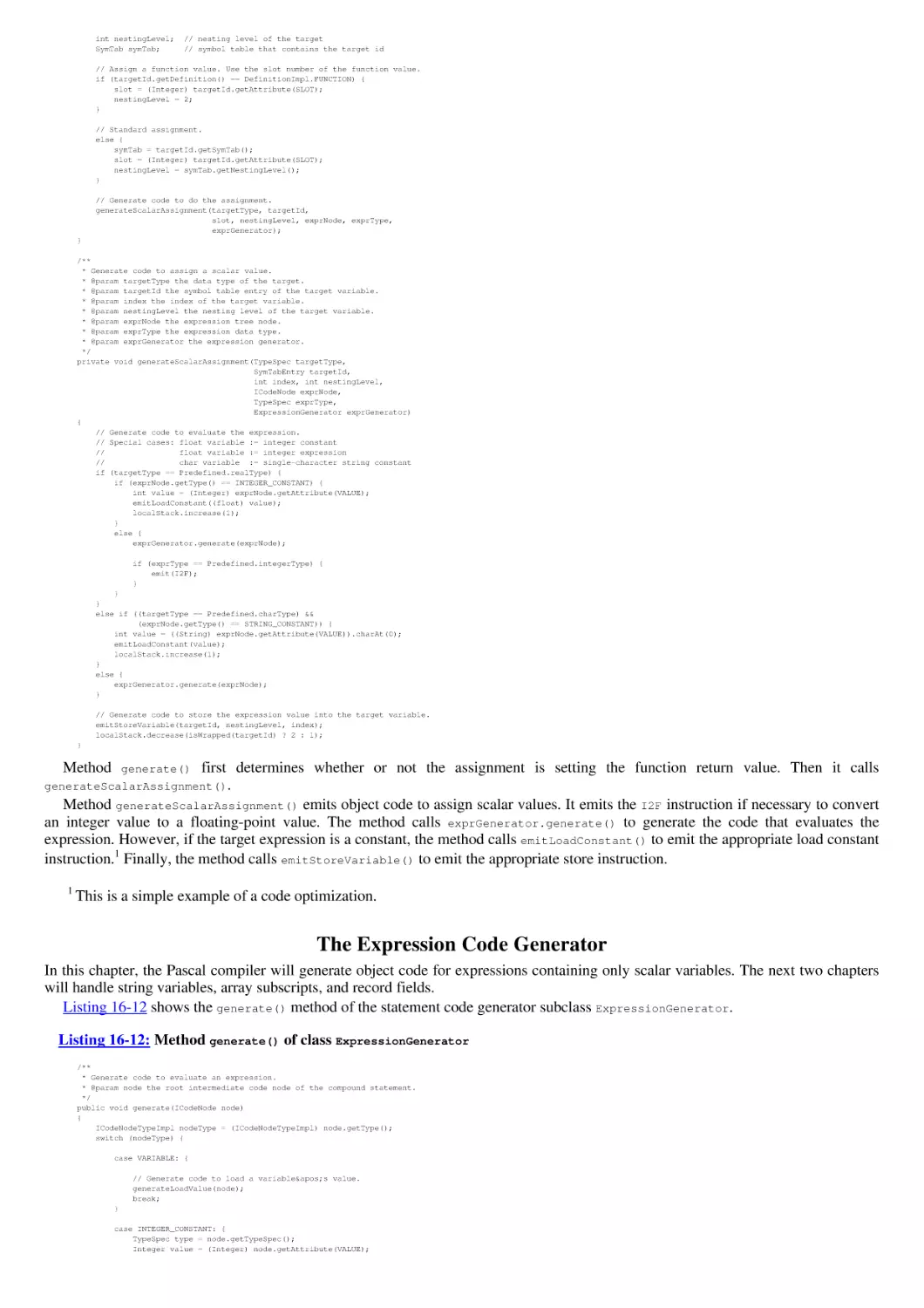







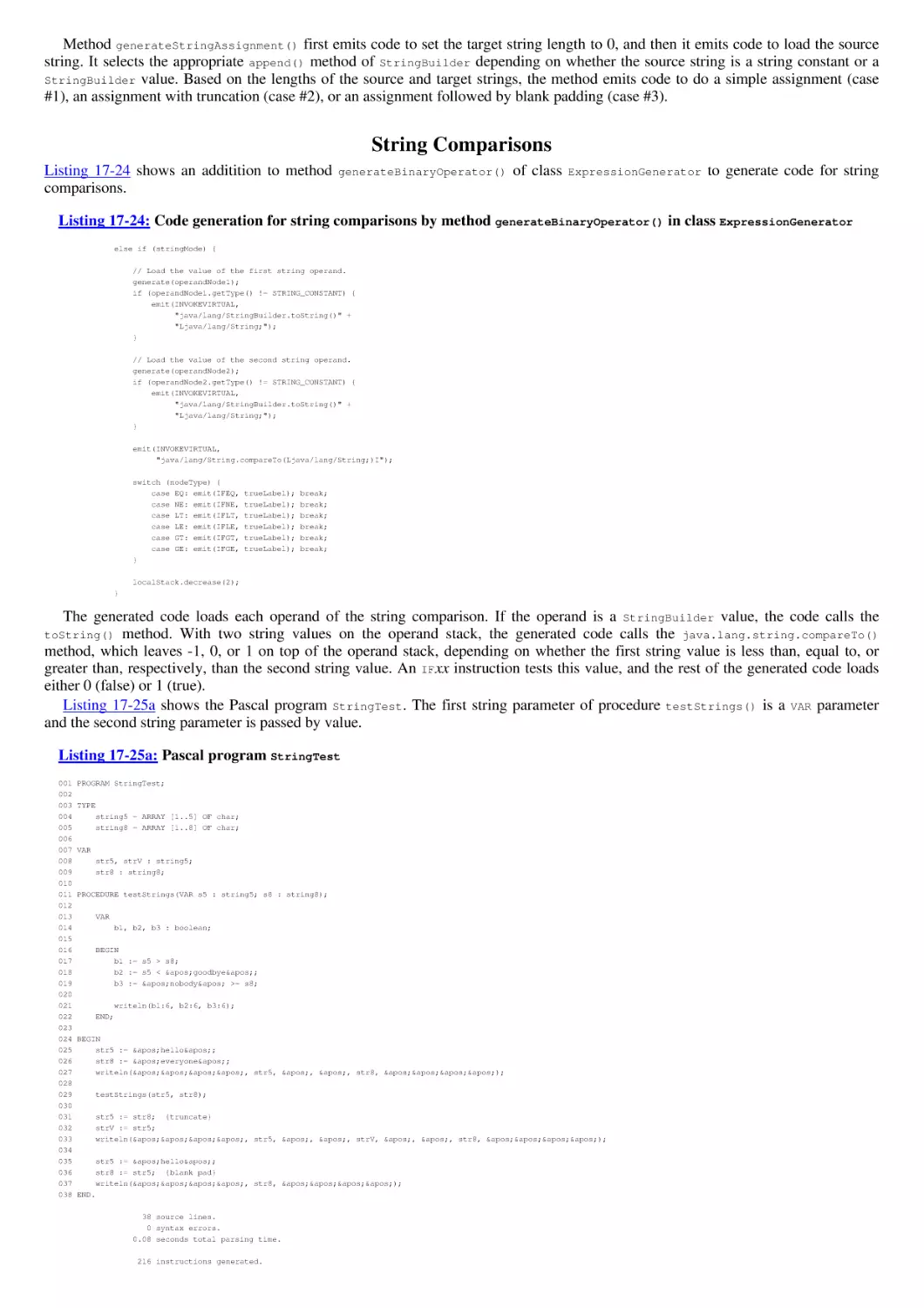

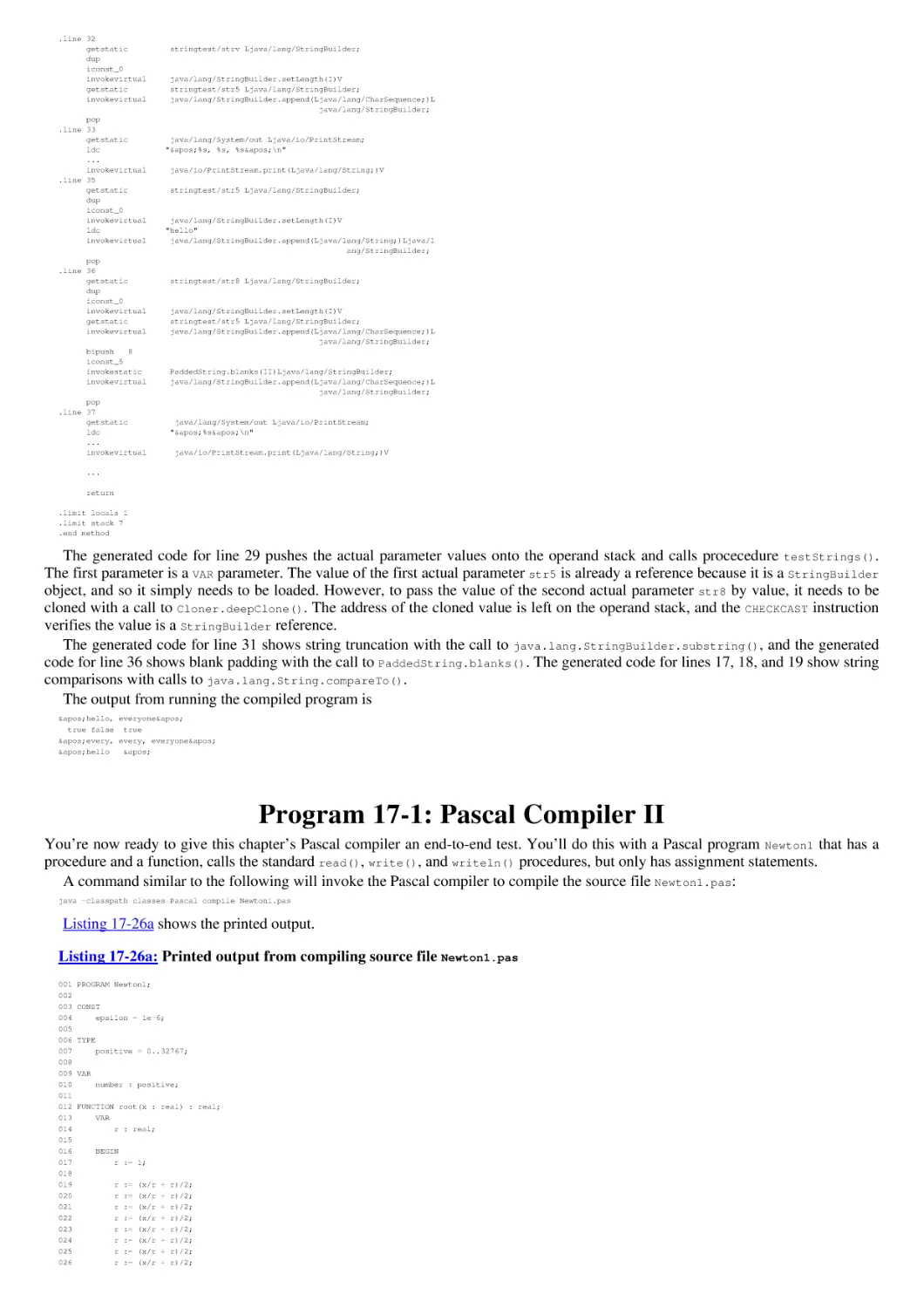


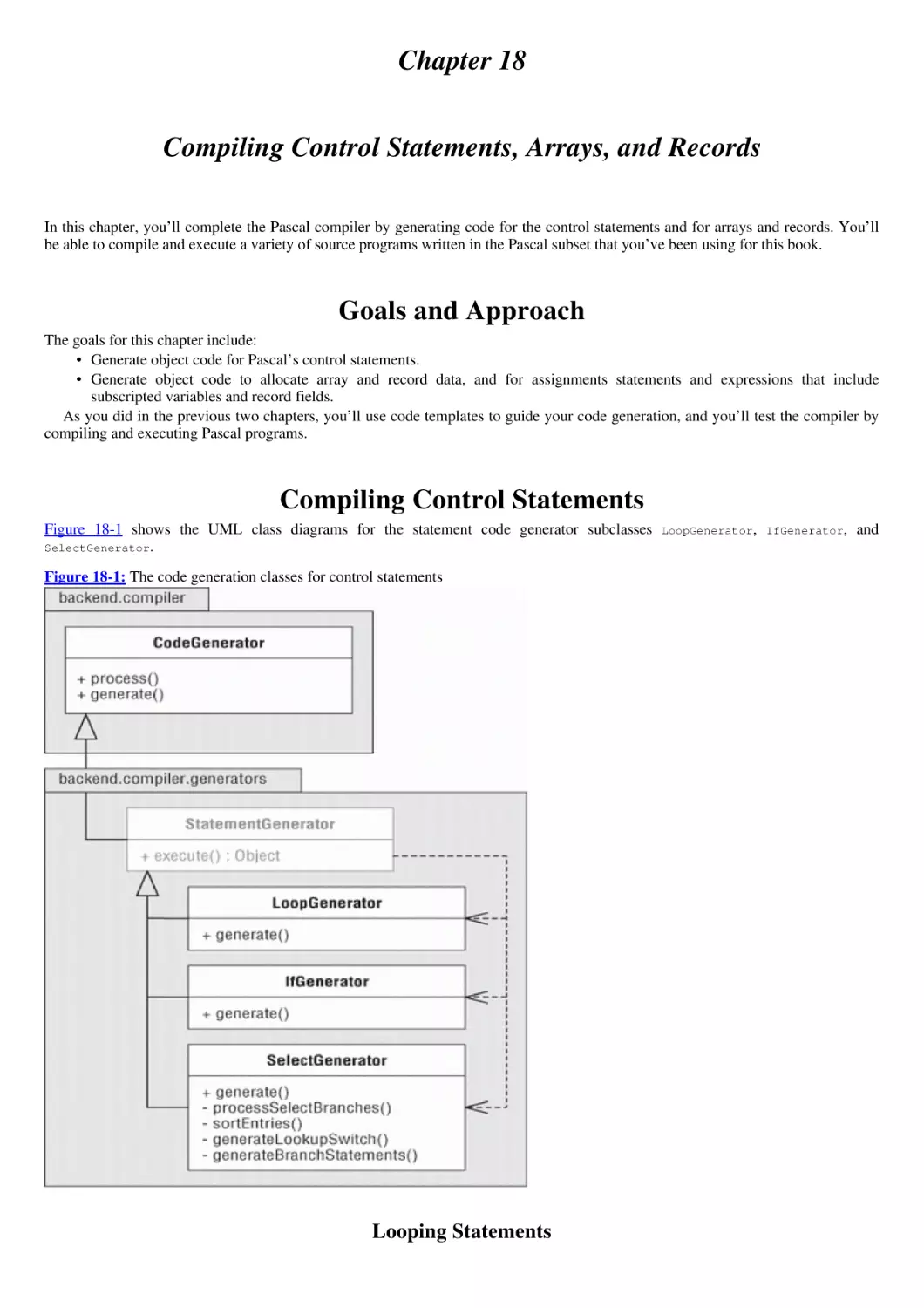
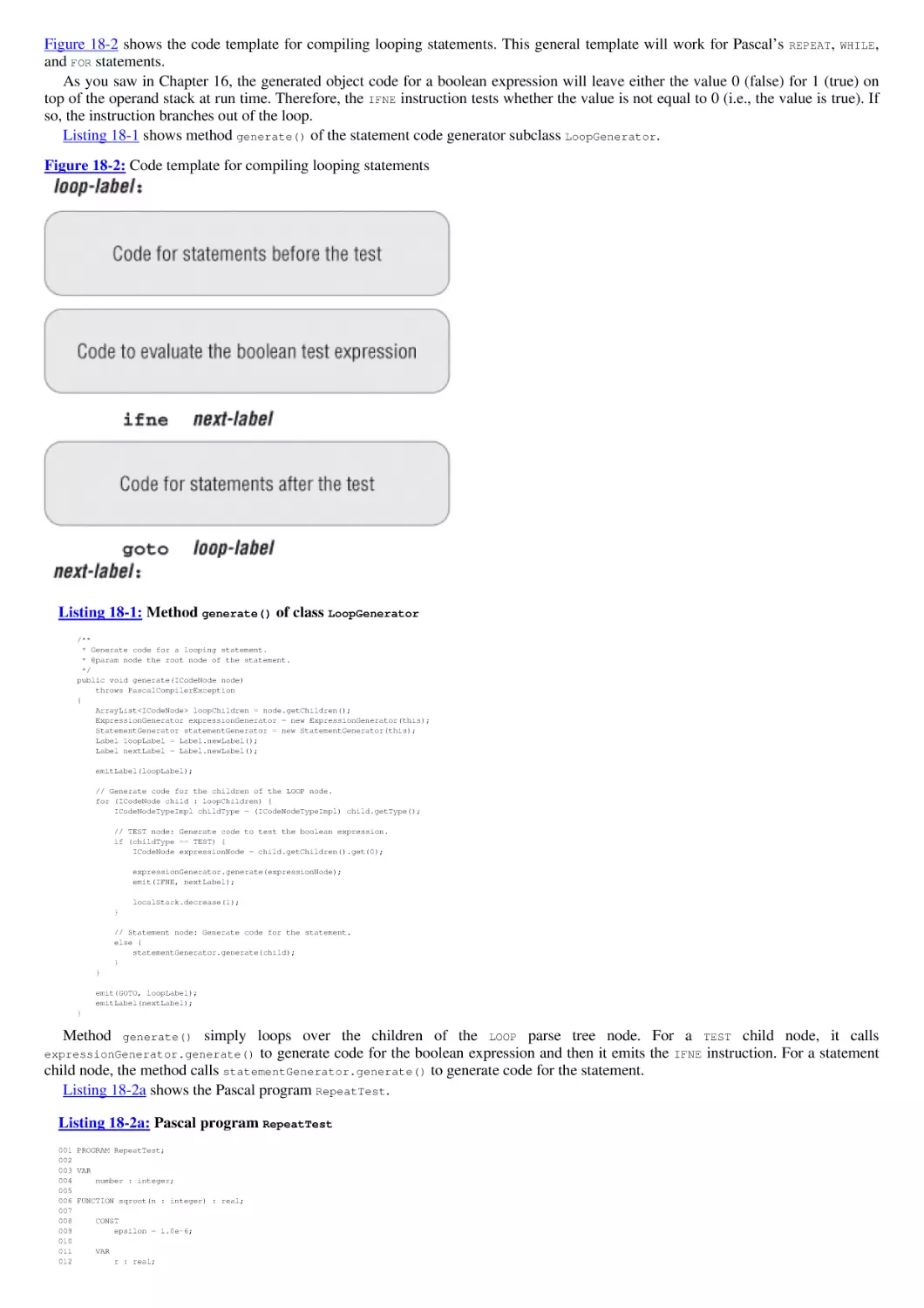









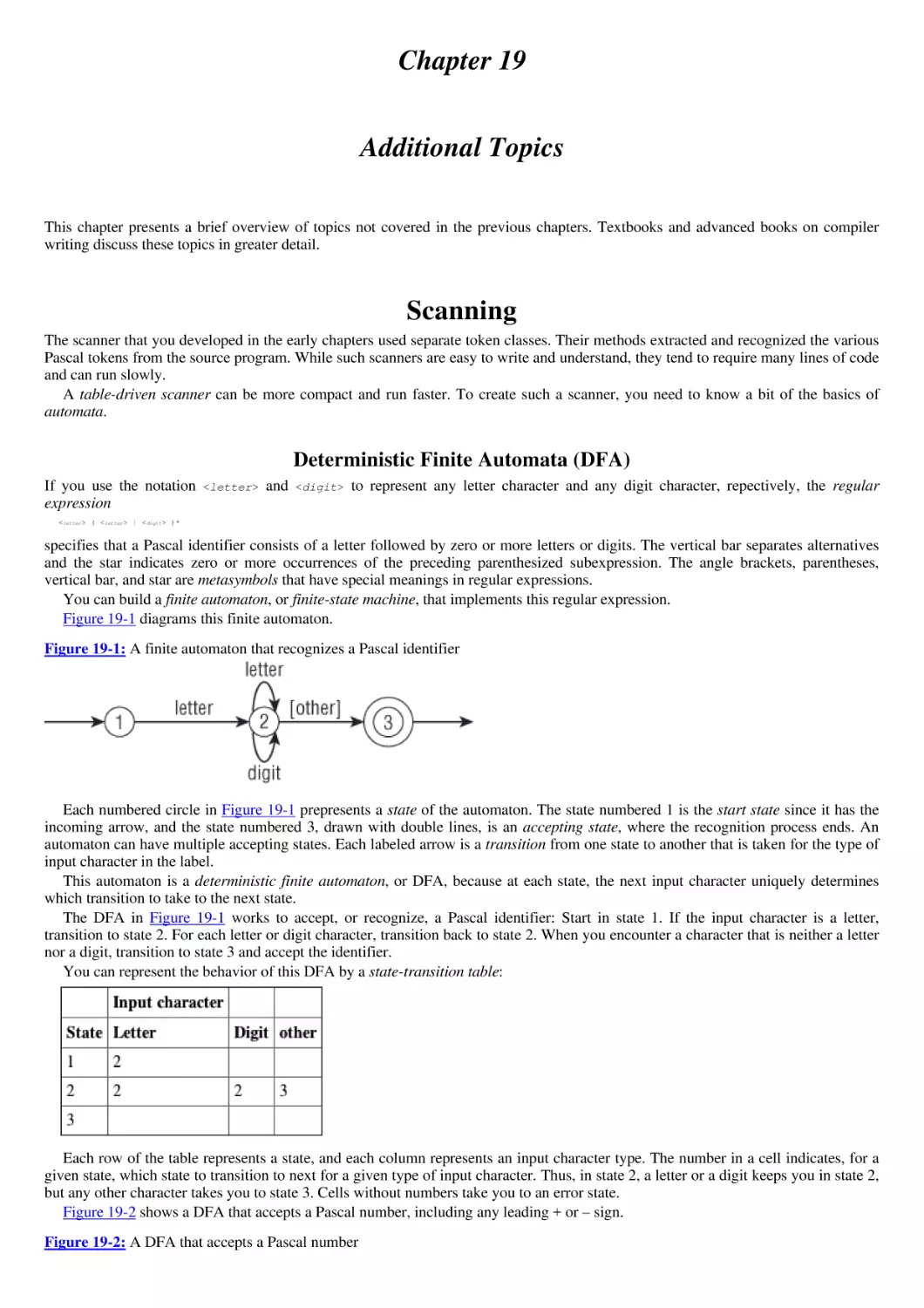

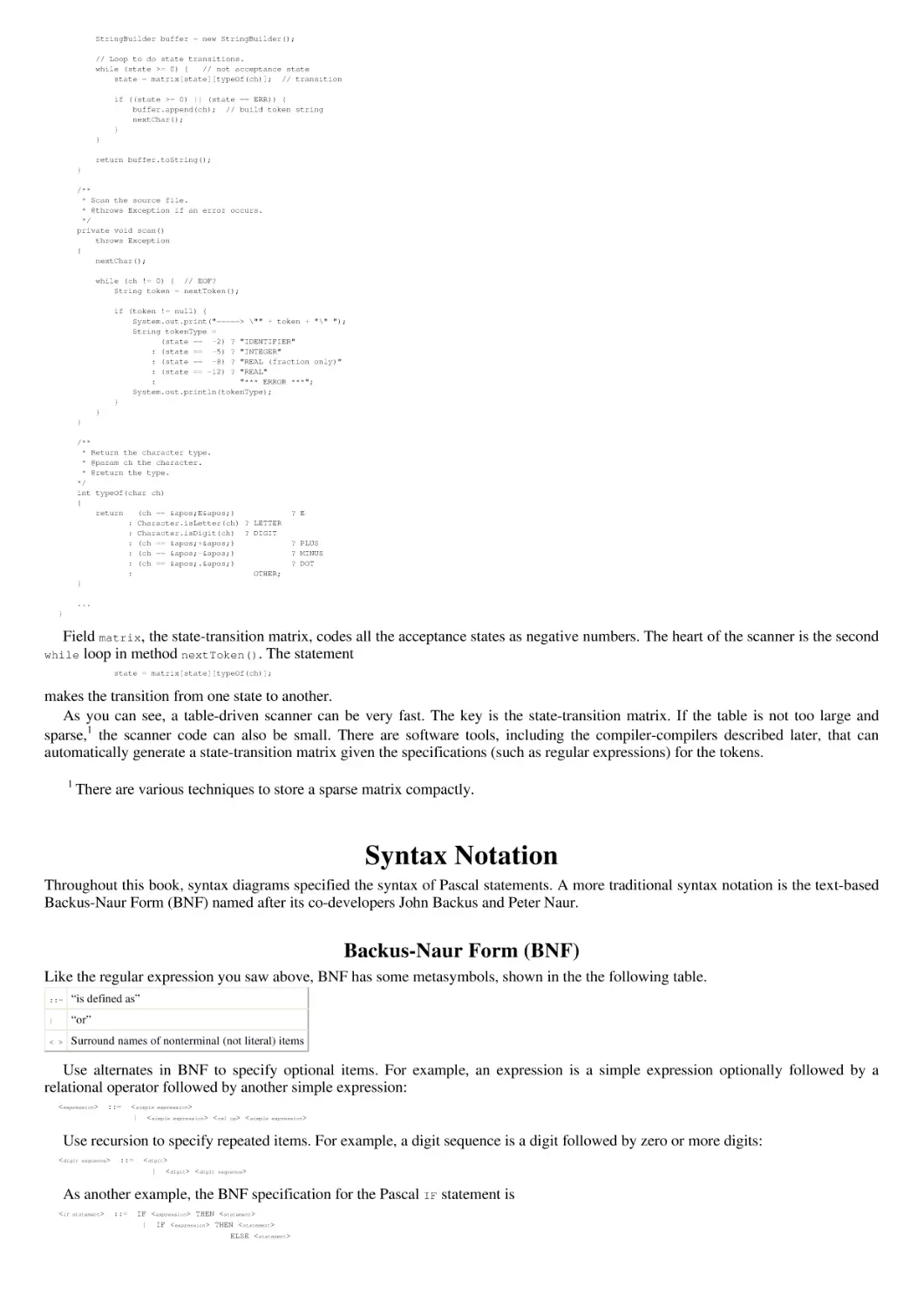
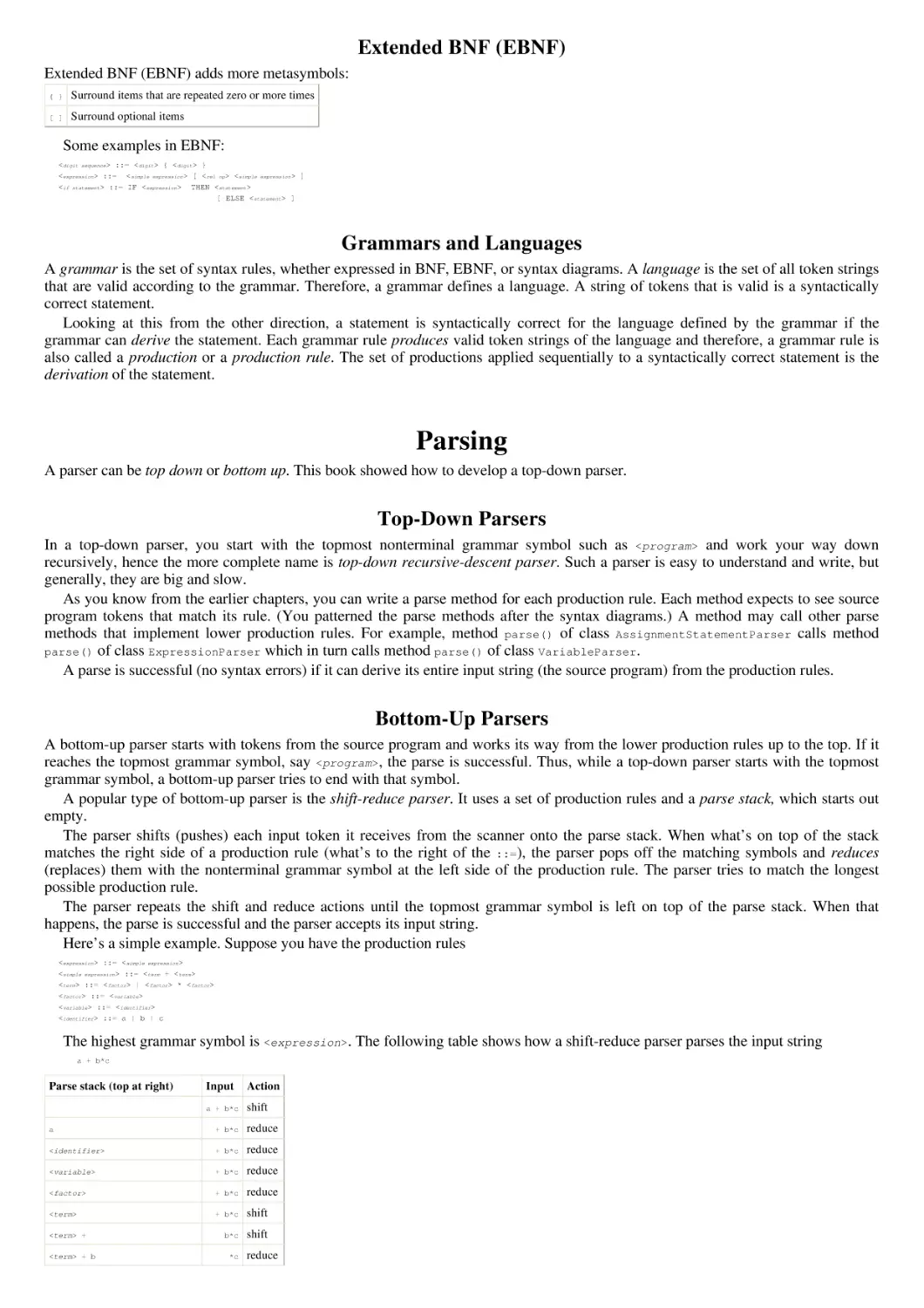
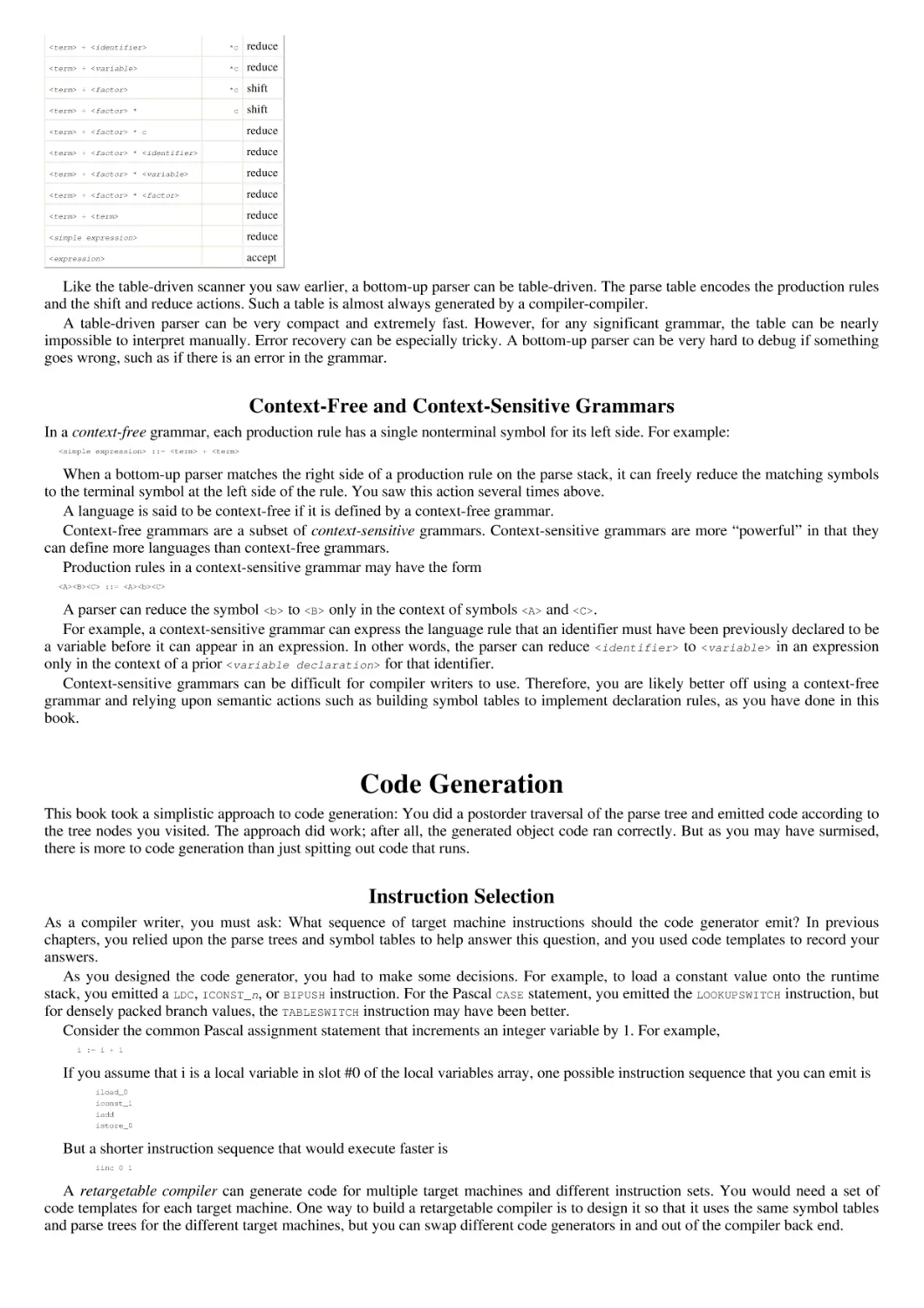
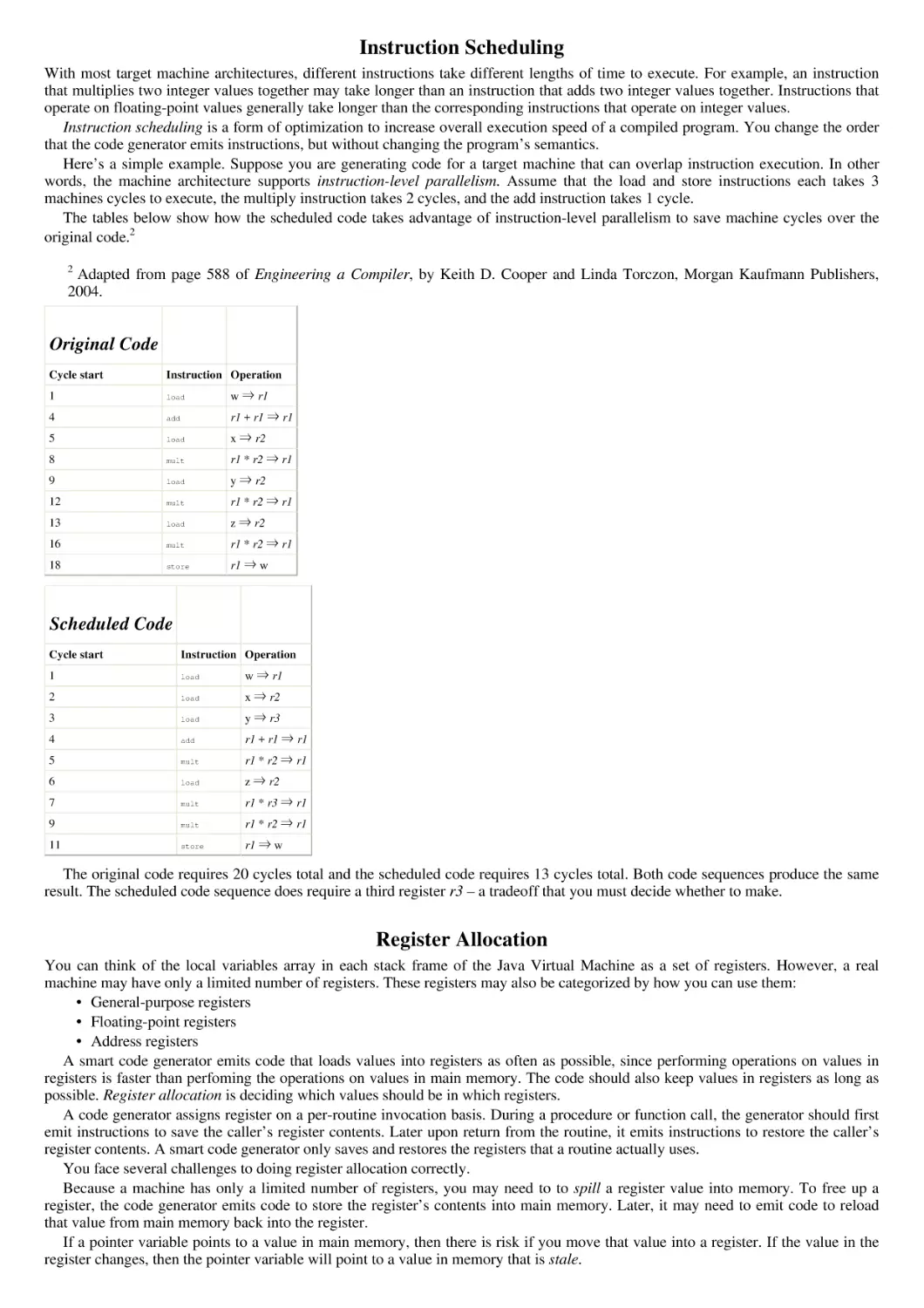
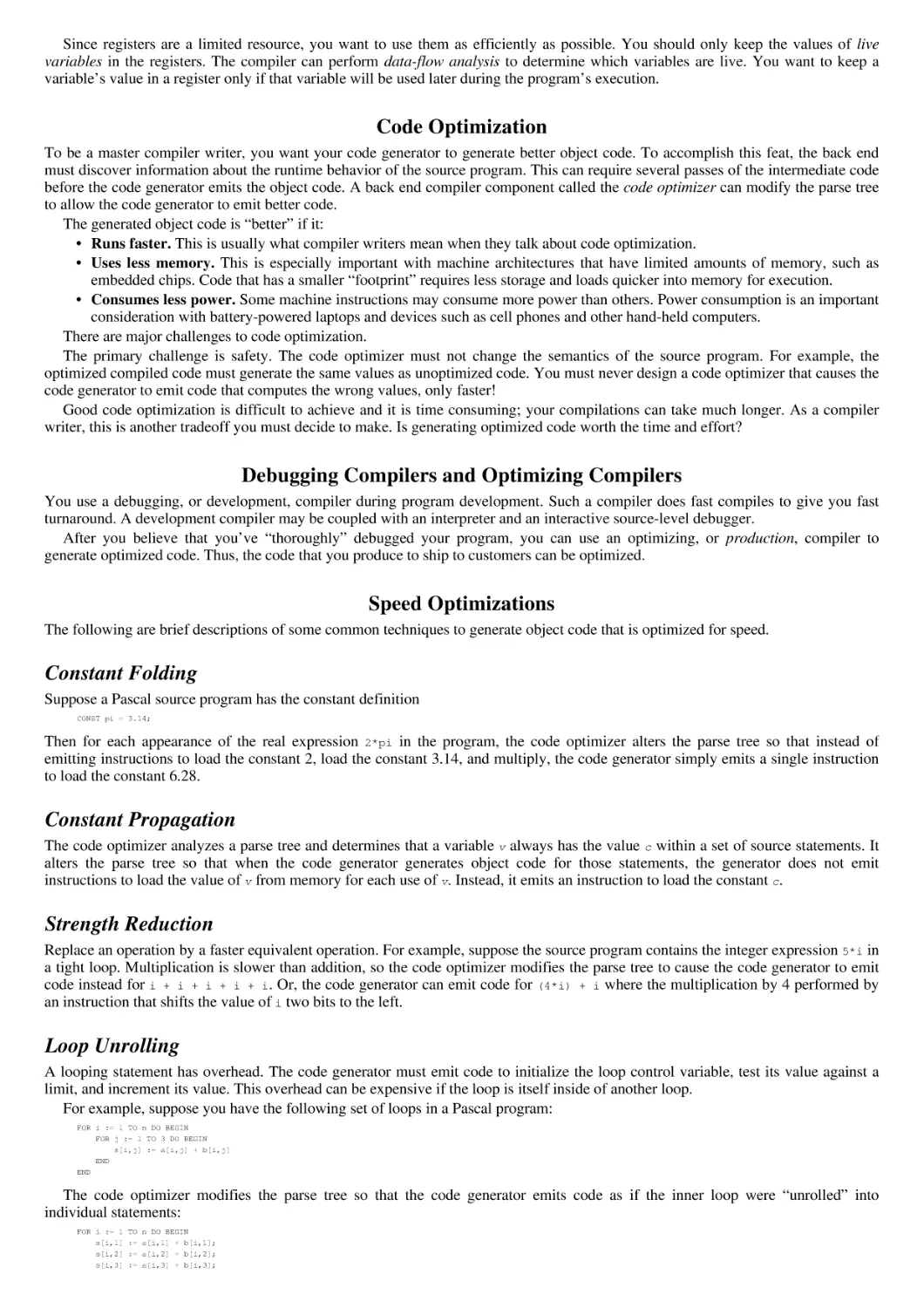
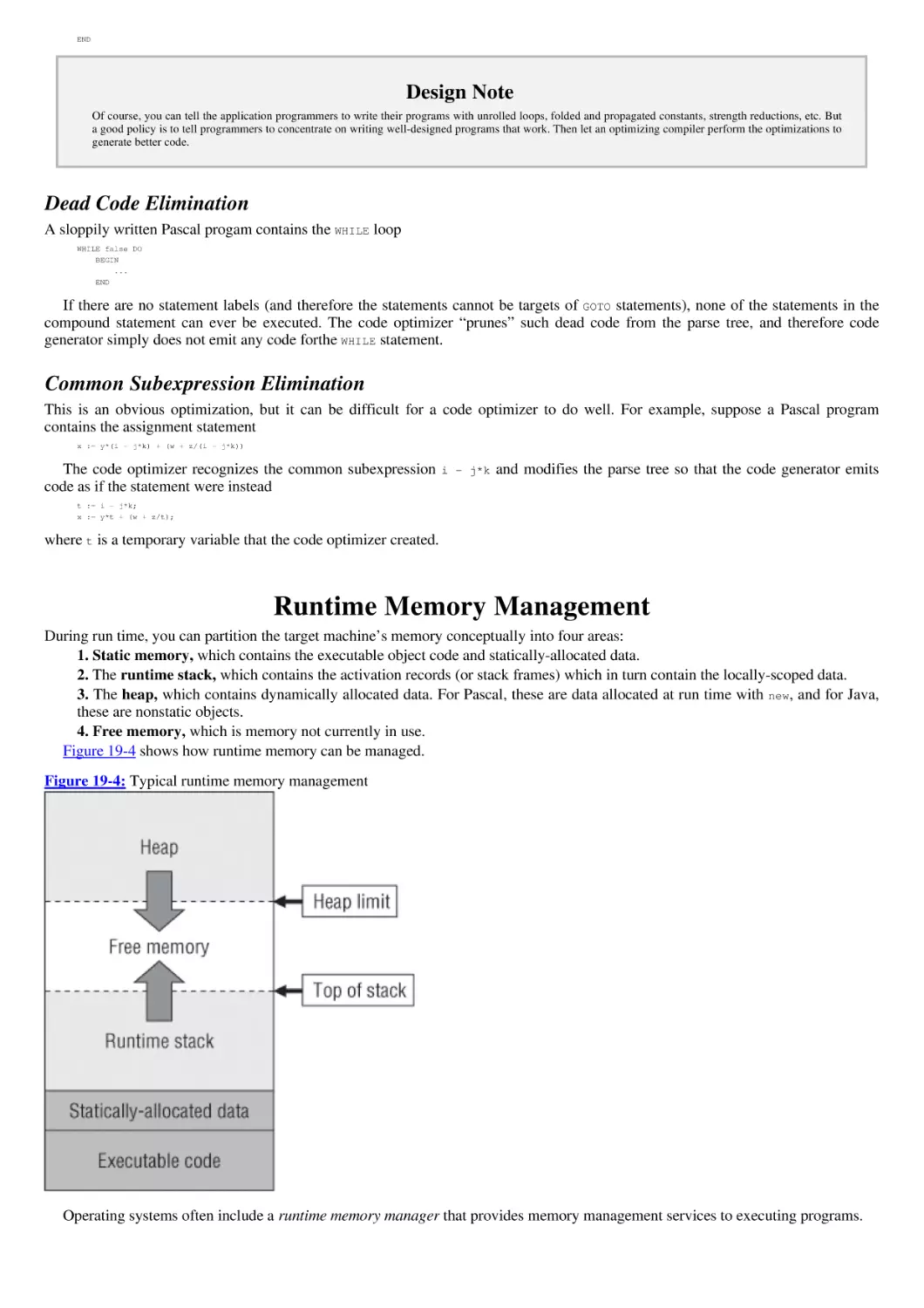
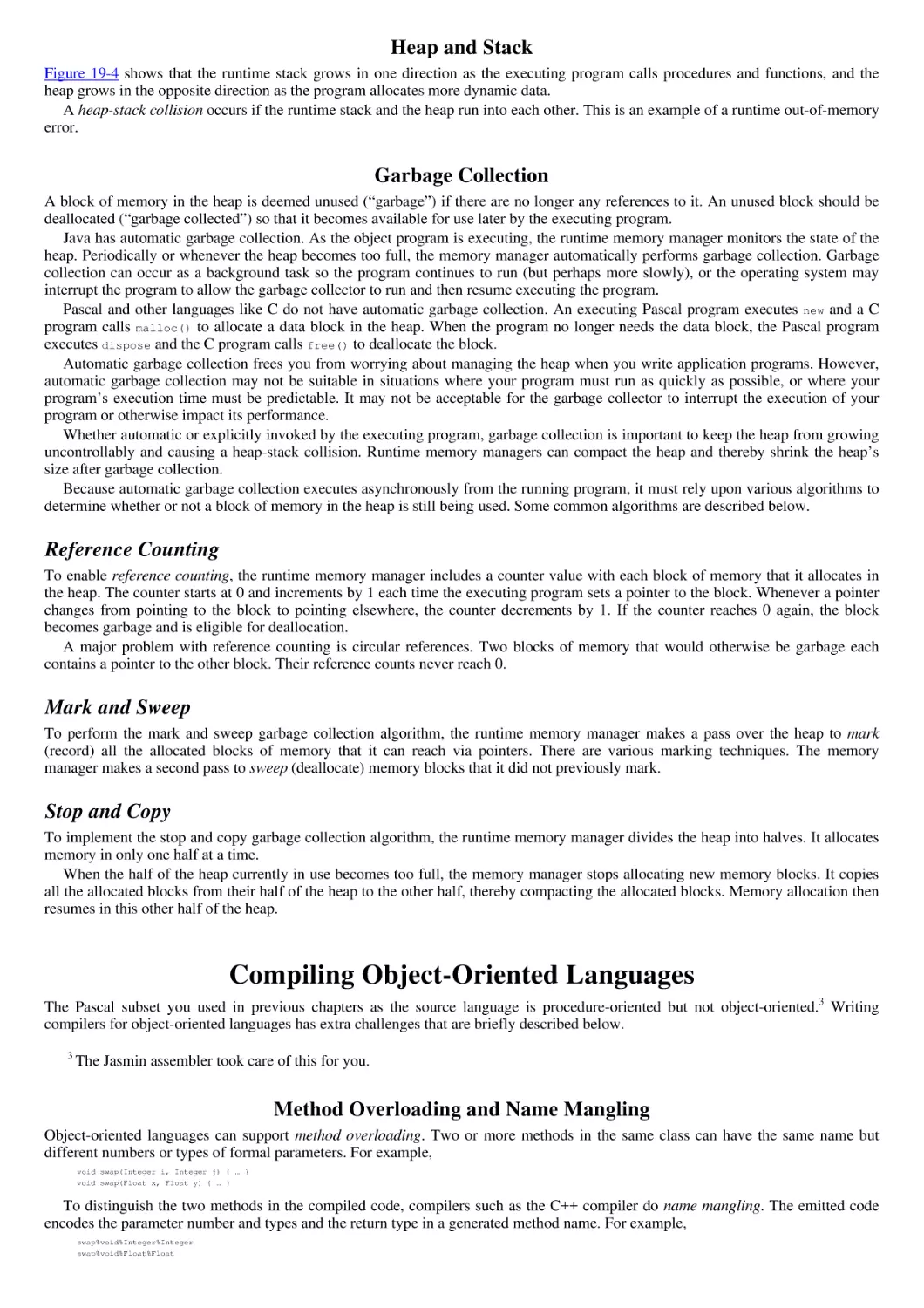













Текст
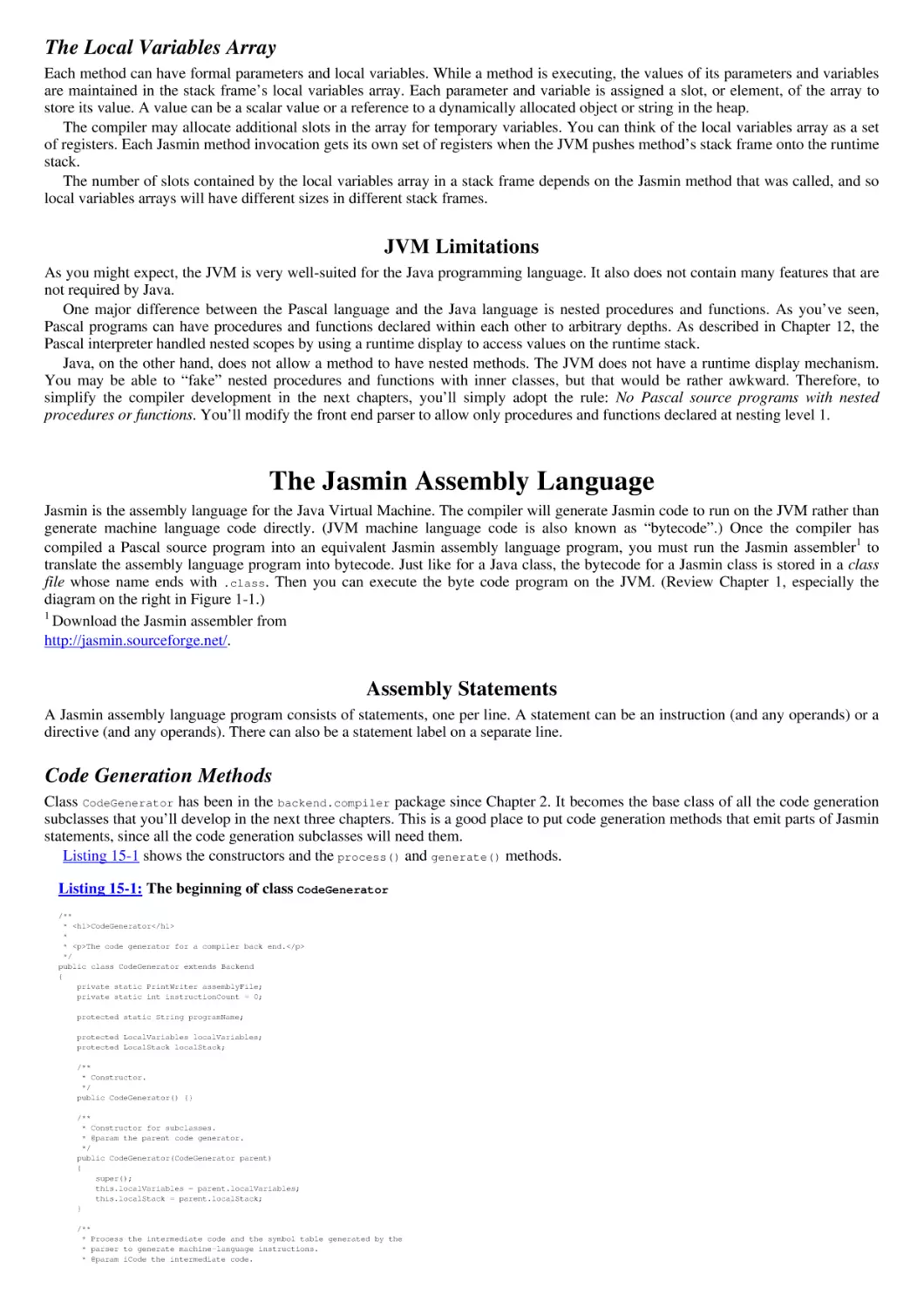
Writing Compilers and Interpreters: A Modern Software Engineering Approach Using Java®, Third
Edition
Published by
Wiley Publishing, Inc.
10475 Crosspoint Boulevard
Indianapolis, IN 46256
www.wiley.com
Copyright © 2009 by Ronald Mak
Published by Wiley Publishing, Inc., Indianapolis, Indiana
Published simultaneously in Canada
ISBN: 978-0-470-17707-5
Manufactured in the United States of America
10 9 8 7 6 5 4 3 2 1
No part of this publication may be reproduced, stored in a retrieval system or transmitted in any form or by any
means, electronic, mechanical, photocopying, recording, scanning or otherwise, except as permitted under
Sections 107 or 108 of the 1976 United States Copyright Act, without either the prior written permission of the
Publisher, or authorization through payment of the appropriate per-copy fee to the Copyright Clearance Center,
222 Rosewood Drive, Danvers, MA 01923, (978) 750-8400, fax (978) 646-8600. Requests to the Publisher for
permission should be addressed to the Permissions Department, John Wiley & Sons, Inc., 111 River Street,
Hoboken, NJ 07030, (201) 748-6011, fax (201) 748-6008, or online at http://www.wiley.com/go/permissions.
Limit of Liability/Disclaimer of Warranty: The publisher and the author make no representations or
warranties with respect to the accuracy or completeness of the contents of this work and specifically disclaim
all warranties, including without limitation warranties of fitness for a particular purpose. No warranty may be
created or extended by sales or promotional materials. The advice and strategies contained herein may not be
suitable for every situation. This work is sold with the understanding that the publisher is not engaged in
rendering legal, accounting, or other professional services. If professional assistance is required, the services of
a competent professional person should be sought. Neither the publisher nor the author shall be liable for
damages arising herefrom. The fact that an organization or Web site is referred to in this work as a citation
and/or a potential source of further information does not mean that the author or the publisher endorses the
information the organization or Web site may provide or recommendations it may make. Further, readers
should be aware that Internet Web sites listed in this work may have changed or disappeared between when this
work was written and when it is read.
For general information on our other products and services please contact our Customer Care Department
within the United States at (877) 762-2974, outside the United States at (317) 572-3993 or fax (317) 572-4002.
Wiley also publishes its books in a variety of electronic formats. Some content that appears in print may not be
available in electronic books.
Library of Congress Control Number: 2009931754
Trademarks: Wiley and the Wiley logo are trademarks or registered trademarks of John Wiley & Sons, Inc.
and/or its affiliates, in the United States and other countries, and may not be used without written permission.
Java is a registered trademark of Sun Microsystems, Inc. All other trademarks are the property of their
respective owners. Wiley Publishing, Inc. is not associated with any product or vendor mentioned in this book.
This book is dedicated to all programmers who accept the challenge of writing very complex software successfully.
About the Author
Ronald Mak wrote the earlier editions of this very successful book, as well as The Martian Principles for Successful Enterprise
Systems: 20 Lessons Learned from NASA’s Mars Exploration Rover Mission (also published by Wiley) and Java Number Cruncher:
The Java Programmer’s Guide to Numerical Computing (Prentice Hall). He develops advanced software systems for organizations
from startups to NASA. Currently a research staff member at the IBM Almaden Research Center, he also teaches compiler writing
and software engineering at San José State University. He has degrees in the mathematical sciences and in computer science from
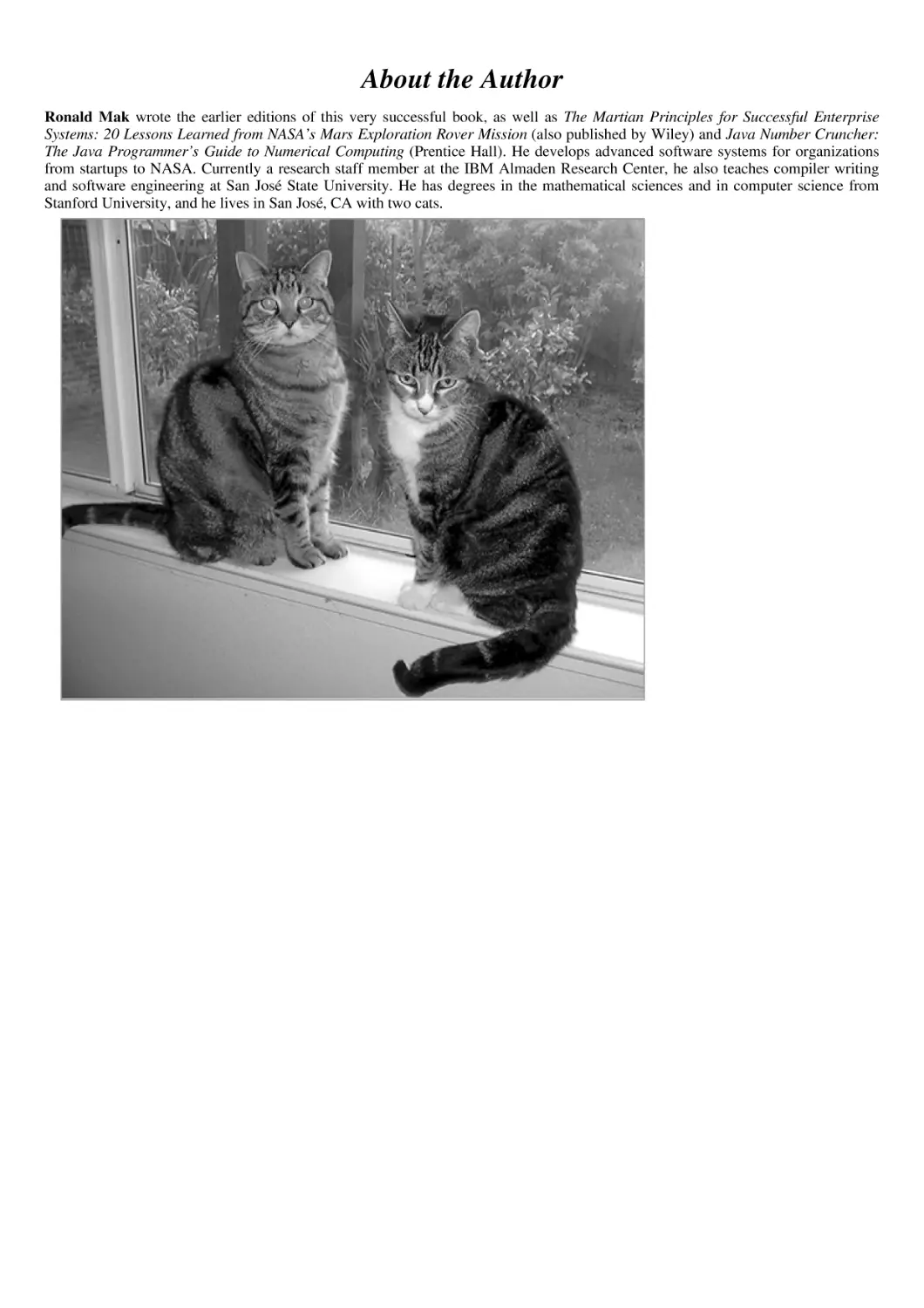
Stanford University, and he lives in San José, CA with two cats.
Credits
Executive Editor
Carol Long
Project Editor
Tom Dinse
Technical Editor
Chris Tseng
Production Editor
Daniel Scribner
Copy Editor
Christopher Jones
Editorial Director
Robyn B. Siesky
Editorial Manager
Mary Beth Wakefield
Production Manager
Tim Tate
Vice President and Executive Group Publisher
Richard Swadley
Vice President and Executive Publisher
Barry Pruett
Associate Publisher
Jim Minatel
Project Coordinator, Cover
Lynsey Stanford
Compositor
Craig J. Woods, Happenstance Type-O-Rama
Proofreader
Publication Services, Inc.
Indexer
Ron Strauss
Cover Image
© Punchstock
Acknowledgments
Carol Long, Executive Acquisitions Editor at Wiley, first contacted me a couple of years ago to persuade me to
do this third edition. She stayed on top of my efforts to complete it.
Tom Dinse, Senior Development Editor, did a great job making sure I uploaded my chapter manuscripts on
time and coordinated all the editing work. Tom was a pleasure to work with.
My students of CS 153, Concepts of Compiler Design, in the Department of Computer Science at San José
State University (California) used early manuscripts of the chapters and pointed out problems to me. I realize
most of them may never write a compiler during their careers, but I hope they benefited from learning how to
work together in small programming teams to design and develop some very complex software.
Thanks to Phil Edwards, my former colleague at the Lawrence Livermore National Laboratory, who read
several of the early chapters and helped me clear up some confusing statements.
Finally, special thanks to my technical editor, computer science professor Dr. Chris Tseng at San José State
University. He read all the chapters, ran all the programs, and his suggestions and comments helped me
improve the text.
Large, complex programs such as compilers and interpreters are challenging to get right. The programs in
this book are for educational purposes only and are not production quality. I accept the blame for any bugs they
contain. However, neither I nor Wiley Publishing can be responsible for any damages these programs may
cause if you use them for any other purposes.
Introduction
This book is about writing compilers and interpreters. The emphasis is on writing because this book writes a
very large amount of code.
This is your book if you want to learn how to write an interpreter, a compiler, an interactive source-level
debugger, and an integrated development environment (IDE) with a graphical user interface (GUI). All the
code is in Java, which I explain in detail.
This book is not about the theory behind compiler writing. I leave that to the textbooks. If you want to learn
the theory right now, then this is not your book. However, I hope that after working your way through this
book’s programs, you’ll be inspired to learn about their theoretical underpinnings.
The first edition of this book used C as the implementation language, the second edition used C++, and this
third edition uses Java. While I kept the basic organization, philosophy, and approach of the earlier editions,
this edition is a complete rewrite.
What You’ll Learn in this Book
The interpreter and the compiler that you learn to write in this book processes programs written in a high-level
language. You’ll write an interpreter that can execute programs. After you add the debugger, you’ll be able to
interact with the interpreter as it executes a program by setting breakpoints, displaying the call stack, viewing
and modifying values of variables, and single-stepping the program’s execution statement-by-statement. Add
the IDE and you’ll do all that with mouse clicks as you watch a program’s execution animated on the screen.
You’ll learn to write a compiler that generates object code for the Java Virtual Machine (JVM). You’ll be able
to run compiled programs on multiple platforms. Of course, since the interpreter, compiler, debugger, and IDE
are all written in Java, you’ll be able to run them on multiple platforms, too.
The programming language of the source programs — the programs that your interpreter and compiler will
process — is Pascal. I chose Pascal for several reasons. It’s a real language, not a made-up one for this book.
Pascal is a high-level procedure-oriented programming language that was very popular from the mid 1970s
through the 1980s. The language has a relatively straightforward syntax, but it includes many of the language
features that make compiler writing interesting, such as structured, user-definable data types, nested scopes,
passing parameters by value and by reference, a full set of control statements, etc. Pascal continues to live
today. You can download free Pascal interpreters and compilers from the Web to compare against the ones
you’ll write.1
1
For example:
http://www.freepascal.org/.
A Software Engineering Approach
Compilers and interpreters are complex programs, and writing them successfully is hard work. To tackle the
complexity, I take a strong software engineering approach in this book. Design patterns, Unified Modeling
Language (UML) diagrams, and other modern object-oriented design practices make the code understandable
and manageable.
Throughout the chapters, especially in the early ones, DESIGN NOTE sidebars point out design issues such
as the use of a design pattern, or explain why I chose to architect the code a particular way.
The approach that I strongly believe in is: Develop software incrementally. At each step, get something to
work. Build every step on working code from the previous step. Nearly every chapter of this book contains a
major working program and often other shorter ones. Each chapter’s programs build upon the ones from the
previous chapters.
How the Book Is Organized
Chapter 1 is an introduction. Chapter 2 describes the framework for the compiler and the interpreter. It designs
and tests this architectural foundation up front so that all the code in the remaining chapters can successfully
build upon it. The next two chapters take care of some basic translation tasks, scanning (Chapter 3) and
building a symbol table (Chapter 4).
The next several chapters build a working Pascal interpreter. To take the incremental development approach,
these chapters iterate parsing and interpretation several times, with more of the Pascal language included in
each iteration. Chapter 5 parses expressions and assignment statements and Chapter 6 interprets them. Chapter
7 parses the control statements and Chapter 8 interprets them. Chapter 9 parses declarations, Chapter 10 does
type checking, and Chapter 11 parses procedures, functions, and entire Pascal programs. Chapter 12 completes
the interpreter and executes entire Pascal programs.
The next two chapters build upon the working interpreter. Chapter 13 adds an interactive source-level
debugger with which you communicate by typing commands on the command line. Chapter 14 wraps a GUI
around this command-line debugger to create an IDE. You can skip these two chapters during your first time
through the book without loss of continuity. But be sure to come back to them because they describe some
really powerful software development tools.
The last part of the book develops the compiler by reusing much of the code from the earlier parts. Chapter
15 introduces the architecture of the Java Virtual Machine and Jasmin, the assembly language that the compiler
will emit for the JVM.
Again, the incremental approach: Chapter 16 compiles programs, assignment statements, and expressions.
Chapter 17 compiles procedures and function calls and string operations. Chapter 18 completes the compiler by
compiling control statements and arrays and records.
The final Chapter 19 is a brief introduction to various compiler-writing topics that are not covered in the
other chapters, such as code optimization and table-driven scanners and parsers.
Where to Get the Program Code
You can download all of the Java code developed in this book from the Web page at
http://www.apropos-logic.com/wci/. There, you’ll find instructions for how to download, install, compile, and
run the programs. There are also some more Pascal test programs.
Table of Contents
Cover
Title Page
Copyright
Dedication
About the Author
Credits
Acknowledgments
Introduction
What You’ll Learn in this Book
A Software Engineering Approach
How the Book Is Organized
Where to Get the Program Code
Chapter 1: Introduction
Goals and Approach
What Are Compilers and Interpreters?
Comparing Compilers and Interpreters
Why Study Compiler Writing?
Conceptual Design
Syntax and Semantics
Lexical, Syntax, and Semantic Analyses
Chapter 2: Framework I: Compiler and Interpreter
Goals and Approach
Language-Independent Framework Components
Parser
Pascal-Specific Front End Components
Initial Back End Implementations
Program 2: Program Listings
Chapter 3: Scanning
Goals and Approach
Program 3: Pascal Tokenizer
Syntax Error Handling
How to Scan for Tokens
A Pascal Scanner
Pascal Tokens
Chapter 4: The Symbol Table
Goals and Approach
Symbol Table Conceptual Design
Symbol Table Interfaces
A Symbol Table Factory
Symbol Table Implementation
Program 4: Pascal Cross-Referencer I
Chapter 5: Parsing Expressions and Assignment Statements
Goals and Approach
Syntax Diagrams
Intermediate Code Conceptual Design
Intermediate Code Interfaces
An Intermediate Code Factory
Intermediate Code Implementation
Parsing Pascal Statements and Expressions
Program 5: Pascal Syntax Checker I
Chapter 6: Interpreting Expressions and Assignment Statements
Goals and Approach
Runtime Error Handling
Executing Assignment Statements and Expressions
Program 6: Simple Interpreter I
Chapter 7: Parsing Control Statements
Goals and Approach
Syntax Diagrams
Error Recovery
Program 7: Syntax Checker II
Control Statement Parsers
Parsing Pascal Control Statements
Chapter 8: Interpreting Control Statements
Goals and Approach
Program 8: Simple Interpreter II
Interpreting Control Statements
Chapter 9: Parsing Declarations
Goals and Approach
Pascal Declarations
Types and the Symbol Table
Scope and the Symbol Table Stack
Parsing Pascal Declarations
Program 9: Pascal Cross-Referencer II
Chapter 10: Type Checking
Goals and Approach
Type Checking
Program 10: Pascal Syntax Checker III
Chapter 11: Parsing Programs, Procedures, and Functions
Goals and Approach
Program, Procedure, and Function Declarations
Parsing a Program Declaration
Parsing Procedure and Function Declarations
Program 11: Pascal Syntax Checker IV
Chapter 12: Interpreting Pascal Programs
Goals and Approach
Runtime Memory Management
Executing Statements and Expressions
Executing Procedure and Function Calls
Program 12-1: Pascal Interpreter
Chapter 13: An Interactive Source-Level Debugger
Goals and Approach
Machine-Level vs. Source-Level Debugging
Debugger Architecture
A Simple Command Language
Program 13-1: Command-Line Source-Level Debugger
Chapter 14: Framework II: An Integrated Development Environment (IDE)
Goals and Approach
The Pascal IDE
Program 14: Pascal IDE
The IDE Process and the Debugger Process
Chapter 15: Jasmin Assembly Language and Code Generation for the Java
Virtual Machine
Goals and Approach
Organization of the Java Virtual Machine
The Jasmin Assembly Language
Chapter 16: Compiling Programs, Assignment Statements, and Expressions
Goals and Approach
Compiling Programs
Code Generator Subclasses
Compiling Procedures and Functions
Compiling Assignment Statements and Expressions
The Pascal Runtime Library
Program 16-1: Pascal Compiler I
Chapter 17: Compiling Procedure and Function Calls and String Operations
Goals and Approach
Compiling Procedure and Function Calls
The Pascal Runtime Library
Compiling Strings and String Assignments
Program 17-1: Pascal Compiler II
Chapter 18: Compiling Control Statements, Arrays, and Records
Goals and Approach
Compiling Control Statements
Compiling Arrays and Subscripted Variables
Compiling Records and Record Fields
Program 18-1: Pascal Compiler III
Chapter 19: Additional Topics
Scanning
Syntax Notation
Parsing
Code Generation
Runtime Memory Management
Compiling Object-Oriented Languages
Compiler-Compilers
Index
Chapter 1
Introduction
This first chapter describes the goals of this book and its approach and presents an overview of compilers and interpreters.
Goals and Approach
This book teaches the basics of writing compilers and interpreters. Its goals are to show you how to design and develop
• A compiler written in Java for a major subset of Pascal, a high-level procedure-oriented programming language.1 The
compiler will generate code for the Java Virtual Machine (JVM).
1
See the preface for an explanation of how and why this book uses both Java and Pascal.
• An interpreter written in Java for the same Pascal subset that will include an interactive symbolic debugger.
• An integrated development environment (IDE) with a graphical user interface. The IDE will be a simplified version of fullfeatured IDEs such as what you would find with the open-source Eclipse or Borland’s JBuilder. Nevertheless, it will include a
source program editor and an interactive interface to set breakpoints, do single stepping, view and set variables values, and
more.
These are very ambitious goals and successfully achieving them will be a major challenge! The right technical skills will provide
what you need to do to compile a program into machine language or to interpret a program. Modern software engineering principles
and good object-oriented design will show how to implement the code for the compiler or interpreter so that everything will work
together correctly at the end. Compilers and interpreters are large complex programs. While you may be able to develop a small
program successfully with only technical skills, anything as ambitious as a compiler or an interpreter will also require software
engineering principles and object-oriented design. Therefore, this book emphasizes the necessary technical skills, modern software
engineering principles, and good object-oriented design.
What Are Compilers and Interpreters?
The main purpose of a compiler or an interpreter is to translate a source program written in a high-level source language. Exactly
what the source program is translated into is the subject of the next few paragraphs.
In this book, the source language will be a large subset of Pascal. In other words, you will compile and interpret Pascal programs.
Since you will write the compiler and interpreter in Java, the implementation language is Java.
A Pascal compiler translates the source containing a Pascal program into the low-level machine language of a particular computer
(or, more precisely, the machine language of the CPU). Usually, the source is in the form of a text file. If the compiler does its job
correctly, the machine language version of the program will “say” the same thing as the original Pascal program.2 The machine
language is the object language, and the compiler generates object code (also called the target code) written in the machine language.
A compiler’s job is done after it generates the object code. Object code is often written to a file.3
2
We’ll rely on an intuitive notion of what it means for two programs to “say” the same thing. During execution, the two programs
have the same behavior – they read the same input and produce the same output in the same sequence.
3
Do not confuse the use of the word object in the terms object program and object code with its use in the term object oriented.
These are entirely separate concepts – a program written in object-oriented language like Java or C++ or in a procedure-oriented
language like Pascal would be compiled into an object program.
A program can consist of several source files, and the compiler generates a separate object file for each one. A utility program
called a linker combines the contents of the one or more object files along with any needed runtime library routines into a single
object program that the computer can load and execute. The library routines are often kept in precompiled object files.
Because machine language is not easily human-readable, a compiler can instead generate assembly language as the object
language. Assembly language is one step up from machine language; there is usually a one-to-one mapping between each assembly
instruction and machine language instruction. Assembly language is human-readable if you know the short mnemonics (such as ADD
or LOAD) and understand the machine architecture. An assembler (itself a type of compiler) translates the assembly language to
machine language.
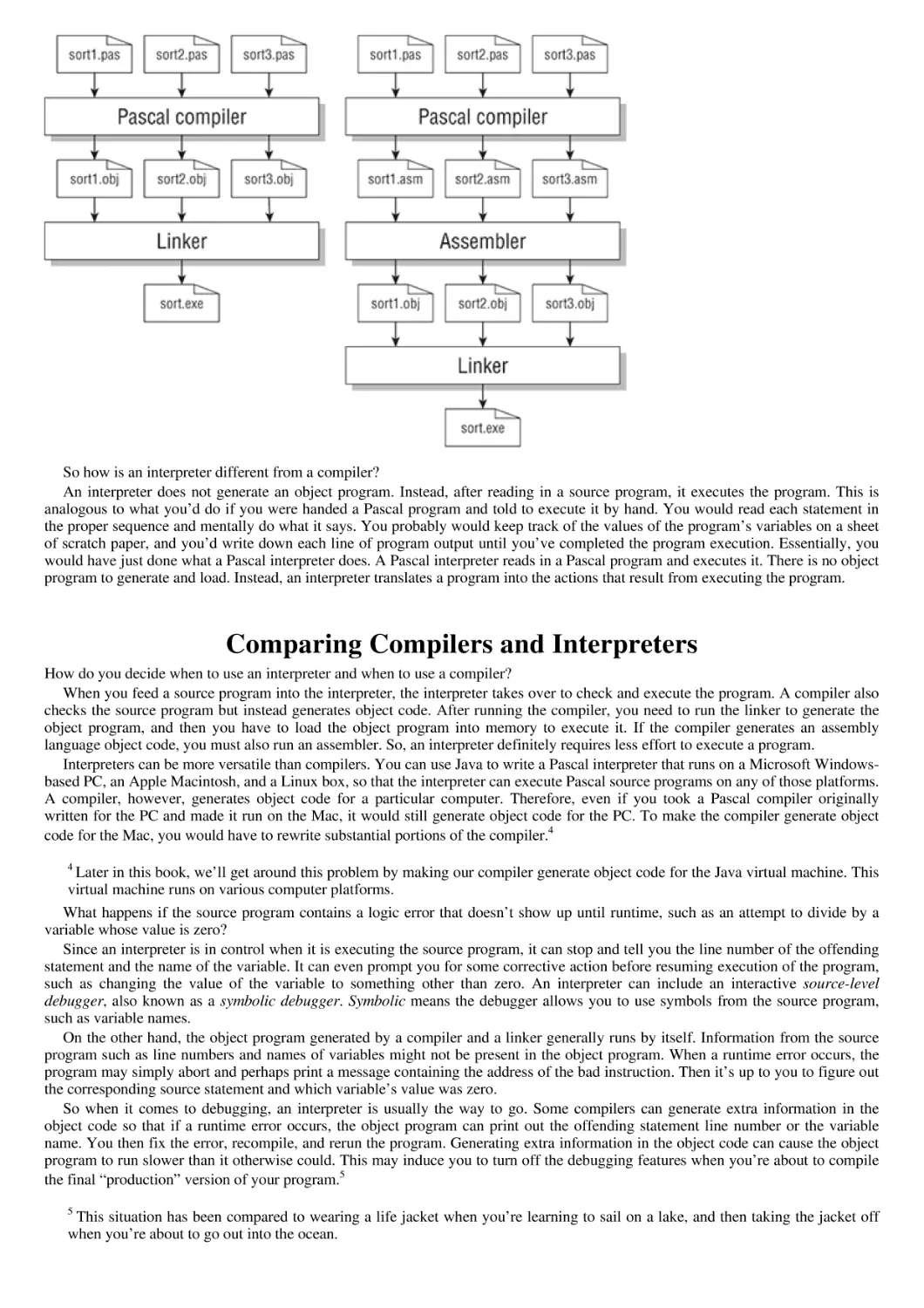
Figure 1-1 summarizes the process of compiling one or more Pascal sources into an object program.
Figure 1-1: The diagram on the left shows a compiler translating a Pascal program consisting of three source files sort1.pas,
sort2.pas, and sort3.pas into three corresponding machine-language object files sort1.obj, sort2.obj, and sort3.obj. The linker
then combines the object files (along with any required runtime library routines) into the executable object program sort.exe. The
diagram on the right shows a compiler translating the Pascal source files into assembly-language object files sort1.asm, sort2.asm
and sort3.asm, which an assembler translates into the machine-language object files. The linker then produces the object program.
So how is an interpreter different from a compiler?
An interpreter does not generate an object program. Instead, after reading in a source program, it executes the program. This is
analogous to what you’d do if you were handed a Pascal program and told to execute it by hand. You would read each statement in
the proper sequence and mentally do what it says. You probably would keep track of the values of the program’s variables on a sheet
of scratch paper, and you’d write down each line of program output until you’ve completed the program execution. Essentially, you
would have just done what a Pascal interpreter does. A Pascal interpreter reads in a Pascal program and executes it. There is no object
program to generate and load. Instead, an interpreter translates a program into the actions that result from executing the program.
Comparing Compilers and Interpreters
How do you decide when to use an interpreter and when to use a compiler?
When you feed a source program into the interpreter, the interpreter takes over to check and execute the program. A compiler also
checks the source program but instead generates object code. After running the compiler, you need to run the linker to generate the
object program, and then you have to load the object program into memory to execute it. If the compiler generates an assembly
language object code, you must also run an assembler. So, an interpreter definitely requires less effort to execute a program.
Interpreters can be more versatile than compilers. You can use Java to write a Pascal interpreter that runs on a Microsoft Windowsbased PC, an Apple Macintosh, and a Linux box, so that the interpreter can execute Pascal source programs on any of those platforms.
A compiler, however, generates object code for a particular computer. Therefore, even if you took a Pascal compiler originally
written for the PC and made it run on the Mac, it would still generate object code for the PC. To make the compiler generate object
code for the Mac, you would have to rewrite substantial portions of the compiler.4
4
Later in this book, we’ll get around this problem by making our compiler generate object code for the Java virtual machine. This
virtual machine runs on various computer platforms.
What happens if the source program contains a logic error that doesn’t show up until runtime, such as an attempt to divide by a
variable whose value is zero?
Since an interpreter is in control when it is executing the source program, it can stop and tell you the line number of the offending
statement and the name of the variable. It can even prompt you for some corrective action before resuming execution of the program,
such as changing the value of the variable to something other than zero. An interpreter can include an interactive source-level
debugger, also known as a symbolic debugger. Symbolic means the debugger allows you to use symbols from the source program,
such as variable names.
On the other hand, the object program generated by a compiler and a linker generally runs by itself. Information from the source
program such as line numbers and names of variables might not be present in the object program. When a runtime error occurs, the
program may simply abort and perhaps print a message containing the address of the bad instruction. Then it’s up to you to figure out
the corresponding source statement and which variable’s value was zero.
So when it comes to debugging, an interpreter is usually the way to go. Some compilers can generate extra information in the
object code so that if a runtime error occurs, the object program can print out the offending statement line number or the variable
name. You then fix the error, recompile, and rerun the program. Generating extra information in the object code can cause the object
program to run slower than it otherwise could. This may induce you to turn off the debugging features when you’re about to compile
the final “production” version of your program.5
5
This situation has been compared to wearing a life jacket when you’re learning to sail on a lake, and then taking the jacket off
when you’re about to go out into the ocean.
Suppose you’ve successfully debugged your program, and now your primary concern is how fast it executes. Since a computer can
execute a program in its native machine language at top speed, a compiled program can run orders of magnitude faster than an
interpreted source program. A compiler is definitely the winner when it comes to speed. This is certainly true in the case of an
optimizing compiler that knows how to generate especially efficient code.
So, whether you should use a compiler or an interpreter depends on what aspects of program development and execution are
important. The best of both worlds would include an interpreter with an interactive symbolic debugger to use during program
development and a compiler to generate machine language code for fast execution after you’ve debugged the program. Such are the
goals of this book, since it teaches how to write both compilers and interpreters.
The Picture Gets a Bit Fuzzy
It used to be easier to explain the differences between an interpreter and a compiler. With the growing popularity of virtual machines,
the picture gets a bit fuzzy.
A virtual machine is a program that simulates a computer. This program can run on different actual computer platforms. For
example, the Java virtual machine (JVM) can run on a Microsoft Windows-based PC, an Apple Macintosh, a Linux system, and many
others.
The virtual machine has its own virtual machine language, and the machine language instructions are interpreted by the actual
computer that’s running the virtual machine. So if you write a translator that translates a Pascal source program into virtual machine
language that is interpreted, is the translator a compiler or an interpreter?
Rather than splitting hairs, let’s agree for this book that if a translator translates a source program into machine language, whether
for an actual computer or for a virtual machine, the translator is a compiler. A translator that executes the source program without first
generating machine language is an interpreter.
Why Study Compiler Writing?
We’ve all learned to take compilers and interpreters mostly for granted. Because you need to concentrate on writing and debugging
the program that you’re developing, you don’t even want to think about what the compiler is doing. You may notice the compiler
only whenever you make a syntax error and the compiler flags it with an error message. You want to assume that if there are no
syntax errors, the compiler will generate the correct code. If your program behaves badly at run time, you might be tempted to blame
the compiler for generating bad code, but the vast majority of the time, you’ll discover the error is actually in your program.
This is generally the situation if you’re using one of the popular standard programming languages, such as Java or C++.
Compilers, interpreters, and IDEs are all provided for you. End of story.
Recently, however, we’ve seen much activity in the development of new programming languages. Driving forces include the
World Wide Web and new languages to accommodate developing web-based applications. Ever-increasing pressures to improve
programmer productivity have also spurred the creation of languages that are well-tuned for specific application domains. You may
very well find yourself one day inventing a scripting language to express algorithms or to control processes in your domain. If you
invent a new language, you’ll have to develop a compiler or an interpreter for it.
A compiler or an interpreter is a very interesting program in its own right. Each one is certainly not an insignificant program. As
mentioned above, appropriate technical skills, modern software engineering principles, and good object-oriented design are required
to develop them successfully. So alongside the intellectual satisfaction of learning how compilers and interpreters work, you can also
appreciate the challenge of writing them.
Conceptual Design
To prepare for the next few chapters, let’s examine the conceptual design of a compiler or an interpreter.
Design Note
The conceptual design of a program is a high-level view of its software architecture. The conceptual design includes the primary components of the program,
how they’re organized, and how they interact with each other. It does not necessarily say how these components will be implemented. Rather, it allows you to
examine and understand the components first without worrying about how you’re eventually going to develop them.
You can classify both compilers and interpreters as programming language translators. As explained above, a compiler translates a
source program into machine language, and an interpreter translates the program into actions. Such a translator, as seen at the highest
level, consists of a front end and a back end. Following the principle of software reuse, you’ll soon see that a Pascal compiler and a
Pascal interpreter can share the same front end, but they’ll each have a different back end.
The front end of a translator reads the source program and performs the initial translation stage. Its primary components are the
parser, the scanner, the token, and the source.
The parser controls the translation process in the front end. It repeatedly asks the scanner for the next token, and it analyzes the
sequences of tokens to determine what high-level language elements it is translating, such as arithmetic expressions, assignment
statements, or procedure declarations. The parser verifies that what it sees is syntactically correct as written in the source program; in
other words, the parser detects and flags any syntax errors. What the parser does is called parsing, and the parser parses the source
program to translate it.
The scanner reads the characters of the source program sequentially and constructs tokens, which are the low-level elements of the
source language. For example, Pascal tokens include reserved words such as BEGIN, END, IF, THEN, and ELSE, identifiers that are names
of variables, procedures, and functions, andspecial symbols such as = := + - * and /. What the scanner does is called scanning, and
the scanner scans the source program to break it apart into tokens.
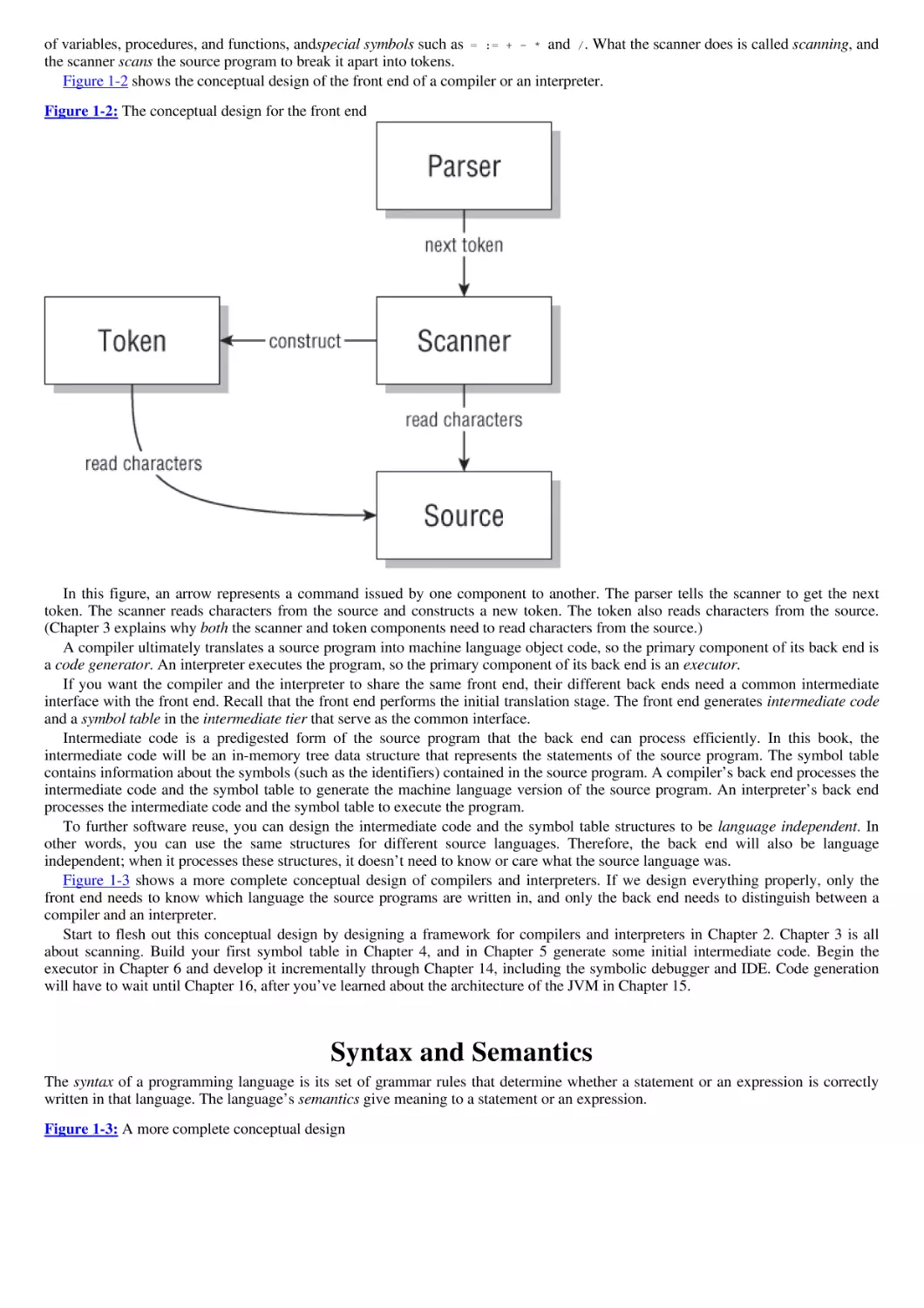
Figure 1-2 shows the conceptual design of the front end of a compiler or an interpreter.
Figure 1-2: The conceptual design for the front end
In this figure, an arrow represents a command issued by one component to another. The parser tells the scanner to get the next
token. The scanner reads characters from the source and constructs a new token. The token also reads characters from the source.
(Chapter 3 explains why both the scanner and token components need to read characters from the source.)
A compiler ultimately translates a source program into machine language object code, so the primary component of its back end is
a code generator. An interpreter executes the program, so the primary component of its back end is an executor.
If you want the compiler and the interpreter to share the same front end, their different back ends need a common intermediate
interface with the front end. Recall that the front end performs the initial translation stage. The front end generates intermediate code
and a symbol table in the intermediate tier that serve as the common interface.
Intermediate code is a predigested form of the source program that the back end can process efficiently. In this book, the
intermediate code will be an in-memory tree data structure that represents the statements of the source program. The symbol table
contains information about the symbols (such as the identifiers) contained in the source program. A compiler’s back end processes the
intermediate code and the symbol table to generate the machine language version of the source program. An interpreter’s back end
processes the intermediate code and the symbol table to execute the program.
To further software reuse, you can design the intermediate code and the symbol table structures to be language independent. In
other words, you can use the same structures for different source languages. Therefore, the back end will also be language
independent; when it processes these structures, it doesn’t need to know or care what the source language was.
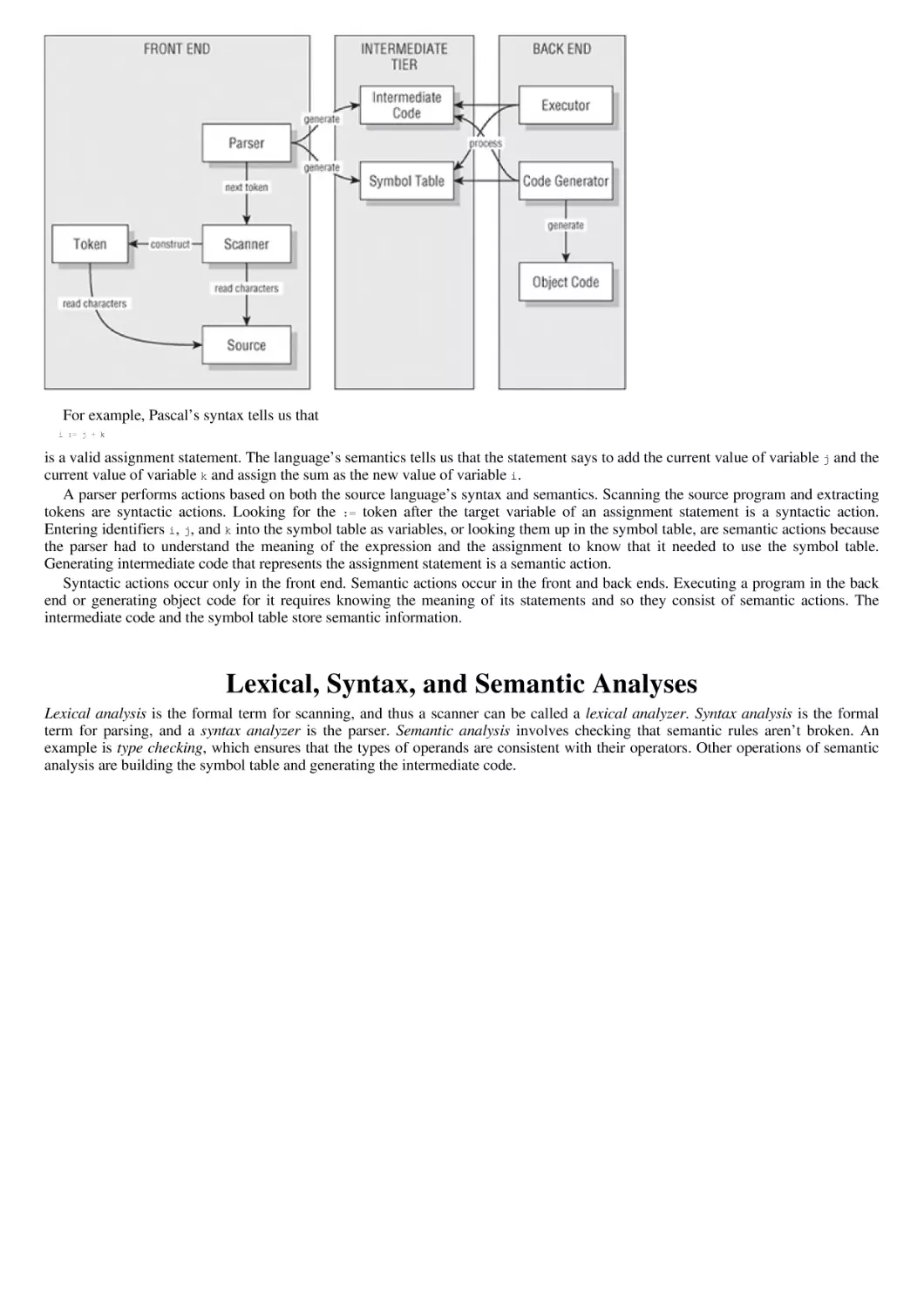
Figure 1-3 shows a more complete conceptual design of compilers and interpreters. If we design everything properly, only the
front end needs to know which language the source programs are written in, and only the back end needs to distinguish between a
compiler and an interpreter.
Start to flesh out this conceptual design by designing a framework for compilers and interpreters in Chapter 2. Chapter 3 is all
about scanning. Build your first symbol table in Chapter 4, and in Chapter 5 generate some initial intermediate code. Begin the
executor in Chapter 6 and develop it incrementally through Chapter 14, including the symbolic debugger and IDE. Code generation
will have to wait until Chapter 16, after you’ve learned about the architecture of the JVM in Chapter 15.
Syntax and Semantics
The syntax of a programming language is its set of grammar rules that determine whether a statement or an expression is correctly
written in that language. The language’s semantics give meaning to a statement or an expression.
Figure 1-3: A more complete conceptual design
For example, Pascal’s syntax tells us that
i := j + k
is a valid assignment statement. The language’s semantics tells us that the statement says to add the current value of variable j and the
current value of variable k and assign the sum as the new value of variable i.
A parser performs actions based on both the source language’s syntax and semantics. Scanning the source program and extracting
tokens are syntactic actions. Looking for the := token after the target variable of an assignment statement is a syntactic action.
Entering identifiers i, j, and k into the symbol table as variables, or looking them up in the symbol table, are semantic actions because
the parser had to understand the meaning of the expression and the assignment to know that it needed to use the symbol table.
Generating intermediate code that represents the assignment statement is a semantic action.
Syntactic actions occur only in the front end. Semantic actions occur in the front and back ends. Executing a program in the back
end or generating object code for it requires knowing the meaning of its statements and so they consist of semantic actions. The
intermediate code and the symbol table store semantic information.
Lexical, Syntax, and Semantic Analyses
Lexical analysis is the formal term for scanning, and thus a scanner can be called a lexical analyzer. Syntax analysis is the formal
term for parsing, and a syntax analyzer is the parser. Semantic analysis involves checking that semantic rules aren’t broken. An
example is type checking, which ensures that the types of operands are consistent with their operators. Other operations of semantic
analysis are building the symbol table and generating the intermediate code.
Chapter 2
Framework I: Compiler and Interpreter
This chapter advances you from the previous chapter’s conceptual design to an initial implementation. You’ll first build a flexible
framework that can support both a compiler and an interpreter. Then you’ll integrate rudimentary compiler and interpreter
components into the framework. Finally, you’ll run end-to-end tests to verify the framework and the components.
Goals and Approach
This chapter’s design approach may at first appear to be overly fussy. Indeed, at the end, there may be a larger number of Java classes
than you might have otherwise expected. But you’re going to adhere to proven software engineering principles and good objectoriented design to create a framework upon which you can build both a compiler and an interpreter.
As stated in the conceptual design, the compiler and the interpreter should share as many components as possible, with only the
back end components different between the two. In this chapter, you’ll build a flexible framework and initially populate it with
compiler and interpreter components that are greatly simplified or “stubbed out” altogether. Nevertheless, there’ll be enough there to
verify that you’ve designed the framework properly, that the components are well-integrated, and that they all can work together. The
success criteria will be to run simple end-to-end threads of execution that go from the common front end through to the compiler and
interpreter back ends, then incrementally develop the components further in the following chapters.
The goals for this chapter are:
• A source language-independent framework that can support both compilers and interpreters.
• Initial Pascal source language-specific components integrated into the front end of the framework.
• Initial compiler and interpreter components integrated into the back end of the framework.
• Simple end-to-end runs that exercise the components by generating source program listings from the common front end and
messages from the compiler or interpreter back end.
Design Note
Whenever you develop a complex program such as a compiler or an interpreter, key first steps for success are:
1. Design and implement a proper framework.
2. Develop initial components that are well-integrated with the framework and with each other.
3. Test the framework and the component integration by running simple end-to-end threads of execution.
Early component integration is critical, even if you’ve simplified or stubbed out the initial components. Test your framework and components and get them
working together as early as possible. The framework and the initial components then form the basis upon which you can do further development.
Development should proceed incrementally and the code should continue to work (with more functionality) after each increment. You should always be
building on code that already works.
Language-Independent Framework Components
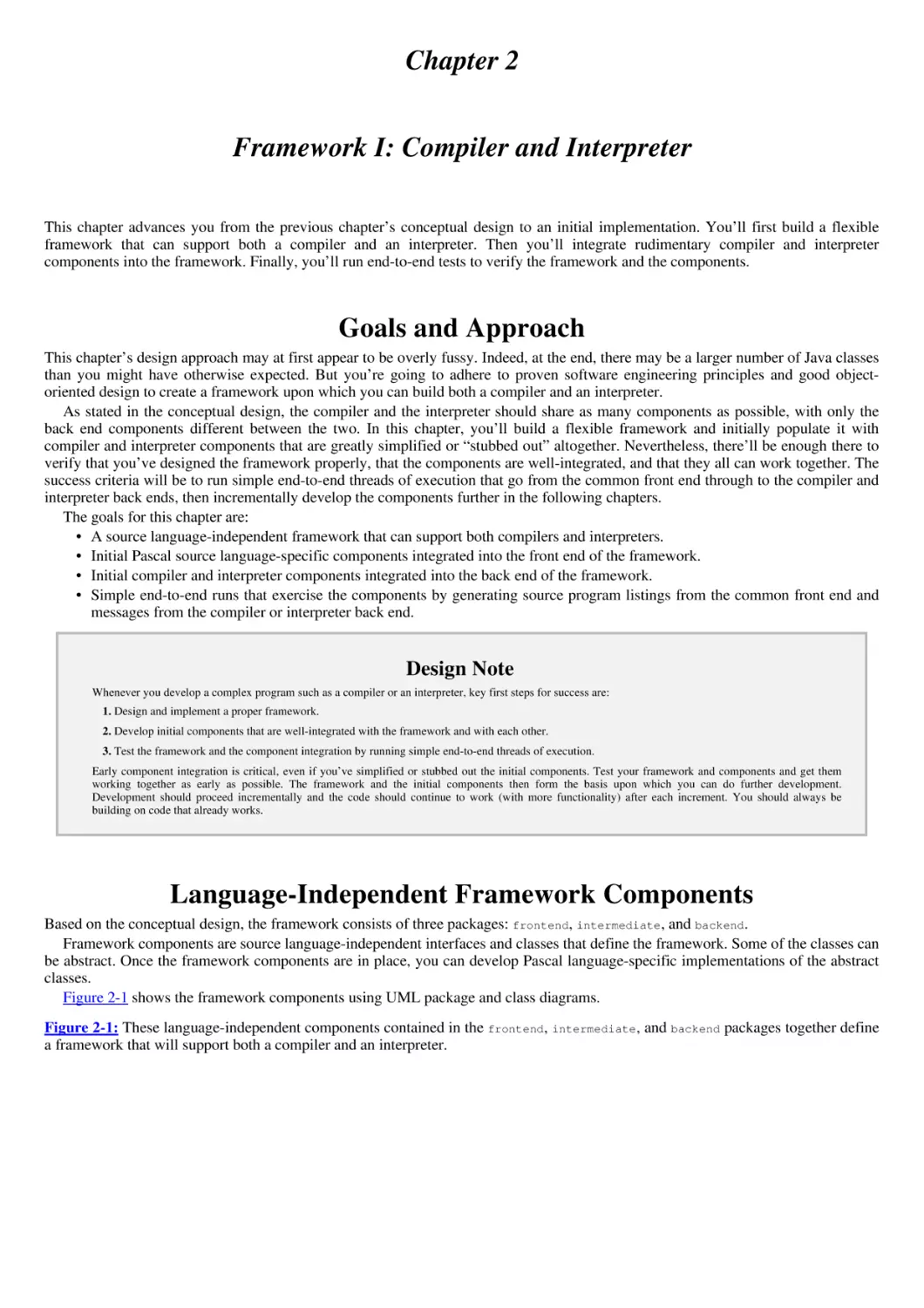
Based on the conceptual design, the framework consists of three packages: frontend, intermediate, and backend.
Framework components are source language-independent interfaces and classes that define the framework. Some of the classes can
be abstract. Once the framework components are in place, you can develop Pascal language-specific implementations of the abstract
classes.
Figure 2-1 shows the framework components using UML package and class diagrams.
Figure 2-1: These language-independent components contained in the frontend, intermediate, and backend packages together define
a framework that will support both a compiler and an interpreter.
Design Note
The Unified Modeling Language (UML) is an industry-standard graphical language for representing the design of object-oriented software architectures and
processes. Its various types of diagrams can model the static relationships of a program’s architectural components and the dynamic runtime behavior of these
components.
Front End
In the frontend package, the language-independent Parser, Scanner, Source, and Token classes represent the framework components.
The framework classes force you to think hard about the responsibilities of each front end component and how they’ll interact with
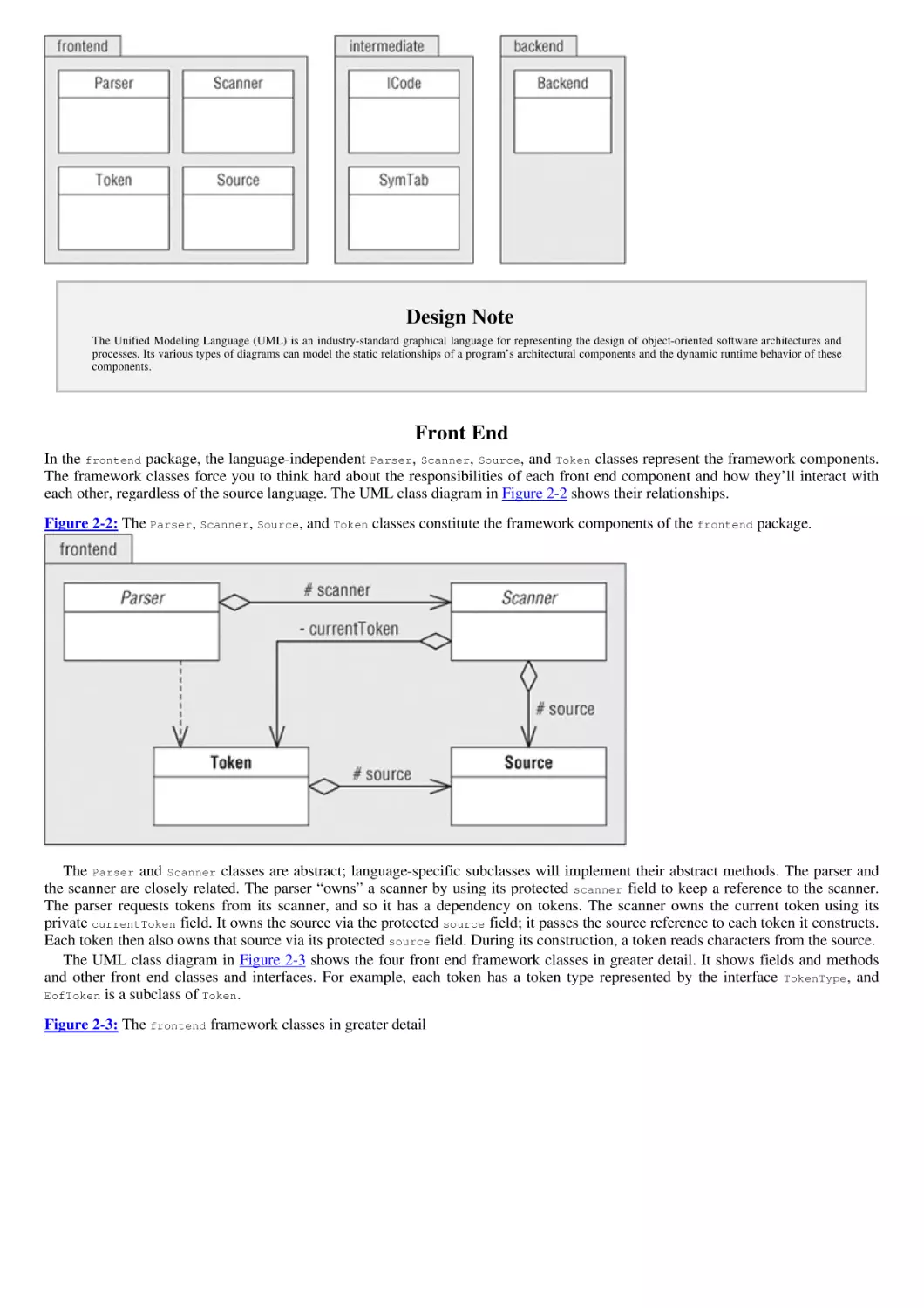
each other, regardless of the source language. The UML class diagram in Figure 2-2 shows their relationships.
Figure 2-2: The Parser, Scanner, Source, and Token classes constitute the framework components of the frontend package.
The Parser and Scanner classes are abstract; language-specific subclasses will implement their abstract methods. The parser and
the scanner are closely related. The parser “owns” a scanner by using its protected scanner field to keep a reference to the scanner.
The parser requests tokens from its scanner, and so it has a dependency on tokens. The scanner owns the current token using its
private currentToken field. It owns the source via the protected source field; it passes the source reference to each token it constructs.
Each token then also owns that source via its protected source field. During its construction, a token reads characters from the source.
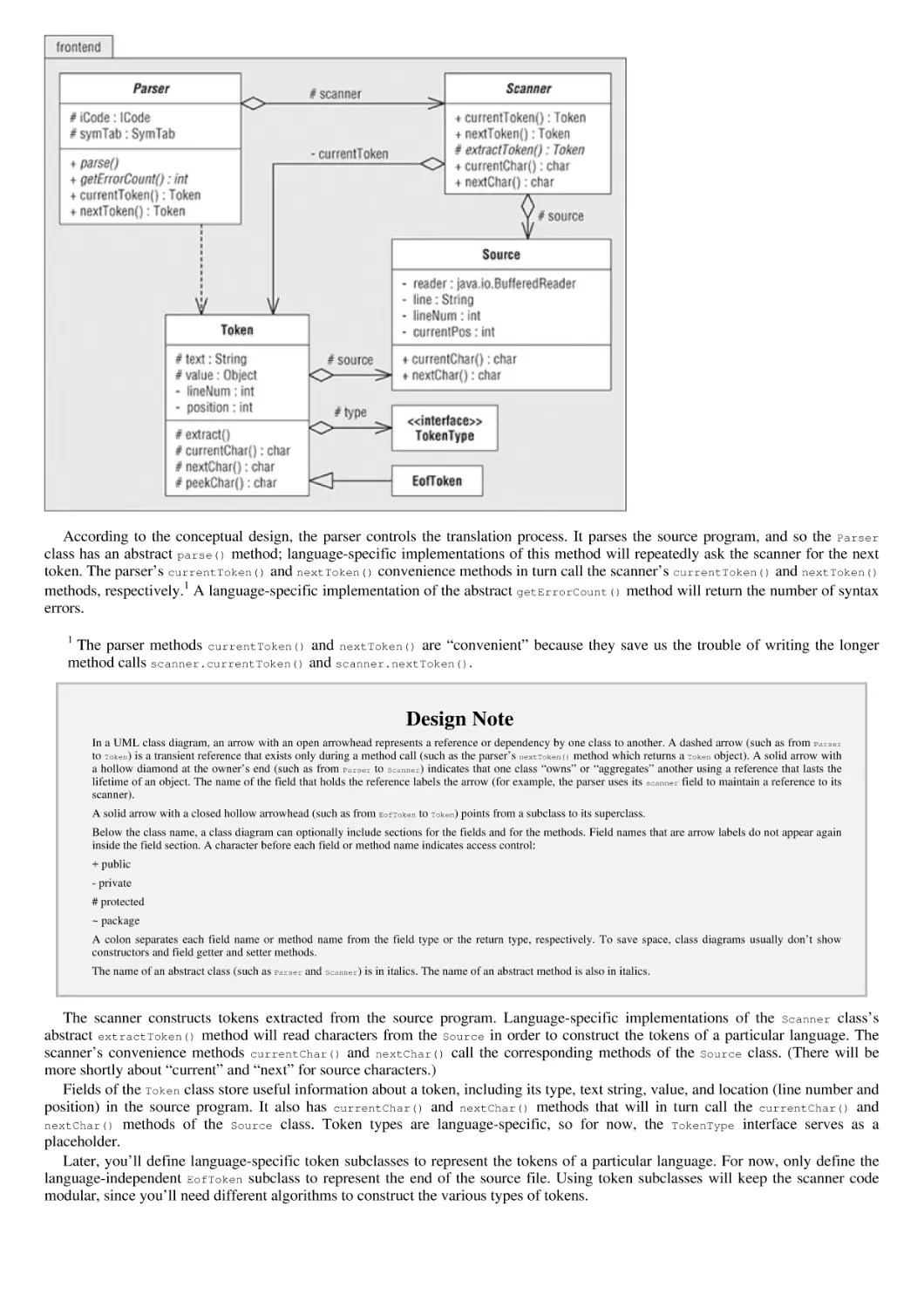
The UML class diagram in Figure 2-3 shows the four front end framework classes in greater detail. It shows fields and methods
and other front end classes and interfaces. For example, each token has a token type represented by the interface TokenType, and
EofToken is a subclass of Token.
Figure 2-3: The frontend framework classes in greater detail
According to the conceptual design, the parser controls the translation process. It parses the source program, and so the Parser
class has an abstract parse() method; language-specific implementations of this method will repeatedly ask the scanner for the next
token. The parser’s currentToken() and nextToken() convenience methods in turn call the scanner’s currentToken() and nextToken()
methods, respectively.1 A language-specific implementation of the abstract getErrorCount() method will return the number of syntax
errors.
1
The parser methods currentToken() and nextToken() are “convenient” because they save us the trouble of writing the longer
method calls scanner.currentToken() and scanner.nextToken().
Design Note
In a UML class diagram, an arrow with an open arrowhead represents a reference or dependency by one class to another. A dashed arrow (such as from Parser
to Token) is a transient reference that exists only during a method call (such as the parser’s nextToken() method which returns a Token object). A solid arrow with
a hollow diamond at the owner’s end (such as from Parser to Scanner) indicates that one class “owns” or “aggregates” another using a reference that lasts the
lifetime of an object. The name of the field that holds the reference labels the arrow (for example, the parser uses its scanner field to maintain a reference to its
scanner).
A solid arrow with a closed hollow arrowhead (such as from EofToken to Token) points from a subclass to its superclass.
Below the class name, a class diagram can optionally include sections for the fields and for the methods. Field names that are arrow labels do not appear again
inside the field section. A character before each field or method name indicates access control:
+ public
- private
# protected
~ package
A colon separates each field name or method name from the field type or the return type, respectively. To save space, class diagrams usually don’t show
constructors and field getter and setter methods.
The name of an abstract class (such as Parser and Scanner) is in italics. The name of an abstract method is also in italics.
The scanner constructs tokens extracted from the source program. Language-specific implementations of the Scanner class’s
abstract extractToken() method will read characters from the Source in order to construct the tokens of a particular language. The
scanner’s convenience methods currentChar() and nextChar() call the corresponding methods of the Source class. (There will be
more shortly about “current” and “next” for source characters.)
Fields of the Token class store useful information about a token, including its type, text string, value, and location (line number and
position) in the source program. It also has currentChar() and nextChar() methods that will in turn call the currentChar() and
nextChar() methods of the Source class. Token types are language-specific, so for now, the TokenType interface serves as a
placeholder.
Later, you’ll define language-specific token subclasses to represent the tokens of a particular language. For now, only define the
language-independent EofToken subclass to represent the end of the source file. Using token subclasses will keep the scanner code
modular, since you’ll need different algorithms to construct the various types of tokens.
Parser
Listing 2-1 shows the key methods of the abstract Parser framework class. A language-specific subclass will provide the
implementations of the parse() and getErrorCount() methods to parse the source program and to return the number of syntax errors,
respectively. As mentioned above, the Parser class implements the currentToken() and nextToken() convenience methods that
delegate to the corresponding scanner methods which return the current or the next token, respectively.
Listing 2-1: Key methods of the abstract Parser framework class
package wci.frontend;
import wci.intermediate.ICode;
import wci.intermediate.SymTab;
/**
* <h1>Parser</h1>
*
* <p>A language-independent framework class. This abstract parser class
* will be implemented by language-specific subclasses.</p>
*/
public abstract class Parser
{
protected static SymTab symTab; // generated symbol table
static {
symTab = null;
}
protected Scanner scanner; // scanner used with this parser
protected ICode iCode;
// intermediate code generated by this parser
/**
* Constructor.
* @param scanner the scanner to be used with this parser.
*/
protected Parser(Scanner scanner)
{
this.scanner = scanner;
this.iCode = null;
}
/**
* Parse a source program and generate the intermediate code and the
* symbol table. To be implemented by a language-specific parser
* subclass.
* @throws Exception if an error occurred.
*/
public abstract void parse()
throws Exception;
/**
* Return the number of syntax errors found by the parser.
* To be implemented by a language-specific parser subclass.
* @return the error count.
*/
public abstract int getErrorCount();
/**
* Call the scanner's currentToken() method.
* @return the current token.
*/
public Token currentToken()
{
return scanner.currentToken();
}
/**
* Call the scanner's nextToken() method.
* @return the next token.
* @throws Exception if an error occurred.
*/
public Token nextToken()
throws Exception
{
return scanner.nextToken();
}
}
Because there will be only one symbol table in the front end, class Parser implements symTab as a class field. The static block will
initialize it once before any Parser objects are created.
Source
Listing 2-2 shows the key methods of the Source framework class.
Listing 2-2: Key methods of the Source framework class
package wci.frontend;
import java.io.BufferedReader;
import java.io.IOException;
/**
* <h1>Source</h1>
*
* <p>The framework class that represents the source program.</p>
*/
public class Source
{
public static final char EOL = '\n';
// end-of-line character
public static final char EOF = (char) 0; // end-of-file character
private
private
private
private
BufferedReader reader;
String line;
int lineNum;
int currentPos;
//
//
//
//
reader for the source program
source line
current source line number
current source line position
/**
* Constructor.
* @param reader the reader for the source program
* @throws IOException if an I/O error occurred
*/
public Source(BufferedReader reader)
throws IOException
{
this.lineNum = 0;
this.currentPos = -2; // set to -2 to read the first source line
this.reader = reader;
}
/**
* Return the source character at the current position.
* @return the source character at the current position.
* @throws Exception if an error occurred.
*/
public char currentChar()
throws Exception
{
// First time?
if (currentPos == -2) {
readLine();
return nextChar();
}
// At end of file?
else if (line == null) {
return EOF;
}
// At end of line?
else if ((currentPos == -1) || (currentPos == line.length())) {
return EOL;
}
// Need to read the next line?
else if (currentPos > line.length()) {
readLine();
return nextChar();
}
// Return the character at the current position.
else {
return line.charAt(currentPos);
}
}
/**
* Consume the current source character and return the next character.
* @return the next source character.
* @throws Exception if an error occurred.
*/
public char nextChar()
throws Exception
{
++currentPos;
return currentChar();
}
/**
* Return the source character following the current character without
* consuming the current character.
* @return the following character.
* @throws Exception if an error occurred.
*/
public char peekChar()
throws Exception
{
currentChar();
if (line == null) {
return EOF;
}
int nextPos = currentPos + 1;
return nextPos < line.length() ? line.charAt(nextPos) : EOL;
}
/**
* Read the next source line.
* @throws IOException if an I/O error occurred.
*/
private void readLine()
throws IOException
{
line = reader.readLine(); // null when at the end of the source
currentPos = -1;
if (line != null) {
++lineNum;
}
}
/**
* Close the source.
* @throws Exception if an error occurred.
*/
public void close()
throws Exception
{
if (reader != null) {
try {
reader.close();
}
catch (IOException ex) {
ex.printStackTrace();
throw ex;
}
}
}
}
The constructor’s argument is a reference to the BufferedReader object that the Source object will own. You’ll see later that it is
easy to create a BufferedReader object from a source file. You can also create a BufferedReader object from other types of objects
such as strings. So BufferedReader is actually an abstraction; you don’t want the Source class to care where the text of the source
program comes from.
Method currentChar() does most of the work. In the very first call to the method, it calls method readLine() to read the first line,
and currentChar() returns the first character of the line. In subsequent calls to the method, if the current position is at the end of the
source line, it returns the special EOL (end of line) character. If it’s already beyond the end of line, currentChar() again calls readLine
() and returns the first character of the new line. At the end of the source, line will be null and so currentChar() returns a special EOF
(end of file) character. In all other cases, the method simply returns the character at the current source line position currentPos.
Method nextChar() returns the next source character by first advancing the current line position currentPos and then calling
method currentChar().
Suppose the source line contains ABCDE and currentPos is 0 (the first line position). Then in the following sequence of calls to
currentChar() and nextChar(), each call returns the character as shown:
currentChar()
nextChar()
nextChar()
nextChar()
currentChar()
currentChar()
nextChar()
nextChar()
⇒
⇒
⇒
⇒
⇒
⇒
⇒
⇒
'A'
'B'
'C'
'D'
'D'
'D'
'E'
EOL
nextChar() “consumes” the current character (by incrementing currentPos to the next character), but currentChar() doesn’t.
Sometimes you’ll call nextChar() simply to consume the current character without storing the character it returns. You’ll see below
and in the next chapter how to use both methods.
Method peekChar() “looks ahead” one source character beyond the current character without consuming the current character. In
the next chapter, this method will distinguish between the single Pascal token "3.14" and the three Pascal tokens "3..14". Note that
peekChar() always returns the EOL character whenever the current position is at the end of the source line or beyond instead of reading
the next line. This simplification won’t cause trouble given the way you’ll use the method.
Besides updating field line, method readLine() increments lineNum and resets currentPos to 0.
Scanner
Listing 2-3 shows the abstract Scanner framework class. A language-specific subclass will implement the extractToken() method.
The parser calls method nextToken(), which calls extractToken() to set and return the value of private field currentToken. The
convenience methods currentChar() and nextChar() call the corresponding methods of the Source class.
Listing 2-3: The abstract Scanner framework class
package wci.frontend;
/**
* <h1>Scanner</h1>
*
* <p>A language-independent framework class. This abstract scanner class
* will be implemented by language-specific subclasses.</p>
*/
public abstract class Scanner
{
protected Source source;
// source
private Token currentToken; // current token
/**
* Constructor
* @param source the source to be used with this scanner.
*/
public Scanner(Source source)
{
this.source = source;
}
/**
* @return the current token.
*/
public Token currentToken()
{
return currentToken;
}
/**
* Return next token from the source.
* @return the next token.
* @throws Exception if an error occurred.
*/
public Token nextToken()
throws Exception
{
currentToken = extractToken();
return currentToken;
}
/**
* Do the actual work of extracting and returning the next token from the
* source. Implemented by scanner subclasses.
* @return the next token.
* @throws Exception if an error occurred.
*/
protected abstract Token extractToken()
throws Exception;
/**
* Call the source's currentChar() method.
* @return the current character from the source.
* @throws Exception if an error occurred.
*/
public char currentChar()
throws Exception
{
return source.currentChar();
}
/**
* Call the source's nextChar() method.
* @return the next character from the source.
* @throws Exception if an error occurred.
*/
public char nextChar()
throws Exception
{
return source.nextChar();
}
}
Token
Listing 2-4 shows the key methods of the Token framework class.
Listing 2-4: Key methods of the Token framework class
package wci.frontend;
/**
* <h1>Token</h1>
*
* <p>The framework class that
*/
public class Token
{
protected TokenType type;
protected String text;
protected Object value;
protected Source source;
protected int lineNum;
protected int position;
represents a token returned by the scanner.</p>
//
//
//
//
//
//
language-specific token type
token text
token value
source
line number of the token's source line
position of the first token character
/**
* Constructor.
* @param source the source from where to fetch the token's characters.
* @throws Exception if an error occurred.
*/
public Token(Source source)
throws Exception
{
this.source = source;
this.lineNum = source.getLineNum();
this.position = source.getPosition();
extract();
}
/**
* Default method to extract only one-character tokens from the source.
* Subclasses can override this method to construct language-specific
* tokens. After extracting the token, the current source line position
* will be one beyond the last token character.
* @throws Exception if an error occurred.
*/
protected void extract()
throws Exception
{
text = Character.toString(currentChar());
value = null;
nextChar();
// consume current character
}
/**
* Call the source's currentChar() method.
* @return the current character from the source.
* @throws Exception if an error occurred.
*/
protected char currentChar()
throws Exception
{
return source.currentChar();
}
/**
* Call the source's nextChar() method.
* @return the next character from the source after moving forward.
* @throws Exception if an error occurred.
*/
protected char nextChar()
throws Exception
{
return source.nextChar();
}
/**
* Call the source's peekChar() method.
* @return the next character from the source without moving forward.
* @throws Exception if an error occurred.
*/
protected char peekChar()
throws Exception
{
return source.peekChar();
}
}
According to the conceptual design, the scanner constructs tokens and returns them to the parser. Since TokenType is an interface,
you can set a token’s type field to a language-specific value. The next chapter will show how the scanner determines the type of the
next token to construct based on the current source character, which will become the initial character of the token. For example, if the
initial character is a digit, the next token is a number. If the initial character is a letter, the next token is either an identifier or a
reserved word. Since you’ll represent the different types of tokens using subclasses of the Token class, the scanner will call the
constructor of the appropriate token subclass based on the initial character.
The constructor calls method extract() to do the actual work of constructing the token. As its name implies, the method extracts
the token from the source by reading characters. Token subclasses will override this method to implement algorithms that are specific
to language-specific token types. The Token class provides a default implementation that constructs a one-character token. With few
exceptions, implementations of method extract() will consume the source characters of the token and leave the current source line
position one beyond the last token character.
Before calling method extract(), the constructor sets the line number of the source line containing the token text, and the
beginning position of the token text within that line. For example, the text string of the reserved word BEGIN can be "begin" (Pascal is
not case-sensitive). If the text "begin" is in positions 11 through 15, the beginning position will be 11, and upon returning from
extract(), the current position will be 16.
Some tokens will have values. For example, a numeric token may have the text "3.14159" and a floating-point value that is an
approximation of pi.
Like class Scanner, class Token also implements the currentChar() and nextChar() methods so that they call the corresponding
methods of the source object. The class also implements method peekChar() similarly.
Listing 2-5 shows the TokenType marker interface.2 Language-specific token types will implement this interface.
2
A marker interface does not define any methods, since its purpose is to “tag” any class that implements that interface. For
example, any class that implements the TokenType interface is tagged to be a token type, even though the interface does not imply
any specific behavior.
Listing 2-5: Interface TokenType
package wci.frontend;
public interface TokenType
{
}
Listing 2-6 shows the language-independent EofToken subclass. Since it represents the end of the source, it overrides the extract()
method to do nothing.
Listing 2-6: Class EofToken
package wci.frontend;
/**
* <h1>EofToken</h1>
*
* <p>The generic end-of-file token.</p>
*/
public class EofToken extends Token
{
/**
* Constructor.
* @param source the source from where to fetch subsequent characters.
* @throws Exception if an error occurred.
*/
public EofToken(Source source)
throws Exception
{
super(source);
}
/**
* Do nothing. Do not consume any source characters.
* @param source the source from where to fetch the token's characters.
* @throws Exception if an error occurred.
*/
protected void extract(Source source)
throws Exception
{
}
}
You’ll develop subclasses for the various Pascal tokens in Chapter 3.
Messages
While it is translating a source program, the parser may need to report some status information, such as an error message whenever it
finds a syntax error. However, you don’t want the parser to worry about where it should send the message or what the recipient does
with it.
Similarly, whenever the source component reads a new line, it can send a message containing the text of the line and the line
number. The recipient may want to use these messages to produce a source listing, but you don’t want the source component to care
about that.
Design Note
Keep the senders of messages (the parser and the source) loosely coupled to the recipients of the messages. Two components are loosely coupled to each other
when you minimize the dependencies between them, and then it is much easier to make changes to one component without adversely affecting the other. In a
large complex application, loose coupling allows you to develop components independently and in parallel, such as by a team of programmers.
Figure 2-4 expands upon Figure 2-3 and shows that the message package contains messaging interfaces and classes that the Parser
and Source classes use. Both classes implement interface MessageProducer and each owns a MessageHandler. Both classes also refer to
the Message and MessageType classes.
Design Note
In UML class diagrams, a dashed arrow with a closed hollow arrowhead (such as from Parser to MessageProducer and from Source to MessageProducer) points from
a class to an interface that the class implements.
Figure 2-4: The message package
Both the Parser and Source classes implement the MessageProducer interface and therefore, each class must define the
addMessageListener(), removeMessageListener(), and sendMessage() methods. Instead, any object that wants to receive (i.e., listen
to) the parser or source messages can subscribe to them by calling the parser’s or the source’s addMessageListener() method,
respectively. An object that no longer wants to listen can call the removeMessageListener() method. The parser or the source can each
have multiple message listeners, and whenever it has a message, it will send that message to each and every one of them.3
3
“Sending” a message is used in the generic sense. What you actually do is pass the message string as the argument of a call to
method messageReceived(), which is defined by interface MessageListener.
A message producer can own a MessageHandler object, and each of its addMessageListener(), removeMessageListener(), and
sendMessage() methods calls the corresponding message handler method. In other words, the message producer delegates these
methods to its message handler.
Each time it reads the source reads new source line, its readLine() method calls the message handler’s sendMessage() method to
send out a SOURCE_LINE message containing the line number and the text of the source line to all listeners. By convention, the format
of this message is:
SOURCE_LINE Message
lineNum
source line number
line
text of source line
All SOURCE_LINE message listeners must follow this convention.
Listing 2-7 shows the MessageProducer interface.
Listing 2-7: Interface MessageProducer
package wci.message;
public interface MessageProducer
{
/**
* Add a listener to the listener list.
* @param listener the listener to add.
*/
public void addMessageListener(MessageListener listener);
/**
* Remove a listener from the listener list.
* @param listener the listener to remove.
*/
public void removeMessageListener(MessageListener listener);
/**
* Notify listeners after setting the message.
* @param message the message to set.
*/
public void sendMessage(Message message);
}
Listing 2-8 expands upon Listing 2-1 to show that class Parser implements interface MessageProducer, owns a
and implements methods addMessageListener(), removeMessageListener(), and sendMessage().
MessageHandler,
Listing 2-8: Class Parser implements interface MessageProducer
public abstract class Parser implements MessageProducer
{
protected static SymTab symTab;
// generated symbol table
protected static MessageHandler messageHandler; // message handler delegate
static {
symTab = null;
messageHandler = new MessageHandler();
}
...
/**
* Add a parser message listener.
* @param listener the message listener to add.
*/
public void addMessageListener(MessageListener listener)
{
messageHandler.addListener(listener);
}
/**
* Remove a parser message listener.
* @param listener the message listener to remove.
*/
public void removeMessageListener(MessageListener listener)
{
messageHandler.removeListener(listener);
}
/**
* Notify listeners after setting the message.
* @param message the message to set.
*/
public void sendMessage(Message message)
{
messageHandler.sendMessage(message);
}
Similarly, class Source implements interface
message.
MessageProducer.
Listing 2-9 shows its
readLine()
method, which sends a
SOURCE_LINE
Listing 2-9: Method readLine() in class Source, which sends a SOURCE_LINE message
/**
* Read the next source line.
* @throws IOException if an I/O error occurred.
*/
private void readLine()
throws IOException
{
line = reader.readLine(); // null when at the end of the source
currentPos = 0;
if (line != null) {
++lineNum;
}
// Send a source line message containing the line number
// and the line text to all the listeners.
if (line != null) {
sendMessage(new Message(SOURCE_LINE,
new Object[] {lineNum, line}));
}
}
All classes that subscribe to messages must implement the MessageListener interface. See Listing 2-10. Each time a message
producer produces a new message, it notifies all its message listeners by calling each listener’s messageReceived() method, passing
the message as an argument.
Listing 2-10: Interface MessageListener
package wci.message;
public interface MessageListener
{
/**
* Called to receive a message sent by a message producer.
* @param message the message that was sent.
*/
public void messageReceived(Message message);
}
Listing 2-11 shows the constructor of class Message in package message. This is the format for all messages sent to listeners. Each
message has a type and a generic body, and the class provides a getter method for each field (not shown).
Listing 2-11: The Message class constructor
package wci.message;
/**
* <h1>Message</h1>
*
* <p>Message format.</p>
*/
private MessageType type;
private Object body;
/**
* Constructor.
* @param type the message type.
* @param body the message body.
*/
public Message(MessageType type, Object body)
{
this.type = type;
this.body = body;
}
}
Listing 2-12 shows the MessageType enumerated type that represents the various types of messages.
Listing 2-12: Enumerated type MessageType
package wci.message;
public enum MessageType
{
SOURCE_LINE, SYNTAX_ERROR,
PARSER_SUMMARY, INTERPRETER_SUMMARY, COMPILER_SUMMARY,
MISCELLANEOUS, TOKEN,
ASSIGN, FETCH, BREAKPOINT, RUNTIME_ERROR,
CALL, RETURN,
}
Listing 2-13 shows the delegate class MessageHandler. As you saw above, a message producer class can create a message handler
and delegate work to it. The message handler maintains the list of message listeners. The message producer calls its sendMessage()
method with a new message. Private method notifyListeners() sends the message to all listeners by calling each one’s
messageReceived() method.
Listing 2-13: Class MessageHandler
package wci.message;
import java.util.ArrayList;
/**
* <h1>MessageHandler</h1>
*
* <p>A helper class to which message producer classes delegate the task of
* maintaining and notifying listeners.</p>
*/
public class MessageHandler
{
private Message message;
// message
private ArrayList<MessageListener> listeners; // listener list
/**
* Constructor.
*/
public MessageHandler()
{
this.listeners = new ArrayList<MessageListener>();
}
/**
* Add a listener to the listener list.
* @param listener the listener to add.
*/
public void addListener(MessageListener listener)
{
listeners.add(listener);
}
/**
* Remove a listener from the listener list.
* @param listener the listener to remove.
*/
public void removeListener(MessageListener listener)
{
listeners.remove(listener);
}
/**
* Notify listeners after setting the message.
* @param message the message to set.
*/
public void sendMessage(Message message)
{
this.message = message;
notifyListeners();
}
/**
* Notify each listener in the listener list by calling the listener's
* messageReceived() method.
*/
private void notifyListeners()
{
for (MessageListener listener : listeners) {
listener.messageReceived(message);
}
}
}
Design Note
The MessageProducer and MessageListener interfaces and the MessageHandler class together implement the Observer Design Pattern. This pattern allows message
producers and message listeners to remain loosely coupled.
Loose coupling in this case means that a producer’s responsibilities are limited to generating messages and notifying the listeners. The producer doesn’t need to
care who the listeners are or what they do with the messages. Without any code changes, it can add or remove listeners and accommodate any type of new
listener that implements the MessageListener interface. Changes to the producers or to the listeners will not affect each other, as would be the case if they were
tightly coupled.
A message producer class can use the MessageHandler helper class to do the work of maintaining and notifying its listeners. This is an example of delegation, a
software engineering technique where one class asks another class to handle some task. Delegation also limits a class’s responsibilities and supports loose
coupling, and the delegate (the MessageHandler class in this case) can be used by other classes. This is more flexible than implementing the task in a superclass
and forcing the producer classes to extend the superclass. In general, favor composition (with a delegate) over inheritance.
Intermediate Tier
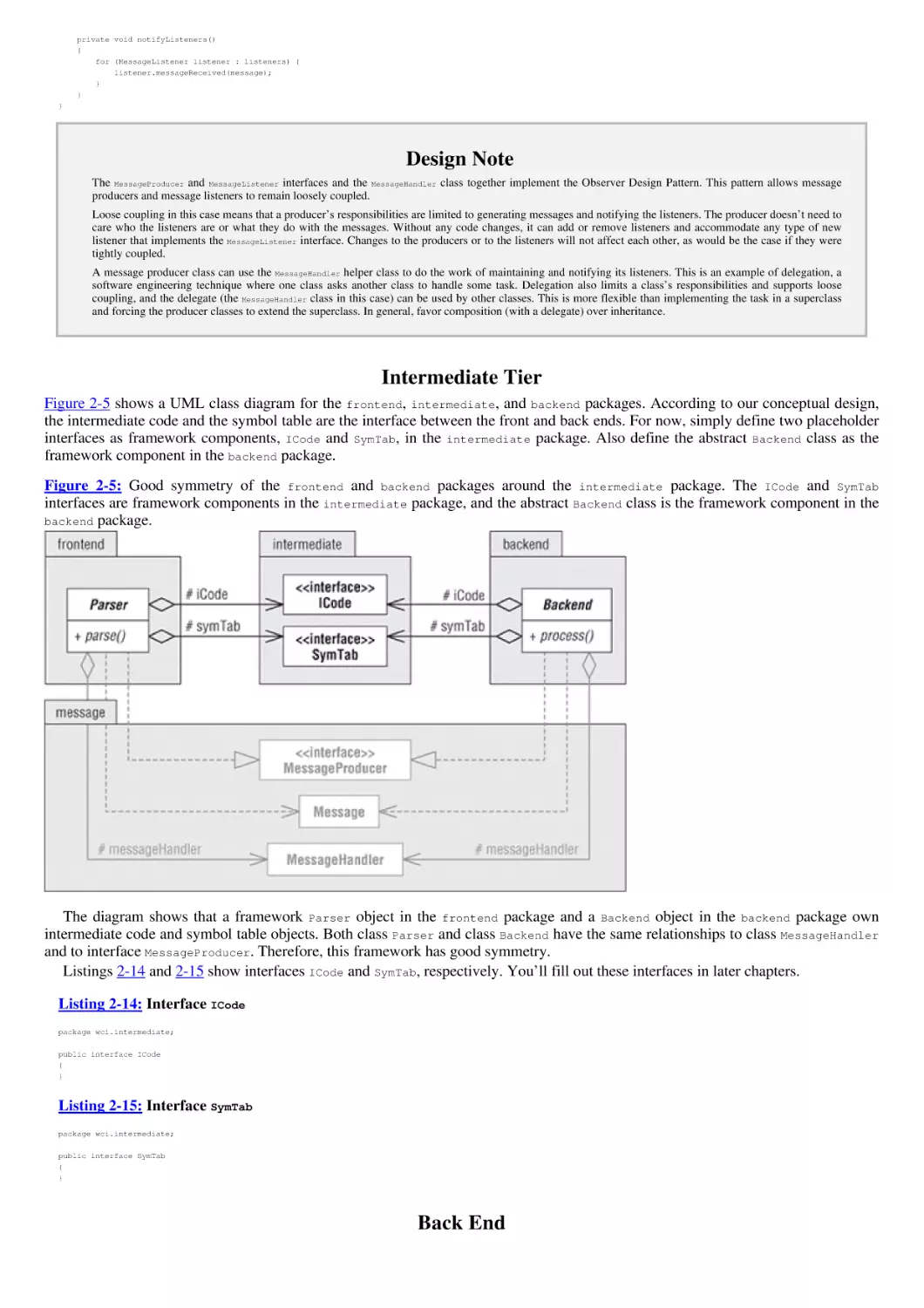
Figure 2-5 shows a UML class diagram for the frontend, intermediate, and backend packages. According to our conceptual design,
the intermediate code and the symbol table are the interface between the front and back ends. For now, simply define two placeholder
interfaces as framework components, ICode and SymTab, in the intermediate package. Also define the abstract Backend class as the
framework component in the backend package.
Figure 2-5: Good symmetry of the frontend and backend packages around the intermediate package. The ICode and SymTab
interfaces are framework components in the intermediate package, and the abstract Backend class is the framework component in the
backend package.
The diagram shows that a framework Parser object in the frontend package and a Backend object in the backend package own
intermediate code and symbol table objects. Both class Parser and class Backend have the same relationships to class MessageHandler
and to interface MessageProducer. Therefore, this framework has good symmetry.
Listings 2-14 and 2-15 show interfaces ICode and SymTab, respectively. You’ll fill out these interfaces in later chapters.
Listing 2-14: Interface ICode
package wci.intermediate;
public interface ICode
{
}
Listing 2-15: Interface SymTab
package wci.intermediate;
public interface SymTab
{
}
Back End
The conceptual design states that the back end will support either a compiler or an interpreter. As indicated by the class diagram in
Figure 2-5, the Backend class in the backend package is also a message producer. Like the Parser and Source classes in package
frontend, the Backend class in package backend implements the MessageProducer interface and delegates message handling to the
MessageHandler helper class. The abstract process() method requires references to the intermediate code and to the symbol table. A
compiler would implement process() to generate object code, and an interpreter would implement process() to execute the program.
Listing 2-16 shows the process() method of the Backend class. Not shown are the getter methods and the methods that implement
the MessageProducer interface, which are done similarly to class Parser in the front end.
Listing 2-16: Method process() of the abstract Backend framework class
package wci.backend;
import wci.intermediate.ICode;
import wci.intermediate.SymTab;
import wci.message.*;
/**
* <h1>Backend</h1>
*
* <p>The framework class that represents the back end component.</p>
*/
public abstract class Backend implements MessageProducer
{
// Message handler delegate.
protected static MessageHandler messageHandler;
static {
messageHandler = new MessageHandler();
}
protected SymTab symTab; // symbol table
protected ICode iCode;
// intermediate code
/**
* Process the intermediate code and the symbol table generated by the
* parser. To be implemented by a compiler or an interpreter subclass.
* @param iCode the intermediate code.
* @param symTab the symbol table.
* @throws Exception if an error occurred.
*/
public abstract void process(ICode iCode, SymTab symTab)
throws Exception;
}
This completes the framework components and satisfies the first goal of this chapter. The framework components are all language
independent; nowhere is there anything specific to Pascal or any other source language. The back end of the framework can support
either a compiler or an interpreter.
Pascal-Specific Front End Components
Now that the framework components are in place, you’re ready to define some initial Pascal-specific components. Base these latter
components on the framework components. In other words, they will be subclasses of the language-independent framework classes
and provide language-specific implementations of the abstract methods.
The UML diagrams in
Figure 2-6 show the Pascal-specific implementations of the Parser and Scanner framework classes. Pascal-specific front end
classes are defined in package frontend.pascal.
Pascal Parser
The initial implementation of a Pascal parser is extremely simplified. The class name PascalParserTD indicates the source language
and the parser type. The TD stands for top down, which is the type of parser you’ll develop in the next several chapters.4 See Listing 2
-17.
4
The last chapter in this book briefly discusses bottom up parsers.
Figure 2-6: Pascal-specific implementations in the front end
Listing 2-17: The initial implementation of class PascalParserTD
package wci.frontend.pascal;
import wci.frontend.*;
import wci.message.Message;
import static wci.message.MessageType.PARSER_SUMMARY;
/**
* <h1>PascalParserTD</h1>
*
* <p>The top-down Pascal parser.</p>
*/
public class PascalParserTD extends Parser
{
/**
* Constructor.
* @param scanner the scanner to be used with this parser.
*/
public PascalParserTD(Scanner scanner)
{
super(scanner);
}
/**
* Parse a Pascal source program and generate the symbol table
* and the intermediate code.
*/
public void parse()
throws Exception
{
Token token;
long startTime = System.currentTimeMillis();
while (!((token = nextToken()) instanceof EofToken)) {}
// Send the parser summary message.
float elapsedTime = (System.currentTimeMillis() - startTime)/1000f;
sendMessage(new Message(PARSER_SUMMARY,
new Number[] {token.getLineNumber(),
getErrorCount(),
elapsedTime}));
}
/**
* Return the number of syntax errors found by the parser.
* @return the error count.
*/
public int getErrorCount()
{
return 0;
}
}
The parse() method implements the Parser superclass’s abstract method. All the method does is repeatedly call the nextToken()
method which, as you saw earlier, is defined in the superclass and calls the scanner’s nextToken() method to construct the next token.
PascalParserTD calls nextToken() repeatedly until the token type is EofToken; for now, it ignores other token types. Calling nextToken
() forces the scanner to read from the source. The method also computes the total parsing time and sends a parser summary message.
For now, method getErrorCount() simply returns 0.
By convention, the parser summary message has the format:
PARSER_SUMMARY Message
token.getLineNumber()
number of source lines read
getErrorCount()
number of syntax errors
elapsedTime
elapsed parsing time
All listeners of PARSER_SUMMARY messages must follow this convention.
You’ll develop the parse() method further in the following chapters.
Pascal Scanner
Our initial implementation of a Pascal scanner is also greatly simplified. The
method of its Scanner superclass. See Listing 2-18.
PascalScanner
class implements the
extractToken()
Listing 2-18: The initial implementation of class PascalScanner
package wci.frontend.pascal;
import wci.frontend.*;
import static wci.frontend.Source.EOF;
/**
* <h1>PascalScanner</h1>
*
* <p>The Pascal scanner.</p>
*/
public class PascalScanner extends Scanner
{
/**
* Constructor
* @param source the source to be used with this scanner.
*/
public PascalScanner(Source source)
{
super(source);
}
/**
* Extract and return the next Pascal token from the source.
* @return the next token.
* @throws Exception if an error occurred.
*/
protected Token extractToken()
throws Exception
{
Token token;
char currentChar = currentChar();
// Construct the next token. The current character determines the
// token type.
if (currentChar == EOF) {
token = new EofToken(source);
}
else {
token = new Token(source);
}
return token;
}
}
This implementation of method extractToken() establishes the template for how to complete the method in the next chapter. A
call to the superclass’s currentChar() method sets the current source character. As described above, the current character determines
what type of token to construct. For now, since it doesn’t know how to do much else, the method constructs an EofToken if the
character is the end-of-file character EOF, and for any other character, it constructs a generic Token object.
How can you be sure that subsequent calls to extractToken() will each return the next token? Remember that each token’s extract
() method consumes source characters and leaves the current source line position at one beyond the last token character. Therefore, at
the beginning of the next call to extractToken(), the call to currentChar() will return the first source character after the previous
token.
You’ll develop a complete Pascal scanner implementation in the next chapter.
Design Note
Java’s access control modifiers, public, protected, and private, play a major role in maintaining program security, reliability, and modularity. A public field or
method is accessible by any class without restrictions. A protected field or method is accessible by any class defined within the same package or by any
subclasses defined in other packages. A package field or method (this is the default, since it requires no access control modifier) is accessible only by any class
defined within the same package. A private field or method is accessible only within its class.
You will often use protected fields and methods to share them with other objects within the same package, such as the front end package. Protected access is
especially useful when you define language-specific subclasses of the framework classes. Each subclass can then access a protected field or method of its
superclass.
Public methods serve as gateways across packages. For example, the parser’s
the number of such public methods helps to preserve modularity.
parse()
method is public so it can be called from outside the package. Limiting
Top-level classes can themselves have public or package access to control who can reference their objects. A class defined within another class can be private.
During program design, try to specify as well as possible which access control modifiers are appropriate for each class, field, and method. A good rule of
thumb is to use the most restrictive access control as practicable. However, in a program as complex as a compiler or an interpreter, it is very normal to have to
go back and change existing modifiers as you develop more of the program.5
5 Book authors have the advantage, before publication, of going back to earlier chapters to make such changes and thus appear in print to be mysteriously prescient and all-knowing.
A Front End Factory
The framework components in the front end are language-independent. You then integrate language-specific components into the
framework. The framework can support parsers for different source languages, and even multiple types of parsers for a specific
language. Also, for any specific language, the parser and the scanner are closely related.
A factory class makes it easier for a compiler or an interpreter to create proper front end components for specific languages. See
Listing 2-19.
Listing 2-19: The FrontendFactory factory class
package wci.frontend;
import wci.frontend.pascal.PascalParserTD;
import wci.frontend.pascal.PascalScanner;
/**
* <h1>FrontendFactory</h1>
*
* <p>A factory class that creates parsers for specific source languages.</p>
*/
public class FrontendFactory
{
/**
* Create a parser.
* @param language the name of the source language (e.g., "Pascal").
* @param type the type of parser (e.g., "top-down").
* @param source the source object.
* @return the parser.
* @throws Exception if an error occurred.
*/
public static Parser createParser(String language, String type,
Source source)
throws Exception
{
if (language.equalsIgnoreCase("Pascal") &&
type.equalsIgnoreCase("top-down"))
{
Scanner scanner = new PascalScanner(source);
return new PascalParserTD(scanner);
}
else if (!language.equalsIgnoreCase("Pascal")) {
throw new Exception("Parser factory: Invalid language '" +
language + "'");
}
else {
throw new Exception("Parser factory: Invalid type '" +
type + "'");
}
}
}
Static method createParser() does all the work. Given string arguments indicating the source language and the parser type, along
with a reference to the source, it verifies the language (“Pascal“ only for this book) and the type (“top-down“ only). If both are proper,
the method creates a PascalScanner object and associates it with the source. Then it creates and returns a PascalParserTD parser
object which it associates with the scanner.
Design Note
The factory class is more than just a convenience. Because the parser and the scanner are closely related, using the factory class ensures that they’re created in
matched pairs. For example, a Pascal parser is always created with a Pascal scanner.
Using a factory class also preserves flexibility. The assignment
Parser parser = FrontendFactory.createParser( … );
is more flexible than
PascalParserTD parser = new PascalParserTD( … );
The latter permanently ties variable parser to a top-down Pascal parser. On the other hand, the call to the factory allows us to change the values of the
arguments to create different parsers without changing any other code.
Initial Back End Implementations
The back end of the framework supports both compilers and interpreters. For now, there are two mostly stubbed-out implementations
of the abstract Backend framework class: one for the compiler and one for the interpreter.
Figure 2-7 shows the UML class diagram.
Figure 2-7: Subclasses CodeGenerator and Executor are the compiler and interpreter implementations, respectively, in the back end.
Compiler
The back end of a compiler generates object code. The CodeGenerator class in package backend.compiler implements the abstract
Backend framework class. For now, it is mostly stubbed out. Listing 2-20 shows how it implements the process() method of its
superclass. This method’s arguments are references to the intermediate code and the symbol table, and it produces a status message
that indicates how many machine-language instructions it generated (0 for now) and how much time it took to generate the object
code. It calls sendMessage() to send a compiler summary message.
By convention, the compiler summary message has the format:
COMPILER_SUMMARY Message
instructionCount
number of instructions generated
elapsedTime
elapsed code generation time
All listeners of COMPILER_SUMMARY messages must follow this convention.
Listing 2-20: The initial rudimentary process() method of class CodeGenerator
/**
* Process the intermediate code and the symbol table generated by the
* parser to generate machine-language instructions.
* @param iCode the intermediate code.
* @param symTab the symbol table.
* @throws Exception if an error occurred.
*/
public void process(ICode iCode, SymTab symTab)
throws Exception
{
long startTime = System.currentTimeMillis();
float elapsedTime = (System.currentTimeMillis() - startTime)/1000f;
int instructionCount = 0;
// Send the compiler summary message.
sendMessage(new Message(COMPILER_SUMMARY,
new Number[] {instructionCount,
elapsedTime}));
}
Interpreter
The back end of an interpreter executes the source program. The Executor class in package backend.interpreter implements the
abstract Backend framework class. For now, it is also mostly stubbed out. Listing 2-21 shows how it implements the process()
method of its superclass. It produces an interpreter status message that indicates how many statements it executed and the number of
runtime errors (both 0 for now) and how much time it took to execute the source program. It calls sendMessage() to send the message.
By convention, the interpreter summary message has the format:
INTERPRETER_SUMMARY Message
executionCount
number of statements executed
runtimeErrors
number of runtime errors
elapsedTime
elapsed execution time
All listeners of INTERPRETER_SUMMARY messages must follow this convention.
Listing 2-21: The initial rudimentary process() method of class Executor
/**
* Process the intermediate code and the symbol table generated by the
* parser to execute the source program.
* @param iCode the intermediate code.
* @param symTab the symbol table.
* @throws Exception if an error occurred.
*/
public void process(ICode iCode, SymTab symTab)
throws Exception
{
long startTime = System.currentTimeMillis();
float elapsedTime = (System.currentTimeMillis() - startTime)/1000f;
int executionCount = 0;
int runtimeErrors = 0;
// Send the interpreter summary message.
sendMessage(new Message(INTERPRETER_SUMMARY,
new Number[] {executionCount,
runtimeErrors,
elapsedTime}));
}
A Back End Factory
Like the one in the front end, a back end factory class creates proper back end components. See Listing 2-22.
Listing 2-22: The BackendFactory factory class
package wci.backend;
import wci.backend.compiler.CodeGenerator;
import wci.backend.interpreter.Executor;
/**
* <h1>BackendFactory</h1>
*
* <p>A factory class that creates compiler and interpreter components.</p>
*/
public class BackendFactory
{
/**
* Create a compiler or an interpreter back end component.
* @param operation either "compile" or "execute"
* @return a compiler or an interpreter back end component.
* @throws Exception if an error occurred.
*/
public static Backend createBackend(String operation)
throws Exception
{
if (operation.equalsIgnoreCase("compile")) {
return new CodeGenerator();
}
else if (operation.equalsIgnoreCase("execute")) {
return new Executor();
}
else {
throw new Exception("Backend factory: Invalid operation '" +
operation + "'");
}
}
}
Static method createBackend() verifies a string argument that indicates whether to create a compiler back end (“compile“) or an
interpreter back end (“execute“). If the argument is proper, the method creates and returns the appropriate back end component.
You’ve now successfully satisfied the second and third goals of this chapter. You integrated initial Pascal-specific components into
the front end of the framework and initial compiler and interpreter components into the back end.
Program 2: Program Listings
The framework components and the initial implementation components are all in place and integrated. Some simple end-to-end tests
will verify that you’ve designed and developed these components correctly. A compiler test will cause the front end to parse a source
Pascal program, generate a listing, and print the message produced by the compiler back end. Similarly, an interpreter test will cause
the front end to parse a source Pascal program, generate a listing, and print the message produced by the interpreter back end.
Listing 2-23 shows the main Pascal class. Besides being the test program, it is the means by which you will either compile or
execute a Pascal source program.
Listing 2-23: The main class Pascal which compiles or interprets a Pascal source program
import java.io.BufferedReader;
import java.io.FileReader;
import
import
import
import
wci.frontend.*;
wci.intermediate.*;
wci.backend.*;
wci.message.*;
import static wci.message.MessageType.*;
/**
* <h1>Pascal</h1>
*
* <p>Compile or interpret a Pascal source program.</p>
*/
public class Pascal
{
private Parser parser;
// language-independent parser
private Source source;
// language-independent scanner
private ICode iCode;
// generated intermediate code
private SymTab symTab;
// generated symbol table
private Backend backend; // backend
/**
* Compile or interpret a Pascal source program.
* @param operation either "compile" or "execute".
* @param filePath the source file path.
* @param flags the command line flags.
*/
public Pascal(String operation, String filePath, String flags)
{
try {
boolean intermediate = flags.indexOf('i') > -1;
boolean xref
= flags.indexOf('x') > -1;
source = new Source(new BufferedReader(new FileReader(filePath)));
source.addMessageListener(new SourceMessageListener());
parser = FrontendFactory.createParser("Pascal", "top-down", source);
parser.addMessageListener(new ParserMessageListener());
backend = BackendFactory.createBackend(operation);
backend.addMessageListener(new BackendMessageListener());
parser.parse();
source.close();
iCode = parser.getICode();
symTab = parser.getSymTab();
backend.process(iCode, symTab);
}
catch (Exception ex) {
System.out.println("***** Internal translator error. *****");
ex.printStackTrace();
}
}
private static final String FLAGS = "[-ix]";
private static final String USAGE =
"Usage: Pascal execute|compile " + FLAGS + " <source file path>";
/**
* The main method.
* @param args command-line arguments: "compile" or "execute" followed by
*
optional flags followed by the source file path.
*/
public static void main(String args[])
{
try {
String operation = args[0];
// Operation.
if (!(
operation.equalsIgnoreCase("compile")
|| operation.equalsIgnoreCase("execute"))) {
throw new Exception();
}
int i = 0;
String flags = "";
// Flags.
while ((++i < args.length) && (args[i].charAt(0) == '-')) {
flags += args[i].substring(1);
}
// Source path.
if (i < args.length) {
String path = args[i];
new Pascal(operation, path, flags);
}
else {
throw new Exception();
}
}
catch (Exception ex) {
System.out.println(USAGE);
}
}
private static final String SOURCE_LINE_FORMAT = "%03d %s";
/**
* Listener for source messages.
*/
private class SourceMessageListener implements MessageListener
{
/**
* Called by the source whenever it produces a message.
* @param message the message.
*/
public void messageReceived(Message message)
{
MessageType type = message.getType();
Object body[] = (Object []) message.getBody();
switch (type) {
case SOURCE_LINE: {
int lineNumber = (Integer) body[0];
String lineText = (String) body[1];
System.out.println(String.format(SOURCE_LINE_FORMAT,
lineNumber, lineText));
break;
}
}
}
}
private static final String PARSER_SUMMARY_FORMAT =
"\n%,20d source lines." +
"\n%,20d syntax errors." +
"\n%,20.2f seconds total parsing time.\n";
/**
* Listener for parser messages.
*/
private class ParserMessageListener implements MessageListener
{
/**
* Called by the parser whenever it produces a message.
* @param message the message.
*/
public void messageReceived(Message message)
{
MessageType type = message.getType();
switch (type) {
case PARSER_SUMMARY: {
Number body[] = (Number[]) message.getBody();
int statementCount = (Integer) body[0];
int syntaxErrors = (Integer) body[1];
float elapsedTime = (Float) body[2];
System.out.printf(PARSER_SUMMARY_FORMAT,
statementCount, syntaxErrors,
elapsedTime);
break;
}
}
}
}
private static final String INTERPRETER_SUMMARY_FORMAT =
"\n%,20d statements executed." +
"\n%,20d runtime errors." +
"\n%,20.2f seconds total execution time.\n";
private static final String COMPILER_SUMMARY_FORMAT =
"\n%,20d instructions generated." +
"\n%,20.2f seconds total code generation time.\n";
/**
* Listener for back end messages.
*/
private class BackendMessageListener implements MessageListener
{
/**
* Called by the back end whenever it produces a message.
* @param message the message.
*/
public void messageReceived(Message message)
{
MessageType type = message.getType();
switch (type) {
case INTERPRETER_SUMMARY: {
Number body[] = (Number[]) message.getBody();
int executionCount = (Integer) body[0];
int runtimeErrors = (Integer) body[1];
float elapsedTime = (Float) body[2];
System.out.printf(INTERPRETER_SUMMARY_FORMAT,
executionCount, runtimeErrors,
elapsedTime);
break;
}
case COMPILER_SUMMARY: {
Number body[] = (Number[]) message.getBody();
int instructionCount = (Integer) body[0];
float elapsedTime = (Float) body[1];
System.out.printf(COMPILER_SUMMARY_FORMAT,
instructionCount, elapsedTime);
break;
}
}
}
}
}
If the classes directory contains the class files and the current directory contains the Pascal source file
line to compile the source file would be similar to:
hello.pas,
the command
java –classpath classes Pascal compile hello.pas
The command line to interpret the source file would be similar to:
java –classpath classes Pascal execute hello.pas
The main() method verifies the command line’s back end type and source file path arguments and creates a new Pascal object,
passing the type and path to the constructor. The optional –i (intermediate) and –x (cross-reference) arguments will be useful in later
chapters to control the amount of output.
The constructor creates a new Source object from the source file path. It uses the front end and back end factories to create proper
components based on the command-line argument values. The constructor calls the parser’s parse() method to parse the source file.
It gets the generated intermediate code and the symbol table from the parser and passes them to the back end’s process() method.
Note that the constructor calls the front end factory to create a top-down parser for the Pascal source language but otherwise
doesn’t depend on what the source language is or what type of parser is used. Indeed, the source language and the parser type could
have been passed in on the command line. Likewise, the class doesn’t depend on whether the back end factory created components
for a compiler or for an interpreter.
The three inner classes are listeners for parser, source, and back end messages. The messageReceived() methods of classes
SourceMessageListener, ParserMessageListener, and BackendMessageListener follow the message format conventions of the source,
parser, and the back end, respectively. They use the format strings SOURCE_LINE_FORMAT, PARSER_SUMMARY_FORMAT,
INTERPRETER_SUMMARY_FORMAT, and COMPILER_SUMMARY_FORMAT to output appropriately formatted text to System.out.
Assume the file hello.pas contains the Pascal program in Listing 2-24.
Listing 2-24: Pascal program hello.pas
PROGRAM hello (output);
{Write 'Hello, world.' ten times.}
VAR
i : integer;
BEGIN {hello}
FOR i := 1 TO 10 DO BEGIN
writeln('Hello, world.');
END;
END {hello}.
The rudimentary compiler will generate the output shown in Listing 2-25.
Listing 2-25: Pascal “compiler” output
001
002
003
004
005
006
007
008
009
010
011
012
PROGRAM hello (output);
{Write 'Hello, world.' ten times.}
VAR
i : integer;
BEGIN {hello}
FOR i := 1 TO 10 DO BEGIN
writeln('Hello, world.');
END;
END {hello}.
12 source statements.
0 syntax errors.
0.01 seconds total parsing time.
0 instructions generated.
0.00 seconds total code generation time.
Design Note
That was certainly a lot of trouble in this chapter to ensure that the framework is source language-independent and can support either a compiler or an
interpreter. Even the Pascal class was fairly agnostic. Then you added Pascal-specific components to the front end, and compiler- and interpreter-specific
components to the back end.
One of the major software engineering challenges is managing change. You may change the source language or the type of parser, or whether you want a
compiler or an interpreter. Because the framework is designed to be flexible, it should be solid and not require any modifications. Instead, you accommodated
the changes with the implementation subclasses.
If, say, you want to use a bottom-up Pascal parser instead of top-down, add a new Parser implementation subclass PascalParserBU which would use the same
PascalScanner class. Or, change the source language to Java and add the Parser subclass JavaParserTD, which will require a new Scanner subclass JavaScanner.
Therefore, to manage change, apply the software engineering principle that says to encapsulate the code that will vary in order to isolate it from the code that
won’t. In the front end, the parser and scanner can vary, so encapsulate them in the implementation subclasses. The back end compiler and interpreter are also
subclasses. These varying subclasses are isolated from the unvarying framework classes.
Because all our parsers, of which PascalParserTD is one example, are derived from the Parser base class, they constitute an interchangeable family of classes.
Other families are the subclasses of the Scanner base class (such as PascalScanner), the subclasses of the Token base class (such as EofToken), and the subclasses of
the Backend base class (CodeGenerator and Executor). Within each family, you should be able to add and swap family members without requiring code changes in
the framework.
The Strategy Design Pattern specifies such use of class families. Implementing this design pattern early to manage change will return great dividends as you do
further development in the following chapters.
The rudimentary interpreter will generate the output shown in Listing 2-26.
Listing 2-26: Pascal “interpreter” output
001
002
003
004
005
006
007
008
009
010
011
012
PROGRAM hello (output);
{Write 'Hello, world.' ten times.}
VAR
i : integer;
BEGIN {hello}
FOR i := 1 TO 10 DO BEGIN
writeln('Hello, world.');
END;
END {hello}.
12 source statements.
0 syntax errors.
0.01 seconds total parsing time.
0 statements executed.
0 runtime errors.
0.00 seconds total execution time.
These end-to-end test runs satisfy the fourth and final goal of this chapter.
Chapter 3
Scanning
The scanner is the component in the front end of a compiler or an interpreter that performs the syntactic actions of reading the source
program and breaking it apart into tokens. The parser calls the scanner each time it wants the next token from the source program. In
this chapter, you’ll design and develop a scanner for Pascal tokens.
Goals and Approach
In the previous chapter, you implemented a language-independent Scanner framework class in the front end and a rudimentary Pascalspecific PascalScanner subclass of the framework class. The goals of this chapter are to complete the design and development of the
Pascal scanner and then test it. The scanner will be able to:
• Extract Pascal word, number, string, and special symbol tokens from the source program.
• Determine whether a word token is an identifier or a Pascal reserved word.
• Calculate the value of a number token and determine whether its type is integer or real.
• Perform syntax error handing.
This chapter’s approach is to develop Pascal-specific token subclasses that PascalScanner can construct. You’ll create a
PascalToken subclass of the framework Token class and then develop subclasses of PascalToken to represent Pascal’s word, number,
string, and special symbol tokens. You’ll define Pascal token types that implement the TokenType interface of the previous chapter. To
exercise and test the scanner, a “tokenizer” utility will read a Pascal source program and extract and list all the tokens.
Figure 3-1 summarizes our scanner design.
Figure 3-1: Pascal-specific scanner and token classes
Figure 3-1 shows in gray the language-independent framework classes you’ve already created in the frontend package. You will
now complete the Pascal-specific subclasses in the frontend.pascal package. You’ll also create the new frontend.pascal.tokens
package to contain the subclasses of PascalToken.
Design Note
Defining separate subclasses for the individual types of Pascal token is another use of the Strategy Design Pattern. Here, the strategies are the algorithms for
constructing the different types of tokens from the source. Encapsulating each strategy (implemented by the extract() method) in its own subclass makes the
code more modular and makes it easier for the scanner to select the appropriate type of token to construct. All the token subclasses will extend the PascalToken
class, which will in turn extend the language-independent Token class.
Figure 3-1 also illustrates the design principle mentioned at the beginning of the previous chapter: Always build on code that already works. Here, you’re
adding subclasses to the working framework that you had developed earlier.
As mentioned in Chapter 1, a scanner is also called a lexical analyzer, and its scanning operation is also called lexical analysis.
Tokens are also known as lexemes.
Program 3: Pascal Tokenizer
Begin with the parser subclass PascalParserTD in package frontend.pascal, which you first developed in the previous chapter.
Expand its parse() method to exercise and test the completed Pascal scanner. While you have not yet written the various token
subclasses that it needs, the method shows how to scan for the various types of Pascal tokens and how to handle errors. See
Listing 3-1.
Listing 3-1: Methods parse() and getErrorCount() of class PascalParserTD
protected static PascalErrorHandler errorHandler = new PascalErrorHandler();
/**
* Parse a Pascal source program and generate the symbol table
* and the intermediate code.
*/
public void parse()
throws Exception
{
Token token;
long startTime = System.currentTimeMillis();
try {
// Loop over each token until the end of file.
while (!((token = nextToken()) instanceof EofToken)) {
TokenType tokenType = token.getType();
if (tokenType != ERROR) {
// Format each token.
sendMessage(new Message(TOKEN,
new Object[] {token.getLineNumber(),
token.getPosition(),
tokenType,
token.getText(),
token.getValue()}));
}
else {
errorHandler.flag(token, (PascalErrorCode) token.getValue(),
this);
}
}
// Send the parser summary message.
float elapsedTime = (System.currentTimeMillis() - startTime)/1000f;
sendMessage(new Message(PARSER_SUMMARY,
new Number[] {token.getLineNumber(),
getErrorCount(),
elapsedTime}));
}
catch (java.io.IOException ex) {
errorHandler.abortTranslation(IO_ERROR, this);
}
}
/**
* Return the number of syntax errors found by the parser.
* @return the error count.
*/
public int getErrorCount()
{
return errorHandler.getErrorCount();
}
Method parse() loops over each token that it successively obtains from the scanner by calling getToken(). For each token, it sends
a TOKEN message to all listeners indicating the token’s type, text string, and source line number and starting position. The message
includes the value of integer, real, and string tokens. However, if there is an error, the method delegates error handling to an instance
of class PascalErrorHandler.
By convention, the format of the TOKEN message is:
TOKEN Message
token.getLineNumber()
source line number
token.getPosition()
beginning source position
token.getType()
token type
token.getText()
token text
token.getValue()
token value
Listing 3-1 also shows the new version of method getErrorCount(), which now returns the count of syntax errors that it gets from
the error handler.
The private inner class ParserMessageListener in the main Pascal class listens to messages from the parser. In the previous
chapter, it could process PARSER_SUMMARY messages. Now add the capability to process TOKEN and SYNTAX_ERROR messages from the
parser. See Listing 3-2.
Listing 3-2: Processing TOKEN and SYNTAX_ERROR messages by inner class ParserMessageListener in the main Pascal class
private static final String TOKEN_FORMAT =
">>> %-15s line=%03d, pos=%2d, text=\"%s\"";
private static final String VALUE_FORMAT =
">>>
value=%s";
private static final int PREFIX_WIDTH = 5;
/**
* Listener for parser messages.
*/
private class ParserMessageListener implements MessageListener
{
/**
* Called by the parser whenever it produces a message.
* @param message the message.
*/
public void messageReceived(Message message)
{
MessageType type = message.getType();
switch (type) {
case TOKEN: {
Object body[] = (Object []) message.getBody();
int line = (Integer) body[0];
int position = (Integer) body[1];
TokenType tokenType = (TokenType) body[2];
String tokenText = (String) body[3];
Object tokenValue = body[4];
System.out.println(String.format(TOKEN_FORMAT,
tokenType,
line,
position,
tokenText));
if (tokenValue != null) {
if (tokenType == STRING) {
tokenValue = "\"" + tokenValue + "\"";
}
System.out.println(String.format(VALUE_FORMAT,
tokenValue));
}
break;
}
case SYNTAX_ERROR: {
Object body[] = (Object []) message.getBody();
int lineNumber = (Integer) body[0];
int position = (Integer) body[1];
String tokenText = (String) body[2];
String errorMessage = (String) body[3];
int spaceCount = PREFIX_WIDTH + position;
StringBuilder flagBuffer = new StringBuilder();
// Spaces up to the error position.
for (int i = 1; i < spaceCount; ++i) {
flagBuffer.append(' ');
}
// A pointer to the error followed by the error message.
flagBuffer.append("^\n*** ").append(errorMessage);
// Text, if any, of the bad token.
if (tokenText != null) {
flagBuffer.append(" [at \"").append(tokenText)
.append("\"]");
}
System.out.println(flagBuffer.toString());
break;
}
}
}
}
The messageReceived() method follows the format conventions of both the TOKEN messages generated by class PascalParserTD and
the SYNTAX_ERROR messages generated by class PascalErrorHandler, which is described below. For SYNTAX_ERROR messages, the
method displays a ^ character that points to the first character of the erroneous token and an error message.
If the classes directory contains the class files and current directory contains the source file scannertest.txt, the command line to
run this test program would be similar to:
java -classpath classes Pascal compile scannertest.txt
Listing 3-3 shows the sample source file
scannertest.txt
containing various Pascal tokens, some of which have errors.
Listing 3-3: Sample source file scannertest.txt containing various Pascal tokens, some of which have errors
{This is a comment.}
{This is a comment
that spans several
source lines.}
Two{comments in}{a row} here
{Word tokens}
Hello world
begin BEGIN Begin BeGiN begins
{String tokens}
'Hello, world.'
'It''s Friday!'
''
' '' '' '
'This string
spans
source lines.'
''''''
{Special symbol tokens}
+ - * / := . , ; : = <> < <= >= > ( ) [ ] { } } ^ ..
+-:=<>=<==.....
{Number tokens}
0 1 20 00000000000000000032 31415926
3.1415926 3.1415926535897932384626433
0.00031415926E4 0.00031415926e+00004 31415.926e-4
3141592600000000000000000000000e-30
{Decimal point or ..}
3.14 3..14
{Bad tokens}
123e99 123456789012345
What?
'String not closed
1234.56E.
3.
5..
.14
314.e-2
Listing 3-4 shows the output from the Pascal tokenizer utility. A three-digit line number precedes each source line, and following
each source line that contains tokens, lines that start with >>> describe the tokens. Each word token is either an IDENTIFIER or a
reserved word (indicated by the reserved word itself), and each INTEGER and REAL number token has a value. Each STRING token also
has a value.
Listing 3-4: Output from the Pascal tokenizer
001
002
003
004
005
006
007
>>>
>>>
008
009
010
>>>
>>>
011
>>>
>>>
>>>
>>>
>>>
012
013
014
>>>
>>>
015
>>>
>>>
016
>>>
>>>
017
>>>
>>>
>>>
>>>
018
019
020
>>>
>>>
021
022
023
>>>
>>>
>>>
>>>
>>>
>>>
>>>
>>>
>>>
>>>
>>>
>>>
>>>
>>>
>>>
>>>
>>>
>>>
>>>
>>>
>>>
>>>
024
>>>
>>>
>>>
>>>
>>>
>>>
>>>
>>>
>>>
>>>
025
026
027
>>>
{This is a comment.}
{This is a comment
that spans several
source lines.}
Two{comments in}{a row} here
IDENTIFIER
line=007, pos= 0, text="Two"
IDENTIFIER
line=007, pos=24, text="here"
{Word tokens}
Hello world
IDENTIFIER
line=010, pos= 0,
IDENTIFIER
line=010, pos= 6,
begin BEGIN Begin BeGiN begins
BEGIN
line=011, pos= 0,
BEGIN
line=011, pos= 6,
BEGIN
line=011, pos=12,
BEGIN
line=011, pos=18,
IDENTIFIER
line=011, pos=24,
text="Hello"
text="world"
text="begin"
text="BEGIN"
text="Begin"
text="BeGiN"
text="begins"
{String tokens}
'Hello, world.'
STRING
line=014, pos= 0, text="'Hello, world.'"
value="Hello, world."
'It''s Friday!'
STRING
line=015, pos= 0, text="'It''s Friday!'"
value="It's Friday!"
''
STRING
line=016, pos= 0, text="''"
value=""
' '' '' '
''''''
STRING
line=017, pos= 0, text="' '' '' '"
value=" ' ' "
STRING
line=017, pos=12, text="''''''"
value="''"
'This string
spans
source lines.'
STRING
line=018, pos= 0, text="'This string spans source lines.'"
value="This string spans source lines."
{Special symbol tokens}
+ - * / := . , ; : = <> <
PLUS
line=023,
MINUS
line=023,
STAR
line=023,
SLASH
line=023,
COLON_EQUALS
line=023,
DOT
line=023,
COMMA
line=023,
SEMICOLON
line=023,
COLON
line=023,
EQUALS
line=023,
NOT_EQUALS
line=023,
LESS_THAN
line=023,
LESS_EQUALS
line=023,
GREATER_EQUALS line=023,
GREATER_THAN
line=023,
LEFT_PAREN
line=023,
RIGHT_PAREN
line=023,
LEFT_BRACKET
line=023,
RIGHT_BRACKET
line=023,
RIGHT_BRACE
line=023,
UP_ARROW
line=023,
DOT_DOT
line=023,
+-:=<>=<==.....
PLUS
line=024,
MINUS
line=024,
COLON_EQUALS
line=024,
NOT_EQUALS
line=024,
EQUALS
line=024,
LESS_EQUALS
line=024,
EQUALS
line=024,
DOT_DOT
line=024,
DOT_DOT
line=024,
DOT
line=024,
<= >= >
pos= 0,
pos= 2,
pos= 4,
pos= 6,
pos= 8,
pos=11,
pos=13,
pos=15,
pos=17,
pos=19,
pos=21,
pos=24,
pos=26,
pos=29,
pos=32,
pos=34,
pos=36,
pos=38,
pos=40,
pos=46,
pos=48,
pos=50,
( ) [ ] { } } ^ ..
text="+"
text="-"
text="*"
text="/"
text=":="
text="."
text=","
text=";"
text=":"
text="="
text="<>"
text="<"
text="<="
text=">="
text=">"
text="("
text=")"
text="["
text="]"
text="}"
text="^"
text=".."
pos= 0,
pos= 1,
pos= 2,
pos= 4,
pos= 6,
pos= 7,
pos= 9,
pos=10,
pos=12,
pos=14,
text="+"
text="-"
text=":="
text="<>"
text="="
text="<="
text="="
text=".."
text=".."
text="."
{Number tokens}
0 1 20 00000000000000000032 31415926
INTEGER
line=027, pos= 0, text="0"
>>>
>>>
>>>
>>>
>>>
>>>
>>>
>>>
>>>
028
>>>
>>>
>>>
>>>
029
>>>
>>>
>>>
>>>
>>>
>>>
030
>>>
>>>
031
032
033
>>>
>>>
>>>
>>>
>>>
>>>
>>>
034
035
036
***
***
***
>>>
***
>>>
>>>
>>>
>>>
>>>
>>>
***
>>>
>>>
>>>
>>>
037
>>>
***
038
***
value=0
line=027, pos= 2, text="1"
value=1
INTEGER
line=027, pos= 4, text="20"
value=20
INTEGER
line=027, pos= 7, text="00000000000000000032"
value=32
INTEGER
line=027, pos=29, text="31415926"
value=31415926
3.1415926 3.1415926535897932384626433
REAL
line=028, pos= 0, text="3.1415926"
value=3.1415925
REAL
line=028, pos=11, text="3.1415926535897932384626433"
value=3.1415927
0.00031415926E4 0.00031415926e+00004 31415.926e-4
REAL
line=029, pos= 0, text="0.00031415926E4"
value=3.1415925
REAL
line=029, pos=17, text="0.00031415926e+00004"
value=3.1415925
REAL
line=029, pos=39, text="31415.926e-4"
value=3.1415925
3141592600000000000000000000000e-30
REAL
line=030, pos= 0, text="3141592600000000000000000000000e-30"
value=3.1415925
INTEGER
{Decimal point or ..}
3.14 3..14
REAL
line=033, pos=
value=3.14
INTEGER
line=033, pos=
value=3
DOT_DOT
line=033, pos=
INTEGER
line=033, pos=
value=14
0, text="3.14"
6, text="3"
7, text=".."
9, text="14"
{Bad tokens}
123e99 123456789012345 1234.56E. 3. 5.. .14 314.e-2
^
Real literal out of range [at "123e99"]
^
Integer literal out of range [at "123456789012345"]
^
Invalid number [at "1234.56E"]
DOT
line=036, pos=33, text="."
^
Invalid number [at "3."]
INTEGER
line=036, pos=40, text="5"
value=5
DOT_DOT
line=036, pos=41, text=".."
DOT
line=036, pos=45, text="."
INTEGER
line=036, pos=46, text="14"
value=14
^
Invalid number [at "314."]
IDENTIFIER
line=036, pos=54, text="e"
MINUS
line=036, pos=55, text="-"
INTEGER
line=036, pos=56, text="2"
value=2
What?
IDENTIFIER
line=037, pos= 0, text="What"
^
Invalid character [at "?"]
'String not closed
^
Unexpected end of file [at "'String not closed "]
38 source statements.
7 syntax errors.
0.09 seconds total parsing time.
0 instructions generated.
0.00 seconds total code generation time.
The Pascal scanner will need to handle some challenging cases. Examples in Listing 3-4 include source line 011 (Pascal words are
case insensitive), lines 015, 016, and 017 (pairs of adjacent single-quotes), and line 033 (distinguishing between a . decimal point
token and the .. token between numbers). Lines 036, 037, and 038 show some simple error handling. It will flag each syntax error
with a ^ that points to the first character of the erroneous token and an error message.
Syntax Error Handling
A parser must be able to handle syntax errors in the source program. Error handling is a three-step process:
1. Detection. Detect the presence of a syntax error.
2. Flagging. Flag the error by pointing it out or highlighting it, and display a descriptive error message.
3. Recovery. Move past the error and resume parsing.
For now, error recovery will be simple: Just move on and, starting with the current character, attempt to construct the next token.1
1
Of course, the simplest possible error recovery is for the parser to quit after encountering the first syntax error. But you can do
better than that.
Listing 3-1 showed that class PascalParserTD delegates error handling to class PascalErrorHandler. Listing 3-5 shows the key
methods of this delegate class. The getter method for field errorCount is not shown.
Listing 3-5: Key methods of class PascalErrorHandler
package wci.frontend.pascal;
import wci.frontend.*;
import wci.message.Message;
import static wci.frontend.pascal.PascalTokenType.*;
import static wci.frontend.pascal.PascalErrorCode.*;
import static wci.message.MessageType.SYNTAX_ERROR;
/**
* <h1>PascalErrorHandler</h1>
*
* <p>Error handler Pascal syntax errors.</p>
*/
public class PascalErrorHandler
{
private static final int MAX_ERRORS = 25;
private static int errorCount = 0;
// count of syntax errors
/**
* Flag an error in the source line.
* @param token the bad token.
* @param errorCode the error code.
* @param parser the parser.
* @return the flagger string.
*/
public void flag(Token token, PascalErrorCode errorCode, Parser parser)
{
// Notify the parser's listeners.
parser.sendMessage(new Message(SYNTAX_ERROR,
new Object[] {token.getLineNumber(),
token.getPosition(),
token.getText(),
errorCode.toString()}));
if (++errorCount > MAX_ERRORS) {
abortTranslation(TOO_MANY_ERRORS, parser);
}
}
/**
* Abort the translation.
* @param errorCode the error code.
* @param parser the parser.
*/
public void abortTranslation(PascalErrorCode errorCode, Parser parser)
{
// Notify the parser's listeners and then abort.
String fatalText = "FATAL ERROR: " + errorCode.toString();
parser.sendMessage(new Message(SYNTAX_ERROR,
new Object[] {0,
0,
"",
fatalText}));
System.exit(errorCode.getStatus());
}
}
Method flag() constructs a message that it sends to the parser’s listeners. By convention, the format of this SYNTAX_ERROR message
is:
SYNTAX_ERROR Message
token.getLineNumber()
source line number
token.getPosition()
beginning source position
token.getText()
token text
errorCode.toString()
syntax error message
Method abortTranslation() will be called for fatal errors. It passes an exit status to System.exit(), which terminates the program.
Design Note
By delegating error handling to class PascalErrorHandler, parsing and error handling are loosely coupled. This will allow you to change in the future how to
handle syntax errors without affecting the parser code. Delegation helps to limit the responsibilities of each class. The parser classes need to concern
themselves only with parsing, and the error handler class only with handling errors.
Listing 3-6 shows the PascalErrorCode enumerated type. Each enumerated value represents an error code, and each error code has
a message. For example, the error code RANGE_INTEGER has the message "Integer literal out of range." Error codes that represent
fatal errors also have a nonzero exit status. For example, the error code IO_ERROR has the exit status -101.
Listing 3-6: Enumerated type PascalErrorCode
package wci.frontend.pascal;
/**
* <h1>PascalErrorCode</h1>
*
* <p>Pascal translation error codes.</p>
*/
public enum PascalErrorCode
{
ALREADY_FORWARDED("Already specified in FORWARD"),
IDENTIFIER_REDEFINED("Redefined identifier"),
IDENTIFIER_UNDEFINED("Undefined identifier"),
INCOMPATIBLE_ASSIGNMENT("Incompatible assignment"),
INCOMPATIBLE_TYPES("Incompatible types"),
INVALID_ASSIGNMENT("Invalid assignment statement"),
INVALID_CHARACTER("Invalid character"),
INVALID_CONSTANT("Invalid constant"),
INVALID_EXPONENT("Invalid exponent"),
INVALID_EXPRESSION("Invalid expression"),
INVALID_FIELD("Invalid field"),
INVALID_FRACTION("Invalid fraction"),
INVALID_IDENTIFIER_USAGE("Invalid identifier usage"),
INVALID_INDEX_TYPE("Invalid index type"),
INVALID_NUMBER("Invalid number"),
INVALID_STATEMENT("Invalid statement"),
INVALID_SUBRANGE_TYPE("Invalid subrange type"),
INVALID_TARGET("Invalid assignment target"),
INVALID_TYPE("Invalid type"),
INVALID_VAR_PARM("Invalid VAR parameter"),
MIN_GT_MAX("Min limit greater than max limit"),
MISSING_BEGIN("Missing BEGIN"),
MISSING_COLON("Missing :"),
MISSING_COLON_EQUALS("Missing :="),
MISSING_COMMA("Missing ,"),
MISSING_CONSTANT("Missing constant"),
MISSING_DO("Missing DO"),
MISSING_DOT_DOT("Missing .."),
MISSING_END("Missing END"),
MISSING_EQUALS("Missing ="),
MISSING_FOR_CONTROL("Invalid FOR control variable"),
MISSING_IDENTIFIER("Missing identifier"),
MISSING_LEFT_BRACKET("Missing ["),
MISSING_OF("Missing OF"),
MISSING_PERIOD("Missing ."),
MISSING_PROGRAM("Missing PROGRAM"),
MISSING_RIGHT_BRACKET("Missing ]"),
MISSING_RIGHT_PAREN("Missing )"),
MISSING_SEMICOLON("Missing ;"),
MISSING_THEN("Missing THEN"),
MISSING_TO_DOWNTO("Missing TO or DOWNTO"),
MISSING_UNTIL("Missing UNTIL"),
MISSING_VARIABLE("Missing variable"),
CASE_CONSTANT_REUSED("CASE constant reused"),
NOT_CONSTANT_IDENTIFIER("Not a constant identifier"),
NOT_RECORD_VARIABLE("Not a record variable"),
NOT_TYPE_IDENTIFIER ("Not a type identifier"),
RANGE_INTEGER("Integer literal out of range"),
RANGE_REAL("Real literal out of range"),
STACK_OVERFLOW("Stack overflow"),
TOO_MANY_LEVELS("Nesting level too deep"),
TOO_MANY_SUBSCRIPTS("Too many subscripts"),
UNEXPECTED_EOF("Unexpected end of file"),
UNEXPECTED_TOKEN("Unexpected token"),
UNIMPLEMENTED("Unimplemented feature"),
UNRECOGNIZABLE("Unrecognizable input"),
WRONG_NUMBER_OF_PARMS("Wrong number of actual parameters"),
// Fatal errors.
IO_ERROR(-101, "Object I/O error"),
TOO_MANY_ERRORS(-102, "Too many syntax errors");
private int status;
private String message;
// exit status
// error message
/**
* Constructor.
* @param message the error message.
*/
PascalErrorCode(String message)
{
this.status = 0;
this.message = message;
}
/**
* Constructor.
* @param status the exit status
* @param message the error message.
*/
PascalErrorCode(int status, String message)
{
this.status = status;
this.message = message;
}
/**
* Getter.
* @return the exit status.
*/
public int getStatus()
{
return status;
}
/**
* @return the message.
*/
public String toString()
{
return message;
}
}
How does the parser know that an error occurred? Adopt the following rules:
• If an instance of one of the Pascal token subclasses (such as PascalNumberToken) finds a syntax error, it will set its type field to
the PascalTokenType enumerated value ERROR and its value field to the appropriate PascalErrorCode enumerated value.
• If the scanner finds a syntax error (such as an invalid character that cannot start a legitimate Pascal token), it will construct a
PascalErrorToken.
If the scanner and token classes follow these rules, the parser can check for errors, as you saw in Listing 3-1:
TokenType tokenType = token.getType();
if (tokenType != ERROR) ...
Exception handlers can catch fatal errors. Listing 3-1 also showed catching an I/O error and then aborting the translation:
catch (java.io.IOException ex) {
errorHandler.abortTranslation(IO_ERROR, this);
}
Listing 3-7 shows the PascalErrorToken class, which extends class PascalToken. It overrides the extract() method to do nothing.
Listing 3-7: Class PascalErrorToken
package wci.frontend.pascal.tokens;
import wci.frontend.*;
import wci.frontend.pascal.*;
import static wci.frontend.pascal.PascalTokenType.*;
/**
* <h1>PascalErrorToken</h1>
*
* <p>Pascal error token.</p>
*/
public class PascalErrorToken extends PascalToken
{
/**
* Constructor.
* @param source the source from where to fetch subsequent characters.
* @param errorCode the error code.
* @param tokenText the text of the erroneous token.
* @throws Exception if an error occurred.
*/
public PascalErrorToken(Source source, PascalErrorCode errorCode,
String tokenText)
throws Exception
{
super(source);
this.text = tokenText;
this.type = ERROR;
this.value = errorCode;
}
/**
* Do nothing. Do not consume any source characters.
* @throws Exception if an error occurred.
*/
protected void extract()
throws Exception
{
}
}
Listing 3-4 showed some error handling:
035 {Bad tokens}
036 123e99 123456789012345 1234.56E. 3. 5.. .14 314.e-2
^
*** Real literal out of range [at "123e99"]
^
*** Integer literal out of range [at "123456789012345"]
^
*** Invalid number [at "1234.56E"]
>>> DOT
line=036, pos=33, text="."
^
*** Invalid number [at "3."]
>>> INTEGER
line=036, pos=40, text="5"
>>>
value=5
>>> DOT_DOT
line=036, pos=41, text=".."
>>> DOT
line=036, pos=45, text="."
>>> INTEGER
line=036, pos=46, text="14"
>>>
value=14
^
*** Invalid number [at "314."]
>>> IDENTIFIER
line=036, pos=54, text="e"
>>> MINUS
line=036, pos=55, text="-"
>>> INTEGER
line=036, pos=56, text="2"
>>>
value=2
037 What?
>>> IDENTIFIER
line=037, pos= 0, text="What"
^
*** Invalid character [at "?"]
038 'String not closed
^
*** Unexpected end of file [at "'String not closed "]
Whenever the messageReceived() method of the inner class ParserMessageListener of the Pascal main class (see Listing 3-2)
receives a SYNTAX_ERROR message, it displays a ^ character that points to the first character of the erroneous token and the error
message text.
How to Scan for Tokens
Suppose a Pascal program contains the source line
IF (index >= 10) THEN
How would a scanner go about scanning for and extracting the tokens contained in the line? Assume that the line is indented by
four leading blanks and the current position is 0, as indicated below by the bold box around the first character:
The scanner reads and skips over the leading blanks up to the first nonblank character. The current character is now the letter I:
Since it is a letter, the I tells the scanner that the next token must be a word. It extracts a word token by reading and copying
characters up to but not including the first character that is not valid for a word, which in this case is a blank. The scanner determines
that the word is the reserved word IF. After the scanner has constructed the word token, the current character is the blank after the F:
The scanner reads and skips over any blanks between tokens:
The ( tells the scanner that it must next extract a special symbol token. Afterwards, the current character is the i:
The i tells the scanner that it must next extract a word token. As before, it reads and copies characters up to but not including the
first invalid character for a word. The scanner determines that index is an identifier. The current character is now the blank after the x:
The scanner reads and skips the blank:
The scanner sees the >, and extracts the >= special symbol token:
After reading and skipping the blank:
The scanner sees the 1 which tells it that it must next extract a number token by reading and copying characters up to but not
including the first character that is not valid for a number, which in this case is a ). It determines that the number is an integer and
calculates the value of 10:
The ) tells the scanner to extract another special symbol token:
The scanner reads and skips the blank:
The T tells the scanner to extract another word token:
The scanner determines that THEN is a reserved word.
After it is done scanning the line, the scanner has extracted the following tokens:
Type
Text string
Word (reserved word)
IF
Special symbol
(
Word (identifier)
index
Special symbol
>=
Number (integer)
10
Special symbol
)
Word (reserved word)
THEN
Key points from this short example include:
• The scanner reads and skips whitespace characters (such as blanks) between tokens. When it’s done, the current character is
nonblank.
• This nonblank character determines the type of token the scanner will extract next, and the character becomes the first
character of that token.
• The scanner extracts a token by reading and copying successive source characters up to but not including the first character
that cannot be part of the token.
• Extracting a token consumes all the source characters that constitute the token. Therefore, after extracting a token, the current
character is the first character after the last token character.
A Pascal Scanner
The previous chapter had the beginnings of the PascalScanner class in the
extractToken() and add a new method skipWhiteSpace(). See
Listing 3-8.
frontend.pascal
package. Now expand method
Listing 3-8: Methods extractToken() and skipWhiteSpace() of class PascalScanner
/**
* Extract and return the next Pascal token from the source.
* @return the next token.
* @throws Exception if an error occurred.
*/
protected Token extractToken()
throws Exception
{
skipWhiteSpace();
Token token;
char currentChar = currentChar();
// Construct the next token. The current character determines the
// token type.
if (currentChar == EOF) {
token = new EofToken(source, END_OF_FILE);
}
else if (Character.isLetter(currentChar)) {
token = new PascalWordToken(source);
}
else if (Character.isDigit(currentChar)) {
token = new PascalNumberToken(source);
}
else if (currentChar == '\'') {
token = new PascalStringToken(source);
}
else if (PascalTokenType.SPECIAL_SYMBOLS
.containsKey(Character.toString(currentChar))) {
token = new PascalSpecialSymbolToken(source);
}
else {
token = new PascalErrorToken(source, INVALID_CHARACTER,
Character.toString(currentChar));
nextChar(); // consume character
}
return token;
}
/**
* Skip whitespace characters by consuming them.
* @throws Exception if an error occurred.
*/
private void skipWhiteSpace()
throws Exception
{
char currentChar = currentChar();
A comment is whitespace.
while (Character.isWhitespace(currentChar) || (currentChar == '{')) {
// Start of a comment?
if (currentChar == '{') {
do {
currentChar = nextChar(); // consume comment characters
} while ((currentChar != '}') && (currentChar != EOF));
// Found closing '}'?
if (currentChar == '}') {
currentChar = nextChar(); // consume the '}'
}
}
// Not a comment.
else {
currentChar = nextChar();
}
// consume whitespace character
}
}
The extractToken() method works exactly as described in the example. First, it reads and skips over any whitespace characters.
Then the current (non-whitespace) character is the first character of the next token, whose type is determined by that character. The
method creates and returns a PascalWordToken, a PascalNumberToken, a PascalStringToken, or a PascalSpecialSymbolToken object.
Therefore, after extractToken() has read the initial character of each token, the new token object reads and copies the remaining
characters of the token.
The extractToken() method can also create and return an EofToken at the end of the source, or a PascalErrorToken for an invalid
character that cannot be the start of any Pascal token.
Method skipWhiteSpace() skips all whitespace characters between tokens, as determined by Java’s Character.isWhitespace()
method. It also skips over entire Pascal comments, since each comment is equivalent to a blank.
Pascal Tokens
In the previous chapter, you defined the language-independent TokenType marker interface. Now define an enumerated type
PascalTokenType whose enumerated values represent all the Pascal tokens.
Listing 3-9 shows that it does indeed implement TokenType.
Listing 3-9: The PascalTokenType enumerated type
package wci.frontend.pascal;
import java.util.Hashtable;
import java.util.HashSet;
import wci.frontend.TokenType;
/**
* <h1>PascalTokenType</h1>
*
* <p>Pascal token types.</p>
*/
public enum PascalTokenType implements TokenType
{
// Reserved words.
AND, ARRAY, BEGIN, CASE, CONST, DIV, DO, DOWNTO, ELSE, END,
FILE, FOR, FUNCTION, GOTO, IF, IN, LABEL, MOD, NIL, NOT,
OF, OR, PACKED, PROCEDURE, PROGRAM, RECORD, REPEAT, SET,
THEN, TO, TYPE, UNTIL, VAR, WHILE, WITH,
// Special symbols.
PLUS("+"), MINUS("-"), STAR("*"), SLASH("/"), COLON_EQUALS(":="),
DOT("."), COMMA(","), SEMICOLON(";"), COLON(":"), QUOTE("'"),
EQUALS("="), NOT_EQUALS("<>"), LESS_THAN("<"), LESS_EQUALS("<="),
GREATER_EQUALS(">="), GREATER_THAN(">"), LEFT_PAREN("("), RIGHT_PAREN(")"),
LEFT_BRACKET("["), RIGHT_BRACKET("]"), LEFT_BRACE("{"), RIGHT_BRACE("}"),
UP_ARROW("^"), DOT_DOT(".."),
IDENTIFIER, INTEGER, REAL, STRING,
ERROR, END_OF_FILE;
private static final int FIRST_RESERVED_INDEX = AND.ordinal();
private static final int LAST_RESERVED_INDEX = WITH.ordinal();
private static final int FIRST_SPECIAL_INDEX = PLUS.ordinal();
private static final int LAST_SPECIAL_INDEX = DOT_DOT.ordinal();
private String text;
// token text
/**
* Constructor.
*/
PascalTokenType()
{
this.text = this.toString().toLowerCase();
}
/**
* Constructor.
* @param text the token text.
*/
PascalTokenType(String text)
{
this.text = text;
}
/**
* Getter.
* @return the token text.
*/
public String getText()
{
return text;
}
// Set of lower-cased Pascal reserved word text strings.
public static HashSet<String> RESERVED_WORDS = new HashSet<String>();
static {
PascalTokenType values[] = PascalTokenType.values();
for (int i = FIRST_RESERVED_INDEX; i <= LAST_RESERVED_INDEX; ++i) {
RESERVED_WORDS.add(values[i].getText().toLowerCase());
}
}
// Hash table of Pascal special symbols. Each special symbol's text
// is the key to its Pascal token type.
public static Hashtable<String, PascalTokenType> SPECIAL_SYMBOLS =
new Hashtable<String, PascalTokenType>();
static {
PascalTokenType values[] = PascalTokenType.values();
for (int i = FIRST_SPECIAL_INDEX; i <= LAST_SPECIAL_INDEX; ++i) {
SPECIAL_SYMBOLS.put(values[i].getText(), values[i]);
}
}
}
In Listing 3-1, class PascalParserTD uses the enumerated value ERROR in the parse() method. In Listing 3-2, inner class
of the main Pascal class uses the enumerated value STRING while processing TOKEN messages.
The static set RESERVED_WORDS contains the text strings of all the Pascal reserved words. Use this set later in class PascalWordToken
to determine whether a word is a reserved word or an identifier. Note that because the enumerated value for each reserved word is
named after the reserved word, the value’s text is the reserved word’s text string. For example, the value of the enumerated value
BEGIN is the string “BEGIN“. Also, since Pascal words are case insensitive, “normalize” the words in this set by setting them all to
lowercase.
The static hash table SPECIAL_SYMBOLS contains one entry for each Pascal special symbol. The entry’s key is the special symbol’s
text string, as set by the constructor for the enumerated value, and the entry’s value is the enumerated value itself. For example, the
entry whose key is “:=“ has the value COLON_EQUALS. Class PascalScanner (see Listing 3-8) uses this hash table to determine whether
or not to create and return a PascalSpecialSymbolToken. Class PascalSpecialSymbolToken will also use this hash table.
Listing 3-10 shows the token subclass PascalToken, which in turn is the base class of all the Pascal token subclasses. It extends the
language-independent framework class Token. Although it currently does not add any fields or methods, it provides the flexibility to
do so in the future.
ParserMessageListener
Listing 3-10: Class PascalToken
package wci.frontend.pascal;
import wci.frontend.*;
/**
* <h1>PascalToken</h1>
*
* <p>Base class for Pascal token classes.</p>
*/
public class PascalToken extends Token
{
/**
* Constructor.
* @param source the source from where to fetch the token's characters.
* @throws Exception if an error occurred.
*/
protected PascalToken(Source source)
throws Exception
{
super(source);
}
}
Syntax Diagrams
Develop the remaining subclasses of PascalToken in package frontend.pascal.tokens to extract the various types of Pascal tokens.
But first, you need a good specification of the syntax of these language elements. There are several common ways to do this, but
Pascal’s relatively simple syntax lends itself very well to using syntax diagrams, which are graphical representations of a language’s
syntax rules.2
2
The last chapter in this book presents a textual way of representing a language’s syntax.
Figure 3-2 shows three diagrams. The first one specifies that a letter can be any character from uppercase A through uppercase Z or
lowercase a through lowercase z. The second diagram specifies that a digit can be any character from 0 through 9. The third diagram
specifies that a word token is a single letter followed by a sequence of zero or more letters and digits.
Figure 3-2: Syntax diagrams for letter, digit, and the word token
Design Note
Syntax diagrams are easy to read: Just follow the paths in the directions indicated by the arrows. Some paths fork to indicate choices: A letter can be an A or a B
or a C, etc. Other paths loop back to indicate a sequence: After the initial letter in a word token, there is a sequence of zero or more letters and digits.
Rounded boxes represent literal text, such as the letter A or the digit 0. (Starting in Chapter 5, you’ll also use rounded boxes to represent the literal text of
reserved words such as AND, OR, and MOD.) A rectangular box is a reference to another diagram. For example, the diagram for the word token refers to the
diagrams for letter and digit. In more formal terms, a rounded box represents a terminal symbol, and a rectangular box represents a nonterminal symbol.
Word Tokens
Method extractToken() of class PascalScanner (see Listing 3-8) creates a new Pascal word token only when the current character is a
letter:
else if (Character.isLetter(currentChar)) {
token = new PascalWordToken(source);
}
Class
method.
PascalWordToken
in package
frontend.pascal.tokens
Listing 3-11: Method extract() of class PascalWordToken
/**
* Extract a Pascal word token from the source.
* @throws Exception if an error occurred.
*/
protected void extract()
throws Exception
{
StringBuilder textBuffer = new StringBuilder();
char currentChar = currentChar();
// Get the word characters (letter or digit). The scanner has
// already determined that the first character is a letter.
while (Character.isLetterOrDigit(currentChar)) {
textBuffer.append(currentChar);
currentChar = nextChar(); // consume character
}
is a subclass of
PascalToken.
Listing 3-11 shows its
extract()
text = textBuffer.toString();
// Is it a reserved word or an identifier?
type = (RESERVED_WORDS.contains(text.toLowerCase()))
? PascalTokenType.valueOf(text.toUpperCase())
: IDENTIFIER;
// reserved word
// identifier
}
Method extract() implements the syntax rules for a Pascal word token as shown in the syntax diagram in Figure 3-2. After taking
the initial letter, it consumes any subsequent letters and digits to build the word token’s text string. When it’s done, the value of
currentChar is the first character that is not a letter or digit and therefore that character is the first one after the token.
Afterwards, extract() determines whether the word is a reserved word. If the word’s text string is in the
TokenTypes.RESERVED_WORDS set (see Listing 3-9), it must be a reserved word. Since Pascal reserved words are case insensitive, the
test for set membership is done in lowercase. If the word is indeed a reserved word, the token’s type is the corresponding
PascalTokenType enumerated value. Otherwise, the token type is IDENTIFIER. For now, leave the value of a word token to be null.
Listing 3-4 showed some of the results of class PascalWordToken:
009
010
>>>
>>>
011
>>>
>>>
>>>
>>>
>>>
{Word tokens}
Hello world
IDENTIFIER
line=010, pos= 0,
IDENTIFIER
line=010, pos= 6,
begin BEGIN Begin BeGiN begins
BEGIN
line=011, pos= 0,
BEGIN
line=011, pos= 6,
BEGIN
line=011, pos=12,
BEGIN
line=011, pos=18,
IDENTIFIER
line=011, pos=24,
text="Hello"
text="world"
text="begin"
text="BEGIN"
text="Begin"
text="BeGiN"
text="begins"
Source line 011 contains the reserved word
token type of begins is IDENTIFIER.
BEGIN
four times to verify that
PascalWordToken
is case insensitive. Of course, the
String Tokens
Figure 3-3 shows the syntax diagram for Pascal string tokens.
Figure 3-3: Syntax diagram for Pascal string tokens
A Pascal string begins and ends with a single-quote character. Between the single-quotes is a sequence of zero or more characters
that comprise the string token’s value. Within the character sequence, two immediately adjacent single-quotes represent one singlequote character that is part of the string value.
Class PascalScanner (see Listing 3-8) constructs a PascalStringToken when the current character is a single-quote:
else if (currentChar == '\'') {
token = new PascalStringToken(source);
}
Listing 3-12 shows the extract() method of the Pascal token subclass PascalStringToken.
Listing 3-12: Method extract() of class PascalStringToken
/**
* Extract a Pascal string token from the source.
* @throws Exception if an error occurred.
*/
protected void extract()
throws Exception
{
StringBuilder textBuffer = new StringBuilder();
StringBuilder valueBuffer = new StringBuilder();
char currentChar = nextChar(); // consume initial quote
textBuffer.append('\'');
// Get string characters.
do {
// Replace any whitespace character with a blank.
if (Character.isWhitespace(currentChar)) {
currentChar = ' ';
}
if ((currentChar != '\'') && (currentChar != EOF)) {
textBuffer.append(currentChar);
valueBuffer.append(currentChar);
currentChar = nextChar(); // consume character
}
// Quote? Each pair of adjacent quotes represents a single-quote.
if (currentChar == '\'') {
while ((currentChar == '\'') && (peekChar() == '\'')) {
textBuffer.append("''");
valueBuffer.append(currentChar); // append single-quote
currentChar = nextChar();
// consume pair of quotes
currentChar = nextChar();
}
}
} while ((currentChar != '\'') && (currentChar != EOF));
if (currentChar == '\'') {
nextChar(); // consume final quote
textBuffer.append('\'');
type = STRING;
value = valueBuffer.toString();
}
else {
type = ERROR;
value = UNEXPECTED_EOF;
}
text = textBuffer.toString();
}
Method extract() consumes the string’s characters. It replaces any whitespace character (such as an end-of-line character) with a
single blank, and it must check for an unexpected end of the source file. Whenever the method encounters a single-quote character, it
calls peekChar() to determine whether the character is the ending single-quote of the string or the first of a pair of adjacent singlequote characters. In the latter case, the method’s inner loop consumes pairs of single-quote characters and appends one single-quote
character to the string value for each pair. If the source file unexpectedly ends, the method sets the token’s type to ERROR and the value
to the PascalErrorCode enumerated value UNEXPECTED_EOF.
Listing 3-4 showed some of the results of class PascalStringToken:
013
014
>>>
>>>
015
>>>
>>>
016
>>>
>>>
017
>>>
>>>
>>>
>>>
018
019
020
>>>
>>>
{String tokens}
'Hello, world.'
STRING
line=014, pos= 0, text="'Hello, world.'"
value="Hello, world."
'It''s Friday!'
STRING
line=015, pos= 0, text="'It''s Friday!'"
value="It's Friday!"
''
STRING
line=016, pos= 0, text="''"
value=""
' '' '' '
''''''
STRING
line=017, pos= 0, text="' '' '' '"
value=" ' ' "
STRING
line=017, pos=12, text="''''''"
value="''"
'This string
spans
source lines.'
STRING
line=018, pos= 0, text="'This string spans source lines.'"
value="This string spans source lines."
PascalStringToken properly handles the empty string (source line 016) and pairs of adjacent single-quote characters properly
(especially source line 017). It replaces each end-of-line character within the string with a blank (source lines 018, 019, and 020).
Special Symbol Tokens
Class PascalScanner (see Listing 3-8) constructs a PascalSpecialSymbolToken when the current character is one of the values
contained in the PascalTokenType .SPECIAL_SYMBOLS hash table (see Listing 3-9):
else if (PascalTokenType.SPECIAL_SYMBOLS
.containsKey(Character.toString(currentChar))) {
token = new PascalSpecialSymbolToken(source);
}
Listing 3-13 shows method extract() of the Pascal token subclass PascalSpecialSymbolToken.
Listing 3-13: Method extract() of class PascalSpecialSymbolToken
/**
* Extract a Pascal special symbol token from the source.
* @throws Exception if an error occurred.
*/
protected void extract()
throws Exception
{
char currentChar = currentChar();
text = Character.toString(currentChar);
type = null;
switch (currentChar) {
// Single-character special symbols.
case '+': case '-': case '*': case '/': case ',':
case ';': case '\'': case '=': case '(': case ')':
case '[': case ']': case '{': case '}': case '^': {
nextChar(); // consume character
break;
}
// : or :=
case ':': {
currentChar = nextChar();
// consume ':';
if (currentChar == '=') {
text += currentChar;
nextChar(); // consume '='
}
break;
}
// < or <= or <>
case '<': {
currentChar = nextChar();
// consume '<';
if (currentChar == '=') {
text += currentChar;
nextChar(); // consume '='
}
else if (currentChar == '>') {
text += currentChar;
nextChar(); // consume '>'
}
break;
}
// > or >=
case '>': {
currentChar = nextChar();
// consume '>';
if (currentChar == '=') {
text += currentChar;
nextChar(); // consume '='
}
break;
}
// . or ..
case '.': {
currentChar = nextChar();
// consume '.';
if (currentChar == '.') {
text += currentChar;
nextChar(); // consume '.'
}
break;
}
default: {
nextChar(); // consume bad character
type = ERROR;
value = INVALID_CHARACTER;
}
}
// Set the type if it wasn't an error.
if (type == null) {
type = SPECIAL_SYMBOLS.get(text);
}
}
The extract() method attempts to extract a special symbol token and consume the token characters. A Pascal special symbol
token consists of either one or two characters. If successful, the method uses the SPECIAL_SYMBOLS hash table to set the token’s type to
the correct enumerated value. Otherwise, if there was an error, the method sets the token’s type to ERROR and its value to the
PascalErrorCode enumerated value INVALID_CHARACTER.
Listing 3-4 showed some of the results of class PascalSpecialSymbolToken:
022
023
>>>
>>>
>>>
>>>
>>>
>>>
>>>
>>>
>>>
>>>
>>>
>>>
>>>
>>>
>>>
>>>
>>>
>>>
>>>
>>>
>>>
>>>
024
>>>
>>>
>>>
>>>
>>>
>>>
>>>
>>>
>>>
>>>
{Special symbol tokens}
+ - * / := . , ; : = <> <
PLUS
line=023,
MINUS
line=023,
STAR
line=023,
SLASH
line=023,
COLON_EQUALS
line=023,
DOT
line=023,
COMMA
line=023,
SEMICOLON
line=023,
COLON
line=023,
EQUALS
line=023,
NOT_EQUALS
line=023,
LESS_THAN
line=023,
LESS_EQUALS
line=023,
GREATER_EQUALS line=023,
GREATER_THAN
line=023,
LEFT_PAREN
line=023,
RIGHT_PAREN
line=023,
LEFT_BRACKET
line=023,
RIGHT_BRACKET
line=023,
RIGHT_BRACE
line=023,
UP_ARROW
line=023,
DOT_DOT
line=023,
+-:=<>=<==.....
PLUS
line=024,
MINUS
line=024,
COLON_EQUALS
line=024,
NOT_EQUALS
line=024,
EQUALS
line=024,
LESS_EQUALS
line=024,
EQUALS
line=024,
DOT_DOT
line=024,
DOT_DOT
line=024,
DOT
line=024,
<= >= >
pos= 0,
pos= 2,
pos= 4,
pos= 6,
pos= 8,
pos=11,
pos=13,
pos=15,
pos=17,
pos=19,
pos=21,
pos=24,
pos=26,
pos=29,
pos=32,
pos=34,
pos=36,
pos=38,
pos=40,
pos=46,
pos=48,
pos=50,
( ) [ ] { } } ^ ..
text="+"
text="-"
text="*"
text="/"
text=":="
text="."
text=","
text=";"
text=":"
text="="
text="<>"
text="<"
text="<="
text=">="
text=">"
text="("
text=")"
text="["
text="]"
text="}"
text="^"
text=".."
pos= 0,
pos= 1,
pos= 2,
pos= 4,
pos= 6,
pos= 7,
pos= 9,
pos=10,
pos=12,
pos=14,
text="+"
text="-"
text=":="
text="<>"
text="="
text="<="
text="="
text=".."
text=".."
text="."
Number Tokens
Figure 3-4 shows the syntax diagram for Pascal number tokens.
An unsigned integer is a sequence of digits. A Pascal integer number token is an unsigned integer. A Pascal real number token
begins with an unsigned integer (the whole part), which is followed by either:
• A decimal point followed by an unsigned integer (the fraction part), or
• An E or e, optionally followed by + or -, followed by an unsigned integer (the exponent part), or
• A fraction part followed by an exponent part.
Figure 3-4: Syntax diagram for Pascal number tokens
Class PascalScanner (see Listing 3-8) constructs a PascalNumberToken when the current character is a digit:
else if (Character.isDigit(currentChar)) {
token = new PascalNumberToken(source);
}
Listing 3-14 shows method
subclasses.
extract()
of class
PascalNumberToken,
which is the most complicated of all the
Listing 3-14: Method extract() of class PascalNumberToken
/**
* Extract a Pascal number token from the source.
* @throws Exception if an error occurred.
*/
protected void extract()
throws Exception
{
StringBuilder textBuffer = new StringBuilder();
extractNumber(textBuffer);
text = textBuffer.toString();
}
// token's characters
Method extract() calls extractNumber(), which does most of the work. See Listing 3-15.
Listing 3-15: Method extractNumber() of class PascalNumberToken
/**
* Extract a Pascal number token from the source.
* @param textBuffer the buffer to append the token's characters.
* @throws Exception if an error occurred.
*/
protected void extractNumber(StringBuilder textBuffer)
throws Exception
{
String wholeDigits = null;
// digits before the decimal point
String fractionDigits = null; // digits after the decimal point
String exponentDigits = null; // exponent digits
char exponentSign = '+';
// exponent sign '+' or '-'
boolean sawDotDot = false;
// true if saw .. token
char currentChar;
// current character
type = INTEGER;
// assume INTEGER token type for now
// Extract the digits of the whole part of the number.
wholeDigits = unsignedIntegerDigits(textBuffer);
if (type == ERROR) {
return;
}
// Is there a . ?
// It could be a decimal point or the start of a .. token.
currentChar = currentChar();
if (currentChar == '.') {
if (peekChar() == '.') {
sawDotDot = true; // it's a ".." token, so don't consume it
}
else {
type = REAL; // decimal point, so token type is REAL
textBuffer.append(currentChar);
currentChar = nextChar(); // consume decimal point
// Collect the digits of the fraction part of the number.
fractionDigits = unsignedIntegerDigits(textBuffer);
if (type == ERROR) {
return;
}
}
}
// Is there an exponent part?
// There cannot be an exponent if we already saw a ".." token.
currentChar = currentChar();
if (!sawDotDot && ((currentChar == 'E') || (currentChar == 'e'))) {
type = REAL; // exponent, so token type is REAL
textBuffer.append(currentChar);
currentChar = nextChar(); // consume 'E' or 'e'
// Exponent sign?
if ((currentChar == '+') || (currentChar == '-')) {
textBuffer.append(currentChar);
exponentSign = currentChar;
currentChar = nextChar(); // consume '+' or '-'
}
// Extract the digits of the exponent.
exponentDigits = unsignedIntegerDigits(textBuffer);
}
// Compute the value of an integer number token.
if (type == INTEGER) {
PascalToken
int integerValue = computeIntegerValue(wholeDigits);
if (type != ERROR) {
value = new Integer(integerValue);
}
}
// Compute the value of a real number token.
else if (type == REAL) {
float floatValue = computeFloatValue(wholeDigits, fractionDigits,
exponentDigits, exponentSign);
if (type != ERROR) {
value = new Float(floatValue);
}
}
}
String fields wholeDigits, fractionDigits, and exponentDigits will contain the sequences of digits before the decimal point (the
whole part of the number), after the decimal point (the fraction part), and after the 'E' or 'e' (the exponent
part), respectively. As shown by the syntax diagram in Figure 3-4, fields fractionDigits and exponentDigits could remain null. The
method initially assumes that the token type is INTEGER and changes it to REAL only if there is a fraction part or an exponent part. It
extracts the digits in the different parts of the number by calling method unsignedIntegerDigits(), which makes sure that there is at
least one digit. See Listing 3-16.
Listing 3-16: Method unsignedIntegerDigits() of class PascalNumberToken
/**
* Extract and return the digits of an unsigned integer.
* @param textBuffer the buffer to append the token's characters.
* @return the string of digits.
* @throws Exception if an error occurred.
*/
private String unsignedIntegerDigits(StringBuilder textBuffer)
throws Exception
{
char currentChar = currentChar();
// Must have at least one digit.
if (!Character.isDigit(currentChar)) {
type = ERROR;
value = INVALID_NUMBER;
return null;
}
// Extract the digits.
StringBuilder digits = new StringBuilder();
while (Character.isDigit(currentChar)) {
textBuffer.append(currentChar);
digits.append(currentChar);
currentChar = nextChar(); // consume digit
}
return digits.toString();
}
If method extractNumber() encounters the . character after the whole part, it cannot immediately assume that it is a decimal point,
because it might be the start of the .. token. A call to peekChar() to look ahead one character determines which is the case. After the
method has extracted all the parts of a number, it calls either computeIntegerValue() or computeFloatValue() to compute the
number’s value depending on whether the type is INTEGER or REAL. See Listings 3-17 and 3-18.
Listing 3-17: Method computeIntegerValue() of class PascalNumberToken
/**
* Compute and return the integer value of a string of digits.
* Check for overflow.
* @param digits the string of digits.
* @return the integer value.
*/
private int computeIntegerValue(String digits)
{
// Return 0 if no digits.
if (digits == null) {
return 0;
}
int integerValue = 0;
int prevValue = -1;
int index = 0;
// overflow occurred if prevValue > integerValue
// Loop over the digits to compute the integer value
// as long as there is no overflow.
while ((index < digits.length()) && (integerValue >= prevValue)) {
prevValue = integerValue;
integerValue = 10*integerValue +
Character.getNumericValue(digits.charAt(index++));
}
// No overflow: Return the integer value.
if (integerValue >= prevValue) {
return integerValue;
}
// Overflow: Set the integer out of range error.
else {
type = ERROR;
value = RANGE_INTEGER;
return 0;
}
}
Method computeIntegerValue() computes the integer value of a string of digits. It checks for an overflow by making sure the
value doesn’t “wrap around” and become less than the previous value. If there was an overflow, the method sets the token’s type to
ERROR and its value to the PascalErrorCode enumerated value RANGE_INTEGER.
Listing 3-18: Method computeFloatValue() of class PascalNumberToken
/**
* Compute and return the float value of a real number.
* @param wholeDigits the string of digits before the decimal point.
* @param fractionDigits the string of digits after the decimal point.
* @param exponentDigits the string of exponent digits.
* @param exponentSign the exponent sign.
* @return the float value.
*/
private float computeFloatValue(String wholeDigits, String fractionDigits,
String exponentDigits, char exponentSign)
{
double floatValue = 0.0;
int exponentValue = computeIntegerValue(exponentDigits);
String digits = wholeDigits; // whole and fraction digits
// Negate the exponent if the exponent sign is '-'.
if (exponentSign == '-') {
exponentValue = -exponentValue;
}
// If there are any fraction digits, adjust the exponent value
// and append the fraction digits.
if (fractionDigits != null) {
exponentValue -= fractionDigits.length();
digits += fractionDigits;
}
// Check for a real number out of range error.
if (Math.abs(exponentValue + wholeDigits.length()) > MAX_EXPONENT) {
type = ERROR;
value = RANGE_REAL;
return 0.0f;
}
// Loop over the digits to compute the float value.
int index = 0;
while (index < digits.length()) {
floatValue = 10*floatValue +
Character.getNumericValue(digits.charAt(index++));
}
// Adjust the float value based on the exponent value.
if (exponentValue != 0) {
floatValue *= Math.pow(10, exponentValue);
}
return (float) floatValue;
}
Method computeFloatValue() computes a float value from the digit strings representing the whole, fraction, and exponent parts,
along with the exponent sign. It calls computeIntegerValue() to compute the integer value of the exponent, which it negates if the
exponent sign is -. If there were any fraction digits, the method further adjusts the exponent value by subtracting the length of the
string of fraction digits, if any. Finally, if the sum of the adjusted exponent value and the number of whole digits exceeds
MAX_EXPONENT, the number is out of range, and the method sets the token’s type to ERROR and its value to the PascalErrorCode
enumerated value RANGE_REAL.3
3
The value of MAX_EXPONENT depends on the underlying machine architecture and the implemented floating-point standard.
The minimum exponent value is not necessarily the negative of the maximum exponent value.
4
Our algorithm for computing float values generates a small roundoff error.
The method computes the value of the concatenation of the whole and any fraction digits. Multiplying this value by a call to Java’s
Math.pow() with the adjusted exponent value computes the final value of the number token.
Here is an example of how method extractNumber()computes the value of a number token. For the token string is "31415.926e4," method extractNumber() passes the following parameter values to method computeFloatValue():
wholeDigits:
"31415"
fractionDigits:
"926"
exponentDigits:
"4"
exponentSign:
'-'
Method computeFloatValue() calls computeIntegerValue() to compute the value of exponentValue, which it then adjusts twice,
first to negate it since exponentSign is '-' and second to subtract the length 3 of the fractionDigits string:
exponentValue:
4 as computed by computeIntegerValue()
exponentValue: -4 after negation since exponentSign is '-'
exponentValue: -7 after subtracting fractionDigits.length()
Finally, computeFloatValue() computes the value of the concatenated digit string wholeDigits + fractionDigits, giving
31415926.0, which it adjusts by multiplying by Math.pow(10, exponentValue). This results in 3.1415926 as the final float value of
the number token.4
What about a leading + or - sign, as in -54 or +3.1415926? You’ll see in Chapter 5 that the parser considers such a leading sign to
be a separate token.
Listing 3-4 showed some of the results of class PascalNumberToken:
026
027
>>>
>>>
>>>
>>>
>>>
>>>
>>>
>>>
>>>
>>>
028
>>>
>>>
>>>
>>>
029
>>>
>>>
>>>
{Number tokens}
0 1 20 00000000000000000032 31415926
INTEGER
line=027, pos= 0, text="0"
value=0
INTEGER
line=027, pos= 2, text="1"
value=1
INTEGER
line=027, pos= 4, text="20"
value=20
INTEGER
line=027, pos= 7, text="00000000000000000032"
value=32
INTEGER
line=027, pos=29, text="31415926"
value=31415926
3.1415926 3.1415926535897932384626433
REAL
line=028, pos= 0, text="3.1415926"
value=3.1415925
REAL
line=028, pos=11, text="3.1415926535897932384626433"
value=3.1415927
0.00031415926E4 0.00031415926e+00004 31415.926e-4
REAL
line=029, pos= 0, text="0.00031415926E4"
value=3.1415925
REAL
line=029, pos=17, text="0.00031415926e+00004"
>>>
value=3.1415925
>>> REAL
line=029, pos=39, text="31415.926e-4"
>>>
value=3.1415925
030 3141592600000000000000000000000e-30
>>> REAL
line=030, pos= 0, text="3141592600000000000000000000000e-30"
>>>
value=3.1415925
Design Note
The scanner is a major component of the front end of a compiler or an interpreter, and there was a significant amount of code in this chapter. But you followed
the Strategy Design Pattern and implemented subclasses of PascalToken so that each one knows how to extract one type of Pascal token from the source
program.
Because each of these subclasses has methods that together have only one responsibility, each subclass has high cohesion. For example, the methods of
are responsible only for extracting number tokens. Highly cohesive classes are loosely coupled and easier to maintain. If you decide, say, to
improve the way the scanner computes the value of a real number in order to reduce roundoff errors, you would only need to make changes to
PascalNumberToken.
PascalNumberToken
Had you made the design decision to make class PascalToken extract all the Pascal token types by itself, that class would have very low cohesion. It would then
be harder to change how to extract one token type without affecting the other types.
Chapter 4
The Symbol Table
The parser of a compiler or an interpreter builds and maintains a symbol table throughout the translation process as part of semantic
analysis. The symbol table stores information about the source program’s tokens, mostly the identifiers. As you saw in Figures 1-3
and 2-1, the symbol table is a key intermediate component in the interface between the front and back ends.
Goals and Approach
Maintaining a well-organized symbol table is an important skill for all compiler writers. As a compiler or an interpreter translates a
source program, it must be able to enter new information and access and update existing information quickly and efficiently.
Otherwise, the translation process slows down or worse, generates incorrect results.
The goals of this chapter are:
• A flexible, language-independent symbol table.
• A simple utility program that parses a Pascal source program and generates a cross-reference listing of its identifiers.
The approach is to create the conceptual design for the symbol table, then develop Java interfaces that represent the design, and
finally write Java classes that implement the interfaces. The cross-reference utility program will help verify that your code is correct.
It will exercise the symbol table by entering, finding, and updating information.
Symbol Table Conceptual Design
During the translation process, the compiler or interpreter creates and updates entries in the symbol table to contain information about
certain tokens in the source program. Each entry has a name, which is the token’s text string. For example, an entry for an identifier
token uses the identifier’s name. The entry also contains information about the identifier. As it translates the source program, the
compiler or interpreter looks up and updates this information.
What information should you keep in the symbol table? Any information that is useful! The symbol table entry for an identifier
will typically include its type, structure, and how it was defined. One of the goals is to keep the symbol table flexible and not limited
to Pascal-specific information. No matter what information the symbol table stores, the basic operations it must support are:
• Enter new information.
• Look up existing information.
• Update existing information.
The Symbol Table Stack
To parse a block-structured language such as Pascal, you’ll actually need multiple symbol tables – a global symbol table: one for the
main program, one for each procedure and function, and one for every record type. Because Pascal routines and records can be
nested, these symbol tables need to be maintained on a stack. The symbol table at the top of the stack maintains information for the
program, routine, or record that the parser is currently working on. As the parser works its way through a Pascal program and enters
and leaves nested routines and record type definitions, it pushes and pops symbol tables from the stack. The symbol table currently at
the top of the stack is known as the local table.1
1
If the global symbol table is the only one on the stack, it is also the local table.
Figure 4-1 shows the conceptual design for the symbol table stack, the symbol tables, and symbol table entries. In the conceptual
design, the symbol table stack contains one or more symbol tables each of which contains symbol table entries. Each symbol table
entry contains information about one token, typically an identifier, and consists of the entry’s name and the token information in the
form of attributes. A symbol table searches its entries by using the entry names as search keys.
At this point, you need not know, nor should you care, what data structures you’ll use to build the symbol table or how you’ll store
the entries. From the conceptual design, you only need to understand what the major symbol table components are, what their roles
are, and how they relate to each other.
Figure 4-1: Conceptual design of the symbol table stack, the symbol tables, and the symbol table entries. The symbol table at the top
of the stack is the local table, and the one at the bottom is the global table.
Design Note
Ideally, the other components of the compiler or interpreter will not need to know much about the symbol table beyond the conceptual level. This maintains
loose coupling among the major components.
Until Chapter 9, you will only have a single symbol table in the stack. Defining the symbol table stack now makes it easier to make the transition to multiple
symbol tables in the future.
Symbol Table Interfaces
From the symbol table components shown in
Figure 4-1, you can derive a UML diagram for the interfaces that represent them in the intermediate package. See Figure 4-2.
Figure 4-2: Symbol table interfaces.
Even though there is only a single table in the stack for now, you can introduce the key symbol table operations:
• Enter a new entry into the local symbol table, the table currently at the top of the stack.
• Look up an entry by searching only the local symbol table.
• Look up an entry by searching all the symbol tables in the stack.
Once a symbol table entry has been looked up (found), you can update its contents. Note that you can create a new entry only in
the local table. However, you can look up an entry by searching either only the local table or all the tables in the stack.
Interface SymTabStack() supports these operations. Method enterLocal() creates a new entry in the local symbol table. Method
lookupLocal() searches the local symbol table, and method lookup() searches all the tables in the stack. Interface SymTabStack()
specifies two more methods: getCurrentNestingLevel() returns the current nesting level and getLocalSymTab() returns a reference to
the local symbol table at the top of the stack. Don’t be concerned about nesting levels until Chapter 9.
Interface SymTab represents a single symbol table. Methods enter() and lookup() enter and look up entries, respectively, in the
table. Method sortedEntries() returns the entries in a table sorted by their names. Each symbol table also has a nesting level, which
method getNestingLevel() returns. This method won’t be meaningful until Chapter 9.
Interface SymTabEntry represents a single symbol table entry. Method getName() obtains the entry’s name and methods
setAttribute() and getAttribute() get and set entry information in the form of attributes. To support cross referencing, method
appendLineNumber() stores the line number of a source line where the entry’s name appears and method getLineNumbers() returns a
list of these numbers. Each symbol table entry keeps a reference to the symbol table that contains it, and method getSymTab() returns
this reference.
It is straightforward to create Java interfaces from the UML diagram in Figure 4-2. Listing 4-1 shows interface SymTabStack.
Listing 4-1: Interface SymTabStack
package wci.intermediate;
import java.util.ArrayList;
/**
* <h1> SymTabStack</h1>
*
* <p>The interface for the symbol table stack.</p>
*/
public interface SymTabStack
{
/**
* Getter.
* @return the current nesting level.
*/
public int getCurrentNestingLevel();
/**
* Return the local symbol table which is at the top of the stack.
* @return the local symbol table.
*/
public SymTab getLocalSymTab();
/**
* Create and enter a new entry into the local symbol table.
* @param name the name of the entry.
* @return the new entry.
*/
public SymTabEntry enterLocal(String name);
/**
* Look up an existing symbol table entry in the local symbol table.
* @param name the name of the entry.
* @return the entry, or null if it does not exist.
*/
public SymTabEntry lookupLocal(String name);
/**
* Look up an existing symbol table entry throughout the stack.
* @param name the name of the entry.
* @return the entry, or null if it does not exist.
*/
public SymTabEntry lookup(String name);
}
Chapter 2 contained an early version of interface SymTab. Listing 4-2 shows a more substantial version.
Listing 4-2: Interface SymTab
package wci.intermediate;
import java.util.ArrayList;
/**
* <h1>SymTab</h1>
*
* <p>The framework interface that represents the symbol table.</p>
*/
public interface SymTab
{
/**
* Getter.
* @return the scope nesting level of this entry.
*/
public int getNestingLevel();
/**
* Create and enter a new entry into the symbol table.
* @param name the name of the entry.
* @return the new entry.
*/
public SymTabEntry enter(String name);
/**
* Look up an existing symbol table entry.
* @param name the name of the entry.
* @return the entry, or null if it does not exist.
*/
public SymTabEntry lookup(String name);
/**
* @return a list of symbol table entries sorted by name.
*/
public ArrayList<SymTabEntry> sortedEntries();
}
Listing 4-3 shows interface SymTabEntry.
Listing 4-3: Interface SymTabEntry
package wci.intermediate;
import java.util.ArrayList;
/**
* <h1>SymTabEntry</h1>
*
* <p>The interface for a symbol table entry.</p>
*/
public interface SymTabEntry
{
/**
* Getter.
* @return the name of the entry.
*/
public String getName();
/**
* Getter.
* @return the symbol table that contains this entry.
*/
public SymTab getSymTab();
/**
* Append a source line number to the entry.
* @param lineNumber the line number to append.
*/
public void appendLineNumber(int lineNumber);
/**
* Getter.
* @return the list of source line numbers.
*/
public ArrayList<Integer> getLineNumbers();
/**
* Set an attribute of the entry.
* @param key the attribute key.
* @param value the attribute value.
*/
public void setAttribute(SymTabKey key, Object value);
/**
* Get the value of an attribute of the entry.
* @param key the attribute key.
* @return the attribute value.
*/
public Object getAttribute(SymTabKey key);
}
Finally, Listing 4-4 shows the marker interface SymTabKey, which represents a key for accessing an entry’s attribute information.
Listing 4-4: Interface SymTabKey
package wci.intermediate;
public interface SymTabKey
{
}
A Symbol Table Factory
Figure 4-3 shows the UML diagram of the symbol table implementation classes, which are in package intermediate.symtabimpl.
Figure 4-3: The symbol table implementation classes
Design Note
The * at the arrowhead end of an ownership arrow indicates multiplicity. Figure 4-3 shows that a
that a SymTab object can own 0 or more SymTabEntry objects.
Design Note
SymTabStackImpl
object can own 0 or more SymTab objects and
Defining the symbol table components entirely with interfaces enables all other components that use the symbol table to code only to the interfaces, not to any
specific implementations. Such loose coupling provides maximum support for flexibility. You’ll be able to implement the symbol table however you like, and
even change the implementation in the future, but as long as you maintain the interfaces, the other components will not need to change.2 In other words, all
users of the symbol table need to understand it only at the conceptual level.
2 You will add to these symbol table interfaces in Chapter 9.
Because you want the users of the symbol table to code only to its interfaces, you need a symbol table factory that isolates the
users from the implementation classes. Listing 4-5 shows class SymTabFactory. Each method constructs an instance of one of the
implementation classes.
Listing 4-5: Class SymTabFactory
package wci.intermediate;
import wci.intermediate.symtabimpl.*;
/**
* <h1>SymTabFactory</h1>
*
* <p>A factory for creating objects that implement the symbol table.</p>
*/
public class SymTabFactory
{
/**
* Create and return a symbol table stack implementation.
* @return the symbol table implementation.
*/
public static SymTabStack createSymTabStack()
{
return new SymTabStackImpl();
}
/**
* Create and return a symbol table implementation.
* @param nestingLevel the nesting level.
* @return the symbol table implementation.
*/
public static SymTab createSymTab(int nestingLevel)
{
return new SymTabImpl(nestingLevel);
}
/**
* Create and return a symbol table entry implementation.
* @param name the identifier name.
* @param symTab the symbol table that contains this entry.
* @return the symbol table entry implementation.
*/
public static SymTabEntry createSymTabEntry(String name, SymTab symTab)
{
return new SymTabEntryImpl(name, symTab);
}
}
Because a compiler or an interpreter has only a single symbol table stack, you can refer to it with a static field. Listing 4-6 shows
static field symTabStack in the framework Parser class.
Listing 4-6: Static fields of the framework Parser class
protected static SymTabStack symTabStack;
protected static MessageHandler messageHandler;
// symbol table stack
// message handler delegate
static {
symTabStack = SymTabFactory.createSymTabStack();
messageHandler = new MessageHandler();
}
Symbol Table Implementation
Now you’re ready to develop the code that implements the symbol table interfaces.
Figure 4-3 shows that each class implements its interface and maintains an ownership relationship to the next lower interface. For
example, class SymTabImpl implements interface SymTab, and each SymTabImpl object owns 0 or more SymTabEntry objects. Also, a
SymTabEntryImpl object refers to the SymTab object that contains it.
Design Note
Because the implementation classes themselves code to the interfaces, none of the implementation classes depends on another implementation class.
Class SymTabStackImpl implements the interface SymTabStack and extends java.util.ArrayList<SymTab>. In other words,
implement the symbol table stack as an array list. Listing 4-7 shows the key methods of the class. Note that the constructor creates
and adds the first symbol table to the stack (the global table).
Listing 4-7: Key methods of class SymTabStackImpl
package wci.intermediate.symtabimpl;
import java.util.ArrayList;
import wci.intermediate.*;
/**
* <h1>SymTabStack</h1>
*
* <p>An implementation of the symbol table stack.</p>
*/
public class SymTabStackImpl
extends ArrayList<SymTab>
implements SymTabStack
{
private int currentNestingLevel; // current scope nesting level
/**
* Constructor.
*/
public SymTabStackImpl()
{
this.currentNestingLevel = 0;
add(SymTabFactory.createSymTab(currentNestingLevel));
}
/**
* Return the local symbol table which is at the top of the stack.
* @return the local symbol table.
*/
public SymTab getLocalSymTab()
{
return get(currentNestingLevel);
}
/**
* Create and enter a new entry into the local symbol table.
* @param name the name of the entry.
* @return the new entry.
*/
public SymTabEntry enterLocal(String name)
{
return get(currentNestingLevel).enter(name);
}
/**
* Look up an existing symbol table entry in the local symbol table.
* @param name the name of the entry.
* @return the entry, or null if it does not exist.
*/
public SymTabEntry lookupLocal(String name)
{
return get(currentNestingLevel).lookup(name);
}
/**
* Look up an existing symbol table entry throughout the stack.
* @param name the name of the entry.
* @return the entry, or null if it does not exist.
*/
public SymTabEntry lookup(String name)
{
return lookupLocal(name);
}
}
Methods enterLocal() and lookupLocal() only involve the local symbol table at the top of the
currentNestingLevel will always be 0. Again for now, since there is only one symbol table on the stack,
lookupLocal() are functionally equivalent. Method get() is defined by the base ArrayList class.
Listing 4-8 shows the key methods of class SymTabImpl, which implements the interface
which is a hash table that keeps its entries sorted in ascending order by key.
Listing 4-8: Key methods of class SymTabImpl
package wci.intermediate.symtabimpl;
import
import
import
import
java.util.ArrayList;
java.util.Collection;
java.util.Iterator;
java.util.TreeMap;
import wci.intermediate.*;
/**
* <h1>SymTabImpl</h1>
*
* <p>An implementation of the symbol table.</p>
*/
public class SymTabImpl
extends TreeMap<String, SymTabEntry>
implements SymTab
{
private int nestingLevel;
public SymTabImpl(int nestingLevel)
{
this.nestingLevel = nestingLevel;
}
/**
* Create and enter a new entry into the symbol table.
* @param name the name of the entry.
* @return the new entry.
*/
public SymTabEntry enter(String name)
{
SymTabEntry entry = SymTabFactory.createSymTabEntry(name, this);
put(name, entry);
return entry;
}
/**
* Look up an existing symbol table entry.
* @param name the name of the entry.
* @return the entry, or null if it does not exist.
*/
public SymTabEntry lookup(String name)
{
return get(name);
SymTab.
stack. For now, field
methods lookup() and
It extends
java.util.TreeMap,
}
/**
* @return a list of symbol table entries sorted by name.
*/
public ArrayList<SymTabEntry> sortedEntries()
{
Collection<SymTabEntry> entries = values();
Iterator<SymTabEntry> iter = entries.iterator();
ArrayList<SymTabEntry> list = new ArrayList<SymTabEntry>(size());
// Iterate over the sorted entries and append them to the list.
while (iter.hasNext()) {
list.add(iter.next());
}
return list;
// sorted list of entries
}
}
When each symbol table is created, its nestingLevel field is set to the current nesting level. For now, this will always be 0.
Methods enter() and lookup() use the underlying hash table’s put() and get() methods, respectively; enter() first calls the symbol
table factory to create a SymTabEntry object with a given name. Method sortedEntries() uses the sorting capabilities of the TreeMap
class to return a sorted list of entries.
Class SymTabEntryImpl implements the interface SymTabEntry and extends java.util.HashMap. Listing 4-9 shows its key methods.
As you saw in the conceptual design in Figure 4-1, a symbol table entry consists of a name and a set of attributes. In Figure 4-3, you
added fields symTab and lineNumbers to hold a references to the containing symbol table and to the array of source line numbers,
respectively.
Listing 4-9: Key methods of class SymTabEntryImpl
package wci.intermediate.symtabimpl;
import java.util.ArrayList;
import java.util.HashMap;
import wci.intermediate.*;
/**
* <h1>SymTabEntryImpl</h1>
*
* <p>An implementation of a symbol table entry.</p>
*/
public class SymTabEntryImpl
extends HashMap<SymTabKey, Object>
implements SymTabEntry
{
private String name;
// entry name
private SymTab symTab;
// parent symbol table
private ArrayList<Integer> lineNumbers; // source line numbers
/**
* Constructor.
* @param name the name of the entry.
* @param symTab the symbol table that contains this entry.
*/
public SymTabEntryImpl(String name, SymTab symTab)
{
this.name = name;
this.symTab = symTab;
this.lineNumbers = new ArrayList<Integer>();
}
/**
* Append a source line number to the entry.
* @param lineNumber the line number to append.
*/
public void appendLineNumber(int lineNumber)
{
lineNumbers.add(lineNumber);
}
/**
* Set an attribute of the entry.
* @param key the attribute key.
* @param value the attribute value.
*/
public void setAttribute(SymTabKey key, Object value)
{
put(key, value);
}
/**
* Get the value of an attribute of the entry.
* @param key the attribute key.
* @return the attribute value.
*/
public Object getAttribute(SymTabKey key)
{
return get(key);
}
}
Methods setAttribute() and getAttribute() use the base hash table’s put() and get() methods, respectively.
Design Note
Using a hash map to implement a symbol table entry provides the most flexibility in what information you can store in each entry.
Listing 4-10 shows the enumerated type SymTabKeyImpl, which implements interface SymTabKey. Subsequent chapters will use these
keys.
Listing 4-10: Enumerated type SymTabKeyImpl
package wci.intermediate.symtabimpl;
import wci.intermediate.SymTabKey;
/**
* <h1>SymTabKeyImpl</h1>
*
* <p>Attribute keys for a symbol table entry.</p>
*/
public enum SymTabKeyImpl implements SymTabKey
{
// Constant.
CONSTANT_VALUE,
// Procedure or function.
ROUTINE_CODE, ROUTINE_SYMTAB, ROUTINE_ICODE,
ROUTINE_PARMS, ROUTINE_ROUTINES,
// Variable or record field value.
DATA_VALUE
}
This completes the first goal of this chapter, creating a flexible, language-independent symbol table. The symbol table is flexible
because users code only to its interfaces, thus allowing you to make future changes to its implementation. The symbol table entries
can store any information. There are no Pascal-specific constraints.
Program 4: Pascal Cross-Referencer I
You’re ready to verify the new symbol table. You can accomplish the goal by generating a cross-reference listing of the identifiers in
a Pascal source program.
Listing 4-11 shows some sample output produced by a command line similar to
java -classpath classes Pascal compile -x newton.pas
The –x option generates the cross-reference listing.
Listing 4-11: A generated cross-reference listing
001
002
003
004
005
006
007
008
009
010
011
012
013
014
015
016
017
018
019
020
021
022
023
024
025
026
027
028
029
030
031
032
033
034
035
036
PROGRAM newton (input, output);
CONST
EPSILON = 1e-6;
VAR
number
: integer;
root, sqRoot : real;
BEGIN
REPEAT
writeln;
write('Enter new number (0 to quit): ');
read(number);
IF number = 0 THEN BEGIN
writeln(number:12, 0.0:12:6);
END
ELSE IF number < 0 THEN BEGIN
writeln('*** ERROR: number < 0');
END
ELSE BEGIN
sqRoot := sqrt(number);
writeln(number:12, sqRoot:12:6);
writeln;
root := 1;
REPEAT
root := (number/root + root)/2;
writeln(root:24:6,
100*abs(root - sqRoot)/sqRoot:12:2,
'%')
UNTIL abs(number/sqr(root) - 1) < EPSILON;
END
UNTIL number = 0
END.
36 source statements.
0 syntax errors.
0.05 seconds total parsing time.
===== CROSS-REFERENCE TABLE =====
Identifier
---------abs
epsilon
input
integer
newton
number
output
read
real
root
sqr
sqroot
sqrt
write
writeln
Line numbers
-----------031 033
004 033
001
007
001
007 014 016 017
001
014
008
008 027 029 029
033
008 023 024 031
023
013
012 017 020 024
019 023 024 029 033 035
029 030 031 033
031
025 030
0 instructions generated.
0.00 seconds total code generation time.
After the source program listing, all of the source program’s identifiers are listed alphabetically. Following each identifier name
are the source line numbers where the identifier appears. Note that all the identifier names have been shifted to lower case.
Modify the parse() method of the parser subclass PascalParserTD to enter identifiers into the symbol table. See Listing 4-12.
Listing 4-12: Method parse() of class PascalParserTD
/**
* Parse a Pascal source program and generate the symbol table
* and the intermediate code.
*/
public void parse()
throws Exception
{
Token token;
long startTime = System.currentTimeMillis();
try {
// Loop over each token until the end of file.
while (!((token = nextToken()) instanceof EofToken)) {
TokenType type = token.getType();
// Cross reference only the identifiers.
if (tokenType == IDENTIFIER) {
String name = token.getText().toLowerCase();
// If it's not already in the symbol table,
// create and enter a new entry for the identifier.
SymTabEntry entry = symTabStack.lookup(name);
if (entry == null) {
entry = symTabStack.enterLocal(name);
}
// Append the current line number to the entry.
entry.appendLineNumber(token.getLineNumber());
}
else if (tokenType == ERROR) {
errorHandler.flag(token, (PascalErrorCode) token.getValue(),
this);
}
}
// Send the parser summary message.
float elapsedTime = (System.currentTimeMillis() - startTime)/1000f;
sendMessage(new Message(PARSER_SUMMARY,
new Number[] {token.getLineNumber(),
getErrorCount(),
elapsedTime}));
}
catch (java.io.IOException ex) {
errorHandler.abortTranslation(IO_ERROR, this);
}
}
The modified parse() method uses the symbol table factory to create a symbol table stack. It loops over all the tokens in the source
program. For each token of type IDENTIFIER, it tries to look up the identifier in the local symbol table. If the identifier isn’t already in
there, the method enters it into the local symbol table. The method calls entry.appendLineNumber() to append the current source line
number. Note that because Pascal is not case-sensitive, the call to the string method toLowerCase() “normalizes” the identifier name
by shifting it to lower case:
String name = token.getText().toLowerCase();
Listing 4-13 shows the new utility class CrossReferencer in the util package.
Listing 4-13: Class CrossReferencer
package wci.util;
import java.util.ArrayList;
import wci.intermediate.*;
import static wci.intermediate.symtabimpl.SymTabKeyImpl.*;
/**
* <h1>CrossReferencer</h1>
*
* <p>Generate a cross-reference listing.</p>
*
* <p>Copyright (c) 2008 by Ronald Mak</p>
* <p>For instructional purposes only. No warranties.</p>
*/
public class CrossReferencer
{
private static final int NAME_WIDTH = 16;
private
private
private
private
static
static
static
static
final
final
final
final
String
String
String
String
NAME_FORMAT
NUMBERS_LABEL
NUMBERS_UNDERLINE
NUMBER_FORMAT = "
= "%-" + NAME_WIDTH + "s";
= " Line numbers
";
= " -----------";
%03d";
private static final int LABEL_WIDTH = NUMBERS_LABEL.length();
private static final int INDENT_WIDTH = NAME_WIDTH + LABEL_WIDTH;
private static final StringBuilder INDENT = new StringBuilder(INDENT_WIDTH);
static {
for (int i = 0; i < INDENT_WIDTH; ++i) INDENT.append(" ");
}
/**
* Print the cross-reference table.
* @param symTabStack the symbol table stack.
*/
public void print(SymTabStack symTabStack)
{
System.out.println("\n===== CROSS-REFERENCE TABLE =====");
printColumnHeadings();
printSymTab(symTabStack.getLocalSymTab());
}
/**
* Print column headings.
*/
private void printColumnHeadings()
{
System.out.println();
System.out.println(String.format(NAME_FORMAT, "Identifier")
+ NUMBERS_LABEL);
System.out.println(String.format(NAME_FORMAT, "----------")
+ NUMBERS_UNDERLINE);
}
/**
* Print the entries in a symbol table.
* @param SymTab the symbol table.
*/
private void printSymTab(SymTab symTab)
{
// Loop over the sorted list of symbol table entries.
ArrayList<SymTabEntry> sorted = symTab.sortedEntries();
for (SymTabEntry entry : sorted) {
ArrayList<Integer> lineNumbers = entry.getLineNumbers();
// For each entry, print the identifier name
// followed by the line numbers.
System.out.print(String.format(NAME_FORMAT, entry.getName()));
if (lineNumbers != null) {
for (Integer lineNumber : lineNumbers) {
System.out.print(String.format(NUMBER_FORMAT, lineNumber));
}
}
System.out.println();
}
}
}
Method printSymTab() loops over the sorted list of symbol table entries. For each entry, it prints the identifier name followed by
the list of source-line numbers.
You’ll write a more sophisticated version of class CrossReferencer in Chapter 9 after you’ve parsed Pascal declarations.
Reuse the main Pascal class, with a few modifications to its constructor. See Listing 4-14.
Listing 4-14: Modifications to the constructor of the main Pascal class
private SymTabStack symTabStack;
// symbol table stack
public Pascal(String operation, String filePath, String flags)
{
...
symTabStack = parser.getSymTabStack();
if (xref) {
CrossReferencer crossReferencer = new CrossReferencer();
crossReferencer.print(symTabStack);
}
backend.process(iCode, symTabStack);
...
}
Replace field symTab with field symTabStack. Instead of the symbol table, the constructor now gets the symbol table stack from the
parser, which it passes to the back end. If the –x command-line argument is present, the constructor creates a new CrossReferencer
object and calls crossReferencer.print(symTabStack) to generate the cross-reference listing.
Chapter 5
Parsing Expressions and Assignment Statements
In the previous chapter, you saw how the parser builds and maintains the symbol table on the symbol table stack during the translation
process. The parser also performs the semantic actions of building and maintaining intermediate code that represents the source
program. As first explained in Chapter 1, the front end generates intermediate code that is an abstract, “pre-digested” form of the
source program that the back end can process efficiently. It is a critical part of the interface between the front and back ends, as shown
in Figures 1-3 and 2-1.
Goals and Approach
In this chapter, you will concentrate mostly on parsing expressions, but also include the assignment statements that contain the
expressions, and the compound statements that contain the assignment statements. The goals are
• Parsers in the front end for certain Pascal constructs: compound statements, assignment statements, and expressions.
• Flexible, language-independent intermediate code generated by the parsers to represent these constructs.
This chapter is just the beginning. In Chapter 6 you will execute the expressions and assignment statements using only the
intermediate code and the symbol table.
The approach followed in this chapter is to begin with syntax diagrams for the Pascal constructs. As you did in the previous
chapter for the symbol table, you will create a conceptual design for the intermediate code structures, develop Java interfaces that
represent the design, and write the Java classes that implement the interfaces. The syntax diagrams will guide the development of
parsers that will generate the appropriate intermediate code. Finally, a syntax checker utility program will help verify the code you
develop for this chapter.
Recall that parsing is also called syntax analysis and the parser is also known as the syntax analyzer.
Syntax Diagrams
Figure 5-1 shows syntax diagrams for a Pascal statement, statement list, compound statement, and assignment statement. Because a
compound statement is itself a statement, compound statements can be nested. You will only handle compound and assignment
statements (and the empty statement) in this chapter; later chapters will cover the rest of Pascal’s statements.
Figure 5-1: Syntax diagrams for some Pascal statements
Figure 5-2 shows syntax diagrams for Pascal expressions.
The diagrams specify that an expression is composed of a single simple expression, or two simple expressions separated by a
relational operator such as = or <=.1 A simple expression is composed of one or more terms separated by an additive operator. A plus
or minus sign may proceed the first term. A term is composed of one or more factors separated by operators. A factor is a variable, a
number, a string, NOT followed by another factor, or a set of matched parentheses surrounding another expression. For now, a variable
is simply an identifier, and an identifier is a word. Later chapters will handle variables that have subscripts and record fields.
1
Note that Pascal uses = for the equality relational operator and
respectively, for these operators.
:=
for the assignment operator, whereas Java uses
==
and =,
Figure 5-2: Syntax diagrams for Pascal expressions
Design Note
Recall that rounded boxes in syntax diagrams represent terminal symbols and therefore each one surrounds literal text. Pascal has one- and two-character
special symbols such as = and := and reserved words are not case sensitive.
The syntax diagrams in Figure 5-2 not only define a Pascal expression and its components recursively, but their hierarchical
composition also specifies Pascal’s operator precedence rules. If you start from the top diagram and work your way down to the
bottom and consider each rectangular box in a diagram, such as simple expression and term, to be a “procedure call” to another
diagram, it becomes clear that operators in the lower diagrams bind tighter and execute before operators in the higher diagrams.
Therefore, reading the diagrams from the bottommost upwards, Pascal has four levels of operator precedence:
Level
Operators
1 (highest)
NOT
2
multiplicative: * / DIV MOD AND
3
additive: + - OR
4 (lowest) relational: = <> < <= > >=
If there are no parentheses, higher level operators execute before the lower level ones, and operators at the same level execute from
left to right. Because the bottommost diagram, factor, defines parenthesized expressions, parenthesized expressions always execute
first, from the most deeply nested outwards. Within a parenthesized expression, the same precedence rules apply.
Figure 5-3 shows how to decompose the arithmetic expression
alpha + 3/(beta – gamma) + 5
according to the expression syntax diagrams.
Figure 5-3: Decomposition of a Pascal expression
Intermediate Code Conceptual Design
There are many ways to represent the intermediate code. You will use a tree data structure, and so the intermediate code takes the
form of a parse tree.2
2
This is more accurately called an abstract syntax tree or AST since certain source program tokens such as parentheses have been
“abstracted out.” But this book will continue to use the generic term parse tree.
Figure 5-4 shows the parse tree for the following compound statement:
BEGIN
alpha := -88;
beta
:= 99;
result := alpha + 3/(beta – gamma) + 5
END
Figure 5-4: Intermediate code in the form of a parse tree
The conceptual design is straightforward. A parse tree consists of subtrees that represent Pascal constructs, such as statements and
expressions. Each tree node has a node type and a set of attributes. For example, in Figure 5-4, one of the VARIABLE nodes has a name
attribute with the value "alpha". Each node other than the root node has a single parent node. Different types of nodes can each have
a certain number of child nodes. An INTEGER_CONSTANT node is a leaf node with no children. A NEGATE node has exactly one child.
ASSIGN and ADD nodes have exactly two children each. A COMPOUND node can each have any number of children or none at all. A child
can be a single node or the root node of a subtree.
The conceptual design doesn’t say how you should implement a parse tree. But it’s safe to assume that the basic tree operations
that any implementation must support include:
• Create a new node.
• Create a copy of a node.
• Set and get the root node of a parse tree.
• Set and get an attribute value in a node.
• Add a child node to a node.
• Get the list of a node’s child nodes.
• Get a node’s parent node.
Intermediate Code Interfaces
Just as you did for the symbol table in the previous chapter, first create intermediate code interfaces in the
based on the conceptual design.
Figure 5-5 shows the UML diagram.
Figure 5-5: Intermediate code interfaces
Listing 5-1 shows interface ICode, which is an expanded version of the interface from Chapter 2.
Listing 5-1: Interface ICode
package wci.intermediate;
/**
* <h1>ICode</h1>
*
* <p>The framework interface that represents the intermediate code.</p>
*/
public interface ICode
{
/**
* Set and return the root node.
* @param node the node to set as root.
* @return the root node.
*/
public ICodeNode setRoot(ICodeNode node);
/**
* Get the root node.
* @return the root node.
*/
public ICodeNode getRoot();
}
intermediate
package,
Listing 5-2 shows interface ICodeNode.
Listing 5-2: Interface ICodeNode
package wci.intermediate;
import java.util.ArrayList;
/**
* <h1>ICodeNode</h1>
*
* <p>The interface for a node of the intermediate code.</p>
*/
public interface ICodeNode
{
/**
* Getter.
* @return the node type.
*/
public ICodeNodeType getType();
/**
* Return the parent of this node.
* @return the parent node.
*/
public ICodeNode getParent();
/**
* Add a child node.
* @param node the child node.
* @return the child node.
*/
public ICodeNode addChild(ICodeNode node);
/**
* Return an array list of this node's children.
* @return the array list of children.
*/
public ArrayList<ICodeNode> getChildren();
/**
* Set a node attribute.
* @param key the attribute key.
* @param value the attribute value.
*/
public void setAttribute(ICodeKey key, Object value);
/**
* Get the value of a node attribute.
* @param key the attribute key.
* @return the attribute value.
*/
public Object getAttribute(ICodeKey key);
/**
* Make a copy of this node.
* @return the copy.
*/
public ICodeNode copy();
}
Any implementation of the methods defined in these two interfaces will perform the basic tree operations listed above.
Listing 5-3 shows the marker interface ICodeNodeType, which represents the parse tree node types.
Listing 5-3: Interface ICodeNodeType
package wci.intermediate;
public interface ICodeNodeType
{
}
Listing 5-4 shows the marker interface ICodeKey, which represents the attribute keys of each parse tree node.
Listing 5-4: Interface ICodeKey
package wci.intermediate;
public interface ICodeKey
{
}
An Intermediate Code Factory
So far, the conceptual design and the interfaces do not rely on any particular implementation of the intermediate code. Any classes
that use the intermediate code should program only to the interfaces in order to remain loosely coupled from the implementation.3
3
Review the important design concepts of loose coupling and coding to the interfaces in the previous chapter.
Just as the symbol table needed a factory class to generate its components, so does the intermediate code.
Listing 5-5 shows class ICodeFactory.
Listing 5-5: Class ICodeFactory
package wci.intermediate;
import wci.intermediate.icodeimpl.ICodeImpl;
import wci.intermediate.icodeimpl.ICodeNodeImpl;
/**
* <h1>ICodeFactory</h1>
*
* <p>A factory for creating objects that implement the intermediate code.</p>
*/
public class ICodeFactory
{
/**
* Create and return an intermediate code implementation.
* @return the intermediate code implementation.
*/
public static ICode createICode()
{
return new ICodeImpl();
}
/**
* Create and return a node implementation.
* @param type the node type.
* @return the node implementation.
*/
public static ICodeNode createICodeNode(ICodeNodeType type)
{
return new ICodeNodeImpl(type);
}
}
Intermediate Code Implementation
Figure 5-6 shows the UML diagram for the classes in package intermediate.icodeimpl that implement the intermediate code
interfaces. Class ICodeImpl implements interface ICode and class ICodeNodeImpl implements interface ICodeNode. Also, class
ICodeNodeTypeImpl implements interface ICodeNodeType and class ICodeKeyImpl implements interface ICodeKey.
Listing 5-6 shows the constructor of class ICodeImpl.
Listing 5-6: The constructor of class ICodeImpl
package wci.intermediate.icodeimpl;
import wci.intermediate.ICode;
import wci.intermediate.ICodeNode;
/**
* <h1>ICodeImpl</h1>
*
* <p>An implementation of the intermediate code as a parse tree.</p>
*/
public class ICodeImpl implements ICode
{
private ICodeNode root; // root node
/**
* Set and return the root node.
* @param node the node to set as root.
* @return the root node.
*/
public ICodeNode setRoot(ICodeNode node)
{
root = node;
return root;
}
}
Figure 5-6: Implementation classes for the intermediate code
Listing 5-7 shows the key methods of class ICodeNodeImpl.
Listing 5-7: Key methods of class ICodeNodeImpl
package wci.intermediate.icodeimpl;
import
import
import
import
import
java.util.ArrayList;
java.util.HashMap;
java.util.Iterator;
java.util.Map;
java.util.Set;
import wci.intermediate.*;
/**
* <h1>ICodeNodeImpl</h1>
*
* <p>An implementation of a node of the intermediate code.</p>
*/
public class ICodeNodeImpl
extends HashMap<ICodeKey, Object>
implements ICodeNode
{
private ICodeNodeType type;
// node type
private ICodeNode parent;
// parent node
private ArrayList<ICodeNode> children; // children array list
/**
* Constructor.
* @param type the node type whose name will be the name of this node.
*/
public ICodeNodeImpl(ICodeNodeType type)
{
this.type = type;
this.parent = null;
this.children = new ArrayList<ICodeNode>();
}
/**
* Add a child node.
* @param node the child node. Not added if null.
* @return the child node.
*/
public ICodeNode addChild(ICodeNode node)
{
if (node != null) {
children.add(node);
((ICodeNodeImpl) node).parent = this;
}
return node;
}
/**
* Set a node attribute.
* @param key the attribute key.
* @param value the attribute value.
*/
public void setAttribute(ICodeKey key, Object value)
{
put(key, value);
}
/**
* Get the value of a node attribute.
* @param key the attribute key.
* @return the attribute value.
*/
public Object getAttribute(ICodeKey key)
{
return get(key);
}
/**
* Make a copy of this node.
* @return the copy.
*/
public ICodeNode copy()
{
// Create a copy with the same type.
ICodeNodeImpl copy =
(ICodeNodeImpl) ICodeFactory.createICodeNode(type);
Set<Map.Entry<ICodeKey, Object>> attributes = entrySet();
Iterator<Map.Entry<ICodeKey, Object>> it = attributes.iterator();
// Copy attributes
while (it.hasNext()) {
Map.Entry<ICodeKey, Object> attribute = it.next();
copy.put(attribute.getKey(), attribute.getValue());
}
return copy;
}
public String toString()
{
return type.toString();
}
}
This is a very straightforward implementation of a parse tree node. The constructor creates a node with a given node type. The
method makes a copy of the node with the same node type. It copies all of the attributes to the new node.
copy()
Design Note
Class ICodeNodeImpl extends java.util.HashMap. Similarly to how you implemented a symbol table entry, implementing a parse tree node as a hash table provides
the most flexibility in what attributes you can store in each node.
Listing 5-8 shows the enumerated type ICodeNodeTypeImpl. Its enumerated values represent all the parse tree node types.
Listing 5-8: Enumerated type ICodeNodeTypeImpl
package wci.intermediate.icodeimpl;
import wci.intermediate.ICodeNodeType;
/**
* <h1>ICodeNodeType</h1>
*
* <p>Node types of the intermediate code parse tree.</p>
*/
public enum ICodeNodeTypeImpl implements ICodeNodeType
{
// Program structure
PROGRAM, PROCEDURE, FUNCTION,
// Statements
COMPOUND, ASSIGN, LOOP, TEST, CALL, PARAMETERS,
IF, SELECT, SELECT_BRANCH, SELECT_CONSTANTS, NO_OP,
// Relational operators
EQ, NE, LT, LE, GT, GE, NOT,
// Additive operators
ADD, SUBTRACT, OR, NEGATE,
// Multiplicative operators
MULTIPLY, INTEGER_DIVIDE, FLOAT_DIVIDE, MOD, AND,
// Operands
VARIABLE, SUBSCRIPTS, FIELD,
INTEGER_CONSTANT, REAL_CONSTANT,
STRING_CONSTANT, BOOLEAN_CONSTANT,
}
Design Note
By defining a separate set of enumerated values to represent the parse tree node types, instead of using values from the enumerated type
intermediate code can remain language independent.
PascalTokenType,
the
Listing 5-9 shows the enumerated type ICodeKeyImpl.
Listing 5-9: Enumerated type ICodeKeyImpl
package wci.intermediate.icodeimpl;
import wci.intermediate.ICodeKey;
/**
* <h1>ICodeKeyImpl</h1>
*
* <p>Attribute keys for an intermediate code node.</p>
*/
public enum ICodeKeyImpl implements ICodeKey
{
LINE, ID, VALUE;
}
You won’t be storing many attribute values in the parse tree nodes. Most of the information will be encoded in the node type itself
and in the tree structure.
Printing Parse Trees
The –i command line argument of the Pascal main program is a request to print the intermediate code, a useful feature for debugging.
Since your intermediate code is a parse tree, you need a good format to print a tree.
The industry-standard XML can represent the tree structures in text form. For example, Listing 5-10 shows the representation of
the parse tree in Figure 5-4, assuming the corresponding source statements have line numbers 18 through 22.
Listing 5-10: XML representation of the parse tree in Figure 5-4
<COMPOUND line="18">
<ASSIGN line="19">
<VARIABLE id="alpha" level="0" />
<NEGATE>
<INTEGER_CONSTANT value="88" />
</NEGATE>
</ASSIGN>
<ASSIGN line="20">
<VARIABLE id="beta" level="0" />
<INTEGER_CONSTANT value="99" />
</ASSIGN>
<ASSIGN line="21">
<VARIABLE id="result" level="0" />
<ADD>
<ADD>
<VARIABLE id="alpha" level="0" />
<FLOAT_DIVIDE>
<INTEGER_CONSTANT value="3" />
<SUBTRACT>
<VARIABLE id="beta" level="0" />
<VARIABLE id="gamma" level="0" />
</SUBTRACT>
</FLOAT_DIVIDE>
</ADD>
<INTEGER_CONSTANT value="5" />
</ADD>
</ASSIGN>
</COMPOUND>
Design Note
The Extensible Markup Language (XML) is an industry standard for representing structured data. Its popularity has grown with the Internet, and it is a
common way to transport data across the network, especially with web services. There are now different forms of XML for specific application domains and
numerous APIs, tools, and utilities to generate and manipulate XML.
An XML document consists of elements. An element is represented by a tag, such as <address>. An element can contain content, either text or child elements.
If it has content, the element surrounds the content with opening and closing tags. For example:
<address>
<street>123 Main Street</street>
<city>San Jose</city>
<state>CA</state>
</address>
The matching closing tag has the same name as the opening tag but contains an initial /, such as </address>. An element that has no content can be written either
as
<homeowner></homeowner>
or more simply as
<homeowner />
An element can also have one or more attributes represented by name-value pairs. Attributes are written inside the element’s opening tag with each value in
quotes:
<description units="metric">
<size length="5" width="9" />
<velocity speed="8" heading="11,25,7" />
</description>
When written as text, XML is free-form. XML is easier (for humans) to read when each element tag begins on a new line and child tags are indented with
respect to their parent tags, as shown above.
There is much more to XML than this, but this brief description should be all that you’ll need for this book.
Listing 5-11 shows class
the one in Listing 5-10.
ParseTreePrinter
Listing 5-11: Class ParseTreePrinter
package wci.util;
import
import
import
import
import
java.util.ArrayList;
java.util.Iterator;
java.util.Map;
java.util.Set;
java.io.PrintStream;
import wci.intermediate.*;
import wci.intermediate.icodeimpl.*;
/**
* <h1>ParseTreePrinter</h1>
*
* <p>Print a parse tree.</p>
*/
public class ParseTreePrinter
{
private static final int INDENT_WIDTH = 4;
private static final int LINE_WIDTH = 80;
private
private
private
private
private
PrintStream ps;
int length;
String indent;
String indentation;
StringBuilder line;
//
//
//
//
//
output print stream
output line length
indent spaces
indentation of a line
output line
/**
* Constructor
* @param ps the output print stream.
*/
public ParseTreePrinter(PrintStream ps)
{
this.ps = ps;
this.length = 0;
this.indentation = "";
this.line = new StringBuilder();
// The indent is INDENT_WIDTH spaces.
this.indent = "";
for (int i = 0; i < INDENT_WIDTH; ++i) {
this.indent += " ";
}
}
/**
* Print the intermediate code as a parse tree.
* @param iCode the intermediate code.
*/
public void print(ICode iCode)
{
ps.println("\n===== INTERMEDIATE CODE =====\n");
printNode((ICodeNodeImpl) iCode.getRoot());
printLine();
}
/**
* Print a parse tree node.
* @param node the parse tree node.
*/
private void printNode(ICodeNodeImpl node)
{
// Opening tag.
append(indentation); append("<" + node.toString());
printAttributes(node);
printTypeSpec(node);
in the
util
utilities package. It prints an XML representation of a parse tree, such as
ArrayList<ICodeNode> childNodes = node.getChildren();
// Print the node's children followed by the closing tag.
if ((childNodes != null) && (childNodes.size() > 0)) {
append(">");
printLine();
printChildNodes(childNodes);
append(indentation); append("</" + node.toString() + ">");
}
// No children: Close off the tag.
else {
append(" "); append("/>");
}
printLine();
}
/**
* Print a parse tree node's attributes.
* @param node the parse tree node.
*/
private void printAttributes(ICodeNodeImpl node)
{
String saveIndentation = indentation;
indentation += indent;
Set<Map.Entry<ICodeKey, Object>> attributes = node.entrySet();
Iterator<Map.Entry<ICodeKey, Object>> it = attributes.iterator();
// Iterate to print each attribute.
while (it.hasNext()) {
Map.Entry<ICodeKey, Object> attribute = it.next();
printAttribute(attribute.getKey().toString(), attribute.getValue());
}
indentation = saveIndentation;
}
/**
* Print a node attribute as key="value".
* @param keyString the key string.
* @param value the value.
*/
private void printAttribute(String keyString, Object value)
{
// If the value is a symbol table entry, use the identifier's name.
// Else just use the value string.
boolean isSymTabEntry = value instanceof SymTabEntry;
String valueString = isSymTabEntry ? ((SymTabEntry) value).getName()
: value.toString();
String text = keyString.toLowerCase() + "=\"" + valueString + "\"";
append(" "); append(text);
// Include an identifier's nesting level.
if (isSymTabEntry) {
int level = ((SymTabEntry) value).getSymTab().getNestingLevel();
printAttribute("LEVEL", level);
}
}
/**
* Print a parse tree node's child nodes.
* @param childNodes the array list of child nodes.
*/
private void printChildNodes(ArrayList<ICodeNode> childNodes)
{
String saveIndentation = indentation;
indentation += indent;
for (ICodeNode child : childNodes) {
printNode((ICodeNodeImpl) child);
}
indentation = saveIndentation;
}
/**
* Print a parse tree node's type specification.
* @param node the parse tree node.
*/
private void printTypeSpec(ICodeNodeImpl node)
{
}
/**
* Append text to the output line.
* @param text the text to append.
*/
private void append(String text)
{
int textLength = text.length();
boolean lineBreak = false;
// Wrap lines that are too long.
if (length + textLength > LINE_WIDTH) {
printLine();
line.append(indentation);
length = indentation.length();
lineBreak = true;
}
// Append the text.
if (!(lineBreak && text.equals(" "))) {
line.append(text);
length += textLength;
}
}
/**
* Print an output line.
*/
private void printLine()
{
if (length > 0) {
ps.println(line);
line.setLength(0);
length = 0;
}
}
}
The constructor expects a PrintStream argument such as System.out. The printing methods attempt to indent and wrap the printed
XML lines properly, but are otherwise straightforward. They develop each print line in field line.
Method printAttribute() checks if the attribute value is a symbol table entry. If so, it prints the entry’s name as the value. For a
symbol table entry, it also prints the nesting level as the value of the artificial LEVEL attribute.
Method printTypeSpec() is currently only a placeholder. You’ll complete this method in Chapter 10.
Parsing Pascal Statements and Expressions
Now you’re ready to parse Pascal compound statements, assignment statements, and expressions and generate intermediate code in
the form of a parse tree. In the next chapter, executors in the back end will interpret the parse tree.
Figure 5-7 shows the UML diagram of the Pascal parser subclass StatementParser in package frontend.pascal.parsers, which in
turn is the superclass of CompoundStatementParser, AssignmentStatementParser, and ExpressionParser.
Design Note
Just as you developed separate subclasses of class PascalToken in Chapter 3 to represent each token type, now develop separate subclasses of class
StatementParser to parse each Pascal construct. This adheres to the principle of designing highly cohesive, loosely coupled classes.
StatementParser depends on CompoundStatementParser and AssignmentStatementParser. Because a compound statement can
contain nested statements, CompoundStatementParser depends on StatementParser. An assignment statement contains an expression,
and so AssignmentStatementParser depends on ExpressionParser.
Class StatementParser and each of its subclasses has a parse() method that is specialized to parse a particular Pascal construct and
generate the parse subtree for that construct. The method returns the ICodeNode root node of the generated subtree.
Class StatementParser also includes method setLineNumber() to set a statement node’s source line number and method parseList
() to parse statement lists. Class ExpressionParser has private parsing methods parseExpression(), parseSimpleExpression(),
parseTerm(), and parseFactor() whose names mirror the names of the syntax diagrams in Figure 5-2.
Listing 5-12 shows file assignments.txt which will be our test source file. The source consists of an outer compound statement
and ends with a period. Nested inside the outer compound statement are other compound and assignment statements. The nested
compound statements contain still more assignment statements. You will parse this source file and generate the intermediate code.
Figure 5-7: Statement parser class StatementParser and its subclasses
Listing 5-12: The test source file assigments.txt
BEGIN
BEGIN {Temperature conversions.}
five := -1 + 2 - 3 + 4 + 3;
ratio := five/9.0;
fahrenheit := 72;
centigrade := (fahrenheit - 32)*ratio;
centigrade := 25;
fahrenheit := centigrade/ratio + 32;
centigrade := 25;
fahrenheit := 32 + centigrade/ratio
END;
{Runtime division by zero error.}
dze := fahrenheit/(ratio - ratio);
BEGIN {Calculate a square root using Newton's method.}
number := 2;
root := number;
root := (number/root + root)/2;
END;
ch := 'x';
str := 'hello, world'
END.
First modify class PascalParserTD in package frontend.pascal to serve as a superclass for the statement parsers and to parse a
Pascal compound statement . Listing 5-13 shows a new constructor and the new version of its parse() method.
Listing 5-13: A new constructor and the modified method parse() of class PascalParserTD
/**
* Constructor for subclasses.
* @param parent the parent parser.
*/
public PascalParserTD(PascalParserTD parent)
{
super(parent.getScanner());
}
/**
* Parse a Pascal source program and generate the symbol table
* and the intermediate code.
* @throws Exception if an error occurred.
*/
public void parse()
throws Exception
{
long startTime = System.currentTimeMillis();
iCode = ICodeFactory.createICode();
try {
Token token = nextToken();
ICodeNode rootNode = null;
// Look for the BEGIN token to parse a compound statement.
if (token.getType() == BEGIN) {
StatementParser statementParser = new StatementParser(this);
rootNode = statementParser.parse(token);
token = currentToken();
}
else {
errorHandler.flag(token, UNEXPECTED_TOKEN, this);
}
// Look for the final period.
if (token.getType() != DOT) {
errorHandler.flag(token, MISSING_PERIOD, this);
}
token = currentToken();
// Set the parse tree root node.
if (rootNode != null) {
iCode.setRoot(rootNode);
}
// Send the parser summary message.
float elapsedTime = (System.currentTimeMillis() - startTime)/1000f;
sendMessage(new Message(PARSER_SUMMARY,
new Number[] {token.getLineNumber(),
getErrorCount(),
elapsedTime}));
}
catch (java.io.IOException ex) {
errorHandler.abortTranslation(IO_ERROR, this);
}
}
Whenever an instance of a Pascal parser subclass needs to create a child parser instance, it calls the new constructor which enables
each child instance to inherit components dynamically from its parent instance. Using the constructor shown in Listing 5-13, a child
parser instance inherits the scanner from its parent. Recall that the front end factory class FrontendFactory calls the original
constructor.
Method parse() checks if the current token is BEGIN. If so, it calls statementParser.parse() to parse a compound statement up to
and including the matching END token and return the root node of the generated subtree. Afterwards, the current token should be the
final period.
You’ll continue to modify class PascalParserTD in later chapters.
Design Note
There is symmetry between extracting tokens and parsing constructs. The scanner used the first character of a token to determine what type of token to extract
next from the source. After the token is extracted, the current character is the first character after the last character of the token. Similarly, the parser uses the
first token of a Pascal construct (such as the BEGIN token of a compound statement) to determine what construct to parse next. After the construct is parsed, the
current token is the first token after the last token of the construct.
Parsing Statements
Listing 5-14 shows the constructor, parse(), and setLineNumber() methods of the Pascal parser subclass StatementParser in package
frontend.pascal.parsers. The constructor retrieves the parsing context, as explained above.
Listing 5-14: The constructor, parse(), and setLineNumber() methods of class StatementParser
/**
* Constructor.
* @param parent the parent parser.
*/
public StatementParser(PascalParserTD parent)
{
super(parent);
}
/**
* Parse a statement.
* To be overridden by the specialized statement parser subclasses.
* @param token the initial token.
* @return the root node of the generated parse tree.
* @throws Exception if an error occurred.
*/
public ICodeNode parse(Token token)
throws Exception
{
ICodeNode statementNode = null;
switch ((PascalTokenType) token.getType()) {
case BEGIN: {
CompoundStatementParser compoundParser =
new CompoundStatementParser(this);
statementNode = compoundParser.parse(token);
break;
}
// An assignment statement begins with a variable's identifier.
case IDENTIFIER: {
AssignmentStatementParser assignmentParser =
new AssignmentStatementParser(this);
statementNode = assignmentParser.parse(token);
break;
}
default: {
statementNode = ICodeFactory.createICodeNode(NO_OP);
break;
}
}
// Set the current line number as an attribute.
setLineNumber(statementNode, token);
return statementNode;
}
/**
* Set the current line number as a statement node attribute.
* @param node ICodeNode
* @param token Token
*/
protected void setLineNumber(ICodeNode node, Token token)
{
if (node != null) {
node.setAttribute(LINE, token.getLineNumber());
}
}
Design Note
The constructor and
subclasses.
parse()
method of class
StatementParser
are models for the corresponding constructor and
parse()
methods of all of the statement parser
The parse() method examines the token that was passed in, which must be the first token of the next statement. It uses this token
to determine what statement to parse. In this chapter, the only Pascal statements the method parses are compound statements and
assignment statements. Therefore, if the token is BEGIN, it calls compoundParser.parse() and if the token is an identifier, it calls
assignmentParser.parse(). If the token is anything else, the method uses the intermediate code factory to create a NO_OP (no
operation) node.
Methods compoundParser.parse() and assignmentParser.parse() each parses its corresponding Pascal statement and generates a
parse subtree, and then returns the root node of the subtree.
Method parse() calls setLineNumber() to set the source line number attribute into the root node of the generated statement subtree,
and then it returns the root node. You’ll expand parse() to handle the other Pascal statements in Chapter 7.
Listing 5-15 shows protected method parseList() which parses a statement list. Each time through the while loop, the parentNode
argument “adopts” as its next child the statement subtree generated by a recursive call to parse(). After parsing each statement, the
loop looks for the semicolon token between statements and flags a MISSING_SEMICOLON error if necessary. The looping stops at the
terminator token (such as END), which the method consumes. The method flags a syntax error (using errorCode) if the terminator
token is missing.
Listing 5-15: Method parseList() of class StatementParser
/**
* Parse a statement list.
* @param token the curent token.
* @param parentNode the parent node of the statement list.
* @param terminator the token type of the node that terminates the list.
* @param errorCode the error code if the terminator token is missing.
* @throws Exception if an error occurred.
*/
protected void parseList(Token token, ICodeNode parentNode,
PascalTokenType terminator,
PascalErrorCode errorCode)
throws Exception
{
// Loop to parse each statement until the END token
// or the end of the source file.
while (!(token instanceof EofToken) &&
(token.getType() != terminator)) {
// Parse a statement. The parent node adopts the statement node.
ICodeNode statementNode = parse(token);
parentNode.addChild(statementNode);
token = currentToken();
TokenType tokenType = token.getType();
// Look for the semicolon between statements.
if (tokenType == SEMICOLON) {
token = nextToken(); // consume the ;
}
// If at the start of the next assignment statement,
// then missing a semicolon.
else if (tokenType == IDENTIFIER) {
errorHandler.flag(token, MISSING_SEMICOLON, this);
}
// Unexpected token.
else if (tokenType != terminator) {
errorHandler.flag(token, UNEXPECTED_TOKEN, this);
token = nextToken(); // consume the unexpected token
}
}
// Look for the terminator token.
if (token.getType() == terminator) {
token = nextToken(); // consume the terminator token
}
else {
errorHandler.flag(token, errorCode, this);
}
}
Parsing the Compound Statement
Listing 5-16 shows the parse() method of the statement parser subclass CompoundStatementParser.
Listing 5-16: Method parse() of class CompoundStatementParser
/**
* Parse a compound statement.
* @param token the initial token.
* @return the root node of the generated parse tree.
* @throws Exception if an error occurred.
*/
public ICodeNode parse(Token token)
throws Exception
{
token = nextToken(); // consume the BEGIN
// Create the COMPOUND node.
ICodeNode compoundNode = ICodeFactory.createICodeNode(COMPOUND);
// Parse the statement list terminated by the END token.
StatementParser statementParser = new StatementParser(this);
statementParser.parseList(token, compoundNode, END, MISSING_END);
return compoundNode;
}
The method creates a COMPOUND node, which it will later return as the root of its generated subtree. As shown earlier in Figure 5-4, a
node can have any number of ordered child nodes, and each child is the subtree generated for a statement nested within the
compound statement. The method calls statementParser.parseList() to parse the statement list, passing END as the list-ending token
type and the MISSING_END error code.
COMPOUND
Parsing the Assignment Statement
Listing 5-17 shows the parse() method of the statement parser subclass AssignmentStatementParser. As shown in Figure 5-4, an
ASSIGN node has two children. The first child is a VARIABLE node that represents the target variable on the left hand side of the :=
token. The second child is the subtree that represents the expression on the right hand side.
Listing 5-17: Method parse() of class AssignmentStatementParser
/**
* Parse an assignment statement.
* @param token the initial token.
* @return the root node of the generated parse tree.
* @throws Exception if an error occurred.
*/
public ICodeNode parse(Token token)
throws Exception
{
// Create the ASSIGN node.
ICodeNode assignNode = ICodeFactory.createICodeNode(ASSIGN);
// Look up the target identifer in the symbol table stack.
// Enter the identifier into the table if it's not found.
String targetName = token.getText().toLowerCase();
SymTabEntry targetId = symTabStack.lookup(targetName);
if (targetId == null) {
targetId = symTabStack.enterLocal(targetName);
}
targetId.appendLineNumber(token.getLineNumber());
token = nextToken();
// consume the identifier token
// Create the variable node and set its name attribute.
ICodeNode variableNode = ICodeFactory.createICodeNode(VARIABLE);
variableNode.setAttribute(ID, targetId);
// The ASSIGN node adopts the variable node as its first child.
assignNode.addChild(variableNode);
// Look for the := token.
if (token.getType() == COLON_EQUALS) {
token = nextToken(); // consume the :=
}
else {
errorHandler.flag(token, MISSING_COLON_EQUALS, this);
}
// Parse the expression. The ASSIGN node adopts the expression's
// node as its second child.
ExpressionParser expressionParser = new ExpressionParser(this);
assignNode.addChild(expressionParser.parse(token));
return assignNode;
}
Because you won’t be parsing variable declarations until Chapter 9, this chapter makes several major simplifications. Every
variable is an identifier without array subscripts or record fields. The first time a variable appears as on the left hand side of an
assignment statement, consider it “declared” and enter it into the symbol table.
Method parse() creates an ASSIGN node. It searches the local symbol table for the identifier whose token was passed in and enters
the identifier into the symbol table if necessary. It creates a VARIABLE node and sets the ID attribute to the identifier’s symbol table
entry. The ASSIGN node adopts the VARIABLE node as its first child.
The method then looks for and consumes the := token, or flags a MISSING_COLON_EQUALS error. Method expressionParser.parse()
parses the right hand side expression and returns the root of the generated expression subtree, which the ASSIGN node adopts as its
second child. Finally, the ASSIGN node is the return value as the root of the assignment parse tree.
Figure 5-8 shows the generated parse tree for the following compound statement:
BEGIN
alpha := 10;
beta := 20
END
Figure 5-8: Parse tree for a compound statement containing assignment statements
If the source line numbers are 11 through 14, the XML representation of the parse tree is
<COMPOUND line="11">
<ASSIGN line="12">
<VARIABLE id="alpha" level="0" />
<INTEGER_CONSTANT value="10" />
</ASSIGN>
<ASSIGN line="13">
<VARIABLE id="beta" level="0" />
<INTEGER_CONSTANT value="20" />
</ASSIGN>
</COMPOUND>
The expression parser generated the INTEGER_CONSTANT nodes.
Parsing Expressions
The statement parser subclass ExpressionParser is large, but as the UML diagram in Figure 5-7 indicated, its methods closely mirror
the syntax diagrams in Figure 5-2.
Listing 5-18 shows method parse(), which simply calls method parseExpression() and returns the root node of the generated
expression subtree.
Listing 5-18: Method parse() of class ExpressionParser
/**
* Parse an expression.
* @param token the initial token.
* @return the root node of the generated parse tree.
* @throws Exception if an error occurred.
*/
public ICodeNode parse(Token token)
throws Exception
{
return parseExpression(token);
}
Method parseExpression()
Listing 5-19 shows method parseExpression(), which parses an expression. According to its syntax diagram, an expression consists
of a simple expression that is optionally followed by a relational operator and a second simple expression. The method uses the static
enumeration set REL_OPS which contains the Pascal relational operator tokens and the hash map REL_OPS_MAP to map each operator
token to a parse tree node type. It returns the root node of the generated expression subtree.
Listing 5-19: Method parseExpression() of class ExpressionParser
// Set of relational operators.
private static final EnumSet<PascalTokenType> REL_OPS =
EnumSet.of(EQUALS, NOT_EQUALS, LESS_THAN, LESS_EQUALS,
GREATER_THAN, GREATER_EQUALS);
// Map relational operator tokens to node types.
private static final HashMap<PascalTokenType, ICodeNodeType>
REL_OPS_MAP = new HashMap<PascalTokenType, ICodeNodeType>();
static {
REL_OPS_MAP.put(EQUALS, EQ);
REL_OPS_MAP.put(NOT_EQUALS, NE);
REL_OPS_MAP.put(LESS_THAN, LT);
REL_OPS_MAP.put(LESS_EQUALS, LE);
REL_OPS_MAP.put(GREATER_THAN, GT);
REL_OPS_MAP.put(GREATER_EQUALS, GE);
};
/**
* Parse an expression.
* @param token the initial token.
* @return the root of the generated parse subtree.
* @throws Exception if an error occurred.
*/
private ICodeNode parseExpression(Token token)
throws Exception
{
// Parse a simple expression and make the root of its tree
// the root node.
ICodeNode rootNode = parseSimpleExpression(token);
token = currentToken();
TokenType tokenType = token.getType();
// Look for a relational operator.
if (REL_OPS.contains(tokenType)) {
// Create a new operator node and adopt the current tree
// as its first child.
ICodeNodeType nodeType = REL_OPS_MAP.get(tokenType);
ICodeNode opNode = ICodeFactory.createICodeNode(nodeType);
opNode.addChild(rootNode);
token = nextToken();
// consume the operator
// Parse the second simple expression. The operator node adopts
// the simple expression's tree as its second child.
opNode.addChild(parseSimpleExpression(token));
// The operator node becomes the new root node.
rootNode = opNode;
}
return rootNode;
}
Method parseSimpleExpression()
Method parseSimpleExpression() parses a simple expression, which its syntax diagram specifies consists of a term followed by zero
or more terms separated by additive operators. The first term may be preceded by a + or – sign. If there was a leading – sign, the
method creates a NEGATE node. The method uses the static enumeration set ADD_OPS, which contains the Pascal additive operators and
the hash map ADD_OPS_OPS_MAP to map each operator token to a parse tree node type. It returns the root node of the generated simple
expression subtree. See Listing 5-20.
Listing 5-20: Method parseSimpleExpression() of class ExpressionParser
// Set of additive operators.
private static final EnumSet<PascalTokenType> ADD_OPS =
EnumSet.of(PLUS, MINUS, PascalTokenType.OR);
// Map additive operator tokens to node types.
private static final HashMap<PascalTokenType, ICodeNodeTypeImpl>
ADD_OPS_OPS_MAP = new HashMap<PascalTokenType, ICodeNodeTypeImpl>();
static {
ADD_OPS_OPS_MAP.put(PLUS, ADD);
ADD_OPS_OPS_MAP.put(MINUS, SUBTRACT);
ADD_OPS_OPS_MAP.put(PascalTokenType.OR, ICodeNodeTypeImpl.OR);
};
/**
* Parse a simple expression.
* @param token the initial token.
* @return the root of the generated parse subtree.
* @throws Exception if an error occurred.
*/
private ICodeNode parseSimpleExpression(Token token)
throws Exception
{
TokenType signType = null; // type of leading sign (if any)
// Look for a leading + or - sign.
TokenType tokenType = token.getType();
if ((tokenType == PLUS) || (tokenType == MINUS)) {
signType = tokenType;
token = nextToken(); // consume the + or }
// Parse a term and make the root of its tree the root node.
ICodeNode rootNode = parseTerm(token);
// Was there a leading - sign?
if (signType == MINUS) {
// Create a NEGATE node and adopt the current tree
// as its child. The NEGATE node becomes the new root node.
ICodeNode negateNode = ICodeFactory.createICodeNode(NEGATE);
negateNode.addChild(rootNode);
rootNode = negateNode;
}
token = currentToken();
tokenType = token.getType();
// Loop over additive operators.
while (ADD_OPS.contains(tokenType)) {
// Create a new operator node and adopt the current tree
// as its first child.
ICodeNodeType nodeType = ADD_OPS_OPS_MAP.get(tokenType);
ICodeNode opNode = ICodeFactory.createICodeNode(nodeType);
opNode.addChild(rootNode);
token = nextToken();
// consume the operator
// Parse another term. The operator node adopts
// the term's tree as its second child.
opNode.addChild(parseTerm(token));
// The operator node becomes the new root node.
rootNode = opNode;
token = currentToken();
tokenType = token.getType();
}
return rootNode;
}
Each time the while loop finds an additive operator, it uses ADD_OPS_OPS_MAP to create an operator node of the appropriate type.
The loop exits when there are no more additive operators. Each subsequent operator node adopts the current value of rootNode as its
first child. In other words, the expression subtree built so far is “pushed down” to the left to become the new operator’s first operand.
Figure 5-9 shows the progression of building the parse tree for the simple expression a+b+c+d+e.
When the final parse tree is executed, the operands of the simple expression are evaluated in order.4 This follows the precedence
rule described earlier that states that operators at the same level execute from left to right. The XML representation of the final
expression tree is
4
You’ll see in the next chapter that this is accomplished by a postorder traversal of the parse tree.
<ADD>
<ADD>
<ADD>
<ADD>
<VARIABLE id="a" level="0" />
<VARIABLE id="b" level="0" />
</ADD>
<VARIABLE id="c" level="0" />
</ADD>
<VARIABLE id="d" level="0" />
</ADD>
<VARIABLE id="e" level="0" />
</ADD>
Figure 5-9: How to build the parse subtree for the expression a+b+c+d+e. In each step after the first, the nodes in bold are the subtree
from the previous step that the new ADD node adopts as its first child. This ADD node becomes the new root node.
Method parseTerm()
Method parseTerm() is similar to method parseSimpleExpression(). It parses a term, which its syntax diagram specifies is a factor
followed by zero or more factors separated by multiplicative operators. The method uses the static enumeration set MULT_OPS, which
contains the Pascal multiplicative operators and the hash map MULT_OPS_MAP to map each operator token to a parse tree node type. It
returns the root node of the generated term subtree. See Listing 5-21.
Listing 5-21: Method parseTerm() of class ExpressionParser
// Set of multiplicative operators.
private static final EnumSet<PascalTokenType> MULT_OPS =
EnumSet.of(STAR, SLASH, DIV, PascalTokenType.MOD, PascalTokenType.AND);
// Map multiplicative operator tokens to node types.
private static final HashMap<PascalTokenType, ICodeNodeType>
MULT_OPS_OPS_MAP = new HashMap<PascalTokenType, ICodeNodeType>();
static {
MULT_OPS_OPS_MAP.put(STAR, MULTIPLY);
MULT_OPS_OPS_MAP.put(SLASH, FLOAT_DIVIDE);
MULT_OPS_OPS_MAP.put(DIV, INTEGER_DIVIDE);
MULT_OPS_OPS_MAP.put(PascalTokenType.MOD, ICodeNodeTypeImpl.MOD);
MULT_OPS_OPS_MAP.put(PascalTokenType.AND, ICodeNodeTypeImpl.AND);
};
/**
* Parse a term.
* @param token the initial token.
* @return the root of the generated parse subtree.
* @throws Exception if an error occurred.
*/
private ICodeNode parseTerm(Token token)
throws Exception
{
// Parse a factor and make its node the root node.
ICodeNode rootNode = parseFactor(token);
token = currentToken();
TokenType tokenType = token.getType();
// Loop over multiplicative operators.
while (MULT_OPS.contains(tokenType)) {
// Create a new operator node and adopt the current tree
// as its first child.
ICodeNodeType nodeType = MULT_OPS_OPS_MAP.get(tokenType);
ICodeNode opNode = ICodeFactory.createICodeNode(nodeType);
opNode.addChild(rootNode);
token = nextToken();
// consume the operator
// Parse another factor. The operator node adopts
// the term's tree as its second child.
opNode.addChild(parseFactor(token));
// The operator node becomes the new root node.
rootNode = opNode;
token = currentToken();
tokenType = token.getType();
}
return rootNode;
}
Method parseFactor()
Method parseFactor(), shown in Listing 5-22, parses a factor. According to its syntax diagram, a factor can be a variable, a number,
a string, NOT followed by another factor, or a parenthesized expression (as explained in the list following Listing 5-22).
Listing 5-22: Method parseFactor() of class ExpressionParser
/**
* Parse a factor.
* @param token the initial token.
* @return the root of the generated parse subtree.
* @throws Exception if an error occurred.
*/
private ICodeNode parseFactor(Token token)
throws Exception
{
TokenType tokenType = token.getType();
ICodeNode rootNode = null;
switch ((PascalTokenType) tokenType) {
case IDENTIFIER: {
// Look up the identifier in the symbol table stack.
// Flag the identifier as undefined if it's not found.
String name = token.getText().toLowerCase();
SymTabEntry id = symTabStack.lookup(name);
if (id == null) {
errorHandler.flag(token, IDENTIFIER_UNDEFINED, this);
id = symTabStack.enterLocal(name);
}
rootNode = ICodeFactory.createICodeNode(VARIABLE);
rootNode.setAttribute(ID, id);
id.appendLineNumber(token.getLineNumber());
token = nextToken();
break;
// consume the identifier
}
case INTEGER: {
// Create an INTEGER_CONSTANT node as the root node.
rootNode = ICodeFactory.createICodeNode(INTEGER_CONSTANT);
rootNode.setAttribute(VALUE, token.getValue());
token = nextToken();
break;
// consume the number
}
case REAL: {
// Create an REAL_CONSTANT node as the root node.
rootNode = ICodeFactory.createICodeNode(REAL_CONSTANT);
rootNode.setAttribute(VALUE, token.getValue());
token = nextToken();
break;
// consume the number
}
case STRING: {
String value = (String) token.getValue();
// Create a STRING_CONSTANT node as the root node.
rootNode = ICodeFactory.createICodeNode(STRING_CONSTANT);
rootNode.setAttribute(VALUE, value);
token = nextToken();
break;
}
// consume the string
case NOT: {
token = nextToken();
// consume the NOT
// Create a NOT node as the root node.
rootNode = ICodeFactory.createICodeNode(ICodeNodeTypeImpl.NOT);
// Parse the factor. The NOT node adopts the
// factor node as its child.
rootNode.addChild(parseFactor(token));
break;
}
case LEFT_PAREN: {
token = nextToken();
// consume the (
// Parse an expression and make its node the root node.
rootNode = parseExpression(token);
// Look for the matching ) token.
token = currentToken();
if (token.getType() == RIGHT_PAREN) {
token = nextToken(); // consume the )
}
else {
errorHandler.flag(token, MISSING_RIGHT_PAREN, this);
}
break;
}
default: {
errorHandler.flag(token, UNEXPECTED_TOKEN, this);
break;
}
}
return rootNode;
}
If the current token is an identifier, method parseFactor() first looks up the variable name in the local symbol table. If it’s not in
there (which in this chapter means that the variable did not already appear on the left hand side of an assignment statement), the
method flags an IDENTIFIER_UNDEFINED error and enters it into the symbol table. Otherwise, the method creates a VARIABLE node and
sets the ID attribute to the variable’s symbol table entry. Future chapters will expand upon parsing an expression identifier.
If the current token is a number, the method creates an INTEGER_CONSTANT node or a REAL_CONSTANT node, depending on the
number’s data type. The method sets the VALUE attribute to the number’s value which is either an Integer or a Float object. If the
current token is a string, the method creates a STRING_CONSTANT node and sets the VALUE attribute to the string value.
If the current token is NOT, method parseFactor()creates a NOT node and calls itself recursively. The NOT node adopts the factor
parse tree as its only child.
If the current token is (, method parseFactor() consumes the ( and recursively calls method parseExpression() to parse the
enclosed expression. It then looks for and consumes the matching ) token or flags a MISSING_RIGHT_PAREN error.
If the current token is any other token, method parseFactor() flags an UNEXPECTED_TOKEN error and returns null. Otherwise, it
returns the root node of the generated factor subtree.
Design Note
It should now be clear why this style of parsing is called top-down. The parser starts at the topmost construct (which for now is the compound statement) and
works its way down to the bottommost construct. Our top-down parser is also a recursive descent parser. Because statements and expressions can be nested
inside each other, the parsing methods call each other recursively as they work their way down.
Program 5: Pascal Syntax Checker I
Add the statements
if (intermediate) {
ParseTreePrinter treePrinter =
new ParseTreePrinter(System.out);
treePrinter.print(iCode);
}
to the constructor of the main Pascal class to print the parse tree using the utility class ParseTreePrinter which you saw earlier in
Listing 5-11.
Since you haven’t yet made any changes to the back end, the back end compiler and interpreter still do nothing more than write
summary messages. So basically, what you have is a syntax checker utility that parses the source program, builds the symbol table,
and generates the parse tree. In the next chapter, you will develop executors in the interpreter back end to execute the generated parse
trees.
Assuming the class files are in the classes directory and the source file assignments.txt (see Listing 5-12) is in the current
directory, a command line similar to
java -classpath classes Pascal execute -i assignments.txt
will parse the “program” in assignments.txt. The –i argument specifies printing the intermediate code, which is the XML
rendition of the entire generated parse tree if there were no syntax errors. Listing 5-23 shows the output.
Listing 5-23: Output listing when there are no syntax errors
001 BEGIN
002
BEGIN {Temperature conversions.}
003
five := -1 + 2 - 3 + 4 + 3;
004
ratio := five/9.0;
005
006
fahrenheit := 72;
007
centigrade := (fahrenheit - 32)*ratio;
008
009
centigrade := 25;
010
fahrenheit := centigrade/ratio + 32;
011
012
centigrade := 25;
013
fahrenheit := 32 + centigrade/ratio
014
END;
015
016
{Runtime division by zero error.}
017
dze := fahrenheit/(ratio - ratio);
018
019
BEGIN {Calculate a square root using Newton's method.}
020
number := 2;
021
root := number;
022
root := (number/root + root)/2;
023
END;
024
025
ch := 'x';
026
str := 'hello, world'
027 END.
27 source lines.
0 syntax errors.
0.05 seconds total parsing time.
===== INTERMEDIATE CODE =====
<COMPOUND line="1">
<COMPOUND line="2">
<ASSIGN line="3">
<VARIABLE id="five" level="0" />
<ADD>
<ADD>
<SUBTRACT>
<ADD>
<NEGATE>
<INTEGER_CONSTANT value="1" />
</NEGATE>
<INTEGER_CONSTANT value="2" />
</ADD>
<INTEGER_CONSTANT value="3" />
</SUBTRACT>
<INTEGER_CONSTANT value="4" />
</ADD>
<INTEGER_CONSTANT value="3" />
</ADD>
</ASSIGN>
<ASSIGN line="4">
<VARIABLE id="ratio" level="0" />
<FLOAT_DIVIDE>
<VARIABLE id="five" level="0" />
<REAL_CONSTANT value="9.0" />
</FLOAT_DIVIDE>
</ASSIGN>
<ASSIGN line="6">
<VARIABLE id="fahrenheit" level="0" />
<INTEGER_CONSTANT value="72" />
</ASSIGN>
<ASSIGN line="7">
<VARIABLE id="centigrade" level="0" />
<MULTIPLY>
<SUBTRACT>
<VARIABLE id="fahrenheit" level="0" />
<INTEGER_CONSTANT value="32" />
</SUBTRACT>
<VARIABLE id="ratio" level="0" />
</MULTIPLY>
</ASSIGN>
<ASSIGN line="9">
<VARIABLE id="centigrade" level="0" />
<INTEGER_CONSTANT value="25" />
</ASSIGN>
<ASSIGN line="10">
<VARIABLE id="fahrenheit" level="0" />
<ADD>
<FLOAT_DIVIDE>
<VARIABLE id="centigrade" level="0" />
<VARIABLE id="ratio" level="0" />
</FLOAT_DIVIDE>
<INTEGER_CONSTANT value="32" />
</ADD>
</ASSIGN>
<ASSIGN line="12">
<VARIABLE id="centigrade" level="0" />
<INTEGER_CONSTANT value="25" />
</ASSIGN>
<ASSIGN line="13">
<VARIABLE id="fahrenheit" level="0" />
<ADD>
<INTEGER_CONSTANT value="32" />
<FLOAT_DIVIDE>
<VARIABLE id="centigrade" level="0" />
<VARIABLE id="ratio" level="0" />
</FLOAT_DIVIDE>
</ADD>
</ASSIGN>
</COMPOUND>
<ASSIGN line="17">
<VARIABLE id="dze" level="0" />
<FLOAT_DIVIDE>
<VARIABLE id="fahrenheit" level="0" />
<SUBTRACT>
<VARIABLE id="ratio" level="0" />
<VARIABLE id="ratio" level="0" />
</SUBTRACT>
</FLOAT_DIVIDE>
</ASSIGN>
<COMPOUND line="19">
<ASSIGN line="20">
<VARIABLE id="number" level="0" />
<INTEGER_CONSTANT value="2" />
</ASSIGN>
<ASSIGN line="21">
<VARIABLE id="root" level="0" />
<VARIABLE id="number" level="0" />
</ASSIGN>
<ASSIGN line="22">
<VARIABLE id="root" level="0" />
<FLOAT_DIVIDE>
<ADD>
<FLOAT_DIVIDE>
<VARIABLE id="number" level="0" />
<VARIABLE id="root" level="0" />
</FLOAT_DIVIDE>
<VARIABLE id="root" level="0" />
</ADD>
<INTEGER_CONSTANT value="2" />
</FLOAT_DIVIDE>
</ASSIGN>
</COMPOUND>
<ASSIGN line="25">
<VARIABLE id="ch" level="0" />
<STRING_CONSTANT value="x" />
</ASSIGN>
<ASSIGN line="26">
<VARIABLE id="str" level="0" />
<STRING_CONSTANT value="hello, world" />
</ASSIGN>
</COMPOUND>
0 statements executed.
0 runtime errors.
0.00 seconds total execution time.
Listing 5-24 shows the output when there are syntax errors.
Listing 5-24: Output listing with syntax errors
001 BEGIN
002
BEGIN {Temperature conversions.}
003
five := -1 + 2 - 3 + 4 - -3;
^
*** Unexpected token [at "-"]
004
ratio := five/9.0;
005
006
fahrenheit := 72;
007
centigrade := (((fahrenheit - 32)))*ratio;
008
009
centigrade := 25;;;
010
fahrenheit := centigrade/ratio + 32;
011
012
centigrade := 25
013
fahrenheit := 32 + centigrade/ratio;
^
*** Missing ; [at "fahrenheit"]
014
015
centigrade := 25;
016
fahrenheit := celsius/ratio + 32
^
*** Undefined identifier [at "celsius"]
017
END
018
019
dze fahrenheit/((ratio - ratio) := ;
^
*** Missing ; [at "dze"]
^
*** Missing := [at "fahrenheit"]
^
*** Missing ) [at ":="]
^
*** Unexpected token [at ":="]
020
021 END.
21 source lines.
7 syntax errors.
0.06 seconds total parsing time.
Chapter 6
Interpreting Expressions and Assignment Statements
In the previous chapter, you developed parsers that generated intermediate code in the form of parse trees for Pascal compound and
assignment statements and for expressions. In this chapter, you’ll develop code in the back end to interpret a parse tree in order to
execute these statements and expressions.
Goals and Approach
This chapter picks up where the previous chapter left off. It has one major goal:
• Language-independent executors in the interpreter back end that will interpret the intermediate code and execute expressions
and compound and assignment statements.
In the previous chapter, you developed the Pascal parser subclass StatementParser in the front end and its subclasses
CompoundStatementParser, AssignmentStatementParser, and ExpressionParser to parse the Pascal statements and expressions. In a
similar fashion, the approach for this chapter will be to develop executor subclasses in the interpreter back end. However, these
executor subclasses will be language-independent. At the end of the chapter, to verify your work, a simple interpreter utility program
will read and execute Pascal assignment statements and expressions.
Runtime Error Handling
The Pascal-specific parsing routines in package frontend.pascal use the error handler class PascalErrorHandler and the enumerated
type PascalErrorCode. Similarly, the language-independent interpreter in package backend.interpreter uses a runtime error handler
class RuntimeErrorHandler and the enumerated type RuntimeErrorCode.1
1
By run time (noun) and runtime (adjective), we mean the time when the back end is executing the source program.
Listing 6-1 shows the flag() method of class RuntimeErrorHandler in package backend.interpreter.
Listing 6-1: Method flag() of class RuntimeErrorHandler
/**
* <h1>RuntimeErrorHandler</h1>
*
* <p>Runtime error handler for the backend interpreter.</p>
*/
public class RuntimeErrorHandler
{
private static final int MAX_ERRORS = 5;
private static int errorCount = 0;
// count of runtime errors
/**
* Flag a runtime error.
* @param node the root node of the offending statement or expression.
* @param errorCode the runtime error code.
* @param backend the backend processor.
*/
public void flag(ICodeNode node, RuntimeErrorCode errorCode,
Backend backend)
{
String lineNumber = null;
// Look for the ancestor statement node with a line number attribute.
while ((node != null) && (node.getAttribute(LINE) == null)) {
node = node.getParent();
}
// Notify the interpreter's listeners.
backend.sendMessage(
new Message(RUNTIME_ERROR,
new Object[] {errorCode.toString(),
(Integer) node.getAttribute(LINE)}));
if (++errorCount > MAX_ERRORS) {
System.out.println("*** ABORTED AFTER TOO MANY RUNTIME ERRORS.");
System.exit(-1);
}
}
Whenever the interpreter detects a runtime error, it sends an error message to all the listeners of the back end. By convention, this
message has the format
RUNTIME_ERROR Message
errorCode.toString()
runtime error message
node.getAttribute(LINE)
source line number
Method flag() constructs these messages. It is passed the current parse tree node, and starting with that node, it searches up the
parent chain looking for the nearest node that has a LINE attribute. That would be the line number of the source statement that caused
the runtime error.
Listing 6-2 shows the enumerated type RuntimeErrorCode. The enumerated values represent the runtime errors that the interpreter
is able to detect.
Listing 6-2: Enumerated type RuntimeErrorCode
package wci.backend.interpreter;
/**
* <h1>RuntimeErrorCode</h1>
*
* <p>Runtime error codes.</p>
*/
public enum RuntimeErrorCode
{
UNINITIALIZED_VALUE("Uninitialized value"),
VALUE_RANGE("Value out of range"),
INVALID_CASE_EXPRESSION_VALUE("Invalid CASE expression value"),
DIVISION_BY_ZERO("Division by zero"),
INVALID_STANDARD_FUNCTION_ARGUMENT("Invalid standard function argument"),
INVALID_INPUT("Invalid input"),
STACK_OVERFLOW("Runtime stack overflow"),
UNIMPLEMENTED_FEATURE("Unimplemented runtime feature");
private String message;
// error message
/**
* Constructor.
* @param message the error message.
*/
RuntimeErrorCode(String message)
{
this.message = message;
}
public String toString()
{
return message;
}
}
Executing Assignment Statements and Expressions
In Chapter 5, you parsed Pascal expressions and compound and assignment statements and generated language-independent
intermediate code in the form of a parse tree. Now you’re ready to write language-independent classes in the back end to interpret the
parse trees in order to execute these statements and expressions.
The Statement Executor Subclasses
Figure 6-1 shows the UML diagram of the executor classes in package backend.interpreter.executors. Class Executor, which you
first saw in Chapter 2, is now the base class of class StatementExecutor, which in turn is the base class of classes CompoundExecutor
and ExpressionExecutor. Compare this diagram to the one in Figure 5-7.
Design Note
Well-designed software often exhibit architectural symmetries.Figure 2-3 in Chapter 2 showed how the Parser and Backend framework classes were symmetrical
about the intermediate code and symbol table components. Figures 5-7 and 6-1 show that class PascalParserTD and its subclasses are symmetrical with class
Executor and its subclasses.
Figure 6-1: Executor subclass StatementExecutor and its subclasses
Class StatementExecutor and each of its subclasses has an execute() method specialized to execute a particular language construct
by interpreting that construct’s parse tree. Its return value is always null, except for class ExpressionExecutor, whose return value is
the computed value of the expression. Since the intermediate code and the symbol table are both language-independent,
2
StatementExecutor and its subclasses will also all be language-independent.
2
Since you will only interpret Pascal programs in this book, your Executor subclasses will have a Pascal bias. However, the goal
remains for the back end to be able to interpret more than one source language.
Listing 6-3 shows a new constructor for class Executor and a new version of its process() method.
Listing 6-3: A constructor and method process() of class Executor
protected static int executionCount;
protected static RuntimeErrorHandler errorHandler;
static {
executionCount = 0;
errorHandler = new RuntimeErrorHandler();
}
/**
* Constructor for subclasses.
* @param the parent executor.
*/
public Executor(Executor parent)
{
super();
}
/**
* Execute the source program by processing the intermediate code
* and the symbol table stack generated by the parser.
* @param iCode the intermediate code.
* @param symTabStack the symbol table stack.
* @throws Exception if an error occurred.
*/
public void process(ICode iCode, SymTabStack symTabStack)
throws Exception
{
this.symTabStack = symTabStack;
this.iCode = iCode;
long startTime = System.currentTimeMillis();
// Get the root node of the intermediate code and execute.
ICodeNode rootNode = iCode.getRoot();
StatementExecutor statementExecutor = new StatementExecutor(this);
statementExecutor.execute(rootNode);
float elapsedTime = (System.currentTimeMillis() - startTime)/1000f;
int runtimeErrors = errorHandler.getErrorCount();
// Send the interpreter summary message.
sendMessage(new Message(INTERPRETER_SUMMARY,
new Number[] {executionCount,
runtimeErrors,
elapsedTime}));
}
All the executor subclasses call the new constructor. Method process() obtains the root of the intermediate code generated by the
front end parser and calls statementExecutor.execute().
Executing Statements
Listing 6-4 shows the constructor and the
sendSourceLineMessage() method.
execute()
method of the executor subclass
StatementExecutor.
Also shown is its private
Listing 6-4: The constructor and methods execute() and sendMessage() of class StatementExecutor
/**
* Constructor.
* @param the parent executor.
*/
public StatementExecutor(Executor parent)
{
super(parent);
}
/**
* Execute a statement.
* To be overridden by the specialized statement executor subclasses.
* @param node the root node of the statement.
* @return null.
*/
public Object execute(ICodeNode node)
{
ICodeNodeTypeImpl nodeType = (ICodeNodeTypeImpl) node.getType();
// Send a message about the current source line.
sendSourceLineMessage (node);
switch (nodeType) {
case COMPOUND: {
CompoundExecutor compoundExecutor = new CompoundExecutor(this);
return compoundExecutor.execute(node);
}
case ASSIGN: {
AssignmentExecutor assignmentExecutor =
new AssignmentExecutor(this);
return assignmentExecutor.execute(node);
}
case NO_OP: return null;
default: {
errorHandler.flag(node, UNIMPLEMENTED_FEATURE, this);
return null;
}
}
}
/**
* Send a message about the current source line.
* @param node the statement node.
*/
private void sendSourceLineMessage(ICodeNode node)
{
Object lineNumber = node.getAttribute(LINE);
// Send the SOURCE_LINE message.
if (lineNumber != null) {
sendMessage(new Message(SOURCE_LINE, lineNumber));
}
}
Design Note
The constructor and
executor subclasses.
execute()
method of class
StatementExecutor
are models for the corresponding constructors and
execute()
methods of all of the statement
The execute() method first calls sendSourceLineMessage()
SOURCE_LINE message has the format
to send a
SOURCE_LINE
message to its listeners. By convention, a
SOURCE_LINE Message
source line number
node.getAttribute(LINE)
This message indicates the source line number of the statement that is about to be executed, which can be very useful for a
debugger to implement tracing. The front end will ignore this message for now.
After sending the message, method execute() calls compoundExecutor.execute() or assignmentExecutor.execute() or does
nothing depending on whether the node that was passed in is a COMPOUND, ASSIGN, or NO_OP node, respectively. If the node is not one of
those types, the method flags an UNIMPLEMENTED_FEATURE runtime error. This method will change in later chapters when you add other
types of statements to execute.
Executing the Compound Statement
Listing 6-5 shows the execute() method of the statement executor subclass CompoundExecutor. The method loops over the child nodes
of the COMPOUND node and calls statementExecutor.execute() for each child.
Listing 6-5: Method execute() of class CompoundExecutor
/**
* Execute a compound statement.
* @param node the root node of the compound statement.
* @return null.
*/
public Object execute(ICodeNode node)
{
// Loop over the children of the COMPOUND node and execute each child.
StatementExecutor statementExecutor = new StatementExecutor(this);
ArrayList<ICodeNode> children = node.getChildren();
for (ICodeNode child : children) {
statementExecutor.execute(child);
}
return null;
}
Executing the Assignment Statement
Listing 6-6 shows the execute() and sendMessage() methods of the statement executor subclass AssignmentExecutor.
Listing 6-6: Methods execute() and sendMessage() of class AssignmentExecutor
/**
* Execute an assignment statement.
* @param node the root node of the statement.
* @return null.
*/
public Object execute(ICodeNode node)
{
// The ASSIGN node's children are the target variable
// and the expression.
ArrayList<ICodeNode> children = node.getChildren();
ICodeNode variableNode = children.get(0);
ICodeNode expressionNode = children.get(1);
// Execute the expression and get its value.
ExpressionExecutor expressionExecutor = new ExpressionExecutor(this);
Object value = expressionExecutor.execute(expressionNode);
// Set the value as an attribute of the variable's symbol table entry.
SymTabEntry variableId = (SymTabEntry) variableNode.getAttribute(ID);
variableId.setAttribute(DATA_VALUE, value);
sendMessage(node, variableId.getName(), value);
++executionCount;
return null;
}
/**
* Send a message about the assignment operation.
* @param node the ASSIGN node.
* @param variableName the name of the target variable.
* @param value the value of the expression.
*/
private void sendMessage(ICodeNode node, String variableName, Object value)
{
Object lineNumber = node.getAttribute(LINE);
// Send an ASSIGN message.
if (lineNumber != null) {
sendMessage(new Message(ASSIGN, new Object[] {lineNumber,
variableName,
value}));
}
Method execute() obtains the two child nodes of the ASSIGN node. The first child is the VARIABLE node of the target variable of the
assignment and the second child is the root of the expression subtree. It calls method expressionExecutor.execute() to obtain the
computed value of the expression, which it sets in the DATA_VALUE attribute of the target variable’s symbol table entry. Method
execute() calls sendMessage() to send a message to the executor’s listeners about the assignment.
By convention, the assignment message has the format
ASSIGN Message
node.getAttribute(LINE)
source line number
variableName
target variable name
value
expression value
This message can be useful for debugging and tracing.
Executing Expressions
Listing 6-7 shows the execute() method of the statement executor subclass ExpressionExecutor.
Listing 6-7: Method execute() of class ExpressionExecutor
/**
* Execute an expression.
* @param node the root intermediate code node of the compound statement.
* @return the computed value of the expression.
*/
public Object execute(ICodeNode node)
{
ICodeNodeTypeImpl nodeType = (ICodeNodeTypeImpl) node.getType();
switch (nodeType) {
case VARIABLE: {
// Get the variable's symbol table entry and return its value.
SymTabEntry entry = (SymTabEntry) node.getAttribute(ID);
return entry.getAttribute(DATA_VALUE);
}
case INTEGER_CONSTANT: {
// Return the integer value.
return (Integer) node.getAttribute(VALUE);
}
case REAL_CONSTANT: {
// Return the float value.
return (Float) node.getAttribute(VALUE);
}
case STRING_CONSTANT: {
// Return the string value.
return (String) node.getAttribute(VALUE);
}
case NEGATE: {
// Get the NEGATE node's expression node child.
ArrayList<ICodeNode> children = node.getChildren();
ICodeNode expressionNode = children.get(0);
// Execute the expression and return the negative of its value.
Object value = execute(expressionNode);
if (value instanceof Integer) {
return -((Integer) value);
}
else {
return -((Float) value);
}
}
case NOT: {
// Get the NOT node's expression node child.
ArrayList<ICodeNode> children = node.getChildren();
ICodeNode expressionNode = children.get(0);
// Execute the expression and return the "not" of its value.
boolean value = (Boolean) execute(expressionNode);
return !value;
}
// Must be a binary operator.
default: return executeBinaryOperator(node, nodeType);
}
}
Operator Precedence
The syntax diagrams in Figure 5-2 incorporated Pascal’s operator precedence rules. Class ExpressionParser in the front end builds
expression subtrees that mirror these syntax diagrams. Therefore, the precedence rules can take care of themselves during source
program execution if the expression executor evaluates the tree nodes in the proper order.
An expression subtree is a binary tree, and the expression executor must do a postorder traversal3 of the nodes to evaluate them. If
the root node of a subtree is an operator node, the executor first executes the node’s left child to get the computed value of the first
operand. Then if the operator node has a right child, the executor executes the right child to get the value of the second operand.
Finally, the executor examines the operator node and performs the specified operation on the one or two operand values. If either
child node is the root of a subtree, the executor recursively does a postorder traversal on the subtree.
3
In a postorder tree traversal, you visit a node after visiting its children.
Figure 6-2 shows the parse tree for the expression
alpha + 3/(beta - gamma) + 5
with numbers indicating the order that the executor will evaluate the nodes.
Figure 6-2: An expression parse tree showing the order that the nodes are evaluated
Operand Values
If the node that was passed in is a VARIABLE node, method execute() returns the variable’s value that it obtains from the VALUE
attribute of the variable’s symbol table entry. If the node is an INTEGER_CONSTANT node or a REAL_CONSTANT node, the method retrieves
the Integer or Float value from the node’s VALUE attribute, respectively. If the node is a STRING_CONSTANT node, the method retrieves
and returns the node’s string value.
If the node is a NEGATE node, method execute() obtains the node’s child expression subtree. It recursively calls itself to evaluate
the expression and then it returns the negative of the value. Similarly, if the node is a NOT node, the method obtains the node’s child
expression subtree. It calls itself to evaluate the expression and then it returns the boolean not of the value.
If the node is a binary operator node, method execute() calls method executeBinaryOperator() and returns the computed value.
See Listing 6-8. Method executeBinaryOperator() uses the static enumeration set ARITH_OPS which contains all the node types that
represent arithmetic operators. The method first recursively calls method execute() to execute the two children of the node to obtain
the values of the first and second operands. It sets local variable integerMode to true if and only if both operand values are integer.
Listing 6-8: Method executeBinaryOperator() of class ExpressionExecutor
// Set of arithmetic operator node types.
private static final EnumSet<ICodeNodeTypeImpl> ARITH_OPS =
EnumSet.of(ADD, SUBTRACT, MULTIPLY, FLOAT_DIVIDE, INTEGER_DIVIDE);
/**
* Execute a binary operator.
* @param node the root node of the expression.
* @param nodeType the node type.
* @return the computed value of the expression.
*/
private Object executeBinaryOperator(ICodeNode node,
ICodeNodeTypeImpl nodeType)
{
// Get the two operand children of the operator node.
List<ICodeNode> children = node.getChildren();
ICodeNode operandNode1 = children.get(0);
ICodeNode operandNode2 = children.get(1);
// Operands.
Object operand1 = execute(operandNode1);
Object operand2 = execute(operandNode2);
boolean integerMode = (operand1 instanceof Integer) &&
(operand2 instanceof Integer);
// ====================
// Arithmetic operators
// ====================
if (ARITH_OPS.contains(nodeType)) {
if (integerMode) {
int value1 = (Integer) operand1;
int value2 = (Integer) operand2;
// Integer operations.
switch (nodeType) {
case ADD:
return value1 + value2;
case SUBTRACT: return value1 - value2;
case MULTIPLY: return value1 * value2;
case FLOAT_DIVIDE: {
// Check for division by zero.
if (value2 != 0) {
return ((float) value1)/((float) value2);
}
else {
errorHandler.flag(node, DIVISION_BY_ZERO, this);
return 0;
}
}
case INTEGER_DIVIDE: {
// Check for division by zero.
if (value2 != 0) {
return value1/value2;
}
else {
errorHandler.flag(node, DIVISION_BY_ZERO, this);
return 0;
}
}
case MOD:
{
// Check for division by zero.
if (value2 != 0) {
return value1%value2;
}
else {
errorHandler.flag(node, DIVISION_BY_ZERO, this);
return 0;
}
}
}
}
else {
float value1 = operand1 instanceof Integer
? (Integer) operand1 : (Float) operand1;
float value2 = operand2 instanceof Integer
? (Integer) operand2 : (Float) operand2;
// Float operations.
switch (nodeType) {
case ADD:
return value1 + value2;
case SUBTRACT: return value1 - value2;
case MULTIPLY: return value1 * value2;
case FLOAT_DIVIDE: {
// Check for division by zero.
if (value2 != 0.0f) {
return value1/value2;
}
else {
errorHandler.flag(node, DIVISION_BY_ZERO, this);
return 0.0f;
}
}
}
}
}
// ==========
// AND and OR
// ==========
else if ((nodeType == AND) || (nodeType == OR)) {
boolean value1 = (Boolean) operand1;
boolean value2 = (Boolean) operand2;
switch (nodeType) {
case AND: return value1 && value2;
case OR: return value1 || value2;
}
}
// ====================
// Relational operators
// ====================
else if (integerMode) {
int value1 = (Integer) operand1;
int value2 = (Integer) operand2;
// Integer operands.
switch (nodeType) {
case EQ: return value1
case NE: return value1
case LT: return value1
case LE: return value1
case GT: return value1
case GE: return value1
}
==
!=
<
<=
>
>=
value2;
value2;
value2;
value2;
value2;
value2;
}
else {
float value1 = operand1 instanceof Integer
? (Integer) operand1 : (Float) operand1;
float value2 = operand2 instanceof Integer
? (Integer) operand2 : (Float) operand2;
// Float operands.
switch (nodeType) {
case EQ: return
case NE: return
case LT: return
case LE: return
case GT: return
case GE: return
}
value1
value1
value1
value1
value1
value1
==
!=
<
<=
>
>=
value2;
value2;
value2;
value2;
value2;
value2;
}
return 0;
// should never get here
}
Integer Arithmetic Operations
If the node that was passed in is an arithmetic operator node and local variable integerMode is true, then method
executeBinaryOperator() performs integer arithmetic. It performs float arithmetic for a FLOAT_DIVIDE operator node.
For ADD, SUBTRACT, and MULTIPLY operator nodes, the method simply performs the operation on the two integer operand values and
returns the integer result. For the FLOAT_DIVIDE, INTEGER_DIVIDE, and MOD operator nodes, the method checks that the value of the
second operand is not 0 before performing the division and flags a DIVISION_BY_ZERO runtime error if necessary. For
the method converts the integer operand values to float in order to do a float division.
FLOAT_DIVIDE¸
Float Arithmetic Operations
If the node that was passed in is an arithmetic operator node but local variable integerMode is false, then method
executeBinaryOperator() must perform float arithmetic. It first converts any integer operand value to float.
For ADD, SUBTRACT, MULTIPLY, and FLOAT_DIVIDE operator nodes, the method performs the operation on the two float operand values
and returns the float result. For a FLOAT_DIVIDE operator node, the method checks that the value of the second operand is not 0 before
performing the division and flags a DIVISION_BY_ZERO runtime error if necessary.
AND and OR Operations
If method executeBinaryOperator() received an
Boolean operand values and returns the result.
AND
or an
OR
operator node, then the method performs that operation on the two
Relational Operations
If method executeBinaryOperator() received a relational operator node, it checks local variable integerMode to determine whether it
must compare two integer operand values or two float operand values. In the latter case, the method first converts any integer operand
value to float. It returns the Boolean result.
Design Note
Class ExpressionExecutor does not perform language-specific type checking. It relies on the language-specific parsers in the front end to do type checking and
build a valid parse tree.
The class is also unaware of language-specific operator precedence rules. Again, it relies on the front end to build a proper parse tree that it can execute with a
postorder traversal.
Program 6: Simple Interpreter I
You’re finally ready for an end-to-end test of all the new code you’ve developed in this and the previous chapter. This test will parse
a file assignments.txt that you saw in Listing 5-12, generate the parse tree, and then interpret the parse tree to execute the statements
and produce printed results.
First, modify the main Pascal class and enable it to listen to the new runtime ASSIGN and RUNTIME_ERROR messages.
Listing 6-9 shows two new cases in BackendMessageListener inner class.
Listing 6-9: The ASSIGN and RUNTIME_ERROR cases in the inner class BackendMessageListener of the main Pascal class
case ASSIGN: {
if (firstOutputMessage) {
System.out.println("\n===== OUTPUT =====\n");
firstOutputMessage = false;
}
Object body[] = (Object[]) message.getBody();
int lineNumber = (Integer) body[0];
String variableName = (String) body[1];
Object value = body[2];
System.out.printf(ASSIGN_FORMAT,
lineNumber, variableName, value);
break;
}
case RUNTIME_ERROR: {
Object body[] = (Object []) message.getBody();
String errorMessage = (String) body[0];
Integer lineNumber = (Integer) body[1];
System.out.print("*** RUNTIME ERROR");
if (lineNumber != null) {
System.out.print(" AT LINE " +
String.format("%03d", lineNumber));
}
System.out.println(": " + errorMessage);
break;
}
The ASSIGN case uses the string constant
private static final String ASSIGN_FORMAT =
" >>> LINE %03d: %s = %s\n";
Again, assuming the class files are in the
command line similar to
classes
directory and the source file
assignments.txt
is in the current directory, a
java -classpath classes Pascal execute assignments.txt
will parse and interpret the “program” in assignments.txt. Listing 6-10 shows the output. The interpreter caught and flagged a
runtime division by zero error. The interpreter’s summary messages from the back end now include the actual number of statements
that it executed and the total execution time.
Listing 6-10: Parser and interpreter output
001 BEGIN
002
BEGIN {Temperature conversions.}
003
five := -1 + 2 - 3 + 4 + 3;
004
ratio := five/9.0;
005
006
fahrenheit := 72;
007
centigrade := (fahrenheit - 32)*ratio;
008
009
centigrade := 25;
010
fahrenheit := centigrade/ratio + 32;
011
012
centigrade := 25;
013
fahrenheit := 32 + centigrade/ratio
014
END;
015
016
{Runtime division by zero error.}
017
dze := fahrenheit/(ratio - ratio);
018
019
BEGIN {Calculate a square root using Newton's method.}
020
number := 2;
021
root := number;
022
root := (number/root + root)/2;
023
root := (number/root + root)/2;
024
root := (number/root + root)/2;
025
root := (number/root + root)/2;
026
root := (number/root + root)/2;
027
END;
028
029
ch := 'x';
030
str := 'hello, world'
031 END.
31 source lines.
0 syntax errors.
0.05 seconds total parsing time.
===== OUTPUT =====
>>>
>>>
>>>
>>>
>>>
>>>
>>>
>>>
***
>>>
>>>
>>>
>>>
>>>
>>>
>>>
>>>
>>>
>>>
LINE 003: five = 5
LINE 004: ratio = 0.5555556
LINE 006: fahrenheit = 72
LINE 007: centigrade = 22.222223
LINE 009: centigrade = 25
LINE 010: fahrenheit = 77.0
LINE 012: centigrade = 25
LINE 013: fahrenheit = 77.0
RUNTIME ERROR AT LINE 017: Division by zero
LINE 017: dze = 0.0
LINE 020: number = 2
LINE 021: root = 2
LINE 022: root = 1.5
LINE 023: root = 1.4166667
LINE 024: root = 1.4142157
LINE 025: root = 1.4142135
LINE 026: root = 1.4142135
LINE 029: ch = x
LINE 030: str = hello, world
18 statements executed.
1 runtime errors.
0.02 seconds total execution time.
Design Note
The Chapter 6 Hacks
This chapter relies on several temporary “hacks” that allowed you to make progress on your rudimentary interpreter:
1. All variables are scalars (not records or arrays) but otherwise have no declared types. You haven’t yet parsed variable declarations, the subject of Chapter
9.
2. The parser considers each variable to be “declared” the first time it encounters the variable as the target of an assignment statement and enters the
variable into the symbol table at that time. You’ll also fix this in Chapter 9.
3. You still have only one symbol table in the symbol table stack. You’ll need multiple tables in Chapter 9 and again in Chapter 11.
4. The back end executors assume that the front end has done type checking and that the intermediate code is valid. But since you haven’t yet parsed
variable declarations, there was no type checking. You’ll implement type checking in Chapter 10.
5. At runtime, each assignment statement stores the expression value into the target variable’s symbol table entry. This won’t work for a language like
Pascal that allows recursive procedure and function calls. You’ll implement runtime memory management in Chapter 12.
You’ll remove these hacks as you move forward.
You have successfully written the beginnings of a two-pass interpreter. In the first pass, the front end parses the source and
generates the intermediate code. In the second pass, the back end interprets the intermediate code to execute the source program’s
statements and expressions.
In the next chapter, you’ll parse and generate intermediate code for Pascal control statements.
Chapter 7
Parsing Control Statements
In Chapter 5, you developed parsers in the front end to parse and generate intermediate code for Pascal assignment and composite
statements and for expressions, and in Chapter 6, you developed executors in the interpreter back end to execute the statements and
expressions. In this chapter you develop parsers for Pascal’s control statements. Executors for the control statements will wait until
the next chapter.
Goals and Approach
The goals for this chapter are:
• Parsers in the front end for Pascal control statements WHILE, REPEAT, FOR, IF, and CASE.
• Flexible, language-independent intermediate code generated by the parsers to represent these constructs.
• Reliable error recovery to ensure that the parsers can continue to work despite bad syntax errors in the source program.
Our approach is the same as before. You’ll start with syntax diagrams that will guide the development of new parser subclasses for
each of the statements. To generate the parse trees, you’ll code to the intermediate code interfaces that you developed in Chapter 5.
You’ll also extend the syntax checker utility program from that chapter to parse the control statements and verify the new code.
Syntax Diagrams
Figure 7-1 shows the syntax diagrams for Pascal control statements.1
1
You won’t handle Pascal’s goto control statement in this book.
Figure 7-1: Syntax diagrams for Pascal control statements
As they have before, these diagrams will guide the development of our parser subclasses.
Error Recovery
Chapter 3 mentioned that syntax error handling in the front end is a three-step process: detection, flagging, and recovery. Up until
now, the parser subclasses used very rudimentary recovery. Whenever a parser detected an error, it flagged the erroneous token and
attempted to move forward. If the error was a missing token, the parser assumed the token was present. If the token was unexpected,
the parser consumed it and hoped that the next token would make sense.
What are a parser’s options for error recovery?
• It can simply terminate after encountering a syntax error. In the worst cases, it can hang by getting stuck on a token that’s
never consumed or even crash. In other words, there is no error recovery at all. This option is easy for the compiler writer but
extremely annoying for programmers attempting to use the compiler.
• It can become hopelessly lost but still attempt to parse the rest of the source program while spitting out sequences of irrelevant
error messages. There’s no error recovery here, either, but the compiler writer doesn’t want to admit it.
• It can skip tokens after the erroneous one until it finds a token it recognizes and safely resume syntax checking the rest of the
source program.
Clearly, the first two options are undesirable. To implement the third option, the parser must “synchronize” itself frequently at
tokens that it expects. Whenever there is a syntax error, the parser must find the next token in the source program where it can reliably
resume syntax checking. Ideally, it can find such a token as soon after the error as possible.
Listing 7-1 shows the new synchronize() method you need to add to the Pascal parser class PascalParserTD in package
frontend.pascal. This method will be used by the parser subclasses to remain properly synchronized.
Listing 7-1: The new synchronize() method in class PascalParserTD
/**
* Synchronize the parser.
* @param syncSet the set of token types for synchronizing the parser.
* @return the token where the parser has synchronized.
* @throws Exception if an error occurred.
*/
public Token synchronize(EnumSet syncSet)
throws Exception
{
Token token = currentToken();
// If the current token is not in the synchronization set,
// then it is unexpected and the parser must recover.
if (!syncSet.contains(token.getType())) {
// Flag the unexpected token.
errorHandler.flag(token, UNEXPECTED_TOKEN, this);
// Recover by skipping tokens that are not
// in the synchronization set.
do {
token = nextToken();
} while (!(token instanceof EofToken) &&
!syncSet.contains(token.getType()));
}
return token;
}
The method’s callers pass in a synchronization set of Pascal token types. The method checks if the current token’s type is in the
set. If it is, there is no syntax error and the method immediately returns the token. If not, the method flags an UNEXPECTED_TOKEN error
and recovers by skipping the subsequent tokens until it reaches the first one whose type is in the set. In either case, the parser is
synchronized at the returned token.
Design Note
Error recovery with top-down parsers can be more art than science, and it usually takes a compiler writer several tries to get it right for each source language
construct. The parsers in this book use a more simplistic than sophisticated approach. The key for method synchronize() is the content of its synchronization set
argument, which determines how many tokens the parser skips after a syntax error before it starts parsing again. Skipping too much, perhaps the rest of the
source program, is considered to be a “panic mode” recovery.
Program 7: Syntax Checker II
There won’t be any changes from Chapter 6 to the main class Pascal. Of course, the syntax-checking capabilities of the program as a
whole will increase with the addition of the new parser subclasses for the control statements.
You’ll run the program several times this chapter on various source files, including ones containing syntax errors, to verify the new
parser subclasses. But since you haven’t yet written the corresponding executor subclasses in the interpreter back end, you’ll run the
program as a compiler in this chapter to avoid getting UNIMPLEMENTED_FEATURE runtime errors.
Control Statement Parsers
The UML diagram in
Figure 7-2 adds to the diagram in Figure 5-7.
Figure 7-2: The statement parser subclasses for Pascal control statements
Each control statement parser is a subclass of StatementParser which in turn depends on each one of them. Furthermore, because
each control statement contains a nested statement, each control statement parser depends on StatementParser. Hence the dependency
lines with arrowheads at both ends. Each control statement contains an expression, so each control statement parser also depends on
ExpressionParser. A FOR statement contains an embedded assignment statement, and so ForStatementParser also depends on
AssignmentStatementParser, which is not shown in this diagram.
First update the Pascal parser subclass StatementParser and its subclass AssignmentStatementParser, both of which you developed
in Chapter 5. Listing 7-2 shows the new version of the parse() method of StatementParser.
Listing 7-2: Method parse() of class StatementParser
// Synchronization set for starting a statement.
protected static final EnumSet<PascalTokenType> STMT_START_SET =
EnumSet.of(BEGIN, CASE, FOR, PascalTokenType.IF, REPEAT, WHILE,
IDENTIFIER, SEMICOLON);
// Synchronization set for following a statement.
protected static final EnumSet<PascalTokenType> STMT_FOLLOW_SET =
EnumSet.of(SEMICOLON, END, ELSE, UNTIL, DOT);
/**
* Parse a statement.
* To be overridden by the specialized statement parser subclasses.
* @param token the initial token.
* @return the root node of the generated parse tree.
* @throws Exception if an error occurred.
*/
public ICodeNode parse(Token token)
throws Exception
{
ICodeNode statementNode = null;
switch ((PascalTokenType) token.getType()) {
case BEGIN: {
CompoundStatementParser compoundParser =
new CompoundStatementParser(this);
statementNode = compoundParser.parse(token);
break;
}
// An assignment statement begins with a variable's identifier.
case IDENTIFIER: {
AssignmentStatementParser assignmentParser =
new AssignmentStatementParser(this);
statementNode = assignmentParser.parse(token);
break;
}
case REPEAT: {
RepeatStatementParser repeatParser =
new RepeatStatementParser(this);
statementNode = repeatParser.parse(token);
break;
}
case WHILE: {
WhileStatementParser whileParser =
new WhileStatementParser(this);
statementNode = whileParser.parse(token);
break;
}
case FOR: {
ForStatementParser forParser = new ForStatementParser(this);
statementNode = forParser.parse(token);
break;
}
case IF: {
IfStatementParser ifParser = new IfStatementParser(this);
statementNode = ifParser.parse(token);
break;
}
case CASE: {
CaseStatementParser caseParser = new CaseStatementParser(this);
statementNode = caseParser.parse(token);
break;
}
default: {
statementNode = ICodeFactory.createICodeNode(NO_OP);
break;
}
}
// Set the current line number as an attribute.
setLineNumber(statementNode, token);
return statementNode;
}
The synchronization set STMT_START_SET contains the token types that can start a statement and the
STMT_FOLLOW_SET contains the token types that can follow a statement. STMT_START_SET includes the semicolon
statement. The parse() method now can handle Pascal control statements.
Listing 7-3 shows the updated version of method parseList() of StatementParser.
terminatorSet by cloning STMT_START_SET and adding the terminator token type. The end
(terminatorSet) to synchronize at the terminator token or at the start of the next statement.
It creates the synchronization set
of the while loop calls synchronize
Listing 7-3: Method parseList() of class StatementParser
/**
* Parse a statement list.
* @param token the curent token.
* @param parentNode the parent node of the statement list.
* @param terminator the token type of the node that terminates the list.
* @param errorCode the error code if the terminator token is missing.
* @throws Exception if an error occurred.
*/
protected void parseList(Token token, ICodeNode parentNode,
PascalTokenType terminator,
PascalErrorCode errorCode)
throws Exception
{
// Synchronization set for the terminator.
EnumSet<PascalTokenType> terminatorSet = STMT_START_SET.clone();
terminatorSet.add(terminator);
// Loop to parse each statement until the END token
// or the end of the source file.
while (!(token instanceof EofToken) &&
(token.getType() != terminator)) {
// Parse a statement. The parent node adopts the statement node.
ICodeNode statementNode = parse(token);
parentNode.addChild(statementNode);
token = currentToken();
TokenType tokenType = token.getType();
// Look for the semicolon between statements.
if (tokenType == SEMICOLON) {
token = nextToken(); // consume the ;
}
// If at the start of the next statement, then missing a semicolon.
else if (STMT_START_SET.contains(tokenType)) {
errorHandler.flag(token, MISSING_SEMICOLON, this);
}
// Synchronize at the start of the next statement
// or at the terminator.
token = synchronize(terminatorSet);
}
// Look for the terminator token.
if (token.getType() == terminator) {
token = nextToken(); // consume the terminator token
}
else {
errorHandler.flag(token, errorCode, this);
}
}
Listing 7-4 shows the updated parse() method of the statement parser subclass AssignmentStatementParser.
Listing 7-4: Method parse() of class AssignmentStatementParser
// Synchronization set for the := token.
private static final EnumSet<PascalTokenType> COLON_EQUALS_SET =
ExpressionParser.EXPR_START_SET.clone();
static {
COLON_EQUALS_SET.add(COLON_EQUALS);
COLON_EQUALS_SET.addAll(StatementParser.STMT_FOLLOW_SET);
}
/**
* Parse an assignment statement.
* @param token the initial token.
* @return the root node of the generated parse tree.
* @throws Exception if an error occurred.
*/
synchronization set
to handle the empty
public ICodeNode parse(Token token)
throws Exception
{
// Create the ASSIGN node.
ICodeNode assignNode = ICodeFactory.createICodeNode(ASSIGN);
// Look up the target identifer in the symbol table stack.
// Enter the identifier into the table if it's not found.
String targetName = token.getText().toLowerCase();
SymTabEntry targetId = symTabStack.lookup(targetName);
if (targetId == null) {
targetId = symTabStack.enterLocal(targetName);
}
targetId.appendLineNumber(token.getLineNumber());
token = nextToken();
// consume the identifier token
// Create the variable node and set its name attribute.
ICodeNode variableNode = ICodeFactory.createICodeNode(VARIABLE);
variableNode.setAttribute(ID, targetId);
// The ASSIGN node adopts the variable node as its first child.
assignNode.addChild(variableNode);
// Synchronize on the := token.
token = synchronize(COLON_EQUALS_SET);
if (token.getType() == COLON_EQUALS) {
token = nextToken(); // consume the :=
}
else {
errorHandler.flag(token, MISSING_COLON_EQUALS, this);
}
// Parse the expression. The ASSIGN node adopts the expression's
// node as its second child.
ExpressionParser expressionParser = new ExpressionParser(this);
assignNode.addChild(expressionParser.parse(token));
return assignNode;
}
After parsing the target variable, method parse() calls synchronize(COLON_EQUALS_SET) to synchronize itself at the := token. The
synchronization set is a clone of EXPR_START_SET with the addition of the COLON_EQUALS token type. To help prevent a bad panic mode
recovery, this set and other similar sets also include all the token types in StatementParser.STMT_FOLLOW_SET. If the parser can’t find
the := token, it will synchronize at the start of the expression, or in a worse situation, at the first token that can follow the assignment
statement.
Class ExpressionParser defines the synchronization set EXPR_START_SET:
// Synchronization set for starting an expression.
static final EnumSet<PascalTokenType> EXPR_START_SET =
EnumSet.of(PLUS, MINUS, IDENTIFIER, INTEGER, REAL, STRING,
PascalTokenType.NOT, LEFT_PAREN);
Parsing Pascal Control Statements
Now you’re ready to parse Pascal control statements.
Parsing the REPEAT Statement
The statement parser subclass RepeatStatementParser parses a Pascal REPEAT statement and generates its parse tree. For the statement
REPEAT
j := i;
k := i
UNTIL i <= j
the parse() method generates the parse tree shown in
Figure 7-3.
Figure 7-3: Parse tree for a REPEAT statement
The LOOP node can have any number of children that are statement subtrees. At least one child should be a TEST node whose only
child is a relational expression subtree. At runtime, the loop exits if the expression evaluates to true. A TEST node can be any one of
the LOOP node’s children, so the exit test can occur at the start of the loop, at the end of the loop, or somewhere in between. For a
Pascal REPEAT statement, the TEST node is the LOOP node’s last child and therefore, the exit test is at the end of the loop.
Listing 7-5 shows the parse() method of class RepeatStatementParser.
Listing 7-5: Method parse() of class RepeatStatementParser
/**
* Parse a REPEAT statement.
* @param token the initial token.
* @return the root node of the generated parse tree.
* @throws Exception if an error occurred.
*/
public ICodeNode parse(Token token)
throws Exception
{
token = nextToken(); // consume the REPEAT
// Create the LOOP and TEST nodes.
ICodeNode loopNode = ICodeFactory.createICodeNode(LOOP);
ICodeNode testNode = ICodeFactory.createICodeNode(TEST);
// Parse the statement list terminated by the UNTIL token.
// The LOOP node is the parent of the statement subtrees.
StatementParser statementParser = new StatementParser(this);
statementParser.parseList(token, loopNode, UNTIL, MISSING_UNTIL);
token = currentToken();
// Parse the expression.
// The TEST node adopts the expression subtree as its only child.
// The LOOP node adopts the TEST node.
ExpressionParser expressionParser = new ExpressionParser(this);
testNode.addChild(expressionParser.parse(token));
loopNode.addChild(testNode);
return loopNode;
}
The parse() method creates the LOOP and TEST
statementParser.parseList() to parse a statement list
statement subtrees.
Assuming the class files are in the
similar to2
classes
nodes and builds the parse tree shown in Figure 7-3. The method calls
that is terminated by the UNTIL token. The LOOP node becomes the parent of the
directory and the source file
loops.txt
are in the current directory, a command line
2
Remember that you’re running the program as a compiler in this chapter because you haven’t yet written all the statement
executors in the interpreter back end.
java -classpath classes Pascal compile -i repeat.txt
will run the syntax checker to parse the REPEAT statements in source file repeat.txt and generate the output shown in Listing 7-6.
Listing 7-6: Output from “compiling” REPEAT statements
001 BEGIN {REPEAT statements.}
002
i := 0;
003
004
REPEAT
005
j := i;
006
k := i
007
UNTIL i <= j;
008
009
BEGIN {Calculate a square root using Newton's method.}
010
number := 4;
011
root := number;
012
013
REPEAT
014
partial := number/root + root;
015
root := partial/2
016
UNTIL root*root - number < 0.000001
017
END
018 END.
18 source lines.
0 syntax errors.
0.05 seconds total parsing time.
===== INTERMEDIATE CODE =====
<COMPOUND line="1">
<ASSIGN line="2">
<VARIABLE id="i" level="0" />
<INTEGER_CONSTANT value="0" />
</ASSIGN>
<LOOP line="4">
<ASSIGN line="5">
<VARIABLE id="j" level="0" />
<VARIABLE id="i" level="0" />
</ASSIGN>
<ASSIGN line="6">
<VARIABLE id="k" level="0" />
<VARIABLE id="i" level="0" />
</ASSIGN>
<TEST>
<LE>
<VARIABLE id="i" level="0" />
<VARIABLE id="j" level="0" />
</LE>
</TEST>
</LOOP>
<COMPOUND line="9">
<ASSIGN line="10">
<VARIABLE id="number" level="0" />
<INTEGER_CONSTANT value="4" />
</ASSIGN>
<ASSIGN line="11">
<VARIABLE id="root" level="0" />
<VARIABLE id="number" level="0" />
</ASSIGN>
<LOOP line="13">
<ASSIGN line="14">
<VARIABLE id="partial" level="0" />
<ADD>
<FLOAT_DIVIDE>
<VARIABLE id="number" level="0" />
<VARIABLE id="root" level="0" />
</FLOAT_DIVIDE>
<VARIABLE id="root" level="0" />
</ADD>
</ASSIGN>
<ASSIGN line="15">
<VARIABLE id="root" level="0" />
<FLOAT_DIVIDE>
<VARIABLE id="partial" level="0" />
<INTEGER_CONSTANT value="2" />
</FLOAT_DIVIDE>
</ASSIGN>
<TEST>
<LT>
<SUBTRACT>
<MULTIPLY>
<VARIABLE id="root" level="0" />
<VARIABLE id="root" level="0" />
</MULTIPLY>
<VARIABLE id="number" level="0" />
</SUBTRACT>
<REAL_CONSTANT value="1.0E-6" />
</LT>
</TEST>
</LOOP>
</COMPOUND>
</COMPOUND>
0 instructions generated.
0.00 seconds total code generation time.
Listing 7-7 shows REPEAT statement syntax error handling.
Listing 7-7: REPEAT statement syntax error handling
001 BEGIN {REPEAT syntax errors}
002
REPEAT UNTIL five := 5;
^
*** Undefined identifier [at "five"]
^
*** Unexpected token [at ":="]
003
REPEAT ratio := 9 UNTIL;
^
*** Unexpected token [at ";"]
004 END.
4 source lines.
3 syntax errors.
0.05 seconds total parsing time.
Parsing the WHILE Statement
The statement parser subclass WhileStatementParser parses a Pascal WHILE statement and generates its parse tree. For the statement
WHILE i > j DO k := i
the parse() method generates the parse tree shown in Figure 7-4.
Figure 7-4: Parse tree for a WHILE statement
For a Pascal WHILE statement, the LOOP node’s first child is the TEST node and the second child is the subtree of the nested
statement. Therefore, at runtime, the exit test occurs at the start of the loop. But because a WHILE loop exits when the test expression is
false, the parent of the relational expression subtree is a generated NOT node.
Listing 7-8 shows the parse() method of class WhileStatementParser.
Listing 7-8: Method parse() of class WhileStatementParser
// Synchronization set for DO.
private static final EnumSet<PascalTokenType> DO_SET =
StatementParser.STMT_START_SET.clone();
static {
DO_SET.add(DO);
DO_SET.addAll(StatementParser.STMT_FOLLOW_SET);
}
/**
* Parse a WHILE statement.
* @param token the initial token.
* @return the root node of the generated parse tree.
* @throws Exception if an error occurred.
*/
public ICodeNode parse(Token token)
throws Exception
{
token = nextToken(); // consume the WHILE
// Create
ICodeNode
ICodeNode
ICodeNode
LOOP, TEST, and NOT nodes.
loopNode = ICodeFactory.createICodeNode(LOOP);
breakNode = ICodeFactory.createICodeNode(TEST);
notNode = ICodeFactory.createICodeNode(ICodeNodeTypeImpl.NOT);
// The LOOP node adopts the TEST node as its first child.
// The TEST node adopts the NOT node as its only child.
loopNode.addChild(breakNode);
breakNode.addChild(notNode);
// Parse the expression.
// The NOT node adopts the expression subtree as its only child.
ExpressionParser expressionParser = new ExpressionParser(this);
notNode.addChild(expressionParser.parse(token));
// Synchronize at the DO.
token = synchronize(DO_SET);
if (token.getType() == DO) {
token = nextToken(); // consume the DO
}
else {
errorHandler.flag(token, MISSING_DO, this);
}
// Parse the statement.
// The LOOP node adopts the statement subtree as its second child.
StatementParser statementParser = new StatementParser(this);
loopNode.addChild(statementParser.parse(token));
return loopNode;
}
The parse() method creates the LOOP, TEST, and NOT nodes and builds the parse tree shown in Figure 7-4. It uses the
synchronization set DO_SET to synchronize itself at the DO token.
Listing 7-9 shows syntax checker output from compiling WHILE statements.
Listing 7-9: Output from “compiling” WHILE statements
001 BEGIN {WHILE statements}
002
i := 0; j := 0;
003
004
WHILE i > j DO k := i;
005
006
BEGIN {Calculate a square root using Newton's method.}
007
number := 2;
008
root := number;
009
010
WHILE root*root - number > 0.000001 DO BEGIN
011
root := (number/root + root)/2
012
END
013
END;
014 END.
14 source lines.
0 syntax errors.
0.05 seconds total parsing time.
===== INTERMEDIATE CODE =====
<COMPOUND line="1">
<ASSIGN line="2">
<VARIABLE id="i" level="0" />
<INTEGER_CONSTANT value="0" />
</ASSIGN>
<ASSIGN line="2">
<VARIABLE id="j" level="0" />
<INTEGER_CONSTANT value="0" />
</ASSIGN>
<LOOP line="4">
<TEST>
<NOT>
<GT>
<VARIABLE id="i" level="0" />
<VARIABLE id="j" level="0" />
</GT>
</NOT>
</TEST>
<ASSIGN line="4">
<VARIABLE id="k" level="0" />
<VARIABLE id="i" level="0" />
</ASSIGN>
</LOOP>
<COMPOUND line="6">
<ASSIGN line="7">
<VARIABLE id="number" level="0" />
<INTEGER_CONSTANT value="2" />
</ASSIGN>
<ASSIGN line="8">
<VARIABLE id="root" level="0" />
<VARIABLE id="number" level="0" />
</ASSIGN>
<LOOP line="10">
<TEST>
<NOT>
<GT>
<SUBTRACT>
<MULTIPLY>
<VARIABLE id="root" level="0" />
<VARIABLE id="root" level="0" />
</MULTIPLY>
<VARIABLE id="number" level="0" />
</SUBTRACT>
<REAL_CONSTANT value="1.0E-6" />
</GT>
</NOT>
</TEST>
<COMPOUND line="10">
<ASSIGN line="11">
<VARIABLE id="root" level="0" />
<FLOAT_DIVIDE>
<ADD>
<FLOAT_DIVIDE>
<VARIABLE id="number" level="0" />
<VARIABLE id="root" level="0" />
</FLOAT_DIVIDE>
<VARIABLE id="root" level="0" />
</ADD>
<INTEGER_CONSTANT value="2" />
</FLOAT_DIVIDE>
</ASSIGN>
</COMPOUND>
</LOOP>
</COMPOUND>
</COMPOUND>
0 instructions generated.
0.00 seconds total code generation time.
Listing 7-10 shows WHILE statement syntax error handling.
Listing 7-10: WHILE statement syntax error handling
001 BEGIN {WHILE syntax errors}
002
WHILE DO five := 5;
^
*** Unexpected token [at "DO"]
003
WHILE five = 5 five := 5 UNTIL five := 9;
^
*** Missing DO [at "five"]
^
*** Unexpected token [at "UNTIL"]
004 END.
4 source lines.
3 syntax errors.
0.05 seconds total parsing time.
Parsing the FOR Statement
The Pascal FOR statement is a bit of a challenge. The parse() method of the statement parser subclass ForStatementParser parses the
statement
FOR k := j TO 5 DO n := k
and generates the parse tree shown in Figure 7-5.
Figure 7-5: Parse tree for a FOR statement
The root of the parse tree is a COMPOUND node. The COMPOUND node’s first child is the subtree of the embedded assignment which
initializes the control variable. The second child is a LOOP node.
The first child of the LOOP node is a TEST node. The TEST node’s child is either a GT or the LT relational expression subtree,
depending on whether the FOR statement is TO or DOWNTO, which tests the control variable’s value against the final value. The second
child of the LOOP node is the subtree of the nested statement. The third child is either an ADD or a SUBTRACT arithmetic expression
subtree, again depending on TO or DOWNTO, which increments or decrements the control variable’s value by 1.
Listing 7-11 shows the parse() method of class ForStatementParser.
Listing 7-11: Method parse() of class ForStatementParser
// Synchronization set for TO or DOWNTO.
static final EnumSet<PascalTokenType> TO_DOWNTO_SET =
ExpressionParser.EXPR_START_SET.clone();
static {
TO_DOWNTO_SET.add(TO);
TO_DOWNTO_SET.add(DOWNTO);
TO_DOWNTO_SET.addAll(StatementParser.STMT_FOLLOW_SET);
}
// Synchronization set for DO.
private static final EnumSet<PascalTokenType> DO_SET =
StatementParser.STMT_START_SET.clone();
static {
DO_SET.add(DO);
DO_SET.addAll(StatementParser.STMT_FOLLOW_SET);
}
/**
* Parse the FOR statement.
* @param token the initial token.
* @return the root node of the generated parse tree.
* @throws Exception if an error occurred.
*/
public ICodeNode parse(Token token)
throws Exception
{
token = nextToken(); // consume the FOR
Token targetToken = token;
// Create
ICodeNode
ICodeNode
ICodeNode
the loop COMPOUND, LOOP, and TEST nodes.
compoundNode = ICodeFactory.createICodeNode(COMPOUND);
loopNode = ICodeFactory.createICodeNode(LOOP);
testNode = ICodeFactory.createICodeNode(TEST);
// Parse the embedded initial assignment.
AssignmentStatementParser assignmentParser =
new AssignmentStatementParser(this);
ICodeNode initAssignNode = assignmentParser.parse(token);
// Set the current line number attribute.
setLineNumber(initAssignNode, targetToken);
// The COMPOUND node adopts the initial ASSIGN and the LOOP nodes
// as its first and second children.
compoundNode.addChild(initAssignNode);
compoundNode.addChild(loopNode);
// Synchronize at the TO or DOWNTO.
token = synchronize(TO_DOWNTO_SET);
TokenType direction = token.getType();
// Look for the TO or DOWNTO.
if ((direction == TO) || (direction == DOWNTO)) {
token = nextToken(); // consume the TO or DOWNTO
}
else {
direction = TO;
errorHandler.flag(token, MISSING_TO_DOWNTO, this);
}
// Create a relational operator node: GT for TO, or LT for DOWNTO.
ICodeNode relOpNode = ICodeFactory.createICodeNode(direction == TO
? GT : LT);
// Copy the control VARIABLE node. The relational operator
// node adopts the copied VARIABLE node as its first child.
ICodeNode controlVarNode = initAssignNode.getChildren().get(0);
relOpNode.addChild(controlVarNode.copy());
// Parse the termination expression. The relational operator node
// adopts the expression as its second child.
ExpressionParser expressionParser = new ExpressionParser(this);
relOpNode.addChild(expressionParser.parse(token));
// The TEST node adopts the relational operator node as its only child.
// The LOOP node adopts the TEST node as its first child.
testNode.addChild(relOpNode);
loopNode.addChild(testNode);
// Synchronize at the DO.
token = synchronize(DO_SET);
if (token.getType() == DO) {
token = nextToken(); // consume the DO
}
else {
errorHandler.flag(token, MISSING_DO, this);
}
// Parse the nested statement. The LOOP node adopts the statement
// node as its second child.
StatementParser statementParser = new StatementParser(this);
loopNode.addChild(statementParser.parse(token));
// Create an assignment with a copy of the control variable
// to advance the value of the variable.
ICodeNode nextAssignNode = ICodeFactory.createICodeNode(ASSIGN);
nextAssignNode.addChild(controlVarNode.copy());
// Create the arithmetic operator node:
// ADD for TO, or SUBTRACT for DOWNTO.
ICodeNode arithOpNode = ICodeFactory.createICodeNode(direction == TO
? ADD : SUBTRACT);
// The operator node adopts a copy of the loop variable as its
// first child and the value 1 as its second child.
arithOpNode.addChild(controlVarNode.copy());
ICodeNode oneNode = ICodeFactory.createICodeNode(INTEGER_CONSTANT);
oneNode.setAttribute(VALUE, 1);
arithOpNode.addChild(oneNode);
// The next ASSIGN node adopts the arithmetic operator node as its
// second child. The loop node adopts the next ASSIGN node as its
// third child.
nextAssignNode.addChild(arithOpNode);
loopNode.addChild(nextAssignNode);
// Set the current line number attribute.
setLineNumber(nextAssignNode, targetToken);
return compoundNode;
}
The parse() method creates the COMPOUND, LOOP, and TEST nodes and builds the parse tree shown in Figure 7-5. It uses the
synchronization set TO_DOWNTO_SET to synchronize itself at the TO or DOWNTO token and the synchronization set DO_SET to synchronize
itself at the DO token. The method sets the source line number for both the “initial” and the “next” ASSIGN nodes.
The method remembers whether it saw TO or DOWNTO. If it saw TO, it generates a GT relational operator node and an
operator node. Otherwise, if it saw DOWNTO, it generates instead LT and SUBTRACT operator nodes.
Listing 7-12 shows syntax checker output from compiling FOR statements.
Listing 7-12: Output from “compiling” FOR statements
001 BEGIN {FOR statements}
002
j := 1;
003
004
FOR k := j TO 5 DO n := k;
005
006
FOR k := n DOWNTO 1 DO j := k;
007
008
FOR i := 1 TO 2 DO BEGIN
009
FOR j := 1 TO 3 DO BEGIN
010
k := i*j
011
END
012
END
013 END.
13 source lines.
0 syntax errors.
0.06 seconds total parsing time.
===== INTERMEDIATE CODE =====
<COMPOUND line="1">
<ASSIGN line="2">
<VARIABLE id="j" level="0" />
<INTEGER_CONSTANT value="1" />
</ASSIGN>
<COMPOUND line="4">
<ASSIGN line="4">
<VARIABLE id="k" level="0" />
<VARIABLE id="j" level="0" />
</ASSIGN>
<LOOP>
<TEST>
<GT>
<VARIABLE id="k" level="0" />
<INTEGER_CONSTANT value="5" />
</GT>
</TEST>
<ASSIGN line="4">
<VARIABLE id="n" level="0" />
<VARIABLE id="k" level="0" />
</ASSIGN>
<ASSIGN line="4">
<VARIABLE id="k" level="0" />
<ADD>
<VARIABLE id="k" level="0" />
<INTEGER_CONSTANT value="1" />
</ADD>
</ASSIGN>
</LOOP>
</COMPOUND>
<COMPOUND line="6">
<ASSIGN line="6">
<VARIABLE id="k" level="0" />
<VARIABLE id="n" level="0" />
</ASSIGN>
<LOOP>
<TEST>
<LT>
<VARIABLE id="k" level="0" />
<INTEGER_CONSTANT value="1" />
</LT>
</TEST>
<ASSIGN line="6">
<VARIABLE id="j" level="0" />
<VARIABLE id="k" level="0" />
</ASSIGN>
<ASSIGN line="6">
<VARIABLE id="k" level="0" />
<SUBTRACT>
<VARIABLE id="k" level="0" />
<INTEGER_CONSTANT value="1" />
</SUBTRACT>
</ASSIGN>
</LOOP>
</COMPOUND>
<COMPOUND line="8">
<ASSIGN line="8">
<VARIABLE id="i" level="0" />
<INTEGER_CONSTANT value="1" />
</ASSIGN>
<LOOP>
<TEST>
<GT>
<VARIABLE id="i" level="0" />
<INTEGER_CONSTANT value="2" />
</GT>
</TEST>
<COMPOUND line="8">
<COMPOUND line="9">
<ASSIGN line="9">
<VARIABLE id="j" level="0" />
<INTEGER_CONSTANT value="1" />
</ASSIGN>
<LOOP>
<TEST>
<GT>
<VARIABLE id="j" level="0" />
<INTEGER_CONSTANT value="3" />
</GT>
</TEST>
<COMPOUND line="9">
<ASSIGN line="10">
ADD
arithmetic
<VARIABLE id="k" level="0" />
<MULTIPLY>
<VARIABLE id="i" level="0" />
<VARIABLE id="j" level="0" />
</MULTIPLY>
</ASSIGN>
</COMPOUND>
<ASSIGN line="9">
<VARIABLE id="j" level="0" />
<ADD>
<VARIABLE id="j" level="0" />
<INTEGER_CONSTANT value="1" />
</ADD>
</ASSIGN>
</LOOP>
</COMPOUND>
</COMPOUND>
<ASSIGN line="8">
<VARIABLE id="i" level="0" />
<ADD>
<VARIABLE id="i" level="0" />
<INTEGER_CONSTANT value="1" />
</ADD>
</ASSIGN>
</LOOP>
</COMPOUND>
</COMPOUND>
0 instructions generated.
0.00 seconds total code generation time.
Listing 7-13 shows FOR statement syntax error handling.
Listing 7-13: FOR statement syntax error handling
001 BEGIN {FOR syntax errors}
002
FOR i := 1, 10 DO five := 5;
^
*** Unexpected token [at ","]
^
*** Missing TO or DOWNTO [at "10"]
003
FOR i = 10 DOWNTO 1 five = 5
^
*** Unexpected token [at "="]
^
*** Missing := [at "10"]
^
*** Missing DO [at "five"]
^
*** Unexpected token [at "="]
^
*** Missing := [at "5"]
004 END.
4 source lines.
7 syntax errors.
0.05 seconds total parsing time.
Design Note
The LOOP node allows the intermediate code to accommodate different flavors of looping constructs in a language-independent way.
Parsing the IF Statement
The statement parser subclass IfStatementParser parses the Pascal IF statement and generates its parse tree. For the statement
IF (i = j) THEN t := 200
ELSE f := -200;
the parse() method generates the parse tree shown in Figure 7-6.
Figure 7-6: Parse tree for an IF statement
The IF node has either two or three children. The first child is the relational expression subtree and the second child is the subtree
of the THEN nested statement. If there is an ELSE part, the third child is the subtree of the ELSE nested statement. Otherwise, the IF node
has only two children.
Listing 7-14 shows the parse() method of class IfStatementParser.
Listing 7-14: Method
parse()
of class IfStatementParser
// Synchronization set for THEN.
private static final EnumSet<PascalTokenType> THEN_SET =
StatementParser.STMT_START_SET.clone();
static {
THEN_SET.add(THEN);
THEN_SET.addAll(StatementParser.STMT_FOLLOW_SET);
}
/**
* Parse an IF statement.
* @param token the initial token.
* @return the root node of the generated parse tree.
* @throws Exception if an error occurred.
*/
public ICodeNode parse(Token token)
throws Exception
{
token = nextToken(); // consume the IF
// Create an IF node.
ICodeNode ifNode = ICodeFactory.createICodeNode(ICodeNodeTypeImpl.IF);
// Parse the expression.
// The IF node adopts the expression subtree as its first child.
ExpressionParser expressionParser = new ExpressionParser(this);
ifNode.addChild(expressionParser.parse(token));
// Synchronize at the THEN.
token = synchronize(THEN_SET);
if (token.getType() == THEN) {
token = nextToken(); // consume the THEN
}
else {
errorHandler.flag(token, MISSING_THEN, this);
}
// Parse the THEN statement.
// The IF node adopts the statement subtree as its second child.
StatementParser statementParser = new StatementParser(this);
ifNode.addChild(statementParser.parse(token));
token = currentToken();
// Look for an ELSE.
if (token.getType() == ELSE) {
token = nextToken(); // consume the THEN
// Parse the ELSE statement.
// The IF node adopts the statement subtree as its third child.
ifNode.addChild(statementParser.parse(token));
}
return ifNode;
}
The parse() method creates an IF node and builds the parse tree shown in Figure 7-6. It uses the synchronization set THEN_SET to
synchronize itself at the THEN.
Listing 7-15 shows syntax checker output from compiling IF statements.
Listing 7-15: Output from “compiling” IF statements
001 BEGIN {IF statements}
002
i := 3; j := 4;
003
004
IF i = j THEN t := 200
005
ELSE f := -200;
006
007
IF i < j THEN t := 300;
008
009
{Cascading IF THEN ELSEs.}
010
IF
i = 1 THEN f := 10
011
ELSE IF i = 2 THEN f := 20
012
ELSE IF i = 3 THEN t := 30
013
ELSE IF i = 4 THEN f := 40
014
ELSE
f := -1;
015
016
{The "dandling ELSE".}
017
IF i = 3 THEN IF j = 2 THEN t := 500 ELSE f := -500;
018 END.
18 source lines.
0 syntax errors.
0.05 seconds total parsing time.
===== INTERMEDIATE CODE =====
<COMPOUND line="1">
<ASSIGN line="2">
<VARIABLE id="i" level="0" />
<INTEGER_CONSTANT value="3" />
</ASSIGN>
<ASSIGN line="2">
<VARIABLE id="j" level="0" />
<INTEGER_CONSTANT value="4" />
</ASSIGN>
<IF line="4">
<EQ>
<VARIABLE id="i" level="0" />
<VARIABLE id="j" level="0" />
</EQ>
<ASSIGN line="4">
<VARIABLE id="t" level="0" />
<INTEGER_CONSTANT value="200" />
</ASSIGN>
<ASSIGN line="5">
<VARIABLE id="f" level="0" />
<NEGATE>
<INTEGER_CONSTANT value="200" />
</NEGATE>
</ASSIGN>
</IF>
<IF line="7">
<LT>
<VARIABLE id="i" level="0" />
<VARIABLE id="j" level="0" />
</LT>
<ASSIGN line="7">
<VARIABLE id="t" level="0" />
<INTEGER_CONSTANT value="300" />
</ASSIGN>
</IF>
<IF line="10">
<EQ>
<VARIABLE id="i" level="0" />
<INTEGER_CONSTANT value="1" />
</EQ>
<ASSIGN line="10">
<VARIABLE id="f" level="0" />
<INTEGER_CONSTANT value="10" />
</ASSIGN>
<IF line="11">
<EQ>
<VARIABLE id="i" level="0" />
<INTEGER_CONSTANT value="2" />
</EQ>
<ASSIGN line="11">
<VARIABLE id="f" level="0" />
<INTEGER_CONSTANT value="20" />
</ASSIGN>
<IF line="12">
<EQ>
<VARIABLE id="i" level="0" />
<INTEGER_CONSTANT value="3" />
</EQ>
<ASSIGN line="12">
<VARIABLE id="t" level="0" />
<INTEGER_CONSTANT value="30" />
</ASSIGN>
<IF line="13">
<EQ>
<VARIABLE id="i" level="0" />
<INTEGER_CONSTANT value="4" />
</EQ>
<ASSIGN line="13">
<VARIABLE id="f" level="0" />
<INTEGER_CONSTANT value="40" />
</ASSIGN>
<ASSIGN line="14">
<VARIABLE id="f" level="0" />
<NEGATE>
<INTEGER_CONSTANT value="1" />
</NEGATE>
</ASSIGN>
</IF>
</IF>
</IF>
</IF>
<IF line="17">
<EQ>
<VARIABLE id="i" level="0" />
<INTEGER_CONSTANT value="3" />
</EQ>
<IF line="17">
<EQ>
<VARIABLE id="j" level="0" />
<INTEGER_CONSTANT value="2" />
</EQ>
<ASSIGN line="17">
<VARIABLE id="t" level="0" />
<INTEGER_CONSTANT value="500" />
</ASSIGN>
<ASSIGN line="17">
<VARIABLE id="f" level="0" />
<NEGATE>
<INTEGER_CONSTANT value="500" />
</NEGATE>
</ASSIGN>
</IF>
</IF>
</COMPOUND>
0 instructions generated.
0.00 seconds total code generation time.
The parse tree in Listing 7-15 shows how to parse cascading IF THEN ELSE statements. In each ELSE IF branch, the nested IF
statement is treated as any other statement.
The “dangling ELSE” is more problematical. In source line 017, the ELSE can potentially pair with either the first or the second THEN.
According to the syntax diagram in Figure 7-1, the IF statement
IF (j = 2) THEN t := 500 ELSE f := -500
is the nested THEN statement of
IF (i = 1) THEN
Therefore, the ELSE pairs with the second THEN.
Listing 7-16 shows IF statement syntax error handling.
Listing 7-16: IF statement syntax error handling
001 BEGIN {IF syntax errors}
002
i := 0;
003
004
IF i = 5;
^
*** Missing THEN [at ";"]
005
IF i := 5 ELSE j := 9;
^
*** Unexpected token [at ":="]
^
*** Missing THEN [at "ELSE"]
006
IF i = 5 ELSE j := 9 THEN j := 7;
^
*** Missing THEN [at "ELSE"]
^
*** Unexpected token [at "THEN"]
007 END.
7 source lines.
5 syntax errors.
0.05 seconds total parsing time.
Parsing the CASE Statement
The
CASE statement is
CompoundStatementParser
the most challenging of the Pascal control statements to parse. The statement parser subclass
parses the CASE statement and generates its parse tree. For the statement
CASE i+1 OF
1:
j := i;
4:
j := 4*i;
5, 2, 3: j := 523*i;
END
the parse() method generates the parse tree shown in Figure 7-7.
Listing 7-17 shows the parse() method of class CaseStatementParser.
Figure 7-7: Parse tree for a CASE statement
Listing 7-17: Method
parse()
of class CaseStatementParser
// Synchronization set for starting a CASE option constant.
private static final EnumSet<PascalTokenType> CONSTANT_START_SET =
EnumSet.of(IDENTIFIER, INTEGER, PLUS, MINUS, STRING);
// Synchronization set for OF.
private static final EnumSet<PascalTokenType> OF_SET =
CONSTANT_START_SET.clone();
static {
OF_SET.add(OF);
OF_SET.addAll(StatementParser.STMT_FOLLOW_SET);
}
/**
* Parse a CASE statement.
* @param token the initial token.
* @return the root node of the generated parse tree.
* @throws Exception if an error occurred.
*/
public ICodeNode parse(Token token)
throws Exception
{
token = nextToken(); // consume the CASE
// Create a SELECT node.
ICodeNode selectNode = ICodeFactory.createICodeNode(SELECT);
// Parse the CASE expression.
// The SELECT node adopts the expression subtree as its first child.
ExpressionParser expressionParser = new ExpressionParser(this);
selectNode.addChild(expressionParser.parse(token));
// Synchronize at the OF.
token = synchronize(OF_SET);
if (token.getType() == OF) {
token = nextToken(); // consume the OF
}
else {
errorHandler.flag(token, MISSING_OF, this);
}
// Set of CASE branch constants.
HashSet<Object> constantSet = new HashSet<Object>();
// Loop to parse each CASE branch until the END token
// or the end of the source file.
while (!(token instanceof EofToken) && (token.getType() != END)) {
// The SELECT node adopts the CASE branch subtree.
selectNode.addChild(parseBranch(token, constantSet));
token = currentToken();
TokenType tokenType = token.getType();
// Look for the semicolon between CASE branches.
if (tokenType == SEMICOLON) {
token = nextToken(); // consume the ;
}
// If at the start of the next constant, then missing a semicolon.
else if (CONSTANT_START_SET.contains(tokenType)) {
errorHandler.flag(token, MISSING_SEMICOLON, this);
}
}
// Look for the END token.
if (token.getType() == END) {
token = nextToken(); // consume END
}
else {
errorHandler.flag(token, MISSING_END, this);
}
return selectNode;
}
The synchronization set CONSTANT_START_SET contains the token types that can start a constant. Method parse() creates a SELECT
node, and after parsing the CASE expression, it uses the synchronization set OF_SET to synchronize itself at the OF token. The while loop
calls parseBranch() to parse each CASE branch and then looks for a semicolon. The loop exits with the END token. The method returns
the SELECT node.
Listing 7-18 shows method parseBranch().
Listing 7-18: Method
parseBranch()
of class CaseStatementParser
/**
* Parse a CASE branch.
* @param token the current token.
* @param constantSet the set of CASE branch constants.
* @return the root SELECT_BRANCH node of the subtree.
* @throws Exception if an error occurred.
*/
private ICodeNode parseBranch(Token token, HashSet<Object> constantSet)
throws Exception
{
// Create an SELECT_BRANCH node and a SELECT_CONSTANTS node.
// The SELECT_BRANCH node adopts the SELECT_CONSTANTS node as its
// first child.
ICodeNode branchNode = ICodeFactory.createICodeNode(SELECT_BRANCH);
ICodeNode constantsNode =
ICodeFactory.createICodeNode(SELECT_CONSTANTS);
branchNode.addChild(constantsNode);
// Parse the list of CASE branch constants.
// The SELECT_CONSTANTS node adopts each constant.
parseConstantList(token, constantsNode, constantSet);
// Look for the : token.
token = currentToken();
if (token.getType() == COLON) {
token = nextToken(); // consume the :
}
else {
errorHandler.flag(token, MISSING_COLON, this);
}
// Parse the CASE branch statement. The SELECT_BRANCH node adopts
// the statement subtree as its second child.
StatementParser statementParser = new StatementParser(this);
branchNode.addChild(statementParser.parse(token));
return branchNode;
}
Method parseBranch() creates a SELECT_BRANCH node and a SELECT_CONSTANTS node before calling parseConstantList() to parse
the list of constants. It then looks for a colon. The SELECT_CONSTANTS node adopts the constant nodes and the SELECT_BRANCH node
adopts the SELECT_CONSTANTS node. A call to statementParser.parse() parses the branch statement, and the SELECT_BRANCH node
adopts the root of the branch statement’s parse tree as its second child.
Listing 7-19 shows method parseConstantList().
Listing 7-19: Method
parseConstantList()
of class CaseStatementParser
// Synchronization set for COMMA.
private static final EnumSet<PascalTokenType> COMMA_SET =
CONSTANT_START_SET.clone();
static {
COMMA_SET.add(COMMA);
COMMA_SET.add(COLON);
COMMA_SET.addAll(StatementParser.STMT_START_SET);
COMMA_SET.addAll(StatementParser.STMT_FOLLOW_SET);
}
/**
* Parse a list of CASE branch constants.
* @param token the current token.
* @param constantsNode the parent SELECT_CONSTANTS node.
* @param constantSet the set of CASE branch constants.
* @throws Exception if an error occurred.
*/
private void parseConstantList(Token token, ICodeNode constantsNode,
HashSet<Object> constantSet)
throws Exception
{
// Loop to parse each constant.
while (CONSTANT_START_SET.contains(token.getType())) {
// The constants list node adopts the constant node.
constantsNode.addChild(parseConstant(token, constantSet));
// Synchronize at the comma between constants.
token = synchronize(COMMA_SET);
// Look for the comma.
if (token.getType() == COMMA) {
token = nextToken(); // consume the ,
}
// If at the start of the next constant, then missing a comma.
else if (CONSTANT_START_SET.contains(token.getType())) {
errorHandler.flag(token, MISSING_COMMA, this);
}
}
}
Method parseConstantList() parses a list of constants separated by commas. It calls parseConstant() to parse each constant. In
this chapter, parseConstant() can parse integer constants (optionally preceded by a + or – sign) by calling parseIntegerConstant()
and character constants by calling parseCharacterConstant(). Since you haven’t yet parsed constant declarations, named constants
(IDENTIFIER tokens) are not allowed until a later chapter.
Listing 7-20 shows the constant parsing methods.
Listing 7-20: Constant parsing methods of class CaseStatementParser
/**
* Parse CASE branch constant.
* @param token the current token.
* @param constantSet the set of CASE branch constants.
* @return the constant node.
* @throws Exception if an error occurred.
*/
private ICodeNode parseConstant(Token token, HashSet<Object> constantSet)
throws Exception
{
TokenType sign = null;
ICodeNode constantNode = null;
// Synchronize at the start of a constant.
token = synchronize(CONSTANT_START_SET);
TokenType tokenType = token.getType();
// Plus or minus sign?
if ((tokenType == PLUS) || (tokenType == MINUS)) {
sign = tokenType;
token = nextToken(); // consume sign
}
// Parse the constant.
switch ((PascalTokenType) token.getType()) {
case IDENTIFIER: {
constantNode = parseIdentifierConstant(token, sign);
break;
}
case INTEGER: {
constantNode = parseIntegerConstant(token.getText(), sign);
break;
}
case STRING: {
constantNode =
parseCharacterConstant(token, (String) token.getValue(),
sign);
break;
}
default: {
errorHandler.flag(token, INVALID_CONSTANT, this);
break;
}
}
// Check for reused constants.
if (constantNode != null) {
Object value = constantNode.getAttribute(VALUE);
if (constantSet.contains(value)) {
errorHandler.flag(token, CASE_CONSTANT_REUSED, this);
}
else {
constantSet.add(value);
}
}
nextToken(); // consume the constant
return constantNode;
}
/**
* Parse an identifier CASE constant.
* @param value the current token value string.
* @param sign the sign, if any.
* @return the constant node.
*/
private ICodeNode parseIdentifierConstant(Token token, TokenType sign)
throws Exception
{
// Placeholder: Don't allow for now.
errorHandler.flag(token, INVALID_CONSTANT, this);
return null;
}
/**
* Parse an integer CASE constant.
* @param value the current token value string.
* @param sign the sign, if any.
* @return the constant node.
*/
private ICodeNode parseIntegerConstant(String value, TokenType sign)
{
ICodeNode constantNode = ICodeFactory.createICodeNode(INTEGER_CONSTANT);
int intValue = Integer.parseInt(value);
if (sign == MINUS) {
intValue = -intValue;
}
constantNode.setAttribute(VALUE, intValue);
return constantNode;
}
/**
* Parse a character CASE constant.
* @param token the current token.
* @param value the token value string.
* @param sign the sign, if any.
* @return the constant node.
*/
private ICodeNode parseCharacterConstant(Token token, String value,
TokenType sign)
{
ICodeNode constantNode = null;
if (sign != null) {
errorHandler.flag(token, INVALID_CONSTANT, this);
}
else {
if (value.length() == 1) {
constantNode = ICodeFactory.createICodeNode(STRING_CONSTANT);
constantNode.setAttribute(VALUE, value);
}
else {
errorHandler.flag(token, INVALID_CONSTANT, this);
}
}
return constantNode;
}
The syntax diagram for the CASE statement in Figure 7-1 does not reflect two syntax rules regarding a branch constant:
• A branch constant can be an integer or a single character.
• A branch constant cannot be used more than once in a CASE statement.
To address the first rule, method parseConstant() checks that any STRING token has a value of length 1. For the second rule,
method parse() creates the set constantSet, which is passed down to method parseConstant(). When it is done parsing the constant,
method parseConstant() checks the set to ensure that the constant has not already been used.
Listing 7-21 shows syntax checker output from compiling CASE statements.
Listing 7-21: Output from “compiling” CASE statements
001 BEGIN {CASE statements}
002
i := 3; ch := 'b';
003
004
CASE i+1 OF
005
1:
j := i;
006
4:
j := 4*i;
007
5, 2, 3: j := 523*i;
008
END;
009
010
CASE ch OF
011
'c', 'b' : str := 'p';
012
'a'
: str := 'q'
013
END;
014
015
FOR i := -5 TO 15 DO BEGIN
016
CASE i OF
017
2: prime := i;
018
-4, -2, 0, 4, 6, 8, 10, 12: even := i;
019
-3, -1, 1, 3, 5, 7, 9, 11: CASE i OF
020
-3, -1, 1, 9:
odd := i;
021
2, 3, 5, 7, 11: prime := i;
022
END
023
END
024
END
025 END.
25 source lines.
0 syntax errors.
0.06 seconds total parsing time.
===== INTERMEDIATE CODE =====
<COMPOUND line="1">
<ASSIGN line="2">
<VARIABLE id="i" level="0" />
<INTEGER_CONSTANT value="3" />
</ASSIGN>
<ASSIGN line="2">
<VARIABLE id="ch" level="0" />
<STRING_CONSTANT value="b" />
</ASSIGN>
<SELECT line="4">
<ADD>
<VARIABLE id="i" level="0" />
<INTEGER_CONSTANT value="1" />
</ADD>
<SELECT_BRANCH>
<SELECT_CONSTANTS>
<INTEGER_CONSTANT value="1" />
</SELECT_CONSTANTS>
<ASSIGN line="5">
<VARIABLE id="j" level="0" />
<VARIABLE id="i" level="0" />
</ASSIGN>
</SELECT_BRANCH>
<SELECT_BRANCH>
<SELECT_CONSTANTS>
<INTEGER_CONSTANT value="4" />
</SELECT_CONSTANTS>
<ASSIGN line="6">
<VARIABLE id="j" level="0" />
<MULTIPLY>
<INTEGER_CONSTANT value="4" />
<VARIABLE id="i" level="0" />
</MULTIPLY>
</ASSIGN>
</SELECT_BRANCH>
<SELECT_BRANCH>
<SELECT_CONSTANTS>
<INTEGER_CONSTANT value="5" />
<INTEGER_CONSTANT value="2" />
<INTEGER_CONSTANT value="3" />
</SELECT_CONSTANTS>
<ASSIGN line="7">
<VARIABLE id="j" level="0" />
<MULTIPLY>
<INTEGER_CONSTANT value="523" />
<VARIABLE id="i" level="0" />
</MULTIPLY>
</ASSIGN>
</SELECT_BRANCH>
</SELECT>
<SELECT line="10">
<VARIABLE id="ch" level="0" />
<SELECT_BRANCH>
<SELECT_CONSTANTS>
<STRING_CONSTANT value="c" />
<STRING_CONSTANT value="b" />
</SELECT_CONSTANTS>
<ASSIGN line="11">
<VARIABLE id="str" level="0" />
<STRING_CONSTANT value="p" />
</ASSIGN>
</SELECT_BRANCH>
<SELECT_BRANCH>
<SELECT_CONSTANTS>
<STRING_CONSTANT value="a" />
</SELECT_CONSTANTS>
<ASSIGN line="12">
<VARIABLE id="str" level="0" />
<STRING_CONSTANT value="q" />
</ASSIGN>
</SELECT_BRANCH>
</SELECT>
<COMPOUND line="15">
<ASSIGN line="15">
<VARIABLE id="i" level="0" />
<NEGATE>
<INTEGER_CONSTANT value="5" />
</NEGATE>
</ASSIGN>
<LOOP>
<TEST>
<GT>
<VARIABLE id="i" level="0" />
<INTEGER_CONSTANT value="15" />
</GT>
</TEST>
<COMPOUND line="15">
<SELECT line="16">
<VARIABLE id="i" level="0" />
<SELECT_BRANCH>
<SELECT_CONSTANTS>
<INTEGER_CONSTANT value="2" />
</SELECT_CONSTANTS>
<ASSIGN line="17">
<VARIABLE id="prime" level="0" />
<VARIABLE id="i" level="0" />
</ASSIGN>
</SELECT_BRANCH>
<SELECT_BRANCH>
<SELECT_CONSTANTS>
<INTEGER_CONSTANT value="-4" />
<INTEGER_CONSTANT value="-2" />
<INTEGER_CONSTANT value="0" />
<INTEGER_CONSTANT value="4" />
<INTEGER_CONSTANT value="6" />
<INTEGER_CONSTANT value="8" />
<INTEGER_CONSTANT value="10" />
<INTEGER_CONSTANT value="12" />
</SELECT_CONSTANTS>
<ASSIGN line="18">
<VARIABLE id="even" level="0" />
<VARIABLE id="i" level="0" />
</ASSIGN>
</SELECT_BRANCH>
<SELECT_BRANCH>
<SELECT_CONSTANTS>
<INTEGER_CONSTANT value="-3" />
<INTEGER_CONSTANT value="-1" />
<INTEGER_CONSTANT value="1" />
<INTEGER_CONSTANT value="3" />
<INTEGER_CONSTANT value="5" />
<INTEGER_CONSTANT value="7" />
<INTEGER_CONSTANT value="9" />
<INTEGER_CONSTANT value="11" />
</SELECT_CONSTANTS>
<SELECT line="19">
<VARIABLE id="i" level="0" />
<SELECT_BRANCH>
<SELECT_CONSTANTS>
<INTEGER_CONSTANT value="-3" />
<INTEGER_CONSTANT value="-1" />
<INTEGER_CONSTANT value="1" />
<INTEGER_CONSTANT value="9" />
</SELECT_CONSTANTS>
<ASSIGN line="20">
<VARIABLE id="odd" level="0" />
<VARIABLE id="i" level="0" />
</ASSIGN>
</SELECT_BRANCH>
<SELECT_BRANCH>
<SELECT_CONSTANTS>
<INTEGER_CONSTANT value="2" />
<INTEGER_CONSTANT value="3" />
<INTEGER_CONSTANT value="5" />
<INTEGER_CONSTANT value="7" />
<INTEGER_CONSTANT value="11" />
</SELECT_CONSTANTS>
<ASSIGN line="21">
<VARIABLE id="prime" level="0" />
<VARIABLE id="i" level="0" />
</ASSIGN>
</SELECT_BRANCH>
</SELECT>
</SELECT_BRANCH>
</SELECT>
</COMPOUND>
<ASSIGN line="15">
<VARIABLE id="i" level="0" />
<ADD>
<VARIABLE id="i" level="0" />
<INTEGER_CONSTANT value="1" />
</ADD>
</ASSIGN>
</LOOP>
</COMPOUND>
</COMPOUND>
0 instructions generated.
0.00 seconds total code generation time.
Listing 7-22 shows CASE statement syntax error handling.
Listing 7-22: CASE statement syntax error handling
001 BEGIN {CASE syntax errors}
002
i := 0; ch := 'x'; str := 'y';
003
004
CASE i OF
005
1 2 3: j := i;
^
*** Missing , [at "2"]
^
*** Missing , [at "3"]
006
4,1,5 IF j = 5 THEN k := 9;
^
*** CASE constant reused [at "1"]
^
*** Missing : [at "IF"]
007
END;
008
009
CASE ch1 OF
^
*** Undefined identifier [at "ch1"]
010
'x', 'hello', 'y': str := 'world';
^
*** Invalid constant [at "'hello'"]
011
'z', 'x':
str := 'bye'
^
*** CASE constant reused [at "'x'"]
012
END
013 END.
13 source lines.
7 syntax errors.
0.05 seconds total parsing time.
In the next chapter, you’ll develop executors in the interpreter back end to execute these control statements.
Chapter 8
Interpreting Control Statements
In this chapter, you’ll extend your work from Chapter 6 by developing executors in the interpreter back end for the Pascal control
statements parsed in Chapter 7.
Goals and Approach
This chapter has one major goal:
• Language-independent executors in the interpreter back end that will interpret the intermediate code and execute control
statements.
The approach in this chapter will be to develop more subclasses of class Executor. To verify our work, you’ll continue to use the
simple interpreter program from Chapter 6.
Program 8: Simple Interpreter II
The main class Pascal will continue to be unchanged from Chapters 6 and 7. In this chapter, you’ll go back to running it as an
interpreter. The interpreting capabilities of the program as a whole will increase with the addition of the new executor subclasses for
the control statements. You’ll run the program several times this chapter on source files containing various Pascal control statements
to verify that the new subclasses can properly execute those statements.
Interpreting Control Statements
The UML diagram in
Figure 8-1 adds to the diagram in Figure 6-1. Compare this figure with Figure 7-2.
Figure 8-1: The control statement executor subclasses
The executor subclass StatementExecutor depends on its subclasses, and they each in turn depend on StatementExecutor.
Subclasses LoopExecutor, IfExecutor, and SelectExecutor also depend on ExpressionExecutor.
Listing 8-1 shows an updated version of method execute() of StatementExecutor which now can handle LOOP, IF, and SELECT
nodes.
Listing 8-1: Method execute() of class StatementExecutor
/**
* Execute a statement.
* To be overridden by the specialized statement executor subclasses.
* @param node the root node of the statement.
* @return null.
*/
public Object execute(ICodeNode node)
{
ICodeNodeTypeImpl nodeType = (ICodeNodeTypeImpl) node.getType();
// Send a message about the current source line.
sendMessage(node);
switch (nodeType) {
case COMPOUND: {
CompoundExecutor compoundExecutor = new CompoundExecutor(this);
return compoundExecutor.execute(node);
}
case ASSIGN: {
AssignmentExecutor assignmentExecutor =
new AssignmentExecutor(this);
return assignmentExecutor.execute(node);
}
case LOOP: {
LoopExecutor loopExecutor = new LoopExecutor(this);
return loopExecutor.execute(node);
}
case IF: {
IfExecutor ifExecutor = new IfExecutor(this);
return ifExecutor.execute(node);
}
case SELECT: {
SelectExecutor selectExecutor = new SelectExecutor(this);
return selectExecutor.execute(node);
}
case NO_OP: return null;
default: {
errorHandler.flag(node, UNIMPLEMENTED_FEATURE, this);
return null;
}
}
}
Executing a Looping Statement
Listing 8-2 shows the execute() method of the statement executor subclass LoopExecutor, which executes LOOP parse trees.
Listing 8-2: Method execute() of class LoopExecutor
/**
* Execute a loop statement.
* @param node the root node of the statement.
* @return null.
*/
public Object execute(ICodeNode node)
{
boolean exitLoop = false;
ICodeNode exprNode = null;
List<ICodeNode> loopChildren = node.getChildren();
ExpressionExecutor expressionExecutor = new ExpressionExecutor(this);
StatementExecutor statementExecutor = new StatementExecutor(this);
// Loop until the TEST expression value is true.
while (!exitLoop) {
++executionCount; // count the loop statement itself
// Execute the children of the LOOP node.
for (ICodeNode child : loopChildren) {
ICodeNodeTypeImpl childType =
(ICodeNodeTypeImpl) child.getType();
// TEST node?
if (childType == TEST) {
if (exprNode == null) {
exprNode = child.getChildren().get(0);
}
exitLoop = (Boolean) expressionExecutor.execute(exprNode);
}
// Statement node.
else {
statementExecutor.execute(child);
}
// Exit if the TEST expression value is true,
if (exitLoop) {
break;
}
}
}
return null;
}
The execute() method’s while loop repeatedly interprets the children of the LOOP node. The inner for loop executes each child that
is a statement subtree. One of the children can be a TEST node whose child is a relative expression subtree. The method executes the
expression and exits the loop if the expression evaluates to true.
Listing 8-3 shows the output from executing a Pascal REPEAT statement using a command line similar to
java -classpath classes Pascal execute repeat.txt
Listing 8-3: Executing a Pascal REPEAT statement
001 BEGIN {Calculate the square root of 4 using Newton's method.}
002
number := 4;
003
root := number;
004
005
REPEAT
006
partial := number/root + root;
007
root := partial/2
008
UNTIL root*root - number < 0.000001
009 END.
9 source lines.
0 syntax errors.
0.05 seconds total parsing time.
===== OUTPUT =====
>>>
>>>
>>>
>>>
>>>
>>>
>>>
>>>
>>>
>>>
LINE
LINE
LINE
LINE
LINE
LINE
LINE
LINE
LINE
LINE
002:
003:
006:
007:
006:
007:
006:
007:
006:
007:
number = 4
root = 4
partial = 5.0
root = 2.5
partial = 4.1
root = 2.05
partial = 4.0012197
root = 2.0006099
partial = 4.0
root = 2.0
14 statements executed.
0 runtime errors.
0.01 seconds total execution time.
Listing 8-4 shows the output from executing a Pascal WHILE statement.
Listing 8-4: Executing a Pascal WHILE statement
001 BEGIN {Calculate the square root of 2 using Newton's method.}
002
number := 2;
003
root := number;
004
005
WHILE root*root - number > 0.000001 DO BEGIN
006
root := (number/root + root)/2
007
END
008 END.
8 source lines.
0 syntax errors.
0.05 seconds total parsing time.
===== OUTPUT =====
>>>
>>>
>>>
>>>
>>>
>>>
LINE
LINE
LINE
LINE
LINE
LINE
002:
003:
006:
006:
006:
006:
number
root =
root =
root =
root =
root =
= 2
2
1.5
1.4166667
1.4142157
1.4142135
11 statements executed.
0 runtime errors.
0.01 seconds total execution time.
Listing 8-5 shows the output from executing some Pascal FOR statements.
Listing 8-5: Executing Pascal FOR statements
001 BEGIN {FOR statements}
002
j := 1;
003
004
FOR k := j TO 5 DO n := k;
005
006
FOR k := n DOWNTO 1 DO j := k;
007
008
FOR i := 1 TO 2 DO BEGIN
009
FOR j := 1 TO 3 DO BEGIN
010
k := i*j
011
END
012
END
013 END.
13 source lines.
0 syntax errors.
0.05 seconds total parsing time.
===== OUTPUT =====
>>>
>>>
>>>
>>>
>>>
>>>
>>>
>>>
>>>
>>>
>>>
LINE
LINE
LINE
LINE
LINE
LINE
LINE
LINE
LINE
LINE
LINE
002:
004:
004:
004:
004:
004:
004:
004:
004:
004:
004:
j
k
n
k
n
k
n
k
n
k
n
=
=
=
=
=
=
=
=
=
=
=
1
1
1
2
2
3
3
4
4
5
5
>>>
>>>
>>>
>>>
>>>
>>>
>>>
>>>
>>>
>>>
>>>
>>>
>>>
>>>
>>>
>>>
>>>
>>>
>>>
>>>
>>>
>>>
>>>
>>>
>>>
>>>
>>>
>>>
>>>
LINE
LINE
LINE
LINE
LINE
LINE
LINE
LINE
LINE
LINE
LINE
LINE
LINE
LINE
LINE
LINE
LINE
LINE
LINE
LINE
LINE
LINE
LINE
LINE
LINE
LINE
LINE
LINE
LINE
004:
006:
006:
006:
006:
006:
006:
006:
006:
006:
006:
006:
008:
009:
010:
009:
010:
009:
010:
009:
008:
009:
010:
009:
010:
009:
010:
009:
008:
k
k
j
k
j
k
j
k
j
k
j
k
i
j
k
j
k
j
k
j
i
j
k
j
k
j
k
j
i
=
=
=
=
=
=
=
=
=
=
=
=
=
=
=
=
=
=
=
=
=
=
=
=
=
=
=
=
=
6
5
5
4
4
3
3
2
2
1
1
0
1
1
1
2
2
3
3
4
2
1
2
2
4
3
6
4
3
63 statements executed.
0 runtime errors.
0.03 seconds total execution time.
Design Note
As noted in the previous chapter, the intermediate code accommodates different flavors of source program looping constructs in a language-independent way
with the LOOP node. This enables the executor subclass LoopExecutor to execute Pascal REPEAT, WHILE, and FOR loops.
Executing the IF Statement
Listing 8-6 shows the
execute()
method of the statement executor subclass IfExecutor, which executes IF parse trees.
Listing 8-6: Method execute() of class IfExecutor
/**
* Execute an IF statement.
* @param node the root node of the statement.
* @return null.
*/
public Object execute(ICodeNode node)
{
// Get the IF node's children.
List<ICodeNode> children = node.getChildren();
ICodeNode exprNode = children.get(0);
ICodeNode thenStmtNode = children.get(1);
ICodeNode elseStmtNode = children.size() > 2 ? children.get(2) : null;
ExpressionExecutor expressionExecutor = new ExpressionExecutor(this);
StatementExecutor statementExecutor = new StatementExecutor(this);
// Evaluate the expression to determine which statement to execute.
boolean b = (Boolean) expressionExecutor.execute(exprNode);
if (b) {
statementExecutor.execute(thenStmtNode);
}
else if (elseStmtNode != null) {
statementExecutor.execute(elseStmtNode);
}
++executionCount;
return null;
// count the IF statement itself
}
The execute() method executes the IF node’s first child, which is a relative expression subtree. If the expression evaluates to true,
then the method executes the second child, the THEN statement subtree. If the expression evaluates to false and there is a third child,
the method executes instead the third child, the ELSE statement subtree.
Listing 8-7 shows the output from executing some Pascal IF statements. It properly handles cascading IF THEN ELSE statements
and the dangling ELSE.
Listing 8-7: Executing Pascal IF statements
001 BEGIN {IF statements}
002
i := 3; j := 4;
003
004
IF i = j THEN t := 200
005
ELSE f := -200;
006
007
IF i < j THEN t := 300;
008
009
{Cascading IF THEN ELSEs.}
010
IF
i = 1 THEN f := 10
011
ELSE IF i = 2 THEN f := 20
012
ELSE IF i = 3 THEN t := 30
013
ELSE IF i = 4 THEN f := 40
014
ELSE
f := -1;
015
016
{The "dangling ELSE".}
017
IF i = 3 THEN IF j = 2 THEN t := 500 ELSE f := -500;
018 END.
18 source lines.
0 syntax errors.
0.05 seconds total parsing time.
===== OUTPUT =====
>>>
>>>
>>>
>>>
>>>
>>>
LINE
LINE
LINE
LINE
LINE
LINE
002:
002:
005:
007:
012:
017:
i
j
f
t
t
f
=
=
=
=
=
=
3
4
-200
300
30
-500
13 statements executed.
0 runtime errors.
0.01 seconds total execution time.
Executing the SELECT Statement
Listing 8-8 shows the execute() method of executor subclass SelectExecutor, which executes SELECT parse trees.
Listing 8-8: Method execute() of class SelectExecutor
/**
* Execute SELECT statement.
* @param node the root node of the statement.
* @return null.
*/
public Object execute(ICodeNode node)
{
// Get the SELECT node's children.
ArrayList<ICodeNode> selectChildren = node.getChildren();
ICodeNode exprNode = selectChildren.get(0);
// Evaluate the SELECT expression.
ExpressionExecutor expressionExecutor = new ExpressionExecutor(this);
Object selectValue = expressionExecutor.execute(exprNode);
// Attempt to select a SELECT_BRANCH.
ICodeNode selectedBranchNode = searchBranches(selectValue,
selectChildren);
// If there was a selection, execute the SELECT_BRANCH's statement.
if (selectedBranchNode != null) {
ICodeNode stmtNode = selectedBranchNode.getChildren().get(1);
StatementExecutor statementExecutor = new StatementExecutor(this);
statementExecutor.execute(stmtNode);
}
++executionCount;
return null;
// count the SELECT statement itself
}
Method execute() executes the SELECT node’s first child, which is the expression that evaluates to
searchBranches() uses to search the node’s SELECT_BRANCH children. If searchBranches() returns a reference
execute() executes that branch’s statement.
the selection value that
to a branch, then method
Listing 8-9 shows method searchBranches(). It attempts to find a branch that has a constant whose value equals the selection
value. It loops over the SELECT node’s SELECT_BRANCH children. For each branch, it calls searchConstants() to search for a matching
value among the branch’s constants. It returns the SELECT_BRANCH node as soon as there is a match or null if there was no match.
Listing 8-9: Method searchBranches() of class SelectExecutor
/**
* Search the SELECT_BRANCHes to find a match.
* @param selectValue the value to match.
* @param selectChildren the children of the SELECT node.
* @return ICodeNode
*/
private ICodeNode searchBranches(Object selectValue,
ArrayList<ICodeNode> selectChildren)
{
// Loop over the SELECT_BRANCHes to find a match.
for (int i = 1; i < selectChildren.size(); ++i) {
ICodeNode branchNode = selectChildren.get(i);
if (searchConstants(selectValue, branchNode)) {
return branchNode;
}
}
return null;
}
Listing 8-10 shows method searchConstants(), which searches the constants that are the SELECT_CONSTANTS node’s children for a
given SELECT branch. It returns true as soon as it finds a match for the selection value or false if there was no match.
Listing 8-10: Method searchConstants() of class SelectExecutor
/**
* Search the constants of a SELECT_BRANCH for a matching value.
* @param selectValue the value to match.
* @param branchNode the SELECT_BRANCH node.
* @return boolean
*/
private boolean searchConstants(Object selectValue, ICodeNode branchNode)
{
// Are the values integer or string?
boolean integerMode = selectValue instanceof Integer;
// Get the list of SELECT_CONSTANTS values.
ICodeNode constantsNode = branchNode.getChildren().get(0);
ArrayList<ICodeNode> constantsList = constantsNode.getChildren();
// Search the list of constants.
if (selectValue instanceof Integer) {
for (ICodeNode constantNode : constantsList) {
int constant = (Integer) constantNode.getAttribute(VALUE);
if (((Integer) selectValue) == constant) {
return true; // match
}
}
}
else {
for (ICodeNode constantNode : constantsList) {
String constant = (String) constantNode.getAttribute(VALUE);
if (((String) selectValue).equals(constant)) {
return true; // match
}
}
}
return false;
// no match
}
Listing 8-11 shows output from parsing and executing a Pascal CASE statement.
Listing 8-11: Executing a Pascal CASE statement
001 BEGIN {CASE statements}
002
i := 3; ch := 'b';
003
004
CASE i+1 OF
005
1:
j := i;
006
4:
j := 4*i;
007
5, 2, 3: j := 523*i;
008
END;
009
010
CASE ch OF
011
'c', 'b' : str := 'p';
012
'a'
: str := 'q'
013
END;
014
015
FOR i := -5 TO 15 DO BEGIN
016
CASE i OF
017
2: prime := i;
018
-4, -2, 0, 4, 6, 8, 10, 12: even := i;
019
-3, -1, 1, 3, 5, 7, 9, 11: CASE i OF
020
-3, -1, 1, 9:
odd := i;
021
2, 3, 5, 7, 11: prime := i;
022
END
023
END
024
END
025 END.
25 source lines.
0 syntax errors.
0.06 seconds total parsing time.
===== OUTPUT =====
>>>
>>>
>>>
>>>
>>>
>>>
>>>
>>>
>>>
>>>
>>>
>>>
>>>
>>>
>>>
>>>
>>>
>>>
>>>
>>>
>>>
>>>
>>>
>>>
>>>
>>>
>>>
>>>
>>>
>>>
>>>
>>>
>>>
>>>
>>>
>>>
>>>
>>>
>>>
>>>
>>>
>>>
>>>
LINE
LINE
LINE
LINE
LINE
LINE
LINE
LINE
LINE
LINE
LINE
LINE
LINE
LINE
LINE
LINE
LINE
LINE
LINE
LINE
LINE
LINE
LINE
LINE
LINE
LINE
LINE
LINE
LINE
LINE
LINE
LINE
LINE
LINE
LINE
LINE
LINE
LINE
LINE
LINE
LINE
LINE
LINE
002:
002:
006:
011:
015:
015:
018:
015:
020:
015:
018:
015:
020:
015:
018:
015:
020:
015:
017:
015:
021:
015:
018:
015:
021:
015:
018:
015:
021:
015:
018:
015:
020:
015:
018:
015:
021:
015:
018:
015:
015:
015:
015:
i = 3
ch = b
j = 12
str = p
i = -5
i = -4
even = -4
i = -3
odd = -3
i = -2
even = -2
i = -1
odd = -1
i = 0
even = 0
i = 1
odd = 1
i = 2
prime = 2
i = 3
prime = 3
i = 4
even = 4
i = 5
prime = 5
i = 6
even = 6
i = 7
prime = 7
i = 8
even = 8
i = 9
odd = 9
i = 10
even = 10
i = 11
prime = 11
i = 12
even = 12
i = 13
i = 14
i = 15
i = 16
96 statements executed.
0 runtime errors.
0.03 seconds total execution time.
This version of class SelectExecutor is not very efficient. Method searchBranches() performs a linear search of the
subtrees, and searchConstants() performs a linear search of each branch’s constants. Performance becomes slower if
the source statement has more branches and constants. It takes longer to find a matching branch that appears later in the statement
than one that appears earlier.
SELECT_BRANCH
An Optimized SELECT Executor
You can achieve better SELECT runtime performance by using “jump tables.” Listing 8-12 shows method
optimized version of class SelectExecutor.
execute()
of such an
Listing 8-12: The optimized execute() method of class SelectExecutor
// Jump
//
// Jump
//
private
new
table cache: entry key is a SELECT node,
entry value is the jump table.
table: entry key is a selection value,
entry value is the branch statement.
static HashMap<ICodeNode, HashMap<Object, ICodeNode>> jumpCache =
HashMap<ICodeNode, HashMap<Object, ICodeNode>>();
/**
* Execute SELECT statement.
* @param node the root node of the statement.
* @return null.
*/
public Object execute(ICodeNode node)
{
// Is there already an entry for this SELECT node in the
// jump table cache? If not, create a jump table entry.
HashMap<Object, ICodeNode> jumpTable = jumpCache.get(node);
if (jumpTable == null) {
jumpTable = createJumpTable(node);
jumpCache.put(node, jumpTable);
}
// Get the SELECT node's children.
ArrayList<ICodeNode> selectChildren = node.getChildren();
ICodeNode exprNode = selectChildren.get(0);
// Evaluate the SELECT expression.
ExpressionExecutor expressionExecutor = new ExpressionExecutor(this);
Object selectValue = expressionExecutor.execute(exprNode);
// If there is a selection, execute the SELECT_BRANCH's statement.
ICodeNode statementNode = jumpTable.get(selectValue);
if (statementNode != null) {
StatementExecutor statementExecutor = new StatementExecutor(this);
statementExecutor.execute(statementNode);
}
++executionCount;
return null;
// count the SELECT statement itself
}
Method execute() looks up the SELECT node’s jump table in the jump table cache jumpCache and creates one if the table doesn’t
already exist. Therefore, it creates a SELECT node’s jump table only once at runtime and only when it is first needed. After executing
the SELECT expression, the method uses the selection value as the key into the jump table to extract the corresponding branch
statement to execute, if the statement exists.
For each SELECT node, method createJumpTable() creates a jump table as a hash map that maps each SELECT constant value to the
corresponding SELECT branch statement. See Listing 8-13.
Listing 8-13: Method createJumpTable() of the optimized version of class SelectExecutor
/**
* Create a jump table for a SELECT node.
* @param node the SELECT node.
* @return the jump table.
*/
private HashMap<Object, ICodeNode> createJumpTable(ICodeNode node)
{
HashMap<Object, ICodeNode> jumpTable = new HashMap<Object, ICodeNode>();
// Loop over children that are SELECT_BRANCH nodes.
ArrayList<ICodeNode> selectChildren = node.getChildren();
for (int i = 1; i < selectChildren.size(); ++i) {
ICodeNode branchNode = selectChildren.get(i);
ICodeNode constantsNode = branchNode.getChildren().get(0);
ICodeNode statementNode = branchNode.getChildren().get(1);
// Loop over the constants children of the branch's CONSTANTS_NODE.
ArrayList<ICodeNode> constantsList = constantsNode.getChildren();
for (ICodeNode constantNode : constantsList) {
// Create a jump table entry.
Object value = constantNode.getAttribute(VALUE);
jumpTable.put(value, statementNode);
}
}
return jumpTable;
}
By including such an optimizing pass on the intermediate code for SELECT parse trees, you now have the beginnings of a three-pass
interpreter (parse, optimize, execute). There are possible optimizations for the other statement parse trees. The last chapter of this
book will have more to say about optimizations for both the interpreter and the compiler.
In the next two chapters, you’ll parse Pascal declarations and add type checking to the statement parsers.
Chapter 9
Parsing Declarations
In this chapter, you’ll parse Pascal declarations. Since all the information from the declarations enters into the symbol table, this
chapter also extends the work of Chapter 4.
Goals and Approach
This chapter has the following goals:
• Parsers in the front end for Pascal constant definitions, type definitions, variable declarations, and type specifications.
• Additions to the symbol table to contain type information.
The approach will be to develop new classes to represent Pascal type information in the intermediate, intermediate.symtabimpl,
and intermediate.typeimpl packages. To verify your work, you’ll extend the CrossReferencer utility class you developed in Chapter
4 to include type information.
The declarations of a programming language are often the most challenging statements to parse:
• The syntax of declaration statements can be difficult.
• Declarations often include recursive definitions.
• You need to keep track of diverse information.
• You need to enter many new items into the symbol table.
Pascal Declarations
1
Pascal declarations consist of four parts. Each part is optional but must appear in this order: a constant definition part, a type
definition part, a variable declaration part, and a procedure and function declaration part. This chapter is about the first three parts;
you’ll parse procedure and function declarations in Chapter 11. The syntax diagram in Figures
9-1a and 9-1b show that Pascal declarations have a relatively straightforward syntax.2
1
You will not process Pascal’s label declaration part since you did not process the goto control statement in Chapters 7 and 8.
2
You will also not process Pascal’s set and pointer types. Adding these types are straightforward “exercises for the reader.”
Figure 9-1a: Syntax diagram for Pascal declarations (continued in Figure 9-1b)
Note that constants and types are defined, while variables, procedures, and functions are declared. We refer to the definition and
declaration statements collectively as declarations.
Figure 9-1b: (continued from Figure 9-1a) Syntax diagram for Pascal declarations
A Pascal constant definition consists of an identifier followed by an = sign and a constant. An example constant definition part is:
CONST
factor = 8;
epsilon = 1.0e-6;
ch = 'x';
limit = -epsilon;
message = 'Press the OK button to confirm your selection.';
A Pascal type definition consists of an identifier followed by an = sign and a type specification. A simple type specification is a
previously defined type identifier, an enumeration type specification, or a subrange specification whose base type is an enumeration
type or a non-real scalar type. An example type definition part is:
TYPE
range1 = 0..factor; {subrange of integer}
range2 = 'a'..'q'; {subrange of char}
range3 = range1;
{type identifier}
grades = (A, B, C, D, F);
passing = A..D;
{enumeration}
{subrange of enumeration}
week
= (monday, tuesday, wednesday, thursday, friday, saturday, sunday);
weekday = monday..friday;
weekend = saturday..sunday;
An array type specification has an index type and an element type. The index type must be a subrange or enumeration type, and
the element type can be any Pascal type. Arrays can be multidimensional. Example array type definitions:
ar1
ar2
ar3
ar4
ar5
ar6
=
=
=
=
=
=
ARRAY
ARRAY
ARRAY
ARRAY
ARRAY
ARRAY
[grades] OF integer;
[(alpha, beta, gamma)] OF range2;
[weekday] OF ar2
[range3] OF (foo bar, baz);
[range1] OF ARRAY [range2] OF ARRAY[c..e] OF enum2;
[range1, range2, c..e] OF enum2;
The array type definitions for ar5 and ar6 above show two equivalent ways to define a multidimensional array. Each dimension
can be specified explicitly as in ar5, or they can be combined as in ar6.
A Pascal string type is an array of characters whose index type is an integer subrange with a lower limit of 1. Type str below is a
string of length 10.
str = ARRAY [1..10] OF char;
A Pascal record type specification consists of field declarations sandwiched between the keywords RECORD and END.3 Each record
field can be any Pascal type, including other record types. A colon separates a list of one or more field identifiers from the type. Two
examples:
3
A Pascal record is similar to a structure in other programming languages like C. You won’t handle Pascal’s variant records or
statements in this book.
WITH
rec1 = RECORD
i : integer;
r : real;
b1, b2 : boolean;
c : char
END;
rec2 = RECORD
ten : integer;
r : rec1;
a1, a2, a3 : ARRAY [range3] OF range2;
END;
Pascal variable declarations are syntactically similar to record field declarations. An example variable declaration part is:
VAR
var1 : integer;
var2, var3 : range2;
var4 : ar2
var5 : rec1;
direction : (north, south, east, west);
Pascal supports unnamed types. In the definition of type ar2 discussed previously, the index type is an unnamed enumeration type.
Similarly, in the definitions of types ar5 and ar6, the third dimension’s index type is an unnamed subrange type. The type of the fields
a1, a2, and a3 of record type rec2 is an unnamed array type. The type of variable direction is an unnamed enumeration type.
Types and the Symbol Table
The type specification parser that you’ll write in this chapter will enter type information into the symbol table.
Design Note
Once again, as you did in Chapter 4, begin at the conceptual level. First, design language-independent interfaces that treat a type specification simply as a
collection of attributes. Besides the attributes, a type specification has a form and it may have a type identifier. Afterwards, develop Pascal-specific
implementations of these interfaces.
Type Specification Interfaces
Figure 9-2 shows the UML diagram for the interfaces TypeSpec, TypeForm, and TypeKey in the intermediate package.
Method getForm() returns the form of the type, such as scalar, array, or record. Method getIdentifier() returns the symbol table
entry of the type identifier or null if the type is unnamed. All other type specification information is stored and retrieved as named
attribute values using methods setAttribute() and getAttribute(). Boolean method isPascalString() returns whether or not the
type represents a Pascal string type. Method baseType() returns the base type of a subrange type; for other types, it simply returns the
type itself.
Listing 9-1 shows interface TypeSpec.
Figure 9-2: Interfaces TypeSpec, TypeForm, and TypeKey
Listing 9-1: Interface TypeSpec
package wci.intermediate;
/**
* <h1>TypeSpec</h1>
*
* <p>The interface for a type specification.</p>
*/
public interface TypeSpec
{
/**
* Getter
* @return the type form.
*/
public TypeForm getForm();
/**
* Setter.
* @param identifier the type identifier (symbol table entry).
*/
public void setIdentifier(SymTabEntry identifier);
/**
* Getter.
* @return the type identifier (symbol table entry).
*/
public SymTabEntry getIdentifier();
/**
* Set an attribute of the specification.
* @param key the attribute key.
* @param value the attribute value.
*/
public void setAttribute(TypeKey key, Object value);
/**
* Get the value of an attribute of the specification.
* @param key the attribute key.
* @return the attribute value.
*/
public Object getAttribute(TypeKey key);
/**
* @return true if this is a Pascal string type.
*/
public boolean isPascalString();
/**
* @return the base type of this type.
*/
public TypeSpec baseType();
}
Listing 9-2 shows the marker interface TypeForm.
Listing 9-2: Interface TypeForm
package wci.intermediate;
public interface TypeForm
{
}
Listing 9-3 shows the marker interface TypeKey for the attribute keys.
Listing 9-3: Interface TypeKey
package wci.intermediate;
public interface TypeKey
{
}
Pascal Type Specification Implementation
As mentioned above, a Pascal type can be in the form of a scalar, an enumeration, a subrange, an array, or a record. The following
table shows what type specification information the parser needs to extract for each type form.
Type form
Type specification information
Scalar
None
Enumeration List of enumeration constant identifiers
Subrange
Base type
Minimum value
Maximum value
Array
Index type
Minimum index value
Maximum index value
Element type
Element count
Record
A separate symbol table for the field identifiers
Store the type specification information as attributes.
Listing 9-4 shows the enumerated type TypeFormImpl in package intermediate.typeimpl, the Pascal-specific implementation of
the interface TypeForm. Its enumerated values correspond to the first column of the table.
Listing 9-4: Class TypeFormImpl
package wci.intermediate.typeimpl;
import wci.intermediate.TypeForm;
/**
* <h1>TypeFormImpl</h1>
*
* <p>Type forms for a Pascal type specification.</p>
*/
public enum TypeFormImpl implements TypeForm
{
SCALAR, ENUMERATION, SUBRANGE, ARRAY, RECORD;
public String toString()
{
return super.toString().toLowerCase();
}
}
Listing 9-5 shows the enumerated type TypeKeyImpl in package intermediate.typeimpl, the Pascal-specific implementation of the
interface TypeKey. The enumerated values correspond to the second column of the table.
Listing 9-5: Enumerated type TypeKeyImpl
package wci.intermediate.typeimpl;
import wci.intermediate.TypeKey;
/**
* <h1>TypeKeyImpl</h1>
*
* <p>Attribute keys for a Pascal type specification.</p>
*/
public enum TypeKeyImpl implements TypeKey
{
// Enumeration
ENUMERATION_CONSTANTS,
// Subrange
SUBRANGE_BASE_TYPE, SUBRANGE_MIN_VALUE, SUBRANGE_MAX_VALUE,
// Array
ARRAY_INDEX_TYPE, ARRAY_ELEMENT_TYPE, ARRAY_ELEMENT_COUNT,
// Record
RECORD_SYMTAB
}
As you did previously with the symbol table entries (Chapter 4) and the parse tree nodes (Chapter 5), implement each type
specification as a hash map to gain flexibility. Listing 9-6 shows the key methods of class TypeSpecImpl in package
intermediate.typeimpl, the Pascal-specific implementation of interface TypeSpec.
Listing 9-6: Key methods of class TypeSpecImpl
package wci.intermediate.typeimpl;
import java.util.HashMap;
import wci.intermediate.*;
import wci.intermediate.symtabimpl.Predefined;
import static wci.intermediate.typeimpl.TypeFormImpl.ARRAY;
import static wci.intermediate.typeimpl.TypeFormImpl.SUBRANGE;
import static wci.intermediate.typeimpl.TypeKeyImpl.*;
/**
* <h1>TypeSpecImpl</h1>
*
* <p>A Pascal type specification implementation.</p>
*/
public class TypeSpecImpl
extends HashMap<TypeKey, Object>
implements TypeSpec
{
private TypeForm form;
// type form
private SymTabEntry identifier; // type identifier
/**
* Constructor.
* @param form the type form.
*/
public TypeSpecImpl(TypeForm form)
{
this.form = form;
this.identifier = null;
}
/**
* Constructor.
* @param value a string value.
*/
public TypeSpecImpl(String value)
{
this.form = ARRAY;
TypeSpec indexType = new TypeSpecImpl(SUBRANGE);
indexType.setAttribute(SUBRANGE_BASE_TYPE, Predefined.integerType);
indexType.setAttribute(SUBRANGE_MIN_VALUE, 1);
indexType.setAttribute(SUBRANGE_MAX_VALUE, value.length());
setAttribute(ARRAY_INDEX_TYPE, indexType);
setAttribute(ARRAY_ELEMENT_TYPE, Predefined.charType);
setAttribute(ARRAY_ELEMENT_COUNT, value.length());
}
/**
* Set an attribute of the specification.
* @param key the attribute key.
* @param value the attribute value.
*/
public void setAttribute(TypeKey key, Object value)
{
this.put(key, value);
}
/**
* Get the value of an attribute of the specification.
* @param key the attribute key.
* @return the attribute value.
*/
public Object getAttribute(TypeKey key)
{
return this.get(key);
}
/**
* @return true if this is a Pascal string type.
*/
public boolean isPascalString()
{
if (form == ARRAY) {
TypeSpec elmtType = (TypeSpec) getAttribute(ARRAY_ELEMENT_TYPE);
TypeSpec indexType = (TypeSpec) getAttribute(ARRAY_INDEX_TYPE);
return (elmtType.baseType() == Predefined.charType) &&
(indexType.baseType() == Predefined.integerType);
}
else {
return false;
}
}
/**
* @return the base type of this type.
*/
public Object getAttribute(TypeKey key)
{
return this.get(key);
}
/**
* @return the base type of this type.
*/
public TypeSpec baseType()
{
return (TypeFormImpl) form == SUBRANGE
? (TypeSpec) getAttribute(SUBRANGE_BASE_TYPE)
: this;
}
}
There are two constructors. The first simply creates an “empty” TypeSpec object given a form. The second constructor creates a
object for a string constant. As explained at the beginning of this chapter, a Pascal string type is an array of characters with a
subrange index type, which method isPascalString() verifies. This constructor creates the character array with an integer subrange
index type whose values range from 1 up to and including the string length.
Figure 9-3 shows the relationships among symbol table entries and TypeSpec objects for several sample Pascal type definitions.
Important items to note include:
• A type identifier’s symbol table entry points to the corresponding TypeSpec object which in turn points back to the symbol
table entry. However, a type specification for an unnamed type (such as the unnamed array index type in the figure) has no
pointer to a symbol table entry.
• An enumeration type specification’s ENUMERATION_CONSTANTS attribute is an array list of the symbol table entries of the constant
identifiers.
• A subrange type specification has SUBRANGE_MIN_VALUE and SUBRANGE_MAX_VALUE attributes, and its SUBRANGE_BASE_TYPE
attribute is the subrange’s base type specification.
• An array type specification’s ARRAY_INDEX_TYPE and ARRAY_ELEMENT_TYPE attributes are the type specifications for the array’s
indexes and elements, respectively.
• A record type specification’s RECORD_SYMTAB attribute is the symbol table containing entries for the record type’s field
identifiers.
TypeSpec
A Type Factory
Listing 9-7 shows class TypeFactory in package intermediate, which creates TypeSpec objects. It has two static methods, one for each
TypeSpecImpl constructor.
Design Note
Again use the Factory Method Design Pattern, this time to keep clients of type specifications loosely coupled from specific type specification implementations.
Listing 9-7: Factory class TypeFactory
package wci.intermediate;
import wci.intermediate.typeimpl.*;
/**
* <h1>TypeFactory</h1>
*
* <p>A factory for creating type specifications.</p>
*/
public class TypeFactory
{
/**
* Create a type specification of a given form.
* @param form the form.
* @return the type specification.
*/
public static TypeSpec createType(TypeForm form)
{
return new TypeSpecImpl(form);
}
/**
* Create a string type specification.
* @param value the string value.
* @return the type specification.
*/
public static TypeSpec createStringType(String value)
{
return new TypeSpecImpl(value);
}
}
Scope and the Symbol Table Stack
Scope refers to the part of the source program where certain identifiers can be used (in other words, everywhere in the program where
the definitions of those identifiers are in effect). We also say that each and every identifier has a scope or belongs to a scope. Scope is
closely related to the concepts of nesting levels and the symbol table stack, briefly introduced in Chapter 4.
Pascal has a number of identifiers that name predefined elements of the language, such as the types integer, real, boolean, and
char and the constants true and false. In a later chapter, you’ll encounter identifiers that name predefined routines like writeln. By
default, the scope of these predefined global identifiers is the entire program. They are implicitly defined at scope nesting level 0, the
global scope. The program name is also defined at this level.
Until this chapter, you’ve only had a single symbol table on the symbol table stack at nesting level 0, so you’ve treated all the
identifiers as if they were all global. Actually, all the identifiers explicitly defined by the programmer at the top level within a
program (the names of constants, types, variables, and routines) are at nesting level 1, the program scope.
Each Pascal record definition creates a new scope for its field identifiers. The nesting level of this new scope is one higher than the
nesting level of the scope in which the record itself is defined. Nested record definitions create scopes at even higher nesting levels.
Similarly, as you’ll see in Chapter 11, each declared Pascal procedure or function creates a new scope at the nesting level that
corresponds to how deeply the routine is nested within other routines.
Figure 9-3: The relationships among SymTabEntry objects (light gray) and TypeSpec objects (dark gray) for various sample type
definitions. The TypeKeyImpl attribute key names are in ITALIC UPPER CASE.
An identifier can be redefined within a nested scope. For example, a program may define identifier str to be the name of a string
type. But the program may also have a record definition that defines str to be the name of a field. Inside of the record’s nested scope,
this redefinition of str as a field is valid, and the original definition of str out in the program scope is hidden. But outside of the
record, back within the program scope, the definition of str as a string type applies.
This discussion raises two important issues:
• Each scope must have its own separate symbol table. There will be a symbol table at nesting level 0 for the global identifiers.
The program scope will have a symbol table at level 1 for its identifiers. Each record definition will have a symbol table for its
field identifiers. Each routine will have a separate symbol table for its identifiers.
• As the parser parses a program source from top to bottom, it will enter and exit nested scopes, and so these scopes will be
maintained on the symbol table stack. Each time the parser enters a scope it must push the scope’s symbol table onto the stack
and increase the nesting level by 1. When the parser exits the scope, it must pop the scope’s symbol table off the stack and
decrease the nesting level by 1. The symbol table stack will grow as the parser enters more deeply nested scopes.
Figure 9-4 illustrates the concept of a symbol table stack.
Figure 9-4: The symbol table stack just before the parser is finished with the RECORD type. The predefined global identifiers such as
integer and real and the program name Test are in the level 0 symbol table. The identifiers defined in the program scope such as
epsilon and rec are in the level 1 symbol table. The RECORD type specification pushes a new symbol table at level 2 onto the stack to
contain its field identifiers a, x, and y. This symbol table will pop off once the parser is done with the RECORD type.
You’ve had interface SymTabStack in the intermediate package since Chapter 4. Now add several new methods to push and pop
symbol tables and to set and get the program identifier, as shown in Listing 9-8.
Listing 9-8: New methods defined in interface SymTabStack
/**
* Setter.
* @param entry the symbol table entry for the main program identifier.
*/
public void setProgramId(SymTabEntry entry);
/**
* Getter.
* @return the symbol table entry for the main program identifier.
*/
public SymTabEntry getProgramId();
/**
* Push a new symbol table onto the stack.
* @return the pushed symbol table.
*/
public SymTab push();
/**
* Push a symbol table onto the stack.
* @param symTab the symbol table to push.
* @return the pushed symbol table.
*/
public SymTab push(SymTab symTab);
/**
* Pop a symbol table off the stack.
* @return the popped symbol table.
*/
public SymTab pop();
Methods setProgramId() and getProgramId() are for the symbol table entry of the main program identifier.
Methods push() and pop() will push and pop a symbol table onto and off the symbol table stack, respectively. There are two push
() methods; one will create a new symbol table to push, and the other will push an existing symbol table.
Class SymTabStackImpl in package intermediate.symtabimpl must now include a new field:
private SymTabEntry programId;
// entry for the main program id
Listing 9-9 shows the implementation of the new push() and pop() methods in class SymTabStackImpl and a new version of method
lookup().
Listing 9-9: Methods push(), pop(), and lookup() in class SymTabStackImpl
/**
* Push a new symbol table onto the symbol table stack.
* @return the pushed symbol table.
*/
public SymTab push()
{
SymTab symTab = SymTabFactory.createSymTab(++currentNestingLevel);
add(symTab);
return symTab;
}
/**
* Push a symbol table onto the symbol table stack.
* @return the pushed symbol table.
*/
public SymTab push(SymTab symTab)
{
++currentNestingLevel;
add(symTab);
return symTab;
}
/**
* Pop a symbol table off the symbol table stack.
* @return the popped symbol table.
*/
public SymTab pop()
{
SymTab symTab = get(currentNestingLevel);
remove(currentNestingLevel--);
return symTab;
}
/**
* Look up an existing symbol table entry throughout the stack.
* @param name the name of the entry.
* @return the entry, or null if it does not exist.
*/
public SymTabEntry lookup(String name)
{
SymTabEntry foundEntry = null;
// Search the current and enclosing scopes.
for (int i = currentNestingLevel; (i >= 0) && (foundEntry == null); --i)
{
foundEntry = get(i).lookup(name);
}
return foundEntry;
}
Both versions of method push() increment the current nesting level, and method pop() decrements it.
Method lookup() now searches the current scope and, if necessary, the enclosing scopes. It starts its search for an identifier in the
local symbol table at the top of the stack and works its way down the stack until it encounters the first symbol table that contains the
identifier, or else it doesn’t find the identifier at all. In other words, the method first looks for the identifier in the current scope, and if
necessary, the method searches the enclosing scopes outwards one by one.
How Identifiers Are Defined
You can no longer simply assume that an identifier is a variable. An identifier’s symbol table entry must indicate how it is defined, as
a constant or a type or a record field or a variable, etc. An identifier can also have a type, which also must be indicated by its symbol
table entry. Therefore, add new setter and getter methods to interface SymTabEntry in the intermediate package. See Listing 9-10.
Listing 9-10: New setter and getter methods in interface SymTabEntry
/**
* Setter.
* @param definition the definition to set.
*/
public void setDefinition(Definition definition);
/**
* Getter.
* @return the definition.
*/
public Definition getDefinition();
/**
* Setter.
* @param typeSpec the type specification to set.
*/
public void setTypeSpec(TypeSpec typeSpec);
/**
* Getter.
* @return the type specification.
*/
public TypeSpec getTypeSpec();
These new methods are implemented straightforwardly in class SymTabEntryImpl in the intermediate.symtabimpl package, which
now must include two new fields:
private Definition definition;
private TypeSpec typeSpec;
// how the identifier is defined
// type specification
Listing 9-11 shows the new Definition interface.
Listing 9-11: Interface Definition
package wci.intermediate;
/**
* <h1>Definition</h1>
*
* <p>The interface for how a symbol table entry is defined.</p>
*/
public interface Definition
{
/**
* Getter.
* @return String the text of the definition.
*/
public String getText();
}
Listing 9-12 shows the enumerated type DefinitionImpl in the intermediate.symtabimpl package, which implements the
interface. Its enumerated values represent all the ways an identifier can be defined.
Definition
Listing 9-12: Class DefinitionImpl
package wci.intermediate.symtabimpl;
import wci.intermediate.Definition;
/**
* <h1>DefinitionImpl</h1>
*
* <p>How a Pascal symbol table entry is defined.</p>
*/
public enum DefinitionImpl implements Definition
{
CONSTANT, ENUMERATION_CONSTANT("enumeration constant"),
TYPE, VARIABLE, FIELD("record field"),
VALUE_PARM("value parameter"), VAR_PARM("VAR parameter"),
PROGRAM_PARM("program parameter"),
PROGRAM, PROCEDURE, FUNCTION,
UNDEFINED;
private String text;
/**
* Constructor.
*/
DefinitionImpl()
{
this.text = this.toString().toLowerCase();
}
/**
* Constructor.
* @param text the text for the definition code.
*/
DefinitionImpl(String text)
{
this.text = text;
}
/**
* Getter.
* @return String the text of the definition code.
*/
public String getText()
{
return text;
}
}
Predefined Types and Constants
Listing 9-13 shows class Predefined. Its static fields represent Pascal’s predefined integer, real, boolean, and character types along
with the undefined type, and the predefined identifiers integer, real, boolean, char, false, and true.
Listing 9-13: Class Predefined
package wci.intermediate.symtabimpl;
import java.util.ArrayList;
import wci.intermediate.*;
import wci.intermediate.symtabimpl.*;
import static wci.intermediate.symtabimpl.SymTabKeyImpl.*;
import static wci.intermediate.typeimpl.TypeFormImpl.*;
import static wci.intermediate.typeimpl.TypeKeyImpl.*;
/**
* <h1>Predefined</h1>
*
* <p>Enter the predefined Pascal types, identifiers, and constants
* into the symbol table.</p>
*/
public class Predefined
{
// Predefined types.
public static TypeSpec integerType;
public static TypeSpec realType;
public static TypeSpec booleanType;
public static TypeSpec charType;
public static TypeSpec undefinedType;
// Predefined
public static
public static
public static
public static
public static
public static
identifiers.
SymTabEntry integerId;
SymTabEntry realId;
SymTabEntry booleanId;
SymTabEntry charId;
SymTabEntry falseId;
SymTabEntry trueId;
/**
* Initialize a symbol table stack with predefined identifiers.
* @param symTab the symbol table stack to initialize.
*/
public static void initialize(SymTabStack symTabStack)
{
initializeTypes(symTabStack);
initializeConstants(symTabStack);
}
/**
* Initialize the predefined types.
* @param symTabStack the symbol table stack to initialize.
*/
private static void initializeTypes(SymTabStack symTabStack)
{
// Type integer.
integerId = symTabStack.enterLocal("integer");
integerType = TypeFactory.createType(SCALAR);
integerType.setIdentifier(integerId);
integerId.setDefinition(DefinitionImpl.TYPE);
integerId.setTypeSpec(integerType);
// Type real.
realId = symTabStack.enterLocal("real");
realType = TypeFactory.createType(SCALAR);
realType.setIdentifier(realId);
realId.setDefinition(DefinitionImpl.TYPE);
realId.setTypeSpec(realType);
// Type boolean.
booleanId = symTabStack.enterLocal("boolean");
booleanType = TypeFactory.createType(ENUMERATION);
booleanType.setIdentifier(booleanId);
booleanId.setDefinition(DefinitionImpl.TYPE);
booleanId.setTypeSpec(booleanType);
// Type char.
charId = symTabStack.enterLocal("char");
charType = TypeFactory.createType(SCALAR);
charType.setIdentifier(charId);
charId.setDefinition(DefinitionImpl.TYPE);
charId.setTypeSpec(charType);
// Undefined type.
undefinedType = TypeFactory.createType(SCALAR);
}
/**
* Initialize the predefined constant.
* @param symTabStack the symbol table stack to initialize.
*/
private static void initializeConstants(SymTabStack symTabStack)
{
// Boolean enumeration constant false.
falseId = symTabStack.enterLocal("false");
falseId.setDefinition(DefinitionImpl.ENUMERATION_CONSTANT);
falseId.setTypeSpec(booleanType);
falseId.setAttribute(CONSTANT_VALUE, new Integer(0));
// Boolean enumeration constant true.
trueId = symTabStack.enterLocal("true");
trueId.setDefinition(DefinitionImpl.ENUMERATION_CONSTANT);
trueId.setTypeSpec(booleanType);
trueId.setAttribute(CONSTANT_VALUE, new Integer(1));
// Add false and true to the boolean enumeration type.
ArrayList<SymTabEntry> constants = new ArrayList<SymTabEntry>();
constants.add(falseId);
constants.add(trueId);
booleanType.setAttribute(ENUMERATION_CONSTANTS, constants);
}
}
The public static method initialize() initializes these predefined types and identifiers. You’ll see later that the parser calls this
method at nesting level 0 when it first starts parsing a program.
Private method initializeTypes() creates each predefined type’s specification and identifier. It uses the type factory to create the
TypeSpec object. It creates the symbol table entry for the type identifier and sets its definition and type specification.
Private method initializeConstants() creates the symbol table entries for the predefined boolean constants false and true and
sets each entry’s definition and type specification and the CONSTANT_VALUE attribute value (0 for false and 1 for true). The method
sets the boolean type specification’s ENUMERATION_CONSTANTS attribute value to the list of these symbol table entries.
Parsing Pascal Declarations
You’re ready to move to the front end and parse the Pascal declarations.
Figure 9-5 shows the UML class diagram of the declarations parsing classes.
Class BlockParser, which parses a Pascal block, is a subclass of PascalParserTD. As shown in the syntax diagram in Figure 9-1, a
block consists of declarations followed by a compound statement, and so BlockParser depends on class DeclarationsParser, which is
another subclass of PascalParserTD. Class DeclarationsParser has subclasses ConstantsDefinitionParser, TypeDefinitionsParser,
and VariableDeclarationsParser, and it depends on each one of them.
Yet another subclass of PascalParserTD is TypeSpecificationParser, which in turn has subclasses SimpleTypeParser,
SubrangeTypeParser, EnumerationTypeParser, ArrayTypeParser, and RecordTypeParser. These subclasses correspond to the
components in the syntax diagram. Each subclass has a parse() method that returns a TypeSpec object. TypeSpecificationParser
depends on SimpleTypeParser, ArrayTypeParser, and RecordTypeParser. SimpleTypeParser in turn depends on SubrangeTypeParser
and EnumerationTypeParser.
Both TypeDefinitionsParser and VariableDeclarationsParser depend on TypeSpecificationParser since type definitions and
variable declarations each contains a type specification.
Figure 9-5: The classes for parsing Pascal declarations
Begin by updating class PascalParserTD. See Listing 9-14.
Listing 9-14:: Method parse() of class PascalParserTD
private SymTabEntry routineId;
// name of the routine being parsed
/**
* Parse a Pascal source program and generate the symbol table
* and the intermediate code.
* @throws Exception if an error occurred.
*/
public void parse()
throws Exception
{
long startTime = System.currentTimeMillis();
ICode iCode = ICodeFactory.createICode();
Predefined.initialize(symTabStack));
Predefined.initialize(symTabStack);
// Create a dummy program identifier symbol table entry.
routineId = symTabStack.enterLocal("DummyProgramName".toLowerCase());
routineId.setDefinition(DefinitionImpl.PROGRAM);
symTabStack.setProgramId(routineId);
// Push a new symbol table onto the symbol table stack and set
// the routine's symbol table and intermediate code.
routineId.setAttribute(ROUTINE_SYMTAB, symTabStack.push());
routineId.setAttribute(ROUTINE_ICODE, iCode);
BlockParser blockParser = new BlockParser(this);
try {
Token token = nextToken();
// Parse a block.
ICodeNode rootNode = blockParser.parse(token, routineId);
iCode.setRoot(rootNode);
symTabStack.pop();
// Look for the final period.
token = currentToken();
if (token.getType() != DOT) {
errorHandler.flag(token, MISSING_PERIOD, this);
}
token = currentToken();
// Send the parser summary message.
float elapsedTime = (System.currentTimeMillis() - startTime)/1000f;
sendMessage(new Message(PARSER_SUMMARY,
new Number[] {token.getLineNumber(),
getErrorCount(),
elapsedTime}));
}
catch (java.io.IOException ex) {
errorHandler.abortTranslation(IO_ERROR, this);
}
}
The new field routineId refers to the symbol table entry of the routine being parsed. For now, this will be the name identifier of
the main program, albeit a dummy name. Later, this will be the actual program identifier, or the procedure or function name identifier.
Method parse() calls Predefined.initialize() to initialize the predefined types and constants. It creates a symbol table entry for
the program identifier ("DummyProgramName" for now). All of this happens at nesting level 0. In particular, the method enters the
program identifier into the level 0 symbol table.4
4
You’ll see later that a procedure or function name identifier is always defined in the scope that immediately encloses the scope
that the routine creates for its own identifiers. In other words, if the procedure or function name identifier is defined at level n, the
identifiers defined within the procedure or function are at level n+1. A record type name identifier is treated similarly.
The first of the two statements
routineId.setAttribute(ROUTINE_SYMTAB, symTabStack.push());
routineId.setAttribute(ROUTINE_ICODE, iCode);
sets the ROUTINE_SYMTAB symbol table attribute value of the program identifier’s symbol table entry. This is a new symbol table that
the call to symTabStack.push() pushes onto the symbol table stack at nesting level 1. The second statement sets the ROUTINE_ICODE
attribute value to the intermediate code. Each program, procedure, and function will have its own symbol table and its own
intermediate code.
Because you’re now storing a reference to each routine’s intermediate code in the symbol table entry of the routine’s name,
remove all references to the protected field iCode from the framework Parser class.
The new Pascal parser subclass BlockParser in package frontend.pascal.parsers is responsible for parsing the program block
and later, each procedure and function block. Listing 9-15 shows its parse() method, which calls declarationsParser.parse() to
parse a block’s declarations and statementParser.parse() to parse the block’s compound statement. Besides the current token, it is
passed the symbol table entry of the name of the routine being parsed.
Listing 9-15: Method parse() of class BlockParser
/**
* Parse a block.
* @param token the initial token.
* @param routineId the symbol table entry of the routine name.
* @return the root node of the parse tree.
* @throws Exception if an error occurred.
*/
public ICodeNode parse(Token token, SymTabEntry routineId)
throws Exception
{
DeclarationsParser declarationsParser = new DeclarationsParser(this);
StatementParser statementParser = new StatementParser(this);
// Parse any declarations.
declarationsParser.parse(token);
token = synchronize(StatementParser.STMT_START_SET);
TokenType tokenType = token.getType();
ICodeNode rootNode = null;
// Look for the BEGIN token to parse a compound statement.
if (tokenType == BEGIN) {
rootNode = statementParser.parse(token);
}
// Missing BEGIN: Attempt to parse anyway if possible.
else {
errorHandler.flag(token, MISSING_BEGIN, this);
if (StatementParser.STMT_START_SET.contains(tokenType)) {
rootNode = ICodeFactory.createICodeNode(COMPOUND);
statementParser.parseList(token, rootNode, END, MISSING_END);
}
}
return rootNode;
}
Listing 9-16 shows the parse() method of the Pascal parser subclass DeclarationsParser. The method successively looks for the
keywords CONST, TYPE, and VAR. If it finds each keyword, it calls constantDefinitionsParser.parse(), typeDefinitionsParser.parse
(), and variableDeclarationsParser.parse(), respectively. It sets the definition of variableDeclarationsParser to VARIABLE.
Listing 9-16: Method parse() of class DeclarationsParser
static final EnumSet<PascalTokenType> DECLARATION_START_SET =
EnumSet.of(CONST, TYPE, VAR, PROCEDURE, FUNCTION, BEGIN);
static final EnumSet<PascalTokenType> TYPE_START_SET =
DECLARATION_START_SET.clone();
static {
TYPE_START_SET.remove(CONST);
}
static final EnumSet<PascalTokenType> VAR_START_SET =
TYPE_START_SET.clone();
static {
VAR_START_SET.remove(TYPE);
}
static final EnumSet<PascalTokenType> ROUTINE_START_SET =
VAR_START_SET.clone();
static {
ROUTINE_START_SET.remove(VAR);
}
/**
* Parse declarations.
* To be overridden by the specialized declarations parser subclasses.
* @param token the initial token.
* @throws Exception if an error occurred.
*/
public void parse(Token token)
throws Exception
{
token = synchronize(DECLARATION_START_SET);
if (token.getType() == CONST) {
token = nextToken(); // consume CONST
ConstantDefinitionsParser constantDefinitionsParser =
new ConstantDefinitionsParser(this);
constantDefinitionsParser.parse(token);
}
token = synchronize(TYPE_START_SET);
if (token.getType() == TYPE) {
token = nextToken(); // consume TYPE
TypeDefinitionsParser typeDefinitionsParser =
new TypeDefinitionsParser(this);
typeDefinitionsParser.parse(token);
}
token = synchronize(VAR_START_SET);
if (token.getType() == VAR) {
token = nextToken(); // consume VAR
VariableDeclarationsParser variableDeclarationsParser =
new VariableDeclarationsParser(this);
variableDeclarationsParser.setDefinition(VARIABLE);
variableDeclarationsParser.parse(token);
}
token = synchronize(ROUTINE_START_SET);
}
Parsing Constant Definitions
The parse() method of the declarations parser subclass ConstantDefinitionsParser parses a sequence of constant definitions
separated by semicolons. See Listing 9-17. It calls symTab.lookupLocal() to search only the local symbol table to guard against
redefining an identifier within the same scope. It enters each identifier into the local symbol table and calls the entry’s
appendLineNumber() to append the current source line number. You’ll see a call to appendLineNumber() from now on whenever a new
identifier (constant, type, enumeration, or variable) is defined.
Listing 9-17: Method
parse()
of class ConstantDefinitionsParser
// Synchronization set for a constant identifier.
private static final EnumSet<PascalTokenType> IDENTIFIER_SET =
DeclarationsParser.TYPE_START_SET.clone();
static {
IDENTIFIER_SET.add(IDENTIFIER);
}
// Synchronization set for starting a constant.
static final EnumSet<PascalTokenType> CONSTANT_START_SET =
EnumSet.of(IDENTIFIER, INTEGER, REAL, PLUS, MINUS, STRING, SEMICOLON);
// Synchronization set for the = token.
private static final EnumSet<PascalTokenType> EQUALS_SET =
CONSTANT_START_SET.clone();
static {
EQUALS_SET.add(EQUALS);
EQUALS_SET.add(SEMICOLON);
}
// Synchronization set for the start of the next definition or declaration.
private static final EnumSet<PascalTokenType> NEXT_START_SET =
DeclarationsParser.TYPE_START_SET.clone();
static {
NEXT_START_SET.add(SEMICOLON);
NEXT_START_SET.add(IDENTIFIER);
}
/**
* Parse constant definitions.
* @param token the initial token.
* @throws Exception if an error occurred.
*/
public void parse(Token token)
throws Exception
{
token = synchronize(IDENTIFIER_SET);
// Loop to parse a sequence of constant definitions
// separated by semicolons.
while (token.getType() == IDENTIFIER) {
String name = token.getText().toLowerCase();
SymTabEntry constantId = symTabStack.lookupLocal(name);
// Enter the new identifier into the symbol table
// but don't set how it's defined yet.
if (constantId == null) {
constantId = symTabStack.enterLocal(name);
constantId.appendLineNumber(token.getLineNumber());
}
else {
errorHandler.flag(token, IDENTIFIER_REDEFINED, this);
constantId = null;
}
token = nextToken();
// consume the identifier token
// Synchronize on the = token.
token = synchronize(EQUALS_SET);
if (token.getType() == EQUALS) {
token = nextToken(); // consume the =
}
else {
errorHandler.flag(token, MISSING_EQUALS, this);
}
// Parse the constant value.
Token constantToken = token;
Object value = parseConstant(token);
// Set identifier to be a constant and set its value.
if (constantId != null) {
constantId.setDefinition(CONSTANT);
constantId.setAttribute(CONSTANT_VALUE, value);
// Set the constant's type.
TypeSpec constantType =
constantToken.getType() == IDENTIFIER
? getConstantType(constantToken)
: getConstantType(value);
constantId.setTypeSpec(constantType);
}
token = currentToken();
TokenType tokenType = token.getType();
// Look for one or more semicolons after a definition.
if (tokenType == SEMICOLON) {
while (token.getType() == SEMICOLON) {
token = nextToken(); // consume the ;
}
}
// If at the start of the next definition or declaration,
// then missing a semicolon.
else if (NEXT_START_SET.contains(tokenType)) {
errorHandler.flag(token, MISSING_SEMICOLON, this);
}
token = synchronize(IDENTIFIER_SET);
}
}
Method parse() sets the entry’s definition to DefinitionImpl.CONSTANT and the
value. It calls getConstantType() to set the entry’s type specification.
CONSTANT_VALUE
attribute value to the constant’s
Design Note
Method parse() waits until it has successfulltype=”general”y parsed the constant’s value before updating identifier’s symbol table entry in case there are any
errors in parsing the value and to be able to flag erroneous definitions such as pi = pi.
Method parseConstant() parses and returns the constant’s value, which can be a number, a string, or an identifier that was
previously defined as a constant identifier. See Listing 9-18. It calls method parseIdentifierConstant() for the latter case, which
also handles enumeration constant identifiers.
Listing 9-18: Method
parseConstant()
of class ConstantDefinitionsParser
/**
* Parse a constant value.
* @param token the current token.
* @return the constant value.
* @throws Exception if an error occurred.
*/
protected Object parseConstant(Token token)
throws Exception
{
TokenType sign = null;
// Synchronize at the start of a constant.
token = synchronize(CONSTANT_START_SET);
TokenType tokenType = token.getType();
// Plus or minus sign?
if ((tokenType == PLUS) || (tokenType == MINUS)) {
sign = tokenType;
token = nextToken(); // consume sign
}
// Parse the constant.
switch ((PascalTokenType) token.getType()) {
case IDENTIFIER: {
return parseIdentifierConstant(token, sign);
}
case INTEGER: {
Integer value = (Integer) token.getValue();
nextToken(); // consume the number
return sign == MINUS ? -value : value;
}
case REAL: {
Float value = (Float) token.getValue();
nextToken(); // consume the number
return sign == MINUS ? -value : value;
}
case STRING: {
if (sign != null) {
errorHandler.flag(token, INVALID_CONSTANT, this);
}
nextToken(); // consume the string
return (String) token.getValue();
}
default: {
errorHandler.flag(token, INVALID_CONSTANT, this);
return null;
}
}
}
Listing 9-19 shows method parseIdentifierConstant().
Listing 9-19: Method
parseIdentifierConstant()
/**
* Parse an identifier constant.
* @param token the current token.
* @param sign the sign, if any.
of class ConstantDefinitionsParser
* @return Object the constant value.
* @throws Exception if an error occurred.
*/
protected Object parseIdentifierConstant(Token token, TokenType sign)
throws Exception
{
String name = token.getText();
SymTabEntry id = symTabStack.lookup(name);
nextToken();
// consume the identifier
// The identifier must have already been defined
// as an constant identifier.
if (id == null) {
errorHandler.flag(token, IDENTIFIER_UNDEFINED, this);
return null;
}
Definition definition = id.getDefinition();
if (definition == CONSTANT) {
Object value = id.getAttribute(CONSTANT_VALUE);
id.appendLineNumber(token.getLineNumber());
if (value instanceof Integer) {
return sign == MINUS ? -((Integer) value) : value;
}
else if (value instanceof Float) {
return sign == MINUS ? -((Float) value) : value;
}
else if (value instanceof String) {
if (sign != null) {
errorHandler.flag(token, INVALID_CONSTANT, this);
}
return value;
}
else {
return null;
}
}
else if (definition == ENUMERATION_CONSTANT) {
Object value = id.getAttribute(CONSTANT_VALUE);
id.appendLineNumber(token.getLineNumber());
if (sign != null) {
errorHandler.flag(token, INVALID_CONSTANT, this);
}
return value;
}
else if (definition == null) {
errorHandler.flag(token, NOT_CONSTANT_IDENTIFIER, this);
return null;
}
else {
errorHandler.flag(token, INVALID_CONSTANT, this);
return null;
}
}
Listing 9-20 shows two versions of method getConstantType(). One version takes a constant’s value as its argument, and it returns
either the predefined integer, real, or char type specification, or it calls TypeFactory.createStringType() to return a string type
specification. The other version takes a type identifier as its argument and looks up the identifier in the symbol table. If the identifier
is a constant identifier or an enumeration constant identifier, the method returns the symbol table entry’s type specification.
Listing 9-20: Method
getConstantType()
in class ConstantDefinitionsParser
/**
* Return the type of a constant given its value.
* @param value the constant value
* @return the type specification.
*/
protected TypeSpec getConstantType(Object value)
{
TypeSpec constantType = null;
if (value instanceof Integer) {
constantType = Predefined.integerType;
}
else if (value instanceof Float) {
constantType = Predefined.realType;
}
else if (value instanceof String) {
if (((String) value).length() == 1) {
constantType = Predefined.charType;
}
else {
constantType = TypeFactory.createStringType((String) value);
}
}
return constantType;
}
/**
* Return the type of a constant given its identifier.
* @param identifier the constant's identifier.
* @return the type specification.
*/
protected TypeSpec getConstantType(Token identifier)
{
SymTabEntry id = symTabStack.lookup(identifier.getText());
if (id == null) {
return null;
}
Definition definition = id.getDefinition();
if ((definition == CONSTANT) || (definition == ENUMERATION_CONSTANT)) {
return id.getTypeSpec();
}
else {
return null;
}
}
Parsing Type Definitions and Type Specifications
Listing 9-21 shows the parse() method of the declarations parser subclass TypeDefinitionsParser.
Listing 9-21: Method parse() of class TypeDefinitionsParser
// Synchronization set for a type identifier.
private static final EnumSet<PascalTokenType> IDENTIFIER_SET =
DeclarationsParser.VAR_START_SET.clone();
static {
IDENTIFIER_SET.add(IDENTIFIER);
}
// Synchronization set for the = token.
private static final EnumSet<PascalTokenType> EQUALS_SET =
ConstantDefinitionsParser.CONSTANT_START_SET.clone();
static {
EQUALS_SET.add(EQUALS);
EQUALS_SET.add(SEMICOLON);
}
// Synchronization set for what follows a definition or declaration.
private static final EnumSet<PascalTokenType> FOLLOW_SET =
EnumSet.of(SEMICOLON);
// Synchronization set for the start of the next definition or
// declaration.
private static final EnumSet<PascalTokenType> NEXT_START_SET =
DeclarationsParser.VAR_START_SET.clone();
static {
NEXT_START_SET.add(SEMICOLON);
NEXT_START_SET.add(IDENTIFIER);
}
/**
* Parse type definitions.
* @param token the initial token.
* @throws Exception if an error occurred.
*/
public void parse(Token token)
throws Exception
{
token = synchronize(IDENTIFIER_SET);
// Loop to parse a sequence of type definitions
// separated by semicolons.
while (token.getType() == IDENTIFIER) {
String name = token.getText().toLowerCase();
SymTabEntry typeId = symTabStack.lookupLocal(name);
// Enter the new identifier into the symbol table
// but don't set how it's defined yet.
if (typeId == null) {
typeId = symTabStack.enterLocal(name);
typeId.appendLineNumber(token.getLineNumber());
}
else {
errorHandler.flag(token, IDENTIFIER_REDEFINED, this);
typeId = null;
}
token = nextToken();
// consume the identifier token
// Synchronize on the = token.
token = synchronize(EQUALS_SET);
if (token.getType() == EQUALS) {
token = nextToken(); // consume the =
}
else {
errorHandler.flag(token, MISSING_EQUALS, this);
}
// Parse the type specification.
TypeSpecificationParser typeSpecificationParser =
new TypeSpecificationParser(this);
TypeSpec type = typeSpecificationParser.parse(token);
// Set identifier to be a type and set its type specificationt.
if (typeId != null) {
typeId.setDefinition(TYPE);
}
// Cross-link the type identifier and the type specification.
if ((type != null) && (typeId != null)) {
if (type.getIdentifier() == null) {
type.setIdentifier(typeId);
}
typeId.setTypeSpec(type);
}
else {
token = synchronize(FOLLOW_SET);
}
token = currentToken();
TokenType tokenType = token.getType();
// Look for one or more semicolons after a definition.
if (tokenType == SEMICOLON) {
while (token.getType() == SEMICOLON) {
token = nextToken(); // consume the ;
}
}
// If at the start of the next definition or declaration,
// then missing a semicolon.
else if (NEXT_START_SET.contains(tokenType)) {
errorHandler.flag(token, MISSING_SEMICOLON, this);
}
token = synchronize(IDENTIFIER_SET);
}
}
Method parse() parses a sequence of type definitions separated by semicolons. It first searches the local symbol table to guard
against redefining the type identifier within the same scope. It calls typeSpecificationParser.parse() to parse the type specification,
after which it sets the definition of the type identifier’s symbol table entry to DefinitionImpl.TYPE. The method cross-links the type
identifier’s SymTabEntry object with the TypeSpec object.
Design Note
Delegate the parsing of all the Pascal type specifications to subclasses of
Pascal statements to subclasses of StatementParser.
TypeSpecificationParser.
This is similar to how you delegated the parsing of all the
Listing 9-22 shows the parse() method of the Pascal parser subclass TypeSpecificationParser.
Listing 9-22: Method parse() of class TypeSpecificationParser
// Synchronization set for starting a type specification.
static final EnumSet<PascalTokenType> TYPE_START_SET =
SimpleTypeParser.SIMPLE_TYPE_START_SET.clone();
static {
TYPE_START_SET.add(PascalTokenType.ARRAY);
TYPE_START_SET.add(PascalTokenType.RECORD);
TYPE_START_SET.add(SEMICOLON);
}
/**
* Parse a Pascal type specification.
* @param token the current token.
* @return the type specification.
* @throws Exception if an error occurred.
*/
public TypeSpec parse(Token token)
throws Exception
{
// Synchronize at the start of a type specification.
token = synchronize(TYPE_START_SET);
switch ((PascalTokenType) token.getType()) {
case ARRAY: {
ArrayTypeParser arrayTypeParser = new ArrayTypeParser(this);
return arrayTypeParser.parse(token);
}
case RECORD: {
RecordTypeParser recordTypeParser = new RecordTypeParser(this);
return recordTypeParser.parse(token);
}
default: {
SimpleTypeParser simpleTypeParser = new SimpleTypeParser(this);
return simpleTypeParser.parse(token);
}
}
}
The parse() method returns a TypeSpec object. If the
arrayTypeParser.parse(). If it’s the keyword RECORD, the
method returns the result of simpleTypeParser.parse().
current token is the keyword ARRAY, the method returns the result of
method returns the result of recordTypeParser.parse(). Otherwise, the
Simple Types
Listing 9-23 shows the parse() method of the type specification parser subclass SimpleTypeParser.
Listing 9-23: Method parse() of class SimpleTypeParser
// Synchronization set for starting a simple type specification.
static final EnumSet<PascalTokenType> SIMPLE_TYPE_START_SET =
ConstantDefinitionsParser.CONSTANT_START_SET.clone();
static {
SIMPLE_TYPE_START_SET.add(LEFT_PAREN);
SIMPLE_TYPE_START_SET.add(COMMA);
SIMPLE_TYPE_START_SET.add(SEMICOLON);
}
/**
* Parse a simple Pascal type specification.
* @param token the current token.
* @return the simple type specification.
* @throws Exception if an error occurred.
*/
public TypeSpec parse(Token token)
throws Exception
{
// Synchronize at the start of a simple type specification.
token = synchronize(SIMPLE_TYPE_START_SET);
switch ((PascalTokenType) token.getType()) {
case IDENTIFIER: {
String name = token.getText().toLowerCase();
SymTabEntry id = symTabStack.lookup(name);
if (id != null) {
Definition definition = id.getDefinition();
// It's either a type identifier
// or the start of a subrange type.
if (definition == DefinitionImpl.TYPE) {
id.appendLineNumber(token.getLineNumber());
token = nextToken(); // consume the identifier
// Return the type of the referent type.
return id.getTypeSpec();
}
else if ((definition != CONSTANT) &&
(definition != ENUMERATION_CONSTANT)) {
errorHandler.flag(token, NOT_TYPE_IDENTIFIER, this);
token = nextToken(); // consume the identifier
return null;
}
else {
SubrangeTypeParser subrangeTypeParser =
new SubrangeTypeParser(this);
return subrangeTypeParser.parse(token);
}
}
else {
errorHandler.flag(token, IDENTIFIER_UNDEFINED, this);
token = nextToken(); // consume the identifier
return null;
}
}
case LEFT_PAREN: {
EnumerationTypeParser enumerationTypeParser =
new EnumerationTypeParser(this);
return enumerationTypeParser.parse(token);
}
case COMMA:
case SEMICOLON: {
errorHandler.flag(token, INVALID_TYPE, this);
return null;
}
default: {
SubrangeTypeParser subrangeTypeParser =
new SubrangeTypeParser(this);
return subrangeTypeParser.parse(token);
}
}
}
If the current token is an identifier, the parse() method must determine whether it is a type identifier, a constant identifier, or an
enumeration identifier. For a type identifier, the method returns the type specification of the identifier’s symbol table entry. For a
constant identifier or an enumeration identifier, the method returns the result of subrangeTypeParser.parse().
If the current token is a left parenthesis, method parse() returns the result of enumerationTypeParser.parse(). For any other
token, the method returns the result of subrangeTypeParser.parse().
Listing 9-24 shows the parse() and checkValueType() methods of the type specification parser subclass SubrangeTypeParser.
Listing 9-24: Methods parse() and checkValueType() of class SubrangeTypeParser
/**
* Parse a Pascal subrange type specification.
* @param token the current token.
* @return the subrange type specification.
* @throws Exception if an error occurred.
*/
public TypeSpec parse(Token token)
throws Exception
{
TypeSpec subrangeType = TypeFactory.createType(SUBRANGE);
Object minValue = null;
Object maxValue = null;
// Parse the minimum constant.
Token constantToken = token;
ConstantDefinitionsParser constantParser =
new ConstantDefinitionsParser(this);
minValue = constantParser.parseConstant(token);
// Set the minimum constant's type.
TypeSpec minType = constantToken.getType() == IDENTIFIER
? constantParser.getConstantType(constantToken)
: constantParser.getConstantType(minValue);
minValue = checkValueType(constantToken, minValue, minType);
token = currentToken();
Boolean sawDotDot = false;
// Look for the .. token.
if (token.getType() == DOT_DOT) {
token = nextToken(); // consume the .. token
sawDotDot = true;
}
TokenType tokenType = token.getType();
// At the start of the maximum constant?
if (ConstantDefinitionsParser.CONSTANT_START_SET.contains(tokenType)) {
if (!sawDotDot) {
errorHandler.flag(token, MISSING_DOT_DOT, this);
}
// Parse the maximum constant.
token = synchronize(ConstantDefinitionsParser.CONSTANT_START_SET);
constantToken = token;
maxValue = constantParser.parseConstant(token);
// Set the maximum constant's type.
TypeSpec maxType = constantToken.getType() == IDENTIFIER
? constantParser.getConstantType(constantToken)
: constantParser.getConstantType(maxValue);
maxValue = checkValueType(constantToken, maxValue, maxType);
// Are the min and max value types valid?
if ((minType == null) || (maxType == null)) {
errorHandler.flag(constantToken, INCOMPATIBLE_TYPES, this);
}
// Are the min and max value types the same?
else if (minType != maxType) {
errorHandler.flag(constantToken, INVALID_SUBRANGE_TYPE, this);
}
// Min value > max value?
else if ((minValue != null) && (maxValue != null) &&
((Integer) minValue >= (Integer) maxValue)) {
errorHandler.flag(constantToken, MIN_GT_MAX, this);
}
}
else {
errorHandler.flag(constantToken, INVALID_SUBRANGE_TYPE, this);
}
subrangeType.setAttribute(SUBRANGE_BASE_TYPE, minType);
subrangeType.setAttribute(SUBRANGE_MIN_VALUE, minValue);
subrangeType.setAttribute(SUBRANGE_MAX_VALUE, maxValue);
return subrangeType;
}
/**
* Check a value of a type specification.
* @param token the current token.
* @param value the value.
* @param type the type specifiction.
* @return the value.
*/
private Object checkValueType(Token token, Object value, TypeSpec type)
{
if (type == null) {
return value;
}
if (type == Predefined.integerType) {
return value;
}
else if (type == Predefined.charType) {
char ch = ((String) value).charAt(0);
return Character.getNumericValue(ch);
}
else if (type.getForm() == ENUMERATION) {
return value;
}
else {
errorHandler.flag(token, INVALID_SUBRANGE_TYPE, this);
return value;
}
}
The parse() method calls TypeFactory.createType() to create a subrange TypeSpec object. It calls constantParser.parseConstant
twice to parse the minimum and maximum constant values, which are separated by the .. token. The method calls checkValueType
to verify that the values are type integer, character, or enumeration. It checks that the types of the two values are the same, and that
the minimum value is less than or equal to the maximum value. If all is well, the method sets the subrange TypeSpec object’s
SUBRANGE_BASE_TYPE, SUBRANGE_MIN_VALUE, and SUBRANGE_MAX_VALUE attribute values.
Listing 9-25 shows the parse() and parseEnumerationIdentifier() methods of the type specification parser subclass
EnumerationTypeParser.
()
()
Listing 9-25: Methods parse() and parseEnumerationIdentifier() of class EnumerationTypeParser
// Synchronization set to start an enumeration constant.
private static final EnumSet<PascalTokenType> ENUM_CONSTANT_START_SET =
EnumSet.of(IDENTIFIER, COMMA);
// Synchronization set to follow an enumeration definition.
private static final EnumSet<PascalTokenType> ENUM_DEFINITION_FOLLOW_SET =
EnumSet.of(RIGHT_PAREN, SEMICOLON);
static {
ENUM_DEFINITION_FOLLOW_SET.addAll(DeclarationsParser.VAR_START_SET);
}
/**
* Parse a Pascal enumeration type specification.
* @param token the current token.
* @return the enumeration type specification.
* @throws Exception if an error occurred.
*/
public TypeSpec parse(Token token)
throws Exception
{
TypeSpec enumerationType = TypeFactory.createType(ENUMERATION);
int value = -1;
ArrayList<SymTabEntry> constants = new ArrayList<SymTabEntry>();
token = nextToken();
// consume the opening (
do {
token = synchronize(ENUM_CONSTANT_START_SET);
parseEnumerationIdentifier(token, ++value, enumerationType,
constants);
token = currentToken();
TokenType tokenType = token.getType();
// Look for the comma.
if (tokenType == COMMA) {
token = nextToken(); // consume the comma
if (ENUM_DEFINITION_FOLLOW_SET.contains(token.getType())) {
errorHandler.flag(token, MISSING_IDENTIFIER, this);
}
}
else if (ENUM_CONSTANT_START_SET.contains(tokenType)) {
errorHandler.flag(token, MISSING_COMMA, this);
}
} while (!ENUM_DEFINITION_FOLLOW_SET.contains(token.getType()));
// Look for the closing ).
if (token.getType() == RIGHT_PAREN) {
token = nextToken(); // consume the )
}
else {
errorHandler.flag(token, MISSING_RIGHT_PAREN, this);
}
enumerationType.setAttribute(ENUMERATION_CONSTANTS, constants);
return enumerationType;
}
/**
* Parse an enumeration identifier.
* @param token the current token.
* @param value the identifier's integer value (sequence number).
* @param enumerationType the enumeration type specification.
* @param constants the array of symbol table entries for the
* enumeration constants.
* @throws Exception if an error occurred.
*/
private void parseEnumerationIdentifier(Token token, int value,
TypeSpec enumerationType,
ArrayList<SymTabEntry> constants)
throws Exception
{
TokenType tokenType = token.getType();
if (tokenType == IDENTIFIER) {
String name = token.getText().toLowerCase();
SymTabEntry constantId = symTabStack.lookupLocal(name);
if (constantId != null) {
errorHandler.flag(token, IDENTIFIER_REDEFINED, this);
}
else {
constantId = symTabStack.enterLocal(token.getText());
constantId.setDefinition(ENUMERATION_CONSTANT);
constantId.setTypeSpec(enumerationType);
constantId.setAttribute(CONSTANT_VALUE, value);
constantId.appendLineNumber(token.getLineNumber());
constants.add(constantId);
}
token = nextToken(); // consume the identifier
}
else {
errorHandler.flag(token, MISSING_IDENTIFIER, this);
}
}
The parse() method calls TypeFactory.createType() to create an enumeration TypeSpec object, and then it loops to call
parseEnumerationIdentifier() for each enumeration constant identifier, incrementing the integer value by 1. It sets the enumeration
TypeSpec object’s ENUMERATION_CONSTANTS attribute value to the list of the symbol table entries of the enumeration constant identifiers.
The integer value starts with 0 and increments by 1 for each successive enumeration constant.
Method parseEnumerationIdentifier() enters each enumeration constant identifier into the local symbol table. It sets the entry’s
definition to DefinitionImpl.ENUMERATION_CONSTANT, its type specification to the new enumeration TypeSpec object, and its
CONSTANT_VALUE attribute value to the integer value. It appends the symbol table entry to the constants list.
Array Types
A Pascal array specification has two parts:
• After the reserved word ARRAY, a comma-separated list of one or more index type specifications, one per dimension,
surrounded by square brackets, and
• After the reserved word OF, the element type specification.
Multidimensional array types are especially interesting. In Pascal, listing several index type specifications together, as in
ARRAY [1..3, 'a'..'z', boolean] OF real
is shorthand for
ARRAY [1..3] OF
ARRAY ['a'..'z'] OF
ARRAY [boolean] OF real;
Figure 9-6 shows the symbol table entries and type specification objects that are generated for these two equivalent type
definitions. The figure shows how the array element types are linked together with the ARRAY_ELEMENT_TYPE attribute values of the
array type specifications.
Listing 9-26 shows method parse() of the type specification parser subclass ArrayTypeParser.
Listing 9-26: Method
parse()
of class ArrayTypeParser
// Synchronization set for the [ token.
private static final EnumSet<PascalTokenType> LEFT_BRACKET_SET =
SimpleTypeParser.SIMPLE_TYPE_START_SET.clone();
static {
LEFT_BRACKET_SET.add(LEFT_BRACKET);
LEFT_BRACKET_SET.add(RIGHT_BRACKET);
}
// Synchronization set for the ] token.
private static final EnumSet<PascalTokenType> RIGHT_BRACKET_SET =
EnumSet.of(RIGHT_BRACKET, OF, SEMICOLON);
// Synchronization set for OF.
private static final EnumSet<PascalTokenType> OF_SET =
TypeSpecificationParser.TYPE_START_SET.clone();
static {
OF_SET.add(OF);
OF_SET.add(SEMICOLON);
}
/**
* Parse a Pascal array type specification.
* @param token the current token.
* @return the array type specification.
* @throws Exception if an error occurred.
*/
public TypeSpec parse(Token token)
throws Exception
{
TypeSpec arrayType = TypeFactory.createType(ARRAY);
token = nextToken(); // consume ARRAY
// Synchronize at the [ token.
token = synchronize(LEFT_BRACKET_SET);
if (token.getType() != LEFT_BRACKET) {
errorHandler.flag(token, MISSING_LEFT_BRACKET, this);
}
// Parse the list of index types.
TypeSpec elementType = parseIndexTypeList(token, arrayType);
// Synchronize at the ] token.
token = synchronize(RIGHT_BRACKET_SET);
if (token.getType() == RIGHT_BRACKET) {
token = nextToken(); // consume [
}
else {
errorHandler.flag(token, MISSING_RIGHT_BRACKET, this);
}
// Synchronize at OF.
token = synchronize(OF_SET);
if (token.getType() == OF) {
token = nextToken(); // consume OF
}
else {
errorHandler.flag(token, MISSING_OF, this);
}
// Parse the element type.
elementType.setAttribute(ARRAY_ELEMENT_TYPE, parseElementType(token));
return arrayType;
}
Figure 9-6: The two equivalent specifications for a 3-dimensional array generate the same configuration of symbol table entries and
type specifications. Following the convention of Figure 9-3, SymTabEntry objects are in light gray and TypeSpec objects are in dark
gray. The attribute value ARRAY_ELEMENT_TYPE is the link shown with bold arrows. In Pascal, the ordinal values of the characters
'a' and 'z' are 97 and 122, respectively.
Method parse() first calls TypeFactory.createType() to create an array TypeSpec object. It calls parseIndexTypeList() to parse
the comma-separated list of one or more index type specifications. After consuming the OF reserved word, parse() calls
parseElementType() to parse the element type specification.
Listing 9-27 shows methods parseIndexTypeList() and parseIndexType().
Listing 9-27: Methods
parseIndexTypeList()
and parseIndexType() of class ArrayTypeParser
// Synchronization set to start an index type.
private static final EnumSet<PascalTokenType> INDEX_START_SET =
SimpleTypeParser.SIMPLE_TYPE_START_SET.clone();
static {
INDEX_START_SET.add(COMMA);
}
// Synchronization set to end an index type.
private static final EnumSet<PascalTokenType> INDEX_END_SET =
EnumSet.of(RIGHT_BRACKET, OF, SEMICOLON);
// Synchronization set to follow an index type.
private static final EnumSet<PascalTokenType> INDEX_FOLLOW_SET =
INDEX_START_SET.clone();
static {
INDEX_FOLLOW_SET.addAll(INDEX_END_SET);
}
/**
* Parse the list of index type specifications.
* @param token the current token.
* @param arrayType the current array type specification.
* @return the element type specification.
* @throws Exception if an error occurred.
*/
private TypeSpec parseIndexTypeList(Token token, TypeSpec arrayType)
throws Exception
{
TypeSpec elementType = arrayType;
boolean anotherIndex = false;
token = nextToken();
// consume the [ token
// Parse the list of index type specifications.
do {
anotherIndex = false;
// Parse the index type.
token = synchronize(INDEX_START_SET);
parseIndexType(token, elementType);
// Synchronize at the , token.
token = synchronize(INDEX_FOLLOW_SET);
TokenType tokenType = token.getType();
if ((tokenType != COMMA) && (tokenType != RIGHT_BRACKET)) {
if (INDEX_START_SET.contains(tokenType)) {
errorHandler.flag(token, MISSING_COMMA, this);
anotherIndex = true;
}
}
// Create an ARRAY element type object
// for each subsequent index type.
else if (tokenType == COMMA) {
TypeSpec newElementType = TypeFactory.createType(ARRAY);
elementType.setAttribute(ARRAY_ELEMENT_TYPE, newElementType);
elementType = newElementType;
token = nextToken();
anotherIndex = true;
}
} while (anotherIndex);
// consume the , token
return elementType;
}
/**
* Parse an index type specification.
* @param token the current token.
* @param arrayType the current array type specification.
* @throws Exception if an error occurred.
*/
private void parseIndexType(Token token, TypeSpec arrayType)
throws Exception
{
SimpleTypeParser simpleTypeParser = new SimpleTypeParser(this);
TypeSpec indexType = simpleTypeParser.parse(token);
arrayType.setAttribute(ARRAY_INDEX_TYPE, indexType);
if (indexType == null) {
return;
}
TypeForm form = indexType.getForm();
int count = 0;
// Check the index type and set the element count.
if (form == SUBRANGE) {
Integer minValue =
(Integer) indexType.getAttribute(SUBRANGE_MIN_VALUE);
Integer maxValue =
(Integer) indexType.getAttribute(SUBRANGE_MAX_VALUE);
if ((minValue != null) && (maxValue != null)) {
count = maxValue - minValue + 1;
}
}
else if (form == ENUMERATION) {
ArrayList<SymTabEntry> constants = (ArrayList<SymTabEntry>)
indexType.getAttribute(ENUMERATION_CONSTANTS);
count = constants.size();
}
else {
errorHandler.flag(token, INVALID_INDEX_TYPE, this);
}
arrayType.setAttribute(ARRAY_ELEMENT_COUNT, count);
}
Method parseIndexTypeList() parses the list of index type specifications. It initializes variable elementType to the array TypeSpec
object created by method parse(). In a loop, it calls parseIndexType() to parse each index type specification. After the first index
type specification, parseIndexTypeList() must call TypeFactory.createType() to create an array TypeSpec object as the new element
TypeSpec object. The method sets the ARRAY_ELEMENT_TYPE attribute value of the previous elementType to the new element TypeSpec
object, and then it sets elementType to the new element TypeSpec object:
TypeSpec newElementType = TypeFactory.createType(ARRAY);
elementType.setAttribute(ARRAY_ELEMENT_TYPE, newElementType);
elementType = newElementType;
This creates the ARRAY_ELEMENT_TYPE chain of array TypeSpec objects seen in Figure 9-6. The method returns the array TypeSpec object
at the end of the chain.
Method parseIndexType() calls simpleTypeParser.parse() to parse each index type specification. It sets the ARRAY_INDEX_TYPE
attribute value of the array TypeSpec object passed in by parseIndexTypeList(). The method checks a subrange type or an
enumeration type. In either case, it gets the number of elements, which it sets as the ARRAY_ELEMENT_COUNT attribute value of the array
TypeSpec object.
Finally, method parseElementType() returns the result of calling typeSpecificationParser.parse(), which parses the element
type specification. See Listing 9-28.
Listing 9-28: Method parseElementType() of class ArrayTypeParser
/**
* Parse the element type specification.
* @param token the current token.
* @return the element type specification.
* @throws Exception if an error occurred.
*/
private TypeSpec parseElementType(Token token)
throws Exception
{
TypeSpecificationParser typeSpecificationParser =
new TypeSpecificationParser(this);
return typeSpecificationParser.parse(token);
}
Record Types
The remaining Pascal type is the record type. Listing 9-29 shows the
RecordTypeParser.
parse()
method of the type specification parser subclass
Listing 9-29: The parse() method of the parser subclass RecordTypeParser
// Synchronization set for the END.
private static final EnumSet<PascalTokenType> END_SET =
DeclarationsParser.VAR_START_SET.clone();
static {
END_SET.add(END);
END_SET.add(SEMICOLON);
}
/**
* Parse a Pascal record type specification.
* @param token the current token.
* @return the record type specification.
* @throws Exception if an error occurred.
*/
public TypeSpec parse(Token token)
throws Exception
{
TypeSpec recordType = TypeFactory.createType(RECORD);
token = nextToken(); // consume RECORD
// Push a symbol table for the RECORD type specification.
recordType.setAttribute(RECORD_SYMTAB, symTabStack.push());
// Parse the field declarations.
VariableDeclarationsParser variableDeclarationsParser =
new VariableDeclarationsParser(this);
variableDeclarationsParser.setDefinition(FIELD);
variableDeclarationsParser.parse(token);
// Pop off the record's symbol table.
symTabStack.pop();
// Synchronize at the END.
token = synchronize(END_SET);
// Look for the END.
if (token.getType() == END) {
token = nextToken(); // consume END
}
else {
errorHandler.flag(token, MISSING_END, this);
}
return recordType;
}
As the syntax diagrams in Figure 9-1 show, field declarations inside of a record type definition and variable declarations have the
same syntax. Therefore, the parse() method is relatively simple. It starts by calling TypeFactory.createType() to create a record
TypeSpec object. Since a record type specification creates a new scope to contain its field identifiers, the statement
recordType.setAttribute(RECORD_SYMTAB, symTabStack.push());
pushes a new symbol table onto the symbol table stack and sets it as the record TypeSpec object’s RECORD_SYMTAB attribute value. Then
parse() sets the definition of variableDeclarationsParser to FIELD and calls variableDeclarationsParser.parseFields() to parse
the field declarations. Afterwards, the method pops the record’s symbol table off the stack. You’ll examine class
VariableDeclarationsParser next.
Parsing Variable Declarations
Now you’re set to parse variable declarations. As mentioned above, the parser for variable declarations also parses record field
declarations. Listings 9-16 and 9-29 showed that callers of this parser first set the definition field. Listing 9-30 shows the parse()
method of the declarations parser subclass VariableDeclarationsParser.
Listing 9-30: Method parse() of class VariableDeclarationsParser
private Definition definition;
// how to define the identifier
// Synchronization set for a variable identifier.
static final EnumSet<PascalTokenType> IDENTIFIER_SET =
DeclarationsParser.VAR_START_SET.clone();
static {
IDENTIFIER_SET.add(IDENTIFIER);
IDENTIFIER_SET.add(END);
IDENTIFIER_SET.add(SEMICOLON);
}
// Synchronization set for the start of the next definition or declaration.
static final EnumSet<PascalTokenType> NEXT_START_SET =
DeclarationsParser.ROUTINE_START_SET.clone();
static {
NEXT_START_SET.add(IDENTIFIER);
NEXT_START_SET.add(SEMICOLON);
}
/**
* Parse variable declarations.
* @param token the initial token.
* @throws Exception if an error occurred.
*/
public void parse(Token token)
throws Exception
{
token = synchronize(IDENTIFIER_SET);
// Loop to parse a sequence of variable declarations
// separated by semicolons.
while (token.getType() == IDENTIFIER) {
// Parse the identifier sublist and its type specification.
parseIdentifierSublist(token);
token = currentToken();
TokenType tokenType = token.getType();
// Look for one or more semicolons after a definition.
if (tokenType == SEMICOLON) {
while (token.getType() == SEMICOLON) {
token = nextToken(); // consume the ;
}
}
// If at the start of the next definition or declaration,
// then missing a semicolon.
else if (NEXT_START_SET.contains(tokenType)) {
errorHandler.flag(token, MISSING_SEMICOLON, this);
}
token = synchronize(IDENTIFIER_SET);
}
}
Method parse() loops to parse the variable declarations separated by semicolons. It calls parseIdentifierSublist() to parse each
comma-separated sublist of one or more variable identifiers and their type specification. See Listing 9-31.
Listing 9-31: Method parseIdentifierSublist() of class VariableDeclarationsParser
// Synchronization set to start a sublist identifier.
static final EnumSet<PascalTokenType> IDENTIFIER_START_SET =
EnumSet.of(IDENTIFIER, COMMA);
// Synchronization set to follow a sublist identifier.
private static final EnumSet<PascalTokenType> IDENTIFIER_FOLLOW_SET =
EnumSet.of(COLON, SEMICOLON);
static {
IDENTIFIER_FOLLOW_SET.addAll(DeclarationsParser.VAR_START_SET);
}
// Synchronization set for the , token.
private static final EnumSet<PascalTokenType> COMMA_SET =
EnumSet.of(COMMA, COLON, IDENTIFIER, SEMICOLON);
/**
* Parse a sublist of identifiers and their type specification.
* @param token the current token.
* @return the sublist of identifiers in a declaration.
* @throws Exception if an error occurred.
*/
protected ArrayList<SymTabEntry> parseIdentifierSublist(Token token)
throws Exception
{
ArrayList<SymTabEntry> sublist = new ArrayList<SymTabEntry>();
do {
token = synchronize(IDENTIFIER_START_SET);
SymTabEntry id = parseIdentifier(token);
if (id != null) {
sublist.add(id);
}
token = synchronize(COMMA_SET);
TokenType tokenType = token.getType();
// Look for the comma.
if (tokenType == COMMA) {
token = nextToken(); // consume the comma
if (IDENTIFIER_FOLLOW_SET.contains(token.getType())) {
errorHandler.flag(token, MISSING_IDENTIFIER, this);
}
}
else if (IDENTIFIER_START_SET.contains(tokenType)) {
errorHandler.flag(token, MISSING_COMMA, this);
}
} while (!IDENTIFIER_FOLLOW_SET.contains(token.getType()));
// Parse the type specification.
TypeSpec type = parseTypeSpec(token);
// Assign the type specification to each identifier in the list.
for (SymTabEntry variableId : sublist) {
variableId.setTypeSpec(type);
}
return sublist;
}
Method parseIdentifierSublist() loops over the comma-separated sublist of
parseIdentifier() to parse each identifier. It then calls parseTypeSpec() to parse
variable identifiers before the : token and calls
the type spcification. The for loop sets the type
specification of the symbol table entry of each identifier in the sublist. Listing 9-32 shows methods parseIdentifier() and
parseTypeSpec().
Listing 9-32: Methods parseIdentifier() and parseTypeSpec() of class VariableDeclarationsParser
/**
* Parse an identifier.
* @param token the current token.
* @return the symbol table entry of the identifier.
* @throws Exception if an error occurred.
*/
private SymTabEntry parseIdentifier(Token token)
throws Exception
{
SymTabEntry id = null;
if (token.getType() == IDENTIFIER) {
String name = token.getText().toLowerCase();
id = symTabStack.lookupLocal(name);
// Enter a new identifier into the symbol table.
if (id == null) {
id = symTabStack.enterLocal(name);
id.setDefinition(definition);
id.appendLineNumber(token.getLineNumber());
}
else {
errorHandler.flag(token, IDENTIFIER_REDEFINED, this);
}
token = nextToken();
// consume the identifier token
}
else {
errorHandler.flag(token, MISSING_IDENTIFIER, this);
}
return id;
}
// Synchronization set for the : token.
private static final EnumSet<PascalTokenType> COLON_SET =
EnumSet.of(COLON, SEMICOLON);
/**
* Parse the type specification.
* @param token the current token.
* @return the type specification.
* @throws Exception if an error occurs.
*/
protected TypeSpec parseTypeSpec(Token token)
throws Exception
{
// Synchronize on the : token.
token = synchronize(COLON_SET);
if (token.getType() == COLON) {
token = nextToken(); // consume the :
}
else {
errorHandler.flag(token, MISSING_COLON, this);
}
// Parse the type specification.
TypeSpecificationParser typeSpecificationParser =
new TypeSpecificationParser(this);
TypeSpec type = typeSpecificationParser.parse(token);
return type;
}
Method parseIdentifier() parses each variable identifier and enters it into the symbol table. It checks for a redefinition of the
identifier within the current scope. It sets the entry’s definition and appends the current line number to the entry.
Method parseTypeSpec() calls typeSpecificationParser.parse() to parse and return the type specification.
Design Note
You’ve removed the first three Chapter 6 Hacks. Each variable in the source program now has a data type, which eliminates Hack #1. You fixed Hack #2 when
you entered each variable into the local symbol table when it was declared. Hack #3 no longer applies now that you can have more than one symbol table on
the stack.
Program 9: Pascal Cross-Referencer II
Now expand the cross-referencer and the parse tree printer that you first developed in Chapters 4 and 5, respectively. But first, modify
the constructor of the main class Pascal, as shown in
Listing 9-33. The intermediate code variable iCode now is set from the ROUTINE_ICODE attribute value of the program identifier’s
symbol table entry.
Listing 9-33: Modifications to the constructor of the main class Pascal
if (parser.getErrorCount() == 0) {
symTabStack = parser.getSymTabStack();
SymTabEntry programId = symTabStack.getProgramId();
iCode = (ICode) programId.getAttribute(ROUTINE_ICODE);
if (xref) {
CrossReferencer crossReferencer = new CrossReferencer();
crossReferencer.print(symTabStack);
}
if (intermediate) {
ParseTreePrinter treePrinter =
new ParseTreePrinter(System.out);
treePrinter.print(symTabStack);
}
backend.process(iCode, symTabStack);
}
Design Note
The cross-reference utility is not only useful in its own right, but in its complete version, it performs critical verification of the contents of the symbol tables for
the main program, each record type definition, and each procedure and function.
Code and data structures as complex as the symbol tables that you’ve developed in this chapter require extraordinary means such as the cross-reference utility
to ensure that all the data and references are correct. Then you can be confident that the back end executors and code generators will function properly when
they rely upon these symbol tables.
Listing 9-34 shows the new versions of methods
in the utility class CrossReferencer.
print(), printColumnHeadings(),
and
printSymTab()
and new method
printRoutine()
Listing 9-34: Methods print(), printColumnHeadings(), printSymTab(), and printRoutine() in class CrossReferencer
/**
* Print the cross-reference table.
* @param symTabStack the symbol table stack.
*/
public void print(SymTabStack symTabStack)
{
System.out.println("\n===== CROSS-REFERENCE TABLE =====");
SymTabEntry programId = symTabStack.getProgramId();
printRoutine(programId);
}
/**
* Print a cross-reference table for a routine.
* @param routineId the routine identifier's symbol table entry.
*/
private void printRoutine(SymTabEntry routineId)
{
Definition definition = routineId.getDefinition();
System.out.println("\n*** " + definition.toString() +
" " + routineId.getName() + " ***");
printColumnHeadings();
// Print the entries in the routine's symbol table.
SymTab symTab = (SymTab) routineId.getAttribute(ROUTINE_SYMTAB);
ArrayList<TypeSpec> newRecordTypes = new ArrayList<TypeSpec>();
printSymTab(symTab, newRecordTypes);
// Print cross-reference tables for any records defined in the routine.
if (newRecordTypes.size() > 0) {
printRecords(newRecordTypes);
}
// Print any procedures and functions defined in the routine.
ArrayList<SymTabEntry> routineIds =
(ArrayList<SymTabEntry>) routineId.getAttribute(ROUTINE_ROUTINES);
if (routineIds != null) {
for (SymTabEntry rtnId : routineIds) {
printRoutine(rtnId);
}
}
}
/**
* Print column headings.
*/
private void printColumnHeadings()
{
System.out.println();
System.out.println(String.format(NAME_FORMAT, "Identifier")
+ NUMBERS_LABEL +
"Type specification");
System.out.println(String.format(NAME_FORMAT, "----------")
+ NUMBERS_UNDERLINE + "------------------");
}
/**
* Print the entries in a symbol table.
* @param symTab the symbol table.
* @param recordTypes the list to fill with RECORD type specifications.
*/
private void printSymTab(SymTab symTab, ArrayList<TypeSpec> recordTypes)
{
// Loop over the sorted list of symbol table entries.
ArrayList<SymTabEntry> sorted = symTab.sortedEntries();
for (SymTabEntry entry : sorted) {
ArrayList<Integer> lineNumbers = entry.getLineNumbers();
// For each entry, print the identifier name
// followed by the line numbers.
System.out.print(String.format(NAME_FORMAT, entry.getName()));
if (lineNumbers != null) {
for (Integer lineNumber : lineNumbers) {
System.out.print(String.format(NUMBER_FORMAT, lineNumber));
}
}
// Print the symbol table entry.
System.out.println();
printEntry(entry, recordTypes);
}
}
Method print()
printRoutine().
calls
symTabStack.getProgramId()
to get the symbol table entry of the Pascal program identifier and then calls
Method printRoutine() gets the ROUTINE_SYMTAB attribute value of the routine identifier’s symbol table entry. This value is the
symbol table that holds all the identifiers defined within the routine. The method calls printSymTab() to print the symbol table
contents and to build an array list of any record types defined by the routine. Method printRecords() prints the details of these record
types. At the end, method printRoutine() calls itself recursively to handle any procedures and functions defined in the routine.
Besides simply printing each symbol table entry’s identifier name and line numbers, method printSymTab() now must also call
printEntry() to print the contents of each entry.
Listing 9-35 shows methods printEntry() and toString().
Listing 9-35: Methods printEntry() and toString() of class CrossReferencer
/**
* Print a symbol table entry.
* @param entry the symbol table entry.
* @param recordTypes the list to fill with RECORD type specifications.
*/
private void printEntry(SymTabEntry entry, ArrayList<TypeSpec> recordTypes)
{
Definition definition = entry.getDefinition();
int nestingLevel = entry.getSymTab().getNestingLevel();
System.out.println(INDENT + "Defined as: " + definition.getText());
System.out.println(INDENT + "Scope nesting level: " + nestingLevel);
// Print the type specification.
TypeSpec type = entry.getTypeSpec();
printType(type);
switch ((DefinitionImpl) definition) {
case CONSTANT: {
Object value = entry.getAttribute(CONSTANT_VALUE);
System.out.println(INDENT + "Value = " + toString(value));
// Print the type details only if the type is unnamed.
if (type.getIdentifier() == null) {
printTypeDetail(type, recordTypes);
}
break;
}
case ENUMERATION_CONSTANT: {
Object value = entry.getAttribute(CONSTANT_VALUE);
System.out.println(INDENT + "Value = " + toString(value));
break;
}
case TYPE: {
// Print the type details only when the type is first defined.
if (entry == type.getIdentifier()) {
printTypeDetail(type, recordTypes);
}
break;
}
case VARIABLE: {
// Print the type details only if the type is unnamed.
if (type.getIdentifier() == null) {
printTypeDetail(type, recordTypes);
}
break;
}
}
}
/**
* Convert a value to a string.
* @param value the value.
* @return the string.
*/
private String toString(Object value)
{
return value instanceof String ? "'" + (String) value + "'"
: value.toString();
}
Method printEntry() calls printType() to print the identifier’s type specification. Then it prints information from the symbol
table entry that is pertinent to the way the identifier is defined. For a constant identifier, it prints the constant value. For a constant
identifier or an enumeration constant, it prints the constant’s value. It prints the type details of a type identifier by calling
printTypeDetail() the first time the type is defined. For a variable identifier, it calls printTypeDetail() only if the variable’s type is
unnamed.
Listing 9-36 shows methods printType() and printTypeDetail().
Listing 9-36: Methods printType() and printTypeDetail() of class CrossReferencer
/**
* Print a type specification.
* @param type the type specification.
*/
private void printType(TypeSpec type)
{
if (type != null) {
TypeForm form = type.getForm();
SymTabEntry typeId = type.getIdentifier();
String typeName = typeId != null ? typeId.getName() : "<unnamed>";
System.out.println(INDENT + "Type form = " + form +
", Type id = " + typeName);
}
}
private static final String ENUM_CONST_FORMAT = "%" + NAME_WIDTH + "s = %s";
/**
* Print the details of a type specification.
* @param type the type specification.
* @param recordTypes the list to fill with RECORD type specifications.
*/
private void printTypeDetail(TypeSpec type, ArrayList<TypeSpec> recordTypes)
{
TypeForm form = type.getForm();
switch ((TypeFormImpl) form) {
case ENUMERATION: {
ArrayList<SymTabEntry> constantIds = (ArrayList<SymTabEntry>)
type.getAttribute(ENUMERATION_CONSTANTS);
System.out.println(INDENT + "--- Enumeration constants ---");
// Print each enumeration constant and its value.
for (SymTabEntry constantId : constantIds) {
String name = constantId.getName();
Object value = constantId.getAttribute(CONSTANT_VALUE);
System.out.println(INDENT + String.format(ENUM_CONST_FORMAT,
name, value));
}
break;
}
case SUBRANGE: {
Object minValue = type.getAttribute(SUBRANGE_MIN_VALUE);
Object maxValue = type.getAttribute(SUBRANGE_MAX_VALUE);
TypeSpec baseTypeSpec =
(TypeSpec) type.getAttribute(SUBRANGE_BASE_TYPE);
System.out.println(INDENT + "--- Base type ---");
printType(baseTypeSpec);
// Print the base type details only if the type is unnamed.
if (baseTypeSpec.getIdentifier() == null) {
printTypeDetail(baseTypeSpec, recordTypes);
}
System.out.print(INDENT + "Range = ");
System.out.println(toString(minValue) + ".." +
toString(maxValue));
break;
}
case ARRAY: {
TypeSpec indexType =
(TypeSpec) type.getAttribute(ARRAY_INDEX_TYPE);
TypeSpec elementType =
(TypeSpec) type.getAttribute(ARRAY_ELEMENT_TYPE);
int count = (Integer) type.getAttribute(ARRAY_ELEMENT_COUNT);
System.out.println(INDENT + "--- INDEX TYPE ---");
printType(indexType);
// Print the index type details only if the type is unnamed.
if (indexType.getIdentifier() == null) {
printTypeDetail(indexType, recordTypes);
}
System.out.println(INDENT + "--- ELEMENT TYPE ---");
printType(elementType);
System.out.println(INDENT.toString() + count + " elements");
// Print the element type details only if the type is unnamed.
if (elementType.getIdentifier() == null) {
printTypeDetail(elementType, recordTypes);
}
break;
}
case RECORD: {
recordTypes.add(type);
break;
}
}
}
What detailed type information method printTypeDetail() prints depends on the type form. For an enumeration type, it prints the
enumeration constants and their values. For a subrange type, it prints information about the base type and the minimum and
maximum values. For an array type, it prints information about the index type and the element type. Finally, for a record type, the
method simply adds the record type specification to the array list of record types.
For each record type specification in the array list, method printRecords() gets the RECORD_SYMTAB attribute value, which is the
symbol table for the record type’s fields. The method calls printSymTab() to print the cross-reference listing of the fields. It also calls
printRecords() to print any nested record types. See Listing 9-37.
Listing 9-37: Method printRecords() of class CrossReferencer
/**
* Print cross-reference tables for records defined in the routine.
* @param recordTypes the list to fill with RECORD type specifications.
*/
private void printRecords(ArrayList<TypeSpec> recordTypes)
{
for (TypeSpec recordType : recordTypes) {
SymTabEntry recordId = recordType.getIdentifier();
String name = recordId != null ? recordId.getName() : "<unnamed>";
System.out.println("\n--- RECORD " + name + " ---");
printColumnHeadings();
// Print the entries in the record's symbol table.
SymTab symTab = (SymTab) recordType.getAttribute(RECORD_SYMTAB);
ArrayList<TypeSpec> newRecordTypes = new ArrayList<TypeSpec>();
printSymTab(symTab, newRecordTypes);
// Print cross-reference tables for any nested records.
if (newRecordTypes.size() > 0) {
printRecords(newRecordTypes);
}
}
}
So methods printEntry(), printType(), and printTypeDetail() together generate the printed cross-reference and type information
for each identifier. The following are example printouts for various types of identifiers:
• Constant identifier
epsilon
003 005
Defined as: constant
Scope nesting level: 1
Type form = scalar, Type id = real
value = 1.0E-6
• Enumeration constant
friday
017 018
Defined as: enumeration constant
Scope nesting level: 1
Type form = enumeration, Type id = week
value = 4
• Variable with a named type
root
067
Defined as: variable
Scope nesting level: 1
Type form = scalar, Type id = real
• Variable with an unnamed type
var8
046
Defined as: variable
Scope nesting level: 1
Type form = enumeration, Type id = <unnamed>
--- Enumeration constants --fee = 0
fye = 1
foe = 2
fum = 3
• Enumeration type
week
017
Defined as: type
Scope nesting level: 1
Type form = enumeration, Type id = week
--- Enumeration constants --monday = 0
tuesday = 1
wednesday = 2
thursday = 3
friday = 4
saturday = 5
sunday = 6
• Subrange type
weekday
018
Defined as: type
Scope nesting level: 1
Type form = subrange, Type id = weekend
--- Base type --Type form = enumeration, Type id = week
Range = 0..4
• Array type (single dimension, unnamed base type, named element type)
ar2
022
Defined as: type
Scope nesting level: 1
Type form = array, Type id = ar2
--- INDEX TYPE --Type form = enumeration, Type id = <unnamed>
--- Enumeration constants --alpha = 0
beta = 1
gamma = 2
--- ELEMENT TYPE --Type form = subrange, Type id = range2
3 elements
• Array type (3-dimensional)
ar5
025 063
Defined as: type
Scope nesting level: 1
Type form = array, Type id = ar5
--- INDEX TYPE --Type form = subrange, Type id = range1
--- ELEMENT TYPE --Type form = array, Type id = <unnamed>
11 elements
--- INDEX TYPE --Type form = subrange, Type id = range2
--- ELEMENT TYPE --Type form = array, Type id = <unnamed>
17 elements
--- INDEX TYPE --Type form = subrange, Type id = <unnamed>
--- Base type --Type form = enumeration, Type id = enum1
Range = 2..4
--- ELEMENT TYPE --Type form = enumeration, Type id = enum1
3 elements
Listing 9-38 shows output generated from a sample source file declarations.txt. The command line is similar to
java -classpath classes Pascal execute -x declarations.txt
Because you haven’t yet modified any of the statement parsers, the source file has only an “empty” compound statement.
Listing 9-38: Cross-reference output
001 CONST
002
ten = 10;
003
epsilon = 1.0E-6;
004
x = 'x';
005
limit = -epsilon;
006
hello = 'Hello, world!';
007
008 TYPE
009
range1 = 0..ten;
010
range2 = 'a'..'q';
011
range3 = range1;
012
013
enum1 = (a, b, c, d, e);
014
enum2 = enum1;
015
range4 = b..d;
016
017
week = (monday, tuesday, wednesday, thursday, friday, saturday, sunday);
018
weekday = monday..friday;
019
weekend = saturday..sunday;
020
021
ar1 = ARRAY [range1] OF integer;
022
ar2 = ARRAY [(alpha, beta, gamma)] OF range2;
023
ar3 = ARRAY [enum2] OF ar1;
024
ar4 = ARRAY [range3] OF (foo, bar, baz);
025
ar5 = ARRAY [range1] OF ARRAY[range2] OF ARRAY[c..e] OF enum2;
026
ar6 = ARRAY [range1, range2, c..e] OF enum2;
027
028
rec1 = RECORD
029
i : integer;
030
r : real;
031
b1, b2 : boolean;
032
c : char
033
END;
034
035
ar7 = ARRAY [range2] OF RECORD
036
ten : integer;
037
r : rec1;
038
a : ARRAY[range4] OF range2;
039
END;
040
041 VAR
042
var1 : integer;
043
var2, var3 : range2;
044
var4 : enum2;
045
var5, var6, var7 : -7..ten;
046
var8 : (fee, fye, foe, fum);
047
var9 : range3;
048
049
var10 : rec1;
050
var11 : RECORD
051
b : boolean;
052
r : RECORD
053
aa : ar1;
054
bb : boolean;
055
r : real;
056
v1 : ar6;
057
v2 : ARRAY [enum1, range1] OF ar7;
058
END;
059
a : ARRAY [1..5] OF boolean;
060
END;
061
062
var12 : ar1;
063
var15 : ar5;
064
var16 : ar6;
065
066
number : range1;
067
root : real;
068
069 BEGIN
070 END.
70 source lines.
0 syntax errors.
0.11 seconds total parsing time.
===== CROSS-REFERENCE TABLE =====
*** PROGRAM dummyprogramname ***
Identifier
---------a
Line numbers
-----------013
Type specification
-----------------Defined as: enumeration constant
Scope nesting level: 1
Type form = enumeration, Type id = enum1
Value = 0
alpha
022
Defined as: enumeration constant
Scope nesting level: 1
Type form = enumeration, Type id = <unnamed>
Value = 0
ar1
021 023 053 062
Defined as: type
Scope nesting level: 1
Type form = array, Type id = ar1
--- INDEX TYPE --Type form = subrange, Type id = range1
--- ELEMENT TYPE --Type form = scalar, Type id = integer
11 elements
ar2
022
Defined as: type
Scope nesting level: 1
Type form = array, Type id = ar2
--- INDEX TYPE --Type form = enumeration, Type id = <unnamed>
--- Enumeration constants --alpha = 0
beta = 1
gamma = 2
--- ELEMENT TYPE --Type form = subrange, Type id = range2
3 elements
ar3
023
Defined as: type
Scope nesting level: 1
Type form = array, Type id = ar3
--- INDEX TYPE --Type form = enumeration, Type id = enum1
--- ELEMENT TYPE --Type form = array, Type id = ar1
5 elements
ar4
024
Defined as: type
Scope nesting level: 1
Type form = array, Type id = ar4
--- INDEX TYPE --Type form = subrange, Type id = range1
--- ELEMENT TYPE --Type form = enumeration, Type id = <unnamed>
11 elements
--- Enumeration constants --foo = 0
bar = 1
baz = 2
ar5
025 063
Defined as: type
Scope nesting level: 1
Type form = array, Type id
--- INDEX TYPE --Type form = subrange, Type
--- ELEMENT TYPE --Type form = array, Type id
11 elements
--- INDEX TYPE --Type form = subrange, Type
= ar5
id = range1
= <unnamed>
id = range2
--- ELEMENT TYPE --Type form = array, Type id = <unnamed>
17 elements
--- INDEX TYPE --Type form = subrange, Type id = <unnamed>
--- Base type --Type form = enumeration, Type id = enum1
Range = 2..4
--- ELEMENT TYPE --Type form = enumeration, Type id = enum1
3 elements
ar6
026 056 064
Defined as: type
Scope nesting level: 1
Type form = array, Type id = ar6
--- INDEX TYPE --Type form = subrange, Type id = range1
--- ELEMENT TYPE --Type form = array, Type id = <unnamed>
11 elements
--- INDEX TYPE --Type form = subrange, Type id = range2
--- ELEMENT TYPE --Type form = array, Type id = <unnamed>
17 elements
--- INDEX TYPE --Type form = subrange, Type id = <unnamed>
--- Base type --Type form = enumeration, Type id = enum1
Range = 2..4
--- ELEMENT TYPE --Type form = enumeration, Type id = enum1
3 elements
ar7
035 057
Defined as: type
Scope nesting level: 1
Type form = array, Type id = ar7
--- INDEX TYPE --Type form = subrange, Type id = range2
--- ELEMENT TYPE --Type form = record, Type id = <unnamed>
17 elements
b
013 015
Defined as: enumeration constant
Scope nesting level: 1
Type form = enumeration, Type id = enum1
Value = 1
bar
024
Defined as: enumeration constant
Scope nesting level: 1
Type form = enumeration, Type id = <unnamed>
Value = 1
baz
024
Defined as: enumeration constant
Scope nesting level: 1
Type form = enumeration, Type id = <unnamed>
Value = 2
beta
022
Defined as: enumeration constant
Scope nesting level: 1
Type form = enumeration, Type id = <unnamed>
Value = 1
c
013 025 026
Defined as: enumeration constant
Scope nesting level: 1
Type form = enumeration, Type id = enum1
Value = 2
d
013 015
Defined as: enumeration constant
Scope nesting level: 1
Type form = enumeration, Type id = enum1
Value = 3
e
013 025 026
Defined as: enumeration constant
Scope nesting level: 1
Type form = enumeration, Type id = enum1
Value = 4
enum1
enum2
epsilon
fee
foe
foo
friday
fum
fye
013 014 057
Defined as: type
Scope nesting level: 1
Type form = enumeration, Type id = enum1
--- Enumeration constants --a = 0
b = 1
c = 2
d = 3
e = 4
014 023 025 026 044
Defined as: type
Scope nesting level: 1
Type form = enumeration, Type id = enum1
003 005
Defined as: constant
Scope nesting level: 1
Type form = scalar, Type id = real
Value = 1.0E-6
046
Defined as: enumeration constant
Scope nesting level: 1
Type form = enumeration, Type id = <unnamed>
Value = 0
046
Defined as: enumeration constant
Scope nesting level: 1
Type form = enumeration, Type id = <unnamed>
Value = 2
024
Defined as: enumeration constant
Scope nesting level: 1
Type form = enumeration, Type id = <unnamed>
Value = 0
017 018
Defined as: enumeration constant
Scope nesting level: 1
Type form = enumeration, Type id = week
Value = 4
046
Defined as: enumeration constant
Scope nesting level: 1
Type form = enumeration, Type id = <unnamed>
Value = 3
046
Defined as: enumeration constant
Scope nesting level: 1
Type form = enumeration, Type id = <unnamed>
Value = 1
gamma
022
Defined as: enumeration constant
Scope nesting level: 1
Type form = enumeration, Type id = <unnamed>
Value = 2
hello
006
Defined as: constant
Scope nesting level: 1
Type form = array, Type id = <unnamed>
Value = 'Hello, world!'
--- INDEX TYPE --Type form = subrange, Type id = <unnamed>
--- Base type --Type form = scalar, Type id = integer
Range = 1..13
--- ELEMENT TYPE --Type form = scalar, Type id = char
13 elements
limit
005
Defined as: constant
Scope nesting level: 1
Type form = scalar, Type id = real
Value = -1.0E-6
monday
017 018
Defined as: enumeration constant
Scope nesting level: 1
Type form = enumeration, Type id = week
Value = 0
number
range1
range2
066
Defined as: variable
Scope nesting level: 1
Type form = subrange, Type id
009 011 021 025 026 057 066
Defined as: type
Scope nesting level: 1
Type form = subrange, Type id
--- Base type --Type form = scalar, Type id =
Range = 0..10
010 022 025 026 035 038 043
Defined as: type
Scope nesting level: 1
Type form = subrange, Type id
--- Base type ---
= range1
= range1
integer
= range2
Type form = scalar, Type id = char
Range = 10..26
range3
011 024 047
Defined as: type
Scope nesting level: 1
Type form = subrange, Type id = range1
range4
015 038
Defined as: type
Scope nesting level: 1
Type form = subrange, Type id = range4
--- Base type --Type form = enumeration, Type id = enum1
Range = 1..3
rec1
028 037 049
Defined as: type
Scope nesting level: 1
Type form = record, Type id = rec1
root
067
Defined as: variable
Scope nesting level: 1
Type form = scalar, Type id = real
saturday
017 019
Defined as: enumeration constant
Scope nesting level: 1
Type form = enumeration, Type id = week
Value = 5
sunday
017 019
Defined as: enumeration constant
Scope nesting level: 1
Type form = enumeration, Type id = week
Value = 6
ten
002 009 045
Defined as: constant
Scope nesting level: 1
Type form = scalar, Type id = integer
Value = 10
thursday
017
Defined as: enumeration constant
Scope nesting level: 1
Type form = enumeration, Type id = week
Value = 3
tuesday
017
Defined as: enumeration constant
Scope nesting level: 1
Type form = enumeration, Type id = week
Value = 1
var1
042
Defined as: variable
Scope nesting level: 1
Type form = scalar, Type id = integer
var10
049
Defined as: variable
Scope nesting level: 1
Type form = record, Type id = rec1
var11
050
Defined as: variable
Scope nesting level: 1
Type form = record, Type id = <unnamed>
var12
062
Defined as: variable
Scope nesting level: 1
Type form = array, Type id = ar1
var15
063
Defined as: variable
Scope nesting level: 1
Type form = array, Type id = ar5
var16
064
Defined as: variable
Scope nesting level: 1
Type form = array, Type id = ar6
var2
043
Defined as: variable
Scope nesting level: 1
Type form = subrange, Type id = range2
var3
043
Defined as: variable
Scope nesting level: 1
Type form = subrange, Type id = range2
var4
044
Defined as: variable
Scope nesting level: 1
Type form = enumeration, Type id = enum1
var5
045
Defined as: variable
Scope nesting level: 1
Type form = subrange, Type id = <unnamed>
--- Base type --Type form = scalar, Type id = integer
Range = -7..10
var6
045
Defined as: variable
Scope nesting level: 1
Type form = subrange, Type id = <unnamed>
--- Base type --Type form = scalar, Type id = integer
Range = -7..10
var7
045
Defined as: variable
Scope nesting level: 1
Type form = subrange, Type id = <unnamed>
--- Base type --Type form = scalar, Type id = integer
Range = -7..10
var8
046
Defined as: variable
Scope nesting level: 1
Type form = enumeration, Type id = <unnamed>
--- Enumeration constants --fee = 0
fye = 1
foe = 2
fum = 3
var9
047
Defined as: variable
Scope nesting level: 1
Type form = subrange, Type id = range1
wednesday
017
Defined as: enumeration constant
Scope nesting level: 1
Type form = enumeration, Type id = week
Value = 2
week
017
Defined as: type
Scope nesting level: 1
Type form = enumeration, Type id = week
--- Enumeration constants --monday = 0
tuesday = 1
wednesday = 2
thursday = 3
friday = 4
saturday = 5
sunday = 6
weekday
018
Defined as: type
Scope nesting level: 1
Type form = subrange, Type id = weekday
--- Base type --Type form = enumeration, Type id = week
Range = 0..4
weekend
019
Defined as: type
Scope nesting level: 1
Type form = subrange, Type id = weekend
--- Base type --Type form = enumeration, Type id = week
Range = 5..6
x
004
Defined as: constant
Scope nesting level: 1
Type form = scalar, Type id = char
Value = 'x'
--- RECORD <unnamed> --Identifier
---------a
Line numbers
-----------038
Type specification
-----------------Defined as: record field
Scope nesting level: 2
Type form = array, Type id = <unnamed>
r
037
Defined as: record field
Scope nesting level: 2
Type form = record, Type id = rec1
ten
036
Defined as: record field
Scope nesting level: 2
Type form = scalar, Type id = integer
--- RECORD rec1 --Identifier
---------b1
Line numbers
-----------031
Type specification
-----------------Defined as: record field
Scope nesting level: 2
Type form = enumeration, Type id = boolean
b2
031
Defined as: record field
Scope nesting level: 2
Type form = enumeration, Type id = boolean
c
032
Defined as: record field
Scope nesting level: 2
Type form = scalar, Type id = char
i
029
Defined as: record field
Scope nesting level: 2
Type form = scalar, Type id = integer
r
030
Defined as: record field
Scope nesting level: 2
Type form = scalar, Type id = real
--- RECORD <unnamed> ---
Identifier
---------a
Line numbers
-----------059
Type specification
-----------------Defined as: record field
Scope nesting level: 2
Type form = array, Type id = <unnamed>
b
051
Defined as: record field
Scope nesting level: 2
Type form = enumeration, Type id = boolean
r
052
Defined as: record field
Scope nesting level: 2
Type form = record, Type id = <unnamed>
0 statements executed.
0 runtime errors.
0.00 seconds total execution time.
Listing 9-39 shows output from some syntax checking during declarations parsing.
Listing 9-39: Syntax errors while parsing declarations
001 CONST
002
ten = 10;
003
epsilon = 1.0E-6;
004
delta = epsilon/2;
^
*** Unexpected token [at "/"]
005
pi = pi;
^
*** Not a constant identifier [at "pi"]
006
007 TYPE
008
typp = typp;
^
*** Not a type identifier [at "typp"]
009
range1 = 0..tenn;
^
*** Undefined identifier [at "tenn"]
^
*** Incompatible types [at "tenn"]
010
range3 = 0..10.0;
^
*** Invalid subrange type [at "10.0"]
^
*** Invalid subrange type [at "10.0"]
011
range5 = 'q'..'p';
^
*** Min limit greater than max limit [at "'p'"]
012
range6 = foo..bar;
^
*** Undefined identifier [at "foo"]
^
*** Unexpected token [at ".."]
013
014
enum1 = (a, b, c, d, e)
015
range3 = e..c;
^
*** Missing ; [at "range3"]
^
*** Redefined identifier [at "range3"]
^
*** Min limit greater than max limit [at "c"]
016
017
ar1 = ARRAY [integer] OF integer;
^
*** Invalid index type [at "integer"]
018
ar4 = ARRAY [(foo, bar, baz)] OF (foo, bar);
^
*** Redefined identifier [at "foo"]
^
*** Redefined identifier [at "bar"]
019
020
rec1 = RECORD
021
i : integer;
022
r : real;
023
i : boolean;
^
*** Redefined identifier [at "i"]
024
END;
025
026
ar5 = ARRAY [range2] RECORD
^
*** Undefined identifier [at "range2"]
^
*** Missing OF [at "RECORD"]
027
rec : RECORD;
^
*** Missing END [at ";"]
028
END;
029
030 VAR
031
var2 : range2;
^
*** Undefined identifier [at "range2"]
032
var4 : ten..5;
^
*** Min limit greater than max limit [at "5"]
033
var5 : (fee, fye, foe, FYE, fum);
^
*** Redefined identifier [at "FYE"]
034
035 BEGIN
036 END.
36 source lines.
23 syntax errors.
0.09 seconds total parsing time.
Make similar changes to the beginning of the utility class ParseTreePrinter. Listing 9-40 shows the modified print() method and
the new method printRoutine().
Listing 9-40: Methods print() and printRoutine() of class ParseTreePrinter
/**
* Print the intermediate code as a parse tree.
* @param symTabStack the symbol table stack.
*/
public void print(SymTabStack symTabStack)
{
ps.println("\n===== INTERMEDIATE CODE =====");
SymTabEntry programId = symTabStack.getProgramId();
printRoutine(programId);
}
/**
* Print the parse tree for a routine.
* @param routineId the routine identifier's symbol table entry.
*/
private void printRoutine(SymTabEntry routineId)
{
Definition definition = routineId.getDefinition();
System.out.println("\n*** " + definition.toString() +
" " + routineId.getName() + " ***\n");
// Print the intermediate code in the routine's symbol table entry.
ICode iCode = (ICode) routineId.getAttribute(ROUTINE_ICODE);
if (iCode.getRoot() != null) {
printNode((ICodeNodeImpl) iCode.getRoot());
}
// Print any procedures and functions defined in the routine.
ArrayList<SymTabEntry> routineIds =
(ArrayList<SymTabEntry>) routineId.getAttribute(ROUTINE_ROUTINES);
if (routineIds != null) {
for (SymTabEntry rtnId : routineIds) {
printRoutine(rtnId);
}
}
}
Method print() now takes a symbol table stack as its argument, since you’re storing the intermediate code for each routine in the
routine name’s symbol table entry.
In Chapter 10, you will modify the Pascal statement parsers to handle array variables and record variables and to implement type
checking.
Chapter 10
Type Checking
In this chapter, you’ll complete the work you started in Chapter 9 by incorporating type checking. Now that you can declare Pascal
variables of various types, you need to ensure that when these variables appear in statements, their types must be compatible with
their operators. As noted back in Chapter 1, type checking is part of semantic analysis.
Goals and Approach
The goal of this chapter is to incorporate type checking into the front end. The approach is to add type checking to the statement
parsers so that they perform this task as they are parsing the Pascal statements.
A new version of the syntax checker that you’ve been developing since Chapter 5 will help to verify your work.
Type Checking
Begin with class TypeChecker in package intermediate.typeimpl. This class implements Pascal’s type compatibility rules with static
methods that the statement parsers use to perform type checking.
Listing 10-1 shows the methods that check for specific types.
Listing 10-1: Type checking methods in class TypeChecker
/**
* Check if a type specification is integer.
* @param type the type specification to check.
* @return true if integer, else false.
*/
public static boolean isInteger(TypeSpec type)
{
return (type != null) && (type.baseType() == Predefined.integerType);
}
/**
* Check if both type specifications are integer.
* @param type1 the first type specification to check.
* @param type2 the second type specification to check.
* @return true if both are integer, else false.
*/
public static boolean areBothInteger(TypeSpec type1, TypeSpec type2)
{
return isInteger(type1) && isInteger(type2);
}
/**
* Check if a type specification is real.
* @param type the type specification to check.
* @return true if real, else false.
*/
public static boolean isReal(TypeSpec type)
{
return (type != null) && (type.baseType() == Predefined.realType);
}
/**
* Check if a type specification is integer or real.
* @param type the type specification to check.
* @return true if integer or real, else false.
*/
public static boolean isIntegerOrReal(TypeSpec type)
{
return isInteger(type) || isReal(type);
}
/**
* Check if at least one of two type specifications is real.
* @param type1 the first type specification to check.
* @param type2 the second type specification to check.
* @return true if at least one is real, else false.
*/
public static boolean isAtLeastOneReal(TypeSpec type1, TypeSpec type2)
{
return (isReal(type1) && isReal(type2)) ||
(isReal(type1) && isInteger(type2)) ||
(isInteger(type1) && isReal(type2));
}
/**
* Check if a type specification is boolean.
* @param type the type specification to check.
* @return true if boolean, else false.
*/
public static boolean isBoolean(TypeSpec type)
{
return (type != null) && (type.baseType() == Predefined.booleanType);
}
/**
* Check if both type specifications are boolean.
* @param type1 the first type specification to check.
* @param type2 the second type specification to check.
* @return true if both are boolean, else false.
*/
public static boolean areBothBoolean(TypeSpec type1, TypeSpec type2)
{
return isBoolean(type1) && isBoolean(type2);
}
/**
* Check if a type specification is char.
* @param type the type specification to check.
* @return true if char, else false.
*/
public static boolean isChar(TypeSpec type)
{
return (type != null) && (type.baseType() == Predefined.charType);
}
Listing 10-2 shows the type compatibility methods in class TypeChecker.
Listing 10-2: Type compatibility methods in class TypeChecker
/**
* Check if two type specifications are assignment compatible.
* @param targetType the target type specification.
* @param valueType the value type specification.
* @return true if the value can be assigned to the target, else false.
*/
public static boolean areAssignmentCompatible(TypeSpec targetType,
TypeSpec valueType)
{
if ((targetType == null) || (valueType == null)) {
return false;
}
targetType = targetType.baseType();
valueType = valueType.baseType();
boolean compatible = false;
// Identical types.
if (targetType == valueType) {
compatible = true;
}
// real := integer
else if (isReal(targetType) && isInteger(valueType)) {
compatible = true;
}
// string := string
else {
compatible =
targetType.isPascalString() && valueType.isPascalString();
}
return compatible;
}
/**
* Check if two type specifications are comparison compatible.
* @param type1 the first type specification to check.
* @param type2 the second type specification to check.
* @return true if the types can be compared to each other, else false.
*/
public static boolean areComparisonCompatible(TypeSpec type1,
TypeSpec type2)
{
if ((type1 == null) || (type2 == null)) {
return false;
}
type1 = type1.baseType();
type2 = type2.baseType();
TypeForm form = type1.getForm();
boolean compatible = false;
// Two identical scalar or enumeration types.
if ((type1 == type2) && ((form == SCALAR) || (form == ENUMERATION))) {
compatible = true;
}
// One integer and one real.
else if (isAtLeastOneReal(type1, type2)) {
compatible = true;
}
// Two strings.
else {
compatible = type1.isPascalString() && type2.isPascalString();
}
return compatible;
}
Method areAssignmentCompatible() checks the type specifications of the target of an assignment statement (the left hand side) and
the value (the right hand side). They are assignment compatible (and therefore the method returns true) if the two types are identical
or if they are both strings or if the target type is real and the value type is integer.
Method areComparisonCompatible() checks the type specifications of two objects that will be compared to each other. They are
comparison compatible if their base types are identical scalar or enumeration types or if they are both strings or if the base type of one
is integer and the base type of the other is real.
Type Checking Expressions
Now that you have typed variables, expressions also become typed. As you parse expressions and subexpressions, record type
information in the generated parse tree. Just as you added type specifications to the SymTabEntry objects in the previous chapter, add
type specifications to the ICodeNode objects. Listing 10-3 shows the new setter and getter methods for interface ICodeNode in the
intermediate package.
Listing 10-3: New methods setTypeSpec() and getTypeSpec() for interface ICodeNode
/**
* Set the type specification of this node.
* @param typeSpec the type sprcification to set.
*/
public void setTypeSpec(TypeSpec typeSpec);
/**
* Return the type specification of this node.
* @return the type specification.
*/
public TypeSpec getTypeSpec();
Design Note
Implementations of the new methods setTypeSpec() and getTypeSpec() allow the parsers to “decorate” the parse tree with type specification information. As you’
ll see, this enables doing type checking as part of semantic analysis.
These new methods are implemented straightforwardly in class
now must also include the new field:
private TypeSpec typeSpec;
ICodeNodeImpl
in the
intermediate.icodeimpl
package, which
// data type specification
The statement parser subclass ExpressionParser now has new versions of methods parseExpression(), parseSimpleExpression(),
and parseFactor(), and a new method parseIdentifier(). Each method does type checking and sets the type
specification of the root node of its generated parse subtree.
Listing 10-4 shows the new version of method parseExpression().
parseTerm(),
Listing 10-4: Method parseExpression() of class ExpressionParser
/**
* Parse an expression.
* @param token the initial token.
* @return the root node of the generated parse tree.
* @throws Exception if an error occurred.
*/
private ICodeNode parseExpression(Token token)
throws Exception
{
// Parse a simple expression and make the root of its tree
// the root node.
ICodeNode rootNode = parseSimpleExpression(token);
TypeSpec resultType = rootNode != null ? rootNode.getTypeSpec()
: Predefined.undefinedType;
token = currentToken();
TokenType tokenType = token.getType();
// Look for a relational operator.
if (REL_OPS.contains(tokenType)) {
// Create a new operator node and adopt the current tree
// as its first child.
ICodeNodeType nodeType = REL_OPS_MAP.get(tokenType);
ICodeNode opNode = ICodeFactory.createICodeNode(nodeType);
opNode.addChild(rootNode);
token = nextToken();
// consume the operator
// Parse the second simple expression. The operator node adopts
// the simple expression's tree as its second child.
ICodeNode simExprNode = parseSimpleExpression(token);
opNode.addChild(simExprNode);
// The operator node becomes the new root node.
rootNode = opNode;
// Type check: The operands must be comparison compatible.
TypeSpec simExprType = simExprNode != null
? simExprNode.getTypeSpec()
: Predefined.undefinedType;
if (TypeChecker.areComparisonCompatible(resultType, simExprType)) {
resultType = Predefined.booleanType;
}
else {
errorHandler.flag(token, INCOMPATIBLE_TYPES, this);
resultType = Predefined.undefinedType;
}
}
if (rootNode != null) {
rootNode.setTypeSpec(resultType);
}
return rootNode;
}
Method parseExpression() calls parseSimpleExpression() and sets variable resultType to the first simple expression’s TypeSpec
object. If there was a relational operator and a second simple expression, the method calls TypeChecker.areComparisonCompatible()
to verify that the two operands are in fact comparison compatible. If all is well, the method sets the type specification of rootNode to
the predefined boolean type. Otherwise, it sets the undefined type.
Listing 10-5 shows the new version of method parseSimpleExpression() with type checking.
Listing 10-5: Method parseSimpleExpression() of class ExpressionParser
/**
* Parse a simple expression.
* @param token the initial token.
* @return the root node of the generated parse tree.
* @throws Exception if an error occurred.
*/
private ICodeNode parseSimpleExpression(Token token)
throws Exception
{
Token signToken = null;
TokenType signType = null;
// type of leading sign (if any)
// Look for a leading + or - sign.
TokenType tokenType = token.getType();
if ((tokenType == PLUS) || (tokenType == MINUS)) {
signType = tokenType;
signToken = token;
token = nextToken(); // consume the + or }
// Parse a term and make the root of its tree the root node.
ICodeNode rootNode = parseTerm(token);
TypeSpec resultType = rootNode != null ? rootNode.getTypeSpec()
: Predefined.undefinedType;
// Type check: Leading sign.
if ((signType != null) && (!TypeChecker.isIntegerOrReal(resultType))) {
errorHandler.flag(signToken, INCOMPATIBLE_TYPES, this);
}
// Was there a leading - sign?
if (signType == MINUS) {
// Create a NEGATE node and adopt the current tree
// as its child. The NEGATE node becomes the new root node.
ICodeNode negateNode = ICodeFactory.createICodeNode(NEGATE);
negateNode.addChild(rootNode);
negateNode.setTypeSpec(rootNode.getTypeSpec());
rootNode = negateNode;
}
token = currentToken();
tokenType = token.getType();
// Loop over additive operators.
while (ADD_OPS.contains(tokenType)) {
TokenType operator = tokenType;
// Create a new operator node and adopt the current tree
// as its first child.
ICodeNodeType nodeType = ADD_OPS_OPS_MAP.get(operator);
ICodeNode opNode = ICodeFactory.createICodeNode(nodeType);
opNode.addChild(rootNode);
token = nextToken();
// consume the operator
// Parse another term. The operator node adopts
// the term's tree as its second child.
ICodeNode termNode = parseTerm(token);
opNode.addChild(termNode);
TypeSpec termType = termNode != null ? termNode.getTypeSpec()
: Predefined.undefinedType;
// The operator node becomes the new root node.
rootNode = opNode;
// Determine the result type.
switch ((PascalTokenType) operator) {
case PLUS:
case MINUS: {
// Both operands integer ==> integer result.
if (TypeChecker.areBothInteger(resultType, termType)) {
resultType = Predefined.integerType;
}
// Both real operands or one real and one integer operand
// ==> real result.
else if (TypeChecker.isAtLeastOneReal(resultType,
termType)) {
resultType = Predefined.realType;
}
else {
errorHandler.flag(token, INCOMPATIBLE_TYPES, this);
}
break;
}
case OR: {
// Both operands boolean ==> boolean result.
if (TypeChecker.areBothBoolean(resultType, termType)) {
resultType = Predefined.booleanType;
}
else {
errorHandler.flag(token, INCOMPATIBLE_TYPES, this);
}
break;
}
}
rootNode.setTypeSpec(resultType);
token = currentToken();
tokenType = token.getType();
}
return rootNode;
}
If there was a leading + or – sign, parseSimpleExpression() calls TypeChecker.isIntegerOrReal() to check the type of the
expression. For the binary + or – operator parsed in the switch statement, calls to TypeChecker.areBothInteger() and
TypeChecker.isAtLeastOneReal() determine the result type. A call to TypeChecker.areBothBoolean() checks both operands of the OR
operator. The method sets the result type specification into the expression tree’s root node.
Listing 10-6 shows the corresponding switch statement in the new version of method parseTerm().
Listing 10-6: The switch statement in method parseTerm() of class ExpressionParser
// Determine the result type.
switch ((PascalTokenType) operator) {
case STAR: {
// Both operands integer ==> integer result.
if (TypeChecker.areBothInteger(resultType, factorType)) {
resultType = Predefined.integerType;
}
// Both real operands or one real and one integer operand
// ==> real result.
else if (TypeChecker.isAtLeastOneReal(resultType,
factorType)) {
resultType = Predefined.realType;
}
else {
errorHandler.flag(token, INCOMPATIBLE_TYPES, this);
}
break;
}
case SLASH: {
// All integer and real operand combinations
// ==> real result.
if (TypeChecker.areBothInteger(resultType, factorType) ||
TypeChecker.isAtLeastOneReal(resultType, factorType))
{
resultType = Predefined.realType;
}
else {
errorHandler.flag(token, INCOMPATIBLE_TYPES, this);
}
break;
}
case DIV:
case MOD: {
// Both operands integer ==> integer result.
if (TypeChecker.areBothInteger(resultType, factorType)) {
resultType = Predefined.integerType;
}
else {
errorHandler.flag(token, INCOMPATIBLE_TYPES, this);
}
break;
}
case AND: {
// Both operands boolean ==> boolean result.
if (TypeChecker.areBothBoolean(resultType, factorType)) {
resultType = Predefined.booleanType;
}
else {
errorHandler.flag(token, INCOMPATIBLE_TYPES, this);
}
break;
}
}
For the * operator, a call to TypeChecker.areBothInteger() or to TypeChecker.isAtLeastOneReal() determines whether the result
type ought to be integer or real, respectively. Similar calls are made for the / operator but the result is always real. For the DIV and MOD
operators, a call to TypeChecker.areBothInteger() verifies that both operands are integer and the result is always integer. Finally, if
the operator is AND, TypeChecker.areBothBoolean() is called and the result is always boolean.
The new version of method parseFactor() also has changes in its switch statement. See Listing 10-7 for some examples.
Listing 10-7: Some of the cases in the switch statement of method parseFactor() of class ExpressionParser
case IDENTIFIER: {
return parseIdentifier(token);
}
case INTEGER: {
// Create an INTEGER_CONSTANT node as the root node.
rootNode = ICodeFactory.createICodeNode(INTEGER_CONSTANT);
rootNode.setAttribute(VALUE, token.getValue());
token = nextToken();
// consume the number
rootNode.setTypeSpec(Predefined.integerType);
break;
}
case STRING: {
String value = (String) token.getValue();
// Create a STRING_CONSTANT node as the root node.
rootNode = ICodeFactory.createICodeNode(STRING_CONSTANT);
rootNode.setAttribute(VALUE, value);
TypeSpec resultType = value.length() == 1
? Predefined.charType
: TypeFactory.createStringType(value);
token = nextToken();
// consume the string
rootNode.setTypeSpec(resultType);
break;
}
case NOT: {
token = nextToken();
// consume the NOT
// Create a NOT node as the root node.
rootNode = ICodeFactory.createICodeNode(ICodeNodeTypeImpl.NOT);
// Parse the factor. The NOT node adopts the
// factor node as its child.
ICodeNode factorNode = parseFactor(token);
rootNode.addChild(factorNode);
// Type check: The factor must be boolean.
TypeSpec factorType = factorNode != null
? factorNode.getTypeSpec()
: Predefined.undefinedType;
if (!TypeChecker.isBoolean(factorType)) {
errorHandler.flag(token, INCOMPATIBLE_TYPES, this);
}
rootNode.setTypeSpec(Predefined.booleanType);
break;
}
The IDENTIFIER case now calls a new method parseIdentifier(). The INTEGER case sets the type specification of the
INTEGER_CONSTANT node to the predefined integer type. (The REAL case, not shown, is similar.) The STRING case must decide between
the predefined character type or a string type. The NOT case calls TypeChecker.isBoolean() to verify that the type of the expression is
boolean and sets the type specification of the NOT node to the predefined boolean type. The LEFT_PAREN case (not shown) simply uses
the type specification of the nested expression.
Listing 10-8 shows the new parseIdentifier() method.
Listing 10-8: Method parseIdentifier() of class ExpressionParser
/**
* Parse an identifier.
* @param token the current token.
* @return the root node of the generated parse tree.
* @throws Exception if an error occurred.
*/
private ICodeNode parseIdentifier(Token token)
throws Exception
{
ICodeNode rootNode = null;
// Look up the identifier in the symbol table stack.
String name = token.getText().toLowerCase();
SymTabEntry id = symTabStack.lookup(name);
// Undefined.
if (id == null) {
errorHandler.flag(token, IDENTIFIER_UNDEFINED, this);
id = symTabStack.enterLocal(name);
id.setDefinition(UNDEFINED);
id.setTypeSpec(Predefined.undefinedType);
}
Definition defnCode = id.getDefinition();
switch ((DefinitionImpl) defnCode) {
case CONSTANT: {
Object value = id.getAttribute(CONSTANT_VALUE);
TypeSpec type = id.getTypeSpec();
if (value instanceof Integer) {
rootNode = ICodeFactory.createICodeNode(INTEGER_CONSTANT);
rootNode.setAttribute(VALUE, value);
}
else if (value instanceof Float) {
rootNode = ICodeFactory.createICodeNode(REAL_CONSTANT);
rootNode.setAttribute(VALUE, value);
}
else if (value instanceof String) {
rootNode = ICodeFactory.createICodeNode(STRING_CONSTANT);
rootNode.setAttribute(VALUE, value);
}
id.appendLineNumber(token.getLineNumber());
token = nextToken(); // consume the constant identifier
if (rootNode != null) {
rootNode.setTypeSpec(type);
}
break;
}
case ENUMERATION_CONSTANT: {
Object value = id.getAttribute(CONSTANT_VALUE);
TypeSpec type = id.getTypeSpec();
rootNode = ICodeFactory.createICodeNode(INTEGER_CONSTANT);
rootNode.setAttribute(VALUE, value);
id.appendLineNumber(token.getLineNumber());
token = nextToken(); // consume the enum constant identifier
rootNode.setTypeSpec(type);
break;
}
default: {
VariableParser variableParser = new VariableParser(this);
rootNode = variableParser.parse(token, id);
break;
}
}
return rootNode;
}
Method parseIdentifier() first verifies that the identifier is defined locally or in an enclosing scope (lower numbered nesting
level). If not, the method enters the identifier into the local symbol table as an undefined identifier with an undefined type.
If the identifier is a constant identifier, then parseIdentifier() creates either an INTEGER_CONSTANT, a REAL_CONSTANT, or a
STRING_CONSTANT node depending on the type of the constant value, and it sets the value of the node’s VALUE attribute. The method
treats an identifier that is an enumeration constant similarly, except that it always creates an INTEGER_CONSTANT node.
If the identifier is neither a constant identifier nor an enumeration constant, then parseIdentifier() calls variableParser.parse()
to parse a variable.
Variables
Figure 10-1 shows the complete syntax diagram for a Pascal variable, which can be the target of an assignment statement or appear in
an expression. Figure 10-1 expands upon the definition of a variable in Figure 5-1. A variable can include multiple subscripts and
fields.
Figure 10-1: The complete syntax diagram for a variable. The outermost loop back indicates that a variable can include multiple
subscripts and fields.
Listing 10-9 shows the two
parse()
methods of the new statement parser subclass
VariableParser
in package
frontend.pascal.parsers.
Listing 10-9: The parse() methods of class VariableParser
// Synchronization set to start a subscript or a field.
private static final EnumSet<PascalTokenType> SUBSCRIPT_FIELD_START_SET =
EnumSet.of(LEFT_BRACKET, DOT);
/**
* Parse a variable.
* @param token the initial token.
* @return the root node of the generated parse tree.
* @throws Exception if an error occurred.
*/
public ICodeNode parse(Token token)
throws Exception
{
// Look up the identifier in the symbol table stack.
String name = token.getText().toLowerCase();
SymTabEntry variableId = symTabStack.lookup(name);
// If not found, flag the error and enter the identifier
// as an undefined identifier with an undefined type.
if (variableId == null) {
errorHandler.flag(token, IDENTIFIER_UNDEFINED, this);
variableId = symTabStack.enterLocal(name);
variableId.setDefinition(UNDEFINED);
variableId.setTypeSpec(Predefined.undefinedType);
}
return parse(token, variableId);
}
/**
* Parse a variable.
* @param token the initial token.
* @param variableId the symbol table entry of the variable identifier.
* @return the root node of the generated parse tree.
* @throws Exception if an error occurred.
*/
public ICodeNode parse(Token token, SymTabEntry variableId)
throws Exception
{
// Check how the variable is defined.
Definition defnCode = variableId.getDefinition();
if ((defnCode != VARIABLE) && (defnCode != VALUE_PARM) &&
(defnCode != VAR_PARM))
{
errorHandler.flag(token, INVALID_IDENTIFIER_USAGE, this);
}
variableId.appendLineNumber(token.getLineNumber());
ICodeNode variableNode =
ICodeFactory.createICodeNode(ICodeNodeTypeImpl.VARIABLE);
variableNode.setAttribute(ID, variableId);
token = nextToken();
// consume the identifier
// Parse array subscripts or record fields.
TypeSpec variableType = variableId.getTypeSpec();
while (SUBSCRIPT_FIELD_START_SET.contains(token.getType())) {
ICodeNode subFldNode = token.getType() == LEFT_BRACKET
? parseSubscripts(variableType)
: parseField(variableType);
token = currentToken();
// Update the variable's type.
// The variable node adopts the SUBSCRIPTS or FIELD node.
variableType = subFldNode.getTypeSpec();
variableNode.addChild(subFldNode);
}
variableNode.setTypeSpec(variableType);
return variableNode;
}
The first parse() method is an override of the parse() method of the StatementParser superclass. It looks up the identifier (the
current token) in the symbol table stack and if the identifier is not found, it enters the identifier into the local symbol table as an
undefined identifier with an undefined type. The method then calls the second parse() method, passing both the token and the symbol
table entry.
The second parse() method checks how the identifier is defined before creating a VARIABLE parse tree node. Each iteration of the
while loop calls method parseSubscripts() or method parseField() to parse any subscripts or record fields, respectively, depending
on whether the current token is a left bracket or a period. Each iteration updates variable variableType to the current TypeSpec object.
The final value of variableType will be the TypeSpec object of the last array element or record field. The VARIABLE node adopts the
SUBSCRIPTS or FIELD nodes generated by these methods.
Listing 10-10 shows method parseSubscripts().
Listing 10-10: Method parseSubscripts() of class VariableParser
// Synchronization set for the ] token.
private static final EnumSet<PascalTokenType> RIGHT_BRACKET_SET =
EnumSet.of(RIGHT_BRACKET, EQUALS, SEMICOLON);
/**
* Parse a set of comma-separated subscript expressions.
* @param variableType the type of the array variable.
* @return the root node of the generated parse tree.
* @throws Exception if an error occurred.
*/
private ICodeNode parseSubscripts(TypeSpec variableType)
throws Exception
{
Token token;
ExpressionParser expressionParser = new ExpressionParser(this);
// Create a SUBSCRIPTS node.
ICodeNode subscriptsNode = ICodeFactory.createICodeNode(SUBSCRIPTS);
do {
token = nextToken();
// consume the [ or , token
// The current variable is an array.
if (variableType.getForm() == ARRAY) {
// Parse the subscript expression.
ICodeNode exprNode = expressionParser.parse(token);
TypeSpec exprType = exprNode != null ? exprNode.getTypeSpec()
: Predefined.undefinedType;
// The subscript expression type must be assignment
// compatible with the array index type.
TypeSpec indexType =
(TypeSpec) variableType.getAttribute(ARRAY_INDEX_TYPE);
if (!TypeChecker.areAssignmentCompatible(indexType, exprType)) {
errorHandler.flag(token, INCOMPATIBLE_TYPES, this);
}
// The SUBSCRIPTS node adopts the subscript expression tree.
subscriptsNode.addChild(exprNode);
// Update the variable's type.
variableType =
(TypeSpec) variableType.getAttribute(ARRAY_ELEMENT_TYPE);
}
// Not an array type, so too many subscripts.
else {
errorHandler.flag(token, TOO_MANY_SUBSCRIPTS, this);
expressionParser.parse(token);
}
token = currentToken();
} while (token.getType() == COMMA);
// Synchronize at the ] token.
token = synchronize(RIGHT_BRACKET_SET);
if (token.getType() == RIGHT_BRACKET) {
token = nextToken(); // consume the ] token
}
else {
errorHandler.flag(token, MISSING_RIGHT_BRACKET, this);
}
subscriptsNode.setTypeSpec(variableType);
return subscriptsNode;
}
Method parseSubscripts() parses a set of one or more comma-separated subscripts enclosed in square brackets. The initial value
of argument variableType is the current TypeSpec object of the variable as it has been parsed thus far. The method creates a
SUBSCRIPTS node and verifies that the current type is an array. It loops to call expressionParser.parse() to parse each subscript
expression and the SUBSCRIPTS node adopts each expression subtree. The method calls TypeChecker.areAssignmentCompatible() to
check whether each subscript expression is assignment compatible with the corresponding index type, and it also checks that there
aren’t too many subscripts for the array type. It updates variableType as it parses each subscript, and it sets the type specification of
the SUBSCRIPTS node to the final value of variableType.
Listing 10-11 shows method parseField().
Listing 10-11: Method parseField() of class VariableParser
/**
* Parse a record field.
* @param variableType the type of the record variable.
* @return the root node of the generated parse tree.
* @throws Exception if an error occurred.
*/
private ICodeNode parseField(TypeSpec variableType)
throws Exception
{
// Create a FIELD node.
ICodeNode fieldNode = ICodeFactory.createICodeNode(FIELD);
Token token = nextToken(); // consume the . token
TokenType tokenType = token.getType();
TypeForm variableForm = variableType.getForm();
if ((tokenType == IDENTIFIER) && (variableForm == RECORD)) {
SymTab symTab = (SymTab) variableType.getAttribute(RECORD_SYMTAB);
String fieldName = token.getText().toLowerCase();
SymTabEntry fieldId = symTab.lookup(fieldName);
if (fieldId != null) {
variableType = fieldId.getTypeSpec();
fieldId.appendLineNumber(token.getLineNumber());
// Set the field identifier's name.
fieldNode.setAttribute(ID, fieldId);
}
else {
errorHandler.flag(token, INVALID_FIELD, this);
}
}
else {
errorHandler.flag(token, INVALID_FIELD, this);
}
token = nextToken();
// consume the field identifier
fieldNode.setTypeSpec(variableType);
return fieldNode;
}
Method parseField() parses a single record field. It also has a variableType argument whose initial value is the current TypeSpec
object of the variable as it has been parsed thus far. The method creates a FIELD node, verifies that the current type is a record, and
looks up the field identifier in the record type’s symbol table. If it finds the identifier, the method sets the field identifier’s name into
the FIELD node. It sets the type specification of the FIELD node to the type specification of the field identifier.
Figure 10-2 shows the parse tree for an assignment statement with a target variable that has subscripts and fields.
Type Checking Control Statements
Since Pascal control statements contain expressions, their parsers also need to do type checking.
Listing 10-12 shows a new version of the parse() method of the statement parser subclass AssignmentStatementParser.
Figure 10-2: The parse tree for an assignment statement with a target variable that has subscripts and fields. Identifier
enumeration constant whose value is 1 and identifier d is an enumeration constant whose value is 3.
Listing 10-12: Method parse() of class AssignmentStatementParser
/**
* Parse an assignment statement.
* @param token the initial token.
* @return intermediate info containing the root node of the
* generated parse tree and the type specification.
* @throws Exception if an error occurred.
*/
public ICodeNode parse(Token token)
throws Exception
{
// Create the ASSIGN node.
ICodeNode assignNode = ICodeFactory.createICodeNode(ASSIGN);
// Parse the target variable.
VariableParser variableParser = new VariableParser(this);
ICodeNode targetNode = variableParser.parse(token);
TypeSpec targetType = targetNode != null ? targetNode.getTypeSpec()
: Predefined.undefinedType;
// The ASSIGN node adopts the variable node as its first child.
assignNode.addChild(targetNode);
// Synchronize on the := token.
token = synchronize(COLON_EQUALS_SET);
if (token.getType() == COLON_EQUALS) {
token = nextToken(); // consume the :=
}
else {
errorHandler.flag(token, MISSING_COLON_EQUALS, this);
}
// Parse the expression. The ASSIGN node adopts the expression's
// node as its second child.
ExpressionParser expressionParser = new ExpressionParser(this);
ICodeNode exprNode = expressionParser.parse(token);
assignNode.addChild(exprNode);
// Type check: Assignment compatible?
TypeSpec exprType = exprNode != null ? exprNode.getTypeSpec()
: Predefined.undefinedType;
if (!TypeChecker.areAssignmentCompatible(targetType, exprType)) {
errorHandler.flag(token, INCOMPATIBLE_TYPES, this);
}
assignNode.setTypeSpec(targetType);
return assignNode;
}
b
is an
The parse() method calls variableParser.parse() to parse the target variable and TypeChecker.areAssignmentCompatible() to
check whether the type of the target variable is assignment compatible with the type of the expression value. It sets the type
specification of the ASSIGN node to the type specification of the target variable.
The new version of the parse() method of class RepeatStatementParser also does type checking. It calls TypeChecker.isBoolean
() to verify that the expression is type boolean. See Listing 10-13.
Listing 10-13: Type checking in method parse() of class RepeatStatementParser
// Parse the expression.
// The TEST node adopts the expression subtree as its only child.
ExpressionParser expressionParser = new ExpressionParser(this);
ICodeNode exprNode = expressionParser.parse(token);
testNode.addChild(exprNode);
// Type check: The test expression must be boolean.
TypeSpec exprType = exprNode != null ? exprNode.getTypeSpec()
: Predefined.undefinedType;
if (!TypeChecker.isBoolean(exprType)) {
errorHandler.flag(token, INCOMPATIBLE_TYPES, this);
}
The new version of the parse() method of class WhileStatementParser is similar. It also calls TypeChecker.isBoolean() to verify
that its expression type is boolean. See Listing 10-14.
Listing 10-14: Type checking in method parse() of class WhileStatementParser
// Parse the expression.
// The NOT node adopts the expression subtree as its only child.
ExpressionParser expressionParser = new ExpressionParser(this);
ICodeNode exprNode = expressionParser.parse(token);
notNode.addChild(exprNode);
// Type check: The test expression must be boolean.
TypeSpec exprType = exprNode != null ? exprNode.getTypeSpec()
: Predefined.undefinedType;
if (!TypeChecker.isBoolean(exprType)) {
errorHandler.flag(token, INCOMPATIBLE_TYPES, this);
}
Listings 10-15, 10-16, and 10-17 show type checking in new versions of the
and CaseStatementParser, respectively.
parse()
methods of statement parser subclasses
ForStatementParser, IfStatementParser,
Listing 10-15: Type checking in method parse() of class ForStatementParser
// Parse the embedded initial assignment.
AssignmentStatementParser assignmentParser =
new AssignmentStatementParser(this);
ICodeNode initAssignNode = assignmentParser.parse(token);
TypeSpec controlType = initAssignNode != null
? initAssignNode.getTypeSpec()
: Predefined.undefinedType;
// Type check: The control variable's type must be integer
//
or enumeration.
if (!TypeChecker.isInteger(controlType) &&
(controlType.getForm() != ENUMERATION))
{
errorHandler.flag(token, INCOMPATIBLE_TYPES, this);
}
// The COMPOUND node adopts the initial ASSIGN and the LOOP nodes
// as its first and second children.
compoundNode.addChild(initAssignNode);
compoundNode.addChild(loopNode);
// Synchronize at the TO or DOWNTO.
token = synchronize(TO_DOWNTO_SET);
TokenType direction = token.getType();
// Look for the TO or DOWNTO.
if ((direction == TO) || (direction == DOWNTO)) {
token = nextToken(); // consume the TO or DOWNTO
}
else {
direction = TO;
errorHandler.flag(token, MISSING_TO_DOWNTO, this);
}
// Create a relational operator node: GT for TO, or LT for DOWNTO.
ICodeNode relOpNode = ICodeFactory.createICodeNode(direction == TO
? GT : LT);
relOpNode.setTypeSpec(Predefined.booleanType);
// Copy the control VARIABLE node. The relational operator
// node adopts the copied VARIABLE node as its first child.
ICodeNode controlVarNode = initAssignNode.getChildren().get(0);
relOpNode.addChild(controlVarNode.copy());
// Parse the termination expression. The relational operator node
// adopts the expression as its second child.
ExpressionParser expressionParser = new ExpressionParser(this);
ICodeNode exprNode = expressionParser.parse(token);
relOpNode.addChild(exprNode);
// Type check: The termination expression type must be assignment
//
compatible with the control variable's type.
TypeSpec exprType = exprNode != null ? exprNode.getTypeSpec()
: Predefined.undefinedType;
if (!TypeChecker.areAssignmentCompatible(controlType, exprType)) {
errorHandler.flag(token, INCOMPATIBLE_TYPES, this);
}
The FOR control variable’s type must be integer, character, or enumeration. The parse()method calls assignmentParser.parse(),
which performs type checking between the control variable and the initial expression. It calls TypeChecker.areAssignmentCompatible
() to verify that the termination expression’s type is assignment compatible with the control variable’s type.
Listing 10-16: Type checking in method parse() of class IfStatementParser
// Parse the expression.
// The IF node adopts the expression subtree as its first child.
ExpressionParser expressionParser = new ExpressionParser(this);
ICodeNode exprNode = expressionParser.parse(token);
ifNode.addChild(exprNode);
// Type check: The expression type must be boolean.
TypeSpec exprType = exprNode != null ? exprNode.getTypeSpec()
: Predefined.undefinedType;
if (!TypeChecker.isBoolean(exprType)) {
errorHandler.flag(token, INCOMPATIBLE_TYPES, this);
}
The new version of the
character, or enumeration.
parse()
method of the
CaseStatementParser
must verify that the case expression type is either integer,
Listing 10-17: Type checking in method parse() of class CaseStatementParser
// Parse the CASE expression.
// The SELECT node adopts the expression subtree as its first child.
ExpressionParser expressionParser = new ExpressionParser(this);
ICodeNode exprNode = expressionParser.parse(token);
selectNode.addChildNode(exprNode);
// Type check: The CASE expression's type must be integer, character,
//
or enumeration.
TypeSpec exprType = exprNode.getTypeSpec();
if (!TypeChecker.isInteger(exprType) &&
!TypeChecker.isChar(exprType) &&
(exprType.getForm() != ENUMERATION))
{
errorHandler.flag(token, INCOMPATIBLE_TYPES, this);
}
Method parseConstant() now sets the type specification of the constant node. It calls TypeChecker.areComparisonCompatible() to
check whether each constant value is comparison compatible with the case expression’s type. See Listing 10-18.
Listing 10-18: Type checking in method parseConstant() of class CaseStatementParser
// Parse the constant.
switch ((PascalTokenType) token.getType()) {
case IDENTIFIER: {
constantNode = parseIdentifierConstant(token, sign);
if (constantNode != null) {
constantType = constantNode.getTypeSpec();
}
break;
}
case INTEGER: {
constantNode = parseIntegerConstant(token.getText(), sign);
constantType = Predefined.integerType;
break;
}
case STRING: {
constantNode =
parseCharacterConstant(token, (String) token.getValue(),
sign);
constantType = Predefined.charType;
break;
}
default: {
errorHandler.flag(token, INVALID_CONSTANT, this);
break;
}
}
// Check for reused constants.
if (constantNode != null) {
Object value = constantNode.getAttribute(VALUE);
if (constantSet.contains(value)) {
errorHandler.flag(token, CASE_CONSTANT_REUSED, this);
}
else {
constantSet.add(value);
}
}
// Type check: The constant type must be comparison compatible
//
with the CASE expression type.
if (!TypeChecker.areComparisonCompatible(expressionType,
constantType)) {
errorHandler.flag(token, INCOMPATIBLE_TYPES, this);
}
token = nextToken();
// consume the constant
constantNode.setTypeSpec(constantType) ;
return constantNode;
Method parseIdentifierConstant() can now parse a case branch constant that is an identifier. See Listing 10-19.
Listing 10-19: Method parseIdentifierConstant() of class CaseStatementParser
/**
* Parse an identifier CASE constant.
* @param value the current token value string.
* @param sign the sign, if any.
* @return the constant node.
*/
private ICodeNode parseIdentifierConstant(Token token, TokenType sign)
throws Exception
{
ICodeNode constantNode = null;
TypeSpec constantType = null;
// Look up the identifier in the symbol table stack.
String name = token.getText().toLowerCase();
SymTabEntry id = symTabStack.lookup(name);
// Undefined.
if (id == null) {
id = symTabStack.enterLocal(name);
id.setDefinition(UNDEFINED);
id.setTypeSpec(Predefined.undefinedType);
errorHandler.flag(token, IDENTIFIER_UNDEFINED, this);
return null;
}
Definition defnCode = id.getDefinition();
// Constant identifier.
if ((defnCode == CONSTANT) || (defnCode == ENUMERATION_CONSTANT)) {
Object constantValue = id.getAttribute(CONSTANT_VALUE);
constantType = id.getTypeSpec();
// Type check: Leading sign permitted only for integer constants.
if ((sign != null) && !TypeChecker.isInteger(constantType)) {
errorHandler.flag(token, INVALID_CONSTANT, this);
}
constantNode = ICodeFactory.createICodeNode(INTEGER_CONSTANT);
constantNode.setAttribute(VALUE, constantValue);
}
id.appendLineNumber(token.getLineNumber());
if (constantNode != null) {
constantNode.setTypeSpec(constantType);
}
return constantNode;
}
Method parseIdentifierConstant() verifies that the identifier is a constant or an enumeration constant, and that whenever there is
a leading + or – sign before a constant identifier, the type of the identifier must be an integer.
Another change for the CASE statement, this time in the interpreter back end. Listing 10-20 shows the new version of method
createJumpTable() of class SelectExecutor. For a CASE statement where the expression value is a character, the method converts each
CASE branch constant value from a string (it will contain only one character) to a character before entering it into the jump table as a
key.
Listing 10-20: New version of method createJumpTable() of class SelectExecutor
/**
* Create a jump table for a SELECT node.
* @param node the SELECT node.
* @return the jump table.
*/
private HashMap<Object, ICodeNode> createJumpTable(ICodeNode node)
{
HashMap<Object, ICodeNode> jumpTable = new HashMap<Object, ICodeNode>();
// Loop over children that are SELECT_BRANCH nodes.
ArrayList<ICodeNode> selectChildren = node.getChildren();
for (int i = 1; i < selectChildren.size(); ++i) {
ICodeNode branchNode = selectChildren.get(i);
ICodeNode constantsNode = branchNode.getChildren().get(0);
ICodeNode statementNode = branchNode.getChildren().get(1);
// Loop over the constants children of the branch's CONSTANTS_NODE.
ArrayList<ICodeNode> constantsList = constantsNode.getChildren();
for (ICodeNode constantNode : constantsList) {
// Create a jump table entry.
// Convert a single-character string constant to a character.
Object value = constantNode.getAttribute(VALUE);
if (constantNode.getType() == STRING_CONSTANT) {
value = ((String) value).charAt(0);
}
jumpTable.put(value, statementNode);
}
}
return jumpTable;
}
Program 10: Pascal Syntax Checker III
Syntax checking now includes type checking, and the parser can generate parse trees for variables with subscripts and fields.
Listing 10-21 is the output from a command line similar to:
java -classpath classes Pascal compile -i block.txt
The command is to compile rather than execute because you haven’t written the executors for variables yet. You’ll do that in
Chapter 12.
Listing 10-21: Output from the Pascal syntax checker with type checking
001 CONST
002
seven = 7;
003
ten
= 10;
004
005 TYPE
006
range1 = 0..ten;
007
range2 = 'a'..'q';
008
range3 = range1;
009
010
enum1 = (a, b, c, d, e);
011
enum2 = enum1;
012
013
range4 = b..d;
014
015
arr1 = ARRAY [range1] OF real;
016
arr2 = ARRAY [(alpha, beta, gamma)] OF range2;
017
arr3 = ARRAY [enum2] OF arr1;
018
arr4 = ARRAY [range3] OF (foo, bar, baz);
019
arr5 = ARRAY [range1] OF ARRAY[range2] OF ARRAY[c..e] OF enum2;
020
arr6 = ARRAY [range1, range2, c..e] OF enum2;
021
022
rec7 = RECORD
023
i : integer;
024
r : real;
025
b1, b2 : boolean;
026
c : char
027
END;
028
029
arr8 = ARRAY [range2] OF RECORD
030
fldi : integer;
031
fldr : rec7;
032
flda : ARRAY[range4] OF range2;
033
END;
034
035 VAR
036
var1 : arr1; var5 : arr5;
037
var2 : arr2; var6 : arr6;
038
var3 : arr3; var7 : rec7;
039
var4 : arr4; var8 : arr8;
040
041
var9 : RECORD
042
b
: boolean;
043
rec : RECORD
044
fld1 : arr1;
045
fldb : boolean;
046
fldr : real;
047
fld6 : arr6;
048
flda : ARRAY [enum1, range1] OF arr8;
049
END;
050
a : ARRAY [1..5] OF boolean;
051
END;
052
053 BEGIN
054
var1[5] := 3.14;
055
var1[var7.i] := var9.rec.flda[e, ten]['q'].fldi;
056
057
IF var9.a[seven-3] THEN var2[beta] := 'x';
058
059
CASE var4[var8['m'].fldi - 4] OF
060
foo:
var3[e][3] := 12;
061
bar, baz: var3[b] := var1;
062
END;
063
064
REPEAT
065
var5[3] := var5[4];
066
var5[3, 'a'] := var5[4]['f'];
067
var5[3, 'a', c] := var6[4, 'f'][d];
068
UNTIL var6[3, 'a', c] > var5[4]['f', d];
069
070
WHILE var7.i <> var9.rec.fldr DO BEGIN
071
var7.r := var8['g'].fldr.r;
072
END;
073
074
var6[3] := var6[4];
075
var6[3, 'a'] := var6[4]['f'];
076
077
var9.rec.fld6[4]['f'][d] := e;
078
var9.rec.fld6[4, 'f'][d] := e;
079
var9.rec.flda[b, 0, 'm'].flda[d] := 'p';
080
var9.rec.flda[b][0, 'm'].flda[d] := 'p';
081 END.
81 source lines.
0 syntax errors.
0.13 seconds total parsing time.
===== INTERMEDIATE CODE =====
*** PROGRAM dummyprogramname ***
<COMPOUND line="53">
<ASSIGN line="54" type_id="real">
<VARIABLE id="var1" level="1" type_id="real">
<SUBSCRIPTS type_id="real">
<INTEGER_CONSTANT value="5" type_id="integer" />
</SUBSCRIPTS>
</VARIABLE>
<REAL_CONSTANT value="3.14" type_id="real" />
</ASSIGN>
<ASSIGN line="55" type_id="real">
<VARIABLE id="var1" level="1" type_id="real">
<SUBSCRIPTS type_id="real">
<VARIABLE id="var7" level="1" type_id="integer">
<FIELD id="i" level="2" type_id="integer" />
</VARIABLE>
</SUBSCRIPTS>
</VARIABLE>
<VARIABLE id="var9" level="1" type_id="integer">
<FIELD id="rec" level="2" type_id="$anon_16e7c77" />
<FIELD id="flda" level="3" type_id="$anon_b6ae9766" />
<SUBSCRIPTS type_id="arr8">
<INTEGER_CONSTANT value="4" type_id="enum1" />
<INTEGER_CONSTANT value="10" type_id="integer" />
</SUBSCRIPTS>
<SUBSCRIPTS type_id="$anon_10e7b1b">
<STRING_CONSTANT value="q" type_id="char" />
</SUBSCRIPTS>
<FIELD id="fldi" level="2" type_id="integer" />
</VARIABLE>
</ASSIGN>
<IF line="57">
<VARIABLE id="var9" level="1" type_id="boolean">
<FIELD id="a" level="2" type_id="$anon_10c5dd24" />
<SUBSCRIPTS type_id="boolean">
<SUBTRACT type_id="integer">
<INTEGER_CONSTANT value="7" type_id="integer" />
<INTEGER_CONSTANT value="3" type_id="integer" />
</SUBTRACT>
</SUBSCRIPTS>
</VARIABLE>
<ASSIGN line="57" type_id="range2">
<VARIABLE id="var2" level="1" type_id="range2">
<SUBSCRIPTS type_id="range2">
<INTEGER_CONSTANT value="1" type_id="$anon_478eb1a9" />
</SUBSCRIPTS>
</VARIABLE>
<STRING_CONSTANT value="x" type_id="char" />
</ASSIGN>
</IF>
<SELECT line="59">
<VARIABLE id="var4" level="1" type_id="$anon_478eb1a9">
<SUBSCRIPTS type_id="$anon_478eb1a9">
<SUBTRACT type_id="integer">
<VARIABLE id="var8" level="1" type_id="integer">
<SUBSCRIPTS type_id="$anon_10e7b1b">
<STRING_CONSTANT value="m" type_id="char" />
</SUBSCRIPTS>
<FIELD id="fldi" level="2" type_id="integer" />
</VARIABLE>
<INTEGER_CONSTANT value="4" type_id="integer" />
</SUBTRACT>
</SUBSCRIPTS>
</VARIABLE>
<SELECT_BRANCH>
<SELECT_CONSTANTS>
<INTEGER_CONSTANT value="0" type_id="$anon_478eb1a9" />
</SELECT_CONSTANTS>
<ASSIGN line="60" type_id="real">
<VARIABLE id="var3" level="1" type_id="real">
<SUBSCRIPTS type_id="arr1">
<INTEGER_CONSTANT value="4" type_id="enum1" />
</SUBSCRIPTS>
<SUBSCRIPTS type_id="real">
<INTEGER_CONSTANT value="3" type_id="integer" />
</SUBSCRIPTS>
</VARIABLE>
<INTEGER_CONSTANT value="12" type_id="integer" />
</ASSIGN>
</SELECT_BRANCH>
<SELECT_BRANCH>
<SELECT_CONSTANTS>
<INTEGER_CONSTANT value="1" type_id="$anon_478eb1a9" />
<INTEGER_CONSTANT value="2" type_id="$anon_478eb1a9" />
</SELECT_CONSTANTS>
<ASSIGN line="61" type_id="arr1">
<VARIABLE id="var3" level="1" type_id="arr1">
<SUBSCRIPTS type_id="arr1">
<INTEGER_CONSTANT value="1" type_id="enum1" />
</SUBSCRIPTS>
</VARIABLE>
<VARIABLE id="var1" level="1" type_id="arr1" />
</ASSIGN>
</SELECT_BRANCH>
</SELECT>
<LOOP line="64">
<COMPOUND>
<ASSIGN line="65" type_id="$anon_6097a37f">
<VARIABLE id="var5" level="1" type_id="$anon_6097a37f">
<SUBSCRIPTS type_id="$anon_6097a37f">
<INTEGER_CONSTANT value="3" type_id="integer" />
</SUBSCRIPTS>
</VARIABLE>
<VARIABLE id="var5" level="1" type_id="$anon_6097a37f">
<SUBSCRIPTS type_id="$anon_6097a37f">
<INTEGER_CONSTANT value="4" type_id="integer" />
</SUBSCRIPTS>
</VARIABLE>
</ASSIGN>
<ASSIGN line="66" type_id="$anon_5d0c0ae2">
<VARIABLE id="var5" level="1" type_id="$anon_5d0c0ae2">
<SUBSCRIPTS type_id="$anon_5d0c0ae2">
<INTEGER_CONSTANT value="3" type_id="integer" />
<STRING_CONSTANT value="a" type_id="char" />
</SUBSCRIPTS>
</VARIABLE>
<VARIABLE id="var5" level="1" type_id="$anon_5d0c0ae2">
<SUBSCRIPTS type_id="$anon_6097a37f">
<INTEGER_CONSTANT value="4" type_id="integer" />
</SUBSCRIPTS>
<SUBSCRIPTS type_id="$anon_5d0c0ae2">
<STRING_CONSTANT value="f" type_id="char" />
</SUBSCRIPTS>
</VARIABLE>
</ASSIGN>
<ASSIGN line="67" type_id="enum1">
<VARIABLE id="var5" level="1" type_id="enum1">
<SUBSCRIPTS type_id="enum1">
<INTEGER_CONSTANT value="3" type_id="integer" />
<STRING_CONSTANT value="a" type_id="char" />
<INTEGER_CONSTANT value="2" type_id="enum1" />
</SUBSCRIPTS>
</VARIABLE>
<VARIABLE id="var6" level="1" type_id="enum1">
<SUBSCRIPTS type_id="$anon_5d0c0ae2">
<INTEGER_CONSTANT value="4" type_id="integer" />
<STRING_CONSTANT value="f" type_id="char" />
</SUBSCRIPTS>
<SUBSCRIPTS type_id="enum1">
<INTEGER_CONSTANT value="3" type_id="enum1" />
</SUBSCRIPTS>
</VARIABLE>
</ASSIGN>
</COMPOUND>
<TEST>
<GT type_id="boolean">
<VARIABLE id="var6" level="1" type_id="enum1">
<SUBSCRIPTS type_id="enum1">
<INTEGER_CONSTANT value="3" type_id="integer" />
<STRING_CONSTANT value="a" type_id="char" />
<INTEGER_CONSTANT value="2" type_id="enum1" />
</SUBSCRIPTS>
</VARIABLE>
<VARIABLE id="var5" level="1" type_id="enum1">
<SUBSCRIPTS type_id="$anon_6097a37f">
<INTEGER_CONSTANT value="4" type_id="integer" />
</SUBSCRIPTS>
<SUBSCRIPTS type_id="enum1">
<STRING_CONSTANT value="f" type_id="char" />
<INTEGER_CONSTANT value="3" type_id="enum1" />
</SUBSCRIPTS>
</VARIABLE>
</GT>
</TEST>
</LOOP>
<LOOP line="70">
<TEST>
<NOT>
<NE type_id="boolean">
<VARIABLE id="var7" level="1" type_id="integer">
<FIELD id="i" level="2" type_id="integer" />
</VARIABLE>
<VARIABLE id="var9" level="1" type_id="real">
<FIELD id="rec" level="2" type_id="$anon_16e7c77" />
<FIELD id="fldr" level="3" type_id="real" />
</VARIABLE>
</NE>
</NOT>
</TEST>
<COMPOUND line="70">
<ASSIGN line="71" type_id="real">
<VARIABLE id="var7" level="1" type_id="real">
<FIELD id="r" level="2" type_id="real" />
</VARIABLE>
<VARIABLE id="var8" level="1" type_id="real">
<SUBSCRIPTS type_id="$anon_10e7b1b">
<STRING_CONSTANT value="g" type_id="char" />
</SUBSCRIPTS>
<FIELD id="fldr" level="2" type_id="rec7" />
<FIELD id="r" level="2" type_id="real" />
</VARIABLE>
</ASSIGN>
</COMPOUND>
</LOOP>
<ASSIGN line="74" type_id="$anon_6097a37f">
<VARIABLE id="var6" level="1" type_id="$anon_6097a37f">
<SUBSCRIPTS type_id="$anon_6097a37f">
<INTEGER_CONSTANT value="3" type_id="integer" />
</SUBSCRIPTS>
</VARIABLE>
<VARIABLE id="var6" level="1" type_id="$anon_6097a37f">
<SUBSCRIPTS type_id="$anon_6097a37f">
<INTEGER_CONSTANT value="4" type_id="integer" />
</SUBSCRIPTS>
</VARIABLE>
</ASSIGN>
<ASSIGN line="75" type_id="$anon_5d0c0ae2">
<VARIABLE id="var6" level="1" type_id="$anon_5d0c0ae2">
<SUBSCRIPTS type_id="$anon_5d0c0ae2">
<INTEGER_CONSTANT value="3" type_id="integer" />
<STRING_CONSTANT value="a" type_id="char" />
</SUBSCRIPTS>
</VARIABLE>
<VARIABLE id="var6" level="1" type_id="$anon_5d0c0ae2">
<SUBSCRIPTS type_id="$anon_6097a37f">
<INTEGER_CONSTANT value="4" type_id="integer" />
</SUBSCRIPTS>
<SUBSCRIPTS type_id="$anon_5d0c0ae2">
<STRING_CONSTANT value="f" type_id="char" />
</SUBSCRIPTS>
</VARIABLE>
</ASSIGN>
<ASSIGN line="77" type_id="enum1">
<VARIABLE id="var9" level="1" type_id="enum1">
<FIELD id="rec" level="2" type_id="$anon_16e7c77" />
<FIELD id="fld6" level="3" type_id="arr6" />
<SUBSCRIPTS type_id="$anon_6097a37f">
<INTEGER_CONSTANT value="4" type_id="integer" />
</SUBSCRIPTS>
<SUBSCRIPTS type_id="$anon_5d0c0ae2">
<STRING_CONSTANT value="f" type_id="char" />
</SUBSCRIPTS>
<SUBSCRIPTS type_id="enum1">
<INTEGER_CONSTANT value="3" type_id="enum1" />
</SUBSCRIPTS>
</VARIABLE>
<INTEGER_CONSTANT value="4" type_id="enum1" />
</ASSIGN>
<ASSIGN line="78" type_id="enum1">
<VARIABLE id="var9" level="1" type_id="enum1">
<FIELD id="rec" level="2" type_id="$anon_16e7c77" />
<FIELD id="fld6" level="3" type_id="arr6" />
<SUBSCRIPTS type_id="$anon_5d0c0ae2">
<INTEGER_CONSTANT value="4" type_id="integer" />
<STRING_CONSTANT value="f" type_id="char" />
</SUBSCRIPTS>
<SUBSCRIPTS type_id="enum1">
<INTEGER_CONSTANT value="3" type_id="enum1" />
</SUBSCRIPTS>
</VARIABLE>
<INTEGER_CONSTANT value="4" type_id="enum1" />
</ASSIGN>
<ASSIGN line="79" type_id="range2">
<VARIABLE id="var9" level="1" type_id="range2">
<FIELD id="rec" level="2" type_id="$anon_16e7c77" />
<FIELD id="flda" level="3" type_id="$anon_b6ae9766" />
<SUBSCRIPTS type_id="$anon_10e7b1b">
<INTEGER_CONSTANT value="1" type_id="enum1" />
<INTEGER_CONSTANT value="0" type_id="integer" />
<STRING_CONSTANT value="m" type_id="char" />
</SUBSCRIPTS>
<FIELD id="flda" level="2" type_id="$anon_b3250579" />
<SUBSCRIPTS type_id="range2">
<INTEGER_CONSTANT value="3" type_id="enum1" />
</SUBSCRIPTS>
</VARIABLE>
<STRING_CONSTANT value="p" type_id="char" />
</ASSIGN>
<ASSIGN line="80" type_id="range2">
<VARIABLE id="var9" level="1" type_id="range2">
<FIELD id="rec" level="2" type_id="$anon_16e7c77" />
<FIELD id="flda" level="3" type_id="$anon_b6ae9766" />
<SUBSCRIPTS type_id="$anon_8dbf888">
<INTEGER_CONSTANT value="1" type_id="enum1" />
</SUBSCRIPTS>
<SUBSCRIPTS type_id="$anon_10e7b1b">
<INTEGER_CONSTANT value="0" type_id="integer" />
<STRING_CONSTANT value="m" type_id="char" />
</SUBSCRIPTS>
<FIELD id="flda" level="2" type_id="$anon_b3250579" />
<SUBSCRIPTS type_id="range2">
<INTEGER_CONSTANT value="3" type_id="enum1" />
</SUBSCRIPTS>
</VARIABLE>
<STRING_CONSTANT value="p" type_id="char" />
</ASSIGN>
</COMPOUND>
0 instructions generated.
0.00 seconds total code generation time.
The printout of the parse tree now includes the type identifier for each node that has a type specification. Listing 10-22 shows a
new version of method printTypeSpec() of class ParseTreePrinter in the util package. It generates an “artificial” type identifier for
an unnamed type to make it easier to compare types visually.
Listing 10-22: Method printTypeSpec() of class ParseTreePrinter
/**
* Print a parse tree node's type specification.
* @param node the parse tree node.
*/
private void printTypeSpec(ICodeNodeImpl node)
{
TypeSpec typeSpec = node.getTypeSpec();
if (typeSpec != null) {
String saveMargin = indentation;
indentation += indent;
String typeName;
SymTabEntry typeId = typeSpec.getIdentifier();
// Named type: Print the type identifier's name.
if (typeId != null) {
typeName = typeId.getName();
}
// Unnamed type: Print an artificial type identifier name.
else {
int code = typeSpec.hashCode() + typeSpec.getForm().hashCode();
typeName = "$anon_" + Integer.toHexString(code);
}
printAttribute("TYPE_ID", typeName);
indentation = saveMargin;
}
}
Listing 10-23 shows output from the syntax checker when there are type-checking errors.
Listing 10-23: Output from the Pascal syntax checker when there are type-checking errors
001
002
003
004
005
006
007
008
009
010
011
012
013
014
015
016
017
018
019
020
021
022
023
024
025
026
027
028
029
030
031
032
033
034
035
036
037
038
039
040
041
042
043
044
045
046
047
048
049
050
051
052
053
054
***
***
055
***
***
056
057
CONST
seven = 7;
ten
= 10;
TYPE
range1 = 0..ten;
range2 = 'a'..'q';
range3 = range1;
enum1 = (a, b, c, d, e);
enum2 = enum1;
range4 = b..d;
arr1
arr2
arr3
arr4
arr5
arr6
=
=
=
=
=
=
ARRAY
ARRAY
ARRAY
ARRAY
ARRAY
ARRAY
[range1] OF real;
[(alpha, beta, gamma)] OF range2;
[enum2] OF arr1;
[range3] OF (foo, bar, baz);
[range1] OF ARRAY[range2] OF ARRAY[c..e] OF enum2;
[range1, range2, c..e] OF enum2;
rec7 = RECORD
i :
r :
b1,
c :
END;
integer;
real;
b2 : boolean;
char
arr8 = ARRAY [range2] OF RECORD
fldi : integer;
fldr : rec7;
flda : ARRAY[range4] OF range2;
END;
VAR
var1
var2
var3
var4
:
:
:
:
arr1;
arr2;
arr3;
arr4;
var5
var6
var7
var8
:
:
:
:
arr5;
arr6;
rec7;
arr8;
var9 : RECORD
b
: boolean;
rec : RECORD
fld1 :
fldb :
fldr :
fld6 :
flda :
END;
a : ARRAY [1..5]
END;
arr1;
boolean;
real;
arr6;
ARRAY [enum1, range1] OF arr8;
OF boolean;
BEGIN
var2[a] := 3.14;
^
Incompatible types [at "a"]
^
Incompatible types [at "3.14"]
var1[var7.i] := var9.rec.flda['e', ten]['q'].fldr;
^
Incompatible types [at "'e'"]
^
Incompatible types [at "var9"]
IF var9.rec.fldr THEN var2[beta] := seven;
^
*** Incompatible types [at "var9"]
^
*** Incompatible types [at "seven"]
058
059
CASE var5[seven, 'm', d] OF
060
foo:
var3[e] := 12;
^
*** Incompatible types [at "foo"]
^
*** Incompatible types [at "12"]
061
bar, baz: var3[b] := var1.rec.fldb;
^
*** Incompatible types [at "bar"]
^
*** Incompatible types [at "baz"]
^
*** Invalid field [at "rec"]
^
*** Invalid field [at "fldb"]
062
END;
063
064
REPEAT
065
var7[3] := a;
^
*** Too many subscripts [at "3"]
^
*** Incompatible types [at "a"]
066
UNTIL var6[3, 'a', c] + var5[4]['f', d];
^
*** Incompatible types [at "var5"]
^
*** Incompatible types [at "var6"]
067
068
var9.rec.flda[b][0, 'm', foo].flda[d] := 'p';
^
*** Too many subscripts [at "foo"]
069 END.
69 source lines.
17 syntax errors.
0.13 seconds total parsing time.
Design Note
By implementing type checking, you’ve removed Hack #4 described in Chapter 6.
In the next chapter, you’ll complete the parsers to handle procedures, functions, and complete Pascal programs.
Chapter 11
Parsing Programs, Procedures, and Functions
In this chapter, you complete the parser that you’ve been working on since Chapter 5 in order to parse the Pascal program header,
procedure and function declarations, and calls to procedures and functions.
Goals and Approach
The goal is to be able to parse complete Pascal programs, at least the subset of the source language that you’ve been using. As in the
previous chapters, you’ll develop parser subclasses to parse
• the Pascal program header
• Pascal procedure and function declarations
• calls to declared procedures and functions
• calls to the standard procedures and functions
You’ll make greater use of the symbol table stack. The latest edition of the ongoing test utility program, Syntax Checker IV, will
verify your work at the end of the chapter.
Program, Procedure, and Function Declarations
You accomplished the bulk of parsing declarations in Chapter 9. Now complete the work by parsing a Pascal program declaration (the
program header) and by parsing procedure and function declarations.
Figure 11-1 shows the syntax diagram for a complete Pascal program, including its program header. It refers to the diagram for a
block from Figure 9-1.
Figure 11-1: Syntax diagrams for a Pascal program, including its program header
In the Pascal language specification, the header may optionally include a parenthesized comma-separated list of parameter
identifiers. The identifiers represent files that are passed at runtime to the program (input files) or written by the program (output
files). These parameters are optional if the program only reads from standard input and writes to standard output, which is all that
your runtime executors will be able to do. Therefore, you’ll parse the program parameters and verify their syntactic correctness, but
otherwise ignore them.
Examples of program headers are:
PROGRAM WolfIsland;
PROGRAM XRef (input, output);
Standard input and standard output are by default the console if you run programs from the command line. You can use the < and >
operators to redirect standard input and standard output, respectively, to text files. For example:
java -classpath classes Pascal execute wolfisland.pas < wolfisland.in
will compile and execute the Pascal program
wolfisland.pas,
and during run time, the program will read from the text file
wolfisland.pas.
Figure 11-2 completes the syntax diagram in Figure 9-1 by including procedure and function declarations, each of which begins
with the PROCEDURE or FUNCTION reserved word. Procedure and function declarations, if any, must come last in a block’s declarations,
and there may be any number of them in any order. The formal parameter list is optional, and a function declaration includes the type
of its return value. Each procedure and function must have a block (or the forward identifier, as explained at the end of this section).
Figure 11-2: Syntax diagram for Pascal declarations, including procedures and functions
A declared procedure or function is a routine written by the programmer as part of the program. Standard procedures and functions
are “built in” to Pascal and implicitly declared globally (at nesting level 0). Figure 11-3 shows the syntax diagram for the formal
parameter list of a declared procedure or function.
Figure 11-3: Syntax diagram for a parameter list of a declared procedure or function
Declared Pascal procedures and functions can be nested within each other to arbitrary depths. A function declaration includes a
colon followed by the type identifier of the function return type. An unnamed type is not allowed.
The declaration of a formal parameter list should remind us of variable declarations diagrammed in Figure 9-1. A formal parameter
list consists of one or more sublists separated by semicolons. Each sublist consists of one or more identifiers that are parameter
names, and each sublist is followed by a colon and a type identifier that specifies the type of each parameter in the sublist. Unnamed
types are not allowed. If a sublist is preceded by VAR, then each parameter in the sublist is a VAR parameter (i.e., passed by reference).
Otherwise, each parameter in the sublist is passed by value.
Here are some examples of procedure and function declarations:
PROCEDURE proc (j, k : integer; VAR x, y, z : real; VAR v : arr;
VAR p : boolean; ch : char);
BEGIN
...
END;
PROCEDURE SortWords;
BEGIN
...
END;
FUNCTION func (VAR x : real; i, n : integer) : real;
BEGIN
...
func := ...;
...
END;
Note that procedure SortWords has no parameters.
Pascal does not have a return statement. A routine exits “naturally” when it reaches the end of its block. As shown above,
sometime during the execution of its block, a function should assign its return value to the function identifier.
A Pascal program cannot call a procedure or a function that hasn’t been declared yet. Therefore, it may be necessary to use a
forward declaration, such as:
FUNCTION forwarded (m : integer; VAR t : real) : real; forward;
A forward declaration has the identifier forward instead of a block (forward is not a reserved word). Then later, the full declaration
must appear:
FUNCTION forwarded;
BEGIN
...
forwarded := ...;
...
END;
Note that the full declaration does not repeat the formal parameters, if any, or a function return type.
Nested Scopes and the Symbol Table Stack
Because declared Pascal procedures and functions can be nested within each other, the symbol table stack plays a prominent role.
Each procedure and function has its own symbol table to contain the identifiers that it defines. As the parser reads the source program
from start to finish, it enters and exits scopes as it parses the routines. The parser pushes a new symbol table onto the stack for a
routine when it begins to parse the routine, and later it pops the table off the stack when it’s done parsing the routine.
Figures 11-4a through 11-4f show the various stages of the symbol table stack as the parser parses the contrived program Test with
procedure p and nested function f.
Figure 11-4a: The symbol table stack after parsing the program header. The parser has entered name of the program
Level 0 (global) symbol table.
Test
into the
Figure 11-4b: The symbol table stack just after parsing the procedure name p. The parser pushed a new Level 1 (program) symbol
table onto the stack and entered the main program’s local variables i, j, k, and n along with procedure name p into the table.
Figure 11-4c: The symbol table stack just after parsing the function name f. The parser pushed a new Level 2 symbol table onto the
stack and entered the procedure’s formal parameter j and local variable k along with function name f into the table.
Figure 11-4d: The symbol table stack while parsing the body of function f. The parser pushed a new Level 3 symbol table onto the
stack and entered the function’s formal parameter x and local variable i into the table. When the parser searches the symbol table
stack from top to bottom for the identifiers in the assignment statement, it finds x and i in the local table, j and f in the Level 2 table,
and n in the Level 1 table.
Figure 11-4e: The symbol table stack while parsing the body of procedure p. The parser popped off the Level 3 symbol table. It finds
identifiers k and f in the local table, i and n in the Level 1 table, and chr in the Level 0 table.
Figure 11-4f: The symbol table stack while parsing the body of the main program. The parser popped off the Level 2 symbol table
and it finds all the identifiers in the local table.
Note that the parser enters each routine’s name into the symbol table of the enclosing routine. The parser enters function name f
into the Level 2 symbol table of procedure p, procedure name p into the Level 1 symbol table of the main program, and the main
program name Test into the global symbol table. This allows the assignment statement in the body of procedure p to refer to function
f, as shown in Figure 11-4e.
New Declarations Parser Subclasses
Figure 11-5 extends the UML class diagram of Figure 9-5 to show the new declarations parser subclasses. Class ProgramParser parses
the declaration of a program and class DeclaredRoutineParser parses declared procedures and functions. To accommodate parsing
routines, method parse() of DeclarationsParser and its subclasses must return a symbol table entry. Each of these parse() methods
returns null except for method DeclaredRoutineParser.parse() which returns the symbol table entry for the name of the routine it
just parsed.
Listing 11-1 shows a new version of method parse() of class PascalParserTD. It calls programParser.parse() to parse an entire
Pascal program.
Figure 11-5: The classes for parsing a Pascal program and declared procedures and functions.
Listing 11-1: Method parse() of class PascalParserTD
/**
* Parse a Pascal source program and generate the symbol table
* and the intermediate code.
* @throws Exception if an error occurred.
*/
public void parse()
throws Exception
{
long startTime = System.currentTimeMillis();
Predefined.initialize(symTabStack);
try {
Token token = nextToken();
// Parse a program.
ProgramParser programParser = new ProgramParser(this);
programParser.parse(token, null);
token = currentToken();
// Send the parser summary message.
float elapsedTime = (System.currentTimeMillis() - startTime)/1000f;
sendMessage(new Message(PARSER_SUMMARY,
new Number[] {token.getLineNumber(),
getErrorCount(),
elapsedTime}));
}
catch (java.io.IOException ex) {
errorHandler.abortTranslation(IO_ERROR, this);
}
}
Now extend the parse() method of class DeclarationsParser to parse procedure and function declarations. See Listing 11-2.
Listing 11-2: Method parse() of class DeclarationsParser
/**
* Parse declarations.
* To be overridden by the specialized declarations parser subclasses.
* @param token the initial token.
* @param parentId the symbol table entry of the parent routine's name.
* @return null
* @throws Exception if an error occurred.
*/
public SymTabEntry parse(Token token, SymTabEntry parentId)
throws Exception
{
token = synchronize(DECLARATION_START_SET);
if (token.getType() == CONST) {
token = nextToken(); // consume CONST
ConstantDefinitionsParser constantDefinitionsParser =
new ConstantDefinitionsParser(this);
constantDefinitionsParser.parse(token, null);
}
token = synchronize(TYPE_START_SET);
if (token.getType() == TYPE) {
token = nextToken(); // consume TYPE
TypeDefinitionsParser typeDefinitionsParser =
new TypeDefinitionsParser(this);
typeDefinitionsParser.parse(token, null);
}
token = synchronize(VAR_START_SET);
if (token.getType() == VAR) {
token = nextToken(); // consume VAR
VariableDeclarationsParser variableDeclarationsParser =
new VariableDeclarationsParser(this);
variableDeclarationsParser.setDefinition(VARIABLE);
variableDeclarationsParser.parse(token, null);
}
token = synchronize(ROUTINE_START_SET);
TokenType tokenType = token.getType();
while ((tokenType == PROCEDURE) || (tokenType == FUNCTION)) {
DeclaredRoutineParser routineParser =
new DeclaredRoutineParser(this);
routineParser.parse(token, parentId);
// Look for one or more semicolons after a definition.
token = currentToken();
if (token.getType() == SEMICOLON) {
while (token.getType() == SEMICOLON) {
token = nextToken(); // consume the ;
}
}
token = synchronize(ROUTINE_START_SET);
tokenType = token.getType();
}
return null;
}
Method parse() is passed the current token and the symbol table entry of the name of the routine that contains the routine about to
be parsed. After it has seen and consumed the PROCEDURE or FUNCTION token, it calls routineParser.parse() to parse the rest of the
routine. Then it looks for a semicolon and loops again to parse another procedure or function.
Parsing a Program Declaration
Listing 11-3 shows the parse() method of the declarations parser subclass ProgramParser. After the method has consumed the
PROGRAM token, it calls routineParser.parse() to parse the rest of the program. Upon return, it looks for the final period token.
Listing 11-3: Method parse() of class ProgramParser
// Synchronization set to start a program.
static final EnumSet<PascalTokenType> PROGRAM_START_SET =
EnumSet.of(PROGRAM, SEMICOLON);
static {
PROGRAM_START_SET.addAll(DeclarationsParser.DECLARATION_START_SET);
}
/**
* Parse a program.
* @param token the initial token.
* @param parentId the symbol table entry of the parent routine's name.
* @return null
* @throws Exception if an error occurred.
*/
public SymTabEntry parse(Token token, SymTabEntry parentId)
throws Exception
{
token = synchronize(PROGRAM_START_SET);
// Parse the program.
DeclaredRoutineParser routineParser = new DeclaredRoutineParser(this);
routineParser.parse(token, parentId);
// Look for the final period.
token = currentToken();
if (token.getType() != DOT) {
errorHandler.flag(token, MISSING_PERIOD, this);
}
return null;
}
Parsing Procedure and Function Declarations
The declarations parser subclass DeclaredRoutineParser does nearly all the work of parsing program, procedure, and function
declarations.
Listing 11-4 shows its parse() method.
Listing 11-4: Method parse() of class DeclaredRoutineParser
private static int dummyCounter = 0;
private SymTabEntry parentId;
// counter for dummy routine names
// entry of parent routine's name.
/**
* Parse a standard subroutine declaration.
* @param token the initial token.
* @param parentId the symbol table entry of the parent routine's name.
* @return the symbol table entry of the declared routine's name.
* @throws Exception if an error occurred.
*/
public SymTabEntry parse(Token token, SymTabEntry parentId)
throws Exception
{
Definition routineDefn = null;
String dummyName = null;
SymTabEntry routineId = null;
TokenType routineType = token.getType();
// Initialize.
switch ((PascalTokenType) routineType) {
case PROGRAM: {
token = nextToken(); // consume PROGRAM
routineDefn = DefinitionImpl.PROGRAM;
dummyName = "DummyProgramName".toLowerCase();
break;
}
case PROCEDURE: {
token = nextToken(); // consume PROCEDURE
routineDefn = DefinitionImpl.PROCEDURE;
dummyName = "DummyProcedureName_".toLowerCase() +
String.format("%03d", ++dummyCounter);
break;
}
case FUNCTION: {
token = nextToken(); // consume FUNCTION
routineDefn = DefinitionImpl.FUNCTION;
dummyName = "DummyFunctionName_".toLowerCase() +
String.format("%03d", ++dummyCounter);
break;
}
default: {
routineDefn = DefinitionImpl.PROGRAM;
dummyName = "DummyProgramName".toLowerCase();
break;
}
}
// Parse the routine name.
routineId = parseRoutineName(token, dummyName);
routineId.setDefinition(routineDefn);
token = currentToken();
// Create new intermediate code for the routine.
ICode iCode = ICodeFactory.createICode();
routineId.setAttribute(ROUTINE_ICODE, iCode);
routineId.setAttribute(ROUTINE_ROUTINES, new ArrayList<SymTabEntry>());
// Push the routine's new symbol table onto the stack.
// If it was forwarded, push its existing symbol table.
if (routineId.getAttribute(ROUTINE_CODE) == FORWARD) {
SymTab symTab = (SymTab) routineId.getAttribute(ROUTINE_SYMTAB);
symTabStack.push(symTab);
}
else {
routineId.setAttribute(ROUTINE_SYMTAB, symTabStack.push());
}
// Program: Set the program identifier in the symbol table stack.
if (routineDefn == DefinitionImpl.PROGRAM) {
symTabStack.setProgramId(routineId);
}
// Non-forwarded procedure or function: Append to the parent's list
//
of routines.
else if (routineId.getAttribute(ROUTINE_CODE) != FORWARD) {
ArrayList<SymTabEntry> subroutines = (ArrayList<SymTabEntry>)
parentId.getAttribute(ROUTINE_ROUTINES);
subroutines.add(routineId);
}
//
//
//
if
If the routine was forwarded, there should not be
any formal parameters or a function return type.
But parse them anyway if they're there.
(routineId.getAttribute(ROUTINE_CODE) == FORWARD) {
if (token.getType() != SEMICOLON) {
errorHandler.flag(token, ALREADY_FORWARDED, this);
parseHeader(token, routineId);
}
}
// Parse the routine's formal parameters and function return type.
else {
parseHeader(token, routineId);
}
// Look for the semicolon.
token = currentToken();
if (token.getType() == SEMICOLON) {
do {
token = nextToken(); // consume ;
} while (token.getType() == SEMICOLON);
}
else {
errorHandler.flag(token, MISSING_SEMICOLON, this);
}
// Parse the routine's block or forward declaration.
if ((token.getType() == IDENTIFIER) &&
(token.getText().equalsIgnoreCase("forward")))
{
token = nextToken(); // consume forward
routineId.setAttribute(ROUTINE_CODE, FORWARD);
}
else {
routineId.setAttribute(ROUTINE_CODE, DECLARED);
BlockParser blockParser = new BlockParser(this);
ICodeNode rootNode = blockParser.parse(token, routineId);
iCode.setRoot(rootNode);
}
// Pop the routine's symbol table off the stack.
symTabStack.pop();
return routineId;
}
After consuming the PROGRAM, PROCEDURE, or FUNCTION token and choosing the appropriate identifier definition, method parse()
calls parseRoutineName() to parse the routine name. It creates new intermediate code for the routine and stores it as the
ROUTINE_ICODE attribute of the routine name’s symbol table entry. It pushes a new symbol table onto the symbol table stack and also
stores the table as the ROUTINE_SYMTAB attribute of the routine names’ symbol table entry. But if the procedure or function was
previously declared in a forward declaration, the method instead pushes the symbol table that was created while parsing the forward
declaration.
If there was a forward declaration, there shouldn’t be a redeclaration of the formal parameters or the function return type, but
method parse() will parse them anyway for error recovery. In any case, it calls parseHeader() to parse the parameters and the
function return type.
After parsing the parameters and the return type, method parse() either sees and consumes the identifier forward, or it calls
blockParser.parse() to parse the routine’s block. When it’s done parsing the routine, the method pops the routine’s symbol table off
the symbol table stack and returns the routine name’s symbol table entry.
Design Note
After the parser finishes parsing a routine and pops the routine’s symbol table off the stack, the table doesn’t disappear. As shown in Listing 11-4, the
ROUTINE_SYMTAB attribute of the routine name’s symbol table entry maintains a reference to the table. Similarly, the symbol table entry’s ROUTINE_ICODE attribute
maintains a reference to the parse tree generated for the routine’s block. The back end interpreter or compiler later will need to access each routine’s symbol
table and parse tree.
Listing 11-5 shows methods parseRoutineName() and parseHeader().
Listing 11-5: Methods parseRoutineName() and parseHeader() of class DeclaredRoutineParser
/**
* Parse a routine's name.
* @param token the current token.
* @param routineDefn how the routine is defined.
* @param dummyName a dummy name in case of parsing problem.
* @throws Exception if an error occurred.
* @return the symbol table entry of the declared routine's name.
*/
private SymTabEntry parseRoutineName(Token token, String dummyName)
throws Exception
{
SymTabEntry routineId = null;
// Parse the routine name identifier.
if (token.getType() == IDENTIFIER) {
String routineName = token.getText().toLowerCase();
routineId = symTabStack.lookupLocal(routineName);
// Not already defined locally: Enter into the local symbol table.
if (routineId == null) {
routineId = symTabStack.enterLocal(routineName);
}
// If already defined, it should be a forward definition.
else if (routineId.getAttribute(ROUTINE_CODE) != FORWARD) {
routineId = null;
errorHandler.flag(token, IDENTIFIER_REDEFINED, this);
}
token = nextToken(); // consume routine name identifier
}
else {
errorHandler.flag(token, MISSING_IDENTIFIER, this);
}
// If necessary, create a dummy routine name symbol table entry.
if (routineId == null) {
routineId = symTabStack.enterLocal(dummyName);
}
return routineId;
}
/**
* Parse a routine's formal parameter list and the function return type.
* @param token the current token.
* @param routineId the symbol table entry of the declared routine's name.
* @throws Exception if an error occurred.
*/
private void parseHeader(Token token, SymTabEntry routineId)
throws Exception
{
// Parse the routine's formal parameters.
parseFormalParameters(token, routineId);
token = currentToken();
// If this is a function, parse and set its return type.
if (routineId.getDefinition() == DefinitionImpl.FUNCTION) {
VariableDeclarationsParser variableDeclarationsParser =
new VariableDeclarationsParser(this);
variableDeclarationsParser.setDefinition(DefinitionImpl.FUNCTION);
TypeSpec type = variableDeclarationsParser.parseTypeSpec(token);
token = currentToken();
// The return type cannot be an array or record.
if (type != null) {
TypeForm form = type.getForm();
if ((form == TypeFormImpl.ARRAY) ||
(form == TypeFormImpl.RECORD))
{
errorHandler.flag(token, INVALID_TYPE, this);
}
}
// Missing return type.
else {
type = Predefined.undefinedType;
}
routineId.setTypeSpec(type);
token = currentToken();
}
}
Method parseRoutineName() verifies that if the procedure or function name is already in the local symbol table, it must have come
from a previous forward declaration.
Method parseHeader() calls parseFormalParameters() to parse the routine’s formal parameter list. If the routine is a function, it
also calls variableDeclarationsParser.parseTypeSpec() to parse the return type. Pascal does not allow a function’s return type to be
an array or a record.
Formal Parameter Lists
Listing 11-6 shows method parseFormalParameters().
Listing 11-6: Method parseFormalParameters() of class DeclaredRoutineParser
// Synchronization set for a formal parameter sublist.
private static final EnumSet<PascalTokenType> PARAMETER_SET =
DeclarationsParser.DECLARATION_START_SET.clone();
static {
PARAMETER_SET.add(VAR);
PARAMETER_SET.add(IDENTIFIER);
PARAMETER_SET.add(RIGHT_PAREN);
}
// Synchronization set for the opening left parenthesis.
private static final EnumSet<PascalTokenType> LEFT_PAREN_SET =
DeclarationsParser.DECLARATION_START_SET.clone();
static {
LEFT_PAREN_SET.add(LEFT_PAREN);
LEFT_PAREN_SET.add(SEMICOLON);
LEFT_PAREN_SET.add(COLON);
}
// Synchronization set for the closing right parenthesis.
private static final EnumSet<PascalTokenType> RIGHT_PAREN_SET =
LEFT_PAREN_SET.clone();
static {
RIGHT_PAREN_SET.remove(LEFT_PAREN);
RIGHT_PAREN_SET.add(RIGHT_PAREN);
}
/**
* Parse a routine's formal parameter list.
* @param token the current token.
* @param routineId the symbol table entry of the declared routine's name.
* @throws Exception if an error occurred.
*/
protected void parseFormalParameters(Token token, SymTabEntry routineId)
throws Exception
{
// Parse the formal parameters if there is an opening left parenthesis.
token = synchronize(LEFT_PAREN_SET);
if (token.getType() == LEFT_PAREN) {
token = nextToken(); // consume (
ArrayList<SymTabEntry> parms = new ArrayList<SymTabEntry>();
token = synchronize(PARAMETER_SET);
TokenType tokenType = token.getType();
// Loop to parse sublists of formal parameter declarations.
while ((tokenType == IDENTIFIER) || (tokenType == VAR)) {
parms.addAll(parseParmSublist(token, routineId));
token = currentToken();
tokenType = token.getType();
}
// Closing right parenthesis.
if (token.getType() == RIGHT_PAREN) {
token = nextToken(); // consume )
}
else {
errorHandler.flag(token, MISSING_RIGHT_PAREN, this);
}
routineId.setAttribute(ROUTINE_PARMS, parms);
}
}
If there are formal parameters, method parseFormalParameters() loops to call parseParmSublist() to parse each sublist of
parameter declarations. It builds a list of symbol table entries of the parameter identifiers which it sets as the value of the
ROUTINE_PARMS attribute of the routine name’s symbol table entry.
Listing 11-7 shows method parseParmSublist().
Listing 11-7: Method parseParmSublist() of class DeclaredRoutineParser
// Synchronization set to follow a formal parameter identifier.
private static final EnumSet<PascalTokenType> PARAMETER_FOLLOW_SET =
EnumSet.of(COLON, RIGHT_PAREN, SEMICOLON);
static {
PARAMETER_FOLLOW_SET.addAll(DeclarationsParser.DECLARATION_START_SET);
}
// Synchronization set for the , token.
private static final EnumSet<PascalTokenType> COMMA_SET =
EnumSet.of(COMMA, COLON, IDENTIFIER, RIGHT_PAREN, SEMICOLON);
static {
COMMA_SET.addAll(DeclarationsParser.DECLARATION_START_SET);
}
/**
* Parse a sublist of formal parameter declarations.
* @param token the current token.
* @param routineId the symbol table entry of the declared routine's name.
* @return the sublist of symbol table entries for the parm identifiers.
* @throws Exception if an error occurred.
*/
private ArrayList<SymTabEntry> parseParmSublist(Token token,
SymTabEntry routineId)
throws Exception
{
boolean isProgram = routineId.getDefinition() == DefinitionImpl.PROGRAM;
Definition parmDefn = isProgram ? PROGRAM_PARM : null;
TokenType tokenType = token.getType();
// VAR or value parameter?
if (tokenType == VAR) {
if (!isProgram) {
parmDefn = VAR_PARM;
}
else {
errorHandler.flag(token, INVALID_VAR_PARM, this);
}
token = nextToken(); // consume VAR
}
else if (!isProgram) {
parmDefn = VALUE_PARM;
}
// Parse the parameter sublist and its type specification.
VariableDeclarationsParser variableDeclarationsParser =
new VariableDeclarationsParser(this);
variableDeclarationsParser.setDefinition(parmDefn);
ArrayList<SymTabEntry> sublist =
variableDeclarationsParser.parseIdentifierSublist(
token, PARAMETER_FOLLOW_SET,
COMMA_SET);
token = currentToken();
tokenType = token.getType();
if (!isProgram) {
// Look for one or more semicolons after a sublist.
if (tokenType == SEMICOLON) {
while (token.getType() == SEMICOLON) {
token = nextToken(); // consume the ;
}
}
// If at the start of the next sublist, then missing a semicolon.
else if (VariableDeclarationsParser.
NEXT_START_SET.contains(tokenType)) {
errorHandler.flag(token, MISSING_SEMICOLON, this);
}
token = synchronize(PARAMETER_SET);
}
return sublist;
}
In method parseParmSublist(), a VAR token means that each formal parameter in the sublist is defined to be a VAR_PARM (passed by
reference). Otherwise, each parameter is defined to be a VALUE_PARM. However, program parameters can only be defined to be
PROGRAM_PARM. The method calls variableDeclarationsParser.setDefinition() to let that parser know how to define the parameters,
and then it calls variableDeclarationsParser.parseIdentifierSublist() to do the work.
Finally, Listing 11-8 shows a new version of method parseIdentifierSublist() of the declarations subclass
VariableDeclarationsParser.
Listing 11-8: Method parseIdentifierSublist() of class VariableDeclarationsParser
/**
* Parse a sublist of identifiers and their type specification.
* @param token the current token.
* @param followSet the synchronization set to follow an identifier.
* @return the sublist of identifiers in a declaration.
* @throws Exception if an error occurred.
*/
protected ArrayList<SymTabEntry> parseIdentifierSublist(
Token token,
EnumSet<PascalTokenType> followSet,
EnumSet<PascalTokenType> commaSet)
throws Exception
{
ArrayList<SymTabEntry> sublist = new ArrayList<SymTabEntry>();
do {
token = synchronize(IDENTIFIER_START_SET);
SymTabEntry id = parseIdentifier(token);
if (id != null) {
sublist.add(id);
}
token = synchronize(commaSet);
TokenType tokenType = token.getType();
// Look for the comma.
if (tokenType == COMMA) {
token = nextToken(); // consume the comma
if (followSet.contains(token.getType())) {
errorHandler.flag(token, MISSING_IDENTIFIER, this);
}
}
else if (IDENTIFIER_START_SET.contains(tokenType)) {
errorHandler.flag(token, MISSING_COMMA, this);
}
} while (!followSet.contains(token.getType()));
if (definition != PROGRAM_PARM) {
// Parse the type specification.
TypeSpec type = parseTypeSpec(token);
// Assign the type specification to each identifier in the list.
for (SymTabEntry variableId : sublist) {
variableId.setTypeSpec(type);
}
}
return sublist;
}
In order to accommodate parsing sublists of formal parameter declarations and not just sublists of variable declarations, expand
method parseIdentifierSublist() by changing its signature and making it more flexible. The method must not parse and assign a
type specification for program parameters.
Method parse() of class VariableDeclarationsParser then must call parseIdentifierSublist() with two additional arguments:
// Parse the identifier sublist and its type specification.
parseIdentifierSublist(token, IDENTIFIER_FOLLOW_SET, COMMA_SET);
You must also modify the parse() method of class BlockParser to accommodate parsing routines. See Listing 11-9.
Listing 11-9: Method parse() of class BlockParser
/**
* Parse a block.
* @param token the initial token.
* @param routineId the symbol table entry of the routine name.
* @return the root node of the parse tree.
* @throws Exception if an error occurred.
*/
public ICodeNode parse(Token token, SymTabEntry routineId)
throws Exception
{
DeclarationsParser declarationsParser = new DeclarationsParser(this);
StatementParser statementParser = new StatementParser(this);
// Parse any declarations.
declarationsParser.parse(token, routineId);
token = synchronize(StatementParser.STMT_START_SET);
TokenType tokenType = token.getType();
ICodeNode rootNode = null;
// Look for the BEGIN token to parse a compound statement.
if (tokenType == BEGIN) {
rootNode = statementParser.parse(token);
}
// Missing BEGIN: Attempt to parse anyway if possible.
else {
errorHandler.flag(token, MISSING_BEGIN, this);
if (StatementParser.STMT_START_SET.contains(tokenType)) {
rootNode = ICodeFactory.createICodeNode(COMPOUND);
statementParser.parseList(token, rootNode, END, MISSING_END);
}
}
return rootNode;
}
This version of method parse() is passed the symbol table entry of the parent routine’s name, which the method in turn passes in
its call to declarationsParser.parse().
Parsing Procedure and Function Calls
Figure 11-6 shows the syntax diagrams of a procedure call as a statement and a function call as a factor. These diagrams extend the
syntax diagrams of a factor in Figure 5-2 and a statement in Figure 7-1.
Figure 11-6: Syntax diagrams for a procedure call as a statement and a function call as a factor
Figure 11-7 shows the UML class diagram for the statement parser subclasses that will parse calls to declared procedures and
functions and to the standard procedures and functions.
The statement parser subclass CallParser has two subclasses, CallDeclaredParser and CallStandardParser. Both subclasses use
its parseActualParameters()method.
Figure 11-7: The classes for parsing calls to declared and the standard procedures and functions
You need separate parsers for calls to declared routines and for calls to Pascal’s standard routines. The standard routines are
somewhat nonstandard in the way calls are made to them! For example, procedure read has a variable number of actual parameters.
Procedures write and writeln can have optional colon-separated field width and precision numbers after each parameter. Functions
such as abs can have either an integer or real parameter and return a value of the same type as the parameter. For these reasons, class
CallStandardParser will have ad hoc methods for parsing the calls.
Listing 11-10 shows additions to class Predefined in package intermediate.symtabimpl to enter the names of Pascal’s standard
procedures and functions into the global symbol table.
Listing 11-10: Additions to class Predefined
public
public
public
public
public
public
public
public
public
public
public
public
public
public
public
public
static
static
static
static
static
static
static
static
static
static
static
static
static
static
static
static
SymTabEntry
SymTabEntry
SymTabEntry
SymTabEntry
SymTabEntry
SymTabEntry
SymTabEntry
SymTabEntry
SymTabEntry
SymTabEntry
SymTabEntry
SymTabEntry
SymTabEntry
SymTabEntry
SymTabEntry
SymTabEntry
readId;
readlnId;
writeId;
writelnId;
absId;
arctanId;
chrId;
cosId;
eofId;
eolnId;
expId;
lnId;
oddId;
ordId;
predId;
roundId;
public
public
public
public
public
static
static
static
static
static
SymTabEntry
SymTabEntry
SymTabEntry
SymTabEntry
SymTabEntry
sinId;
sqrId;
sqrtId;
succId;
truncId;
/**
* Initialize a symbol table stack with predefined identifiers.
* @param symTab the symbol table stack to initialize.
*/
public static void initialize(SymTabStack symTabStack)
{
initializeTypes(symTabStack);
initializeConstants(symTabStack);
initializeStandardRoutines(symTabStack);
}
/**
* Initialize the standard procedures and functions.
* @param symTabStack the symbol table stack to initialize.
*/
private static void initializeStandardRoutines(SymTabStack symTabStack)
{
readId
= enterStandard(symTabStack, PROCEDURE, "read",
READ);
readlnId = enterStandard(symTabStack, PROCEDURE, "readln", READLN);
writeId
= enterStandard(symTabStack, PROCEDURE, "write",
WRITE);
writelnId = enterStandard(symTabStack, PROCEDURE, "writeln", WRITELN);
absId
arctanId
chrId
cosId
eofId
eolnId
expId
lnId
oddId
ordId
predId
roundId
sinId
sqrId
sqrtId
succId
truncId
=
=
=
=
=
=
=
=
=
=
=
=
=
=
=
=
=
enterStandard(symTabStack,
enterStandard(symTabStack,
enterStandard(symTabStack,
enterStandard(symTabStack,
enterStandard(symTabStack,
enterStandard(symTabStack,
enterStandard(symTabStack,
enterStandard(symTabStack,
enterStandard(symTabStack,
enterStandard(symTabStack,
enterStandard(symTabStack,
enterStandard(symTabStack,
enterStandard(symTabStack,
enterStandard(symTabStack,
enterStandard(symTabStack,
enterStandard(symTabStack,
enterStandard(symTabStack,
FUNCTION,
FUNCTION,
FUNCTION,
FUNCTION,
FUNCTION,
FUNCTION,
FUNCTION,
FUNCTION,
FUNCTION,
FUNCTION,
FUNCTION,
FUNCTION,
FUNCTION,
FUNCTION,
FUNCTION,
FUNCTION,
FUNCTION,
"abs",
"arctan",
"chr",
"cos",
"eof",
"eoln",
"exp",
"ln",
"odd",
"ord",
"pred",
"round",
"sin",
"sqr",
"sqrt",
"succ",
"trunc",
ABS);
ARCTAN);
CHR);
COS);
EOF);
EOLN);
EXP);
LN);
ODD);
ODD);
PRED);
ROUND);
SIN);
SQR);
SQRT);
SUCC);
TRUNC);
}
/**
* Enter a standard procedure or function into the symbol table stack.
* @param symTabStack the symbol table stack to initialize.
* @param defn either PROCEDURE or FUNCTION.
* @param name the procedure or function name.
*/
private static SymTabEntry enterStandard(SymTabStack symTabStack,
Definition defn, String name,
RoutineCode routineCode)
{
SymTabEntry procId = symTabStack.enterLocal(name);
procId.setDefinition(defn);
procId.setAttribute(ROUTINE_CODE, routineCode);
return procId;
}
Listing 11-11 shows the parse() method of the statement parser subclass CallParser.
Listing 11-11: Method
parse()
of class CallParser
/**
* Parse a call to a declared procedure or function.
* @param token the initial token.
* @return the root node of the generated parse tree.
* @throws Exception if an error occurred.
*/
public ICodeNode parse(Token token)
throws Exception
{
SymTabEntry pfId = symTabStack.lookup(token.getText().toLowerCase());
RoutineCode routineCode = (RoutineCode) pfId.getAttribute(ROUTINE_CODE);
StatementParser callParser = (routineCode == DECLARED) ||
(routineCode == FORWARD)
? new CallDeclaredParser(this)
: new CallStandardParser(this);
return callParser.parse(token);
}
Method parse() looks up the symbol table entry of the name of the routine being called. Depending on whether the routine is
declared or forwarded or predefined, it creates a CallDeclaredParser or a CallStandardParser object and calls callParser.parse().
Calls to Declared Procedures and Functions
Listing 11-12 shows the parse() method of class CallDeclaredParser.
Listing 11-12: Method parse() of class CallDeclaredParser
/**
* Parse a call to a declared procedure or function.
* @param token the initial token.
* @return the root node of the generated parse tree.
* @throws Exception if an error occurred.
*/
public ICodeNode parse(Token token)
throws Exception
{
// Create the CALL node.
ICodeNode callNode = ICodeFactory.createICodeNode(CALL);
SymTabEntry pfId = symTabStack.lookup(token.getText().toLowerCase());
callNode.setAttribute(ID, pfId);
callNode.setTypeSpec(pfId.getTypeSpec());
token = nextToken();
// consume procedure or function identifier
ICodeNode parmsNode = parseActualParameters(token, pfId,
true, false, false);
callNode.addChild(parmsNode);
return callNode;
}
Method parse() calls parseActualParameters(), which parses the actual parameters and returns the
there are no parameters. The CALL node adopts the PARAMETERS node.
As an example, suppose you have the following Pascal declarations:
PARAMETERS
node, or null if
TYPE
arr = ARRAY [1..5] OF real;
VAR
i, m : integer;
a : arr;
v, y : real;
t : boolean;
PROCEDURE proc(j, k : integer; VAR x, y, z : real; VAR v : arr;
VAR p : boolean; ch : char);
BEGIN
...
END;
Then the procedure call
proc(i, -7 + m, a[m], v, y, a, t, 'r');
generates the parse tree shown in Listing 11-13.
Listing 11-13: Parse tree generated by a call to the declared procedure proc
<CALL id="proc" level="1" line="81">
<PARAMETERS>
<VARIABLE id="i" level="1" type_id="integer" />
<ADD type_id="integer">
<NEGATE>
<INTEGER_CONSTANT value="7" type_id="integer" />
</NEGATE>
<VARIABLE id="m" level="1" type_id="integer" />
</ADD>
<VARIABLE id="a" level="1" type_id="real">
<SUBSCRIPTS type_id="real">
<VARIABLE id="m" level="1" type_id="integer" />
</SUBSCRIPTS>
</VARIABLE>
<VARIABLE id="v" level="1" type_id="real" />
<VARIABLE id="y" level="1" type_id="real" />
<VARIABLE id="a" level="1" type_id="arr" />
<VARIABLE id="t" level="1" type_id="boolean" />
<STRING_CONSTANT value="r" type_id="char" />
</PARAMETERS>
</CALL>
Calls to the Standard Procedures and Functions
Listing 11-14 shows the parse() method of class
call to a standard procedure or function.
CallStandardParser.
Listing 11-14: Method parse() of class CallStandardParser
/**
* Parse a call to a declared procedure or function.
* @param token the initial token.
* @return the root node of the generated parse tree.
* @throws Exception if an error occurred.
*/
public ICodeNode parse(Token token)
throws Exception
{
ICodeNode callNode = ICodeFactory.createICodeNode(CALL);
SymTabEntry pfId = symTabStack.lookup(token.getText().toLowerCase());
RoutineCode routineCode = (RoutineCode) pfId.getAttribute(ROUTINE_CODE);
callNode.setAttribute(ID, pfId);
token = nextToken(); // consume procedure or function identifier
switch ((RoutineCodeImpl) routineCode) {
case READ:
case READLN: return parseReadReadln(token, callNode, pfId);
case WRITE:
case WRITELN: return parseWriteWriteln(token, callNode, pfId);
case EOF:
case EOLN:
return parseEofEoln(token, callNode, pfId);
case ABS:
case SQR:
return parseAbsSqr(token, callNode, pfId);
case
case
case
case
case
case
ARCTAN:
COS:
EXP:
LN:
SIN:
SQRT:
return parseArctanCosExpLnSinSqrt(token, callNode,
pfId);
case PRED:
case SUCC:
return parsePredSucc(token, callNode, pfId);
case CHR:
case ODD:
case ORD:
return parseChr(token, callNode, pfId);
return parseOdd(token, callNode, pfId);
return parseOrd(token, callNode, pfId);
case ROUND:
case TRUNC:
return parseRoundTrunc(token, callNode, pfId);
It calls the appropriate private parsing method to parse each
default:
return null;
// should never get here
}
}
Listing 11-15 shows these ad hoc private parsing methods.
Listing 11-15: Private parsing methods of class CallStandardParser
/**
* Parse a call to read or readln.
* @param token the current token.
* @param callNode the CALL node.
* @param pfId the symbol table entry of the standard routine name.
* @return ICodeNode the CALL node.
* @throws Exception if an error occurred.
*/
private ICodeNode parseReadReadln(Token token, ICodeNode callNode,
SymTabEntry pfId)
throws Exception
{
// Parse any actual parameters.
ICodeNode parmsNode = parseActualParameters(token, pfId,
false, true, false);
callNode.addChild(parmsNode);
// Read must have parameters.
if ((pfId == Predefined.readId) &&
(callNode.getChildren().size() == 0))
{
errorHandler.flag(token, WRONG_NUMBER_OF_PARMS, this);
}
return callNode;
}
/**
* Parse a call to write or writeln.
* @param token the current token.
* @param callNode the CALL node.
* @param pfId the symbol table entry of the standard routine name.
* @return ICodeNode the CALL node.
* @throws Exception if an error occurred.
*/
private ICodeNode parseWriteWriteln(Token token, ICodeNode callNode,
SymTabEntry pfId)
throws Exception
{
// Parse any actual parameters.
ICodeNode parmsNode = parseActualParameters(token, pfId,
false, false, true);
callNode.addChild(parmsNode);
// Write must have parameters.
if ((pfId == Predefined.writeId) &&
(callNode.getChildren().size() == 0))
{
errorHandler.flag(token, WRONG_NUMBER_OF_PARMS, this);
}
return callNode;
}
/**
* Parse a call to eof or eoln.
* @param token the current token.
* @param callNode the CALL node.
* @param pfId the symbol table entry of the standard routine name.
* @return ICodeNode the CALL node.
* @throws Exception if an error occurred.
*/
private ICodeNode parseEofEoln(Token token, ICodeNode callNode,
SymTabEntry pfId)
throws Exception
{
// Parse any actual parameters.
ICodeNode parmsNode = parseActualParameters(token, pfId,
false, false, false);
callNode.addChild(parmsNode);
// There should be no actual parameters.
if (checkParmCount(token, parmsNode, 0)) {
callNode.setTypeSpec(Predefined.booleanType);
}
return callNode;
}
/**
* Parse a call to abs or sqr.
* @param token the current token.
* @param callNode the CALL node.
* @param pfId the symbol table entry of the standard routine name.
* @return ICodeNode the CALL node.
* @throws Exception if an error occurred.
*/
private ICodeNode parseAbsSqr(Token token, ICodeNode callNode,
SymTabEntry pfId)
throws Exception
{
// Parse any actual parameters.
ICodeNode parmsNode = parseActualParameters(token, pfId,
false, false, false);
callNode.addChild(parmsNode);
// There should be one integer or real parameter.
// The function return type is the parameter type.
if (checkParmCount(token, parmsNode, 1)) {
TypeSpec argType =
parmsNode.getChildren().get(0).getTypeSpec().baseType();
if ((argType == Predefined.integerType) ||
(argType == Predefined.realType)) {
callNode.setTypeSpec(argType);
}
else {
errorHandler.flag(token, INVALID_TYPE, this);
}
}
return callNode;
}
/**
* Parse a call to arctan, cos, exp, ln, sin, or sqrt.
* @param token the current token.
* @param callNode the CALL node.
* @param pfId the symbol table entry of the standard routine name.
* @return ICodeNode the CALL node.
* @throws Exception if an error occurred.
*/
private ICodeNode parseArctanCosExpLnSinSqrt(Token token,
ICodeNode callNode,
SymTabEntry pfId)
throws Exception
{
// Parse any actual parameters.
ICodeNode parmsNode = parseActualParameters(token, pfId,
false, false, false);
callNode.addChild(parmsNode);
// There should be one integer or real parameter.
// The function return type is real.
if (checkParmCount(token, parmsNode, 1)) {
TypeSpec argType =
parmsNode.getChildren().get(0).getTypeSpec().baseType();
if ((argType == Predefined.integerType) ||
(argType == Predefined.realType)) {
callNode.setTypeSpec(Predefined.realType);
}
else {
errorHandler.flag(token, INVALID_TYPE, this);
}
}
return callNode;
}
/**
* Parse a call to pred or succ.
* @param token the current token.
* @param callNode the CALL node.
* @param pfId the symbol table entry of the standard routine name.
* @return ICodeNode the CALL node.
* @throws Exception if an error occurred.
*/
private ICodeNode parsePredSucc(Token token, ICodeNode callNode,
SymTabEntry pfId)
throws Exception
{
// Parse any actual parameters.
ICodeNode parmsNode = parseActualParameters(token, pfId,
false, false, false);
callNode.addChild(parmsNode);
// There should be one integer or enumeration parameter.
// The function return type is the parameter type.
if (checkParmCount(token, parmsNode, 1)) {
TypeSpec argType =
parmsNode.getChildren().get(0).getTypeSpec().baseType();
if ((argType == Predefined.integerType) ||
(argType.getForm() == ENUMERATION))
{
callNode.setTypeSpec(argType);
}
else {
errorHandler.flag(token, INVALID_TYPE, this);
}
}
return callNode;
}
/**
* Parse a call to chr.
* @param token the current token.
* @param callNode the CALL node.
* @param pfId the symbol table entry of the standard routine name.
* @return ICodeNode the CALL node.
* @throws Exception if an error occurred.
*/
private ICodeNode parseChr(Token token, ICodeNode callNode,
SymTabEntry pfId)
throws Exception
{
// Parse any actual parameters.
ICodeNode parmsNode = parseActualParameters(token, pfId,
false, false, false);
callNode.addChild(parmsNode);
// There should be one integer parameter.
// The function return type is character.
if (checkParmCount(token, parmsNode, 1)) {
TypeSpec argType =
parmsNode.getChildren().get(0).getTypeSpec().baseType();
if (argType == Predefined.integerType) {
callNode.setTypeSpec(Predefined.charType);
}
else {
errorHandler.flag(token, INVALID_TYPE, this);
}
}
return callNode;
}
/**
* Parse a call to odd.
* @param token the current token.
* @param callNode the CALL node.
* @param pfId the symbol table entry of the standard routine name.
* @return ICodeNode the CALL node.
* @throws Exception if an error occurred.
*/
private ICodeNode parseOdd(Token token, ICodeNode callNode,
SymTabEntry pfId)
throws Exception
{
// Parse any actual parameters.
ICodeNode parmsNode = parseActualParameters(token, pfId,
false, false, false);
callNode.addChild(parmsNode);
// There should be one integer parameter.
// The function return type is boolean.
if (checkParmCount(token, parmsNode, 1)) {
TypeSpec argType =
parmsNode.getChildren().get(0).getTypeSpec().baseType();
if (argType == Predefined.integerType) {
callNode.setTypeSpec(Predefined.booleanType);
}
else {
errorHandler.flag(token, INVALID_TYPE, this);
}
}
return callNode;
}
/**
* Parse a call to ord.
* @param token the current token.
* @param callNode the CALL node.
* @param pfId the symbol table entry of the standard routine name.
* @return ICodeNode the CALL node.
* @throws Exception if an error occurred.
*/
private ICodeNode parseOrd(Token token, ICodeNode callNode,
SymTabEntry pfId)
throws Exception
{
// Parse any actual parameters.
ICodeNode parmsNode = parseActualParameters(token, pfId,
false, false, false);
callNode.addChild(parmsNode);
// There should be one character or enumeration parameter.
// The function return type is integer.
if (checkParmCount(token, parmsNode, 1)) {
TypeSpec argType =
parmsNode.getChildren().get(0).getTypeSpec().baseType();
if ((argType == Predefined.charType) ||
(argType.getForm() == ENUMERATION)) {
callNode.setTypeSpec(Predefined.integerType);
}
else {
errorHandler.flag(token, INVALID_TYPE, this);
}
}
return callNode;
}
/**
* Parse a call to round or trunc.
* @param token the current token.
* @param callNode the CALL node.
* @param pfId the symbol table entry of the standard routine name.
* @return ICodeNode the CALL node.
* @throws Exception if an error occurred.
*/
private ICodeNode parseRoundTrunc(Token token, ICodeNode callNode,
SymTabEntry pfId)
throws Exception
{
// Parse any actual parameters.
ICodeNode parmsNode = parseActualParameters(token, pfId,
false, false, false);
callNode.addChild(parmsNode);
// There should be one real parameter.
// The function return type is integer.
if (checkParmCount(token, parmsNode, 1)) {
TypeSpec argType =
parmsNode.getChildren().get(0).getTypeSpec().baseType();
if (argType == Predefined.realType) {
callNode.setTypeSpec(Predefined.integerType);
}
else {
errorHandler.flag(token, INVALID_TYPE, this);
}
}
return callNode;
}
/**
* Check the number of actual parameters.
* @param token the current token.
* @param parmsNode the PARAMETERS node.
* @param count the correct number of parameters.
* @return true if the count is correct.
*/
private boolean checkParmCount(Token token, ICodeNode parmsNode, int count)
{
if ( ((parmsNode == null) && (count == 0)) ||
(parmsNode.getChildren().size() == count) ) {
return true;
}
else {
errorHandler.flag(token, WRONG_NUMBER_OF_PARMS, this);
return false;
}
}
Calls to the standard procedures read, readln, write, and writeln can variable numbers of actual parameters; each call to read and
must have at least one parameter. Calls to the standard functions eof and eoln has no actual parameters, and calls to the other
standard functions must each have exactly one actual parameter.
In each parsing method, a call to parseActualParameters() parses the actual parameters and returns a PARAMETERS node, or null if
there are no parameters. The CALL node adopts the PARAMETERS node. Method checkParmCount() verifies that the number of actual
parameters in a call is correct.
Functions eof and eoln each returns a boolean value. Functions abs and sqr each has an integer or a real parameter, and the return
value type is the same as the parameter type. Functions arctan, cos, exp, ln, sin, and sqrt each has an integer or a real parameter, and
write
the return value is always real. Functions pred and succ each has an integer or an enumeration parameter, and the return value type is
the same as the parameter type. Function chr has an integer parameter and returns a character value. Function odd has an integer
parameter and returns a boolean value. Function ord has a character or an enumeration value and returns an integer value. Functions
round and trunc each has a real parameter and returns an integer value.
Actual Parameter Lists
If there are actual parameters in a call to either a declared routine or to a standard routine, method parseActualParameters() in class
CallParser parses the parameters. The boolean arguments isDeclared, isReadReadln, isWriteWriteln indicate whether the call is to a
declared routine, to either standard procedure read or readln, or to either standard procedure write or writeln, respectively. Only one
will be true at a time. See Listing 11-16.
Listing 11-16: Method parseActualParameters() of class CallParser
/**
* Parse the actual parameters of a procedure or function call.
* @param token the current token.
* @param pfId the symbol table entry of the procedure or function name.
* @param isDeclared true if parsing actual parms of a declared routine.
* @param isReadReadln true if parsing actual parms of read or readln.
* @param isWriteWriteln true if parsing actual parms of write or writeln.
* @return the PARAMETERS node, or null if there are no actual parameters.
* @throws Exception if an error occurred.
*/
protected ICodeNode parseActualParameters(Token token, SymTabEntry pfId,
boolean isDeclared,
boolean isReadReadln,
boolean isWriteWriteln)
throws Exception
{
ExpressionParser expressionParser = new ExpressionParser(this);
ICodeNode parmsNode = ICodeFactory.createICodeNode(PARAMETERS);
ArrayList<SymTabEntry> formalParms = null;
int parmCount = 0;
int parmIndex = -1;
if (isDeclared) {
formalParms =
(ArrayList<SymTabEntry>) pfId.getAttribute(ROUTINE_PARMS);
parmCount = formalParms != null ? formalParms.size() : 0;
}
if (token.getType() != LEFT_PAREN) {
if (parmCount != 0) {
errorHandler.flag(token, WRONG_NUMBER_OF_PARMS, this);
}
return null;
}
token = nextToken();
// consume opening (
// Loop to parse each actual parameter.
while (token.getType() != RIGHT_PAREN) {
ICodeNode actualNode = expressionParser.parse(token);
//
//
//
if
Declared procedure or function: Check the number of actual
parameters, and check each actual parameter against the
corresponding formal parameter.
(isDeclared) {
if (++parmIndex < parmCount) {
SymTabEntry formalId = formalParms.get(parmIndex);
checkActualParameter(token, formalId, actualNode);
}
else if (parmIndex == parmCount) {
errorHandler.flag(token, WRONG_NUMBER_OF_PARMS, this);
}
}
// read or readln: Each actual parameter must be a variable that is
//
a scalar, boolean, or subrange of integer.
else if (isReadReadln) {
TypeSpec type = actualNode.getTypeSpec();
TypeForm form = type.getForm();
if (! (
(actualNode.getType() == ICodeNodeTypeImpl.VARIABLE)
&& ( (form == SCALAR) ||
(type == Predefined.booleanType) ||
( (form == SUBRANGE) &&
(type.baseType() == Predefined.integerType) ) )
)
)
{
errorHandler.flag(token, INVALID_VAR_PARM, this);
}
}
// write or writeln: The type of each actual parameter must be a
// scalar, boolean, or a Pascal string. Parse any field width and
// precision.
else if (isWriteWriteln) {
// Create a WRITE_PARM node which adopts the expression node.
ICodeNode exprNode = actualNode;
actualNode = ICodeFactory.createICodeNode(WRITE_PARM);
actualNode.addChild(exprNode);
TypeSpec type = exprNode.getTypeSpec().baseType();
TypeForm form = type.getForm();
if (! ( (form == SCALAR) || (type == Predefined.booleanType) ||
(type.isPascalString())
)
)
{
errorHandler.flag(token, INCOMPATIBLE_TYPES, this);
}
// Optional field width.
token = currentToken();
actualNode.addChild(parseWriteSpec(token));
// Optional precision.
token = currentToken();
actualNode.addChild(parseWriteSpec(token));
}
parmsNode.addChild(actualNode);
token = synchronize(COMMA_SET);
TokenType tokenType = token.getType();
// Look for the comma.
if (tokenType == COMMA) {
token = nextToken(); // consume ,
}
else if (ExpressionParser.EXPR_START_SET.contains(tokenType)) {
errorHandler.flag(token, MISSING_COMMA, this);
}
else if (tokenType != RIGHT_PAREN) {
token = synchronize(ExpressionParser.EXPR_START_SET);
}
}
token = nextToken();
// consume closing )
if ((parmsNode.getChildren().size() == 0) ||
(isDeclared && (parmIndex != parmCount-1)))
{
errorHandler.flag(token, WRONG_NUMBER_OF_PARMS, this);
}
return parmsNode;
}
Method parseActualParameters() creates and returns a PARAMETERS node if there are actual parameters, or it returns null if there
are no parameters. It loops to parse each actual parameter, and the PARAMETERS node adopts each parameter’s expression parse tree.
If the call is to a declared routine, the method calls checkActualParameter() to check each actual parameter against the
corresponding formal parameter, and it verifies that the number of actual parameters matches the number of formal parameters. For
calls to the standard procedures read and readln, the method checks that each actual parameter is a variable whose type is scalar,
boolean, or subrange of integer.
Calls to the standard procedures write and writeln are unique. Each actual parameter must be an expression whose type scalar,
boolean, or a Pascal string. Each parameter can be followed by a colon and an integer constant whose value is the width of the output
field in characters. The field width can be followed by a second colon and an integer constant whose value is the precision (number of
fraction digits) when outputting a real value. For example:
writeln('The square root of ', number:5, ' is ', sqrt(number):10:6);
Therefore, for each parameter, method parseActualParameters() creates a WRITE_PARM node which adopts the actual parameter’s
expression parse tree as its first child. If there is a field width, the WRITE_PARM node adopts it as its second child, and if there is a
precision, the node adopts it as its third child. Listing 11-17 shows the parse tree generated by the above call to writeln.
Listing 11-17: Parse tree generated by a call to the standard procedure writeln
<CALL line="11" id="writeln" level="0">
<PARAMETERS>
<WRITE_PARM>
<STRING_CONSTANT value="The square root of "
type_id="$anon_4cb088b" />
</WRITE_PARM>
<WRITE_PARM>
<VARIABLE id="number" level="1" type_id="integer" />
<INTEGER_CONSTANT value="5" type_id="integer" />
</WRITE_PARM>
<WRITE_PARM>
<STRING_CONSTANT value=" is " type_id="$anon_4cb0887" />
</WRITE_PARM>
<WRITE_PARM>
<CALL id="sqrt" level="0" type_id="real">
<PARAMETERS>
<VARIABLE id="number" level="1" type_id="integer" />
</PARAMETERS>
</CALL>
<INTEGER_CONSTANT value="10" type_id="integer" />
<INTEGER_CONSTANT value="6" type_id="integer" />
</WRITE_PARM>
</PARAMETERS>
</CALL>
Listing 11-18 shows method checkActualParameter().
Listing 11-18: Method checkActualParameter() of class CallParser
/**
* Check an actual parameter against the corresponding formal parameter.
* @param token the current token.
* @param formalId the symbol table entry of the formal parameter.
* @param actualNode the parse tree node of the actual parameter.
*/
private void checkActualParameter(Token token, SymTabEntry formalId,
ICodeNode actualNode)
{
Definition formalDefn = formalId.getDefinition();
TypeSpec formalType = formalId.getTypeSpec();
TypeSpec actualType = actualNode.getTypeSpec();
// VAR parameter: The actual parameter must be a variable of the same
//
type as the formal parameter.
if (formalDefn == VAR_PARM) {
if ((actualNode.getType() != ICodeNodeTypeImpl.VARIABLE) ||
(actualType != formalType))
{
errorHandler.flag(token, INVALID_VAR_PARM, this);
}
}
// Value parameter: The actual parameter must be assignment-compatible
//
with the formal parameter.
else if (!TypeChecker.areAssignmentCompatible(formalType, actualType)) {
errorHandler.flag(token, INCOMPATIBLE_TYPES, this);
}
}
Method checkActualParameter() checks each actual parameter against the corresponding formal parameter. If the parameter is a
parameter (passed by reference), the actual parameter must be a variable of the same type as the formal parameter. If the
parameter is passed by value, then the actual parameter type must be assignment compatible with the formal parameter type.
Listing 11-19 shows method parseWriteSpec(), which parses the optional field width and precision values after each actual
parameter of a call to the standard procedures write and writeln.
VAR
Listing 11-19: Method parseWriteSpec() of class CallParser
/**
* Parse the field width or the precision for an actual parameter
* of a call to write or writeln.
* @param token the current token.
* @return the INTEGER_CONSTANT node or null
* @throws Exception if an error occurred.
*/
private ICodeNode parseWriteSpec(Token token)
throws Exception
{
if (token.getType() == COLON) {
token = nextToken(); // consume :
ExpressionParser expressionParser = new ExpressionParser(this);
ICodeNode specNode = expressionParser.parse(token);
if (specNode.getType() == INTEGER_CONSTANT) {
return specNode;
}
else {
errorHandler.flag(token, INVALID_NUMBER, this);
return null;
}
}
else {
return null;
}
}
Method parseWriteSpec() looks for a : token and then parses an integer constant.
Modify class StatementParser to parse procedure calls and assignments to formal parameters and function identifiers. Listing 1120 shows the new version of case IDENTIFIER in the parse() method’s switch statement.
Listing 11-20: Modifications to method parse() of class StatementParser
case IDENTIFIER: {
String name = token.getText().toLowerCase();
SymTabEntry id = symTabStack.lookup(name);
Definition idDefn = id != null ? id.getDefinition()
: UNDEFINED;
// Assignment statement or procedure call.
switch ((DefinitionImpl) idDefn) {
case
case
case
case
VARIABLE:
VALUE_PARM:
VAR_PARM:
UNDEFINED: {
AssignmentStatementParser assignmentParser =
new AssignmentStatementParser(this);
statementNode = assignmentParser.parse(token);
break;
}
case FUNCTION: {
AssignmentStatementParser assignmentParser =
new AssignmentStatementParser(this);
statementNode =
assignmentParser.parseFunctionNameAssignment(token);
break;
}
case PROCEDURE: {
CallParser callParser = new CallParser(this);
statementNode = callParser.parse(token);
break;
}
default: {
errorHandler.flag(token, UNEXPECTED_TOKEN, this);
token = nextToken(); // consume identifier
}
}
break;
}
When the current token is a function name, method parse() calls assignmentParser.parseFunctionNameAssignment(). If the
current token is a procedure name, the method instead calls callParser.parse().
Listing 11-21 shows the additions to class AssignmentStatementParser.
Listing 11-21: Method parseFunctionNameAssignment() of class AssignmentStatementParser
// Set to true to parse a function name
// as the target of an assignment.
private boolean isFunctionTarget = false;
/**
* Parse an assignment to a function name.
* @param token Token
* @return ICodeNode
* @throws Exception
*/
public ICodeNode parseFunctionNameAssignment(Token token)
throws Exception
{
isFunctionTarget = true;
return parse(token);
}
Method parseFunctionNameAssignment() sets the private field
requires a small change:
isFunctionTarget
to true before calling
parse().
Method
parse()
// Parse the target variable.
VariableParser variableParser = new VariableParser(this);
ICodeNode targetNode = isFunctionTarget
? variableParser.parseFunctionNameTarget(token)
: variableParser.parse(token);
TypeSpec targetType = targetNode != null ? targetNode.getTypeSpec()
: Predefined.undefinedType;
Modify class VariableParser. See Listing 11-22.
Listing 11-22: Methods parseFunctionNameTarget() and parse() of class VariableParser
// Set to true to parse a function name
// as the target of an assignment.
private boolean isFunctionTarget = false;
/**
* Parse a function name as the target of an assignment statement.
* @param token the initial token.
* @return the root node of the generated parse tree.
* @throws Exception if an error occurred.
*/
public ICodeNode parseFunctionNameTarget(Token token)
throws Exception
{
isFunctionTarget = true;
return parse(token);
}
/**
* Parse a variable.
* @param token the initial token.
* @param variableId the symbol table entry of the variable identifier.
* @return the root node of the generated parse tree.
* @throws Exception if an error occurred.
*/
public ICodeNode parse(Token token, SymTabEntry variableId)
throws Exception
{
// Check how the variable is defined.
Definition defnCode = variableId.getDefinition();
if (! ( (defnCode == VARIABLE) || (defnCode == VALUE_PARM) ||
(defnCode == VAR_PARM) ||
(isFunctionTarget && (defnCode == FUNCTION) )
)
)
{
errorHandler.flag(token, INVALID_IDENTIFIER_USAGE, this);
}
variableId.appendLineNumber(token.getLineNumber());
ICodeNode variableNode =
ICodeFactory.createICodeNode(ICodeNodeTypeImpl.VARIABLE);
variableNode.setAttribute(ID, variableId);
token = nextToken(); // consume the identifier
TypeSpec variableType = variableId.getTypeSpec();
if (!isFunctionTarget) {
// Parse array subscripts or record fields.
while (SUBSCRIPT_FIELD_START_SET.contains(token.getType())) {
ICodeNode subFldNode = token.getType() == LEFT_BRACKET
? parseSubscripts(variableType)
: parseField(variableType);
token = currentToken();
// Update the variable's type.
// The variable node adopts the SUBSCRIPTS or FIELD node.
variableType = subFldNode.getTypeSpec();
variableNode.addChild(subFldNode);
}
}
variableNode.setTypeSpec(variableType);
return variableNode;
}
Method parseFunctionNameTarget() sets the private field isFunctionTarget to true before calling parse(). Method parse() can
now also parse a formal parameter name and the name of a declared function. Because a Pascal function cannot return an array or a
record, a function name cannot be followed by array subscripts or record fields.
Modify class ExpressionParser to parse function calls. In the parseIdentifier() method’s switch statement, add:
case FUNCTION: {
CallParser callParser = new CallParser(this);
rootNode = callParser.parse(token);
break;
}
Program 11: Pascal Syntax Checker IV
With the addition of the classes in the front end to parse procedure and function declarations and calls, you can now check the syntax
of entire programs written in the Pascal subset you’ve been using.
Listing 11-23 shows the results of “compiling” a source program that declares and makes calls to procedures and functions nested
at various levels. The command line is similar to:
java -classpath classes Pascal compile -ix routines.pas
As before, the command is to compile since you haven’t written all the executors in the back end.
Listing 11-23: Output from compiling a Pascal program
001
002
003
004
005
006
007
008
009
010
011
012
013
014
015
016
017
018
019
020
021
022
023
024
025
026
027
028
029
030
031
032
033
034
035
036
PROGRAM RoutinesTest (input, output);
CONST
five = 5;
TYPE
enum = (alpha, beta, gamma);
arr = ARRAY [1..five] OF real;
VAR
e, k : enum;
i, m : integer;
a : arr;
v, y : real;
t : boolean;
PROCEDURE proc(j, k : integer; VAR x, y, z : real; VAR v : arr;
VAR p : boolean; ch : char);
VAR
i : real;
BEGIN
i := 7*k;
x := 3.14;
END;
FUNCTION forwarded(m : integer; VAR t : real) : real; forward;
FUNCTION func(VAR x : real; i : real; n : integer) : real;
VAR
z : real;
p, q : boolean;
PROCEDURE nested(VAR n, m : integer);
037
038
CONST
039
ten = 10;
040
041
TYPE
042
subrange = five..ten;
043
044
VAR
045
a, b, c : integer;
046
s : subrange;
047
048
PROCEDURE deeply;
049
050
VAR
051
w : real;
052
053
BEGIN
054
w := i;
055
nested(a, m);
056
w := forwarded(b, w);
057
END;
058
059
BEGIN {nested}
060
s := m;
061
deeply;
062
a := s;
063
END {nested};
064
065
BEGIN {func}
066
p := true;
067
q := false;
068
x := i*z - func(v, -3.15159, five) + n/m;
069
func := x;
070
END {func};
071
072 FUNCTION forwarded;
073
074
VAR
075
n : integer;
076
077
BEGIN
078
forwarded := n*y - t;
079
END;
080
081 BEGIN {RoutinesTest}
082
e := beta;
083
proc(i, -7 + m, a[m], v, y, a, t, 'r');
084 END {RoutinesTest}.
84 source lines.
0 syntax errors.
0.13 seconds total parsing time.
===== CROSS-REFERENCE TABLE =====
*** PROGRAM routinestest ***
Identifier
---------a
Line numbers
-----------013 083 083
Type specification
-----------------Defined as: variable
Scope nesting level: 1
Type form = array, Type id = arr
alpha
007
Defined as: enumeration constant
Scope nesting level: 1
Type form = enumeration, Type id = enum
Value = 0
arr
008 013 017
Defined as: type
Scope nesting level: 1
Type form = array, Type id = arr
--- INDEX TYPE --Type form = subrange, Type id = <unnamed>
--- Base type --Type form = scalar, Type id = integer
Range = 1..5
--- ELEMENT TYPE --Type form = scalar, Type id = real
5 elements
beta
007 082
Defined as: enumeration constant
Scope nesting level: 1
Type form = enumeration, Type id = enum
Value = 1
e
011 082
Defined as: variable
Scope nesting level: 1
Type form = enumeration, Type id = enum
enum
007 011
Defined as: type
Scope nesting level: 1
Type form = enumeration, Type id = enum
--- Enumeration constants --alpha = 0
beta = 1
gamma = 2
five
004 008 042 068
Defined as: constant
Scope nesting level: 1
Type form = scalar, Type id = integer
Value = 5
forwarded
078
Defined as: function
Scope nesting level: 1
Type form = scalar, Type id = real
func
069
Defined as: function
Scope nesting level: 1
Type form = scalar, Type id = real
gamma
007
Defined as: enumeration constant
Scope nesting level: 1
Type form = enumeration, Type id = enum
Value = 2
i
012 083
Defined as: variable
Scope nesting level: 1
Type form = scalar, Type id = integer
input
001
Defined as: program parameter
Scope nesting level: 1
k
011
Defined as: variable
Scope nesting level: 1
Type form = enumeration, Type id = enum
m
012 068 083 083
Defined as: variable
Scope nesting level: 1
Type form = scalar, Type id = integer
output
001
Defined as: program parameter
Scope nesting level: 1
proc
Defined as: procedure
Scope nesting level: 1
t
015 083
Defined as: variable
Scope nesting level: 1
Type form = enumeration, Type id = boolean
v
014 068 083
Defined as: variable
Scope nesting level: 1
Type form = scalar, Type id = real
y
014 078 083
Defined as: variable
Scope nesting level: 1
Type form = scalar, Type id = real
*** PROCEDURE proc ***
Identifier
---------ch
Line numbers
-----------018
Type specification
-----------------Defined as: value parameter
Scope nesting level: 2
Type form = scalar, Type id = char
i
021 024
Defined as: variable
Scope nesting level: 2
Type form = scalar, Type id = real
j
017
Defined as: value parameter
Scope nesting level: 2
Type form = scalar, Type id = integer
k
017 024
Defined as: value parameter
Scope nesting level: 2
Type form = scalar, Type id = integer
p
018
Defined as: VAR parameter
Scope nesting level: 2
Type form = enumeration, Type id = boolean
v
017
Defined as: VAR parameter
Scope nesting level: 2
Type form = array, Type id = arr
x
017 025
Defined as: VAR parameter
Scope nesting level: 2
Type form = scalar, Type id = real
y
017
Defined as: VAR parameter
Scope nesting level: 2
Type form = scalar, Type id = real
z
017
Defined as: VAR parameter
Scope nesting level: 2
Type form = scalar, Type id = real
*** FUNCTION forwarded ***
Identifier
---------m
Line numbers
-----------028
Type specification
-----------------Defined as: value parameter
Scope nesting level: 2
Type form = scalar, Type id = integer
n
075 078
Defined as: variable
Scope nesting level: 2
Type form = scalar, Type id = integer
t
028 078
Defined as: VAR parameter
Scope nesting level: 2
Type form = scalar, Type id = real
*** FUNCTION func ***
Identifier
---------i
Line numbers
-----------030 054 068
Type specification
-----------------Defined as: value parameter
Scope nesting level: 2
Type form = scalar, Type id = real
n
030 068
Defined as: value parameter
Scope nesting level: 2
Type form = scalar, Type id = integer
nested
Defined as: procedure
Scope nesting level: 2
p
034 066
Defined as: variable
Scope nesting level: 2
Type form = enumeration, Type id = boolean
q
034 067
Defined as: variable
Scope nesting level: 2
Type form = enumeration, Type id = boolean
x
030 068 069
Defined as: VAR parameter
Scope nesting level: 2
Type form = scalar, Type id = real
z
033 068
Defined as: variable
Scope nesting level: 2
Type form = scalar, Type id = real
*** PROCEDURE nested ***
Identifier
---------a
Line numbers
-----------045 055 062
Type specification
-----------------Defined as: variable
Scope nesting level: 3
Type form = scalar, Type id = integer
b
045 056
Defined as: variable
Scope nesting level: 3
Type form = scalar, Type id = integer
c
045
Defined as: variable
Scope nesting level: 3
Type form = scalar, Type id = integer
deeply
Defined as: procedure
Scope nesting level: 3
m
036 055 060
Defined as: VAR parameter
Scope nesting level: 3
Type form = scalar, Type id = integer
n
036
Defined as: VAR parameter
Scope nesting level: 3
Type form = scalar, Type id = integer
s
046 060 062
Defined as: variable
Scope nesting level: 3
Type form = subrange, Type id = subrange
subrange
042 046
Defined as: type
Scope nesting level: 3
Type form = subrange, Type id = subrange
--- Base type --Type form = scalar, Type id = integer
Range = 5..10
ten
039 042
Defined as: constant
Scope nesting level: 3
Type form = scalar, Type id = integer
Value = 10
*** PROCEDURE deeply ***
Identifier
---------w
Line numbers
Type specification
----------------------------051 054 056 056
Defined as: variable
Scope nesting level: 4
Type form = scalar, Type id = real
===== INTERMEDIATE CODE =====
*** PROGRAM routinestest ***
<COMPOUND line="81">
<ASSIGN line="82" type_id="enum">
<VARIABLE id="e" level="1" type_id="enum" />
<INTEGER_CONSTANT value="1" type_id="enum" />
</ASSIGN>
<CALL line="83" id="proc" level="1">
<PARAMETERS>
<VARIABLE id="i" level="1" type_id="integer" />
<ADD type_id="integer">
<NEGATE>
<INTEGER_CONSTANT value="7" type_id="integer" />
</NEGATE>
<VARIABLE id="m" level="1" type_id="integer" />
</ADD>
<VARIABLE id="a" level="1" type_id="real">
<SUBSCRIPTS type_id="real">
<VARIABLE id="m" level="1" type_id="integer" />
</SUBSCRIPTS>
</VARIABLE>
<VARIABLE id="v" level="1" type_id="real" />
<VARIABLE id="y" level="1" type_id="real" />
<VARIABLE id="a" level="1" type_id="arr" />
<VARIABLE id="t" level="1" type_id="boolean" />
<STRING_CONSTANT value="r" type_id="char" />
</PARAMETERS>
</CALL>
</COMPOUND>
*** PROCEDURE proc ***
<COMPOUND line="23">
<ASSIGN line="24" type_id="real">
<VARIABLE id="i" level="2" type_id="real" />
<MULTIPLY type_id="integer">
<INTEGER_CONSTANT value="7" type_id="integer" />
<VARIABLE id="k" level="2" type_id="integer" />
</MULTIPLY>
</ASSIGN>
<ASSIGN line="25" type_id="real">
<VARIABLE id="x" level="2" type_id="real" />
<REAL_CONSTANT value="3.14" type_id="real" />
</ASSIGN>
</COMPOUND>
*** FUNCTION forwarded ***
<COMPOUND line="77">
<ASSIGN line="78" type_id="real">
<VARIABLE id="forwarded" level="1" type_id="real" />
<SUBTRACT type_id="real">
<MULTIPLY type_id="real">
<VARIABLE id="n" level="2" type_id="integer" />
<VARIABLE id="y" level="1" type_id="real" />
</MULTIPLY>
<VARIABLE id="t" level="2" type_id="real" />
</SUBTRACT>
</ASSIGN>
</COMPOUND>
*** FUNCTION func ***
<COMPOUND line="65">
<ASSIGN line="66" type_id="boolean">
<VARIABLE id="p" level="2" type_id="boolean" />
<INTEGER_CONSTANT value="1" type_id="boolean" />
</ASSIGN>
<ASSIGN line="67" type_id="boolean">
<VARIABLE id="q" level="2" type_id="boolean" />
<INTEGER_CONSTANT value="0" type_id="boolean" />
</ASSIGN>
<ASSIGN line="68" type_id="real">
<VARIABLE id="x" level="2" type_id="real" />
<ADD type_id="real">
<SUBTRACT>
<MULTIPLY type_id="real">
<VARIABLE id="i" level="2" type_id="real" />
<VARIABLE id="z" level="2" type_id="real" />
</MULTIPLY>
<CALL id="func" level="1" type_id="real">
<PARAMETERS>
<VARIABLE id="v" level="1" type_id="real" />
<NEGATE type_id="real">
<REAL_CONSTANT value="3.15159" type_id="real" />
</NEGATE>
<INTEGER_CONSTANT value="5" type_id="integer" />
</PARAMETERS>
</CALL>
</SUBTRACT>
<FLOAT_DIVIDE type_id="real">
<VARIABLE id="n" level="2" type_id="integer" />
<VARIABLE id="m" level="1" type_id="integer" />
</FLOAT_DIVIDE>
</ADD>
</ASSIGN>
<ASSIGN line="69" type_id="real">
<VARIABLE id="func" level="1" type_id="real" />
<VARIABLE id="x" level="2" type_id="real" />
</ASSIGN>
</COMPOUND>
*** PROCEDURE nested ***
<COMPOUND line="59">
<ASSIGN line="60" type_id="subrange">
<VARIABLE id="s" level="3" type_id="subrange" />
<VARIABLE id="m" level="3" type_id="integer" />
</ASSIGN>
<CALL line="61" id="deeply" level="3" />
<ASSIGN line="62" type_id="integer">
<VARIABLE id="a" level="3" type_id="integer" />
<VARIABLE id="s" level="3" type_id="subrange" />
</ASSIGN>
</COMPOUND>
*** PROCEDURE deeply ***
<COMPOUND line="53">
<ASSIGN line="54" type_id="real">
<VARIABLE id="w" level="4" type_id="real" />
<VARIABLE id="i" level="2" type_id="real" />
</ASSIGN>
<CALL line="55" id="nested" level="2">
<PARAMETERS>
<VARIABLE id="a" level="3" type_id="integer" />
<VARIABLE id="m" level="3" type_id="integer" />
</PARAMETERS>
</CALL>
<ASSIGN line="56" type_id="real">
<VARIABLE id="w" level="4" type_id="real" />
<CALL id="forwarded" level="1" type_id="real">
<PARAMETERS>
<VARIABLE id="b" level="3" type_id="integer" />
<VARIABLE id="w" level="4" type_id="real" />
</PARAMETERS>
</CALL>
</ASSIGN>
</COMPOUND>
0 instructions generated.
0.00 seconds total code generation time.
Listing 11-24 shows output with various syntax errors related to declaring and calling procedures and functions.
Listing 11-24: Compilation output with syntax errors
001 PROGRAM RoutineErrors (input, output);
002
003 CONST
004
five = 5;
005
006 TYPE
007
enum = (alpha, beta, gamma);
008
arr = ARRAY [1..five] OF real;
009
010 VAR
011
e, k : enum;
012
i, m : integer;
013
a : arr;
014
v, y : real;
015
t : boolean;
016
017 PROCEDURE proc(j : integer; VAR x, y, z : real;
018
VAR p : (alpha, beta, gamma); ch : char);
^
*** Invalid type [at "("]
019
020
VAR
021
i : integer;
022
023
BEGIN
024
i := 7*k;
^
*** Incompatible types [at "k"]
025
x := func(x);
^
*** Undefined identifier [at "func"]
^
*** Invalid identifier usage [at "func"]
^
*** Incompatible types [at "func"]
^
*** Unexpected token [at "("]
^
*** Unexpected token [at ")"]
^
*** Missing := [at ";"]
^
*** Unexpected token [at ";"]
^
*** Incompatible types [at ";"]
026
END;
027
028 FUNCTION forwarded(m : integer; VAR t : real) : 1..10; forward;
^
*** Invalid type [at "1"]
029
030 FUNCTION func(VAR x : real; i : real; n : integer) : arr;
^
*** Invalid type [at ";"]
031
032
VAR
033
z : real;
034
p, q : boolean;
035
036
PROCEDURE nested(VAR n, m : integer);
037
038
VAR
039
a, b, c : integer;
040
041
BEGIN {nested}
042
p := forwarded(9, 2.0);
^
*** Invalid VAR parameter [at "2.0"]
^
*** Incompatible types [at "forwarded"]
043
END {nested};
044
045
BEGIN {func}
046
x := i*z - func(v, -3.15159, five) + n/m;
^
*** Incompatible types [at "func"]
047
func := x;
^
*** Incompatible types [at "x"]
048
END {func};
049
050 FUNCTION forwarded(b : boolean) : real;
^
*** Already specified in FORWARD [at "("]
051
052
VAR
053
n : integer;
054
055
BEGIN
056
forwarded := true;
^
*** Incompatible types [at "true"]
057
END;
058
059 BEGIN {RoutinesTest}
060
proc(i, -7 + m, a[m], v, y, a, t, 'r');
^
*** Invalid VAR parameter [at "-"]
^
*** Invalid VAR parameter [at "y"]
^
*** Incompatible types [at "a"]
^
*** Wrong number of actual parameters [at "t"]
^
*** Wrong number of actual parameters [at ";"]
061 END {RoutinesTest}.
61 source lines.
23 syntax errors.
0.13 seconds total parsing time.
This concludes all of the classes in the front end and intermediate tier to generate symbol tables and parse trees that the interpreter
back end will need to execute entire Pascal programs. That will be the goal for the next chapter.
Chapter 12
Interpreting Pascal Programs
In Chapters 6 and 8, you wrote executors in the interpreter back end to execute Pascal expressions, assignment statements, and control
statements. In the previous chapter, you completed the parser in the front end to parse the program header, procedure and function
declarations, and calls to declared and standard procedures and functions. In this chapter, you’ll complete the interpreter back end to
execute entire Pascal programs.
Goals and Approach
In order to execute entire Pascal program, you must accomplish two major tasks:
• Implement runtime memory management.
• Execute calls to procedures and functions.
You’ll first implement memory management. After that’s in place, you’ll be able to call and execute any procedure or function.
Once the interpreter is complete, you can verify it by executing Pascal programs.
Runtime Memory Management
1
During run time , the interpreter manages the memory that the source program uses.
1
Recall that run time is when the interpreter is executing the source program.
2
Also known as a stack frame.
The Runtime Stack and Activation Records
Just as the parser in the front end manages a symbol table stack, the executor in the interpreter back end manages a runtime stack. In
the previous chapter, you saw how the parser pushes and pops symbol tables as it enters and exits nested scopes. The interpreter, on
the other hand, manages a runtime stack, and it pushes and pops activation records as it calls procedures and functions and returns
from them.
An activation record2 maintains information about the currently executing invocation of a source program routine, which can be a
procedure, a function, or the main program itself. In particular, it contains the current values of the routine’s formal parameters and
local variables.
Note that an activation record represents a particular invocation of a routine. If a routine is called recursively, there will be a
separate activation record on the runtime stack for each invocation.
By maintaining activation records on the runtime stack, executors can access the local values of the currently executing routine and
also the nonlocal values of any enclosing routine.
Memory Maps and Cells
Each activation record contains the current local values for an invocation of a routine. At the conceptual level, consider each
activation record to contain a memory map. A memory map contains any number of memory cells. Each cell can hold a value, and it
is labeled by the name of a formal parameter or local variable. See
Figure 12-1. The cell for an array contains a cell for each array element. The cell for a record value is memory map containing a cell
for each field.
Accessing Local Values
Consider an example program main1 that contains procedures proc2a and proc2b. Procedure proc2a contains nested procedure proc3.
(The names of the routines indicate their nesting levels.)
Figure 12-1: Memory maps and memory cells within the activation record for an invocation of procedure proc. The cells labeled i, y,
a2, and r2 will contain pointer values, and the rest will contain integer or real values. The cell for a1 contains a cell for each array
element. The cell for r1 is itself a memory map containing cells for the record fields u, v, and w.
Design Note
By keeping values in activation records on the runtime stack instead of in symbol tables, you finally remove Hack #5 described at the end of Chapter 6.
There are some key parallels between the symbol table stack and the runtime stack:
• The front end creates symbol tables and manages the symbol table stack as it parses the source program. The parser pushes and pops
symbol tables as it enters and exits the nested scopes of procedures and functions.
• The back end creates activation records and manages the runtime stack as it executes the source program. The interpreter pushes and pops
activation records as it executes procedure and function calls and returns.
However, there are significant differences between the way the parser searches the symbol table stack and the way the interpreter searches the runtime stack.
You’ll see below how the interpreter accesses values in the runtime stack.
Figures 12-2a and 12-2b show that accessing local values during run time is simple. The activation record for the currently
executing routine’s invocation is always on top of the runtime stack.
Figure 12-2a: The executor has pushed activation record AR:main1 onto the runtime stack for main routine
finds the values of local variables i and j in AR:main1 that is currently at the top of the stack.
main1’s
invocation. It
Accessing Nonlocal Values
Figures 12-2c and 12-2d show how the executor accesses nonlocal values.
In Figure 12-2c, the executor has pushed activation record AR:proc2a onto the stack for proc2a’s invocation. It stores the value 11
into nonlocal variable i in the activation record AR:main1. The executor also accesses the value of nonlocal variable j from
AR:main1 (not from AR:proc2b) which it stores into local variable m in activation record AR:proc2a at the top of the stack.
Figure 12-2b: main1 ⇒ proc2b. The executor has pushed activation record AR:proc2a onto the stack for
finds the value of the procedure’s local variable j in AR:proc2b that is currently at the top of the stack.
proc2b’s
invocation and
Figure 12-2c may be a surprise. The executor accesses the value of nonlocal variable j not from activation record AR:proc2b, but
instead from activation record AR:main1. This is correct if you examine the Pascal program; the identifier j used in the body of
procedure proc2a is defined in the enclosing scope of main1.
Therefore, the back end executor cannot simply search the stacked activation records from top to bottom the way the front end
parser searches the stacked symbol tables. At run time, the executor uses the following search algorithm:
• The executor always knows the nesting level of each variable it encounters since that information is stored in the symbol table
entry of the variable’s identifier.
• If the executor is executing the body of a routine at level n and a variable is also at level n, then the variable must be local to
the routine. Otherwise (the nesting level of the variable is less than n), the variable must be nonlocal (defined in an enclosing
scope).3
3
The executor must assume that that the front end parser has done its job correctly and that all variables it encounters in
the parse tree are legitimate. In our design, if the parser encountered any syntax errors (such as attempting to access a
variable that’s out of scope), the back end is never invoked.
4
Note that this display has nothing to do with video displays.
• While executing the body of a routine, if the executor needs to access the value of a local variable, that value is stored in the
activation record for the routine’s current invocation, which is always at the top of the runtime stack.
• While executing the body of a routine at nesting level n, if the executor needs to access the value of a nonlocal variable at
level m < n, then that value must come from an activation record of a level m routine further down the runtime stack. The
executor accesses the nonlocal value in the topmost level m activation record.
Figure 12-2c, the executor is executing the body of the level 2 procedure proc2a. Variable j is defined at level 1 and therefore is
nonlocal, so the executor accesses j’s value from the topmost level 1 activation record, which is AR:main1.
View Figures 12-2a through 12-2d in reverse to see what happens when the executor returns from the routines. Upon returning
from proc3, the executor pops activation record AR:proc3 off the stack (Figure 12-2c). It pops AR:proc2a off the stack when it returns
from proc2a (Figure 12-2b), and it pops AR:proc2b off the stack when it returns from
pops AR:main1 off the stack when completes the execution of the main program.
proc2b
(Figure 12-2a). Finally, the executor
The Runtime Display
The back end interpreter can employ a runtime display that makes accessing nonlocal values more efficient. The display4 is an array
whose element n points to the topmost activation record on the runtime stack that represents the invocation of a procedure or function
at nesting level n. Each activation record also has a dynamic link that points to the next activation record at the same level n but lower
in the stack if there is one; otherwise, the pointer is null. As you’ll see shortly, the executor uses this link to restore the corresponding
display element when it executes a return from a routine and pops its activation record off the stack.
Whenever the executor pushes a level n activation record onto the stack, it uses the current pointer value (which can be null) in
display element n to set the activation record’s dynamic link. In other words, the newly pushed level n activation record points to the
level n activation record (if there is one) that was formerly topmost on the stack. The executor then it sets display element n to point
to the newly pushed activation record.
Element n of the display provides direct access to the topmost activation record on the stack at nesting level n, thereby improving
runtime performance of the executor. Figures 12-3a through 12-3d show how the runtime stack and the runtime display work
together.
Figure 12-2c: main1 ⇒ proc2b ⇒ proc2a. The executor has pushed activation record AR:proc2a onto the stack for proc2a’s
invocation. It sets the value of the procedure’s local variable m in activation record AR:proc2a at the top of the stack and the value of
nonlocal variable i in activation record AR:main1. It accesses the value of nonlocal variable j in activation record AR:main1, not in
AR:proc2b.
Figure 12-2d: main1 ⇒ proc2b ⇒ proc2a ⇒ proc3. The executor has pushed activation record AR:proc3 onto the stack for proc3’s
invocation. It finds the values of nonlocal variables i and m in activation records AR:main1 and AR:proc2a, respectively, and stores
their sum into the procedure’s local variable j in activation record AR:proc3 at the top of the stack.
View these diagrams in reverse order to see what occurs when a routine returns. The executor uses the dynamic link from the
activation record it’s about to pop off the stack to restore the corresponding display element. So when executing the return from
proc3, since AR:proc3 has no dynamic link to another activation record, the executor sets display element 3 to null before popping off
AR:proc3 (from Figure 12-3d to Figure 12-3c). When executing the return from proc2a, before popping off AR:proc2a, the executor
uses AR:proc2a’s dynamic link to restore display element 2 to point again at AR:proc2b (from Figure 12-3c to Figure 12-3b).
Figure 12-3a: The executor is executing the main program main1. It has pushed AR:main1 onto the stack and set display element 1 to
point to it.
Recursive Calls
The runtime stack and activation records enable recursive calls by keeping local values from one invocation of a routine separate from
other invocations of the same routine.
Figure 12-4a shows the structure of another example Pascal program. Figures 12-5b through 12-5i show the runtime stack and the
runtime display as the program’s procedures and functions call each other recursively. In each figure, note what variables the
currently executing routine (whose activation record is at the top of the runtime stack) can access.
Figure 12-3b:
point to it.
main1
⇒
proc2b.
The executor has pushed activation record AR:proc2b onto the stack and set display element 2 to
As before, view the figures in reverse to see the actions of the runtime stack and the runtime display when the routines return.
Memory Management Interfaces and Implementation
Figure 12-5 shows the interfaces that represent the runtime memory components.
Design Note
As you’ve done throughout this book, implement the conceptual design with interfaces. All components will then code to the interfaces. If necessary, you can
later change how you implement a memory management component without affecting other components, as long as you preserve its interface.
Figure 12-3c: main1 ⇒ proc2b ⇒ proc2a. The executor has pushed activation record AR:proc2a onto the stack. It used the old value
of display element 2 (see Figure 12-3b) to set the dynamic link from AR:proc2a to AR:proc2b, and then it set the display element to
point to AR:proc2a.
Figure 12-3d: main1 ⇒ proc2b ⇒
display element 3 to point to it.
proc2a
⇒
proc3.
The executor has pushed activation record AR:proc3 onto the stack and set
Figure 12-4a: The structure of an example Pascal program
Figure 12-4b: The runtime stack and the display during the execution of the main program
AR:main1
main1,
which can access local values in
Figure 12-4c: main1 ⇒ proc2. This invocation of proc2 can access local values in AR:proc2 and nonlocal values from AR:main1.
Figure 12-4d: main1 ⇒
AR:proc2 and AR:main1.
proc2
⇒
proc3.
This invocation of
proc3
can access local values in AR:proc3 and nonlocal values in
Figure 12-4e: main1 ⇒ proc2 ⇒ proc3 ⇒ proc3. After the recursive call, the second invocation of proc3 can access local values in
the topmost AR:proc3 and nonlocal values in AR:proc2 and AR:main1. It cannot access values inside the lower AR:proc3. The
activation records keep the local values of proc3’s invocations separate from each other.
Figure 12-4f: main1 ⇒ proc2 ⇒ proc3 ⇒ proc3 ⇒ func2. This invocation of func2 can access local values in AR:func2 and nonlocal
values AR:main1. Since the front end parser did its job correctly, func2 can contain no references to any variables declared in proc3
so display element 3 is currently not used.
Figure 12-4g: main1 ⇒ proc2 ⇒ proc3 ⇒ proc3 ⇒ func2 ⇒ func3. This invocation of func3 can access local values in AR:func3 and
nonlocal values in AR:func2 and AR:main1.
Figure 12-4h: main1 ⇒ proc2 ⇒ proc3 ⇒ proc3 ⇒ func2 ⇒ func3 ⇒ proc2. This invocation of proc2 can access local values in
AR:proc2 and nonlocal values in AR:main1. proc2 can contain no references to any variables declared in func3, so display element 3
again is not used.
Figure 12-4i: main1 ⇒ proc2 ⇒ proc3 ⇒ proc3 ⇒ func2 ⇒ func3 ⇒
values in AR:proc3 and nonlocal values in AR:proc2 and AR:main1.
proc2
⇒
proc3.
This invocation of
proc3
can access local
Figure 12-5: The runtime memory components
Both interfaces RuntimeStack and RuntimeDisplay depend on interface ActivationRecord. Interface ActivationRecord depends on
interface SymTabEntry which will represent the name of the procedure or function whose invocation generated the activation record.
Both interfaces ActivationRecord and MemoryMap depend on interface Cell.
All the interfaces shown in Figure 12-5 are defined in package backend.interpreter, and their implementations are defined in
package backend.interpreter.memoryimpl. The implementation classes are mostly straightforward.
Interface RuntimeStack defines method push() to push a routine’s activation record onto the stack when the routine is called and
method pop() to pop off and return an activation record when a routine returns. Method records() returns an array list of the
activation records on the stack, and method getTopmost() returns the topmost activation record from the stack at a given nesting level.
Method currentNestingLevel() returns the current scope nesting level. Listing 12-1 shows this interface.
Listing 12-1: Interface RuntimeStack
/**
* <h1>RuntimeStack</h1>
*
* <p>Interface for the interpreter's runtime stack.</p>
*/
public interface RuntimeStack
{
/**
* @return an array list of the activation records on the stack.
*/
public ArrayList<ActivationRecord> records();
/**
* Get the topmost activation record at a given nesting level.
* @param nestingLevel the nesting level.
* @return the activation record.
*/
public ActivationRecord getTopmost(int nestingLevel);
/**
* @return the current nesting level.
*/
public int currentNestingLevel();
/**
* Pop an activation record off the stack.
*/
public void pop();
/**
* Push an activation record onto the stack.
* @param ar the activation record to push.
*/
public void push(ActivationRecord ar);
}
Listing 12-2 shows the methods of implementation class RuntimeStackImpl. Implement the stack as an array list.
Listing 12-2: Class RuntimeStackImpl
/**
* <h1>RuntimeStackImpl</h1>
*
* <p>The interpreter's runtime stack.</p>
*/
public class RuntimeStackImpl
extends ArrayList<ActivationRecord>
implements RuntimeStack
{
private RuntimeDisplay display; // runtime display
/**
* Constructor.
*/
public RuntimeStackImpl()
{
display = MemoryFactory.createRuntimeDisplay();
}
/**
* @return an array list of the activation records on the stack.
*/
public ArrayList<ActivationRecord> records()
{
return this;
}
/**
* Get the topmost activation record at a given nesting level.
* @param nestingLevel the nesting level.
* @return the activation record.
*/
public ActivationRecord getTopmost(int nestingLevel)
{
return display.getActivationRecord(nestingLevel);
}
/**
* @return the current nesting level.
*/
public int currentNestingLevel()
{
int topIndex = size() - 1;
return topIndex >= 0 ? get(topIndex).getNestingLevel() : -1;
}
/**
* Push an activation record onto the stack for a routine being called.
* @param ar the activation record to push.
*/
public void push(ActivationRecord ar)
{
int nestingLevel = ar.getNestingLevel();
add(ar);
display.callUpdate(nestingLevel, ar);
}
/**
* Pop an activation record off the stack for a returning routine.
*/
public void pop()
{
display.returnUpdate(currentNestingLevel());
remove(size() - 1);
}
}
Each runtime stack owns a runtime display that the constructor creates. Method getTopmost() uses the display to access the desired
activation record. Method currentNestingLevel() returns the current nesting level which it obtains from the activation record at the
top of the runtime stack. Method push() adds an activation record at the top end of the array list and calls display.callUpdate() to
update the display. Method pop() calls display.returnUpdate() to update the display before removing the activation record from the
top end of the array list.
Listing 12-3 shows interface RuntimeDisplay. Method getActivationRecord() returns the activation record pointed to by the
element for a given nesting level. This is, of course, the topmost activation record on the stack at that level. Method callUpdate()
updates the display for a given nesting level whenever the executor executes a call to a procedure or function. It is passed the routine’
s activation record. Method returnUpdate() updates the display for a given nesting level whenever the executor executes a return
from a procedure or function.
Listing 12-3: Interface RuntimeDisplay
/**
* <h1>RuntimeDisplay</h1>
*
* <p>Interface for the interpreter's runtime display.</p>
*/
public interface RuntimeDisplay
{
/**
* Get the activation record at a given nesting level.
* @param nestingLevel the nesting level.
* @return the activation record.
*/
public ActivationRecord getActivationRecord(int nestingLevel);
/**
* Update the display for a call to a routine at a given nesting level.
* @param nestingLevel the nesting level.
* @param ar the activation record for the routine.
*/
public void callUpdate(int nestingLevel, ActivationRecord ar);
/**
* Update the display for a return from a routine at a given nesting level.
* @param nestingLevel the nesting level.
*/
public void returnUpdate(int nestingLevel);
}
Listing 12-4 shows the methods of implementation class RuntimeDisplayImpl, which you also implement as an array list.
Listing 12-4: Class RuntimeDisplayImpl
/**
* <h1>RuntimeDisplayImpl</h1>
*
* <p>The interpreter's runtime display.</p>
*/
public class RuntimeDisplayImpl
extends ArrayList<ActivationRecord>
implements RuntimeDisplay
{
/**
* Constructor.
*/
public RuntimeDisplayImpl()
{
add(null); // dummy element 0 (never used)
}
/**
* Get the activation record at a given nesting level.
* @param nestingLevel the nesting level.
* @return the activation record.
*/
public ActivationRecord getActivationRecord(int nestingLevel)
{
return get(nestingLevel);
}
/**
* Update the display for a call to a routine at a given nesting level.
* @param nestingLevel the nesting level.
* @param ar the activation record for the routine.
*/
public void callUpdate(int nestingLevel, ActivationRecord ar)
{
// Next higher nesting level: Append a new element at the top.
if (nestingLevel >= size()) {
add(ar);
}
// Existing nesting level: Set at the specified level.
else {
ActivationRecord prevAr = get(nestingLevel);
set(nestingLevel, ar.makeLinkTo(prevAr));
}
}
/**
* Update the display for a return from a routine at a given nesting level.
* @param nestingLevel the nesting level.
*/
public void returnUpdate(int nestingLevel)
{
int topIndex = size() - 1;
ActivationRecord ar = get(nestingLevel); // AR about to be popped off
ActivationRecord prevAr = ar.linkedTo(); // previous AR it points to
// Point the element at that nesting level to the
// previous activation record.
if (prevAr != null) {
set(nestingLevel, prevAr);
}
// The top element has become null, so remove it.
else if (nestingLevel == topIndex) {
remove(topIndex);
}
}
}
The constructor creates a dummy element 0 which will never be used, since there are no variables at nesting level 0 (global).
Doing so will make it easier to access the other elements using the nesting level as an index.
Method callUpdate() either increases the size of display by appending a new element at the top end (as in going from Figure 124c to Figure 12-4d), or it updates an existing element (from Figure 12-4d to Figure 12-4e). In the latter case, the method also sets the
dynamic link of the activation record of the routine being called.
When a routine returns, method returnUpdate() updates the display element for the routine’s nesting level by using the dynamic
link of the routine’s activation record (from Figure 12-4e to Figure 12-4d). However, if the dynamic link is null and it’s the topmost
display element, the method simply removes that element and shrinks the size of the display (from Figure 12-4d to Figure 12-4c).
Listing 12-5 shows interface ActivationRecord.
Listing 12-5: Interface ActivationRecord
/**
* <h1>ActivationRecord</h1>
*
* <p>Interface for the interpreter's runtime activation record.</p>
*/
public interface ActivationRecord
{
/**
* Getter.
* @return the symbol table entry of the routine's name.
*/
public SymTabEntry getRoutineId();
/**
* Return the memory cell for the given name from the memory map.
* @param name the name.
* @return the cell.
*/
public Cell getCell(String name);
/**
* @return the list of all the names in the memory map.
*/
public ArrayList<String> getAllNames();
/**
* Getter.
* @return the scope nesting level.
*/
public int getNestingLevel();
/**
* @return the activation record to which this record is dynamically linked.
*/
public ActivationRecord linkedTo();
/**
* Make a dynamic link from this activation record to another one.
* @param ar the activation record to link to.
* @return this activation record.
*/
public ActivationRecord makeLinkTo(ActivationRecord ar);
}
Getter method getRoutineId() returns the symbol table entry of the name of the procedure or function whose invocation generated
this activation record. Method getCell() returns the memory cell with a given label name. Method getAllNames() returns an array list
of all the names in the activation record’s memory map. Method getNestingLevel() returns the nesting level of the routine to which
this activation record belongs. Method linkedTo() returns the activation record at the same nesting level but lower in the runtime
stack pointed to by the dynamic link. Method makeLinkTo() sets the dynamic link.
Listing 12-6 shows the key methods of implementation class ActivationRecordImpl.
Listing 12-6: Class ActivationRecord
/**
* <h1>ActivationRecordImpl</h1>
*
* <p>The runtime activation record.</p>
*/
public class ActivationRecordImpl implements ActivationRecord
{
private SymTabEntry routineId; // symbol table entry of the routine's name
private ActivationRecord link; // dynamic link to the previous record
private int nestingLevel;
// scope nesting level of this record
private MemoryMap memoryMap;
// memory map of this stack record
/**
* Constructor.
* @param routineId the symbol table entry of the routine's name.
*/
public ActivationRecordImpl(SymTabEntry routineId)
{
SymTab symTab = (SymTab) routineId.getAttribute(ROUTINE_SYMTAB);
this.routineId = routineId;
this.nestingLevel = symTab.getNestingLevel();
this.memoryMap = MemoryFactory.createMemoryMap(symTab);
}
/**
* Getter.
* @return the symbol table entry of the routine's name.
*/
public SymTabEntry getRoutineId()
{
return routineId;
}
/**
* Return the memory cell for the given name from the memory map.
* @param name the name.
* @return the cell.
*/
public Cell getCell(String name)
{
return memoryMap.getCell(name);
}
/**
* @return the list of all the names in the memory map.
*/
public ArrayList<String> getAllNames()
{
return memoryMap.getAllNames();
}
/**
* Getter.
* @return the scope nesting level.
*/
public int getNestingLevel()
{
return nestingLevel;
}
/**
* @return the activation record to which this record is dynamically linked.
*/
public ActivationRecord linkedTo()
{
return link;
}
/**
* Make a dynamic link from this activation record to another one.
* @param ar the activation record to link to.
* @return this activation record.
*/
public ActivationRecord makeLinkTo(ActivationRecord ar)
{
link = ar;
return this;
}
}
The constructor creates the activation record’s memory map. It uses the symbol table entry of the invoked routine’s name to obtain
the routine’s symbol table which will determine how to allocate the memory map’s cells. It also obtains the nesting level from the
symbol table.
Method getCell() returns the memory cell with the given name. Method getAllNames() retrieves the array list of all the names in
the memory map. Method linkedTo() returns the activation record’s dynamic link. Method makeLinkTo() sets the dynamic link to a
given activation record, which the method returns.
Listing 12-7 shows interface MemoryMap.
Listing 12-7: Interface MemoryMap
/**
* <h1>MemoryMap</h1>
*
* <p>Interface for the interpreter's runtime memory map.</p>
*/
public interface MemoryMap
{
/**
* Return the memory cell with the given name.
* @param name the name.
* @return the cell.
*/
public Cell getCell(String name);
/**
* @return the list of all the names.
*/
public ArrayList<String> getAllNames();
}
Method getCell()returns the memory cell with the given name, and method getAllNames() returns an array list of all the names in
the memory map.
Implementation class MemoryMapImpl, shown in Listing 12-8, has the most work of all the runtime memory classes. Implement it as
a hash map.
Listing 12-8: Class MemoryMapImpl
/**
* <h1>MemoryMapImpl</h1>
*
* <p>The interpreter's runtime memory map.</p>
*
*/
public class MemoryMapImpl
extends HashMap<String, Cell>
implements MemoryMap
{
/**
* Constructor.
* Create a memory map and allocate its memory cells
* based on the entries in a symbol table.
* @param symTab the symbol table.
*/
public MemoryMapImpl(SymTab symTab)
{
ArrayList<SymTabEntry> entries = symTab.sortedEntries();
// Loop for each entry of the symbol table.
for (SymTabEntry entry : entries) {
Definition defn = entry.getDefinition();
// Not a VAR parameter: Allocate cells for the data type
//
in the hashmap.
if ((defn == VARIABLE) || (defn == FUNCTION) ||
(defn == VALUE_PARM) || (defn == FIELD))
{
String name = entry.getName();
TypeSpec type = entry.getTypeSpec();
put(name, MemoryFactory.createCell(allocateCellValue(type)));
}
// VAR parameter: Allocate a single cell to hold a reference
//
in the hashmap.
else if (defn == VAR_PARM) {
String name = entry.getName();
put(name, MemoryFactory.createCell(null));
}
}
}
/**
* Return the memory cell with the given name.
* @param name the name.
* @return the cell.
*/
public Cell getCell(String name)
{
return get(name);
}
/**
* @return the list of all the names.
*/
public ArrayList<String> getAllNames()
{
ArrayList<String> list = new ArrayList<String>();
Set<String> names = keySet();
Iterator<String> it = names.iterator();
while (it.hasNext()) {
list.add(it.next());
}
return list;
}
/**
* Make an allocation for a value of a given data type for a memory cell.
* @param type the data type.
* @return the allocation.
*/
private Object allocateCellValue(TypeSpec type)
{
TypeForm form = type.getForm();
switch ((TypeFormImpl) form) {
case ARRAY: {
return allocateArrayCells(type);
}
case RECORD: {
return allocateRecordMap(type);
}
default: {
return null;
}
// uninitialized scalar value
}
}
/**
* Allocate the memory cells of an array.
* @param type the array type.
* @return the allocation.
*/
private Object[] allocateArrayCells(TypeSpec type)
{
int elmtCount = (Integer) type.getAttribute(ARRAY_ELEMENT_COUNT);
TypeSpec elmtType = (TypeSpec) type.getAttribute(ARRAY_ELEMENT_TYPE);
Cell allocation[] = new Cell[elmtCount];
for (int i = 0; i < elmtCount; ++i) {
allocation[i] =
MemoryFactory.createCell(allocateCellValue(elmtType));
}
return allocation;
}
/**
* Allocate the memory map for a record.
* @param type the record type.
* @return the allocation.
*/
private MemoryMap allocateRecordMap(TypeSpec type)
{
SymTab symTab = (SymTab) type.getAttribute(RECORD_SYMTAB);
MemoryMap memoryMap = MemoryFactory.createMemoryMap(symTab);
return memoryMap;
}
}
The constructor allocates the memory map’s cells based on the entries in the symbol table of the procedure or function being called
(or of the main program). For a variable, function return value, value parameter, or a record field, it calls allocateCellValue() to
allocate the appropriate number of cells for the value. For a VAR parameter, it creates a single cell to hold a reference pointer. Each cell
is labeled with the name from the symbol table entry.
Method getCell() returns the cell with the given name and method getAllNames() returns an array list of all the names.
Private methods allocateCellValue(), allocateArrayCells(), and allocateRecordMap() do the cell allocation work. Method
allocateCellValue() calls allocateArrayCells() for an array value and allocateRecordMap() for a record value.
Method allocateArrayCells() creates a cell for each array element. The result is a memory cell that contains multiple memory
cells.
Method allocateRecordMap() creates a memory map that contains cells for the record fields. The result is a memory cell that
contains the record value’s memory map.
Listing 12-9 shows interface Cell. It defines two methods: setValue(), to set the cell’s value, and getValue() to return the value.
Listing 12-9: Interface Cell
/**
* <h1>Cell</h1>
*
* <p>Interface for the interpreter's runtime memory cell.</p>
*/
public interface Cell
{
/**
* Set a new value into the cell.
* @param newValue the new value.
*/
public void setValue(Object newValue);
/**
* @return the value in the cell.
*/
public Object getValue();
}
Listing 12-10 shows the methods of implementation class CellImpl.
Listing 12-10: Class CellImpl
/**
* <h1>CellImpl</h1>
*
* <p>The interpreter's runtime memory cell.</p>
*/
public class CellImpl implements Cell
{
private Object value = null; // value contained in the memory cell
/**
* Constructor
* @param value the value for the cell.
*/
public CellImpl(Object value)
{
this.value = value;
}
/**
* Set a new value into the cell.
* @param newValue the new value.
*/
public void setValue(Object newValue)
{
value = newValue;
}
/**
* @return the value in the cell.
*/
public Object getValue()
{
return value;
}
}
The private field value stores the cell’s value, which method setValue() sets and method getValue() returns.
Design Note
Create Cell objects rather than simply using Java’s native objects such as Integer and Float. Java’s objects are immutable; once you’ve created one to wrap a
scalar value, you cannot change that value. On the other hand, a Cell object provides a reference to an object whose value can change.
The Memory Factory
Listing 12-11 shows the static methods of class MemoryFactory that create the various runtime memory management objects.
Design Note
As with all the previous factory classes, class
implementation.
Listing 12-11: Class MemoryFactory
/**
* <h1>MemoryFactory</h1>
*
* <p>A factory class that creates runtime components.</p>
*/
public class MemoryFactory
{
/**
* Create a runtime stack.
* @return the new runtime stack.
*/
public static RuntimeStack createRuntimeStack()
{
return new RuntimeStackImpl();
}
/**
MemoryFactory
allows you to decouple the conceptual design of runtime memory management from its
* Create a runtime display.
* @return the new runtime display.
*/
public static RuntimeDisplay createRuntimeDisplay()
{
return new RuntimeDisplayImpl();
}
/**
* Create an activation record for a routine.
* @param routineId the symbol table entry of the routine's name.
* @return the new activation record.
*/
public static ActivationRecord createActivationRecord(SymTabEntry routineId)
{
return new ActivationRecordImpl(routineId);
}
/**
* Create a memory map from a symbol table.
* @param value the value for the cell.
* @return the new memory map.
*/
public static MemoryMap createMemoryMap(SymTab symTab)
{
return new MemoryMapImpl(symTab);
}
/**
* Create a memory cell.
* @param value the value for the cell.
* @return the new memory cell.
*/
public static Cell createCell(Object value)
{
return new CellImpl(value);
}
}
Executing Statements and Expressions
Now that you’ve implemented runtime memory management, complete some of the back end interpreter work that you began in
Chapters 6 and 8.
The Executor Superclass
Listing 12-12 shows new versions of the static initializer and the process() method of class
backend.interpreter, the superclass of all the executor subclasses. (Review Figure 6-1.)
Listing 12-12: The static initializer and the process() method of class Executor
public class Executor extends Backend
{
protected static int executionCount;
protected static RuntimeStack runtimeStack;
protected static RuntimeErrorHandler errorHandler;
protected static Scanner standardIn;
protected static PrintWriter standardOut;
// standard input
// standard output
static {
executionCount = 0;
runtimeStack = MemoryFactory.createRuntimeStack();
errorHandler = new RuntimeErrorHandler();
try {
standardIn = new PascalScanner(
new Source(
new BufferedReader(
new InputStreamReader(System.in))));
standardOut = new PrintWriter(
new PrintStream(System.out));
}
catch (IOException ignored) {
}
}
/**
* Execute the source program by processing the intermediate code
* and the symbol table stack generated by the parser.
* @param iCode the intermediate code.
* @param symTabStack the symbol table stack.
* @throws Exception if an error occurred.
*/
public void process(ICode iCode, SymTabStack symTabStack)
throws Exception
{
this.symTabStack = symTabStack;
long startTime = System.currentTimeMillis();
SymTabEntry programId = symTabStack.getProgramId();
// Construct an artificial CALL node to the main program.
ICodeNode callNode = ICodeFactory.createICodeNode(CALL);
callNode.setAttribute(ID, programId);
// Execute the main program.
CallDeclaredExecutor callExecutor = new CallDeclaredExecutor(this);
callExecutor.execute(callNode);
float elapsedTime = (System.currentTimeMillis() - startTime)/1000f;
int runtimeErrors = errorHandler.getErrorCount();
// Send the interpreter summary message.
sendMessage(new Message(INTERPRETER_SUMMARY,
new Number[] {executionCount,
runtimeErrors,
elapsedTime}));
}
}
Executor
in package
Class Executor now has three additional static fields: runtimeStack, standardIn, and standardOut. The static initializer uses the
memory factory to create the runtime stack. It sets standardIn to be a new instance of class PascalScanner that is associated with a
new instance of class Source that is ultimately based on System.in. The initializer also sets standardOut to be based on System.out.
These will be used by the executing source program.
Design Note
By basing the runtime standard input on the front end classes PascalScanner and Source, you can reuse the functionality of these two classes at runtime
whenever the source program reads input text. You’ll soon see that you can implement the standard Pascal procedures read and readln as rudimentary scanners
of the input text.
The process() method constructs an artificial CALL parse tree node
callExecutor.execute(). You’ll examine executing calls to procedures and
in order to execute a “call” to the main program via
functions (and to the main program) shortly.
The Statement Executor
Class StatementExecutor changes substantially to accommodate runtime memory management and to provide debugging and tracing
feedback while executing the source program.
First, add the following case to the switch statement in method execute() to handle a call to a procedure or function:
case CALL: {
CallExecutor callExecutor = new CallExecutor(this);
return callExecutor.execute(node);
}
Listing 12-13 shows a number of new class
values during run time.
StatementExecutor
methods that the statement executor subclasses need to handle
Listing 12-13: Methods of class StatementExecutor that handle values during run time
/**
* Convert a Java string to a Pascal string or character.
* @param targetType the target type specification.
* @param javaValue the Java string.
* @return the Pascal string or character.
*/
protected Object toPascal(TypeSpec targetType, Object javaValue)
{
if (javaValue instanceof String) {
String string = (String) javaValue;
if (targetType == Predefined.charType) {
return string.charAt(0); // Pascal character
}
else if (targetType.isPascalString()) {
Cell charCells[] = new Cell[string.length()];
// Build an array of characters.
for (int i = 0; i < string.length(); ++i) {
charCells[i] = MemoryFactory.createCell(string.charAt(i));
}
return charCells;
}
else {
return javaValue;
}
// Pascal string (array of characters)
}
else {
return javaValue;
}
}
/**
* Convert a Pascal string to a Java string.
* @param targetType the target type specification
* @param pascalValue the Pascal string.
* @return the Java string.
*/
protected Object toJava(TypeSpec targetType, Object pascalValue)
{
if ( (pascalValue instanceof Cell[]) &&
(((Cell[]) pascalValue)[0].getValue() instanceof Character) )
{
Cell charCells[] = (Cell[]) pascalValue;
StringBuilder string = new StringBuilder(charCells.length);
// Build a Java string.
for (Cell ref : charCells) {
string.append((Character) ref.getValue());
}
return string.toString();
}
else {
return pascalValue;
}
// Java string
}
/**
* Return a copy of a Pascal value.
* @param value the value.
* @param node the statement node.
* @return the copy.
*/
protected Object copyOf(Object value, ICodeNode node)
{
Object copy = null;
if (value instanceof Integer) {
copy = new Integer((Integer) value);
}
else if (value instanceof Float) {
copy = new Float((Float) value);
}
else if (value instanceof Character) {
copy = new Character((Character) value);
}
else if (value instanceof Boolean) {
copy = new Boolean((Boolean) value);
}
else if (value instanceof String) {
copy = new String((String) value);
}
else if (value instanceof HashMap) {
copy = copyRecord((HashMap<String, Object>) value, node);
}
else {
copy = copyArray((Cell[]) value, node);
}
return copy;
}
/**
* Return a copy of a Pascal record.
* @param value the record value hashmap.
* @param node the statement node.
* @return the copy of the hashmap.
*/
private Object copyRecord(HashMap<String, Object> value, ICodeNode node)
{
HashMap<String, Object> copy = new HashMap<String,Object>();
if (value != null) {
Set<Map.Entry<String, Object>> entries = value.entrySet();
Iterator<Map.Entry<String, Object>> it = entries.iterator();
while (it.hasNext()) {
Map.Entry<String, Object> entry = it.next();
String newKey = new String(entry.getKey());
Cell valueCell = (Cell) entry.getValue();
Object newValue = copyOf(valueCell.getValue(), node);
copy.put(newKey, MemoryFactory.createCell(newValue));
}
}
else {
errorHandler.flag(node, UNINITIALIZED_VALUE, this);
}
return copy;
}
/**
* Return a copy of a Pascal array.
* @param valueCells the array cells.
* @param node the statement node.
* @return the copy of the array cells.
*/
private Cell[] copyArray(Cell valueCells[], ICodeNode node)
{
int length;
Cell copy[];
if (valueCells != null) {
length = valueCells.length;
copy = new Cell[length];
for (int i = 0; i < length; ++i) {
Cell valueCell = (Cell) valueCells[i];
Object newValue = copyOf(valueCell.getValue(), node);
copy[i] = MemoryFactory.createCell(newValue);
}
}
else {
errorHandler.flag(node, UNINITIALIZED_VALUE, this);
copy = new Cell[1];
}
return copy;
}
/**
* Runtime range check.
* @param node the root node of the expression subtree to check.
* @param type the target type specification.
* @param value the value.
* @return the value to use.
*/
protected Object checkRange(ICodeNode node, TypeSpec type, Object value)
{
if (type.getForm() == SUBRANGE) {
int minValue = (Integer) type.getAttribute(SUBRANGE_MIN_VALUE);
int maxValue = (Integer) type.getAttribute(SUBRANGE_MAX_VALUE);
if (((Integer) value) < minValue) {
errorHandler.flag(node, VALUE_RANGE, this);
return minValue;
}
else if (((Integer) value) > maxValue) {
errorHandler.flag(node, VALUE_RANGE, this);
return maxValue;
}
else {
return value;
}
}
else {
return value;
}
}
Method toPascal() converts a Java string value to a Pascal string or character value. A Pascal character value is a Cell object that
contains the value. A Pascal string is an array of Cell objects, one for each character of the string. Method toJava() does the reverse:
it converts a Pascal string to a Java string.
Method copyOf() creates and returns a copy of a Pascal value. For a scalar or string value, it returns the corresponding Java object.
Otherwise, it calls copyArray() or copyRecord() for a Pascal array or record value, respectively. Method copyArray() makes a copy of
each Cell object in the array, whereas method copyRecord() makes a copy of the record’s memory map. These copy methods check
for uninitialized values.
Method checkRange() does runtime range checking. If verifies that a value of a subrange type is within the minimum and
maximum values of the subrange. If not, the method calls the runtime error handler.
Listing 12-14 shows the methods of class StatementExecutor that the statement executor subclasses will use to send runtime
messages for debugging and tracing the source program. Since Chapter 6, the class included method sendSourceLineMessage(). Now
add several more similar methods.
Listing 12-14: Methods of class StatementExecutor for sending runtime messages
/**
* Send a
* @param
* @param
* @param
*/
protected
message about an assignment operation.
node the parse tree node.
variableName the name of the target variable.
value the value of the expression.
void sendAssignMessage(ICodeNode node, String variableName,
Object value)
{
Object lineNumber = getLineNumber(node);
// Send an ASSIGN message.
if (lineNumber != null) {
sendMessage(new Message(ASSIGN, new Object[] {lineNumber,
variableName,
value}));
}
}
/**
* Send a
* @param
* @param
* @param
*/
protected
message about a value fetch operation.
node the parse tree node.
variableName the name of the variable.
value the value of the expression.
void sendFetchMessage(ICodeNode node, String variableName,
Object value)
{
Object lineNumber = getLineNumber(node);
// Send a FETCH message.
if (lineNumber != null) {
sendMessage(new Message(FETCH, new Object[] {lineNumber,
variableName,
value}));
}
}
/**
* Send a message about a call to a declared procedure or function.
* @param node the parse tree node.
* @param variableName the name of the variable.
* @param value the value of the expression.
*/
protected void sendCallMessage(ICodeNode node, String routineName)
{
Object lineNumber = getLineNumber(node);
// Send a CALL message.
if (lineNumber != null) {
sendMessage(new Message(CALL, new Object[] {lineNumber,
routineName}));
}
}
/**
* Send a message about a return from a declared procedure or function.
* @param node the parse tree node.
* @param variableName the name of the variable.
* @param value the value of the expression.
*/
protected void sendReturnMessage(ICodeNode node, String routineName)
{
Object lineNumber = getLineNumber(node);
// Send a RETURN message.
if (lineNumber != null) {
sendMessage(new Message(RETURN, new Object[] {lineNumber,
routineName}));
}
}
/**
* Get the source line number of a parse tree node.
* @param node the parse tree node.
* @return the line number.
*/
private Object getLineNumber(ICodeNode node)
{
Object lineNumber = null;
// Go up the parent links to look for a line number.
while ((node != null) &&
((lineNumber = node.getAttribute(LINE)) == null)) {
node = node.getParent();
}
return lineNumber;
}
Method sendAssignMessage() sends a message when an assignment statement is executed. Method sendFetchMessage() sends a
message when a value is fetched from a memory map. Together, these methods help trace a variable’s value at run time. Methods
sendCallMessage() and sendReturnMessage() send a message when a procedure or function is called and returns, respectively. As
you’ll see later, command-line flags determine whether or not the messages these methods send are received and printed.
Method getLineNumber() examines a statement parse tree node and, if necessary, the node’s ancestors, to return the source line
number of the statement.
The Assignment and Expression Executors
Listing 12-15 shows the updated execute() method of class AssignmentExecutor.
Listing 12-15: Methods execute() and assignValue() of class AssignmentExecutor
/**
* Execute an assignment statement.
* @param node the root node of the statement.
* @return null.
*/
public Object execute(ICodeNode node)
{
// The ASSIGN node's children are the target variable
// and the expression.
ArrayList<ICodeNode> children = node.getChildren();
ICodeNode variableNode = children.get(0);
ICodeNode expressionNode = children.get(1);
SymTabEntry variableId = (SymTabEntry) variableNode.getAttribute(ID);
// Execute the target variable to get its reference and
// execute the expression to get its value.
ExpressionExecutor expressionExecutor = new ExpressionExecutor(this);
Cell targetCell =
(Cell) expressionExecutor.executeVariable(variableNode);
TypeSpec targetType = variableNode.getTypeSpec();
TypeSpec valueType = expressionNode.getTypeSpec().baseType();
Object value = expressionExecutor.execute(expressionNode);
assignValue(node, variableId, targetCell, targetType, value, valueType);
++executionCount;
return null;
}
/**
* Assign
* @param
* @param
* @param
* @param
* @param
* @param
*/
protected
a value to a target cell.
node the ancester parse tree node of the assignment.
targetId the symbol table entry of the target variable or parm.
targetCell the target cell.
targetType the target type.
value the value to assign.
valueType the value type.
void assignValue(ICodeNode node, SymTabEntry targetId,
Cell targetCell, TypeSpec targetType,
Object value, TypeSpec valueType)
{
// Range check.
value = checkRange(node, targetType, value);
// Set the target's value.
// Convert an integer value to real if necessary.
if ((targetType == Predefined.realType) &&
(valueType == Predefined.integerType))
{
targetCell.setValue(new Float(((Integer) value).intValue()));
}
// String assignment:
//
target length < value length: truncate the value
//
target length > value length: blank pad the value
else if (targetType.isPascalString()) {
int targetLength =
(Integer) targetType.getAttribute(ARRAY_ELEMENT_COUNT);
int valueLength =
(Integer) valueType.getAttribute(ARRAY_ELEMENT_COUNT);
String stringValue = (String) value;
// Truncate the value string.
if (targetLength < valueLength) {
stringValue = stringValue.substring(0, targetLength);
}
// Pad the value string with blanks at the right end.
else if (targetLength > valueLength) {
StringBuilder buffer = new StringBuilder(stringValue);
for (int i = valueLength; i < targetLength; ++i) {
buffer.append(" ");
}
stringValue = buffer.toString();
}
targetCell.setValue(copyOf(toPascal(targetType, stringValue),
node));
}
// Simple assignment.
else {
targetCell.setValue(copyOf(toPascal(targetType, value), node));
}
sendAssignMessage(node, targetId.getName(), value);
}
The execute() method calls expressionExecutor.executeVariable()
assignValue() to do the actual assignment.
to obtain the target variable’s memory cell. It calls method
Method assignValue() calls checkRange() to perform range checking. It always makes a copy of the expression value to assign to
the target memory cell. If necessary, it converts an integer value to a real value. If the expression value is a string, the method can
truncate the string (the target string type is shorter) or pad the value with blanks (the target string type is longer).
Update class ExpressionExecutor to accommodate runtime memory management. In its execute() method, the switch statement
processes the various expression parse tree nodes. Listing 12-16 shows updates to the VARIABLE and INTEGER_CONSTANT cases and the
new CALL case.
Listing 12-16: Updated and new switch statement cases in the execute() method of class ExpressionExecutor
switch (nodeType) {
case VARIABLE: {
// Return the variable's value.
return executeValue(node);
}
case INTEGER_CONSTANT: {
TypeSpec type = node.getTypeSpec();
Integer value = (Integer) node.getAttribute(VALUE);
// If boolean, return true or false.
// Else return the integer value.
return type == Predefined.booleanType
? value == 1 // true or false
: value;
// integer value
}
...
case CALL: {
// Execute a function call.
SymTabEntry functionId = (SymTabEntry) node.getAttribute(ID);
RoutineCode routineCode =
(RoutineCode) functionId.getAttribute(ROUTINE_CODE);
CallExecutor callExecutor = new CallExecutor(this);
Object value = callExecutor.execute(node);
// If it was a declared function, obtain the function value
// from its name.
if (routineCode == DECLARED) {
String functionName = functionId.getName();
int nestingLevel = functionId.getSymTab().getNestingLevel();
ActivationRecord ar = runtimeStack.getTopmost(nestingLevel);
Cell functionValueCell = ar.getCell(functionName);
value = functionValueCell.getValue();
sendFetchMessage(node, functionId.getName(), value);
}
// Return the function value.
return value;
}
...
}
In the execute() method,
callExecutor.execute(). If it
the VARIABLE case calls method executeValue(). The CALL case executes a function call by calling
was a declared function, the method extracts the function value from its memory cell by first obtaining
the function name’s nesting level with the calls functionId.getSymTab().getNestingLevel(). It then uses the nesting level and the
function’s name in calls to runtimeStack.getTopmost(), ar.getCell(), and cell.getValue() to access the appropriate activation
record, memory cell, and value. A standard function call returns its value directly.
Listing 12-17 shows method executeValue() which returns a variable’s value.
Listing 12-17: Method executeValue() of class ExpressionExecutor
/**
* Return a variable's value.
* @param node ICodeNode
* @return Object
*/
private Object executeValue(ICodeNode node)
{
SymTabEntry variableId = (SymTabEntry) node.getAttribute(ID);
String variableName = variableId.getName();
TypeSpec variableType = variableId.getTypeSpec();
// Get the variable's value.
Cell variableCell = executeVariable(node);
Object value = variableCell.getValue();
if (value != null) {
value = toJava(variableType, value);
}
// Uninitialized value error: Use a default value.
else {
errorHandler.flag(node, UNINITIALIZED_VALUE, this);
value = BackendFactory.defaultValue(variableType);
variableCell.setValue(value);
}
sendFetchMessage(node, variableName, value);
return value;
}
Method executeValue() calls executeVariable() to obtain the variable’s cell reference. It calls toJava() to convert a Pascal value
to a Java value for internal use. If the value is uninitialized, the method the new BackendFactory.defaultValue() method which
returns the data type’s default value. The method calls sendFetchMessage() before returning the variable’s value.
Listing 12-18 shows method executeVariable() which returns a reference to a variable’s cell.
Listing 12-18: Method executeVariable() of class ExpressionExecutor
/**
* Execute a variable and return the reference to its cell.
* @param node the variable node.
* @return the reference to the variable's cell.
*/
public Cell executeVariable(ICodeNode node)
{
SymTabEntry variableId = (SymTabEntry) node.getAttribute(ID);
String variableName = variableId.getName();
TypeSpec variableType = variableId.getTypeSpec();
int nestingLevel = variableId.getSymTab().getNestingLevel();
// Get the variable reference from the appropriate activation record.
ActivationRecord ar = runtimeStack.getTopmost(nestingLevel);
Cell variableCell = ar.getCell(variableName);
ArrayList<ICodeNode> modifiers = node.getChildren();
// Reference to a reference: Use the original reference.
if (variableCell.getValue() instanceof Cell) {
variableCell = (Cell) variableCell.getValue();
}
// Execute any array subscripts or record fields.
for (ICodeNode modifier : modifiers) {
ICodeNodeType nodeType = modifier.getType();
// Subscripts.
if (nodeType == SUBSCRIPTS) {
ArrayList<ICodeNode> subscripts = modifier.getChildren();
// Compute a new reference for each subscript.
for (ICodeNode subscript : subscripts) {
TypeSpec indexType =
(TypeSpec) variableType.getAttribute(ARRAY_INDEX_TYPE);
int minIndex = indexType.getForm() == SUBRANGE
? (Integer) indexType.getAttribute(SUBRANGE_MIN_VALUE)
: 0;
int value = (Integer) execute(subscript);
value = (Integer) checkRange(node, indexType, value);
int index = value - minIndex;
variableCell = ((Cell[]) variableCell.getValue())[index];
variableType = (TypeSpec)
variableType.getAttribute(ARRAY_ELEMENT_TYPE);
}
}
// Field.
else if (nodeType == FIELD) {
SymTabEntry fieldId = (SymTabEntry) modifier.getAttribute(ID);
String fieldName = fieldId.getName();
// Compute a new reference for the field.
HashMap<String, Cell> map =
(HashMap<String, Cell>) variableCell.getValue();
variableCell = map.get(fieldName);
variableType = fieldId.getTypeSpec();
}
}
return variableCell;
}
}
Method executeVariable() first obtains the nesting level of the variable’s name with a call to id.getSymTab().getNestingLevel().
It uses the nesting level and the variable’s name in calls to runtimeStack.getTopmost() and ar.getCell(name) to access the
appropriate activation record and a reference to the variable’s memory cell. If it turns out that the value the reference points to is itself
a reference (i.e., variableCell.getValue() instanceof Cell is true), then the statement
variableCell = (Cell) variableCell.getValue();
strips off the outer reference in order to use the original reference.
Starting with the variableCell reference, method executeVariable() loops to execute any subscripts or fields. For each subscript,
the method computes a new Cell reference by indexing into the array of Cell objects. It calls checkRange() to perform a range check
of the subscript value. For each field, the method obtains a reference to the field’s memory cell from record value’s memory map.
After exiting the loop, the method returns a reference to the variable’s memory cell.
Listing 12-19 shows the new static method BackendFactory.defaultValue(), which returns a default value for a given data type.
Listing 12-19: Method defaultValue() of class BackendFactory
/**
* Return the default value for a data type.
* @param type the data type.
* @return the type descriptor.
*/
public static Object defaultValue(TypeSpec type)
{
type = type.baseType();
if (type == Predefined.integerType) {
return new Integer(0);
}
else if (type == Predefined.realType) {
return new Float(0.0f);
}
else if (type == Predefined.booleanType) {
return new Boolean(false);
}
else if (type == Predefined.charType) {
return new Character('#');
}
else /* string */ {
return new String("#");
}
}
Listing 12-20 shows updates to method
values.
executeBinaryOperator()
in class
ExpressionExecutor
Listing 12-20: Updates to method executeVariable() of class ExpressionExecutor
private Object executeBinaryOperator(ICodeNode node,
ICodeNodeTypeImpl nodeType)
{
...
boolean integerMode = false;
boolean characterMode = false;
boolean stringMode = false;
if ((operand1 instanceof Integer) && (operand2 instanceof Integer)) {
integerMode = true;
}
else if ( ( (operand1 instanceof Character) ||
( (operand1 instanceof String) &&
(((String) operand1).length() == 1) )
) &&
( (operand2 instanceof Character) ||
to handle character and string
( (operand2 instanceof String) &&
(((String) operand2).length() == 1) )
)
) {
characterMode = true;
}
else if ((operand1 instanceof String) && (operand2 instanceof String)) {
stringMode = true;
}
...
// ====================
// Relational operators
// ====================
...
else if (characterMode) {
int value1 = operand1 instanceof Character
? (Character) operand1
: ((String) operand1).charAt(0);
int value2 = operand2 instanceof Character
? (Character) operand2
: ((String) operand2).charAt(0);
// Character operands.
switch (nodeType) {
case EQ: return value1
case NE: return value1
case LT: return value1
case LE: return value1
case GT: return value1
case GE: return value1
}
==
!=
<
<=
>
>=
value2;
value2;
value2;
value2;
value2;
value2;
}
else if (stringMode) {
String value1 = (String) operand1;
String value2 = (String) operand2;
// String operands.
int comp = value1.compareTo(value2);
switch (nodeType) {
case EQ: return comp == 0;
case NE: return comp != 0;
case LT: return comp < 0;
case LE: return comp <= 0;
case GT: return comp > 0;
case GE: return comp >= 0;
}
}
...
}
Method ExpressionExecutor sets the values of boolean variables integerMode, characterMode, and
types of the operands. It executes the relational operators for character and string operands.
stringMode
according to the
Executing Procedure and Function Calls
Executing procedure and function calls involve parameter passing, calling a routine, and returning from a routine.
Parameter Passing
As you’ve already seen, Pascal parameters can be passed by value (the default) or by reference (VAR parameters).
Figure 12-6 shows parameter passing.
Figure 12-6 shows the activation records for main and procedure proc on the runtime stack. When actual parameter values are
passed by value, the executor copies each value into the corresponding formal parameter. When the value is an array or a record, this
can be a time-consuming operation. However, when actual parameter values are passed by reference, the executor simply sets each
corresponding formal VAR parameter to point to the actual parameter value, and there is no copying of the value.
Calling Procedures and Functions
Figure 12-7 shows the statement executor subclasses for calling declared and standard procedures and functions.
Class CallDeclaredExecutor has private method executeActualParms() that evaluates and passes actual parameters. Class
CallStandardExecutor has private methods that execute calls to the standard routines. Both are subclasses of class CallExecutor,
which is itself a subclass of class StatementExecutor (see Figure 6-1).
Listing 12-21 shows the execute() method of class CallExecutor.
Figure 12-6: Parameter passing for the call main ⇒ proc
Listing 12-21: Method execute() of class CallExecutor
/**
* Execute procedure or function call statement.
* @param node the root node of the call.
* @return null.
*/
public Object execute(ICodeNode node)
{
SymTabEntry routineId = (SymTabEntry) node.getAttribute(ID);
RoutineCode routineCode =
(RoutineCode) routineId.getAttribute(ROUTINE_CODE);
CallExecutor callExecutor = routineCode == DECLARED
? new CallDeclaredExecutor(this)
: new CallStandardExecutor(this);
++executionCount; // count the call statement
return callExecutor.execute(node);
}
Figure 12-7: Classes for calling declared and standard procedures and functions
The execute() method checks the symbol table entry of the procedure or function name to determine whether the routine is
declared or standard. It then calls the execute() method of either class CallDeclaredExecutor or class CallStandardExecutor.
Listing 12-22 shows the execute() and executeActualParms() methods of class CallDeclaredExecutor.
Listing 12-22: Methods execute() and executeActualParms() of class CallDeclaredExecutor
/**
* Execute a call to a declared procedure or function.
* @param node the CALL node.
* @return null.
*/
public Object execute(ICodeNode node)
{
SymTabEntry routineId = (SymTabEntry) node.getAttribute(ID);
ActivationRecord newAr =
MemoryFactory.createActivationRecord(routineId);
// Execute any actual parameters and initialize
// the formal parameters in the new activation record.
if (node.getChildren().size() > 0) {
ICodeNode parmsNode = node.getChildren().get(0);
ArrayList<ICodeNode> actualNodes = parmsNode.getChildren();
ArrayList<SymTabEntry> formalIds =
(ArrayList<SymTabEntry>) routineId.getAttribute(ROUTINE_PARMS);
executeActualParms(actualNodes, formalIds, newAr);
}
// Push the new activation record.
runtimeStack.push(newAr);
sendCallMessage(node, routineId.getName());
// Get the root node of the routine's intermediate code.
ICode iCode = (ICode) routineId.getAttribute(ROUTINE_ICODE);
ICodeNode rootNode = iCode.getRoot();
// Execute the routine.
StatementExecutor statementExecutor = new StatementExecutor(this);
Object value = statementExecutor.execute(rootNode);
// Pop off the activation record.
runtimeStack.pop();
sendReturnMessage(node, routineId.getName());
return value;
}
/**
* Execute the actual parameters of a call.
* @param actualNodes the list of nodes of the actual parms.
* @param formalIds the list of symbol table entries of the formal parms.
* @param newAr the new activation record.
*/
private void executeActualParms(ArrayList<ICodeNode> actualNodes,
ArrayList<SymTabEntry> formalIds,
ActivationRecord newAr)
{
ExpressionExecutor expressionExecutor = new ExpressionExecutor(this);
AssignmentExecutor assignmentExecutor = new AssignmentExecutor(this);
for (int i = 0; i < formalIds.size(); ++i) {
SymTabEntry formalId = formalIds.get(i);
Definition formalDefn = formalId.getDefinition();
Cell formalCell= newAr.getCell(formalId.getName());
ICodeNode actualNode = actualNodes.get(i);
// Value parameter.
if (formalDefn == VALUE_PARM) {
TypeSpec formalType = formalId.getTypeSpec();
TypeSpec valueType = actualNode.getTypeSpec().baseType();
Object value = expressionExecutor.execute(actualNode);
assignmentExecutor.assignValue(actualNode, formalId,
formalCell, formalType,
value, valueType);
}
// VAR parameter.
else {
Cell actualCell=
(Cell) expressionExecutor.executeVariable(actualNode);
formalCell.setValue(actualCell);
}
}
}
Method execute() creates a new activation record for the routine that it’s calling. It calls executeActualParms() to execute any
actual parameters and set the memory map of the new activation record. The method calls runtimeStack.push() to push the activation
record onto the runtime stack, obtains the root node of the routine’s parse tree from the routine name’s symbol table entry, and calls
statementExecutor.execute() to execute the routine. Upon returning form the routine, the method calls runtimeStack.pop() to pop
off the routine’s activation record. The method calls sendCallMessage() and sendReturnMessage() to send call and return trace
messages.
Method executeActualParms() loops over the formal parameter list to process each formal parameter and the corresponding actual
parameter.
If the actual parameter is being passed by value, the method calls expressionExecutor.execute() and
assignmentExecutor.assignValue() to assign the actual parameter value to the formal parameter.
If the actual parameter is being passed by reference, method executeActualParms() calls expressionExecutor.executeVariable()
to obtain a reference to the actual parameter’s memory cell, and then it calls formalCell.setValue() to set that reference into the
formal parameter’s memory cell inside the called routine’s new activation record.
Listing 12-23 shows the execute() method of class CallStandardExecutor.
Listing 12-23: Method execute() of class CallStandardExecutor
/**
* Execute a call to a standard procedure or function.
* @param node the CALL node.
* @return the function value, or null for a procedure call.
*/
public Object execute(ICodeNode node)
{
SymTabEntry routineId = (SymTabEntry) node.getAttribute(ID);
RoutineCode routineCode =
(RoutineCode) routineId.getAttribute(ROUTINE_CODE);
TypeSpec type = node.getTypeSpec();
expressionExecutor = new ExpressionExecutor(this);
ICodeNode actualNode = null;
// Get the actual parameters of the call.
if (node.getChildren().size() > 0) {
ICodeNode parmsNode = node.getChildren().get(0);
actualNode = parmsNode.getChildren().get(0);
}
switch ((RoutineCodeImpl) routineCode) {
case READ:
case READLN: return executeReadReadln(node, routineCode);
case WRITE:
case WRITELN: return executeWriteWriteln(node, routineCode);
case EOF:
case EOLN:
return executeEofEoln(node, routineCode);
case ABS:
case SQR:
return executeAbsSqr(node, routineCode, actualNode);
case
case
case
case
case
case
ARCTAN:
COS:
EXP:
LN:
SIN:
SQRT:
case PRED:
case SUCC:
case CHR:
return executeArctanCosExpLnSinSqrt(node, routineCode,
actualNode);
return executePredSucc(node, routineCode,
actualNode, type);
return executeChr(node, routineCode, actualNode);
case ODD:
case ORD:
case ROUND:
case TRUNC:
default:
return executeOdd(node, routineCode, actualNode);
return executeOrd(node, routineCode, actualNode);
return executeRoundTrunc(node, routineCode,
actualNode);
return null;
// should never get here
}
}
Just as you had to write ad hoc methods in Chapter 11 to parse calls to the standard Pascal procedures and functions, now write ad
hoc methods to execute the calls. Method execute() determines which method to call.
Listing 12-24 shows method executeReadReadln() and the parsing methods.
Listing 12-24: Method executeReadReadln() and the parsing methods of class CallStandardExecutor
/**
* Execute a call to read or readln.
* @param callNode the CALL node.
* @param routineCode the routine code.
* @return null.
*/
private Object executeReadReadln(ICodeNode callNode,
RoutineCode routineCode)
{
ICodeNode parmsNode = callNode.getChildren().size() > 0
? callNode.getChildren().get(0)
: null;
if (parmsNode != null) {
ArrayList<ICodeNode> actuals = parmsNode.getChildren();
// Loop to process each actual parameter.
for (ICodeNode actualNode : actuals) {
TypeSpec type = actualNode.getTypeSpec();
TypeSpec baseType = type.baseType();
Cell variableCell =
(Cell) expressionExecutor.executeVariable(actualNode);
Object value;
// Read a value of the appropriate type from the standard input.
try {
if (baseType == Predefined.integerType) {
Token token = standardIn.nextToken();
value = (Integer) parseNumber(token, baseType);
}
else if (baseType == Predefined.realType) {
Token token = standardIn.nextToken();
value = (Float) parseNumber(token, baseType);
}
else if (baseType == Predefined.booleanType) {
Token token = standardIn.nextToken();
value = parseBoolean(token);
}
else if (baseType == Predefined.charType) {
char ch = standardIn.nextChar();
if ((ch == Source.EOL) || (ch == Source.EOF)) {
ch = ' ';
}
value = ch;
}
else {
throw new Exception();
}
}
catch (Exception ex) {
errorHandler.flag(callNode, INVALID_INPUT,
CallStandardExecutor.this);
if (type == Predefined.realType) {
value = 0.0f;
}
else if (type == Predefined.charType) {
value = ' ';
}
else if (type == Predefined.booleanType) {
value = false;
}
else {
value = 0;
}
}
// Range check and set the value.
value = checkRange(callNode, type, value);
variableCell.setValue(value);
SymTabEntry actualId =
(SymTabEntry) actualNode.getAttribute(ID);
sendAssignMessage(callNode, actualId.getName(), value);
}
}
// Skip the rest of the input line for readln.
if (routineCode == READLN) {
try {
standardIn.skipToNextLine();
}
catch (Exception ex) {
errorHandler.flag(callNode, INVALID_INPUT,
CallStandardExecutor.this);
}
}
return null;
}
/**
* Parse an integer or real value from the standard input.
* @param token the current input token.
* @param type the input value type.
* @return the integer or real value.
* @throws Exception if an error occurred.
*/
private Number parseNumber(Token token, TypeSpec type)
throws Exception
{
TokenType tokenType = token.getType();
TokenType sign = null;
// Leading sign?
if ((tokenType == PLUS) || (tokenType == MINUS)) {
sign = tokenType;
token = standardIn.nextToken();
tokenType = token.getType();
}
// Integer value.
if (tokenType == INTEGER) {
Number value = sign == MINUS ? -((Integer) token.getValue())
: (Integer) token.getValue();
return type == Predefined.integerType
? value
: new Float(((Integer) value).intValue());
}
// Real value.
else if (tokenType == REAL) {
Number value = sign == MINUS ? -((Float) token.getValue())
: (Float) token.getValue();
return type == Predefined.realType
? value
: new Integer(((Float) value).intValue());
}
// Bad input.
else {
throw new Exception();
}
}
/**
* Parse a boolean value from the standard input.
* @param token the current input token.
* @param type the input value type.
* @return the boolean value.
* @throws Exception if an error occurred.
*/
private Boolean parseBoolean(Token token)
throws Exception
{
if (token.getType() == IDENTIFIER) {
String text = token.getText();
if (text.equalsIgnoreCase("true")) {
return new Boolean(true);
}
else if (text.equalsIgnoreCase("false")) {
return new Boolean(false);
}
else {
throw new Exception();
}
}
else {
throw new Exception();
}
}
Method executeReadReadln() executes calls to the standard read and readln procedures. Because you implemented standardIn as
an instance of PascalScanner (see Listing 12-12), the method calls standardIn.nextToken() to read the next integer, real, or boolean
token from the input text, or standardIn.nextChar() to read the next input character. It calls parseNumber() or parseBoolean() to
parse integer, real, or boolean input values. If there is a type mismatch, the method calls the runtime error handler and sets a default
value depending on the type of the actual parameter.
Listing 12-25 shows method executeWriteWriteln().
Listing 12-25: Method executeWriteWriteln()of class CallStandardExecutor
/**
* Execute a call to write or writeln.
* @param callNode the CALL node.
* @param routineCode the routine code.
* @return null.
*/
private Object executeWriteWriteln(ICodeNode callNode,
RoutineCode routineCode)
{
ICodeNode parmsNode = callNode.getChildren().size() > 0
? callNode.getChildren().get(0)
: null;
if (parmsNode != null) {
ArrayList<ICodeNode> actuals = parmsNode.getChildren();
// Loop to process each WRITE_PARM actual parameter node.
for (ICodeNode writeParmNode : actuals) {
ArrayList<ICodeNode> children = writeParmNode.getChildren();
ICodeNode exprNode = children.get(0);
TypeSpec dataType = exprNode.getTypeSpec().baseType();
String typeCode = dataType.isPascalString()
? "s"
: dataType == Predefined.integerType ? "d"
: dataType == Predefined.realType
? "f"
: dataType == Predefined.booleanType ? "s"
: dataType == Predefined.charType
? "c"
:
"s";
Object value = expressionExecutor.execute(exprNode);
if ((dataType == Predefined.charType) &&
(value instanceof String))
{
value = ((String) value).charAt(0);
}
// Java format string.
StringBuilder format = new StringBuilder("%");
// Process any field width and precision values.
if (children.size() > 1) {
int w = (Integer) children.get(1).getAttribute(VALUE);
format.append(w == 0 ? 1 : w);
}
if (children.size() > 2) {
int p = (Integer) children.get(2).getAttribute(VALUE);
format.append(".");
format.append(p == 0 ? 1 : p);
}
format.append(typeCode);
// Write the formatted value to the standard output.
standardOut.printf(format.toString(), value);
standardOut.flush();
}
}
// Line feed for writeln.
if (routineCode == WRITELN) {
standardOut.println();
standardOut.flush();
}
return null;
}
Method executeWriteWriteln() executes calls to the standard write and writeln procedures. It builds a format string for each
value which it then outputs with a call to standardOut.printf().
Listing 12-26 shows the remaining methods of class CallStandardExecutor.
Listing 12-26: The remaining methods of class CallStandardExecutor
/**
* Execute a call to eof or eoln.
* @param callNode the CALL node.
* @param routineCode the routine code.
* @return true or false.
*/
private Boolean executeEofEoln(ICodeNode callNode, RoutineCode routineCode)
{
try {
if (routineCode == EOF) {
return standardIn.atEof();
}
else {
return standardIn.atEol();
}
}
catch (Exception ex) {
errorHandler.flag(callNode, INVALID_INPUT,
CallStandardExecutor.this);
return true;
}
}
/**
* Execute a call to abs or sqr.
* @param callNode the CALL node.
* @param routineCode the routine code.
* @param actualNode the actual parameter node.
* @return the function value.
*/
private Number executeAbsSqr(ICodeNode callNode, RoutineCode routineCode,
ICodeNode actualNode)
{
Object argValue = expressionExecutor.execute(actualNode);
if (argValue instanceof Integer) {
int value = (Integer) argValue;
return routineCode == ABS ? Math.abs(value) : value*value;
}
else {
float value = (Float) argValue;
return routineCode == ABS ? Math.abs(value) : value*value;
}
}
/**
* Execute a call to arctan, cos, exp, ln, sin, or sqrt.
* @param callNode the CALL node.
* @param routineCode the routine code.
* @param actualNode the actual parameter node.
* @return the function value.
*/
private Float executeArctanCosExpLnSinSqrt(ICodeNode callNode,
RoutineCode routineCode,
ICodeNode actualNode)
{
Object argValue = expressionExecutor.execute(actualNode);
Float value = argValue instanceof Integer ? (Integer) argValue
: (Float) argValue;
switch ((RoutineCodeImpl) routineCode) {
case ARCTAN: return (float) Math.atan(value);
case COS:
return (float) Math.cos(value);
case EXP:
return (float) Math.exp(value);
case SIN:
return (float) Math.sin(value);
case LN: {
if (value > 0.0f) {
return (float) Math.log(value);
}
else {
errorHandler.flag(callNode,
INVALID_STANDARD_FUNCTION_ARGUMENT,
CallStandardExecutor.this);
return 0.0f;
}
}
case SQRT: {
if (value >= 0.0f) {
return (float) Math.sqrt(value);
}
else {
errorHandler.flag(callNode,
INVALID_STANDARD_FUNCTION_ARGUMENT,
CallStandardExecutor.this);
return 0.0f;
}
}
default: return 0.0f;
// should never get here
}
}
/**
* Execute a call to pred or succ.
* @param callNode the CALL node.
* @param routineCode the routine code.
* @param actualNode the actual parameter node.
* @param type the value type.
* @return the function value.
*/
private Integer executePredSucc(ICodeNode callNode, RoutineCode routineCode,
ICodeNode actualNode, TypeSpec type)
{
int value = (Integer) expressionExecutor.execute(actualNode);
int newValue = routineCode == PRED ? --value : ++value;
newValue = (Integer) checkRange(callNode, type, newValue);
return newValue;
}
/**
* Execute a call to chr.
* @param callNode the CALL node.
* @param routineCode the routine code.
* @param actualNode the actual parameter node.
* @return the function value.
*/
private Character executeChr(ICodeNode callNode, RoutineCode routineCode,
ICodeNode actualNode)
{
int value = (Integer) expressionExecutor.execute(actualNode);
char ch = (char) value;
return ch;
}
/**
* Execute a call to odd.
* @param callNode the CALL node.
* @param routineCode the routine code.
* @param actualNode the actual parameter node.
* @return true or false.
*/
private Boolean executeOdd(ICodeNode callNode, RoutineCode routineCode,
ICodeNode actualNode)
{
int value = (Integer) expressionExecutor.execute(actualNode);
return (value & 1) == 1;
}
/**
* Execute a call to ord.
* @param callNode the CALL node.
* @param routineCode the routine code.
* @param actualNode the actual parameter node.
* @return the function value.
*/
private Integer executeOrd(ICodeNode callNode, RoutineCode routineCode,
ICodeNode actualNode)
{
Object value = expressionExecutor.execute(actualNode);
if (value instanceof Character) {
char ch = ((Character) value).charValue();
return (int) ch;
}
else if (value instanceof String) {
char ch = ((String) value).charAt(0);
return (int) ch;
}
else {
return (Integer) value;
}
}
/**
* Execute a call to round or trunc.
* @param callNode the CALL node.
* @param routineCode the routine code.
* @param actualNode the actual parameter node.
* @return the function value.
*/
private Integer executeRoundTrunc(ICodeNode callNode,
RoutineCode routineCode,
ICodeNode actualNode)
{
float value = (Float) expressionExecutor.execute(actualNode);
if (routineCode == ROUND) {
return value >= 0.0f ? (int) (value + 0.5f)
: (int) (value - 0.5f);
}
else {
return (int) value;
}
}
Program 12-1: Pascal Interpreter
You’ve completed the back end executors in the back end. With the work you’ve done for the front end and the intermediate tier, you
now have a working Pascal interpreter!
Listing 12-27 shows changes in the main Pascal class to handle the new command line flags that control the runtime debugging
and tracing output.
Listing 20-27: Updates to the main Pascal class
private
private
private
private
private
private
private
boolean
boolean
boolean
boolean
boolean
boolean
boolean
intermediate;
xref;
lines;
assign;
fetch;
call;
returnn;
//
//
//
//
//
//
//
true
true
true
true
true
true
true
to
to
to
to
to
to
to
print
print
print
print
print
print
print
intermediate code
cross-reference listing
source line tracing
value assignment tracing
value fetch tracing
routine call tracing
routine return tracing
...
/**
* Compile or interpret a Pascal source program.
* @param operation either "compile" or "execute".
* @param filePath the source file path.
* @param flags the command line flags.
*/
public Pascal(String operation, String filePath, String flags)
{
try {
intermediate = flags.indexOf('i') > -1;
xref
= flags.indexOf('x') > -1;
lines
= flags.indexOf('l') > -1;
assign
= flags.indexOf('a') > -1;
fetch
= flags.indexOf('f') > -1;
call
= flags.indexOf('c') > -1;
returnn
= flags.indexOf('r') > -1;
...
}
...
private static final String LINE_FORMAT =
">>> AT LINE %03d\n";
private static final String ASSIGN_FORMAT =
">>> AT LINE %03d: %s = %s\n";
private static final String FETCH_FORMAT =
">>> AT LINE %03d: %s : %s\n";
private static final String CALL_FORMAT =
">>> AT LINE %03d: CALL %s\n";
private static final String RETURN_FORMAT =
">>> AT LINE %03d: RETURN FROM %s\n";
/**
* Listener for back end messages.
*/
private class BackendMessageListener implements MessageListener
{
/**
* Called by the back end whenever it produces a message.
* @param message the message.
*/
public void messageReceived(Message message)
{
MessageType type = message.getType();
switch (type) {
case SOURCE_LINE: {
if (lines) {
int lineNumber = (Integer) message.getBody();
System.out.printf(LINE_FORMAT, lineNumber);
}
break;
}
case ASSIGN: {
if (assign) {
Object body[] = (Object[]) message.getBody();
int lineNumber = (Integer) body[0];
String variableName = (String) body[1];
Object value = body[2];
System.out.printf(ASSIGN_FORMAT,
lineNumber, variableName, value);
}
break;
}
case FETCH: {
if (fetch) {
Object body[] = (Object[]) message.getBody();
int lineNumber = (Integer) body[0];
String variableName = (String) body[1];
Object value = body[2];
System.out.printf(FETCH_FORMAT,
lineNumber, variableName, value);
}
break;
}
case CALL: {
if (call) {
Object body[] = (Object[]) message.getBody();
int lineNumber = (Integer) body[0];
String routineName = (String) body[1];
System.out.printf(CALL_FORMAT,
lineNumber, routineName);
}
break;
}
case RETURN: {
if (returnn) {
Object body[] = (Object[]) message.getBody();
int lineNumber = (Integer) body[0];
String routineName = (String) body[1];
System.out.printf(RETURN_FORMAT,
lineNumber, routineName);
}
break;
}
...
}
}
}
The new command line flags for tracing output are -l, -a, -f, -c, and
assignment, a data fetch, a routine call, and a routine return, respectively.
-r
to specify printing the current source line number, an
Listing 12-28 shows an example of running the Pascal interpreter. The command line is similar to
java -cp classes Pascal execute newton.pas
Listing 12-28: Executing the Pascal interpreter
001
002
003
004
005
006
007
008
009
010
011
012
013
014
015
016
017
018
019
020
021
022
023
024
025
026
027
028
029
030
031
032
033
034
035
036
037
038
039
040
041
042
PROGRAM newton;
CONST
epsilon = 1e-6;
VAR
number : integer;
FUNCTION root(x : real) : real;
VAR
r : real;
BEGIN
r := 1;
REPEAT
r := (x/r + r)/2;
UNTIL abs(x/sqr(r) - 1) < epsilon;
root := r;
END;
PROCEDURE print(n : integer; root : real);
BEGIN
writeln('The square root of ', number:4, ' is ', root:10:6);
END;
BEGIN
REPEAT
writeln;
write('Enter new number (0 to quit): ');
read(number);
IF number = 0 THEN BEGIN
print(number, 0.0);
END
ELSE IF number < 0 THEN BEGIN
writeln('*** ERROR: number < 0');
END
ELSE BEGIN
print(number, root(number));
END
UNTIL number = 0
END.
42 source lines.
0 syntax errors.
0.09 seconds total parsing time.
Enter new number (0 to quit): 4
The square root of
4 is
2.000000
Enter new number (0 to quit): 0
The square root of
0 is
0.000000
34 statements executed.
0 runtime errors.
1.95 seconds total execution time.
Listing 12-29 shows the executing the same Pascal program but with all the runtime tracing flags turned on:
java -cp classes Pascal execute -lafcr newton.pas
Listing 12-29: Executing the Pascal interpreter with runtime tracing
001
002
003
004
005
006
007
008
009
010
011
012
013
014
015
016
017
018
019
020
021
022
023
024
025
026
027
028
029
030
031
032
033
034
035
036
037
038
039
040
PROGRAM newton;
CONST
epsilon = 1e-6;
VAR
number : integer;
FUNCTION root(x : real) : real;
VAR
r : real;
BEGIN
r := 1;
REPEAT
r := (x/r + r)/2;
UNTIL abs(x/sqr(r) - 1) < epsilon;
root := r;
END;
PROCEDURE print(n : integer; root : real);
BEGIN
writeln('The square root of ', number:4, ' is ', root:10:6);
END;
BEGIN
REPEAT
writeln;
write('Enter new number (0 to quit): ');
read(number);
IF number = 0 THEN BEGIN
print(number, 0.0);
END
ELSE IF number < 0 THEN BEGIN
writeln('*** ERROR: number < 0');
END
ELSE BEGIN
print(number, root(number));
END
041
UNTIL number = 0
042 END.
42 source lines.
0 syntax errors.
0.09 seconds total parsing time.
>>> AT LINE 026
>>> AT LINE 027
>>> AT LINE 028
>>> AT LINE 029
Enter new number (0 to quit): >>> AT LINE 030
4
>>> AT LINE 030: number = 4
>>> AT LINE 032
>>> AT LINE 032: number : 4
>>> AT LINE 035
>>> AT LINE 035: number : 4
>>> AT LINE 038
>>> AT LINE 039
>>> AT LINE 039: CALL print
>>> AT LINE 039: number : 4
>>> AT LINE 039: n = 4
>>> AT LINE 039: CALL root
>>> AT LINE 039: number : 4
>>> AT LINE 039: x = 4
>>> AT LINE 013
>>> AT LINE 014
>>> AT LINE 014: r = 1
>>> AT LINE 015
>>> AT LINE 016
>>> AT LINE 016: x : 4
>>> AT LINE 016: r : 1
>>> AT LINE 016: r : 1
>>> AT LINE 016: r = 2.5
>>> AT LINE 015: x : 4
>>> AT LINE 015: r : 2.5
>>> AT LINE 016
>>> AT LINE 016: x : 4
>>> AT LINE 016: r : 2.5
>>> AT LINE 016: r : 2.5
>>> AT LINE 016: r = 2.05
>>> AT LINE 015: x : 4
>>> AT LINE 015: r : 2.05
>>> AT LINE 016
>>> AT LINE 016: x : 4
>>> AT LINE 016: r : 2.05
>>> AT LINE 016: r : 2.05
>>> AT LINE 016: r = 2.0006099
>>> AT LINE 015: x : 4
>>> AT LINE 015: r : 2.0006099
>>> AT LINE 016
>>> AT LINE 016: x : 4
>>> AT LINE 016: r : 2.0006099
>>> AT LINE 016: r : 2.0006099
>>> AT LINE 016: r = 2.0
>>> AT LINE 015: x : 4
>>> AT LINE 015: r : 2.0
>>> AT LINE 018
>>> AT LINE 018: r : 2.0
>>> AT LINE 018: root = 2.0
>>> AT LINE 039: RETURN FROM root
>>> AT LINE 039: root : 2.0
>>> AT LINE 039: root = 2.0
>>> AT LINE 022
>>> AT LINE 023
The square root of >>> AT LINE 023: number : 4
4 is >>> AT LINE 023: root : 2.0
2.000000
>>> AT LINE 039: RETURN FROM print
>>> AT LINE 027: number : 4
>>> AT LINE 028
>>> AT LINE 029
Enter new number (0 to quit): >>> AT LINE 030
0
>>> AT LINE 030: number = 0
>>> AT LINE 032
>>> AT LINE 032: number : 0
>>> AT LINE 032
>>> AT LINE 033
>>> AT LINE 033: CALL print
>>> AT LINE 033: number : 0
>>> AT LINE 033: n = 0
>>> AT LINE 033: root = 0.0
>>> AT LINE 022
>>> AT LINE 023
The square root of >>> AT LINE 023: number : 0
0 is >>> AT LINE 023: root : 0.0
0.000000
>>> AT LINE 033: RETURN FROM print
>>> AT LINE 027: number : 0
34 statements executed.
0 runtime errors.
2.84 seconds total execution time.
These tracing messages will play critical roles in the interactive source-level debugger, the subject of the next two chapters.
Chapter 13
An Interactive Source-Level Debugger
As you’ve seen in the past several chapters, an interpreter maintains full control of the runtime environment as it executes a program.
Because it works with the source program in its intermediate form, an interpreter remains very close to the original Pascal source
program. From a routine’s parse tree and its activation record on the runtime stack, the interpreter can obtain the current source line
number and the names and values of all the routine’s local variables and parameters.
One of the greatest benefits of an interpreter is how well it can support an interactive source-level debugger, an extremely powerful
software development tool that enables you to interact directly with the interpreter as it executes a program.
Goals and Approach
The goal for this chapter is to develop a simple yet useful interactive source-level debugger. The debugger will have a command
language that enables you to:
• Set breakpoints that pause the execution of the source program at specific line numbers.
• Set watchpoints that monitor the values of specific variables whenever their values are accessed or set as the program runs.
• Single-step the execution of the source program statement-by-statement.
• Display the call stack of the source program, including the chain of procedure and function calls and the names of values of all
the local variables of each routine in the call chain.
• Display or set the value of a particular variable.
• Resume execution of the source program.
• Immediately terminate execution of the source program.
The approach is to add debugging capabilities to the structure of the Pascal interpreter. You will make very few changes to the
existing code. Once the debugger is in place, you will be able to debug interactively any Pascal program that the interpreter can
handle.
Machine-Level vs. Source-Level Debugging
You can broadly categorize debuggers used by programmers during software development: machine-level and source-level.
Machine-level debuggers allow you to debug a program at a low level that is close to the machine language. With such a debugger,
you can execute one machine instruction (or assembly statement) at a time and monitor data moving into and out of the machine
registers. Machine-level debuggers are often used to debug compiled programs and may have no knowledge of the statements or
variable names of the original source program.
A source-level debugger, on the other hand, allows you to debug at the same level as the high-level language of the source
program. It knows about the statements and variable names of the program. When you use such a debugger, you can think in terms of
the programming language, not the machine instructions. A Pascal source-level debugger allows you to execute a Pascal program one
statement at a time, and you’re able to monitor and change the values of the program’s variables. You refer to the statements by their
source line numbers and to the variables, procedures, and functions by their names; hence, source-level debuggers are also called
symbolic debuggers.
Source-level debuggers are often used with interpreters, although source-level debugging of compiled programs is possible if the
compiler generates special debugging information along with the machine instructions.
In the rest of this chapter, you’ll develop a simple but useful source-level debugger for the Pascal interpreter. It will be surprisingly
straightforward to do so, given the message-passing architecture you’ve designed.
Debugger Architecture
Figure 13-1 presents the high-level architecture of the debugger. Abstract class
primary interface to all the debugging functionality.
Figure 13-1: Debugger architecture
Debugger
in package
backend.interpreter
is the
Class Debugger keeps track of all the breakpoints and watchpoints with private hash sets. It owns a private reference to the
interpreter’s runtime stack. The class has numerous methods that comprise the functionality of the debugger, some of which are
implemented locally by the class and the rest are abstract methods to be implemented by debugger subclasses.
Because you must be able to interact with the debugger, it needs a command language, and the command language needs a parser.
You can see some of the parsing methods in class Debugger, such as currentToken(), nextToken(), getWord(), and getInteger(). The
command-line parser will read tokens from the private commandInput, which you’ll implement by reusing the Token, Source, Scanner
and PascalScanner classes from the frontend and frontend.pascal packages.
The debugger listens to the messages coming from the back end in order to monitor the execution of the source program. It uses a
nested listener class that implements the MessageListener interface in package message.
Figure 13-2 shows the CommandLineDebugger subclass of class Debugger in package backend.interpreter.debuggerimpl.
Figure 13-2: Architecture of the command-line debugger
Class CommandLineDebugger implements a debugger that a programmer interacts with by typing commands on a command line.
Since it’s a subclass of Debugger, it implements all of the latter’s abstract methods. CommandLineDebugger delegates most of the work
to class CommandProcessor, to which it owns a private reference.
Class CommandProcessor parses and executes debugger commands. Its private stepping field indicates whether or not you are
single-stepping the source program’s execution. The class delegates parsing variable names, which may include array subscripts and
record fields, to class CellTypePair. Class NameValuePair associates a variable name with a string representation of its value, which
can be a scalar, array, or record. Classes CommandProcessor and CellTypePair each owns a private reference back to class Debugger.
Design Note
By using the abstract class Debugger as the interface to the debugger, you can have multiple implementations of the source-level debugger. In this chapter, you
implement a command-line version in subclass CommandLineDebugger, and in the next chapter you’ll implement a GUI-based version in subclass GUIDebugger.
Class CommandProcessor and the auxiliary classes CellTypePair and
implementations can use these classes unchanged.
NameValuePair
together “factor out” the common debugger functionality. Other debugger
Listing 13-1 shows the constructor and the inner backend message listener of the abstract class Debugger.
Listing 13-1: The constructor and the inner message listener class of class Debugger
/**
* <h1>Debugger</h1>
*
* <p>Interface for the interactive source-level debugger.</p>
*/
public abstract class Debugger
{
private RuntimeStack runtimeStack;
// runtime stack
private HashSet<Integer> breakpoints; // set of breakpoints
private HashSet<String> watchpoints;
// set of watchpoints
private Scanner commandInput;
// input source for commands
/**
* Constructor.
* @param backend the back end.
* @param runtimeStack the runtime stack.
*/
public Debugger(Backend backend, RuntimeStack runtimeStack)
{
this.runtimeStack = runtimeStack;
backend.addMessageListener(new BackendMessageListener());
breakpoints = new HashSet<Integer>();
watchpoints = new HashSet<String>();
// Create the command input from the standard input.
try {
commandInput = new PascalScanner(
new Source(
new BufferedReader(
new InputStreamReader(System.in))));
}
catch(IOException ignore) {};
}
/**
* Listener for back end messages.
*/
private class BackendMessageListener implements MessageListener
{
/**
* Called by the back end whenever it produces a message.
* @param message the message.
*/
public void messageReceived(Message message)
{
processMessage(message);
}
}
...
}
The constructor creates the backend message listener and adds it to the back end’s list of message listeners. It creates commandInput
as a PascalScanner whose Source is created from the system input file System.in.
Method messageReceived() of the nested inner class BackendMessageListener simply calls processMessage() each time it receives
a message from the back end. As you’ll soon see, this latter method is abstract and will be implemented by a debugger subclass.
You will implement a very basic parser for the debugger. Listing 13-2 shows the Debugger methods that read and parse debugger
commands.
Listing 13-2: Methods of class Debugger that read and parse debugger commands
/**
* Read the debugger commands.
*/
public void readCommands()
{
do {
promptForCommand();
} while (parseCommand());
}
/**
* Return the current token from the command input.
* @return the token.
* @throws Exception if an error occurred.
*/
public Token currentToken()
throws Exception
{
return commandInput.currentToken();
}
/**
* Return the next token from the command input.
* @return the token.
* @throws Exception if an error occurred.
*/
public Token nextToken()
throws Exception
{
return commandInput.nextToken();
}
/**
* Get the next word token from the command input.
* @param errorMessage the error message if an exception is thrown.
* @return the text of the word token.
* @throws Exception if an error occurred.
*/
public String getWord(String errorMessage)
throws Exception
{
Token token = currentToken();
TokenType type = token.getType();
if (type == IDENTIFIER) {
String word = token.getText().toLowerCase();
nextToken();
return word;
}
else {
throw new Exception(errorMessage);
}
}
/**
* Get the next integer constant token from the command input.
* @param errorMessage the error message if an exception is thrown.
* @return the constant integer value.
* @throws Exception if an error occurred.
*/
public Integer getInteger(String errorMessage)
throws Exception
{
Token token = currentToken();
TokenType type = token.getType();
if (type == INTEGER) {
Integer value = (Integer) token.getValue();
nextToken();
return value;
}
else {
throw new Exception(errorMessage);
}
}
/**
* Get the next constant value token from the command input.
* @param errorMessage the error message if an exception is thrown.
* @return the constant value.
* @throws Exception if an error occurred.
*/
public Object getValue(String errorMessage)
throws Exception
{
Token token = currentToken();
TokenType tokenType = token.getType();
boolean sign = false;
boolean minus = false;
// Unary plus or minus sign.
if ((tokenType == MINUS) | (tokenType == PLUS)) {
sign = true;
minus = tokenType == MINUS;
token = nextToken();
tokenType = token.getType();
}
switch ((PascalTokenType) tokenType) {
case INTEGER: {
Integer value = (Integer) token.getValue();
nextToken();
return minus ? -value : value;
}
case REAL: {
Float value = (Float) token.getValue();
nextToken();
return minus ? -value : value;
}
case STRING: {
if (sign) {
throw new Exception(errorMessage);
}
else {
String value = (String) token.getValue();
nextToken();
return value.charAt(0);
}
}
case IDENTIFIER: {
if (sign) {
throw new Exception(errorMessage);
}
else {
String name = token.getText();
nextToken();
if (name.equalsIgnoreCase("true")) {
return (Boolean) true;
}
else if (name.equalsIgnoreCase("false")) {
return (Boolean) false;
}
else {
throw new Exception(errorMessage);
}
}
}
default: {
throw new Exception(errorMessage);
}
}
}
/**
* Skip the rest of this command input line.
* @throws Exception if an error occurred.
*/
public void skipToNextCommand()
throws Exception
{
commandInput.skipToNextLine();
}
Method readCommands() simply loops to prompt for and parse debugger commands. It calls promptForCommand() which you’ll see
later is an abstract method to be implemented by the debugger subclasses. The loop repeats as long as method parseCommand() returns
true. This latter method is also abstract.
Methods currentToken() and nextToken() simply call their scanner counterparts. Methods getWord() and getInteger() parse and
return the next word and integer constant tokens, respectively. Method getValue() parses and returns the value of a numeric, string,
or boolean value. Method skipToNextCommand() skips the rest of the current command line.
Listing 13-3 shows the Debugger breakpoint and watchpoint methods. They add and remove items from the breakpoints and
watchpoints hash sets and test whether a statement line number or variable name is in the corresponding hash set.
Listing 13-3: Breakpoint and watchpoint methods of class Debugger
/**
* Set a breakpoint at a source line.
* @param lineNumber the source line number.
*/
public void setBreakpoint(Integer lineNumber)
{
breakpoints.add(lineNumber);
}
/**
* Remove a breakpoint at a source line.
* @param lineNumber the source line number.
*/
public void unsetBreakpoint(Integer lineNumber)
{
breakpoints.remove(lineNumber);
}
/**
* Check if a source line is at a breakpoint.
* @param lineNumber the source line number
* @return true if at a breakpoint, else false.
*/
public boolean isBreakpoint(Integer lineNumber)
{
return breakpoints.contains(lineNumber);
}
/**
* Set a watchpoint on a variable.
* @param name the variable name.
*/
public void setWatchpoint(String name)
{
watchpoints.add(name);
}
/**
* Remove a watchpoint on a variable.
* @param name the variable name.
*/
public void unsetWatchpoint(String name)
{
watchpoints.remove(name);
}
/**
* Check if a variable is a watchpoint.
* @param name the variable name.
* @return true if a watchpoint, else false.
*/
public boolean isWatchpoint(String name)
{
return watchpoints.contains(name);
}
Listing 13-4 shows the abstract methods of class
subclasses.
Debugger.
Listing 13-4: Abstract methods of class Debugger
/**
* Process a message from the back end.
* @param message the message.
*/
public abstract void processMessage(Message message);
/**
* Display a prompt for a debugger command.
*/
public abstract void promptForCommand();
/**
* Parse a debugger command.
* @return true to parse another command immediately, else false.
*/
public abstract boolean parseCommand();
/**
* Process a source statement.
* @param lineNumber the statement line number.
*/
public abstract void atStatement(Integer lineNumber);
/**
* Process a breakpoint at a statement.
* @param lineNumber the statement line number.
*/
public abstract void atBreakpoint(Integer lineNumber);
/**
* Process the current value of a watchpoint variable.
* @param lineNumber the current statement line number.
* @param name the variable name.
* @param value the variable's value.
*/
public abstract void atWatchpointValue(Integer lineNumber,
String name, Object value);
/**
* Process the assigning a new value to a watchpoint variable.
* @param lineNumber the current statement line number.
* @param name the variable name.
* @param value the new value.
*/
public abstract void atWatchpointAssignment(Integer lineNumber,
String name, Object value);
/**
* Process calling a declared procedure or function.
* @param lineNumber the current statement line number.
* @param name the routine name.
*/
public abstract void callRoutine(Integer lineNumber, String routineName);
/**
* Process returning from a declared procedure or function.
* @param lineNumber the current statement line number.
* @param name the routine name.
*/
public abstract void returnRoutine(Integer lineNumber, String routineName);
/**
* Display a value.
Each of these methods will be implemented by the debugger
* @param valueString the value string.
*/
public abstract void displayValue(String valueString);
/**
* Display the call stack.
* @param stack the list of elements of the call stack.
*/
public abstract void displayCallStack(ArrayList stack);
/**
* Terminate execution of the source program.
*/
public abstract void quit();
/**
* Handle a debugger command error.
* @param errorMessage the error message.
*/
public abstract void commandError(String errorMessage);
/**
* Handle a source program runtime error.
* @param errorMessage the error message.
* @param lineNumber the source line number where the error occurred.
*/
public abstract void runtimeError(String errorMessage, Integer lineNumber);
Design Note
What the debugger should do at a statement breakpoint may depend on whether the debugger is command-line- or GUI-based, so each debugger subclass may
implement method atBreakpoint() differently from the others.
Runtime Data Input vs. Debugger Command Input
The Pascal interpreter has been using the standard input System.in to provide runtime input to the executing source program (see
class Executor in Listing 12-12). But now you also want to read the debugger commands from the standard input (see Listing 13-1).
For some Pascal source programs, we may need to separate the two runtime input streams. Therefore, as shown in Listing 13-5,
modify the main() method of class Pascal to accept another optional argument, the path of the runtime input file.
Listing 13-5: A new version of the main() method of class Pascal
/**
* The main method.
* @param args command-line arguments: "compile" or "execute" followed by
*
optional flags followed by the source file path followed by
*
an optional runtime input data file path.
*/
public static void main(String args[])
{
try {
String operation = args[0];
// Operation.
if (!(
operation.equalsIgnoreCase("compile")
|| operation.equalsIgnoreCase("execute"))) {
throw new Exception();
}
int i = 0;
String flags = "";
// Flags.
while ((++i < args.length) && (args[i].charAt(0) == '-')) {
flags += args[i].substring(1);
}
String sourcePath = null;
String inputPath = null;
// Source path.
if (i < args.length) {
sourcePath = args[i];
}
else {
throw new Exception();
}
// Runtime input data file path.
if (++i < args.length) {
inputPath = args[i];
File inputFile = new File(inputPath);
if (! inputFile.exists()) {
System.out.println("Input file '" + inputPath +
"' does not exist.");
throw new Exception();
}
}
new Pascal(operation, sourcePath, inputPath, flags);
}
catch (Exception ex) {
System.out.println(USAGE);
}
}
Method main() passes the input data file path to the constructor, which will pass it to a modified version of the BackendFactory
class’s createBackend() method.
Listing 13-6 shows a new constructor of the class Executor in package backend.interpreter, which now creates standardIn using
a Source created from the input data file path, if that file path is not null. Otherwise, it uses System.in as before.
Listing 13-6: A new version of the constructor of class Executor
/**
* <h1>Executor</h1>
*
* <p>The executor for an interpreter back end.</p>
*
* <p>Copyright (c) 2009 by Ronald Mak</p>
* <p>For instructional purposes only. No warranties.</p>
*/
public class Executor extends Backend
{
protected static int executionCount;
protected static RuntimeStack runtimeStack;
protected static RuntimeErrorHandler errorHandler;
protected static Scanner standardIn;
protected static PrintWriter standardOut;
protected Debugger debugger;
// standard input
// standard output
// interactive source-level debugger
static {
executionCount = 0;
runtimeStack = MemoryFactory.createRuntimeStack();
errorHandler = new RuntimeErrorHandler();
standardOut = new PrintWriter(new PrintStream(System.out));
}
/**
* Constructor.
*/
public Executor(String inputPath)
{
try {
standardIn = inputPath != null
? new PascalScanner(
new Source(
new BufferedReader(
new FileReader(inputPath))))
: new PascalScanner(
new Source(
new BufferedReader(
new InputStreamReader(System.in))));
}
catch (IOException ignored) {}
debugger = BackendFactory.createDebugger(COMMAND_LINE, this,
runtimeStack);
}
...
}
Class Executor now has a private reference to a Debugger object, which it creates with a
createDebugger() passing the enumerated value COMMAND_LINE, a reference to itself (as a subclass
call to the BackendFactory method
of class Backend), and a reference to
the runtime stack.
Creating a Command-Line Debugger
Listing 13-7 shows the new static factory method createDebugger() in class BackendFactory.
Listing 13-7: Method createDebugger() in class BackendFactory
/**
* Create a debugger.
* @param type the type of debugger (COMMAND_LINE or GUI).
* @param backend the backend.
* @param runtimeStack the runtime stack
* @return the debugger
*/
public static Debugger createDebugger(DebuggerType type, Backend backend,
RuntimeStack runtimeStack)
{
switch (type) {
case COMMAND_LINE: {
return new CommandLineDebugger(backend, runtimeStack);
}
case GUI: {
return null;
}
default: {
return null;
}
}
}
In this chapter, factory method createDebugger() can create only a command-line debugger. It will create a GUI debugger in the
next chapter.
Listing 13-8 shows the enumerated type DebuggerType.
Listing 13-8: Enumerated type DebuggerType
/**
* <h1>DebuggerType</h1>
*
* <p>Debugger types.</p>
*/
public enum DebuggerType
{
COMMAND_LINE, GUI
}
A Simple Command Language
At run time, the command-line debugger prompts you for a command, which you then type and enter. As shown earlier in
Figure 13-2, the debugger subclass CommandLineDebugger delegates the work of parsing and executing a command to class
CommandProcessor.
Listing 13-9 shows class CommandLineDebugger. Most of its methods simply print messages to the standard output, and they are
called by methods of class CommandProcessor. For the command-line debugger, methods callRoutine() and returnRoutine() do
nothing.
Listing 13-9: Class CommandLineDebugger
/**
* <h1>CommandLineDebugger</h1>
*
* <p>Command line version of the interactive source-level debugger.</p>
*/
public class CommandLineDebugger extends Debugger
{
private CommandProcessor commandProcessor;
/**
* Constructor.
* @param backend the back end.
* @param runtimeStack the runtime stack.
*/
public CommandLineDebugger(Backend backend, RuntimeStack runtimeStack)
{
super(backend, runtimeStack);
commandProcessor = new CommandProcessor(this);
}
/**
* Process a message from the back end.
* @param message the message.
*/
public void processMessage(Message message)
{
commandProcessor.processMessage(message);
}
/**
* Display a prompt for a debugger command.
*/
public void promptForCommand()
{
System.out.print(">>> Command? ");
}
/**
* Parse a debugger command.
* @return true to parse another command immediately, else false.
*/
public boolean parseCommand()
{
return commandProcessor.parseCommand();
}
/**
* Process a source statement.
* @param lineNumber the statement line number.
*/
public void atStatement(Integer lineNumber)
{
System.out.println("\n>>> At line " + lineNumber);
}
/**
* Process a breakpoint at a statement.
* @param lineNumber the statement line number.
*/
public void atBreakpoint(Integer lineNumber)
{
System.out.println("\n>>> Breakpoint at line " + lineNumber);
}
/**
* Process the current value of a watchpoint variable.
* @param lineNumber the current statement line number.
* @param name the variable name.
* @param value the variable's value.
*/
public void atWatchpointValue(Integer lineNumber,
String name, Object value)
{
System.out.println("\n>>> At line " + lineNumber + ": " +
name + ": " + value.toString());
}
/**
* Process the assigning a new value to a watchpoint variable.
* @param lineNumber the current statement line number.
* @param name the variable name.
* @param value the new value.
*/
public void atWatchpointAssignment(Integer lineNumber,
String name, Object value)
{
System.out.println("\n>>> At line " + lineNumber + ": " +
name + " := " + value.toString());
}
/**
* Process calling a declared procedure or function.
* @param lineNumber the current statement line number.
* @param name the routine name.
*/
public void callRoutine(Integer lineNumber, String routineName) {}
/**
* Process returning from a declared procedure or function.
* @param lineNumber the current statement line number.
* @param name the routine name.
*/
public void returnRoutine(Integer lineNumber, String routineName) {}
/**
* Display a value.
* @param valueString the value string.
*/
public void displayValue(String valueString)
{
System.out.println(valueString);
}
/**
* Display the call stack.
* @param stack the list of elements of the call stack.
*/
public void displayCallStack(ArrayList stack)
{
for (Object item : stack) {
// Name of a procedure or function.
if (item instanceof SymTabEntry) {
SymTabEntry routineId = (SymTabEntry) item;
String routineName = routineId.getName();
int level = routineId.getSymTab().getNestingLevel();
Definition definition = routineId.getDefinition();
System.out.println(level + ": " +
definition.getText().toUpperCase() + " " +
routineName);
}
// Variable name-value pair.
else if (item instanceof NameValuePair) {
NameValuePair pair = (NameValuePair) item;
System.out.print(" " + pair.getVariableName() + ": ");
displayValue(pair.getValueString());
}
}
}
/**
* Terminate execution of the source program.
*/
public void quit()
{
System.out.println("Program terminated.");
System.exit(-1);
}
/**
* Handle a debugger command error.
* @param errorMessage the error message.
*/
public void commandError(String errorMessage)
{
System.out.println("!!! ERROR: " + errorMessage);
}
/**
* Handle a source program runtime error.
* @param errorMessage the error message.
* @param lineNumber the source line number where the error occurred.
*/
public void runtimeError(String errorMessage, Integer lineNumber)
{
System.out.print("!!! RUNTIME ERROR");
if (lineNumber != null) {
System.out.print(" at line " + String.format("%03d", lineNumber));
}
System.out.println(": " + errorMessage);
}
}
Method processMessage() is called by method messageReceived() of the Debugger class’s inner BackendMessageListener class (see
Listing 13-1). Method processMessage() is abstract in the Debugger class and is implemented by the CommandLineDebugger subclass.
Method displayCallStack() is passed an array list that contains a symbol table entry for each name of a procedure or function in
the current call stack. Following each symbol table entry are NameValuePair entries representing the names and current values of the
local variables. An example of what the method can print is
1: FUNCTION root
r: 2.0
x: 4.0
0: PROGRAM newton
root: ?
number: 4
where program newton at nesting level 0 has called function root at nesting level 1, and
function root, and root (undefined value) and number (value 4) are local to the program.
r
(value 2.0) and
x
(value 4.0) are local to
Displaying Values
Class CommandProcessor delegates displaying values to class NameValuePair. Listing 13-10 shows the key methods.
Listing 13-10: Key methods of class NameValuePair
/**
* <h1>NameValuePair</h1>
*
* <p>Variable name and its value string pair used by the debugger.</p>
*/
public class NameValuePair
{
private String variableName; // variable's name
private String valueString;
// variable's value string
/**
* Constructor.
* @param variableName the variable's name
* @param value the variable's current value
*/
protected NameValuePair(String variableName, Object value)
{
this.variableName = variableName;
this.valueString = valueString(value);
}
private static final int MAX_DISPLAYED_ELEMENTS = 10;
/**
* Convert a value into a value string.
* @param value the value.
* @return the value string.
*/
protected static String valueString(Object value)
{
StringBuilder buffer = new StringBuilder();
// Undefined value.
if (value == null) {
buffer.append("?");
}
// Dereference a VAR parameter.
else if (value instanceof Cell) {
buffer.append(valueString(((Cell) value).getValue()));
}
// Array value.
else if (value instanceof Cell[]) {
arrayValueString((Cell[]) value, buffer);
}
// Record value.
else if (value instanceof HashMap) {
recordValueString((HashMap) value, buffer);
}
// Character value.
else if (value instanceof Character) {
buffer.append("'").append((Character) value).append("'");
}
// Numeric or boolean value.
else {
buffer.append(value.toString());
}
return buffer.toString();
}
/**
* Convert an array value into a value string.
* @param array the array.
* @param buffer the StringBuilder to use.
*/
private static void arrayValueString(Cell array[], StringBuilder buffer)
{
int elementCount = 0;
boolean first = true;
buffer.append("[");
// Loop over each array element up to MAX_DISPLAYED_ELEMENTS times.
for (Cell cell : array) {
if (first) {
first = false;
}
else {
buffer.append(", ");
}
if (++elementCount <= MAX_DISPLAYED_ELEMENTS) {
buffer.append(valueString(cell.getValue()));
}
else {
buffer.append("...");
break;
}
}
buffer.append("]");
}
/**
* Convert a record value into a value string.
* @param array the record.
* @param buffer the StringBuilder to use.
*/
private static void recordValueString(HashMap<String, Cell> record,
StringBuilder buffer)
{
boolean first = true;
buffer.append("{");
Set<Map.Entry<String, Cell>> entries = record.entrySet();
Iterator<Map.Entry<String, Cell>> it = entries.iterator();
// Loop over each record field.
while (it.hasNext()) {
Map.Entry<String, Cell> entry = it.next();
if (first) {
first = false;
}
else {
buffer.append(", ");
}
buffer.append(entry.getKey()).append(": ")
.append(valueString(entry.getValue().getValue()));
}
buffer.append("}");
}
}
Method valueString() builds and returns the string representation of a value. For an undefined value, it returns "?" and for a
scalar value, it returns the toString() of the value. The method calls arrayValueString() for an array value or recordValueString()
for a record value.
Method arrayValueString() loops over the elements of an array value and generates a comma-separated list of element values
surrounded by square brackets, up to a maximum of ten elements. The method calls valueString() recursively for each element
value. An example array value string is
"['p', 'r', 'o', 'g', 'r', 'a', 'm', ' ', ' ', ' ', ...]"
Method recordValueString() loops over the fields of a record value and generates a comma-separated list of field-name : valuestring pairs surrounded by curly brackets. The method calls valueString() recursively for each field value. An example record value
string is
"{nextindex: 0, number: 1}"
A value can be a composition of array elements and record fields. An example value string for such a value is
"[{word: ['p', 'r', 'o', 'g', 'r', 'a', 'm', ' ', ' ', ' ', ...],
firstnumberindex: 1, lastnumberindex: 1},
{word: [?, ?, ?, ?, ?, ?, ?, ?, ?, ?, ...], firstnumberindex: ?,
lastnumberindex: ?}]"
Parsing Variable Names
Class CommandProcessor delegates parsing variable names in a debugger command to class
parsing methods.
Listing 13-11: Parsing methods of class CellTypePair
/**
* <h1>CellTypePair</h1>
*
* <p>Memory cell and data type
*/
public class CellTypePair
{
private Cell cell;
private TypeSpec type;
private Debugger debugger;
pair used by the debugger.</p>
// memory cell
// data type
// parent debugger
/**
* Constructor.
* @param type the data type.
* @param cell the memory cell.
* @param debugger the parent debugger.
* @throws Exception if an error occurred.
*/
protected CellTypePair(TypeSpec type, Cell cell, Debugger debugger)
throws Exception
{
this.type = type;
this.cell = cell;
this.debugger = debugger;
parseVariable();
}
// Synchronization set for variable modifiers.
protected static final EnumSet<PascalTokenType> MODIFIER_SET =
EnumSet.of(LEFT_BRACKET, DOT);
/**
* Parse a variable in the command to obtain its memory cell.
* @param type the variable's data type.
* @param cell the variable's memory cell.
* @throws Exception if an error occurred.
*/
protected void parseVariable()
throws Exception
{
TypeForm form = type.getForm();
Object value = cell.getValue();
// Loop to process array subscripts and record fields.
while (MODIFIER_SET.contains(debugger.currentToken().getType())) {
if (form == TypeFormImpl.ARRAY) {
parseArrayVariable((Cell[]) value);
}
else if (form == TypeFormImpl.RECORD) {
parseRecordVariable((HashMap) value);
}
value = cell.getValue();
form = type.getForm();
}
}
/**
* Parse an array variable.
* @param array the array variable.
* @throws Exception if an error occurred.
*/
private void parseArrayVariable(Cell array[])
throws Exception
{
debugger.nextToken();
int index = debugger.getInteger("Integer index expected.");
int minValue = 0;
TypeSpec indexType = (TypeSpec) type.getAttribute(ARRAY_INDEX_TYPE);
rangeCheck(index, indexType, "Index out of range.");
type = (TypeSpec) type.getAttribute(ARRAY_ELEMENT_TYPE);
if (indexType.getForm() == SUBRANGE) {
minValue = (Integer) indexType.getAttribute(SUBRANGE_MIN_VALUE);
}
cell = array[index - minValue];
if (debugger.currentToken().getType() == RIGHT_BRACKET) {
debugger.nextToken();
}
else {
throw new Exception("] expected.");
}
}
/**
* Parse a record variable.
* @param record the record variable.
* @throws Exception if an error occurred.
*/
CellTypePair.
Listing 13-11 shows the
private void parseRecordVariable(HashMap record)
throws Exception
{
debugger.nextToken();
String fieldName = debugger.getWord("Field name expected.");
if (record.containsKey(fieldName)) {
cell = (Cell) record.get(fieldName);
}
else {
throw new Exception("Invalid field name.");
}
SymTab symTab = (SymTab) type.getAttribute(RECORD_SYMTAB);
SymTabEntry id = symTab.lookup(fieldName);
type = id.getTypeSpec();
}
/**
* Do a range check on an integer value.
* @param value the value.
* @param type the data type.
* @param errorMessage the error message if an exception is thrown.
* @throws Exception if an error occurs.
*/
private void rangeCheck(int value, TypeSpec type, String errorMessage)
throws Exception
{
TypeForm form = type.getForm();
Integer minValue = null;
Integer maxValue = null;
if (form == SUBRANGE) {
minValue = (Integer) type.getAttribute(SUBRANGE_MIN_VALUE);
maxValue = (Integer) type.getAttribute(SUBRANGE_MAX_VALUE);
}
else if (form == ENUMERATION) {
ArrayList<SymTabEntry> constants = (ArrayList<SymTabEntry>)
type.getAttribute(ENUMERATION_CONSTANTS);
minValue = 0;
maxValue = constants.size() - 1;
}
if ((minValue != null) && ((value < minValue) || (value > maxValue))) {
throw new Exception(errorMessage);
}
}
...
}
If method parseVariable() succeeds, it sets cell to the variable’s memory cell, which it found within the memory map of the
appropriate activation record on the runtime stack. It also sets type to the variable’s data type specification object.
The method loops to process array subscripts and record fields, calling parseArrayVariable() or parseRecordVariable(),
respectively. Method parseArrayVariable() parses a subscript value, calls rangeCheck(), and sets cell to the proper element in the
memory cell array and type to the element type. Method parseRecordVariable() sets cell to the proper memory cell for the field in
the hash map and type to the field type.
Method rangeCheck() does a range check of a subrange value, whether for a subscript value or, as you’ll see shortly, for an
assignment.
Class CellTypePair also has a method to set a new value into a memory cell, as shown in Listing 13-12.
Listing 13-12: Method setValue() of class CellTypePair
/**
* Set the value of the cell.
* @param value the value.
* @throws Exception if an error occurred.
*/
protected void setValue(Object value)
throws Exception
{
if (
(
(type.baseType() == Predefined.integerType)
&& (value instanceof Integer))
(type == Predefined.realType)
&& (value instanceof Float))
|| (
(type == Predefined.booleanType)
&& (value instanceof Boolean))
|| (
(type == Predefined.charType)
&& (value instanceof Character)))
|| (
{
if (type.baseType() == Predefined.integerType) {
rangeCheck((Integer) value, type, "Value out of range.");
}
cell.setValue(value);
}
else {
throw new Exception("Type mismatch.");
}
}
Method setValue() sets the value of cell after verifying type compatibility and, for a subrange type, calling rangeCheck().
Executing Commands
Now that all the pieces are in place, you can examine class CommandProcessor, which does the command processing for the sourcelevel debuggers. Its methods make numerous “callbacks” to Debugger methods, some of which are implemented by class
CommandLineDebugger. Listing 13-13 shows the processMessage() method.
Listing 13-13: Method processMessage() of class CommandProcessor
/**
* <h1>CommandProcessor</h1>
*
* <p>Command processor for the interactive source-level debugger.</p>
*/
public class CommandProcessor
{
private Debugger debugger;
private boolean stepping;
// the debugger
// true when single stepping
...
/**
* Process a message from the back end.
* @param message the message.
*/
protected void processMessage(Message message)
{
MessageType type = message.getType();
switch (type) {
case SOURCE_LINE: {
int lineNumber = (Integer) message.getBody();
if (stepping) {
debugger.atStatement(lineNumber);
debugger.readCommands();
}
else if (debugger.isBreakpoint(lineNumber)) {
debugger.atBreakpoint(lineNumber);
debugger.readCommands();
}
break;
}
case FETCH: {
Object body[] = (Object[]) message.getBody();
String variableName = ((String) body[1]).toLowerCase();
if (debugger.isWatchpoint(variableName)) {
int lineNumber = (Integer) body[0];
Object value = body[2];
debugger.atWatchpointValue(lineNumber, variableName, value);
}
break;
}
case ASSIGN: {
Object body[] = (Object[]) message.getBody();
String variableName = ((String) body[1]).toLowerCase();
if (debugger.isWatchpoint(variableName)) {
int lineNumber = (Integer) body[0];
Object value = body[2];
debugger.atWatchpointAssignment(lineNumber, variableName,
value);
}
break;
}
case CALL: {
Object body[] = (Object[]) message.getBody();
int lineNumber = (Integer) body[0];
String routineName = (String) body[1];
debugger.callRoutine(lineNumber, routineName);
break;
}
case RETURN: {
Object body[] = (Object[]) message.getBody();
int lineNumber = (Integer) body[0];
String routineName = (String) body[1];
debugger.returnRoutine(lineNumber, routineName);
break;
}
case RUNTIME_ERROR: {
Object body[] = (Object []) message.getBody();
String errorMessage = (String) body[0];
Integer lineNumber = (Integer) body[1];
debugger.runtimeError(errorMessage, lineNumber);
break;
}
}
}
...
}
Method processMessage() is
CommandLineDebugger (see Listing
called by a debugger implementation, such as from the processMessage() method of class
13-9). The call chain begins in class Debugger from the messageReceived() method of the back end
message listener (see Listing 13-1). In other words, the processMessage() method of class CommandProcessor processes each runtime
message from the back end.
The method processes several types of back end messages, all of which you’ve seen before with the interpreter:
Message type Sent by the backend …
SOURCE_LINE
Just before executing each statement.
FETCH
Whenever any variable’s value is accessed.
ASSIGN
Whenever any variable’s value is set.
CALL
Whenever a procedure or function is called.
RETURN
Upon returning from a procedure or function.
RUNTIME_ERROR
Whenever a runtime error occurs.
These messages enable the debugger to monitor the interpreter as it executes the source program.
Listing 13-14 shows the CommandProcessor class’s parseCommand() and executeCommand() methods.
Listing 13-14: Methods parseCommand() and executeCommand() of class CommandProcessor
/**
* Parse a debugger command.
* @return true to parse another command immediately, else false.
*/
protected boolean parseCommand()
{
boolean anotherCommand = true;
// Parse a command.
try {
debugger.nextToken();
String command = debugger.getWord("Command expected.");
anotherCommand = executeCommand(command);
}
catch (Exception ex) {
debugger.commandError(ex.getMessage());
}
// Skip to the next command.
try {
debugger.skipToNextCommand();
}
catch (Exception ex) {
debugger.commandError(ex.getMessage());
}
return anotherCommand;
}
/**
* Execute a debugger command.
* @param command the command string.
* @return true to parse another command immediately, else false.
* @throws Exception if an error occurred.
*/
private boolean executeCommand(String command)
throws Exception
{
stepping = false;
if (command.equals("step")) {
stepping = true;
checkForSemicolon();
return false;
}
if (command.equals("break")) {
Integer lineNumber = debugger.getInteger("Line number expected.");
checkForSemicolon();
debugger.setBreakpoint((Integer) lineNumber);
return true;
}
if (command.equals("unbreak")) {
Integer lineNumber = debugger.getInteger("Line number expected.");
checkForSemicolon();
debugger.unsetBreakpoint((Integer) lineNumber);
return true;
}
if (command.equals("watch")) {
String name = debugger.getWord("Variable name expected.");
checkForSemicolon();
debugger.setWatchpoint(name);
return true;
}
if (command.equals("unwatch")) {
String name = debugger.getWord("Variable name expected.");
checkForSemicolon();
debugger.unsetWatchpoint(name);
return true;
}
if (command.equals("stack")) {
checkForSemicolon();
stack();
return true;
}
if (command.equals("show")) {
show();
return true;
}
if (command.equals("assign")) {
assign();
return true;
}
if (command.equals("go")) {
checkForSemicolon();
return false;
}
if (command.equals("quit")) {
checkForSemicolon();
debugger.quit();
}
throw new Exception("Invalid command: '" + command + "'.");
}
Method parseCommand() is called by the parseCommand() method of the debugger implementation (again, see Listing 13-9) which is
called by the Debugger class’s readCommands() method (see Listing 13-2). Method parseCommand() returns true or false to indicate to
the loop in method readCommands() whether or not to prompt for and read another debugger command.
Method executeCommand() executes each debugger command. It executes many of the commands simply by making the
appropriate callbacks to the Debugger methods.
Listing 13-15 shows the remaining methods of class CommandProcessor. Method executeCommand() calls these private helper
methods.
Listing 13-15: Execution helper methods of class CommandProcessor
/**
* Create the call stack for display.
*/
private void stack()
{
ArrayList callStack = new ArrayList();
// Loop over the activation records on the runtime stack
// starting at the top of stack.
RuntimeStack runtimeStack = debugger.getRuntimeStack();
ArrayList<ActivationRecord> arList = runtimeStack.records();
for (int i = arList.size() - 1; i >= 0; --i) {
ActivationRecord ar = arList.get(i);
SymTabEntry routineId = ar.getRoutineId();
// Add the symbol table entry of the procedure or function.
callStack.add(routineId);
// Create and add a name-value pair for each local variable.
for (String name : ar.getAllNames()) {
Object value = ar.getCell(name).getValue();
callStack.add(new NameValuePair(name, value));
}
}
// Display the call stack.
debugger.displayCallStack(callStack);
}
/**
* Show the current value of a variable.
* @throws Exception if an error occurred.
*/
private void show()
throws Exception
{
CellTypePair pair = createCellTypePair();
Cell cell = pair.getCell();
checkForSemicolon();
debugger.displayValue(NameValuePair.valueString(cell.getValue()));
}
/**
* Assign a new value to a variable.
* @throws Exception if an error occurred.
*/
private void assign()
throws Exception
{
CellTypePair pair = createCellTypePair();
Object newValue = debugger.getValue("Invalid value.");
checkForSemicolon();
pair.setValue(newValue);
}
/**
* Create a cell-data type pair.
* @return the CellTypePair object.
* @throws Exception if an error occurred.
*/
private CellTypePair createCellTypePair()
throws Exception
{
RuntimeStack runtimeStack = debugger.getRuntimeStack();
int currentLevel = runtimeStack.currentNestingLevel();
ActivationRecord ar = null;
Cell cell = null;
// Parse the variable name.
String variableName = debugger.getWord("Variable name expected.");
// Find the variable's cell in the call stack.
for (int level = currentLevel; (cell == null) && (level > 0); --level) {
ar = runtimeStack.getTopmost(level);
cell = ar.getCell(variableName);
}
if (cell == null) {
throw new Exception("Undeclared variable name '" + variableName +
"'.");
}
// VAR parameter.
if (cell.getValue() instanceof Cell) {
cell = (Cell) cell.getValue();
}
// Find the variable's symbol table entry.
SymTab symTab = (SymTab) ar.getRoutineId().getAttribute(ROUTINE_SYMTAB);
SymTabEntry id = symTab.lookup(variableName);
return new CellTypePair(id.getTypeSpec(), cell, debugger);
}
/**
* Verify that a command ends with a semicolon.
* @throws Exception if an error occurred.
*/
private void checkForSemicolon()
throws Exception
{
if (debugger.currentToken().getType() != SEMICOLON) {
throw new Exception("Invalid command syntax.");
}
}
Method stack() creates the call stack as an array list. It obtains the call chain of procedures and functions from the runtime stack
and adds the symbol table entry of each routine name to the array list. For each routine, the method accesses all the local names from
the activation record on the runtime stack and adds a NameValuePair object for each name to the array list. It then passes the array list
in a call to debugger.displayCallStack().
Method show() displays the current value of a variable. It calls createCellTypePair() which creates a CellTypePair object. It calls
NameValuePair.valueString() on the pair’s cell value and passes the value string to the debugger’s displayValue() method.
Method assign() allows you to set the value of a variable at run time. It also calls createCellTypePair() to create a CellTypePair
object. It calls the debugger’s getValue() method to parse a constant value, and then it calls the pair’s setValue() method to set the
value into the pair’s cell.
Method createCellTypePair() parses a variable name that appears in a debugger command. It searches the activation records on
the runtime stack to find the one containing the variable’s memory cell. From that activation record, it obtains the corresponding
routine’s symbol table, from which it accesses the variable’s symbol table entry. Finally, the method uses the variable’s type
specification and its memory cell to create and return a new CellTypePair object. As discussed earlier, constructing a CellTypePair
object will parse any array subscripts and record fields.
Method checkForSemicolon() verifies that each command in the simple debugger command language ends with a semicolon.
Breakpoints
The break command sets a breakpoint at a statement line number, and the unbreak command removes a breakpoint at a statement line
number. Examples:
>>> Command? break 199;
>>> Command? unbreak 199;
When the interpreter is executing a program and reaches a statement that has a breakpoint set, it pauses program execution and the
command-line debugger prompts for a command:
>>> Breakpoint at line 199
>>> Command?
After either of these commands, the command-line debugger prompts for another command.
Watchpoints
The watch command sets a watchpoint on a variable name, and the
Examples:
unwatch
command removes a watchpoint from a variable name.
>>> Command? watch linenumber;
>>> Command? unwatch linenumber;
Whenever the interpreter is executing a program and it fetches or sets a variable’s value and that variable has a watchpoint set, the
command line-debugger displays a message without pausing program execution:
>>> At line 61: linenumber := 3
>>> At line 62: linenumber: 3
Watchpoints in the simple debugger are very basic. The granularity of a watchpoint is a variable without any array subscripts or
record fields. If, for example, a watchpoint is placed on an array variable, then the debugger will display a message if the running
source program fetches or sets the value of any element of the array.
Single Stepping, Resuming Execution, and Terminating
The step command causes the interpreter to execute the current statement and then the command-line debugger prompts for another
command. Therefore, by entering successive step commands, you can execute a program statement by statement. For example:
>>> Breakpoint at line 199
>>> Command? step;
>>> At line 267
>>> Command? step;
>>> At line 271
>>> Command? step;
>>> At line 96
>>> Command?
The go command causes the interpreter to resume execution of the program, and the
terminate program execution immediately.
quit
command causes the interpreter to
Displaying the Call Stack
The stack command displays the current call stack.
>>> Command? stack;
As shown earlier, the command-line debugger displays the names of the procedures and functions in the call chain, and the local
names and values of each routine.
Displaying and Setting a Variable’s Value
The show command displays the current value of a variable, which can have array subscripts and record fields. Examples:
>>> Command? show wordtable;
[{word: ['p', 'r', 'o', 'g', 'r', 'a', 'm', ' ', ' ', ' ', ...],
firstnumberindex: 1, lastnumberindex: 1}, {word: ['n', 'e', 'w', 't', 'o', 'n',
' ', ' ', ' ', ' ', ...], firstnumberindex: 2, lastnumberindex: 2}, {word:
['c', 'o', 'n', 's', 't', ' ', ' ', ' ', ' ', ' ', ...], firstnumberindex: 3,
lastnumberindex: 3}, {word: ['e', 'p', 's', 'i', 'l', 'o', 'n', ' ', ' ',
' ', ...], firstnumberindex: 4, lastnumberindex: 4}, {word: ['e', ' ', ' ',
' ', ' ', ' ', ' ', ' ', ' ', ' ', ...], firstnumberindex: 5,
lastnumberindex: 5}, {word: [?, ?, ?, ?, ?, ?, ?, ?, ?, ?, ...],
firstnumberindex: ?, lastnumberindex: ?}, {word: [?, ?, ?, ?, ?, ?, ?, ?,
?, ?, ...], firstnumberindex: ?, lastnumberindex: ?}, {word: [?, ?, ?, ?,
?, ?, ?, ?, ?, ?, ...], firstnumberindex: ?, lastnumberindex: ?},
{word: [?, ?, ?, ?, ?, ?, ?, ?, ?, ?, ...], firstnumberindex: ?,
lastnumberindex: ?}, {word: [?, ?, ?, ?, ?, ?, ?, ?, ?, ?, ...],
firstnumberindex: ?, lastnumberindex: ?}, ...]
>>> Command? show wordtable[1];
{word: ['p', 'r', 'o', 'g', 'r', 'a', 'm', ' ', ' ', ' ', ...],
firstnumberindex: 1, lastnumberindex: 1}
>>> Command? show wordtable[1].word;
['p', 'r', 'o', 'g', 'r', 'a', 'm', ' ', ' ', ' ', ...]
>>> Command? show wordtable[1].word[4];
'g'
>>> Command? show wordtable[2].firstnumberindex;
2
The assign command allows you to set the value of a variable, which may have array subscripts and record fields. The value must
be scalar. For example:
>>> Command? assign wordtable[1].word[4] 'x';
>>> Command? show wordtable[1].word;
['p', 'r', 'o', 'x', 'r', 'a', 'm', ' ', ' ', ' ', ...]
As these examples demonstrate, the command-line debugger prompts for another command after a show or assign command.
Program 13-1: Command-Line Source-Level Debugger
This chapter concludes with a simple debugging session, shown in
Listing 13-16.
Listing 13-16: A debugging session
001
002
003
004
005
006
007
008
009
010
011
012
013
014
015
016
017
018
019
020
021
022
023
024
025
026
027
028
029
030
031
032
033
034
035
036
037
038
039
040
041
042
PROGRAM newton;
CONST
epsilon = 1e-6;
VAR
number : integer;
FUNCTION root(x : real) : real;
VAR
r : real;
BEGIN
r := 1;
REPEAT
r := (x/r + r)/2;
UNTIL abs(x/sqr(r) - 1) < epsilon;
root := r;
END;
PROCEDURE print(n : integer; root : real);
BEGIN
writeln('The square root of ', number:4, ' is ', root:8:4);
END;
BEGIN
REPEAT
writeln;
write('Enter new number (0 to quit): ');
read(number);
IF number = 0 THEN BEGIN
print(number, 0.0);
END
ELSE IF number < 0 THEN BEGIN
writeln('*** ERROR: number < 0');
END
ELSE BEGIN
print(number, root(number));
END
UNTIL number = 0
END.
42 source lines.
0 syntax errors.
0.09 seconds total parsing time.
>>>
>>>
>>>
>>>
At line 26
Command? break 14;
Command? break 18;
Command? go;
Enter new number (0 to quit): 4
>>> Breakpoint at line 14
>>> Command? stack;
1: FUNCTION root
r: ?
x: 4.0
0: PROGRAM newton
root: ?
number: 4
>>> Command? watch r;
>>> Command? go;
>>> At line 14: r := 1
>>> At line 16: r: 1.0
>>> At line 16: r: 1.0
>>> At line 16: r := 2.5
>>> At line 15: r: 2.5
>>> At line 16: r: 2.5
>>> At line 16: r: 2.5
>>> At line 16: r := 2.05
>>> At line 15: r: 2.05
>>> At line 16: r: 2.05
>>> At line 16: r: 2.05
>>> At line 16: r := 2.0006099
>>> At line 15: r: 2.0006099
>>> At line 16: r: 2.0006099
>>> At line 16: r: 2.0006099
>>> At line 16: r := 2.0
>>> At line 15: r: 2.0
>>>
>>>
2.0
>>>
!!!
>>>
>>>
Breakpoint at line 18
Command? show r;
Command? assign r -88;
ERROR: Type mismatch.
Command? assign r -88.8;
Command? go;
>>> At line 18: r: -88.8
The square root of
4 is -88.8000
Enter new number (0 to quit): 16
>>> Breakpoint at line 14
>>> Command? step;
>>> At line 15
>>> Command? step;
>>> At line 16
>>> Command? step;
>>> At line 16
>>> Command? quit;
Program terminated.
This is a very simple command-line debugger, but it was relatively easy to develop with the architecture of the interpreter. Of
course, much more can be done to add more features to the debugger and enrich its command language.
In the next chapter, you’ll develop a source-level debugger with a simple graphical user interface (GUI).
Chapter 14
Framework II: An Integrated Development Environment (IDE)
In the previous chapter, you developed an interactive source-level debugger that enabled you use the command line to interact with
the Pascal interpreter as it was running a source program. Even though it was relatively simple to implement and somewhat primitive
in its capabilities, it demonstrated how a debugger can be a powerful tool for software developers.
In this chapter, you’ll create an even more powerful tool: an interactive development environment, or IDE. This IDE will have a
graphical user interface (GUI) comprising several windows: an edit window, a debug window, a call stack window, and a console
window. The edit window will have a screen editor where you can edit a Pascal source program and correct any syntax errors. The
other windows will come to life as the source program is executing. The debug window will allow you to set breakpoints by clicking
on source lines. By repeatedly clicking a button, you’ll single-step the source program statement-by-statement. The debug window
will also “auto step” by slowly executing the program and continually moving the source line highlight to the current line. The call
stack window will show the call stack and the local variables as a tree, and it will update the tree as the source program runs. You’ll
be able to modify the values of variables at run time. The console window will display the program’s output and allow you to enter
runtime input data.
The IDE you’ll develop in this chapter will have far fewer features than a full-function IDE such as the popular open-source
Eclipse environment, but it should give you ideas for what you can accomplish with the code you’ve already written.
Goals and Approach
The goal for this chapter is to develop a simple GUI-based IDE for Pascal that will have an edit window, a debug window, a call stack
window, and a console window.
The approach is to wrap a graphical user interface around the command-line-based debugger you developed in the previous
chapter. The GUI code will use multithreading and graphical components of the Java Foundation Classes (JFC, also known
informally as Swing).
Multithreaded programming and the Swing classes are beyond the scope of this book. Therefore, this chapter will present the
framework of the IDE but not all the programming details.
The Pascal IDE
The graphical user interface of the Pascal IDE consists of a main window that contains the edit, debug, call stack, and console
windows. You can move, resize, and iconify the main window, and you can also move, resize, and iconify each of the internal
windows within the main window.
The IDE Window
Figure 14-1 shows the main Pascal IDE window and its four internal windows.
Figure 14-1: The main Pascal IDE window and its internal windows
The Edit Window
Figure 14-2 shows the edit window.
Figure 14-2: The edit window
You can edit the Pascal source program in the scrollable text area. The control panel allows you to browse the file system and
select the Pascal source file, and for programs that expect to read an input text file at runtime, you can browse for and select the input
file.
When you press the Run program button, the Pascal debugger will start. If the parser finds any syntax errors, the error messages
are displayed in the Syntax error messages list. If you click on a message, the offending source line becomes highlighted in the text
area. You can see this in Figure 14-2.
The Debug Window
If there were no syntax errors after you press the Run program button, the debugger takes over. Figure 14-3 shows the debug window.
Figure 14-3: The debug window
The main scrollable listing area displays the source program listing and it highlights the first executable statement. You can
perform several actions in the debug window:
• Press the Go button and the debugger will proceed to execute the source program normally and display the program’s runtime
output in the console window.
• Press the Single step button and the debugger will execute only the current statement and then move the listing line highlight
to the statement it will execute next.
• Press the Auto step button and the debugger will repeatedly perform the single-step operation. The effect is to execute the
program slowly while continually moving the listing line highlight to the current line. Press the Slower stepping or the Faster
stepping button to tell the debugger to execute the program slower or faster, respectively.
• You can set or unset a breakpoint by clicking on the listing line. In Figure 14-3, there are breakpoints on lines 181 and 192.
After you press the Go button or the Auto step button, the debugger will execute the program until it hits a breakpoint.
• Press the Quit button to tell the debugger to terminate the execution of the source program immediately.
The debug window also displays any messages from the Pascal interpreter.
The Call Stack Window
Figure 14-4 shows the call stack window.
Figure 14-4: The call stack window
The call stack window displays the current call stack as a tree. Each non-terminal tree node represents the invocation of a routine,
either the main program (at the bottom of the tree) or a procedure or function (the most recent on top). The leaf nodes represent local
variables and parameters and their values.
If you select a scalar variable in the tree, such as variable j in Figure 14-4, you can change its value by entering a new value in the
Value text field under the tree and pressing the Change button.
The call stack window updates the tree when you single step or auto step the source program execution.
Design Note
The call stack window has only rudimentary functionality. You can only change a scalar value. An obvious improvement is to display the values of array
elements and record fields hierarchically as individual child nodes.
The Console Window
Figure 14-5 shows the console window.
Figure 14-5: The console window
The scrollable output area displays the source program’s printed runtime output. When the program expects runtime input text,
type it into the Runtime input text field and press the Enter button.
Program 14: Pascal IDE
Start the Pascal IDE with a command line similar to
java -classpath classes PascalIDE
The IDE Process and the Debugger Process
How do you “wrap a GUI” around the interactive source-level debugger that you developed in the previous chapter? Recall how that
debugger worked with the command line:
• You typed and entered commands that the debugger parsed and operated upon: single-stepping the execution, setting and
unsetting breakpoints, displaying the call stack, etc.
• The debugger wrote short text messages that indicated status information as the interpreter executed the source program, such
as the current source line number, the fetched value of a variable, and a new value being assigned to a variable.
• The executing source program read input data and wrote its output as usual.
The IDE Framework
Figure 14-6 shows the UML class diagrams of the Pascal IDE.
Figure 14-6: The Pascal IDE classes
In package ide, class IDEFrame implements the main IDE window. It owns the internal windows implemented by classes
EditFrame, DebugFrame, ControlStackFrame, and ConsoleFrame in package ide.ideimpl. Class IDEFrame also owns the debugger
process implemented by class DebuggerProcess. Interface IDEControl ties everything together: Class IDEFrame implements the
interface. All the internal window classes and class DebuggerProcess depend on the interface.
The IDE framework maintains the current debugger framework and requires only minimal changes to the existing debugger code.
If this is done correctly, the debugger does not even realize that the IDE exists. The debugger continues to operate as if you were
interacting with it directly via the command line. Accomplish this feat by creating two processes, the IDE process and the debugger
process.
Interprocess Communication
Figure 14-7 shows, at the conceptual level, how the IDE process and the debugger process communicate with each other.
Figure 14-7: The IDE and debugger processes
Interprocess communication consists of the debugger’s standard input and standard output. The IDE process sends commands and
runtime input data to the debugger process, which the debugger reads via its standard input. The IDE process reads status information
or program output from the debugger process by reading whatever the debugger writes to its standard output. Each process repeatedly
reads and writes until the debugger finishes executing the source program. Whenever a process tries to read and there is no input, the
process waits until new input arrives. You’ve already seen this in the previous chapter: after the command-line debugger prompted
you for a debugger command, it waited for you to type and enter the next command.
Therefore, the IDE takes the place of the command-line console, but the debugger still believes it is interacting with the console.
When the IDE sends the debugger a command or input data for the executing source program, the debugger thinks it is receiving the
text from an incredibly fast typist. When the debugger writes status information or program output, it thinks it is writing to the
console, not to the IDE.
Design Note
The key feature of this design is that all of the code you’ve developed so far in this book, up through the previous chapter, runs in the debugger process. The
new code that you will develop in this chapter for the GUI-based IDE runs in the separate IDE process.
Tagged Output
The IDE process must decide what to do with output text it reads from the debugger process. Should it send the text to the debug
window’s listing or to the console window’s output area? Or is the text a status message indicating the line number of the current
source line for the debug window to highlight? To simplify making this decision, the debugger writes tagged output. It prefixes with a
tag any output line other than runtime output from the source program:
• A source program listing line
• A syntax error message
• A parser summary line
• A debugger status message
• An interpreter summary line
Listing 14-1 shows the tags in interface IDEControl. You’ll see more of the interface later.
Listing 14-1: Debugger output line tags in interface IDEControl
// Debugger output line tags.
public static final String LISTING_TAG = "!LISTING:";
public static final String PARSER_TAG = "!PARSER:";
public static final String SYNTAX_TAG = "!SYNTAX:";
public static final String INTERPRETER_TAG = "!INTERPRETER:";
public
public
public
public
static
static
static
static
final
final
final
final
String
String
String
String
DEBUGGER_AT_TAG = "!DEBUGGER.AT:";
DEBUGGER_BREAK_TAG = "!DEBUGGER.BREAK:";
DEBUGGER_ROUTINE_TAG = "!DEBUGGER.ROUTINE:";
DEBUGGER_VARIABLE_TAG = "!DEBUGGER.VARIABLE:";
Interprocess Communication Examples
Suppose the debugger is executing a Pascal source program and it hits a breakpoint at source line 100, say. The debugger writes the
tagged line
!DEBUGGER.BREAK:100
to its standard output. See Figure 14-8a.
Figure 14-8a: The debugger hits a breakpoint at source line 100 and writes a tagged output line.
The IDE process, which was waiting for input, reads the tagged line from the debugger process’s standard output. The !
tag followed by the 100 tells the IDE process that the debug window should highlight source line 100 in its
scrollable listing area.
The debugger process waits for its next command. At this moment, all activity in the IDE has stopped with source line 100
highlighted in the debug window.
Now suppose you want to single-step to the next source statement. You click the Single step button in the debug window. That
action causes the IDE process to write the debugger command
DEBUGGER.BREAK:
step;
to the debugger process’s standard input.1 See Figure 14-8b. The debugger process, which was waiting for the next command, reads
the step command and proceeds to execute the current source line and then stop at the next source line.
1
Clicking the Single step button also causes the IDE process to write the stack debugger command to make the debugger process
output information about the runtime stack. The IDE process reads this information for the call stack window to update its call
stack tree display.
Figure 14-8b: You click the Single step button in the debug window.
Assuming the next source line number is 101, method atStatement() of class GUIDebugger writes the tagged line
!DEBUGGER.AT:101
to standard output. See Figure 14-8c. The IDE process reads this tagged line, and the cycle continues.
You’ll next see listings of some of the code that accomplishes these actions.
Figure 14-8c: The debugger single-steps to source line 101.
Writing Tagged Output
Modify the main class Pascal to tag parser and interpreter output lines, as shown in Listing 14-2.
Listing 14-2: Tagging output lines in the main class Pascal
import static wci.ide.IDEControl.*;
...
private static final String PARSER_SUMMARY_FORMAT =
PARSER_TAG + "%,d source lines, %,d syntax errors, " +
"%,.2f seconds total parsing time.\n";
private static final int PREFIX_WIDTH = 5;
/**
* Listener for parser messages.
*/
private class ParserMessageListener implements MessageListener
{
/**
* Called by the parser whenever it produces a message.
* @param message the message.
*/
public void messageReceived(Message message)
{
MessageType type = message.getType();
switch (type) {
case PARSER_SUMMARY: {
Number body[] = (Number[]) message.getBody();
int statementCount = (Integer) body[0];
int syntaxErrors = (Integer) body[1];
float elapsedTime = (Float) body[2];
System.out.printf(PARSER_SUMMARY_FORMAT,
statementCount, syntaxErrors,
elapsedTime);
break;
}
case SYNTAX_ERROR: {
Object body[] = (Object []) message.getBody();
int lineNumber = (Integer) body[0];
int position = (Integer) body[1];
String tokenText = (String) body[2];
String errorMessage = (String) body[3];
StringBuilder flagBuffer = new StringBuilder();
flagBuffer.append(String.format(SYNTAX_TAG + "%d: %s",
lineNumber, errorMessage));
// Text, if any, of the bad token.
if (tokenText != null) {
flagBuffer.append(" [at \"").append(tokenText)
.append("\"]");
}
System.out.println(flagBuffer.toString());
break;
}
}
}
}
private static final String INTERPRETER_SUMMARY_FORMAT =
INTERPRETER_TAG + "%,d statements executed, %,d runtime errors, " +
"%,.2f seconds total execution time.\n";
/**
* Listener for back end messages.
*/
private class BackendMessageListener implements MessageListener
{
/**
* Called by the back end whenever it produces a message.
* @param message the message.
*/
public void messageReceived(Message message)
{
MessageType type = message.getType();
switch (type) {
case INTERPRETER_SUMMARY: {
Number body[] = (Number[]) message.getBody();
int executionCount = (Integer) body[0];
int runtimeErrors = (Integer) body[1];
float elapsedTime = (Float) body[2];
System.out.printf(INTERPRETER_SUMMARY_FORMAT,
executionCount, runtimeErrors,
elapsedTime);
break;
}
...
}
}
}
The GUI Debugger
The GUI-based IDE uses nearly all of the code you developed in the previous chapter for the command-line debugger. Replace the
command-line debugger class CommandLineDebugger (review Figure 13-2 and Listing 13-9) with class GUIDebugger in package
backend.interpreter.debuggerimpl. See Listing 14-3.
Listing 14-3: Class GUIDebugger
/**
* <h1>GUIDebugger</h1>
*
* <p>GUI version of the interactive source-level debugger.</p>
*/
public class GUIDebugger extends Debugger
{
private CommandProcessor commandProcessor;
/**
* Constructor.
* @param backend the back end.
* @param runtimeStack the runtime stack.
*/
public GUIDebugger(Backend backend, RuntimeStack runtimeStack)
{
super(backend, runtimeStack);
commandProcessor = new CommandProcessor(this);
}
/**
* Process a message from the back end.
* @param message the message.
*/
public void processMessage(Message message)
{
commandProcessor.processMessage(message);
}
/**
* Display a prompt for a debugger command.
*/
public void promptForCommand() {}
/**
* Parse a debugger command.
* @return true to parse another command immediately, else false.
*/
public boolean parseCommand()
{
return commandProcessor.parseCommand();
}
/**
* Process a source statement.
* @param lineNumber the statement line number.
*/
public void atStatement(Integer lineNumber)
{
System.out.println(DEBUGGER_AT_TAG + lineNumber);
}
/**
* Process a breakpoint at a statement.
* @param lineNumber the statement line number.
*/
public void atBreakpoint(Integer lineNumber)
{
System.out.println(DEBUGGER_BREAK_TAG + lineNumber);
}
/**
* Process the current value of a watchpoint variable.
* @param lineNumber the current statement line number.
* @param name the variable name.
* @param value the variable's value.
*/
public void atWatchpointValue(Integer lineNumber,
String name, Object value)
{
}
/**
* Process assigning a new value to a watchpoint variable.
* @param lineNumber the current statement line number.
* @param name the variable name.
* @param value the new value.
*/
public void atWatchpointAssignment(Integer lineNumber,
String name, Object value)
{
}
/**
* Process calling a declared procedure or function.
* @param lineNumber the current statement line number.
* @param name the routine name.
*/
public void callRoutine(Integer lineNumber, String routineName)
{
}
/**
* Process returning from a declared procedure or function.
* @param lineNumber the current statement line number.
* @param name the routine name.
*/
public void returnRoutine(Integer lineNumber, String routineName)
{
}
/**
* Display a value.
* @param valueString the value string.
*/
public void displayValue(String valueString)
{
System.out.println(valueString);
}
/**
* Display the call stack.
* @param stack the list of elements of the call stack.
*/
public void displayCallStack(ArrayList stack)
{
// Call stack header.
System.out.println(DEBUGGER_ROUTINE_TAG + -1);
for (Object item : stack) {
// Name of a procedure or function.
if (item instanceof SymTabEntry) {
SymTabEntry routineId = (SymTabEntry) item;
String routineName = routineId.getName();
int level = routineId.getSymTab().getNestingLevel();
Definition definition = routineId.getDefinition();
System.out.println(DEBUGGER_ROUTINE_TAG + level + ":" +
definition.getText().toUpperCase() + " " +
routineName);
}
// Variable name-value pair.
else if (item instanceof NameValuePair) {
NameValuePair pair = (NameValuePair) item;
System.out.print(DEBUGGER_VARIABLE_TAG +
pair.getVariableName() + ":");
displayValue(pair.getValueString());
}
}
// Call stack footer.
System.out.println(DEBUGGER_ROUTINE_TAG + -2);
}
/**
* Terminate execution of the source program.
*/
public void quit()
{
System.out.println("!INTERPRETER:Program terminated.");
System.exit(-1);
}
/**
* Handle a debugger command error.
* @param errorMessage the error message.
*/
public void commandError(String errorMessage)
{
runtimeError(errorMessage, 0);
}
/**
* Handle a source program runtime error.
* @param errorMessage the error message.
* @param lineNumber the source line number where the error occurred.
*/
public void runtimeError(String errorMessage, Integer lineNumber)
{
System.out.print("*** RUNTIME ERROR");
if (lineNumber != null) {
System.out.print(" AT LINE " +
String.format("%03d", lineNumber));
}
System.out.println(": " + errorMessage);
}
}
Methods of class GUIDebugger are very similar to the corresponding classes of class CommandLineDebugger. The key differences are
the output line tags, such as those written by method atStatement(), and some methods do nothing, such as method
atWatchpointValue(). Note that method displayCallStack() writes a “header” at the start and a “footer” at the end.
The Control Interface
Figure 14-6 showed how the IDE control interface IDEControl ties together the components of the IDE framework. Figure 14-9 shows
a more detailed UML diagram of this interface. The methods specified by the interface represent the various operations that the IDE
process performs in the windows and on the debugger process.
Figure 14-9: Interface IDEControl
Listing 14-4 shows the methods of interface
line tags.
IDEControl.
Listing 14-4: Methods specified by interface IDEControl
/**
* <h1>IDEControl</h1>
*
* <p>The master interface of the Pascal IDE.</p>
*/
public interface IDEControl
{
// Debugger output line tags.
...
/**
* Set the path of the source file.
* @param sourcePath the path.
You’ve already seen the interface’s definitions of the debugger’s output
*/
public void setSourcePath(String sourcePath);
/**
* @return the path of the source file.
*/
public String getSourcePath();
/**
* Set the path of the runtime input data file.
* @param inputPath the path.
*/
public void setInputPath(String inputPath);
/**
* @return the path of the runtime input data file.
*/
public String getInputPath();
/**
* Start the debugger process.
* @param sourceName the source file name.
*/
public void startDebuggerProcess(String sourceName);
/**
* Stop the debugger process.
*/
public void stopDebuggerProcess();
/**
* Send a command or runtime input text to the debugger process.
* @param text the command string or input text.
*/
public void sendToDebuggerProcess(String text);
/**
* Set the editor window's message.
* @param message the message.
* @param color the message color.
*/
public void setEditWindowMessage(String message, Color color);
/**
* Clear the editor window's syntax errors.
*/
public void clearEditWindowErrors();
/**
* Add a syntax error message to the editor window's syntax errors.
* @param line the error message.
*/
public void addToEditWindowErrors(String line);
/**
* Show the debugger window.
* @param sourceName the source file name.
*/
public void showDebugWindow(String sourceName);
/**
* Clear the debugger window's listing.
*/
public void clearDebugWindowListing();
/**
* Add a line to the debugger window's listing.
* @param line the listing line.
*/
public void addToDebugWindowListing(String line);
/**
* Select a listing line in the debugger window.
* @param lineNumber the line number.
*/
public void selectDebugWindowListingLine(int lineNumber);
/**
* Set the debugger to a listing line.
* @param lineNumber the line number.
*/
public void setDebugWindowAtListingLine(int lineNumber);
/**
* Set the debugger to break at a listing line.
* @param lineNumber the line number.
*/
public void breakDebugWindowAtListingLine(int lineNumber);
/**
* Set the debugger window's message.
* @param message the message.
* @param color the message color.
*/
public void setDebugWindowMessage(String message, Color color);
/**
* Stop the debugger.
*/
public void stopDebugWindow();
/**
* Show the call stack window.
* @param sourceName the source file name.
*/
public void showCallStackWindow(String sourceName);
/**
* Initialize the call stack display.
*/
public void initializeCallStackWindow();
/**
* Add an invoked routine to the call stack display.
* @param level the routine's nesting level.
* @param header the routine's header.
*/
public void addRoutineToCallStackWindow(String level, String header);
/**
* Add a local variable to the call stack display.
* @param name the variable's name.
* @param value the variable's value.
*/
public void addVariableToCallStackWindow(String name, String value);
/**
* Complete the call stack display.
*/
public void completeCallStackWindow();
/**
* Show the console window.
* @param sourceName the source file name.
*/
public void showConsoleWindow(String sourceName);
/**
* Clear the console window's output.
*/
public void clearConsoleWindowOutput();
/**
* Add output text to the console window.
* @param line the output text.
*/
public void addToConsoleWindowOutput(String text);
/**
* Enable runtime input from the console window.
*/
public void enableConsoleWindowInput();
/**
* Disable runtime input from the console window.
*/
public void disableConsoleWindowInput();
}
Class IDEFrame implements all of the methods of interface IDEControl. Therefore, whenever one window needs to cause some
operation to happen in another window or in the debugger process, it routes the request through class IDEFrame. (Recall from Figure
14-6 that class IDEFrame owns all the internal window classes and the debugger process class, and the internal window classes and the
debugger process classes all depend on interface IDEControl.)
For example, Listing 14-5 shows the action method singleStepAction() in class DebugFrame for the Single step button.
Listing 14-5: Method singleStepAction() of class DebugFrame
/**
* <h1>DebugFrame</h1>
*
* <p>The debug window of the Pascal IDE.</p>
*/
public class DebugFrame
extends JInternalFrame
implements ActionListener
{
...
private IDEControl control;
...
/**
* Constructor.
*/
public DebugFrame()
{
try {
initGuiComponents();
}
catch (Exception ex) {
ex.printStackTrace();
}
}
/**
* Constructor.
* @param control the IDE control.
*/
public DebugFrame(IDEControl control)
{
this();
this.control = control;
...
}
/**
* Single step button event handler.
*/
private void singleStepAction()
{
...
control.sendToDebuggerProcess("step;");
control.sendToDebuggerProcess("stack;");
control.enableConsoleWindowInput();
}
...
}
Whenever you click the Single step button, method singleStepAction() calls sendToDebuggerProcess() to send the step and stack
commands to the debugger process, and it also calls enableConsoleWindowInput() to enable the console window to accept any input.
Class IDEFrame implements these two methods, as shown in Listing 14-6.
Listing 14-6: Methods sendToDebuggerProcess() and enableConsoleWindowInput() of class IDEFrame
/**
* <h1>IDEFrame</h1>
*
* <p>The main window of the Pascal IDE.</p>
*/
public class IDEFrame
extends JFrame
implements IDEControl
{
...
private EditFrame editFrame;
private DebugFrame debugFrame;
private ConsoleFrame consoleFrame;
private CallStackFrame stackFrame;
private DebuggerProcess debuggerProcess;
...
/**
* Send a command or runtime input text to the debugger process.
* @param text the command string or input text.
*/
public void sendToDebuggerProcess(String text)
{
debuggerProcess.writeToDebuggerStandardInput(text);
}
...
/**
* Enable runtime input from the console window.
*/
public void enableConsoleWindowInput()
{
consoleFrame.enableInput();
}
...
}
The Debugger Process
Figure 14-6 showed how class IDEFrame owns the debugger process. Figure 14-10 shows a more detailed UML diagram of class
DebuggerProcess and its inner class DebuggerOutput.
Figure 14-10: Class DebuggerProcess and its inner class DebuggerOutput
Class DebuggerProcess owns and controls the debugger process, referred to by its private field process. Field toDebuggerStream is
the I/O stream from the IDE process to the debugger process’s standard input. The IDE process will write to this
java.io.PrintWriter stream. Inner class DebuggerOutput represents output from the debugger processes. Its field
fromDebuggerStream is the I/O stream from the debugger process’s standard output to the IDE process. The IDE process will read
from this java.io.BufferedReader stream.
Listing 14-7 shows the fields and public methods of class DebuggerProcess.
Listing 14-7: Fields and public methods of class DebuggerProcess
/**
* <h1>DebuggerProcess</h1>
*
* <p>The debugger process of the Pascal IDE.</p>
*/
public class DebuggerProcess extends Thread
{
private IDEControl control;
//
private Process process;
//
private String sourceName;
//
private PrintWriter toDebuggerStream;
//
private DebuggerOutput debuggerOutput;
//
private boolean haveSyntaxErrors = false; //
private boolean debugging = false;
//
the IDE control interface
the debugger process
source file name
IDE to debugger I/O stream
debugger process output
true if have syntax errors
true if debugging process I/O
/**
* Constructor.
* @param control the IDE control.
* @param sourceName the source file name.
*/
public DebuggerProcess(IDEControl control, String sourceName)
{
this.control = control;
this.sourceName = sourceName;
}
// The command that starts the debugger process.
private static final String COMMAND =
"java -classpath classes Pascal execute %s %s";
/**
* Run the procecess.
*/
public void run()
{
try {
// Start the Pascal debugger process.
String command = String.format(COMMAND, control.getSourcePath(),
control.getInputPath());
process = Runtime.getRuntime().exec(command);
// Capture the process's input stream.
toDebuggerStream = new PrintWriter(process.getOutputStream());
// Read and dispatch output text from the
// debugger process for processing.
debuggerOutput = new DebuggerOutput(process);
dispatchDebuggerOutput();
}
catch(Exception ex) {
ex.printStackTrace();
}
}
/**
* Kill the debugger process.
*/
public void kill()
{
if (process != null) {
process.destroy();
process = null;
}
}
/**
* Write a command or runtime input text
* to the debugger process's standard input.
* @param text the command string or input text.
*/
public void writeToDebuggerStandardInput(String text)
{
synchronized(DebuggerProcess.class) {
toDebuggerStream.println(text);
toDebuggerStream.flush();
if (debugging) {
System.err.println("Sent: '" + text + "'");
}
}
}
...
}
Class DebuggerProcess extends java.lang.Thread. Its run() method starts the debugger process by calling Runtime.getRuntime
().exec(). The new PrintWriter(process.getOutputStream()) creates a PrintWriter that writes to the debugger process’s standard
input. The new DebuggerOutput(process) creates an instance of the internal class that reads from the debugger process’s standard
output. Method dispatchDebuggerOutput() processes output from the debugger.
Method kill() terminates the debugger process, and method writeToDebuggerStandardInput() writes to the debugger process.
Listing 14-8 shows methods dispatchDebuggerOutput() and processTag().
Listing 14-8: Methods dispatchDebuggerOutput() and processTag() of class DebuggerProcess
/**
* Read and dispatch output text from the debugger process for processing.
* @throws Exception if an error occurred.
*/
private void dispatchDebuggerOutput()
throws Exception
{
String text;
// Loop to process debugger output text
// which may contain embedded output tags.
do {
text = debuggerOutput.next();
if (debugging) {
System.out.println("Read: '" + text + "'");
}
int index;
do {
Thread.sleep(1);
index = text.indexOf('!');
// The debugger output text contains the ! character.
// It may be the start of an output tag.
if (index >= 0) {
// Add any preceding text to the console window.
if (index > 0) {
String precedingText = text.substring(0, index);
control.addToConsoleWindowOutput(precedingText);
text = text.substring(index);
}
// Yes, it was an output tag. Don't loop again.
if (processTag(text)) {
index = -1;
}
// No, it wasn't.
// Loop again to process the rest of the output text.
else {
control.addToConsoleWindowOutput("!");
text = text.substring(1);
}
}
// Send all the debugger output text to the console window.
else {
control.addToConsoleWindowOutput(text);
}
} while (index >= 0);
}
while (!text.startsWith(INTERPRETER_TAG));
}
/**
* Process a tag in the output text.
* @param text the output text
* @return true if processed a tag, else false.
*/
private boolean processTag(String text)
{
// Listing line.
if (text.startsWith(LISTING_TAG)) {
control.addToDebugWindowListing(
text.substring(LISTING_TAG.length()));
return true;
}
// Syntax error message.
else if (text.startsWith(SYNTAX_TAG)) {
String errorMessage = text.substring(SYNTAX_TAG.length());
control.addToEditWindowErrors(errorMessage);
haveSyntaxErrors = true;
return true;
}
// Parser message.
else if (text.startsWith(PARSER_TAG)) {
control.setEditWindowMessage(text.substring(PARSER_TAG.length()),
haveSyntaxErrors ? Color.RED
: Color.BLUE);
if (!haveSyntaxErrors) {
control.clearEditWindowErrors();
control.setDebugWindowMessage("", Color.BLUE);
control.showDebugWindow(sourceName);
control.showCallStackWindow(sourceName);
control.showConsoleWindow(sourceName);
}
else {
control.setDebugWindowMessage("Fix syntax errors.",
Color.RED);
control.stopDebugWindow();
control.disableConsoleWindowInput();
}
return true;
}
// Debugger at a source statement.
else if (text.startsWith(DEBUGGER_AT_TAG)) {
String lineNumber = text.substring(DEBUGGER_AT_TAG.length());
control.setDebugWindowAtListingLine(
Integer.parseInt(lineNumber.trim()));
control.setDebugWindowMessage(" ", Color.BLUE);
return true;
}
// Debugger break at a source statement.
else if (text.startsWith(DEBUGGER_BREAK_TAG)) {
String lineNumber = text.substring(DEBUGGER_BREAK_TAG.length());
control.breakDebugWindowAtListingLine(
Integer.parseInt(lineNumber.trim()));
control.setDebugWindowMessage("Break at text " + lineNumber,
Color.BLUE);
return true;
}
// Debugger add a routine to the call stack.
else if (text.startsWith(DEBUGGER_ROUTINE_TAG)) {
String components[] = text.split(":");
String level = components[1].trim();
// Header.
if (level.equals("-1")) {
control.initializeCallStackWindow();
}
// Footer.
else if (level.equals("-2")) {
control.completeCallStackWindow();
}
// Routine name.
else {
String header = components[2].trim();
control.addRoutineToCallStackWindow(level, header);
}
return true;
}
// Debugger add a local variable to the call stack.
else if (text.startsWith(DEBUGGER_VARIABLE_TAG)) {
text = text.substring(DEBUGGER_VARIABLE_TAG.length());
int index = text.indexOf(":");
String name = text.substring(0, index);
String value = text.substring(index + 1);
control.addVariableToCallStackWindow(name, value);
return true;
}
// Interpreter message.
else if (text.startsWith(INTERPRETER_TAG)) {
control.setDebugWindowMessage(
text.substring(INTERPRETER_TAG.length()), Color.BLUE);
control.stopDebugWindow();
control.disableConsoleWindowInput();
return true;
}
else {
return false; // it wasn't an output tag
}
}
Methods dispatchDebuggerOutput() and processTag() together read the output from the debugger process and decide what to do
with it. The outer loop of dispatchDebuggerOutput() calls debuggerOutput.next() to get the next output from the debugger process.
The inner loop looks for any output tags. Any output that is not tagged is runtime output from the source program, and the method
sends such output to the console window with calls to control.addToConsoleWindowOutput().
Method processTag() decides what to do with tagged output. It calls the appropriate IDEControl method according to each tag.
Listing 14-9 shows the inner class DebuggerOutput.
Listing 14-9: Inner class DebuggerOutput of class DebuggerProcess
/**
* Output from the debugger.
*/
private class DebuggerOutput
{
private static final int BUFFER_SIZE = 1024;
private
private
private
private
private
private
BufferedReader fromDebuggerStream; // debugger to IDE I/O stream
char buffer[];
// output buffer
int start;
// start of output line
int index;
// index of \n or end of line
int prevIndex;
// previous index
int length;
// output text length
/**
* Constructor.
* @param process the interpreter process.
*/
private DebuggerOutput(Process process)
{
fromDebuggerStream = new BufferedReader(
new InputStreamReader(
process.getInputStream()));
buffer = new char[BUFFER_SIZE];
start = 0;
length = 0;
}
/**
* Get the next complete or partial output line.
* @return the output line.
* @throws Exception if an error occurred.
*/
private String next()
throws Exception
{
String output = "";
// Loop to process output from the interpreter.
for (;;) {
Thread.sleep(1);
index = findEol(prevIndex);
// Found end of line: Return the line.
if (index < length) {
output += new String(buffer, start, index - start + 1);
start = index + 1;
prevIndex = start;
if (debugging) {
System.err.println("Output: '" + output + "'");
}
return output;
}
// No end of line: Append to the current output.
if (index > start) {
output += new String(buffer, start, index - start);
}
// Prepare to read again into the buffer.
start = 0;
length = 0;
prevIndex = 0;
// Read more output if available.
if (fromDebuggerStream.ready()) {
length = readFromDebuggerStandardOutput();
}
// No more output: Return the current output.
else {
if (debugging) {
System.err.println("Output: '" + output + "'");
}
return output;
}
}
}
/**
* Read debugger status or runtime output
* from the debugger's standard output.
* @return the number of characters read.
* @throws Exception if an error occurred.
*/
private int readFromDebuggerStandardOutput()
throws Exception
{
return fromDebuggerStream.read(buffer);
}
/**
* Look for \n in the output.
* @param index where to start looking.
* @return the index of \n or the end of output.
*/
private int findEol(int index)
{
while ((index < length) && (buffer[index] != '\n')) {
++index;
}
return index;
}
}
Field fromDebuggerStream is a BufferedReader that reads from the debugger process’s standard output and puts the characters into
The integer fields start, index, prevIndex, and length keep track of locations in this input buffer.
Method next() returns complete lines (each terminated by the end-of-line character '\n'). It loops to read output
characters from the debugger process until it has a complete line to return. However, if it only has a partial line and there is no more
output from the debugger process, the method will return a partial line. This can happen, for example, if the Pascal source program
executed a call to the standard procedure write rather than writeln.
Method readFromDebuggerStandardOutput() does the reading from the debugger process’s standard output. Method findEol()
looks for end-of-line characters in the debugger output.
This concludes this part of the book about developing an interpreter back end and an interactive debugger. Once you had a
working Pascal interpreter (Chapter 12), it was relatively straightforward to add an interactive source-level debugger (Chapter 13) and
then build an IDE that wraps a GUI around the debugger (this chapter).
The next chapter is the first of several about developing a compiler back end that generates object code for the Java Virtual
Machine (JVM).
buffer.
Chapter 15
Jasmin Assembly Language and Code Generation for the Java Virtual
Machine
You now shift gears and move from a Pascal interpreter to building a Pascal compiler. This chapter lays important groundwork for
code generation in the compiler back end. It introduces the architecture of the Java Virtual Machine (JVM) and the Jasmin assembly
language.
Goals and Approach
As first described in Chapter 1, a compiler generates object code to be executed by a particular machine. This can be an actual
machine or a virtual machine. The object code can be in machine language or in an assembly language. In this book, the compiler will
generate object code in the form of assembly language for the Java Virtual Machine.
This chapter describes the architecture of the JVM. It won’t be a complete description, just enough for the Pascal compiler to
generate object code for Pascal source programs in the next three chapters. This chapter will introduce just enough of the Jasmin
assembly language that was tailored for the JVM.
You’ll also examine some of the code generation classes in the compiler back end that you’ll use in the following chapters. The
compiler will reuse, with only a few modifications, the front end and middle tier components that you’ve already developed.
Organization of the Java Virtual Machine
The Java Virtual Machine, or JVM, is usually implemented in software (i.e., it’s a program) rather than by the hardware of chips and
other electronic components; hence, it’s virtual. Since it’s a virtual machine, it can be developed to run on many actual machines,
which greatly enhances the portability of Java across hardware platforms.
The JVM is a stack-oriented architecture that employs a runtime stack. You implemented such an architecture for the Pascal
interpreter in the previous chapters.
The JVM is organized into four major areas: the class area, the Java runtime stack, the heap, and the native method stacks. The
compiler you’ll develop in subsequent chapters will work only with the first three areas. See
Figure 15-1.
Figure 15-1: Architecture of the Java Virtual Machine (JVM)
The Class Area
The class area holds all of an application’s classes and its constants. At run time, the Java class loader loads needed classes into the
part of the class area called the method area. Constants are loaded into the constant pool part of the class area.
Because the Java class loader does such a good job of managing the class area at run time, you generally do not need to be
concerned with this area.
The Heap Area
Java runtime objects that are dynamically allocated by a method (with the new operator) are kept in the runtime heap area. Therefore,
each object reference in a local variables array points to the object in the heap.
The JVM’s heap manager allocates objects that are created by a method’s instructions. It employs a garbage collection algorithm
to deallocate objects that are no longer referenced.
Add heap management to the list of runtime tasks that the JVM takes care of extremely well and that you don’t have to worry
about.
The Java Runtime Stack
The Pascal interpreter pushed an activation record onto the runtime stack during a call to a declared procedure or function, and it
popped off the activation record upon the return from the routine. The JVM has a similar concept, which it calls a stack frame. A
stack frame represents the invocation of a method, and the topmost frame, the active stack frame, represents the currently executing
method. In the next chapter, you’ll compile each Pascal procedure or function into a method.
Each stack frame contains a program counter that keeps track of the currently executing instruction. When a method is called, the
JVM pushes a new stack frame onto the runtime stack, and this frame will contain its own program counter to keep track of the
executing instruction in the called routine. When the method returns, the JVM pops the method’s stack frame off the stack, the
previous stack frame becomes the active one again, and its program counter allows execution to resume with the instruction following
the call. The JVM does an excellent job managing the program counters, and so you needn’t be too concerned with them.
A stack frame also contains an operand stack and a local variables array. See Figure 15-2.
The Operand Stack
Each stack frame contains an operand stack. A method’s code uses the operand stack to perform its arithmetic, logical, and control
operations by pushing and popping values. Each element of the operand stack can contain an integer or floating-point scalar value, or
a reference to (i.e., the address of) a dynamically allocated object or string in the heap. Boolean and character scalar values are stored
as integers.
The size of the operand stack (the maximum number of elements that can be pushed onto it) in a stack frame depends on the
Jasmin method that was called, and so operand stacks will have different sizes in different stack frames.
Figure 15-2: Contents of the stack frame while executing method Y of class C. The program counter (PC) points to the current
instruction inside the method.
The Local Variables Array
Each method can have formal parameters and local variables. While a method is executing, the values of its parameters and variables
are maintained in the stack frame’s local variables array. Each parameter and variable is assigned a slot, or element, of the array to
store its value. A value can be a scalar value or a reference to a dynamically allocated object or string in the heap.
The compiler may allocate additional slots in the array for temporary variables. You can think of the local variables array as a set
of registers. Each Jasmin method invocation gets its own set of registers when the JVM pushes method’s stack frame onto the runtime
stack.
The number of slots contained by the local variables array in a stack frame depends on the Jasmin method that was called, and so
local variables arrays will have different sizes in different stack frames.
JVM Limitations
As you might expect, the JVM is very well-suited for the Java programming language. It also does not contain many features that are
not required by Java.
One major difference between the Pascal language and the Java language is nested procedures and functions. As you’ve seen,
Pascal programs can have procedures and functions declared within each other to arbitrary depths. As described in Chapter 12, the
Pascal interpreter handled nested scopes by using a runtime display to access values on the runtime stack.
Java, on the other hand, does not allow a method to have nested methods. The JVM does not have a runtime display mechanism.
You may be able to “fake” nested procedures and functions with inner classes, but that would be rather awkward. Therefore, to
simplify the compiler development in the next chapters, you’ll simply adopt the rule: No Pascal source programs with nested
procedures or functions. You’ll modify the front end parser to allow only procedures and functions declared at nesting level 1.
The Jasmin Assembly Language
Jasmin is the assembly language for the Java Virtual Machine. The compiler will generate Jasmin code to run on the JVM rather than
generate machine language code directly. (JVM machine language code is also known as “bytecode”.) Once the compiler has
compiled a Pascal source program into an equivalent Jasmin assembly language program, you must run the Jasmin assembler1 to
translate the assembly language program into bytecode. Just like for a Java class, the bytecode for a Jasmin class is stored in a class
file whose name ends with .class. Then you can execute the byte code program on the JVM. (Review Chapter 1, especially the
diagram on the right in Figure 1-1.)
1
Download the Jasmin assembler from
http://jasmin.sourceforge.net/.
Assembly Statements
A Jasmin assembly language program consists of statements, one per line. A statement can be an instruction (and any operands) or a
directive (and any operands). There can also be a statement label on a separate line.
Code Generation Methods
Class CodeGenerator has been in the backend.compiler package since Chapter 2. It becomes the base class of all the code generation
subclasses that you’ll develop in the next three chapters. This is a good place to put code generation methods that emit parts of Jasmin
statements, since all the code generation subclasses will need them.
Listing 15-1 shows the constructors and the process() and generate() methods.
Listing 15-1: The beginning of class CodeGenerator
/**
* <h1>CodeGenerator</h1>
*
* <p>The code generator for a compiler back end.</p>
*/
public class CodeGenerator extends Backend
{
private static PrintWriter assemblyFile;
private static int instructionCount = 0;
protected static String programName;
protected LocalVariables localVariables;
protected LocalStack localStack;
/**
* Constructor.
*/
public CodeGenerator() {}
/**
* Constructor for subclasses.
* @param the parent code generator.
*/
public CodeGenerator(CodeGenerator parent)
{
super();
this.localVariables = parent.localVariables;
this.localStack = parent.localStack;
}
/**
* Process the intermediate code and the symbol table generated by the
* parser to generate machine-language instructions.
* @param iCode the intermediate code.
* @param symTabStack the symbol table stack.
* @throws Exception if an error occurred.
*/
public void process(ICode iCode, SymTabStack symTabStack)
throws Exception
{
this.symTabStack = symTabStack;
long startTime = System.currentTimeMillis();
SymTabEntry programId = symTabStack.getProgramId();
programName = programId.getName();
String assemblyFileName = programName + ".j";
// Open a new assembly file for writing.
assemblyFile = new PrintWriter(
new PrintStream(
new File(assemblyFileName)));
// Generate code for the main program.
CodeGenerator programGenerator = new ProgramGenerator(this);
programGenerator.generate(iCode.getRoot());
assemblyFile.close();
// Send the compiler summary message.
float elapsedTime = (System.currentTimeMillis() - startTime)/1000f;
sendMessage(new Message(COMPILER_SUMMARY,
new Number[] {instructionCount,
elapsedTime}));
}
/**
* Generate code for a statement.
* To be overridden by the code generator subclasses.
* @param node the root node of the statement.
*/
public void generate(ICodeNode node)
throws PascalCompilerException
{
}
/**
* Generate code for a routine.
* To be overridden by the code generator subclasses.
* @param routineId the routine's symbol table entry.
*/
public void generate(SymTabEntry routineId)
throws PascalCompilerException
{
}
...
}
Method process() sets the static field programName and creates an output file to contain the generated assembly object code. It has
the same base name as the Pascal source file and has the .j suffix, which is the convention for Jasmin files. It calls
programGenerator.generate(), which you’ll develop in the next chapter.
The code generation subclasses of CodeGenerator will override the two generate() methods.
You’ll examine classes LocalVariables and LocalStack shortly. Their methods keep track of a Jasmin method’s local variables
array and operand stack, respectively. As you’ll see in the next chapter, the program generator subclass ProgramGenerator and
declared routine generator subclass DeclaredRoutineGenerator will each create new LocalVariables and LocalStack objects, and then
the objects will be passed via the subclass constructor to other code generators.
Instructions
A Jasmin instruction statement consists of an operation mnemonic (a reserved Jasmin word that represents a single operation code), or
opcode, in the class file. Many instructions have no operands (any needed values are at the top of the operand stack), and other
instruction statements include one, two, or three explicit operands after the operation mnemonic.
An example of an instruction that has no explicit operands but requires two implicit operand values on the operand stack:
IADD
The integer add instruction pops off two integer values at the top of the operand stack, adds them, and pushes the integer sum onto
the operand stack.
The following store instruction pops off the floating-point value at the top of the stack and stores it into the local variable whose
value is in slot 5 of the local variables array. It requires the explicit operand 5.
FSTORE 5
The instruction
getstatic Newton/number I
has two explicit operands separated by a blank. It pushes the integer value of the static field number of class Newton onto the operand
stack. It does not require any operand values on the operand stack. The second explicit operand, I, is the type descriptor for a scalar
integer.
The last example above illustrates a couple of Jasmin features. The operand mnemonic is not case sensitive, so you can use
GETSTATIC or getstatic. Whereas Java uses the period . to separate components of a name, as in newton.number, Jasmin uses the
slash /.
Directives
Directive statements provide information to the Jasmin assembler that may affect the contents of the class file. A directive always
begins with a period immediately followed by the reserved directive word. For example, the .method directive starts a Jasmin method,
and the .end directive ends it. Directive statements can also include various keywords and operands.
For example, the main method of a Java program always has the form
public static void main(String args[])
The equivalent Jasmin directive is
.method public static main([Ljava/lang/String;)V
where public and static are keywords and main([Ljava/lang/String;)V is the signature of the main method and its return type. A
method’s signature consists of the method’s name and an encoding of its formal parameter types. As explained further
below, [Ljava/lang/String; is the type descriptor for “array of String”. The V at the end means the method returns void (nothing).
Listing 15-2 shows the enumerated type Directive that contains all the directives (with keywords) that the Pascal compiler
generates.
Listing 15-2: Enumerated type Directive
package wci.backend.compiler;
/**
* <h1>Directive</h1>
*
* <p>Jasmin directives.</p>
*/
public enum Directive
{
CLASS_PUBLIC(".class public"),
END_CLASS(".end class"),
SUPER(".super"),
FIELD_PRIVATE_STATIC(".field private static"),
METHOD_PUBLIC(".method public"),
METHOD_STATIC(".method static"),
METHOD_PUBLIC_STATIC(".method public static"),
METHOD_PRIVATE_STATIC(".method private static"),
END_METHOD(".end method"),
LIMIT_LOCALS(".limit locals"),
LIMIT_STACK(".limit stack"),
VAR(".var"),
LINE(".line");
private String text;
/**
* Constructor.
* @param text the text for the directive.
*/
Directive(String text)
{
this.text = text;
}
/**
* @return the string that is emitted.
*/
public String toString()
{
return text;
}
}
You’ll encounter other directives when you examine complete Jasmin programs.
Listing 15-3 shows the CodeGenerator methods that emit directives.
Listing 15-3: Methods of class CodeGenerator that emit Jasmin directives
/**
* Emit a directive.
* @param directive the directive code.
*/
protected void emitDirective(Directive directive)
{
assemblyFile.println(directive.toString());
assemblyFile.flush();
++instructionCount;
}
/**
* Emit a 1-operand directive.
* @param directive the directive code.
* @param operand the directive operand.
*/
protected void emitDirective(Directive directive, String operand)
{
assemblyFile.println(directive.toString() + " " + operand);
assemblyFile.flush();
++instructionCount;
}
/**
* Emit a 1-operand directive.
* @param directive the directive code.
* @param operand the directive operand.
*/
protected void emitDirective(Directive directive, int operand)
{
assemblyFile.println(directive.toString() + " " + operand);
assemblyFile.flush();
++instructionCount;
}
/**
* Emit a
* @param
* @param
*/
protected
2-operand directive.
directive the directive code.
operand the operand.
void emitDirective(Directive directive,
String operand1, String operand2)
{
assemblyFile.println(directive.toString() + " " + operand1 +
" " + operand2);
assemblyFile.flush();
++instructionCount;
}
/**
* Emit a
* @param
* @param
*/
protected
3-operand directive.
directive the directive code.
operand the operand.
void emitDirective(Directive directive,
String operand1, String operand2,
String operand3)
{
assemblyFile.println(directive.toString() + " " + operand1 +
" " + operand2 +
" " + operand3);
assemblyFile.flush();
++instructionCount;
}
Statement Labels
A Jasmin statement label appears on a separate line and consists of an identifier followed by a colon. An instruction statement
preceded by a statement label can be the target of a branch instruction, such as GOTO.
An example of a label is:
L001:
Listing 15-4 shows class Label in package backend.compiler.
Listing 15-4: Class Label
package wci.backend.compiler;
import wci.intermediate.*;
/**
* <h1>Label</h1>
*
* <p>Jasmin instruction label.</p>
*/
public class Label
{
private static int index = 0; // index for generating label strings
private String label;
// the label string
/**
* Constructor.
*/
private Label()
{
this.label = "L" + String.format("%03d", ++index);
}
/**
* @return a new instruction label.
*/
public static Label newLabel()
{
return new Label();
}
/**
* @return the label string.
*/
public String toString()
{
return this.label;
}
}
Jasmin labels that the compiler will generate have the form Lxxx: where xxx starts with
label.
Listing 15-5 shows the CodeGenerator methods that emit labels.
Listing 15-5: Methods of class CodeGenerator that emit Jasmin labels
/**
* Emit a label.
* @param label the label.
*/
protected void emitLabel(Label label)
{
assemblyFile.println(label + ":");
assemblyFile.flush();
}
/**
* Emit a label preceded by an integer value for a switch table.
* @param label the label.
*/
protected void emitLabel(int value, Label label)
{
assemblyFile.println("\t " + value + ": " + label);
assemblyFile.flush();
}
/**
* Emit a label preceded by a string value for a switch table.
* @param label the label.
*/
protected void emitLabel(String value, Label label)
{
assemblyFile.println("\t " + value + ": " + label);
assemblyFile.flush();
}
001
and increments by 1 for each new
Type Descriptors
Many Jasmin instructions have explicit operands that specify data types. These instructions use Jasmin type descriptors. The type
descriptors for the scalar types are:
Java scalar type Jasmin type descriptor
int
I
float
F
boolean
Z
char
C
The type descriptor V represents void.
The type descriptor of a class consists of the upper-case letter
instead of .) followed immediately by a semicolon ;.
Some examples:
Java class
Jasmin type descriptor
java.lang.String
Ljava/lang/String;
java.util.HashMap
Ljava/util/HashMap;
Newton
LNewton;
L
followed immediately by the fully qualified class name (using
/
A type descriptor for an array type is prefaced by a left bracket [ for each array dimension. Some examples:
Java array type
Jasmin type descriptor
java.lang.String[]
[Ljava/lang/String;
Newton[][]
[[LNewton;
int[][][]
[[[I
Another example: A call to the static format() method of the Java String class has two parameters, the format string and an array
of object values, and it returns a string value.
String.format("The square root of %4d is %8.4f", n, root)
This compiles to the Jasmin instruction
invokestatic java/lang/String/format(Ljava/lang/String;[Ljava/lang/Object;)
Ljava/lang/String;
This instruction requires that the address of the string constant "The square root of %4d is %8.4f" and the address of the array
containing the values of n and root be at the top of the operand stack. The instruction pops off the string and array addresses to be
used as parameters of the call, and the call pushes the string value result onto the operand stack.
Listing 15-6 shows methods typeDescriptor() and javaTypeDescriptor() of class CodeGenerator. The latter method is called only
by other CodeGenerator methods.
Listing 15-6: Methods typeDescriptor() and javaTypeDescriptor() of class CodeGenerator
/**
* Generate a type descriptor of an identifier's type.
* @param id the symbol table entry of an identifier.
* @return the type descriptor.
*/
protected String typeDescriptor(SymTabEntry id)
{
TypeSpec type = id.getTypeSpec();
if (type != null) {
if (isWrapped(id)) {
return "L" + varParmWrapper(type.baseType()) + ";";
}
else {
return typeDescriptor(id.getTypeSpec());
}
}
else {
return "V";
}
}
/**
* Generate a type descriptor for a data type.
* @param type the data type.
* @return the type descriptor.
*/
protected String typeDescriptor(TypeSpec type)
{
TypeForm form = type.getForm();
StringBuffer buffer = new StringBuffer();
while ((form == ARRAY) && !type.isPascalString()) {
buffer.append("[");
type = (TypeSpec) type.getAttribute(ARRAY_ELEMENT_TYPE);
form = type.getForm();
}
type = type.baseType();
if (type == Predefined.integerType) {
buffer.append("I");
}
else if (type == Predefined.realType) {
buffer.append("F");
}
else if (type == Predefined.booleanType) {
buffer.append("Z");
}
else if (type == Predefined.charType) {
buffer.append("C");
}
else if (type.isPascalString()) {
buffer.append("Ljava/lang/StringBuilder;");
}
else if (form == ENUMERATION) {
buffer.append("I");
}
else /* (form == RECORD) */ {
buffer.append("Ljava/util/HashMap;");
}
return buffer.toString();
}
/**
* Generate a Java type descriptor for a data type.
* @param type the data type.
* @return the type descriptor.
*/
private String javaTypeDescriptor(TypeSpec type)
{
TypeForm form = type.getForm();
StringBuffer buffer = new StringBuffer();
boolean isArray = false;
while ((form == ARRAY) && !type.isPascalString()) {
buffer.append("[");
type = (TypeSpec) type.getAttribute(ARRAY_ELEMENT_TYPE);
form = type.getForm();
isArray = true;
}
if (isArray) {
buffer.append("L");
}
type = type.baseType();
if (type == Predefined.integerType) {
buffer.append("java/lang/Integer");
}
else if (type == Predefined.realType) {
buffer.append("java/lang/Float");
}
else if (type == Predefined.booleanType) {
buffer.append("java/lang/Boolean");
}
else if (type == Predefined.charType) {
buffer.append("java/lang/Character");
}
else if (type.isPascalString()) {
buffer.append("java/lang/StringBuilder");
}
else if (form == ENUMERATION) {
buffer.append("java/lang/Integer");
}
else /* (form == RECORD) */ {
buffer.append("java/util/HashMap");
}
if (isArray) {
buffer.append(";");
}
return buffer.toString();
}
The “wrapping” mentioned in the first version of method typeDescriptor() is a way for Jasmin to pass scalar variables by
reference when executing Pascal VAR parameters. This will be explained in greater detail in the next chapter.
Program Structure
The compiler will compile a Pascal program into a Jasmin class. The main body becomes the main method, and each program
variable (declared at nesting level 1) becomes a static field of the class. Each procedure or function becomes a static method of the
class.
Listing 15-7a shows a simple Pascal program HelloOnce.pas. The Pascal compiler will compile that Pascal program and generate
code similar to what the Java compiler generates when compiling the Java class HelloOnce shown in Listing 15-7b. Listing 15-7c
shows the Jasmin assembly object file helloonce.j the compiler generates when compiling HelloOnce.pas.
Design Note
Since you will compile each Pascal program into a Jasmin program, and Jasmin is the assembly language of the Java Virtual Machine, it makes sense to
compare a Pascal program to an equivalent Java program.
Listing 15-7a: A simple Pascal program HelloOnce.pas
PROGRAM HelloOnce;
BEGIN
writeln('Hello, world.')
END.
Listing 15-7b: The Pascal compiler compiles HelloOnce.pas and generates object code similar to what the Java compiler
would generate when it compiles this HelloOnce Java class.
public class HelloOnce
{
private static RunTimer
_runTimer;
private static PascalTextIn _standardIn;
public static void main(String[] args)
{
_runTimer = new RunTimer();
_standardIn = new PascalTextIn();
System.out.println("Hello, world.");
_runTimer.printElapsedTime();
}
}
Listing 15-7c: The Jasmin assembly object file helloonce.j generated by the Pascal compiler when it compiles HelloOnce.pas
.class public helloonce
.super java/lang/Object
.field private static _runTimer LRunTimer;
.field private static _standardIn LPascalTextIn;
.method public <init>()V
aload_0
invokenonvirtual
return
java/lang/Object/<init>()V
.limit locals 1
.limit stack 1
.end method
.method public static main([Ljava/lang/String;)V
new
RunTimer
dup
invokenonvirtual RunTimer/<init>()V
putstatic
helloonce/_runTimer LRunTimer;
new
PascalTextIn
dup
invokenonvirtual PascalTextIn/<init>()V
putstatic
helloonce/_standardIn LPascalTextIn;
.line 4
getstatic
java/lang/System/out Ljava/io/PrintStream;
ldc
"Hello, world.\n"
invokevirtual
java/io/PrintStream.print(Ljava/lang/String;)V
getstatic
invokevirtual
helloonce/_runTimer LRunTimer;
RunTimer.printElapsedTime()V
return
.limit locals 1
.limit stack 3
.end method
As described in the next chapter, the Pascal compiler adds two static fields, _runTimer and _standardIn. Their names begin with an
underscore to prevent name clashes with any Pascal variables. Field _runTimer keeps track of the program’s execution time, and field
_standardIn provides runtime input. The Java class HelloOnce in Listing 15-7b includes these two fields.
Classes RunTimer and PascalTextIn are contained in the Pascal Runtime Library, an archive file PascalRTL.jar that you’ll develop
in the following chapters.
Listings 15-8a shows a slightly more complex Pascal program: HelloMany.pas.
Listing 15-8a: Pascal program HelloMany.pas
PROGRAM HelloMany;
VAR
count : integer;
PROCEDURE sayHello(howManyTimes : integer);
VAR
i : integer;
BEGIN
FOR i := 1 TO howManyTimes DO BEGIN
writeln(i:3, ': ', 'Hello, world.')
END
END;
BEGIN {HelloMany}
write('How many times? ');
writeln;
sayHello(count);
END.
Listing 15-8b shows the “equivalent” Java class HelloMany.
Listing 15-8b: The “equivalent” Java class HelloMany
public class HelloMany
{
private static RunTimer
_runTimer;
private static PascalTextIn _standardIn;
private static int count;
private static void sayHello(int howManyTimes)
{
int i;
for (i = 1; i <= howManyTimes; ++i) {
System.out.print(String.format("%3d: Hello, world.\n", i));
}
}
public static void main(String[] args)
throws Exception
{
_runTimer = new RunTimer();
_standardIn = new PascalTextIn();
System.out.print("How many times? ");
count = _standardIn.readInteger();
System.out.println();
sayHello(count);
_runTimer.printElapsedTime();
}
}
Listing 15-8c shows the Jasmin assembly object file
hellomany.j
generated by the Pascal compiler when it compiles
HelloMany.pas.
Listing 15-8c: The Jasmin assembly object file hellomany.j generated by the Pascal compiler when it compiles HelloMany.pas
.class public hellomany
.super java/lang/Object
.field private static _runTimer LRunTimer;
.field private static _standardIn LPascalTextIn;
.field private static count I
.method public <init>()V
aload_0
invokenonvirtual
return
java/lang/Object/<init>()V
.limit locals 1
.limit stack 1
.end method
.method private static sayhello(I)V
.var 0 is howmanytimes I
.var 1 is i I
.line 12
iconst_1
istore_1
.line 12
L001:
iload_1
iload_0
if_icmpgt
L003
iconst_0
goto
L004
L003:
iconst_1
L004:
ifne
L002
.line 13
getstatic
java/lang/System/out Ljava/io/PrintStream;
ldc
"%3d: Hello, world.\n"
iconst_1
anewarray
java/lang/Object
dup
iconst_0
iload_1
invokestatic
java/lang/Integer.valueOf(I)Ljava/lang/Integer;
aastore
invokestaticjava/lang/String/format(Ljava/lang/String;[Ljava/lang/
Object;)Ljava/lang/String;
invokevirtualjava/io/PrintStream.print(Ljava/lang/String;)V
.line 12
iload_1
iconst_1
iadd
istore_1
goto
L001
L002:
return
.limit locals 2
.limit stack 7
.end method
.method public static main([Ljava/lang/String;)V
new
RunTimer
dup
invokenonvirtual RunTimer/<init>()V
putstatic
hellomany/_runTimer LRunTimer;
new
PascalTextIn
dup
invokenonvirtual PascalTextIn/<init>()V
putstatic
hellomany/_standardIn LPascalTextIn;
.line 18
getstatic
java/lang/System/out Ljava/io/PrintStream;
ldc
"How many times? "
invokevirtual
java/io/PrintStream.print(Ljava/lang/String;)V
.line 19
getstatic
hellomany/_standardIn LPascalTextIn;
invokevirtual
PascalTextIn.readInteger()I
putstatic
hellomany/count I
.line 20
getstatic
invokevirtual
.line 22
getstatic
invokestatic
getstatic
invokevirtual
java/lang/System/out Ljava/io/PrintStream;
java/io/PrintStream.println()V
hellomany/count I
hellomany/sayhello(I)V
hellomany/_runTimer LRunTimer;
RunTimer.printElapsedTime()V
return
.limit locals 1
.limit stack 3
.end method
Each Jasmin statement must fit in one text line. One line, the second invokestatic instruction statement after the .line 13
directive, is too long to show in Listing 15-8c as a single line. Therefore, the listing shows the latter part of the statement on the next
line right-justified to indicate that it’s a continuation of the preceding line with no intervening blank. In the hellomany.j file, it’s a
single line.
Programs and Fields
As shown in Listings 15-6 and 15-7, the compiler will compile each Pascal program as if it were a Java class. The generated object
code includes the <init> method which is the default (parameterless) class constructor. The main body of the Pascal program is
compiled as if it were the main() method of the class, and each program variable (declared at nesting level 1) is compiled into a
private static field of the class.
Pascal program HelloMany.pas has one program variable count. Both HelloOnce.pas and HelloMany.pas also have the generated
program variables _runTimer and _standardIn. Each field in the Jasmin object program is specified by a .field directive.
Methods
The Pascal compiler will compile each Pascal procedure or function as the Java compiler would compile a private static method of a
class. Therefore, procedure sayHello in Listing 15-8a will be compiled as the Java compiler would compile private static method
sayHello() in Listing 15-8b.
Jasmin methods have local variables, such as formal parameter howManyTimes and declared variable i. As described above, local
variable values are kept in slots of the local variables array in the method’s stack frame. The .var directive indicates the slot number,
name, and data type of each local variable. This directive is optional but is useful for debugging.
Sizes of the Local Variables Array and the Operand Stack
The Pascal compiler must keep track of the maximum sizes of the local variables array and of the operand stack as it compiles the
main program and each procedure or function. It does that with the aid of two classes: LocalVariables and LocalStack in package
backend.compiler.
Listing 15-9 shows class LocalVariables.
Listing 15-9: Class LocalVariables
package wci.backend.compiler;
import java.util.ArrayList;
/**
* <h1>LocalVariables</h1>
*
* <p>Maintain a method's local variables array.</p>
*/
public class LocalVariables
{
// List of booleans to keep track of reserved local variables. The ith
// element is true if the ith variable is being used, else it is false.
// The final size of the list is the total number of local variables
// used by the method.
private ArrayList<Boolean> reserved;
/**
* Constructor.
* @param index initially reserve local variables 0 through index-1.
*/
public LocalVariables(int index)
{
reserved = new ArrayList<Boolean>();
for (int i = 0; i <= index; ++i) {
reserved.add(true);
}
}
/**
* Reserve a local variable.
* @return the index of the newly reserved variable.
*/
public int reserve()
{
// Search for existing but unreserved local variables.
for (int i = 0; i < reserved.size(); ++i) {
if (! reserved.get(i)) {
reserved.set(i, true);
return i;
}
}
// Reserved a new variable.
reserved.add(true);
return reserved.size()-1;
}
/**
* Release a local variable that's no longer needed.
* @param index the index of the variable.
*/
public void release(int index)
{
reserved.set(index, false);
}
/**
* Return the count of local variables needed by the method.
* @return the count.
*/
public int count()
{
return reserved.size();
}
}
The LocalVariables constructor will be called to make an initial allocation for each Jasmin method corresponding to the Pascal
main program or a procedure or function. The array list reserved keeps track of which slots of the local variables array are allocated.
Method reserve() allocates a free slot and it will often be called to allocate a temporary variable. It searches the existing slots and
adds a new one if necessary. At the end of compiling a Pascal main program, procedure, or function, the size of array list reserved is
the count of slots that the Jasmin method will need at run time, and method count() returns this value. Method release() frees a slot.
Listing 15-10 shows class LocalStack.
Listing 15-10: Class LocalStack
package wci.backend.compiler;
/**
* <h1>LocalStack</h1>
*
* <p>Maintain a method's local runtime stack.</p>
*/
public class LocalStack
{
private int size;
// current stack size
private int maxSize; // maximum attained stack size
/**
* Constructor
* @param size initial stack size.
*/
public LocalStack()
{
this.size = 0;
this.maxSize = 0;
}
/**
* Getter
* @return the current stack size.
*/
public int getSize()
{
return this.size;
}
/**
* Increase the stack size by a given amount.
* @param amount the amount to increase.
*/
public void increase(int amount)
{
size += amount;
maxSize = Math.max(maxSize, size);
}
/**
* Decrease the stack size by a given amount.
* @param amount the amount to decrease.
*/
public void decrease(int amount)
{
size -= amount;
}
/**
* Increase and decrease the stack size by the same amount.
* @param amount the amount to increase and decrease.
*/
public void use(int amount)
{
increase(amount);
decrease(amount);
}
/**
* Increase and decrease the stack size by the different amounts.
* @param amountIncrease the amount to increase.
* @param amountDecrease the amount to decrease.
*/
public void use(int amountIncrease, int amountDecrease)
{
increase(amountIncrease);
decrease(amountDecrease);
}
/**
* Return the maximum attained stack size.
* @return the maximum size.
*/
public int capacity()
{
return maxSize;
}
}
The LocalStack constructor will be called at the start of compiling the Pascal main program and each procedure and function. As
the compiler generates Jasmin instructions, the LocalStack methods keep track of the current size of the operand stack when those
instructions are executed at run time. Field size is the current stack size, and field maxSize is the tallest the stack ever gets when the
main program or each procedure or function is executed.
Method increase() increases the current stack size and adjusts maxSize if necessary. This may be called by the compiler, for
example, after emitting load instructions to push values onto the operand stack. Method decrease() deceases the current stack size.
The two use() methods are convenience methods to increase the stack size and then decrease it with a single call. Method capacity()
will be called at the end of compiling a Pascal main program, procedure, or function to return the tallest the operand stack will get
while executing the Jasmin method.
At the end of compiling a Pascal main program, procedure, or function as a Jasmin method, the Pascal compiler must
generate .limit locals and .limit stack directives in the Jasmin assembly object code. For example:
.limit locals 2
.limit stack 7
See also Listings 15-6c and 15-7c. These directives tell how many slots for the local variables array and how many operand stack
elements to allocate, respectively, for the Jasmin method at run time. As you just saw, the code generator can obtain these values by
calling localVariables.count() and localStack.capacity().
Emitting Instructions
Listing 15-11 shows the enumerated type Instruction in package backend.compiler. It represents all the Jasmin operation
mnemonics that the Pascal compiler can emit as it generates instruction statements.2
2
Jasmin has other instructions that the compiler won’t emit in this book, including instructions that work with long and double
data types.
Listing 15-11: Enumerated type Instruction
package wci.backend.compiler;
/**
* <h1>Instruction</h1>
*
* <p>Jasmin instructions.</p>
*/
public enum Instruction
{
// Load constant
ICONST_0, ICONST_1, ICONST_2, ICONST_3, ICONST_4, ICONST_5, ICONST_M1,
FCONST_0, FCONST_1, FCONST_2, ACONST_NULL,
BIPUSH, SIPUSH, LDC,
// Load value or address
ILOAD_0, ILOAD_1, ILOAD_2, ILOAD_3,
FLOAD_0, FLOAD_1, FLOAD_2, FLOAD_3,
ALOAD_0, ALOAD_1, ALOAD_2, ALOAD_3,
ILOAD, FLOAD, ALOAD,
GETSTATIC, GETFIELD,
// Store value or address
ISTORE_0, ISTORE_1, ISTORE_2, ISTORE_3,
FSTORE_0, FSTORE_1, FSTORE_2, FSTORE_3,
ASTORE_0, ASTORE_1, ASTORE_2, ASTORE_3,
ISTORE, FSTORE, ASTORE,
PUTSTATIC, PUTFIELD,
// Arithmetic and logical
IADD, LADD, FADD, ISUB, LSUB, FSUB, IMUL, LMUL, FMUL,
IDIV, LDIV, FDIV, IREM, LREM, FREM, INEG, FNEG,
IINC, IAND, IOR, IXOR,
// Type conversion and checking
I2F, I2C, I2D, F2I, F2D, D2F,
CHECKCAST,
// Compare and branch
IFEQ, IFNE, IFLT, IFLE, IFGT, IFGE,
IF_ICMPEQ, IF_ICMPNE, IF_ICMPLT, IF_ICMPLE, IF_ICMPGT, IF_ICMPGE,
FCMPG, GOTO, LOOKUPSWITCH, LOOKUPTABLE,
// Objects and arrays
NEW, NEWARRAY, ANEWARRAY, MULTIANEWARRAY,
IALOAD, FALOAD, BALOAD, CALOAD, AALOAD,
IASTORE, FASTORE, BASTORE, CASTORE, AASTORE,
// Call and return
INVOKESTATIC, INVOKEVIRTUAL, INVOKENONVIRTUAL,
RETURN, IRETURN, FRETURN, ARETURN,
// Operand stack
POP, SWAP, DUP,
// No operation
NOP;
/**
* @return the string that is emitted.
*/
public String toString()
{
return super.toString().toLowerCase();
}
}
Listing 15-12 shows the methods in class CodeGenerator that emit instructions with zero operands or with one or two operands of
various types.
Listing 15-12: Methods that emit instructions in class CodeGenerator
/**
* Emit a 0-operand instruction.
* @param opcode the operation code.
*/
protected void emit(Instruction opcode)
{
assemblyFile.println("\t" + opcode.toString());
assemblyFile.flush();
++instructionCount;
}
/**
* Emit a 1-operand instruction.
* @param opcode the operation code.
* @param operand the operand text.
*/
protected void emit(Instruction opcode, String operand)
{
assemblyFile.println("\t" + opcode.toString() + "\t" + operand);
assemblyFile.flush();
++instructionCount;
}
/**
* Emit a 1-operand instruction.
* @param opcode the operation code.
* @param operand the operand value.
*/
protected void emit(Instruction opcode, int operand)
{
assemblyFile.println("\t" + opcode.toString() + "\t" + operand);
assemblyFile.flush();
++instructionCount;
}
/**
* Emit a 1-operand instruction.
* @param opcode the operation code.
* @param operand the operand value.
*/
protected void emit(Instruction opcode, float operand)
{
assemblyFile.println("\t" + opcode.toString() + "\t" + operand);
assemblyFile.flush();
++instructionCount;
}
/**
* Emit a 1-operand instruction.
* @param opcode the operation code.
* @param label the label operand.
*/
protected void emit(Instruction opcode, Label label)
{
assemblyFile.println("\t" + opcode.toString() + "\t" + label);
assemblyFile.flush();
++instructionCount;
}
/**
* Emit a 2-operand instruction.
* @param opcode the operation code.
* @param operand1 the value of the first operand.
* @param operand2 the value of the second operand.
*/
protected void emit(Instruction opcode, int operand1, int operand2)
{
assemblyFile.println("\t" + opcode.toString() +
"\t" + operand1 + " " + operand2);
assemblyFile.flush();
++instructionCount;
}
/**
* Emit a 2-operand instruction.
* @param opcode the operation code.
* @param operand1 the text of the first operand.
* @param operand2 the text of the second operand.
*/
protected void emit(Instruction opcode, String operand1, String operand2)
{
assemblyFile.println("\t" + opcode.toString() +
"\t" + operand1 + " " + operand2);
assemblyFile.flush();
++instructionCount;
}
Load and Store Instructions
Jasmin has instructions to load (push a value onto the operand stack) an integer, floating-point, or string constant. It has instructions
to load a value from a local variable, field, or array element. It has instructions to store (pop off a value from the operand stack to save
it) a value into a local variable, field, or array element.
Load Constant
The basic instruction to load a constant is LDC, which has one explicit operand. Examples:
ldc 12
ldc 1.0E-6
ldc "The square root of %4d is %8.4f\n"
Note that when a string constant is loaded, as in the preceding example, the address of the string constant is pushed onto the
operand stack.
Jasmin has several “shortcut” instructions that load small integer values: ICONST_0, ICONST_1, ICONST_2, ICONST_3, ICONST_4,
ICONST_5, and, ICONST_M1 load the values 0, 1, 2, 3, 4, 5, and -1, respectively. Each instruction has no explicit operand and is shorter
(and likely faster) than the equivalent LDC instruction. Similarly, the instructions FCONST_0, FCONST_1, FCONST_2 load the small floatingpoint values 0, 1, and 2, respectively.
The instruction BIPUSH loads an integer value from -128 up to and including 127, and the instruction SIPUSH loads an integer value
from -32,768 up to and including 32,767. Each has a single explicit operand. Examples:
bipush 14
sipush 1024
The instruction ACONST_NULL has no explicit operand and loads the null value.
Several emitLoadConstant() methods of class CodeGenerator emit instructions to load a constant. See Listing 15-13.
Listing 15-13: Methods that emit instructions to load a constant in class CodeGenerator
/**
* Emit a load of an integer constant value.
* @param value the constant value.
*/
protected void emitLoadConstant(int value)
{
switch (value) {
case -1: emit(ICONST_M1); break;
case 0: emit(ICONST_0); break;
case 1: emit(ICONST_1); break;
case 2: emit(ICONST_2); break;
case 3: emit(ICONST_3); break;
case 4: emit(ICONST_4); break;
case 5: emit(ICONST_5); break;
default: {
if ((-128 <= value) && (value <= 127)) {
emit(BIPUSH, value);
}
else if ((-32768 <= value) && (value <= 32767)) {
emit(SIPUSH, value);
}
else {
emit(LDC, value);
}
}
}
}
/**
* Emit a load of a real constant value.
* @param value the constant value.
*/
protected void emitLoadConstant(float value)
{
if (value == 0.0f) {
emit(FCONST_0);
}
else if (value == 1.0f) {
emit(FCONST_1);
}
else if (value == 2.0f) {
emit(FCONST_2);
}
else {
emit(LDC, value);
}
}
/**
* Emit a load of a string constant value.
* @param value the constant value.
*/
protected void emitLoadConstant(String value)
{
emit(LDC, "\"" + value + "\"");
}
Load Local Value
A local value of a Jasmin method is kept in the local variables array of the method’s stack frame. The basic instructions to load values
are ILOAD, FLOAD, and ALOAD to load an integer, floating-point, and address value, respectively. Each has one explicit operand, the
index number of the value’s slot in the local variables array of the active stack frame. The ILOAD instruction also loads a boolean or
character value. Examples:
iload 7
fload 12
aload 4
Note that in each instruction above, the operand is the slot number of the value to load from the local variables array.
There are shortcut instructions to load integer, floating-point, and address values from slots 0, 1, 2, and 3: ILOAD_0, ILOAD_1,
ILOAD_2, ILOAD_3, FLOAD_0, FLOAD_1, FLOAD_2, FLOAD_3, ALOAD_0, ALOAD_1, ALOAD_2, and ALOAD_3. Since the slot number is “built into”
the instruction mnemonic, each instruction has no explicit operands.
Listing 15-14 shows method emitLoadLocal().
Listing 15-14: Method emitLoadLocal() of class CodeGenerator
/**
* Emit a load instruction for a local variable.
* @param type the variable's data type.
* @param index the variable's index into the local variables array.
*/
protected void emitLoadLocal(TypeSpec type, int index)
{
TypeForm form = null;
if (type != null) {
type = type.baseType();
form = type.getForm();
}
if ((type == Predefined.integerType) ||
(type == Predefined.booleanType) ||
(type == Predefined.charType)
(form == ENUMERATION))
||
{
switch (index) {
case 0: emit(ILOAD_0); break;
case 1: emit(ILOAD_1); break;
case 2: emit(ILOAD_2); break;
case 3: emit(ILOAD_3); break;
default: emit(ILOAD, index);
}
}
else if (type == Predefined.realType) {
switch (index) {
case 0: emit(FLOAD_0); break;
case 1: emit(FLOAD_1); break;
case 2: emit(FLOAD_2); break;
case 3: emit(FLOAD_3); break;
default: emit(FLOAD, index);
}
}
else {
switch (index) {
case 0: emit(ALOAD_0); break;
case 1: emit(ALOAD_1); break;
case 2: emit(ALOAD_2); break;
case 3: emit(ALOAD_3); break;
default: emit(ALOAD, index);
}
}
}
Load Variable
Jasmin instruction GETSTATIC loads the value of a static field of a class. (Recall that the Pascal compiler will generate a static field for
each level-1 program variable.) It requires two explicit operands: the fully qualified name of the field (with a slash / as name
separator) and the type descriptor of the field. Examples from Listing 15-7c:
getstatic
getstatic
getstatic
hellomany/count I
hellomany/_standardIn LPascalTextIn;
java/lang/System/out Ljava/io/PrintStream;
Jasmin instruction GETFIELD loads a value from an object field. The Pascal compiler will use this instruction to load a wrapped
scalar value that was passed as a VAR parameter, as explained in the next chapter. It has two explicit operands similar to those of
instruction GETSTATIC. Example:
getfield
IWrap/value I
Listing 15-15 shows method emitLoadVariable().
Listing 15-15: Method emitLoadVariable() of class CodeGenerator
/**
* Emit code to load the value of a variable, which can be
* a program variable, a local variable, or a VAR parameter.
* @param variableId the variable's symbol table entry.
*/
protected void emitLoadVariable(SymTabEntry variableId)
{
TypeSpec variableType = variableId.getTypeSpec().baseType();
int nestingLevel = variableId.getSymTab().getNestingLevel();
// Program variable.
if (nestingLevel == 1) {
String programName = symTabStack.getProgramId().getName();
String variableName = variableId.getName();
String name = programName + "/" + variableName;
emit(GETSTATIC, name, typeDescriptor(variableType));
}
// Wrapped variable.
else if (isWrapped(variableId)) {
int index = (Integer) variableId.getAttribute(INDEX);
emitLoadLocal(null, index);
emit(GETFIELD, varParmWrapper(variableType) + "/value",
typeDescriptor(variableType));
}
// Local variable.
else {
int index = (Integer) variableId.getAttribute(INDEX);
emitLoadLocal(variableType, index);
}
}
Load Array Element
Jasmin instructions IALOAD, FALOAD, BALOAD, CALOAD, and AALOAD load an integer, floating-point, boolean, character, and address value,
respectively, from an array element. Each has no explicit operands, but requires two operand values on top of the operand stack, the
address of the array and the integer value of the element index.
If the array is actually a string, the Pascal compiler emits the INVOKEVIRTUAL instruction to call the charAt() method of
java.lang.StringBuilder, which returns a character value. For example:
invokevirtual
java/lang/StringBuilder.charAt(I)C
Method emitLoadArrayElement() emits instructions to load array element values, as shown in Listing 15-16.
Listing 15-16: Method emitLoadArrayElement() of class CodeGenerator
/**
* Emit a load of an array element.
* @param elmtType the element type if character, else null.
*/
protected void emitLoadArrayElement(TypeSpec elmtType)
{
TypeForm form = null;
if (elmtType != null) {
elmtType = elmtType.baseType();
form = elmtType.getForm();
}
// Load a character from a string.
if (elmtType == Predefined.charType) {
emit(INVOKEVIRTUAL, "java/lang/StringBuilder.charAt(I)C");
}
// Load an
else {
emit(
:
:
:
:
:
}
array element.
elmtType == Predefined.integerType
elmtType == Predefined.realType
elmtType == Predefined.booleanType
elmtType == Predefined.charType
form == ENUMERATION
?
?
?
?
?
IALOAD
FALOAD
BALOAD
CALOAD
IALOAD
AALOAD);
}
Store Local Value
Jasmin’s ISTORE, FSTORE, and ASTORE instructions pop an integer, floating-point, and address value, respectively, off the operand stack
and store it into a slot of the local variables array of the active stack frame. Each instruction has one explicit operand, the slot number,
and of course each one also expects a value of the appropriate type on top of the operand stack. The ISTORE instruction also stores a
boolean or character value. Examples:
istore
fstore
astore
7
12
6
As with the load instructions, there are the shortcut instructions to store integer, floating-point, and address values into slots 0, 1, 2,
and 3: ISTORE_0, ISTORE_1, ISTORE_2, ISTORE_3, FSTORE_0, FSTORE_1, FSTORE_2, FSTORE_3, ASTORE_0, ASTORE_1, ASTORE_2, and ASTORE_3.
Each one has no explicit operands but expects a value of the appropriate type on top of the operand stack.
Listing 15-17 shows method emitStoreLocal().
Listing 15-17: Method emitStoreLocal() of class CodeGenerator
/**
* Emit a store instruction into a local variable.
* @param type the data type of the variable.
* @param index the local variable index.
*/
protected void emitStoreLocal(TypeSpec type, int index)
{
TypeForm form = null;
if (type != null) {
type = type.baseType();
form = type.getForm();
}
if ((type == Predefined.integerType) ||
(type == Predefined.booleanType) ||
(type == Predefined.charType)
||
(form == ENUMERATION))
{
switch (index) {
case 0: emit(ISTORE_0); break;
case 1: emit(ISTORE_1); break;
case 2: emit(ISTORE_2); break;
case 3: emit(ISTORE_3); break;
default: emit(ISTORE, index);
}
}
else if (type == Predefined.realType) {
switch (index) {
case 0: emit(FSTORE_0); break;
case 1: emit(FSTORE_1); break;
case 2: emit(FSTORE_2); break;
case 3: emit(FSTORE_3); break;
default: emit(FSTORE, index);
}
}
else {
switch (index) {
case 0: emit(ASTORE_0); break;
case 1: emit(ASTORE_1); break;
case 2: emit(ASTORE_2); break;
case 3: emit(ASTORE_3); break;
default: emit(ASTORE, index);
}
}
}
Store Field
Jasmin instructions PUTSTATIC and PUTFIELD store a value from the operand stack into a static field and an object field, respectively.
Each has two explicit operands: the fully qualified field name and the type descriptor. Examples:
putstatic
putstatic
putstatic
putstatic
xref/wordtablefull Z
xref/wordtable [Ljava/util/HashMap;
strings1/_runTimer LRunTimer;
wolfisland/foodunits [[I
putfield
IWrap/value I
Listing 15-18 shows the emitStoreVariable() methods.
Listing 15-18: The emitStoreVariable() methods of class CodeGenerator
/**
* Emit code to store a value into a variable, which can be
* a program variable, a local variable, or a VAR parameter.
* @param variableId the symbol table entry of the variable.
*/
protected void emitStoreVariable(SymTabEntry variableId)
{
int nestingLevel = variableId.getSymTab().getNestingLevel();
int index = (Integer) variableId.getAttribute(INDEX);
emitStoreVariable(variableId, nestingLevel, index);
}
/**
* Emit code to store a value into a variable, which can be
* a program variable, a local variable, or a VAR parameter.
* @param variableId the symbol table entry of the variable.
* @param nestingLevel the variable's nesting level.
* @param index the vaiable's index.
*/
protected void emitStoreVariable(SymTabEntry variableId, int nestingLevel,
int index)
{
TypeSpec variableType = variableId.getTypeSpec();
// Program variable.
if (nestingLevel == 1) {
String targetName = variableId.getName();
String programName = symTabStack.getProgramId().getName();
String name = programName + "/" + targetName;
emitRangeCheck(variableType);
emit(PUTSTATIC, name, typeDescriptor(variableType.baseType()));
}
// Wrapped parameter: Set the wrapper's value field.
else if (isWrapped(variableId)) {
emitRangeCheck(variableType);
emit(PUTFIELD, varParmWrapper(variableType.baseType()) + "/value",
typeDescriptor(variableType.baseType()));
}
// Local variable.
else {
emitRangeCheck(variableType);
emitStoreLocal(variableType.baseType(), index);
}
}
The call to emitRangeCheck() generates code to do runtime range checking. You will examine range checking in the next chapter.
Store Array Element
Jasmin instructions IASTORE, FASTORE, BASTORE, CASTORE, and AASTORE store an integer, floating-point, boolean, character, and address
value, respectively, into an array element. Each has no explicit operands, but requires three operand values on top of the operand
stack: the address of the array, the integer value of the element index, and a value of the appropriate type to store.
If the array is actually a string, the Pascal compiler emits the INVOKEVIRTUAL instruction to call the setCharAt() method of
java.lang.StringBuilder, which has no return value:
invokevirtual
java/lang/StringBuilder.setCharAt(IC)V
Listing 15-19 shows method emitStoreArrayElement().
Listing 15-19: Method emitStoreArrayElement() of class CodeGenerator
/**
* Emit a store of an array element.
* @param elmtType the element type.
*/
protected void emitStoreArrayElement(TypeSpec elmtType)
{
TypeForm form = null;
if (elmtType != null) {
elmtType = elmtType.baseType();
form = elmtType.getForm();
}
if (elmtType == Predefined.charType) {
emit(INVOKEVIRTUAL, "java/lang/StringBuilder.setCharAt(IC)V");
}
else {
emit( elmtType == Predefined.integerType ? IASTORE
: elmtType == Predefined.realType
? FASTORE
: elmtType == Predefined.booleanType ? BASTORE
: elmtType == Predefined.charType
? CASTORE
: form == ENUMERATION
? IASTORE
:
AASTORE);
}
}
Data Manipulation Instructions
Jasmin has numerous instructions that manipulate data values that are on top of the operand stack.
Pop, Swap, and Duplicate
The POP instruction pops off and discards the value at the top of the operand stack. The SWAP instruction exchanges the top two values
of the operand stack. The DUP instruction makes a copy of the value at the top of the operand stack and then pushes the copy onto the
stack.
Arithmetic
Jasmin instruction IADD has no explicit operands but requires two integer values at the top of the operand stack. It pops off the two
values, adds them, and pushes their sum onto the stack. IMUL is similar except that it multiplies the values and pushes their product.
ISUB subtracts the topmost value on the operand stack from the value beneath it and pushes their difference. IDIV performs integer
division by dividing the topmost value on the operand stack into the value beneath it and pushes the truncated integer quotient. IREM
performs integer division but pushes the remainder instead.
Corresponding instructions for floating-point values are FADD, FSUB, FMUL, FDIV, and FREM. Instruction FDIV performs a floating-point
division to generate a floating-point quotient.
Instructions INEG and FNEG negate the integer or floating-point value, respectively, at the top of the operand stack. They have no
explicit operands.
Instruction IINC increments the integer value of a local variable. It has two explicit operands, the first is the slot number of the
local variable, and the second is the integer constant value from -128 up to and including 127, which is the amount to increment the
local value.
Logical
Jasmin instructions IAND, IOR, and IXOR pop off the top two integer values from the operand stack, perform a logical and, or, and
exclusive or operation on the values, respectively, and pushes the result onto the operand stack. They have no explicit operands.
Convert and Check Type
The Jasmin instructions I2F, I2C, I2D, F2I, F2D, and D2F each converts the type of the value at the top of the operand stack: integer to
floating-point, integer to character, floating-point to integer, floating-point to double, and double to floating-point, respectively.3
3
In this book, the Pascal compiler generally will not emit instructions for type double, but some of the functions in java.lang.Math
require a double parameter value or return a double value.
The CHECKCAST instruction checks that the value on top of the operand stack can be cast to a given type. It has one explicit operand,
either the fully qualified name of a class, or the type descriptor of an array. Examples:
checkcast
checkcast
checkcast
checkcast
java/lang/Integer
java/util/HashMap
[[[I
[Ljava/lang/StringBuilder;
Listing 15-30 shows the emitCheckCastClass() and emitCheckCastClass() methods.
Listing 15-30: Methods emitCheckCastClass() and emitCheckCastClass() of class CodeGenerator
/**
* Emit the CHECKCAST instruction for a scalar type.
* @param type the data type.
*/
protected void emitCheckCast(TypeSpec type)
{
String descriptor = typeDescriptor(type);
// Don't bracket the type with L; if it's not an array.
if (descriptor.charAt(0) == 'L') {
descriptor = descriptor.substring(1, descriptor.length()-1);
}
emit(CHECKCAST, descriptor);
}
/**
* Emit the CHECKCAST instruction for a class.
* @param type the data type.
*/
protected void emitCheckCastClass(TypeSpec type)
{
String descriptor = javaTypeDescriptor(type);
// Don't bracket the type with L; if it's not an array.
if (descriptor.charAt(0) == 'L') {
descriptor = descriptor.substring(1, descriptor.length()-1);
}
emit(CHECKCAST, descriptor);
}
Create Objects and Arrays
Jasmin’s NEW instruction creates an object (in the heap) and pushes the object’s address onto the operand stack. It has one explicit
operand: the fully qualified name of the class. Examples:
new
new
new
RunTimer
PascalTextIn
java/util/HashMap
Instruction NEWARRAY creates an array of scalar values. It has one explicit operand, the scalar type int, float, boolean, or char, and
it expects the integer value on top of the operand stack which is the count of elements to create for the array. It creates the array and
pushes the array’s address onto the operand stack. Examples:
newarray
newarray
int
float
Instruction ANEWARRAY is similar, except that it creates an array of object references (addresses). It requires the count of elements on
top of the operand stack, and its one explicit operand is the fully qualified name of a class. Examples:
anewarray
anewarray
java/lang/Object
java/lang/StringBuilder
Instruction MULTIANEWARRAY creates multidimensional arrays. It has two explicit operands, the array type descriptor and the number
of dimensions. For each dimension, the instruction expects the number of elements at the top of the operand stack. So the equivalent
of the Java statement
new int[2][3][4]
is the Jasmin instruction sequence
bipush 2
bipush 3
bipush 4
multianewarray
[[[I 3
Other examples of MULTIANEWARRAY:
multianewarray
multianewarray
[[F 2
[[[Ljava/lang/StringBuilder; 3
Control Instructions
The Jasmin control instructions perform comparisons and branches, as well as procedure and function calls and returns.
Unconditional Branch
The Jasmin GOTO instruction does an unconditional branch to a labeled statement. Its one explicit operand is the statement label
(without the colon). For example:
goto
L088
A GOTO instruction can branch only to another statement in the same Jasmin method.
Compare and Branch
The Jasmin instructions IFEQ, IFNE, IFLT, IFLE, IFGT, and IFGE each pops off the integer value at the top of the operand stack,
compares the value to zero, and branches if the value is equal to, not equal to, less than, less than or equal to, greater than, or greater
than or equal to zero, respectively. Each instruction has a statement label as its one explicit operand. Examples:
ifeq
iflt
ifge
L077
L02
L020
A common Jasmin programming convention is integer value 0 represents the boolean value false and 1 represents true.
The instructions IF_ICMPEQ, IF_ICMPNE, IF_ICMPLT, IF_ICMPLE, IF_ICMPGT, and IF_ICMPGE pops two integer values off the operand
stack and compares them. It branches if the first value is equal to, not equal to, less than, less than or equal to, greater than, or greater
than or equal to the second value (the one that was at the very top of the stack), respectively. Each instruction has a statement label as
its one explicit operand. For example:
if_icmpgt
L054
The FCMPG instruction pops two floating-point values off the operand stack and compares them. If the first value is equal to the
second value, it pushes 0 onto the stack. If the first value is less than the second value, it pushes -1, or if the first value is greater than
the second value, it pushes 1. The instruction has no explicit operands.
Switch
The Jasmin LOOKUPSWITCH instruction is designed for high-level statements such as Java’s switch statement or Pascal’s CASE statement.
An example:
lookupswitch
-8: L003
1: L002
4: L004
5: L004
7: L004
default: L001
The LOOKUPSWITCH instruction itself has no explicit operands but requires an integer value on the stack which it pops off and
compares to the key values listed in the following lines. If the value matches a key value, then the instruction branches to the
corresponding label. The key values must be sorted in ascending order, and the last line must be default. The key values of a
4
LOOKUPSWITCH instruction must be unique, but the statement labels need not be.
4
Jasmin also has a TABLESWITCH instruction which the Pascal compiler will not use in this book.
Call and Return
Jasmin instructions that the Pascal compiler will emit to call a method are INVOKESTATIC, INVOKEVIRTUAL, and INVOKENONVIRTUAL. Each
instruction pushes a new stack frame onto the Java runtime stack for the called method.
Instruction INVOKESTATIC calls a static method of a Jasmin class. It has one explicit operand, the method signature (fully qualified
name and formal parameter type descriptors) of the Jasmin method concatenated with the return type descriptor. If the method
requires any actual parameter values, they are required to be on top of the operand stack, pushed in the correct order. Unless the called
method has no return value (i.e., it returns void), the instruction pushes the return value of the method onto the caller’s operand stack.
Examples:
invokestatic
invokestatic
invokestatic
invokestatic
invokestatic
hellomany/sayhello(I)V
hilbert/decompose(I[[F[[F)V
xref/nextchar()C
java/lang/Math/abs(F)F
java/lang/Float.valueOf(F)Ljava/lang/Float;
Instruction INVOKEVIRTUAL calls a method on a Jasmin object. It also has one explicit operand, the signature of the Jasmin method
concatenated with the return type, and it requires any actual parameter values to be in order at the top of the operand stack. Unless the
called method has no return value, the instruction pushes the return value of the method onto the caller’s operand stack. Examples:
invokevirtual
invokevirtual
invokevirtual
PascalTextIn.readChar()C
java/lang/Integer.intValue()I
java/util/HashMap.put(Ljava/lang/Object;Ljava/lang/
Object;)Ljava/lang/Object;
The Pascal compiler will emit the INVOKENONVIRTUAL only to call constructor methods. Jasmin constructor methods are always
named <init> and they never return values. Examples:
invokenonvirtual
invokenonvirtual
invokenonvirtual
RunTimer/<init>()V
java/util/HashMap/<init>()V
java/util/Scanner.<init>(Ljava/io/InputStream;)V
Jasmin has several instructions that return from a method call: RETURN, IRETURN, FRETURN, and ARETURN. Instruction RETURN returns to
the caller when the called method does not have a return value. Instructions IRETURN, FRETURN, and ARETURN each pops an integer,
floating-point, or address value, respectively, from the operand stack as the return value, and then it returns from a method call. The
calling instruction (INVOKESTATIC or INVOKEVIRTUAL) then pushes the return value onto the caller’s operand stack. Each of the return
instructions pops off the called method’s stack frame from the Java runtime stack.
No Operation
Finally, the Jasmin instruction NOP performs no operation. The Pascal compiler will emit this instruction for an empty compound
statement. It has no explicit operands.
Remaining Code Generation Methods
You’ll examine the remaining code-emitting methods of class CodeGenerator when they are needed in the next three chapters.
Chapter 16
Compiling Programs, Assignment Statements, and Expressions
This is the first of three chapters where you’ll generate Jasmin assembly object code for Pascal source programs. You’ll be able to
assemble the Jasmin code in this chapter and both assemble and execute the Jasmin code in the next two chapters.
Goals and Approach
You’ll take a top-down approach to developing the code generator back end of the Pascal compiler. The goals for this chapter include:
• Generate object code for the header, prologue, and epilogue of a Pascal program and of each procedure and function.
• Generate object code for compound statements, simple assignment statements, and expressions.
As mentioned in the previous chapter, the Pascal compiler uses the same front end and intermediate tier that you developed for the
Pascal interpreter. The compiler will require only a few changes to its components. You’ll test this chapter’s compiler by compiling a
simple Pascal program.
Compiling Programs
You saw two example Pascal programs compiled into Jasmin assembly object code in the previous chapter. See Listings 15-6a and c
and 15-7a and c. The compiler will compile each Pascal program into a Jasmin class, which you’ll call the “program class”.
Figure 16-1 shows a code template for compiling a Pascal source program into Jasmin assembly object code. The template shows
the actual Jasmin object code that the code generator emits for the program class.
Figure 16-1: Code template for compiling a Pascal source program
Design Note
Code templates are a visual aid like the syntax diagrams that helped you develop the parsers in the front end. A code template shows the actual Jasmin
assembly object code that a code generator needs to emit. Shaded rectangles are placeholders for emitted object code that is described by another code
template. (The size of a shaded rectangle does not necessarily indicate the amount of object code that it represents.)
Program Header
The program header consists of the .class directive and the .super directive. The .class directive includes the keyword public
followed by the Pascal program name in lower case. The .super directive specifies the superclass, which for program class is always
java.lang.object. For example, in Figure 15-7c, you saw that the program header generated for the Pascal source program
HelloMany.pas is
.class public hellomany
.super java/lang/Object
Class Constructor
The Pascal compiler always generates the same default constructor for the program class. All Jasmin constructors are named <init>.
When the constructor executes, slot 0 of the local variables array contains the address of the class instance (i.e., this in Java). To
create an instance of the program class, the ALOAD_0 instruction pushes this address onto the operand stack and the INVOKEVIRTUAL
instruction passes it to the constructor of java.lang.object.
Fields
For each Pascal variable declared at nesting level 1, the compiler generates a private static field of the program class. For example,
PROGRAM fields;
VAR
i, j, k : integer;
x, y
: real;
p, q
: boolean;
ch
: char;
index
: 1..10;
compiles to
.field private static _runTimer LRunTimer;
.field private static _standardIn LPascalTextIn;
.field
.field
.field
.field
.field
.field
.field
.field
.field
private
private
private
private
private
private
private
private
private
static
static
static
static
static
static
static
static
static
ch C
i I
index I
j I
k I
p Z
q Z
x F
y F
The .field directive specifies each field of the program class. It uses the private and static keywords followed by the field name
and the type specification. The compiler always generates two “hidden” fields _runTimer and _standardIn. As you’ll see later, the
first field keeps track of the amount of time the object program takes to execute and the second field provides runtime input.
Main Method
The compiler generates the main method of the program class when it compiles the main compound statement of the Pascal source
program. Figure 16-2 shows the code template.
Figure 16-2: Code template for compiling the main method, i.e., the main compound statement of the Pascal source program
After the header for the main method, the prologue code creates and initializes a RunTimer object and a PascalTextIn object. The
instruction creates the object and pushes its address onto the operand stack, and then the DUP instruction pushes a copy of the
address. The INVOKEVIRTUAL instruction pops off one copy of the address to pass to the class constructor, and the PUTSTATIC instruction
stores the other copy into the field. Note that the field name is qualified with the program name.
The main method’s epilogue code calls RunTimer.printElapsedTime() to compute and print the execution time of the object
program.
Classes RunTime and PascalTextIn are in the Pascal Runtime Library that you need to develop. You’ll examine this library later in
this chapter.
NEW
Code Generator Subclasses
Now that you’ve seen some of the Jasmin assembly object code that the Pascal compiler will generate, you can examine the
organization of the compiler’s back end code generator.
In the previous chapter, you saw class CodeGenerator and most of its code-emitting methods. You also saw classes Label,
LocalStack, and LocalVariables, and enumerated types Directive and Instruction. The UML class diagram in
Figure 16-3 shows their relationships.
Figure 16-3: Class CodeGenerator and its dependencies in the compiler back end
Class CodeGenerator is the superclass of the code generator subclasses. The UML class diagram in Figure 16-4 shows some of
these subclasses. You’ll examine the rest of them in the next two chapters.
Listing 16-1 shows the code generator subclass ProgramGenerator. Its methods use the symbol table, parse tree, and the codeemitting methods in its CodeGenerator superclass to generate Jasmin assembly object code for Pascal source program according to the
code templates in Figures 16-1 and 16-2.
Figure 16-4: Some of the subclasses of class CodeGenerator
Listing 16-1: Class ProgramGenerator
package wci.backend.compiler.generators;
import java.util.ArrayList;
import wci.intermediate.*;
import wci.intermediate.symtabimpl.*;
import wci.backend.compiler.*;
import
import
import
import
static
static
static
static
wci.intermediate.symtabimpl.SymTabKeyImpl.*;
wci.intermediate.symtabimpl.DefinitionImpl.*;
wci.backend.compiler.Directive.*;
wci.backend.compiler.Instruction.*;
/**
* <h1>ProgramGenerator</h1>
*
* <p>Generate code for the main program.</p>
*/
public class ProgramGenerator extends CodeGenerator
{
private SymTabEntry programId;
private String programName;
/**
* Constructor.
* @param the parent generator.
*/
public ProgramGenerator(CodeGenerator parent)
{
super(parent);
}
/**
* Generate code for the main program.
* @param node the root node of the program.
*/
public void generate(ICodeNode node)
throws PascalCompilerException
{
SymTabEntry programId = symTabStack.getProgramId();
this.programId =
this.programName
localVariables =
localStack = new
programId;
= programId.getName();
new LocalVariables(0);
LocalStack();
emitDirective(CLASS_PUBLIC, programName);
emitDirective(SUPER, "java/lang/Object");
generateFields();
generateConstructor();
generateRoutines();
generateMainMethod();
}
/**
* Generate directives for the fields.
*/
private void generateFields()
{
// Runtime timer and standard in.
emitBlankLine();
emitDirective(FIELD_PRIVATE_STATIC, "_runTimer",
"LRunTimer;");
emitDirective(FIELD_PRIVATE_STATIC, "_standardIn", "LPascalTextIn;");
SymTab symTab = (SymTab) programId.getAttribute(ROUTINE_SYMTAB);
ArrayList<SymTabEntry> ids = symTab.sortedEntries();
emitBlankLine();
// Loop over all the program's identifiers and
// emit a .field directive for each variable.
for (SymTabEntry id : ids) {
Definition defn = id.getDefinition();
if (defn == VARIABLE) {
emitDirective(FIELD_PRIVATE_STATIC, id.getName(),
typeDescriptor(id));
}
}
}
/**
* Generate code for the main program constructor.
*/
private void generateConstructor()
{
emitBlankLine();
emitDirective(METHOD_PUBLIC, "<init>()V");
emitBlankLine();
emit(ALOAD_0);
emit(INVOKENONVIRTUAL, "java/lang/Object/<init>()V");
emit(RETURN);
emitBlankLine();
emitDirective(LIMIT_LOCALS, 1);
emitDirective(LIMIT_STACK , 1);
emitDirective(END_METHOD);
}
/**
* Generate code for any nested procedures and functions.
*/
private void generateRoutines()
throws PascalCompilerException
{
DeclaredRoutineGenerator declaredRoutineGenerator =
new DeclaredRoutineGenerator(this);
ArrayList<SymTabEntry> routineIds =
(ArrayList<SymTabEntry>) programId.getAttribute(ROUTINE_ROUTINES);
// Generate code for each procedure or function.
for (SymTabEntry id : routineIds) {
declaredRoutineGenerator.generate(id);
}
}
/**
* Generate code for the program body as the main method.
*/
private void generateMainMethod()
throws PascalCompilerException
{
emitBlankLine();
emitDirective(METHOD_PUBLIC_STATIC, "main([Ljava/lang/String;)V");
generateMainMethodPrologue();
// Generate code to allocate any arrays, records, and strings.
StructuredDataGenerator structuredDataGenerator =
new StructuredDataGenerator(this);
structuredDataGenerator.generate(programId);
generateMainMethodCode();
generateMainMethodEpilogue();
}
/**
* Generate the main method prologue.
*/
private void generateMainMethodPrologue()
{
String programName = programId.getName();
// Runtime timer.
emitBlankLine();
emit(NEW, "RunTimer");
emit(DUP);
emit(INVOKENONVIRTUAL, "RunTimer/<init>()V");
emit(PUTSTATIC, programName + "/_runTimer", "LRunTimer;");
// Standard in.
emit(NEW, "PascalTextIn");
emit(DUP);
emit(INVOKENONVIRTUAL, "PascalTextIn/<init>()V");
emit(PUTSTATIC, programName + "/_standardIn LPascalTextIn;");
localStack.use(3);
}
/**
* Generate code for the main method.
*/
private void generateMainMethodCode()
throws PascalCompilerException
{
ICode iCode = (ICode) programId.getAttribute(ROUTINE_ICODE);
ICodeNode root = iCode.getRoot();
emitBlankLine();
// Generate code for the compound statement.
StatementGenerator statementGenerator = new StatementGenerator(this);
statementGenerator.generate(root);
}
/**
* Generate the main method epilogue.
*/
private void generateMainMethodEpilogue()
{
// Print the execution time.
emitBlankLine();
emit(GETSTATIC, programName + "/_runTimer", "LRunTimer;");
emit(INVOKEVIRTUAL, "RunTimer.printElapsedTime()V");
localStack.use(1);
emitBlankLine();
emit(RETURN);
emitBlankLine();
emitDirective(LIMIT_LOCALS, localVariables.count());
emitDirective(LIMIT_STACK, localStack.capacity());
emitDirective(END_METHOD);
}
}
The generate() method creates and initializes the LocalVariables and LocalStack objects that the code generator will use for the
main method. After emitting the program header, it calls the methods that generate code for the program class fields, the class
constructor, any procedures and functions, allocations for any structured data, and the main method. It calls
structuredDataGenerator.generate() to generate code to allocate any structured data (strings, arrays, and records).
Method generateRoutines() calls declaredRoutineGenerator.generate()to generate the object code for each procedure and
function. Method generateMainMethodCode() calls statementGenerator.generate() to generate object code for the main method’s
statement, i.e., for the source Pascal program’s main compound statement.
Methods generateMainMethodPrologue() and generateMainMethodEpilogue() each calls localStack.use() to keep track of how
the instructions they generate will use the operand stack at run time. When generateMainMethodCode() creates a StatementGenerator
object, the statement generator inherits the LocalVariables object to keep track of any temporary local variables created at run time.
Finally, method generateMainMethodEpilogue() calls localVariables.count() when it emits the .limit locals directive, and it calls
localStack.capacity() when it emits the .limit stack directive.
Listing 16-2 shows a placeholder for the generate() method of class StructuredDataGenerator. You’ll develop this class when
you compile string variables in the next chapter, and further again when you compile arrays and records in Chapter 18.
Listing 16-2: Placeholder method generate() of class StructuredDataGenerator
/**
* Generate code to allocate the structured data of a program,
* procedure, or function.
* @param routineId the routine's symbol table entry.
*/
public void generate(SymTabEntry routineId)
{
}
You’ll examine the code generation subclasses DeclaredRoutineGenerator and StatementGenerator below.
Compiling Procedures and Functions
Figure 16-5 shows the code template for compiling a declared Pascal procedure or function into a private static Jasmin method.
The signature of the procedure or function consists of the routine’s name in lower case and the type descriptors of the formal
parameters. If the routine is a procedure, the return type descriptor is always V for void. For a function, it’s the descriptor of the return
type.
For example, the Pascal statements
TYPE
arr = ARRAY [1..5] OF real;
FUNCTION func(i, j : integer; x, y : real; p : boolean; ch : char;
vector : arr; length : integer) : real;
compile to
.method private static func(IIFFZC[FI)F
Note that there is no space between the method signature and its return type descriptor.
Figure 16-5: Code template for compiling a Pascal procedure or function
In Jasmin method for a declared Pascal procedure or function, the values of the method’s formal parameters and local variables are
stored in slots of the local variables array, as described in the previous chapter. Slot 0 is for the first parameter, and the following
parameters and local variables are assigned successive slots. The .var directive specifies the slot number and data type for each
parameter and local variable. For example, the statements
TYPE
arr = ARRAY [1..5] OF real;
FUNCTION func(i, j : integer; x, y : real; p : boolean; ch : char;
vector : arr; length : integer) : real;
VAR
n : integer;
z : real;
w : arr;
compile to
.method private static func(IIFFZC[FI)F
.var
.var
.var
.var
.var
.var
.var
.var
.var
.var
5 is ch C
0 is i I
1 is j I
7 is length I
8 is n I
4 is p Z
6 is vector [F
10 is w [F
2 is x F
3 is y F
.var 9 is z F
.var 11 is func F
Note that an extra slot, number 11, holds the return value of the function.
Parser and Symbol Table Changes
Modify the front end parser for declared routines to assign slot numbers to each formal parameter and local variable. You also need to
make small changes to the symbol table stack and the symbol table to support code generation.
Listing 16-3 shows the two new methods in interface SymTab in the intermediate package to support code generation.
Listing 16-3: New methods in interface SymTab
/**
* @return the next local variables array slot number.
*/
public int nextSlotNumber();
/**
* @return the maximum local variables array slot number.
*/
public int maxSlotNumber();
Listing 16-4 shows the changes to class
number and the maximum slot number.
SymTabImpl
in package
intermediate.symtabimpl.
There are new fields, the current slot
Listing 16-4: Changes to class SymTabImpl
private int slotNumber;
private int maxSlotNumber;
// local variables array slot number
// max slot number value
/**
* Constructor.
* @param nestingLevel the nesting level of this entry.
*/
public SymTabImpl(int nestingLevel)
{
this.nestingLevel = nestingLevel;
this.slotNumber = -1;
this.maxSlotNumber = 0;
}
/**
* @return the next local variables array slot number.
*/
public int nextSlotNumber()
{
maxSlotNumber = ++slotNumber;
return slotNumber;
}
/**
* @return the maximum local variables array slot number.
*/
public int maxSlotNumber()
{
return maxSlotNumber;
}
Listing 16-5 shows the change in the parse() method of class DeclaredRoutineParser in package frontend.pascal.parsers.
Listing 16-5: Changes to method parse() of class DeclaredRoutineParser
// Program: Set the program identifier in the symbol table stack.
// Set the initial local variables array slot number to 1.
if (routineDefn == DefinitionImpl.PROGRAM) {
symTabStack.setProgramId(routineId);
symTabStack.getLocalSymTab().nextSlotNumber(); // bump slot number
}
For a program, the method sets the first slot number to 1, since slot 0 will be used by the parameter of the main method (the string
array of command-line parameter values).
Listing 16-6 shows the change to method parseIdentifier() of class VariableDeclarationsParser in package
frontend.pascal.parsers. The method now sets the slot number of a formal parameter or local variable.
Listing 16-6: Change to method parseIdentifier() of class VariableDeclarationsParser
// Enter a new identifier into the symbol table.
if (id == null) {
id = symTabStack.enterLocal(name);
id.setDefinition(definition);
id.appendLineNumber(token.getLineNumber());
// Set its slot number in the local variables array.
int slot = id.getSymTab().nextSlotNumber();
id.setAttribute(SLOT, slot);
}
else {
errorHandler.flag(token, IDENTIFIER_REDEFINED, this);
}
Add two new constants SLOT and WRAP_SLOT to the enumerated type SymTabKeyImpl in package intermediate.symtabimpl:
// Local variables array slot numbers.
SLOT, WRAP_SLOT
You’ll see in the next chapter how the code generator uses the wrapper slot number WRAP_SLOT.
Generating Code for Procedures and Functions
Listing 16-7 shows the key methods of the code generator subclass DeclaredRoutineGenerator that generate code for declared Pascal
procedures and functions. This subclass is similar to the subclass ProgramGenerator which you examined earlier. It generates the
object code specified by the code template in Figure 16-5.
Listing 16-7: Key methods of class DeclaredRoutineGenerator
/**
* Generate code for a declared procedure or function
* @param routineId the symbol table entry of the routine's name.
*/
public void generate(SymTabEntry routineId)
throws PascalCompilerException
{
this.routineId = routineId;
this.routineName = routineId.getName();
SymTab routineSymTab = (SymTab) routineId.getAttribute(ROUTINE_SYMTAB);
localVariables = new LocalVariables(routineSymTab.maxSlotNumber());
localStack = new LocalStack();
// Reserve an extra variable for the function return value.
if (routineId.getDefinition() == FUNCTION) {
functionValueSlot = localVariables.reserve();
routineId.setAttribute(SLOT, functionValueSlot);
}
generateRoutineHeader();
generateRoutineLocals();
// Generate code to allocate any arrays, records, and strings.
StructuredDataGenerator structuredDataGenerator =
new StructuredDataGenerator(this);
structuredDataGenerator.generate(routineId);
generateRoutineCode();
generateRoutineReturn();
generateRoutineEpilogue();
}
/**
* Generate the routine header.
*/
private void generateRoutineHeader()
{
String routineName = routineId.getName();
ArrayList<SymTabEntry> parmIds =
(ArrayList<SymTabEntry>) routineId.getAttribute(ROUTINE_PARMS);
StringBuilder buffer = new StringBuilder();
// Procedure or function name.
buffer.append(routineName);
buffer.append("(");
// Parameter and return type descriptors.
if (parmIds != null) {
for (SymTabEntry parmId : parmIds) {
buffer.append(typeDescriptor(parmId));
}
}
buffer.append(")");
buffer.append(typeDescriptor(routineId));
emitBlankLine();
emitDirective(METHOD_PRIVATE_STATIC, buffer.toString());
}
/**
* Generate directives for the local variables.
*/
private void generateRoutineLocals()
{
SymTab symTab = (SymTab) routineId.getAttribute(ROUTINE_SYMTAB);
ArrayList<SymTabEntry> ids = symTab.sortedEntries();
emitBlankLine();
// Loop over all the routine's identifiers and
// emit a .var directive for each variable and formal parameter.
for (SymTabEntry id : ids) {
Definition defn = id.getDefinition();
if ((defn == VARIABLE) || (defn == VALUE_PARM)
|| (defn == VAR_PARM)) {
int slot = (Integer) id.getAttribute(SLOT);
emitDirective(VAR, slot + " is " + id.getName(),
typeDescriptor(id));
}
}
// Emit an extra .var directive for an implied function variable.
if (routineId.getDefinition() == FUNCTION) {
emitDirective(VAR, functionValueSlot + " is " + routineName,
typeDescriptor(routineId.getTypeSpec()));
}
}
/**
* Generate code for the routine's body.
*/
private void generateRoutineCode()
throws PascalCompilerException
{
ICode iCode = (ICode) routineId.getAttribute(ROUTINE_ICODE);
ICodeNode root = iCode.getRoot();
emitBlankLine();
// Generate code for the compound statement.
StatementGenerator statementGenerator = new StatementGenerator(this);
statementGenerator.generate(root);
}
/**
* Generate the routine's return code.
*/
private void generateRoutineReturn()
{
emitBlankLine();
// Function: Return the value in the implied function variable.
if (routineId.getDefinition() == FUNCTION) {
TypeSpec type = routineId.getTypeSpec();
emitLoadLocal(type, functionValueSlot);
emitReturnValue(type);
localStack.use(1);
}
// Procedure: Just return.
else {
emit(RETURN);
}
}
/**
* Generate the routine's epilogue.
*/
private void generateRoutineEpilogue()
{
emitBlankLine();
emitDirective(LIMIT_LOCALS, localVariables.count());
emitDirective(LIMIT_STACK, localStack.capacity());
emitDirective(END_METHOD);
}
The generate() method creates and initializes the LocalVariables and LocalStack objects to be inherited by the code generators
that will emit the object code for the routine. If the routine is a function, the method calls localVariables.reserve() to reserve an
extra slot in the local variables array for the return value and sets the SLOT attribute of the function name’s symbol table entry. It calls
methods to generate the routine header and the code for the local variables, respectively. It calls structuredDataGenerator.generate
() to generate code to allocate any structured data. Finally, it calls methods to generate code for the routine’s compound statement,
return, and epilogue.
Method generateRoutineHeader() emits the .method private static directive followed by the routine’s signature and return type
descriptor. Method generateRoutineLocals() generates the .var directives for each formal parameter and local variable and, for a
function, the return value.
Method generateRoutineCode() calls statementGenerator.generate() to generate object code for the routine’s compound
statement. Method generateRoutineReturn() emits a simple RETURN instruction for a procedure. For a function, it calls emitLoadLocal
() to emit code to load the return value from its slot in the local variables array and emitReturnValue() to emit either IRETURN,
FRETURN, or ARETURN depending on the data type.
Finally, method generateRoutineEpilogue() calls localVariables.count() when it emits the .limit locals directive, and it calls
localStack.capacity() when it emits the .limit stack directive.
You’ll examine the code generation subclasses StructuredDataGenerator and StatementGenerator below.
Compiling Assignment Statements and Expressions
In this chapter, the compiler can generate object code for Pascal compound statements, assignment statements, and expressions.
The Statement Code Generator
Listing 16-8 shows the key methods of the code generator subclass StatementGenerator.
Listing 16-8: Key methods of class StatementGenerator
/**
* Generate code for a statement.
* To be overridden by the specialized statement executor subclasses.
* @param node the root node of the statement.
*/
public void generate(ICodeNode node)
throws PascalCompilerException
{
ICodeNodeTypeImpl nodeType = (ICodeNodeTypeImpl) node.getType();
int line = 0;
if (nodeType != COMPOUND) {
line = getLineNumber(node);
emitDirective(Directive.LINE, line);
}
// Generate code for a statement according to the type of statement.
switch (nodeType) {
case COMPOUND: {
CompoundGenerator compoundGenerator =
new CompoundGenerator(this);
compoundGenerator.generate(node);
break;
}
case ASSIGN: {
AssignmentGenerator assignmentGenerator =
new AssignmentGenerator(this);
assignmentGenerator.generate(node);
break;
}
}
// Verify that the stack height after each statement is 0.
if (localStack.getSize() != 0) {
throw new PascalCompilerException(
String.format("Stack size error: size = %d after line %d",
localStack.getSize(), line));
}
}
/**
* Get the source line number of a parse tree node.
* @param node the parse tree node.
* @return the line number.
*/
private int getLineNumber(ICodeNode node)
{
Object lineNumber = null;
// Go up the parent links to look for a line number.
while ((node != null) &&
((lineNumber = node.getAttribute(ICodeKeyImpl.LINE)) == null)) {
node = node.getParent();
}
return (Integer) lineNumber;
}
Method generate() calls compoundGenerator.generate() and assignmentGenerator.generate(). To help ensure that each of these
code generation methods generates correct object code that leaves nothing on the operand stack, generate() calls localStack.getSize
() to verify that after executing the generated object code at run time, the stack size is 0. In other words, after executing the code for
each statement, nothing should be left on the operand stack.
Listing 16-9 shows class PascalCompilerException.
Listing 16-9: Class PascalCompilerException
package wci.backend.compiler;
/**
* <h1>PascalCompilerException</h1>
*
* <p>Error during the Pascal compiler's code generation.</p>
*/
public class PascalCompilerException extends Exception
{
public PascalCompilerException(String message)
{
super(message);
}
}
The Compound Statement Code Generator
Listing 16-10 shows the generate() method of the statement code generator subclass CompoundGenerator.
Listing 16-10: Method generate() of class CompoundGenerator
/**
* Generate code for a compound statement.
* @param node the root node of the compound statement.
*/
public void generate(ICodeNode node)
throws PascalCompilerException
{
ArrayList<ICodeNode> children = node.getChildren();
// Loop over the statement children of the COMPOUND node and generate
// code for each statement. Emit a NOP is there are no statements.
if (children.size() == 0) {
emit(NOP);
}
else {
StatementGenerator statementGenerator =
new StatementGenerator(this);
for (ICodeNode child : children) {
statementGenerator.generate(child);
}
}
}
For each nested statement in the compound statement, the generate() method calls
no nested statements, the method simply emits the NOP instruction.
statementGenerator.generate().
If there are
The Assignment Statement Code Generator
In this chapter, the Pascal compiler will generate object code only for assignments to scalar variables. You’ll leave string variables,
array subscripts, and record fields for the next chapter.
Listing 16-11 shows methods generate() and generateScalarAssignment() of the statement code generator subclass
AssignmentGenerator.
Listing 16-11: Methods generate() and generateScalarAssignment() of class AssignmentGenerator
/**
* Generate code for an assignment statement.
* @param node the root node of the statement.
*/
public void generate(ICodeNode node)
{
TypeSpec assignmentType = node.getTypeSpec();
// The ASSIGN node's children are the target variable
// and the expression.
ArrayList<ICodeNode> assignChildren = node.getChildren();
ICodeNode targetNode = assignChildren.get(0);
ICodeNode exprNode = assignChildren.get(1);
SymTabEntry targetId = (SymTabEntry) targetNode.getAttribute(ID);
TypeSpec targetType = targetNode.getTypeSpec();
TypeSpec exprType = exprNode.getTypeSpec();
ExpressionGenerator exprGenerator = new ExpressionGenerator(this);
int slot;
// local variables array slot number of the target
int nestingLevel;
SymTab symTab;
// nesting level of the target
// symbol table that contains the target id
// Assign a function value. Use the slot number of the function value.
if (targetId.getDefinition() == DefinitionImpl.FUNCTION) {
slot = (Integer) targetId.getAttribute(SLOT);
nestingLevel = 2;
}
// Standard assignment.
else {
symTab = targetId.getSymTab();
slot = (Integer) targetId.getAttribute(SLOT);
nestingLevel = symTab.getNestingLevel();
}
// Generate code to do the assignment.
generateScalarAssignment(targetType, targetId,
slot, nestingLevel, exprNode, exprType,
exprGenerator);
}
/**
* Generate code to assign a scalar value.
* @param targetType the data type of the target.
* @param targetId the symbol table entry of the target variable.
* @param index the index of the target variable.
* @param nestingLevel the nesting level of the target variable.
* @param exprNode the expression tree node.
* @param exprType the expression data type.
* @param exprGenerator the expression generator.
*/
private void generateScalarAssignment(TypeSpec targetType,
SymTabEntry targetId,
int index, int nestingLevel,
ICodeNode exprNode,
TypeSpec exprType,
ExpressionGenerator exprGenerator)
{
// Generate code to evaluate the expression.
// Special cases: float variable := integer constant
//
float variable := integer expression
//
char variable := single-character string constant
if (targetType == Predefined.realType) {
if (exprNode.getType() == INTEGER_CONSTANT) {
int value = (Integer) exprNode.getAttribute(VALUE);
emitLoadConstant((float) value);
localStack.increase(1);
}
else {
exprGenerator.generate(exprNode);
if (exprType == Predefined.integerType) {
emit(I2F);
}
}
}
else if ((targetType == Predefined.charType) &&
(exprNode.getType() == STRING_CONSTANT)) {
int value = ((String) exprNode.getAttribute(VALUE)).charAt(0);
emitLoadConstant(value);
localStack.increase(1);
}
else {
exprGenerator.generate(exprNode);
}
// Generate code to store the expression value into the target variable.
emitStoreVariable(targetId, nestingLevel, index);
localStack.decrease(isWrapped(targetId) ? 2 : 1);
}
Method generate() first
generateScalarAssignment().
determines whether or not the assignment is setting the function return value. Then it calls
Method generateScalarAssignment() emits object code to assign scalar values. It emits the I2F instruction if necessary to convert
an integer value to a floating-point value. The method calls exprGenerator.generate() to generate the code that evaluates the
expression. However, if the target expression is a constant, the method calls emitLoadConstant() to emit the appropriate load constant
instruction.1 Finally, the method calls emitStoreVariable() to emit the appropriate store instruction.
1
This is a simple example of a code optimization.
The Expression Code Generator
In this chapter, the Pascal compiler will generate object code for expressions containing only scalar variables. The next two chapters
will handle string variables, array subscripts, and record fields.
Listing 16-12 shows the generate() method of the statement code generator subclass ExpressionGenerator.
Listing 16-12: Method generate() of class ExpressionGenerator
/**
* Generate code to evaluate an expression.
* @param node the root intermediate code node of the compound statement.
*/
public void generate(ICodeNode node)
{
ICodeNodeTypeImpl nodeType = (ICodeNodeTypeImpl) node.getType();
switch (nodeType) {
case VARIABLE: {
// Generate code to load a variable's value.
generateLoadValue(node);
break;
}
case INTEGER_CONSTANT: {
TypeSpec type = node.getTypeSpec();
Integer value = (Integer) node.getAttribute(VALUE);
// Generate code to load a boolean constant
// 0 (false) or 1 (true).
if (type == Predefined.booleanType) {
emitLoadConstant(value == 1 ? 1 : 0);
}
// Generate code to load an integer constant.
else {
emitLoadConstant(value);
}
localStack.increase(1);
break;
}
case REAL_CONSTANT: {
float value = (Float) node.getAttribute(VALUE);
// Generate code to load a float constant.
emitLoadConstant(value);
localStack.increase(1);
break;
}
case STRING_CONSTANT: {
String value = (String) node.getAttribute(VALUE);
// Generate code to load a string constant.
if (node.getTypeSpec() == Predefined.charType) {
emitLoadConstant(value.charAt(0));
}
else {
emitLoadConstant(value);
}
localStack.increase(1);
break;
}
case NEGATE: {
// Get the NEGATE node's expression node child.
ArrayList<ICodeNode> children = node.getChildren();
ICodeNode expressionNode = children.get(0);
// Generate code to evaluate the expression and
// negate its value.
generate(expressionNode);
emit(expressionNode.getTypeSpec() == Predefined.integerType
? INEG : FNEG);
break;
}
case NOT: {
// Get the NOT node's expression node child.
ArrayList<ICodeNode> children = node.getChildren();
ICodeNode expressionNode = children.get(0);
// Generate code to evaluate the expression and NOT its value.
generate(expressionNode);
emit(ICONST_1);
emit(IXOR);
localStack.use(1);
break;
}
// Must be a binary operator.
default: generateBinaryOperator(node, nodeType);
}
}
Listing 16-13 shows methods generateLoadValue() and generateLoadVariable().They are very simple in this chapter, but in
Chapter 18, they will expand to emit code to handle array subscripts and record fields.
Listing 16-13: Methods generateLoadValue() and generateLoadVariable() of class ExpressionGenerator
/**
* Generate code to load a variable's value.
* @param variableNode the variable node.
*/
protected void generateLoadValue(ICodeNode variableNode)
{
generateLoadVariable(variableNode);
}
/**
* Generate code to load a variable's address (structured) or
* value (scalar).
* @param variableNode the variable node.
*/
protected TypeSpec generateLoadVariable(ICodeNode variableNode)
{
SymTabEntry variableId = (SymTabEntry) variableNode.getAttribute(ID);
TypeSpec variableType = variableId.getTypeSpec();
emitLoadVariable(variableId);
localStack.increase(1);
return variableType;
}
Listing 16-14 shows method generateBinaryOperator().
Listing 16-14: Method generateBinaryOperator() of class ExpressionGenerator
/**
* Generate code to evaluate a binary operator.
* @param node the root node of the expression.
* @param nodeType the node type.
*/
private void generateBinaryOperator(ICodeNode node,
ICodeNodeTypeImpl nodeType)
{
// Get the two operand children of the operator node.
ArrayList<ICodeNode> children = node.getChildren();
ICodeNode operandNode1 = children.get(0);
ICodeNode operandNode2 = children.get(1);
TypeSpec type1 = operandNode1.getTypeSpec();
TypeSpec type2 = operandNode2.getTypeSpec();
boolean integerMode = TypeChecker.areBothInteger(type1, type2) ||
(type1.getForm() == ENUMERATION) |
(type2.getForm() == ENUMERATION);
boolean realMode = TypeChecker.isAtLeastOneReal(type1, type2) ||
(nodeType == FLOAT_DIVIDE);
boolean characterMode = TypeChecker.isChar(type1) &&
TypeChecker.isChar(type2);
boolean stringMode = type1.isPascalString() &&
type2.isPascalString();
if (!stringMode) {
// Emit code to evaluate the first operand.
generate(operandNode1);
if (realMode && TypeChecker.isInteger(type1)) {
emit(I2F);
}
// Emit code to evaluate the second operand.
generate(operandNode2);
if (realMode && TypeChecker.isInteger(type2)) {
emit(I2F);
}
}
// ====================
// Arithmetic operators
// ====================
if (ARITH_OPS.contains(nodeType)) {
if (integerMode) {
// Integer operations.
switch (nodeType) {
case ADD:
case SUBTRACT:
case MULTIPLY:
case FLOAT_DIVIDE:
case INTEGER_DIVIDE:
case MOD:
}
emit(IADD);
emit(ISUB);
emit(IMUL);
emit(FDIV);
emit(IDIV);
emit(IREM);
break;
break;
break;
break;
break;
break;
}
else {
// Float operations.
switch (nodeType) {
case ADD:
case SUBTRACT:
case MULTIPLY:
case FLOAT_DIVIDE:
}
emit(FADD);
emit(FSUB);
emit(FMUL);
emit(FDIV);
break;
break;
break;
break;
}
localStack.decrease(1);
}
// ==========
// AND and OR
// ==========
else if (nodeType == AND) {
emit(IAND);
localStack.decrease(1);
}
else if (nodeType == OR) {
emit(IOR);
localStack.decrease(1);
}
// ====================
// Relational operators
// ====================
else {
Label trueLabel = Label.newLabel();
Label nextLabel = Label.newLabel();
if (integerMode || characterMode) {
switch (nodeType) {
case EQ: emit(IF_ICMPEQ, trueLabel);
case NE: emit(IF_ICMPNE, trueLabel);
case LT: emit(IF_ICMPLT, trueLabel);
case LE: emit(IF_ICMPLE, trueLabel);
case GT: emit(IF_ICMPGT, trueLabel);
case GE: emit(IF_ICMPGE, trueLabel);
}
break;
break;
break;
break;
break;
break;
localStack.decrease(2);
}
else if (realMode) {
emit(FCMPG);
switch (nodeType) {
case EQ: emit(IFEQ,
case NE: emit(IFNE,
case LT: emit(IFLT,
case LE: emit(IFLE,
case GT: emit(IFGT,
case GE: emit(IFGE,
}
localStack.decrease(2);
}
emit(ICONST_0); // false
emit(GOTO, nextLabel);
emitLabel(trueLabel);
emit(ICONST_1); // true
emitLabel(nextLabel);
localStack.increase(1);
}
}
trueLabel);
trueLabel);
trueLabel);
trueLabel);
trueLabel);
trueLabel);
break;
break;
break;
break;
break;
break;
Method generateBinaryOperator() first generates code to evaluate the two operands and push their values onto the operand stack.
It emits the I2F instruction if necessary to convert an integer value to a floating-point value. The method emits code for the arithmetic
and the AND and OR operators in a straightforward manner.
Figure 16-6 shows the code template for a relational expression. The goal of the instruction sequence is to push either the integer
value 0 (false) or 1 (true) onto the operand stack.
Figure 16-6: Code template for compiling a relational expression
For integer or character operand values, method generateBinaryOperator() emits one of the IF_ICMPxx instructions. For floatingpoint values, the method emits the FCMPG instruction followed by one of the IFxx instructions. You’ll deal with string operand values
in the next chapter.
The Pascal Runtime Library
Implement the Pascal Runtime Library as a Java archive (i.e., a .jar file). The archive contains several classes that a Pascal source
program compiled by our compiler will need to execute at run time.
Range Checking
In class CodeGenerator, method emitStoreVariable() makes three calls to emitRangeCheck(), which is also a method of the class. See
Listing 16-15.
Listing 16-15: Method emitRangeCheck() of class CodeGenerator
/**
* Emit code to perform a runtime range check before an assignment.
* @param targetType the type of the assignment target.
*/
protected void emitRangeCheck(TypeSpec targetType)
{
if (targetType.getForm() == SUBRANGE) {
int min = (Integer) targetType.getAttribute(SUBRANGE_MIN_VALUE);
int max = (Integer) targetType.getAttribute(SUBRANGE_MAX_VALUE);
emit(DUP);
emitLoadConstant(min);
emitLoadConstant(max);
emit(INVOKESTATIC, "RangeChecker/check(III)V");
localStack.use(3);
}
}
Method emitRangeCheck() emits code to test the value on top of the operand stack by pushing the minimum and maximum values
onto the stack and then calling RangeChecker/check().
Listing 16-16 shows the Pascal Runtime Library class RangeChecker.
Listing 16-16: Class RangeChecker in the Pascal Runtime Library
/**
* <h1>RangeChecker</h1>
*
* <p>Pascal Runtime Library: Perform a runtime range check.</p>
*/
public class RangeChecker
{
public static void check(int value, int minValue, int maxValue)
throws PascalRuntimeException
{
if ((value < minValue) || (value > maxValue)) {
throw new PascalRuntimeException(
String.format("Range error: %1d not in [%1d, %1d]",
value, minValue, maxValue));
}
}
}
Method check() checks a value against the minimum and maximum values. If the value falls outside the range, the method throws
a new PascalRuntimeException. This exception, shown in Listing 16-17, is also in the Pascal Runtime Library.
Listing 16-17: Class PascalRuntimeException in the Pascal Runtime Library
/**
* <h1>PascalRuntimeException</h1>
*
* <p>Pascal Runtime Library:
* Exception thrown for an error while executing the generated code.</p>
*/
public class PascalRuntimeException extends Exception
{
public PascalRuntimeException(String message)
{
super(message);
}
}
Pascal Text Input
Listing 16-18 shows the placeholder for class PascalTextIn in the Pascal Runtime Library. You’ll develop this class in the next
chapter when you compile the standard Pascal I/O procedures and functions.
Listing 16-18: A placeholder for class PascalTextIn in the Pascal Runtime Library
/**
* <h1>PascalTextIn</h1>
*
* <p>Pascal Runtime Library:
* Runtime text input for Pascal programs.</p>
*/
public class PascalTextIn
{
}
Building the Library
When you build the Pascal Runtime Library as a Java archive, include all the classes described above.
The Java jar utility program creates Java archives. The following command creates the Pascal Runtime Library as the archive
PascalRTL.jar:
jar -cvf PascalRTL.jar PascalTextIn.class RangeChecker.class RunTimer.class \
PascalRuntimeException.class
Program 16-1: Pascal Compiler I
You’re ready for an end-to-end test of the Pascal compiler as you’ve developed it so far in this chapter.
Listing 16-19a shows the Pascal source program AssignmentTest which contains some sample assignment statements. Compile it
with a command line similar to
java -classpath classes Pascal compile AssignmentTest.pas
Listing 16-19a: Pascal program AssignmentTest
001
002
003
004
005
006
007
008
009
010
011
012
013
014
015
016
017
018
019
020
PROGRAM AssignmentTest;
VAR
tempF, tempC : 0..200;
ratio, fahrenheit, centigrade : real;
freezing : boolean;
BEGIN
tempF := 72;
tempC := 25;
ratio := 5.0/9.0;
fahrenheit := tempF;
centigrade := (fahrenheit - 32)*ratio;
centigrade := tempC;
fahrenheit := 32 + centigrade/ratio;
freezing := fahrenheit < 32
END.
20 source lines.
0 syntax errors.
0.08 seconds total parsing time.
85 instructions generated.
0.05 seconds total code generation time.
Listing 16-19b is the complete listing of the Jasmin assembly object code that the Pascal compiler generates for the source
program.
Listing 16-19b: The generated Jasmin object file assignmenttest.j
.class public assignmenttest
.super java/lang/Object
.field private static _runTimer LRunTimer;
.field private static _standardIn LPascalTextIn;
.field
.field
.field
.field
.field
.field
private
private
private
private
private
private
static
static
static
static
static
static
centigrade F
fahrenheit F
freezing Z
ratio F
tempc I
tempf I
.method public <init>()V
aload_0
invokenonvirtual
return
java/lang/Object/<init>()V
.limit locals 1
.limit stack 1
.end method
.method public static main([Ljava/lang/String;)V
new
RunTimer
dup
invokenonvirtual RunTimer/<init>()V
putstatic
assignmenttest/_runTimer LRunTimer;
new
PascalTextIn
dup
invokenonvirtual PascalTextIn/<init>()V
putstatic
assignmenttest/_standardIn LPascalTextIn;
.line 9
bipush 72
dup
iconst_0
sipush 200
invokestatic
putstatic
.line 10
bipush
25
dup
iconst_0
sipush
200
invokestatic
putstatic
.line 11
ldc
5.0
ldc
9.0
fdiv
putstatic
.line 13
getstatic
i2f
putstatic
.line 14
getstatic
bipush
32
i2f
fsub
getstatic
fmul
putstatic
.line 16
getstatic
i2f
putstatic
.line 17
bipush
32
i2f
getstatic
getstatic
fdiv
fadd
putstatic
.line 19
getstatic
bipush
32
i2f
fcmpg
iflt
L001
iconst_0
goto
L002
L001:
iconst_1
L002:
putstatic
getstatic
invokevirtual
return
.limit locals 1
.limit stack 4
.end method
RangeChecker/check(III)V
assignmenttest/tempf I
RangeChecker/check(III)V
assignmenttest/tempc I
assignmenttest/ratio F
assignmenttest/tempf I
assignmenttest/fahrenheit F
assignmenttest/fahrenheit F
assignmenttest/ratio F
assignmenttest/centigrade F
assignmenttest/tempc I
assignmenttest/centigrade F
assignmenttest/centigrade F
assignmenttest/ratio F
assignmenttest/fahrenheit F
assignmenttest/fahrenheit F
assignmenttest/freezing Z
assignmenttest/_runTimer LRunTimer;
RunTimer.printElapsedTime()V
Because program variables tempF and tempC have a subrange type, the generated code for the assignment statements in lines 9 and
10 call RangeChecker.check(). The generated code for line 19 conforms to the code template for a relational expression shown in
Figure 16-6.
You’ll continue to develop the Pascal compiler in the next chapter, where you’ll compile calls to procedures and functions, and
string variables and string assignments.
Chapter 17
Compiling Procedure and Function Calls and String Operations
This is the second chapter where you’ll generate Jasmin assembly object code for Pascal source programs. In this chapter, you’ll be
able to execute the Jasmin code and produce meaningful output.
Goals and Approach
The goals for this chapter include:
• Generate object code for calls to declared procedures and functions and to the standard procedures and functions, with
parameters passed by value and by reference.
• Generate object code to allocate string variables and to perform string assignments.
You’ll test this chapter’s compiler by compiling and executing a Pascal program that you originally interpreted in Chapter 12.
You’ll complete the compiler in the next chapter by generating code for the control statements and for arrays and records.
Compiling Procedure and Function Calls
The Pascal compiler, like the Pascal interpreter earlier, must handle calls to declared procedures and functions and to the standard
procedures and functions.
Figure 17-1 expands upon the UML diagram in Figure 16-4 to show the statement code generator subclasses for procedure and
function calls.
Figure 17-1: The code generation classes for procedure and function calls
Listing 17-1 shows the generate() method of the statement code generator subclass CallGenerator.
Listing 17-1: Method generate() of class CallGenerator
/**
* Generate code to call a procedure or function.
* @param node the root node of the call.
*/
public void generate(ICodeNode node)
{
SymTabEntry routineId = (SymTabEntry) node.getAttribute(ID);
RoutineCode routineCode =
(RoutineCode) routineId.getAttribute(ROUTINE_CODE);
CallGenerator callGenerator = routineCode == DECLARED
? new CallDeclaredGenerator(this)
: new CallStandardGenerator(this);
callGenerator.generate(node);
}
Class CallGenerator is the superclass of classes CallDeclaredGenerator and CallStandardGenerator.
Listing 17-2 shows the new CALL case in the generate() method of class StatementGenerator that generates code to call a
procedure, and Listing 17-3 shows the new CALL clause in the generate() method of class ExpressionGenerator that generates code to
call a function.
Listing 17-2: The new CALL case in method generate() of class StatementGenerator
case CALL: {
CallGenerator callGenerator = new CallGenerator(this);
callGenerator.generate(node);
break;
}
Listing 17-3: The new CALL case in method generate() of class ExpressionGenerator
case CALL: {
// Generate code to call a function.
CallGenerator callGenerator = new CallGenerator(this);
callGenerator.generate(node);
break;
}
Value Parameters and VAR Parameters
Java (and therefore, Jasmin) passes all parameters by value. For a structured parameter value (a string, array, or an object), Java
passes (by value) the address of the value.1 Therefore, passing a structured parameter value is a close approximation of a Pascal VAR
parameter, close enough for this book’s Pascal compiler.
1
Passing the address of structured data by value means that the called routine can use that address to modify components of that
data (e.g., an array element or record field), and those changes will be seen by the caller after the return. However, if the routine
changes the value of the address itself (i.e., changes what the address points to), such a change will not be seen by the caller. If
Java passed by reference, it would pass the address of the address of structured data.
To pass a scalar value as a VAR parameter, first wrap it inside of an object. Therefore, include the wrapper classes IWrap, RWrap,
BWrap, and CWrap in the Pascal Runtime Library to wrap an integer, real, boolean, or character value, respectively, in order to pass it as
a VAR parameter. (How to build the runtime library is described later in this chapter.)
Listing 17-4 shows class IWrap. The others are similar.
Listing 17-4: Wrapper class IWrap in the Pascal Runtime Library
/**
* <h1>IWrap</h1>
*
* <p>Pascal Runtime Library:
* The wrapper class to pass a scalar integer value by reference.</p>
* <p>For instructional purposes only. No warranties.</p>
*/
public class IWrap
{
public int value;
public IWrap(int value)
{
this.value = value;
}
}
Conversely, to pass a structured parameter value by value, you need to clone the value and pass the address of the clone. Listing 17
-5 shows the Cloner class in the Pascal Runtime Library.
Listing 17-5: Class Cloner in the Pascal Runtime Library
/**
* <h1>Cloner</h1>
*
* <p>Pascal Runtime Library:
* Create a deep clone of an object to pass it by value.</p>
*
* <p>Copyright (c) 2009 by Ronald Mak</p>
* <p>For instructional purposes only. No warranties.</p>
*/
import java.io.*;
public class Cloner
{
public static Object deepClone(Object original)
throws PascalRuntimeException
{
try {
// Write the original object to a byte array stream.
ByteArrayOutputStream baos = new ByteArrayOutputStream();
ObjectOutputStream oos = new ObjectOutputStream(baos);
oos.writeObject(original);
// Construct a copy of the original object from the stream.
ByteArrayInputStream bais =
new ByteArrayInputStream(baos.toByteArray());
ObjectInputStream ois = new ObjectInputStream(bais);
// Return the copy as the deep clone.
return ois.readObject();
}
catch (Exception ex) {
throw new PascalRuntimeException("Deep clone failed.");
}
}
}
Method deepClone() creates a brute-force deep clone of the original object and returns the clone. It writes the original object’s
bytes to a byte array stream and then constructs the clone by reading the bytes from byte array stream.2 You saw exception
PascalRuntimeException in the Pascal Runtime Library in the previous chapter.
2
Adapted from http://www.jguru.com/faq/view.jsp?EID=20435.
Listing 17-6 shows the methods in class CodeGenerator that support wrapping and cloning.
Listing 17-6: Methods of class CodeGenerator that support wrapping and cloning
/**
* Return whether or not a data type is structured.
* @param type the data type.
* @return true if the type is a string, array, or record; else false.
*/
protected boolean isStructured(TypeSpec type)
{
TypeForm form = type.getForm();
return type.isPascalString() || (form == ARRAY) || (form == RECORD);
}
/**
* Return whether or not a variable is wrapped to pass by reference.
* @param variableId the symbol table entry of the variable.
* @return true if wrapped, false if not.
*/
protected boolean isWrapped(SymTabEntry variableId)
{
TypeSpec type = variableId.getTypeSpec();
TypeForm form = type.getForm();
Definition defn = variableId.getDefinition();
// Arrays and records are not wrapped.
return (defn == VAR_PARM) && (form != ARRAY) && (form != RECORD);
}
/**
* Return whether or not a value needs to be cloned to pass by value.
* @param formalId the symbol table entry of the formal parameter.
* @return true if needs wrapping, false if not.
*/
protected boolean needsCloning(SymTabEntry formalId)
{
TypeSpec type = formalId.getTypeSpec();
TypeForm form = type.getForm();
Definition defn = formalId.getDefinition();
// Arrays and records are normally passed by reference
// and so must be cloned to be passed by value.
return (defn == VALUE_PARM) && ((form == ARRAY) || (form == RECORD));
}
Calls to Declared Procedures and Functions
Figure 17-2 shows the code template for compiling a call to a declared procedure or function.
Figure 17-2: Code template for compiling a call to a declared procedure or function
To call a procedure or function, the Jasmin object code must first evaluate and push the value of each actual parameter, in order,
onto the operand stack. If necessary, a parameter value needs to be wrapped or cloned. After the return from the routine, there must be
code to unwrap any wrapped parameter values. If the called routine changes the value of a wrapped parameter, the changed value will
be unwrapped after the call.
Wrapping Actual Parameter Values
As an example of wrapping and unwrapping VAR parameter values, Listing 17-7a shows the sample Pascal program WrapTest.
Listing 17-7a: Pascal program WrapTest
001
002
003
004
005
006
007
008
009
010
011
012
013
014
015
016
017
018
019
020
021
022
023
PROGRAM WrapTest;
VAR
i, j : integer;
PROCEDURE proc(VAR p1 : integer; p2 : integer);
VAR
m, n : integer;
BEGIN
m
n
p1
p2
END;
:=
:=
:=
:=
p1;
p2;
10*m;
10*n;
BEGIN
i := 1;
j := 2;
proc(i, j);
END.
23 source lines.
0 syntax errors.
0.08 seconds total parsing time.
73 instructions generated.
0.05 seconds total code generation time.
Listing 17-7b shows the pertinent parts of the Jasmin object code that the Pascal compiler generates.
Listing 17-7b: Parts of the generated Jasmin object file wraptest.j
.method private static proc(LIWrap;I)V
.var
.var
.var
.var
2
3
0
1
is
is
is
is
m I
n I
p1 LIWrap;
p2 I
.line 12
aload_0
getfield
istore_2
.line 13
iload_1
istore_3
.line 14
aload_0
bipush
10
iload_2
imul
putfield
.line 15
bipush
10
iload_3
imul
istore_1
return
.limit locals 4
.limit stack 3
.end method
IWrap/value I
IWrap/value I
.method public static main([Ljava/lang/String;)V
...
.line 19
iconst_1
putstatic wraptest/i I
.line 20
iconst_2
putstatic wraptest/j I
.line 22
new IWrap
dup
getstatic
wraptest/i I
invokenonvirtual
IWrap/<init>(I)V
dup
astore_1
getstatic
wraptest/j I
invokestatic
wraptest/proc(LIWrap;I)V
aload_1
getfield
IWrap/value I
putstatic
wraptest/i I
...
return
.limit locals 2
.limit stack 3
.end method
In the main method of the Jasmin object code, line 22 is the procedure call.
Because the first formal parameter is a VAR parameter, the compiler generates code that creates the wrapper IWrap and calls its
constructor to wrap the integer value of variable i. The ASTORE_1 instruction stores the address of the wrapper in a newly reserved
temporary variable that uses slot 1 of the local variables array and leaves a copy of the address on the operand stack. Since the second
formal parameter is passed by value, the generated code simply pushes the value of j onto the operand stack.
The INVOKESTATIC instruction uses the two parameter values on the operand stack, the address of the wrapper of i and the value of
j, and calls the procedure.
After the call, the wrapped value of i needs to be unwrapped. The ALOAD_1 instruction loads the address of the wrapper, the
GETFIELD instruction fetches the wrapped value, and the PUTSTATIC instruction stores the value into i.
In the Jasmin proc() method, the ALOAD_0 and GETFIELD instructions for line 12 fetch the wrapped value of the VAR parameter.
The PUTFIELD instruction for line 14 stores a value into the wrapper.
Call by Reference vs. Call by Value Result
Passing VAR parameter values by wrapping them is only an approximation of call by reference. This is actually “call by value result” –
the caller wraps the parameter value, the called routine works with and can modify the wrapped value, and upon return, the caller
retrieves the possibly modified value from the wrapper. However, if the passed variable is defined in an outer scope and appears in
the called routine, the routine would use the unmodified value. In Pascal program WrapTest, if the variable i appears in a statement in
the procedure after line 14, the value used would be the value of i as it was at the start of the procedure call, not the value as modified
by line 14 via the VAR parameter p1.
This is another example of a mismatch between the way the Pascal language works and the way the JVM works (the other being
the JVM’s lack of support for nested procedures and functions). Rather than introduce more complexity in an attempt to simulate true
call by reference, the Pascal compiler in this book will stay with call by value result.
Generating Code for Calls
Listing 17-8 shows methods generate() and generateActualParms() of the call code generator subclass CallDeclaredGenerator.
Listing 17-8: Methods generate() and generateActualParms() of class CallDeclaredGenerator
/**
* Generate code to call to a declared procedure or function.
* @param node the CALL node.
*/
public void generate(ICodeNode node)
{
// Generate code for any actual parameters.
if (node.getChildren().size() > 0) {
generateActualParms(node);
}
// Generate code to make the call.
generateCall(node);
// Generate code for the epilogue.
if (node.getChildren().size() > 0) {
generateCallEpilogue(node);
}
// A function call leaves a value on the operand stack.
SymTabEntry routineId = (SymTabEntry) node.getAttribute(ID);
if (routineId.getDefinition() == DefinitionImpl.FUNCTION) {
localStack.increase(1);
}
}
/**
* Generate code for the actual parameters of a call.
* @param callNode the CALL parse tree node.
*/
private void generateActualParms(ICodeNode callNode)
{
SymTabEntry routineId = (SymTabEntry) callNode.getAttribute(ID);
ICodeNode parmsNode = callNode.getChildren().get(0);
ArrayList<ICodeNode> actualNodes = parmsNode.getChildren();
ArrayList<SymTabEntry> formalIds =
(ArrayList<SymTabEntry>) routineId.getAttribute(ROUTINE_PARMS);
ExpressionGenerator exprGenerator = new ExpressionGenerator(this);
// Iterate over the formal parameters.
for (int i = 0; i < formalIds.size(); ++i) {
SymTabEntry formalId = formalIds.get(i);
ICodeNode actualNode = actualNodes.get(i);
SymTabEntry actualId = (SymTabEntry) actualNode.getAttribute(ID);
TypeSpec formalType = formalId.getTypeSpec();
TypeSpec actualType = actualNode.getTypeSpec();
// VAR parameter: An actual parameter that is not structured
//
needs to be wrapped.
if (isWrapped(formalId)) {
Integer wrapSlot = (Integer) actualId.getAttribute(WRAP_SLOT);
// Already wrapped: Load the wrapper.
if (wrapSlot != null) {
emitLoadLocal(null, wrapSlot);
localStack.increase(1);
}
// Actual parameter is itself a VAR parameter: No further
//
wrapping.
else if (actualId.getDefinition() == VAR_PARM) {
int actualSlot = (Integer) actualId.getAttribute(SLOT);
emitLoadLocal(null, actualSlot);
localStack.increase(1);
}
// Need to wrap: Reserve a temporary variable to hold the
//
wrapper's address.
else {
wrapSlot = localVariables.reserve();
actualId.setAttribute(WRAP_SLOT, wrapSlot);
generateWrap(actualNode, formalType, wrapSlot,
exprGenerator);
}
}
// Value parameter: Actual parameter is a constant string.
else if ((formalType == Predefined.charType) &&
(actualNode.getType() == STRING_CONSTANT)) {
int value = ( (String) actualNode.getAttribute(VALUE))
.charAt(0);
emitLoadConstant(value);
localStack.increase(1);
}
// Value parameter: All other types.
else {
exprGenerator.generate(actualNode);
emitRangeCheck(formalType);
// real formal := integer actual
if ((formalType == Predefined.realType) &&
(actualType.baseType() == Predefined.integerType))
{
emit(I2F);
}
// Structured data needs to be cloned.
else if (needsCloning(formalId)) {
cloneActualParameter(formalType);
}
}
}
}
If the call has any parameters, method generate()calls generateActualParms().It then calls generateCall() to generate code for
the call itself, and then generateCallEpilogue(). If the call is to a function, the method, the call localStack.increase(1) accounts for
the return value that will be left on top of the operand stack.
Method generateActualParms() loops over the formal parameters. For each VAR parameter, it decides whether it needs to emit
code to wrap an actual parameter value. It does not wrap a scalar value if it already has a wrapper (by having been passed previously
as a VAR parameter) or if the value is itself a VAR parameter (and thus already wrapped) being passed again as a VAR parameter. If the
method does need to wrap a scalar value, it calls localVariables.reserve() to reserve a temporary local variable to store the
wrapper’s address and calls generateWrap().
If the formal parameter is a value parameter, method generateActualParms() emits the appropriate instructions to evaluate and
load the actual parameter value. It calls exprGenerator.generate() to generate code to evaluate an actual parameter expression. If the
parameter value needs to be cloned, the method calls cloneActualParameter().
Listing 17-9 shows methods generateWrap() and cloneActualParameter().
Listing 17-9: Methods generateWrap() and cloneActualParameter() of class CallDeclaredGenerator
/**
* Wrap an actual parameter to pass it by reference.
* in a procedure or function call.
* @param actualNode the parse tree node of the actual parameter.
* @param formalType the type specification of the formal parameter
* @param wrapSlot the slot number of the wrapper
* @param exprGenerator the expression code generator.
*/
private void generateWrap(ICodeNode actualNode, TypeSpec formalType,
int wrapSlot, ExpressionGenerator exprGenerator)
{
// Wrap the value of an actual parameter.
String wrapper = varParmWrapper(formalType); // selected wrapper
// Create the wrapper.
emit(NEW, wrapper);
emit(DUP);
localStack.increase(2);
// Generate code to evaluate the actual parameter value.
exprGenerator.generate(actualNode);
// Invoke the wrapper's constructor to wrap the parameter value.
String init = wrapper + "/<init>(" + typeDescriptor(formalType) + ")V";
emit(INVOKENONVIRTUAL, init);
localStack.decrease(1);
// Store wrapper's address into a temporary variable and
// leave a copy on the operand stack.
emit(DUP);
emitStoreLocal(null, wrapSlot);
localStack.use(1);
}
/**
* Clone an actual parameter value to be passed by value
* in a procedure or function call.
* @param formalType the type specification of the formal parameter
*/
private void cloneActualParameter(TypeSpec formalType)
{
emit(INVOKESTATIC, "Cloner.deepClone(Ljava/lang/Object;)" +
"Ljava/lang/Object;");
emitCheckCast(formalType);
}
Method generateWrap() emits instructions to create a wrapper, initialize it with the actual parameter value, store the address into
the temporary local variable, and leave a copy of the address on the operand stack.
Method cloneActualParameter() emits code that calls Cloner.deepClone() in the Pascal Runtime Library. It also emits a
CHECKCAST instruction will verify that the cloned object has the same type as the original object.
Listing 17-10 shows method generateCall().
Listing 17-10: Method generateCall() of class CallDeclaredGenerator
/**
* Generate code to make the call.
* @param callNode the CALL parse tree node.
*/
private void generateCall(ICodeNode callNode)
{
SymTabEntry routineId = (SymTabEntry) callNode.getAttribute(ID);
String routineName = routineId.getName();
ArrayList<SymTabEntry> parmIds =
(ArrayList<SymTabEntry>) routineId.getAttribute(ROUTINE_PARMS);
StringBuilder buffer = new StringBuilder();
// Procedure or function name.
buffer.append(programName);
buffer.append("/");
buffer.append(routineName);
buffer.append("(");
// Parameter and return type descriptors.
if (parmIds != null) {
for (SymTabEntry parmId : parmIds) {
buffer.append(typeDescriptor(parmId));
}
}
buffer.append(")");
buffer.append(typeDescriptor(routineId));
// Generate a call to the routine.
emit(INVOKESTATIC, buffer.toString());
if (parmIds != null) {
localStack.decrease(parmIds.size());
}
}
Method generateCall() emits the INVOKESTATIC instruction, which includes the method signature and return type descriptor. The
instruction pops off any actual parameter values on the operand stack, which is accounted for by the call to localStack.decrease().
Finally, Listing 17-11 shows methods generateCallEpilogue() and generateUnwrap().
Listing 17-11: Methods generateCallEpilogue() and generateUnwrap() of class CallDeclaredGenerator
/**
* Generate code for the call epilogue.
* @param callNode the CALL parse tree node.
*/
private void generateCallEpilogue(ICodeNode callNode)
{
SymTabEntry routineId = (SymTabEntry) callNode.getAttribute(ID);
ICodeNode parmsNode = callNode.getChildren().get(0);
ArrayList<ICodeNode> actualNodes = parmsNode.getChildren();
ArrayList<SymTabEntry> formalIds =
(ArrayList<SymTabEntry>) routineId.getAttribute(ROUTINE_PARMS);
// Iterate over the formal parameters.
for (int i = 0; i < formalIds.size(); ++i) {
SymTabEntry formalId = formalIds.get(i);
ICodeNode actualNode = actualNodes.get(i);
TypeSpec formalType = formalId.getTypeSpec();
// Wrapped parameters only.
if (isWrapped(formalId)) {
SymTabEntry actualId =
(SymTabEntry) actualNode.getAttribute(ID);
// If the actual parameter is itself a VAR parameter,
// keep it wrapped. Otherwise unwrap its value.
if (actualId.getDefinition() != VAR_PARM) {
generateUnwrap(actualId, formalType, programName);
}
}
}
}
/**
* Generate the code to unwrap an actual parameter value.
* @param actualId the symbol table entry of the actual identifier.
* @param formalType the type specification of the formal parameter
* @param programName the name of the program.
*/
private void generateUnwrap(SymTabEntry actualId, TypeSpec formalType,
String programName)
{
SymTab symTab = actualId.getSymTab();
int actualSlot = (Integer) actualId.getAttribute(SLOT);
int wrapSlot = (Integer) actualId.getAttribute(WRAP_SLOT);
String typeDesc = typeDescriptor(formalType);
int nestingLevel = symTab.getNestingLevel();
String wrapper = varParmWrapper(formalType);
// selected wrapper
// Load the wrapper and get its value.
emitLoadLocal(null, wrapSlot);
emit(GETFIELD, wrapper + "/value", typeDesc);
// Store the value back into the original variable.
if (nestingLevel == 1) {
String actualName = programName + "/" + actualId.getName();
emit(PUTSTATIC, actualName, typeDesc);
}
else {
emitStoreLocal(formalType, actualSlot);
}
localStack.use(1, 2);
}
Method generateCallEpilogue() emits the epilogue code shown in the code template in Figure 17-2. It loops over the formal
parameters and calls generateUnwrap() for each wrapped actual parameter value.
Method generateUnwrap() emits the code that unwraps a wrapped value and stores it into the original actual parameter variable, as
shown in Listing 17-8.
As an example of the code the Pascal compiler generates for a call to a declared procedure, see Listing 17-12a, which shows the
Pascal program ParmsTest, and Listing 17-12b, which shows the pertinent parts of the generated Jasmin object code.
Listing 17-12a: Pascal program ParmsTest
001
002
003
004
005
006
007
008
009
010
011
012
013
014
015
016
017
PROGRAM ParmsTest;
VAR
i, j : integer;
x, y : real;
PROCEDURE proc(ii : integer; VAR jj : integer;
xx : real; VAR yy : real);
BEGIN
ii := jj;
yy := xx;
END;
BEGIN
proc(i, j, x, y)
END.
17 source lines.
0 syntax errors.
0.09 seconds total parsing time.
69 instructions generated.
0.05 seconds total code generation time.
Listing 17-12b: Parts of the generated Jasmin object file parmstest.j
.method private static proc(ILIWrap;FLRWrap;)V
.var
.var
.var
.var
0
1
2
3
is
is
is
is
ii
jj
xx
yy
I
LIWrap;
F
LRWrap;
.line 11
aload_1
getfield
istore_0
.line 12
aload_3
fload_2
putfield
IWrap/value I
RWrap/value F
return
.limit locals 4
.limit stack 2
.end method
.method public static main([Ljava/lang/String;)V
...
.line 16
getstatic
parmstest/i I
new
IWrap
dup
getstatic
parmstest/j I
invokenonvirtual IWrap/<init>(I)V
dup
astore_1
getstatic
parmstest/x F
new
RWrap
dup
getstatic
parmstest/y F
invokenonvirtual RWrap/<init>(F)V
dup
astore_2
invokestatic
parmstest/proc(ILIWrap;FLRWrap;)V
aload_1
getfield
IWrap/value I
putstatic
parmstest/j I
aload_2
getfield RWrap/value F
putstatic
parmstest/y F
...
return
.limit locals 3
.limit stack 7
.end method
In the generated code for line 11 of procedure proc(), the GETFIELD instruction extracts a wrapped value (the VAR parameter jj). In
line 12, the PUTFIELD instruction sets a wrapped value (the VAR parameter yy).
In the main method, the generated code for line 16 first evaluates the actual parameters. The values of j and y are passed as VAR
parameters, and so the code creates wrappers for each. The INVOKESTATIC instruction has a method signature that reflects the fact that
the second and fourth parameters are wrapped. After the call instruction, the epilogue code unwraps the values of j and y.
Calls to the Standard Procedures and Functions
The methods of class CallStandardGenerator generate the Jasmin assembly object code to call the standard Pascal procedures and
functions. Many of standard Pascal routines can be handled at run time by similar routines from the Java Runtime Library.
Listing 17-13 shows the generate() method.
Listing 17-13: Method generate() of class CallStandardGenerator
/**
* Generate code to call to a standard procedure or function.
* @param node the CALL node.
* @return the function value, or null for a procedure call.
*/
public void generate(ICodeNode node)
{
SymTabEntry routineId = (SymTabEntry) node.getAttribute(ID);
RoutineCode routineCode =
(RoutineCode) routineId.getAttribute(ROUTINE_CODE);
exprGenerator = new ExpressionGenerator(this);
ICodeNode actualNode = null;
// Get the actual parameters of the call.
if (node.getChildren().size() > 0) {
ICodeNode parmsNode = node.getChildren().get(0);
actualNode = parmsNode.getChildren().get(0);
}
switch ((RoutineCodeImpl) routineCode) {
case READ:
case READLN: generateReadReadln(node, routineCode); break;
case WRITE:
case WRITELN: generateWriteWriteln(node, routineCode); break;
case EOF:
case EOLN:
generateEofEoln(node, routineCode); break;
case ABS:
case SQR:
generateAbsSqr(routineCode, actualNode); break;
case
case
case
case
case
case
ARCTAN:
COS:
EXP:
LN:
SIN:
SQRT:
generateArctanCosExpLnSinSqrt(routineCode,
actualNode);
break;
case PRED:
case SUCC:
generatePredSucc(routineCode, actualNode); break;
case CHR:
case ODD:
case ORD:
generateChr(actualNode); break;
generateOdd(actualNode); break;
generateOrd(actualNode); break;
case ROUND:
case TRUNC:
generateRoundTrunc(routineCode, actualNode); break;
}
}
read(), readln(), eof(), and eoln()
Listing 17-14 shows methods generateReadReadln() and generateEofEoln() that generate code to call the Pascal standard input
procedures read()and readln()and the input functions eof() and eoln().
Listing 17-14: Methods generateReadReadln() and generateEofEoln() of class CallStandardGenerator
/**
* Generate code for a call to read or readln.
* @param callNode the CALL node.
* @param routineCode the routine code.
*/
private void generateReadReadln(ICodeNode callNode,
RoutineCode routineCode)
{
ICodeNode parmsNode = callNode.getChildren().size() > 0
? callNode.getChildren().get(0)
: null;
String programName = symTabStack.getProgramId().getName();
String standardInName = programName + "/_standardIn";
if (parmsNode != null) {
ArrayList<ICodeNode> actuals = parmsNode.getChildren();
// Loop to process each actual parameter.
for (ICodeNode actualNode : actuals) {
SymTabEntry variableId =
(SymTabEntry) actualNode.getAttribute(ID);
TypeSpec actualType = actualNode.getTypeSpec();
TypeSpec baseType = actualType.baseType();
// Generate code to call the appropriate PascalTextIn method.
emit(GETSTATIC, standardInName, "LPascalTextIn;");
if (baseType == Predefined.integerType) {
emit(INVOKEVIRTUAL, "PascalTextIn.readInteger()I");
}
else if (baseType == Predefined.realType) {
emit(INVOKEVIRTUAL, "PascalTextIn.readReal()F");
}
else if (baseType == Predefined.booleanType) {
emit(INVOKEVIRTUAL, "PascalTextIn.readBoolean()Z");
}
else if (baseType == Predefined.charType) {
emit(INVOKEVIRTUAL, "PascalTextIn.readChar()C");
}
localStack.increase(1);
// Store the value that was read into the actual parameter.
emitStoreVariable(variableId);
localStack.decrease(1);
}
}
// READLN: Skip the rest of the input line.
if (routineCode == READLN) {
emit(GETSTATIC, standardInName, "LPascalTextIn;");
emit(INVOKEVIRTUAL, "PascalTextIn.nextLine()V");
localStack.use(1);
}
}
/**
* Generate code for a call to eof or eoln.
* @param callNode the CALL node.
* @param routineCode the routine code.
*/
private void generateEofEoln(ICodeNode callNode, RoutineCode routineCode)
{
String programName = symTabStack.getProgramId().getName();
String standardInName = programName + "/_standardIn";
// Generate code to call the appropriate PascalTextIn method.
emit(GETSTATIC, standardInName, "LPascalTextIn;");
if (routineCode == EOLN) {
emit(INVOKEVIRTUAL, "PascalTextIn.atEoln()Z");
}
else {
emit(INVOKEVIRTUAL, "PascalTextIn.atEof()Z");
}
localStack.increase(1);
}
Both methods generateReadReadln() and generateEofEoln() emit code to call methods of the PascalTextIn class in the Pascal
Runtime Library. You’ll examine this class in detail shortly.
For example, if i is a local integer variable that uses slot 0 of the local variables array, then the Pascal statement
readln(i);
compiles to the following Jasmin object code, assuming ReadTest is the name of the program:
getstatic
invokevirtual
istore_0
getstatic
invokevirtual
readtest/_standardIn LPascalTextIn;
PascalTextIn.readInteger()I
readtest/_standardIn LPascalTextIn;
PascalTextIn.nextLine()V
write() and writeln()
The Pascal standard procedures
writeln() call such as
write()
and
writeln()
are more challenging. The compiler generates object code for a Pascal
writeln('The square root of ', n:4, ' is ', root:8:4);
similarly to the way the Java compiler generates code for the Java statement
System.out.println(String.format("The square root of %4d is %8.4f",
n, root));
The compiler will generate code that calls the Java methods
method generateWriteWriteln().
System.out.println()
Listing 17-15: Method generateWriteWriteln() of class CallStandardGenerator
/**
* Generate code for a call to write or writeln.
* @param callNode the CALL node.
* @param routineCode the routine code.
*/
private void generateWriteWriteln(ICodeNode callNode,
RoutineCode routineCode)
{
ICodeNode parmsNode = callNode.getChildren().size() > 0
? callNode.getChildren().get(0)
: null;
StringBuilder buffer = new StringBuilder();
int exprCount = 0;
buffer.append("\"");
// There are actual parameters.
if (parmsNode != null) {
ArrayList<ICodeNode> actuals = parmsNode.getChildren();
// Loop to process each WRITE parameter
// and build the format string.
for (ICodeNode writeParmNode : actuals) {
ArrayList<ICodeNode> children = writeParmNode.getChildren();
ICodeNode exprNode = children.get(0);
ICodeNodeType nodeType = exprNode.getType();
// Append string constants directly to the format string.
if (nodeType == STRING_CONSTANT) {
String str = (String)exprNode.getAttribute(VALUE);
buffer.append(str.replaceAll("%", "%%"));
and
String.format().
Listing 17-15 shows
}
// Create and append the appropriate format specification.
else {
TypeSpec dataType = exprNode.getTypeSpec().baseType();
String typeCode = dataType.isPascalString()
?
: dataType == Predefined.integerType ?
: dataType == Predefined.realType
?
: dataType == Predefined.booleanType ?
: dataType == Predefined.charType
?
:
"s"
"d"
"f"
"s"
"c"
"s";
++exprCount; // count the non-constant string parameters
buffer.append("%");
// Process any field width and precision values.
if (children.size() > 1) {
int w = (Integer) children.get(1).getAttribute(VALUE);
buffer.append(w == 0 ? 1 : w);
}
if (children.size() > 2) {
int p = (Integer) children.get(2).getAttribute(VALUE);
buffer.append(".");
buffer.append(p == 0 ? 1 : p);
}
buffer.append(typeCode);
}
}
buffer.append(routineCode == WRITELN ? "\\n\"" : "\"");
}
emit(GETSTATIC, "java/lang/System/out", "Ljava/io/PrintStream;");
localStack.increase(1);
// WRITELN with no parameters.
if (parmsNode == null) {
emit(INVOKEVIRTUAL, "java/io/PrintStream.println()V");
localStack.decrease(1);
}
// WRITE or WRITELN with parameters.
else {
ArrayList<ICodeNode> actuals = parmsNode.getChildren();
// Load the format string.
emit(LDC, buffer.toString());
localStack.increase(1);
// Generate code to create the values array for String.format().
if (exprCount > 0) {
emitLoadConstant(exprCount);
emit(ANEWARRAY, "java/lang/Object");
localStack.use(3, 1);
int index = 0;
ExpressionGenerator exprGenerator =
new ExpressionGenerator(this);
// Loop to generate code to evaluate each actual parameter.
for (ICodeNode writeParmNode : actuals) {
ArrayList<ICodeNode> children = writeParmNode.getChildren();
ICodeNode exprNode = children.get(0);
ICodeNodeType nodeType = exprNode.getType();
TypeSpec dataType = exprNode.getTypeSpec().baseType();
// Skip string constants, which were made part of
// the format string.
if (nodeType != STRING_CONSTANT) {
emit(DUP);
emitLoadConstant(index++);
localStack.increase(2);
exprGenerator.generate(exprNode);
String signature = dataType.getForm() == SCALAR
? valueOfSignature(dataType)
: null;
// Boolean: Write "true" or "false".
if (dataType == Predefined.booleanType) {
Label trueLabel = Label.newLabel();
Label nextLabel = Label.newLabel();
emit(IFNE, trueLabel);
emit(LDC, "\"false\"");
emit(Instruction.GOTO, nextLabel);
emitLabel(trueLabel);
emit(LDC, "\"true\"");
emitLabel(nextLabel);
localStack.use(1);
}
// Convert a scalar value to an object.
if (signature != null) {
emit(INVOKESTATIC, signature);
}
// Store the value into the values vector.
emit(AASTORE);
localStack.decrease(3);
}
}
// Format the string.
emit(INVOKESTATIC,
"java/lang/String/format(Ljava/lang/String;" +
"[Ljava/lang/Object;)Ljava/lang/String;");
localStack.decrease(2);
}
// Print.
emit(INVOKEVIRTUAL,
"java/io/PrintStream.print(Ljava/lang/String;)V");
localStack.decrease(2);
}
}
A major task for method generateWriteWriteln() is to translate the arguments for writeln() such as
'The square root of ', n:4, ' is ', root:8:4
into the Java format string
"The square root of %4d is %8.4f".
If there are actual parameters, the method loops over them. For each parameter that is a string constant such as 'The square
or ' is ', the method appends it to variable buffer, which will hold the Java format string. For each
parameter that is not a string constant, the method appends the appropriate format specification to buffer, including any field with
precision values. For example, for the parameter root:8:4, the method appends the format specification %8.4f to buffer.
The Java String.format() method has a variable-length parameter list. The first parameter is the format string. The remaining
parameters are the values to be formatted, one for each format specification in the format string. Jasmin passes these remaining
parameters as a one-dimensional array of objects. Therefore, if you assume local variables n and root use slots 0 and 1, respectively,
of the local variables array, then the Pascal statement you saw earlier:
root of '
writeln('The square root of ', n:4, ' is ', root:8:4);
compiles to the Jasmin object code:
getstatic
ldc
iconst_2
anewarray
dup
iconst_0
iload_0
invokestatic
aastore
dup
iconst_1
fload_1
invokestatic
aastore
invokestatic
invokevirtual
java/lang/System/out Ljava/io/PrintStream;
"The square root of %4d is %8.4f\n"
java/lang/Object
java/lang/Integer.valueOf(I)Ljava/lang/Integer;
java/lang/Float.valueOf(F)Ljava/lang/Float;
java/lang/String/format(Ljava/lang/String;[Ljava/lang/
Object;)Ljava/lang/String;
java/io/PrintStream.print(Ljava/lang/String;)V
The GETSTATIC instruction pushes the value
java.io.PrintStream. The LDC instruction loads the
of the out field of java.lang.System onto the operand stack. Its type is
format string.
The ICONST_2 instruction pushes the constant value 2 onto the operand stack that the ANEWARRAY instruction uses to create a onedimensional array of two elements. The first element, with index value 0 (ICONST_0) is for the value of n in slot 0 (ILOAD_0). The
INVOKESTATIC call to java.lang.Integer.valueOf() converts the scalar value to an Integer object. The first AASTORE instruction pops
the index value 0 and the object off the operand stack and stores the latter into the first array element. The second element with index
value 1 (ICONST_1) is for the value of root in slot 1 (FLOAD_1). The INVOKESTATIC call to java.lang.Float.valueOf() converts the
scalar value to a Float object, which the second AASTORE instruction stores into the second array element. The INVOKESTATIC call to
java.lang.String.Format() creates the formatted string.
What’s left on the operand stack after executing all these instructions are the value of out and the format string, and they become
the parameters for the INVOKEVIRTUAL call to java.io.PrintStream.print() method.
Method generateWriteWriteln() emits code to convert a false boolean value to the string "false" and a true value to the string
"true".
Listing 17-16 shows method valueOfSignature() of class CodeGenerator, which generateWriteWriteln() calls to emit the proper
valueOf method signature and return value.
Listing 17-16: Method valueOfSignature() of class CodeGenerator
/**
* Return the valueOf() signature for a given scalar type.
* @param type the scalar type.
* @return the valueOf() signature.
*/
protected String valueOfSignature(TypeSpec type)
{
String javaType = javaTypeDescriptor(type);
String typeCode = typeDescriptor(type);
return String.format("%s.valueOf(%s)L%s;",
javaType, typeCode, javaType);
}
abs() and sqr()
Listing 17-17 shows method
functions abs() and sqr().
generateAbsSqr()
of class
CallStandardGenerator,
Listing 17-17: Method generateAbsSqr()of class CallStandardGenerator
/**
* Generate code for a call to abs or sqr.
* @param routineCode the routine code.
* @param actualNode the actual parameter node.
*/
private void generateAbsSqr(RoutineCode routineCode, ICodeNode actualNode)
{
exprGenerator.generate(actualNode);
// ABS: Generate code to call the appropriate integer or float
//
java.lang.Math method.
// SQR: Multiply the value by itself.
if (actualNode.getTypeSpec() == Predefined.integerType) {
if (routineCode == ABS) {
emit(INVOKESTATIC, "java/lang/Math/abs(I)I");
}
else {
emit(DUP);
emit(IMUL);
localStack.use(1);
}
}
which emits code to call the Pascal standard
else {
if (routineCode == ABS) {
emit(INVOKESTATIC, "java/lang/Math/abs(F)F");
}
else {
emit(DUP);
emit(FMUL);
localStack.use(1);
}
}
}
For abs(), method generateAbsSqr() emits code to call java.lang.Math.abs(), either the version that takes an integer parameter
and returns an integer result, or the version that takes a float-point parameter and returns a floating-point result, depending on the type
of the parameter. For sqr(), the method generates code that multiples the parameter value by itself.
arctan(), cos(), exp(), ln(), sin(), and sqrt()
Listing 17-18 shows method generateArctanCosExpLnSinSqrt(), which emits code to call the standard Pascal functions arctan(), cos
(), exp(), ln(), sin(), and sqrt().
Listing 17-18: Method generateArctanCosExpLnSinSqrt()of class CallStandardGenerator
/**
* Generate code for a call to arctan, cos, exp, ln, sin, or sqrt.
* @param routineCode the routine code.
* @param actualNode the actual parameter node.
*/
private void generateArctanCosExpLnSinSqrt(RoutineCode routineCode,
ICodeNode actualNode)
{
String function = null;
exprGenerator.generate(actualNode);
// Convert an integer or real value to double.
TypeSpec actualType = actualNode.getTypeSpec();
if (actualType == Predefined.integerType) {
emit(I2D);
}
else {
emit(F2D);
}
// Select the appropriate
switch ((RoutineCodeImpl)
case ARCTAN: function
case COS:
function
case EXP:
function
case SIN:
function
case LN:
function
case SQRT:
function
}
java.lang.Math method.
routineCode) {
= "atan"; break;
= "cos"; break;
= "exp"; break;
= "sin"; break;
= "log"; break;
= "sqrt"; break;
// Call the method and convert the result from double to float.
emit(INVOKESTATIC, "java/lang/Math/" + function + "(D)D");
emit(D2F);
localStack.use(1);
}
Method generateArctanCosExpLnSinSqrt() emits code to call the appropriate
The Remaining Standard Functions
Listing 17-19 shows the remaining methods of class CallStandardGenerator.
Listing 17-19: The remaining methods of class CallStandardGenerator
/**
* Generate code for a call to pred or succ.
* @param routineCode the routine code.
* @param actualNode the actual parameter node.
*/
private void generatePredSucc(RoutineCode routineCode, ICodeNode actualNode)
{
// Generate code to add or subtract 1 from the value.
exprGenerator.generate(actualNode);
emit(ICONST_1);
emit(routineCode == PRED ? ISUB : IADD);
localStack.use(1);
}
/**
* Generate code for a call to chr.
* @param actualNode the actual parameter node.
*/
private void generateChr(ICodeNode actualNode)
{
exprGenerator.generate(actualNode);
emit(I2C);
}
/**
* Generate code for a call to odd.
* @param actualNode the actual parameter node.
*/
private void generateOdd(ICodeNode actualNode)
{
// Generate code to leave the rightmost bit of the value
// on the operand stack.
exprGenerator.generate(actualNode);
emit(ICONST_1);
emit(IAND);
localStack.use(1);
java.lang.Math
method.
}
/**
* Generate code for a call to ord.
* @param actualNode the actual parameter node.
*/
private void generateOrd(ICodeNode actualNode)
{
// A character value is treated as an integer value.
if (actualNode.getType() == STRING_CONSTANT) {
int value = ((String) actualNode.getAttribute(VALUE)).charAt(0);
emitLoadConstant(value);
localStack.increase(1);
}
else {
exprGenerator.generate(actualNode);
}
}
/**
* Generate code for a call to round or trunc.
* @param routineCode the routine code.
* @param actualNode the actual parameter node.
*/
private void generateRoundTrunc(RoutineCode routineCode,
ICodeNode actualNode)
{
exprGenerator.generate(actualNode);
// ROUND: Generate code to compute floor(value + 0.5).
if (routineCode == ROUND) {
emitLoadConstant(0.5f);
emit(FADD);
localStack.use(1);
}
// Truncate.
emit(F2I);
}
Method generatePredSucc() generates code to call pred() and succ() by emitting instructions to add or subtract 1 from the integer
value on top of the operand stack.
Method generateChr() generates code to call chr() by simply emitting the I2C instruction to convert the integer value on top of
the operand stack to character.
Method generateOdd() generates code to call odd() by emitting the IAND instruction to and the constant value 1 to the integer value
on top of the operand stack. Either a 0 (false) or a 1 (true) will remain on top of the stack.
Method generateOrd() generates code to call ord() by emitting code to load the character value. At run time, the JVM treats a
character value on the operand stack as an integer value.
Method generateRoundTrunc() generates code to call trunc() simply by emitting the F2I instruction to convert a floating-point
value on top of the operand stack to integer. For a call to round(), the method emits code to add 0.5 to the floating-point value on top
of the operand stack before emitting the F2I instruction.
The Pascal Runtime Library
Now revisit the Pascal Runtime Library, which you implemented in the previous chapter as the Java archive file PascalRTL.jar.
Earlier in this chapter, you saw class IWrap (
Listing 17-4) and its cousins RWrap, BWrap, and CWrap, and class Cloner (Listing 17-5), which are all in the library.
Pascal Input Text
You saw in Listing 17-14 that methods generateReadReadln() and generateEofEoln() of class CallStandardGenerator emit
instructions to call methods of class PascalTextIn. Listing 17-20 shows class PascalTextIn in the Pascal Runtime Library.
Listing 17-20: Class PascalTextIn in the Pascal Runtime Library
import java.io.*;
import
import
import
import
import
wci.frontend.Scanner;
wci.frontend.Source;
wci.frontend.Token;
wci.frontend.TokenType;
wci.frontend.pascal.PascalScanner;
import static wci.frontend.pascal.PascalTokenType.*;
/**
* <h1>PascalTextIn</h1>
*
* <p>Pascal Runtime Library:
* Runtime text input for Pascal programs, based on the front end scanner.</p>
*/
public class PascalTextIn
{
private static Scanner scanner; // based on the Pascal scanner
static {
try {
scanner = new PascalScanner(
new Source(
new BufferedReader(
new InputStreamReader(System.in))));
}
catch (Exception ignored) {}
}
/**
* Read the next integer value.
* @return the integer value.
* @throws PascalRuntimeException if an error occurred.
*/
public int readInteger()
throws PascalRuntimeException
{
Token token = null;
try {
token = scanner.nextToken();
return (Integer) parseNumber(token, true);
}
catch (Exception ex) {
throw new PascalRuntimeException(
"Read error: invalid integer value: '" +
token.getText() + "'");
}
}
/**
* Read the next real value.
* @return the real value.
* @throws PascalRuntimeException if an error occurred.
*/
public float readReal()
throws PascalRuntimeException
{
Token token = null;
try {
token = scanner.nextToken();
return (Float) parseNumber(token, false);
}
catch (Exception ex) {
throw new PascalRuntimeException(
"Read error: invalid real value: '" +
token.getText() + "'");
}
}
/**
* Read the next boolean value.
* @return the boolean value.
* @throws PascalRuntimeException if an error occurred.
*/
public boolean readBoolean()
throws PascalRuntimeException
{
Token token = null;
try {
token = scanner.nextToken();
return parseBoolean(token);
}
catch (Exception ex) {
throw new PascalRuntimeException(
"Read error: invalid boolean value: '" +
token.getText() + "'");
}
}
/**
* Read the next character value.
* @return the character value.
* @throws PascalRuntimeException if an error occurred.
*/
public char readChar()
throws PascalRuntimeException
{
char ch = ' ';
try {
ch = scanner.nextChar();
if ((ch == Source.EOL) || (ch == Source.EOF)) {
ch = ' ';
}
return ch;
}
catch (Exception ex) {
throw new PascalRuntimeException(
"Read error: invalid character value: '" +
ch + "'");
}
}
/**
* Skip the rest of the current input line.
* @throws PascalRuntimeException if an error occurred.
*/
public void nextLine()
throws PascalRuntimeException
{
try {
scanner.skipToNextLine();
}
catch (Exception ex) {}
}
/**
* Test for the end of the current input line.
* @return true if at end of line, else false.
* @throws PascalRuntimeException if an error occurred.
*/
public boolean atEoln()
throws PascalRuntimeException
{
try {
return scanner.atEol();
}
catch (Exception ex) {
return false;
}
}
/**
* Test for the end of file.
* @return true if at end of file, else false.
* @throws PascalRuntimeException if an error occurred.
*/
public boolean atEof()
throws PascalRuntimeException
{
try {
return scanner.atEof();
}
catch (Exception ex) {
return false;
}
}
/**
* Parse an integer or real value from the standard input.
* @param token the current input token.
* @param isInteger true to parse an integer, false to parse a real.
* @return the integer or real value.
* @throws Exception if an error occurred.
*/
private Number parseNumber(Token token, boolean isInteger)
throws Exception
{
TokenType tokenType = token.getType();
TokenType sign = null;
// Leading sign?
if ((tokenType == PLUS) || (tokenType == MINUS)) {
sign = tokenType;
token = scanner.nextToken();
tokenType = token.getType();
}
// Integer value.
if (tokenType == INTEGER) {
Number value = sign == MINUS ? -((Integer) token.getValue())
: (Integer) token.getValue();
return isInteger ? value : new Float(((Integer) value).intValue());
}
// Real value.
else if (tokenType == REAL) {
Number value = sign == MINUS ? -((Float) token.getValue())
: (Float) token.getValue();
return isInteger ? new Integer(((Float) value).intValue()) : value;
}
// Bad input.
else {
throw new Exception();
}
}
/**
* Parse a boolean value from the standard input.
* @param token the current input token.
* @param type the input value type.
* @return the boolean value.
* @throws Exception if an error occurred.
*/
private Boolean parseBoolean(Token token)
throws Exception
{
if (token.getType() == IDENTIFIER) {
String text = token.getText();
if (text.equalsIgnoreCase("true")) {
return new Boolean(true);
}
else if (text.equalsIgnoreCase("false")) {
return new Boolean(false);
}
else {
throw new Exception();
}
}
else {
throw new Exception();
}
}
}
Class PascalTextIn delegates most of its work to the Pascal scanner that you developed for the front end.
Design Note
It is very reasonable to base the Pascal Runtime Library class PascalTextIn on the Pascal scanner. The integer, real, boolean, and character constants that appear
in Pascal statements have the same syntax as data values that a compiled program can read in at run time.
Methods readInteger() and readReal() each calls scanner.nextToken() and then parseNumber(). Method readBoolean() calls
scanner.nextToken() and then parseBoolean(). Method readChar() calls scanner.nextChar() and then converts an end-of-line or end
-of-file character to a blank. Each of these methods can throw a PascalRuntimeException. Private methods parseNumber() and
parseBoolean() are straightforward parsers of number and boolean values, respectively.
Methods atEoln() and atEof() call scanner.atEol() and scanner.atEof(), respectively.
Building the Library
The following command creates this chapter’s version of the Pascal Runtime Library:
jar -cvf PascalRTL.jar *Wrap.class Cloner.class PaddedString.class \
PascalRuntimeException.class PascalTextIn.class \
RangeChecker.class RunTimer.class \
wci/frontend/EofToken.class wci/frontend/Scanner.class \
wci/frontend/Source.class wci/frontend/Token.class \
wci/frontend/TokenType.class \
wci/frontend/pascal/PascalScanner.class \
wci/frontend/pascal/PascalToken.class \
wci/frontend/pascal/PascalTokenType.class \
wci/frontend/pascal/tokens/*.class wci/message/*.class
Because class PascalTextIn depends on the Pascal scanner class PascalScanner, you also must include all of the latter’s
dependencies. These include the front end’s token classes along with classes that are never used by the compiled code, such as the
classes in the message package.
You’ll examine code generation for Pascal strings and the PaddedString class next.
Compiling Strings and String Assignments
Pascal implements a string as an array of characters. Therefore, it is possible to modify characters of a Pascal string simply by setting
the corresponding elements of the character array.
A java.lang.String object, however, is immutable. Once you’ve created a Java string, the string value is constant and cannot be
changed. Therefore, a Java string is not a good way to implement a Pascal string.
Instead, the Pascal compiler generates code to allocate a java.lang.StringBuilder object for each Pascal string. A StringBuilder
object represents a mutable sequence of characters. Its setCharAt() method allows changing the value of any character within the
sequence. The toString() method returns a java.lang.String object for the character sequence.
Allocating String Variables
Earlier in this chapter, you saw calls to structuredDataGenerator.generate() in classes ProgramGenerator (
Listing 17-1) and DeclaredRoutineGenerator (Listing 17-8). These two classes delegate to class StructuredDataGenerator the work
of generating code to allocated structured data, such as arrays, records, and strings. You’ll tackle strings in this chapter and arrays and
records in the next chapter.
When a Pascal program, procedure, or function declares a local string variable, memory for that variable must be allocated when
the program starts, or whenever the procedure or function is called. Pascal allocates memory for local variables on the runtime stack.3
3
Dynamic data, created with the standard procedure new(), are allocated in the runtime heap, but the pointer variables are
allocated on the stack.
The Pascal compiler implements a Pascal string as a StringBuilder object. Therefore, when a compiled Pascal program starts, or
whenever a procedure or function is called, the generated code must allocate a StringBuilder object for each program or local
variable that is a string.
Listing 17-21 shows the generate() and generateAllocateString() methods of class StructuredDataGenerator.
Listing 17-21: Methods generate() and generateAllocateString() of class StructuredDataGenerator
/**
* Generate code to allocate the string variables of a program,
* procedure, or function.
* @param routineId the routine's symbol table entry.
*/
public void generate(SymTabEntry routineId)
{
SymTab symTab = (SymTab) routineId.getAttribute(ROUTINE_SYMTAB);
ArrayList<SymTabEntry> ids = symTab.sortedEntries();
// Loop over all the symbol table's identifiers tp generate
// data allocation code for string variables.
emitBlankLine();
for (SymTabEntry id : ids) {
if (id.getDefinition() == VARIABLE) {
TypeSpec idType = id.getTypeSpec();
if (idType.isPascalString()) {
generateAllocateString(id, idType);
}
}
}
}
private static final String PADDED_STRING_CREATE =
"PaddedString.create(I)Ljava/lang/StringBuilder;";
/**
* Generate code to allocate a string variable as a StringBuilder.
* @param variableId the symbol table entry of the variable.
* @param stringType the string data type.
*/
private void generateAllocateString(SymTabEntry variableId,
TypeSpec stringType)
{
int length = (Integer) stringType.getAttribute(ARRAY_ELEMENT_COUNT);
// Allocate a blank-filled string of the correct length.
emitLoadConstant(length);
emit(INVOKESTATIC, PADDED_STRING_CREATE);
localStack.increase(1);
// Store the allocation into the string variable.
emitStoreVariable(variableId);
localStack.decrease(1);
}
The generate() method loops over the symbol table of a program, procedure, or function to look for string variables. For each
string variable, it calls generateAllocateString().
Method generateAllocateString() first emits a load constant instruction for the string length, which is the number of elements in
the Pascal character array. It emits an INVOKESTATIC instruction to call PaddedString.create(), which takes the length as its parameter
and leaves the addresss of a newly created StringBuilder object on top of the operand stack. Method generateAllocateString() then
emits an instruction to store the address into the string variable.
Listing 17-22 shows class PaddedString, which is in the Pascal Runtime Library.
Listing 17-22: Class PaddedString in the Pascal Runtime Library
/**
* <h1>PaddedString</h1>
*
* <p>Pascal Runtime Library:
* The implementation of a Pascal string.</p>
*
* <p>Copyright (c) 2009 by Ronald Mak</p>
* <p>For instructional purposes only. No warranties.</p>
*/
public class PaddedString
{
public static StringBuilder create(int length)
{
return blanks(length, 0);
}
public static StringBuilder blanks(int targetLength, int sourceLength)
{
int padLength = targetLength - sourceLength;
StringBuilder padding = new StringBuilder(padLength);
while (--padLength >= 0) {
padding.append(' ');
}
return padding;
}
}
Method create() is a factory method. Given a length, it returns a StringBuilder object of that length. It calls blanks() to create a
StringBuilder object containing blanks.
Method blanks() has two parameters, a target length and a source length. It computes the difference between the two lengths. If
the target length is greater than the source length, the method creates and initializes a StringBuilder object containing the number of
blanks equal to the difference. This method will be useful at run time whenever a shorter source string is assigned to a longer string
target variable. The shorter string value must be padded with blanks to equal the length of the target string. As you saw with the
create() method, method blanks() can also create an initial string containing blanks.
String Assignments
A Pascal string assignment has three cases:
1. The lengths of the source and target strings are the same. This is a simple assignment.
2. The source string is longer than the target string. Only a substring of the source is assigned to the target; the source string is
truncated.
3. The source string is shorter than the target string. After the assignment, the target string needs blank padding.
Suppose str5, strV, and str8 are Pascal string variables with lengths 5, 5, and 8, respectively. In the simple case #1, the Pascal
compiler generates code for the Pascal assignments
str5 := 'hello';
str5 := strV;
similar to the code the Java compiler generates for the Java statements
str5.setLength(0); str5.append("hello");
strV.setLength(0); strV.append(str5);
For case #2, the Pascal assignment
str5 := str8;
is compiled like the Java statements
str5.setLength(0); str5.append(str8.substring(0, 5));
For case #3, the Pascal statement
str8 := str5;
is compiled like the Java statements
str8.setLength(0); str8.append(str5).append(PaddedString.blanks(8, 5));
Listing 17-23 shows a new version of method
generate()
and a new method
AssignmentExecutor.
Listing 17-23: Method generateStringAssignment() of class AssignmentGenerator
/**
* Generate code for an assignment statement.
* @param node the root node of the statement.
*/
public void generate(ICodeNode node)
{
TypeSpec assignmentType = node.getTypeSpec();
// The ASSIGN node's children are the target variable
// and the expression.
ArrayList<ICodeNode> assignChildren = node.getChildren();
ICodeNode targetNode = assignChildren.get(0);
ICodeNode exprNode = assignChildren.get(1);
SymTabEntry targetId = (SymTabEntry) targetNode.getAttribute(ID);
TypeSpec targetType = targetNode.getTypeSpec();
TypeSpec exprType = exprNode.getTypeSpec();
ExpressionGenerator exprGenerator = new ExpressionGenerator(this);
int slot;
int nestingLevel;
SymTab symTab;
// local variables array slot number of the target
// nesting level of the target
// symbol table that contains the target id
// Assign a function value. Use the slot number of the function value.
if (targetId.getDefinition() == DefinitionImpl.FUNCTION) {
slot = (Integer) targetId.getAttribute(SLOT);
nestingLevel = 2;
}
// Standard assignment.
generateStringAssignment()
of class
else {
symTab = targetId.getSymTab();
slot = (Integer) targetId.getAttribute(SLOT);
nestingLevel = symTab.getNestingLevel();
}
// Assign to a VAR parameter: Load the address of the wrapper.
if (isWrapped(targetId)) {
emitLoadLocal(null, slot);
localStack.increase(1);
}
// Assign to a Pascal string.
else if (assignmentType.isPascalString()) {
emitLoadVariable(targetId);
localStack.increase(1);
}
// Generate code to do the assignment.
if (targetType.isPascalString()) {
generateStringAssignment(assignmentType, exprNode,
exprType, exprGenerator);
}
else {
generateScalarAssignment(targetType, targetId,
slot, nestingLevel, exprNode, exprType,
exprGenerator);
}
}
private static final String SETLENGTH =
"java/lang/StringBuilder.setLength(I)V";
private static final String PAD_BLANKS =
"PaddedString.blanks(II)Ljava/lang/StringBuilder;";
private static final String APPEND_STRING =
"java/lang/StringBuilder.append(Ljava/lang/String;)" +
"Ljava/lang/StringBuilder;";
private static final String APPEND_CHARSEQUENCE =
"java/lang/StringBuilder.append(Ljava/lang/CharSequence;)" +
"Ljava/lang/StringBuilder;";
private static final String STRINGBUILDER_SUBSTRING =
"java/lang/StringBuilder.substring(II)Ljava/lang/String;";
private static final String STRING_SUBSTRING =
"java/lang/String.substring(II)Ljava/lang/String;";
/**
* Generate code to assign a Pascal string value.
* @param targetType the data type of the target variable.
* @param exprNode the expression tree node.
* @param exprType the expression data type.
* @param exprGenerator the expression code generator.
*/
private void generateStringAssignment(TypeSpec targetType,
ICodeNode exprNode, TypeSpec exprType,
ExpressionGenerator exprGenerator)
{
int targetLength =
(Integer) targetType.getAttribute(ARRAY_ELEMENT_COUNT);
int sourceLength;
String appender;
emit(DUP);
emitLoadConstant(0);
emit(INVOKEVIRTUAL, SETLENGTH);
localStack.use(2, 2);
// Generate code to load the source string.
if (exprNode.getType() == STRING_CONSTANT) {
String value = (String) exprNode.getAttribute(VALUE);
sourceLength = value.length();
appender = APPEND_STRING;
emitLoadConstant(value);
localStack.increase(1);
}
else {
sourceLength = (Integer) exprType.getAttribute(ARRAY_ELEMENT_COUNT);
appender = APPEND_CHARSEQUENCE;
exprGenerator.generate(exprNode);
}
// Same lengths.
if (targetLength == sourceLength) {
emit(INVOKEVIRTUAL, appender);
localStack.decrease(1);
}
// Truncate if necessary.
else if (targetLength > sourceLength) {
emitLoadConstant(0);
emitLoadConstant(targetLength);
String substringRoutine = exprNode.getType() == STRING_CONSTANT
? STRING_SUBSTRING
: STRINGBUILDER_SUBSTRING;
emit(INVOKEVIRTUAL, substringRoutine);
emit(INVOKEVIRTUAL, appender);
localStack.use(2, 3);
}
// Blank-pad if necessary.
else {
emit(INVOKEVIRTUAL, appender);
emitLoadConstant(targetLength);
emitLoadConstant(sourceLength);
emit(INVOKESTATIC,PAD_BLANKS);
emit(INVOKEVIRTUAL, APPEND_CHARSEQUENCE);
localStack.use(2, 3);
}
emit(POP);
localStack.decrease(1);
}
Method generateStringAssignment() first emits code to set the target string length to 0, and then it emits code to load the source
string. It selects the appropriate append() method of StringBuilder depending on whether the source string is a string constant or a
StringBuilder value. Based on the lengths of the source and target strings, the method emits code to do a simple assignment (case
#1), an assignment with truncation (case #2), or an assignment followed by blank padding (case #3).
String Comparisons
Listing 17-24 shows an additition to method
comparisons.
generateBinaryOperator()
of class
ExpressionGenerator
to generate code for string
Listing 17-24: Code generation for string comparisons by method generateBinaryOperator() in class ExpressionGenerator
else if (stringMode) {
// Load the value of the first string operand.
generate(operandNode1);
if (operandNode1.getType() != STRING_CONSTANT) {
emit(INVOKEVIRTUAL,
"java/lang/StringBuilder.toString()" +
"Ljava/lang/String;");
}
// Load the value of the second string operand.
generate(operandNode2);
if (operandNode2.getType() != STRING_CONSTANT) {
emit(INVOKEVIRTUAL,
"java/lang/StringBuilder.toString()" +
"Ljava/lang/String;");
}
emit(INVOKEVIRTUAL,
"java/lang/String.compareTo(Ljava/lang/String;)I");
switch (nodeType) {
case EQ: emit(IFEQ,
case NE: emit(IFNE,
case LT: emit(IFLT,
case LE: emit(IFLE,
case GT: emit(IFGT,
case GE: emit(IFGE,
}
trueLabel);
trueLabel);
trueLabel);
trueLabel);
trueLabel);
trueLabel);
break;
break;
break;
break;
break;
break;
localStack.decrease(2);
}
The generated code loads each operand of the string comparison. If the operand is a StringBuilder value, the code calls the
method. With two string values on the operand stack, the generated code calls the java.lang.string.compareTo()
method, which leaves -1, 0, or 1 on top of the operand stack, depending on whether the first string value is less than, equal to, or
greater than, respectively, than the second string value. An IFxx instruction tests this value, and the rest of the generated code loads
either 0 (false) or 1 (true).
Listing 17-25a shows the Pascal program StringTest. The first string parameter of procedure testStrings() is a VAR parameter
and the second string parameter is passed by value.
toString()
Listing 17-25a: Pascal program StringTest
001
002
003
004
005
006
007
008
009
010
011
012
013
014
015
016
017
018
019
020
021
022
023
024
025
026
027
028
029
030
031
032
033
034
035
036
037
038
PROGRAM StringTest;
TYPE
string5 = ARRAY [1..5] OF char;
string8 = ARRAY [1..8] OF char;
VAR
str5, strV : string5;
str8 : string8;
PROCEDURE testStrings(VAR s5 : string5; s8 : string8);
VAR
b1, b2, b3 : boolean;
BEGIN
b1 := s5 > s8;
b2 := s5 < 'goodbye';
b3 := 'nobody' >= s8;
writeln(b1:6, b2:6, b3:6);
END;
BEGIN
str5 := 'hello';
str8 := 'everyone';
writeln('''', str5, ', ', str8, '''');
testStrings(str5, str8);
str5 := str8; {truncate}
strV := str5;
writeln('''', str5, ', ', strV, ', ', str8, '''');
str5 := 'hello';
str8 := str5; {blank pad}
writeln('''', str8, '''');
END.
38 source lines.
0 syntax errors.
0.08 seconds total parsing time.
216 instructions generated.
0.05 seconds total code generation time.
Listing 17-25b shows the pertinent parts of the generated Jasmin object code.
Listing 17-25b: Parts of the generated Jasmin object file stringtest.j
.method private static teststrings(Ljava/lang/StringBuilder;Ljava/lang/StringBui
lder;)V
.var
.var
.var
.var
.var
2
3
4
0
1
is
is
is
is
is
b1
b2
b3
s5
s8
Z
Z
Z
Ljava/lang/StringBuilder;
Ljava/lang/StringBuilder;
.line 17
aload_0
invokevirtual
java/lang/StringBuilder.toString()Ljava/lang/String;
aload_1
invokevirtual
java/lang/StringBuilder.toString()Ljava/lang/String;
invokevirtual
java/lang/String.compareTo(Ljava/lang/String;)I
ifgt
L001
iconst_0
goto
L002
L001:
iconst_1
L002:
istore_2
.line 18
aload_0
invokevirtual
java/lang/StringBuilder.toString()Ljava/lang/String;
ldc
"goodbye"
invokevirtual
java/lang/String.compareTo(Ljava/lang/String;)I
iflt
L003
iconst_0
goto
L004
L003:
iconst_1
L004:
istore_3
.line 19
ldc
"nobody"
aload_1
invokevirtual
java/lang/StringBuilder.toString()Ljava/lang/String;
invokevirtual
java/lang/String.compareTo(Ljava/lang/String;)I
ifge
L005
iconst_0
goto
L006
L005:
iconst_1
L006:
istore
4
.line 21
getstatic
java/lang/System/out Ljava/io/PrintStream;
ldc
"%6s%6s%6s\n"
...
invokevirtual
java/io/PrintStream.print(Ljava/lang/String;)V
return
.limit locals 5
.limit stack 8
.end method
.method public static main([Ljava/lang/String;)V
...
iconst_5
invokestatic
putstatic
bipush 8
invokestatic
putstatic
iconst_5
invokestatic
putstatic
.line 25
getstatic
dup
iconst_0
invokevirtual
ldc
invokevirtual
pop
.line 26
getstatic
dup
iconst_0
invokevirtual
ldc
invokevirtual
pop
.line 27
getstatic
ldc
...
invokevirtual
.line 29
getstatic
getstatic
invokestatic
checkcast
invokestatic
.line 31
getstatic
dup
iconst_0
invokevirtual
getstatic
iconst_0
iconst_5
invokevirtual
invokevirtual
pop
PaddedString.create(I)Ljava/lang/StringBuilder;
stringtest/str5 Ljava/lang/StringBuilder;
PaddedString.create(I)Ljava/lang/StringBuilder;
stringtest/str8 Ljava/lang/StringBuilder;
PaddedString.create(I)Ljava/lang/StringBuilder;
stringtest/strv Ljava/lang/StringBuilder;
stringtest/str5 Ljava/lang/StringBuilder;
java/lang/StringBuilder.setLength(I)V
"hello"
java/lang/StringBuilder.append(Ljava/lang/String;)Ljava/l
ang/StringBuilder;
stringtest/str8 Ljava/lang/StringBuilder;
java/lang/StringBuilder.setLength(I)V
"everyone"
java/lang/StringBuilder.append(Ljava/lang/String;)Ljava/l
ang/StringBuilder;
java/lang/System/out Ljava/io/PrintStream;
"'%s, %s'\n"
java/io/PrintStream.print(Ljava/lang/String;)V
stringtest/str5 Ljava/lang/StringBuilder;
stringtest/str8 Ljava/lang/StringBuilder;
Cloner.deepClone(Ljava/lang/Object;)Ljava/lang/Object;
java/lang/StringBuilder
stringtest/teststrings(Ljava/lang/StringBuilder;Ljava/lan
g/StringBuilder;)V
stringtest/str5 Ljava/lang/StringBuilder;
java/lang/StringBuilder.setLength(I)V
stringtest/str8 Ljava/lang/StringBuilder;
java/lang/StringBuilder.substring(II)Ljava/lang/String;
java/lang/StringBuilder.append(Ljava/lang/CharSequence;)L
java/lang/StringBuilder;
.line 32
getstatic
dup
iconst_0
invokevirtual
getstatic
invokevirtual
stringtest/strv Ljava/lang/StringBuilder;
java/lang/StringBuilder.setLength(I)V
stringtest/str5 Ljava/lang/StringBuilder;
java/lang/StringBuilder.append(Ljava/lang/CharSequence;)L
java/lang/StringBuilder;
pop
.line 33
getstatic
ldc
...
invokevirtual
.line 35
getstatic
dup
iconst_0
invokevirtual
ldc
invokevirtual
java/lang/System/out Ljava/io/PrintStream;
"'%s, %s, %s'\n"
java/io/PrintStream.print(Ljava/lang/String;)V
stringtest/str5 Ljava/lang/StringBuilder;
java/lang/StringBuilder.setLength(I)V
"hello"
java/lang/StringBuilder.append(Ljava/lang/String;)Ljava/l
ang/StringBuilder;
pop
.line 36
getstatic
dup
iconst_0
invokevirtual
getstatic
invokevirtual
stringtest/str8 Ljava/lang/StringBuilder;
java/lang/StringBuilder.setLength(I)V
stringtest/str5 Ljava/lang/StringBuilder;
java/lang/StringBuilder.append(Ljava/lang/CharSequence;)L
java/lang/StringBuilder;
bipush
8
iconst_5
invokestatic
invokevirtual
PaddedString.blanks(II)Ljava/lang/StringBuilder;
java/lang/StringBuilder.append(Ljava/lang/CharSequence;)L
java/lang/StringBuilder;
pop
.line 37
getstatic
ldc
...
invokevirtual
java/lang/System/out Ljava/io/PrintStream;
"'%s'\n"
java/io/PrintStream.print(Ljava/lang/String;)V
...
return
.limit locals 1
.limit stack 7
.end method
The generated code for line 29 pushes the actual parameter values onto the operand stack and calls procecedure testStrings().
The first parameter is a VAR parameter. The value of the first actual parameter str5 is already a reference because it is a StringBuilder
object, and so it simply needs to be loaded. However, to pass the value of the second actual parameter str8 by value, it needs to be
cloned with a call to Cloner.deepClone(). The address of the cloned value is left on the operand stack, and the CHECKCAST instruction
verifies the value is a StringBuilder reference.
The generated code for line 31 shows string truncation with the call to java.lang.StringBuilder.substring(), and the generated
code for line 36 shows blank padding with the call to PaddedString.blanks(). The generated code for lines 17, 18, and 19 show string
comparisons with calls to java.lang.String.compareTo().
The output from running the compiled program is
'hello, everyone'
true false true
'every, every, everyone'
'hello
'
Program 17-1: Pascal Compiler II
You’re now ready to give this chapter’s Pascal compiler an end-to-end test. You’ll do this with a Pascal program Newton1 that has a
procedure and a function, calls the standard read(), write(), and writeln() procedures, but only has assignment statements.
A command similar to the following will invoke the Pascal compiler to compile the source file Newton1.pas:
java -classpath classes Pascal compile Newton1.pas
Listing 17-26a shows the printed output.
Listing 17-26a: Printed output from compiling source file Newton1.pas
001
002
003
004
005
006
007
008
009
010
011
012
013
014
015
016
017
018
019
020
021
022
023
024
025
026
PROGRAM Newton1;
CONST
epsilon = 1e-6;
TYPE
positive = 0..32767;
VAR
number : positive;
FUNCTION root(x : real) : real;
VAR
r : real;
BEGIN
r := 1;
r
r
r
r
r
r
r
r
:=
:=
:=
:=
:=
:=
:=
:=
(x/r
(x/r
(x/r
(x/r
(x/r
(x/r
(x/r
(x/r
+
+
+
+
+
+
+
+
r)/2;
r)/2;
r)/2;
r)/2;
r)/2;
r)/2;
r)/2;
r)/2;
027
028
root := r;
029
END;
030
031 PROCEDURE print(n : integer; root : real);
032
BEGIN
033
writeln('The square root of ', n:4, ' is ', root:8:4);
034
END;
035
036 BEGIN
037
writeln;
038
write('Enter a new number: ');
039
read(number);
040
print(number, root(number));
041
042
writeln;
043
write('Enter a new number: ');
044
read(number);
045
print(number, root(number));
046 END.
46 source lines.
0 syntax errors.
0.09 seconds total parsing time.
188 instructions generated.
0.03 seconds total code generation time.
The compiler generates the Jasmin object file newton1.j, shown in its entirety in Listing 17-26b.
Listing 17-26b: The generated Jasmin object file newton1.j
.class public newton1
.super java/lang/Object
.field private static _runTimer LRunTimer;
.field private static _standardIn LPascalTextIn;
.field private static number I
.method public <init>()V
aload_0
invokenonvirtual
return
java/lang/Object/<init>()V
.limit locals 1
.limit stack 1
.end method
.method private static root(F)F
.var 1 is r F
.var 0 is x F
.var 2 is root F
.line 17
fconst_1
fstore_1
.line 19
fload_0
fload_1
fdiv
fload_1
fadd
iconst_2
i2f
fdiv
fstore_1
.line 20
fload_0
fload_1
fdiv
fload_1
fadd
iconst_2
i2f
fdiv
fstore_1
.line 21
fload_0
fload_1
fdiv
fload_1
fadd
iconst_2
i2f
fdiv
fstore_1
.line 22
fload_0
fload_1
fdiv
fload_1
fadd
iconst_2
i2f
fdiv
fstore_1
.line 23
fload_0
fload_1
fdiv
fload_1
fadd
iconst_2
i2f
fdiv
fstore_1
.line 24
fload_0
fload_1
fdiv
fload_1
fadd
iconst_2
i2f
fdiv
fstore_1
.line 25
fload_0
fload_1
fdiv
fload_1
fadd
iconst_2
i2f
fdiv
fstore_1
.line 26
fload_0
fload_1
fdiv
fload_1
fadd
iconst_2
i2f
fdiv
fstore_1
.line 28
fload_1
fstore_2
fload_2
freturn
.limit locals 3
.limit stack 2
.end method
.method private static print(IF)V
.var 0 is n I
.var 1 is root F
.line 33
getstatic
java/lang/System/out Ljava/io/PrintStream;
ldc
"The square root of %4d is %8.4f\n"
iconst_2
anewarray
java/lang/Object
dup
iconst_0
iload_0
invokestatic
java/lang/Integer.valueOf(I)Ljava/lang/Integer;
aastore
dup
iconst_1
fload_1
invokestatic
java/lang/Float.valueOf(F)Ljava/lang/Float;
aastore
invokestatic
java/lang/String/format(Ljava/lang/String;[Ljava/lang/Obj
ect;)Ljava/lang/String;
invokevirtual
java/io/PrintStream.print(Ljava/lang/String;)V
return
.limit locals 2
.limit stack 7
.end method
.method public static main([Ljava/lang/String;)V
new
RunTimer
dup
invokenonvirtual RunTimer/<init>()V
putstatic
newton1/_runTimer LRunTimer;
new
PascalTextIn
dup
invokenonvirtual PascalTextIn/<init>()V
putstatic
newton1/_standardIn LPascalTextIn;
.line 37
getstatic
java/lang/System/out Ljava/io/PrintStream;
invokevirtual
java/io/PrintStream.println()V
.line 38
getstatic
java/lang/System/out Ljava/io/PrintStream;
ldc
"Enter a new number: "
invokevirtual
java/io/PrintStream.print(Ljava/lang/String;)V
.line 39
getstatic
newton1/_standardIn LPascalTextIn;
invokevirtual
PascalTextIn.readInteger()I
dup
iconst_0
sipush
32767
invokestatic
RangeChecker/check(III)V
putstatic
newton1/number I
.line 40
getstatic
newton1/number I
getstatic
newton1/number I
i2f
invokestatic
newton1/root(F)F
invokestatic
newton1/print(IF)V
.line 42
getstatic
java/lang/System/out Ljava/io/PrintStream;
invokevirtual
java/io/PrintStream.println()V
.line 43
getstatic
java/lang/System/out Ljava/io/PrintStream;
ldc
"Enter a new number: "
invokevirtual
java/io/PrintStream.print(Ljava/lang/String;)V
.line 44
getstatic
newton1/_standardIn LPascalTextIn;
invokevirtual
PascalTextIn.readInteger()I
dup
iconst_0
sipush
32767
invokestatic
RangeChecker/check(III)V
putstatic
newton1/number I
.line 45
getstatic
newton1/number I
getstatic
newton1/number I
i2f
invokestatic
newton1/root(F)F
invokestatic
newton1/print(IF)V
getstatic
invokevirtual
return
newton1/_runTimer LRunTimer;
RunTimer.printElapsedTime()V
.limit locals 1
.limit stack 4
.end method
If the Jasmin assembler is installed in directory /jasmin-2.3, then a command similar to the following will assemble file newton1.j
and create the file newton1.class in the current directory:
java -jar /jasmin-2.3/jasmin.jar newton1.j
If the Pascal Runtime Library archive file PascalRTL.jar is also in the current directory, then a command similar to the following
will run the compiled program:
java -classpath .:PascalRTL.jar newton1
If you enter 2 in response to the first prompt and -2 to the second prompt, then output from running the compiled program will be
Enter a new number: 2
The square root of
2 is
1.4142
Enter a new number: -2
Exception in thread "main" PascalRuntimeException: Range error: -2 not in
[0, 32767]
at RangeChecker.check(RangeChecker.java:15)
at newton1.main(newton1.j:44)
Note that the stack trace for the runtime range error points to line 44 of the Pascal source program.
In the following chapter, you’ll complete the Pascal compiler by adding the code generators for the Pascal control statements. The
completed compiler will also generate code to allocate arrays and records and for variables that have array subscripts and record
fields.
Chapter 18
Compiling Control Statements, Arrays, and Records
In this chapter, you’ll complete the Pascal compiler by generating code for the control statements and for arrays and records. You’ll
be able to compile and execute a variety of source programs written in the Pascal subset that you’ve been using for this book.
Goals and Approach
The goals for this chapter include:
• Generate object code for Pascal’s control statements.
• Generate object code to allocate array and record data, and for assignments statements and expressions that include
subscripted variables and record fields.
As you did in the previous two chapters, you’ll use code templates to guide your code generation, and you’ll test the compiler by
compiling and executing Pascal programs.
Compiling Control Statements
Figure 18-1 shows the UML class diagrams for the statement code generator subclasses
SelectGenerator.
Figure 18-1: The code generation classes for control statements
Looping Statements
LoopGenerator, IfGenerator,
and
Figure 18-2 shows the code template for compiling looping statements. This general template will work for Pascal’s REPEAT, WHILE,
and FOR statements.
As you saw in Chapter 16, the generated object code for a boolean expression will leave either the value 0 (false) for 1 (true) on
top of the operand stack at run time. Therefore, the IFNE instruction tests whether the value is not equal to 0 (i.e., the value is true). If
so, the instruction branches out of the loop.
Listing 18-1 shows method generate() of the statement code generator subclass LoopGenerator.
Figure 18-2: Code template for compiling looping statements
Listing 18-1: Method generate() of class LoopGenerator
/**
* Generate code for a looping statement.
* @param node the root node of the statement.
*/
public void generate(ICodeNode node)
throws PascalCompilerException
{
ArrayList<ICodeNode> loopChildren = node.getChildren();
ExpressionGenerator expressionGenerator = new ExpressionGenerator(this);
StatementGenerator statementGenerator = new StatementGenerator(this);
Label loopLabel = Label.newLabel();
Label nextLabel = Label.newLabel();
emitLabel(loopLabel);
// Generate code for the children of the LOOP node.
for (ICodeNode child : loopChildren) {
ICodeNodeTypeImpl childType = (ICodeNodeTypeImpl) child.getType();
// TEST node: Generate code to test the boolean expression.
if (childType == TEST) {
ICodeNode expressionNode = child.getChildren().get(0);
expressionGenerator.generate(expressionNode);
emit(IFNE, nextLabel);
localStack.decrease(1);
}
// Statement node: Generate code for the statement.
else {
statementGenerator.generate(child);
}
}
emit(GOTO, loopLabel);
emitLabel(nextLabel);
}
Method generate() simply loops over the children of the LOOP parse tree node.
expressionGenerator.generate() to generate code for the boolean expression and then it emits
child node, the method calls statementGenerator.generate() to generate code for the statement.
Listing 18-2a shows the Pascal program RepeatTest.
Listing 18-2a: Pascal program RepeatTest
001 PROGRAM RepeatTest;
002
003 VAR
004
number : integer;
005
006 FUNCTION sqroot(n : integer) : real;
007
008
CONST
009
epsilon = 1.0e-6;
010
011
VAR
012
r : real;
For a TEST child node, it calls
the IFNE instruction. For a statement
013
014
BEGIN
015
r := n;
016
017
REPEAT
018
r := (n/r + r)/2
019
UNTIL r*r - n < epsilon;
020
021
sqroot := r
022
END;
023
024 BEGIN {Calculate a square root using Newton's method.}
025
number := 1024;
026
027
writeln('The square root of ', number:4);
028
writeln('
by standard sqrt() function: ', sqrt(number):9:6);
029
writeln(' by declared sqroot() function: ', sqroot(number):9:6);
030 END.
30 source lines.
0 syntax errors.
0.08 seconds total parsing time.
112 instructions generated.
0.06 seconds total code generation time.
Listing 18-2b shows the generated Jasmin object code for the REPEAT statement in function sqroot().
Listing 18-2b: The generated Jasmin object code for the REPEAT statement
.var 0 is n I
.var 1 is r F
.var 2 is sqroot F
...
.line 17
L001:
.line 18
iload_0
i2f
fload_1
fdiv
fload_1
fadd
iconst_2
i2f
fdiv
fstore_1
fload_1
fload_1
fmul
iload_0
i2f
fsub
ldc
fcmpg
iflt
iconst_0
goto
L003:
iconst_1
L004:
ifne
goto
L002:
1.0E-6
L003
L004
L002
L001
Listing 18-3a shows the Pascal program
statement in function sqroot().
WhileTest,
and Listing 18-3b shows the generated Jasmin object code for the
Listing 18-3a: Pascal program WhileTest
001
002
003
004
005
006
007
008
009
010
011
012
013
014
015
016
017
018
019
020
021
022
023
024
025
026
027
028
029
030
PROGRAM WhileTest;
VAR
number : integer;
FUNCTION sqroot(n : integer) : real;
CONST
epsilon = 1.0e-6;
VAR
r : real;
BEGIN
r := n;
WHILE r*r - n > epsilon DO BEGIN
r := (n/r + r)/2
END;
sqroot := r
END;
BEGIN {Calculate a square root using Newton's method.}
number := 1024;
writeln('The square root of ', number:4);
writeln('
by standard sqrt() function: ', sqrt(number):9:6);
writeln(' by declared sqroot() function: ', sqroot(number):9:6);
END.
30 source lines.
0 syntax errors.
0.09 seconds total parsing time.
114 instructions generated.
0.05 seconds total code generation time.
Listing 18-3b: The generated Jasmin object code for the WHILE statement
WHILE
.var 0 is n I
.var 1 is r F
.var 2 is sqroot F
...
.line 17
L001:
fload_1
fload_1
fmul
iload_0
i2f
fsub
ldc
1.0E-6
fcmpg
ifgt
L003
iconst_0
goto
L004
L003:
iconst_1
L004:
iconst_1
ixor
ifne
L002
.line 18
iload_0
i2f
fload_1
fdiv
fload_1
fadd
iconst_2
i2f
fdiv
fstore_1
goto
L001
L002:
Since a WHILE statement breaks out of the loop when the boolean test expression evaluates to false (value 0) the ICONST_1 and IXOR
instructions after label L004 in Listing 18-3b perform the NOT of the boolean expression value at run time. The IFNE instruction,
emitted as per the code template, then tests for the boolean value is not equal to 0 (i.e., the value is true). If so, the instruction
branches out of the loop.
Listing 18-4a shows Pascal program ForTest, which includes some example FOR statements, and Listing 18-4b shows the generated
Jasmin object code for the FOR statements.
Listing 18-4a: Pascal program ForTest
001
002
003
004
005
006
007
008
009
010
011
012
013
014
015
016
017
018
019
020
021
022
023
024
025
026
027
028
029
030
PROGRAM ForTest;
TYPE
grades = (A, B, C, D, F);
VAR
i, j, k, n : integer;
grade : grades;
ch : char;
BEGIN {FOR statements}
j := 2;
ch := 'x';
FOR k := j TO 5 DO BEGIN
n := k;
END;
FOR k := n+1 DOWNTO j+2 DO i := k;
FOR i := 1 TO 2 DO BEGIN
FOR j := 1 TO 3 DO BEGIN
k := i*j;
END
END;
FOR grade := F DOWNTO a DO i := ord(grade);
FOR i := ord(ch) TO ord('z') DO j := i;
END.
30 source lines.
0 syntax errors.
0.09 seconds total parsing time.
161 instructions generated.
0.06 seconds total code generation time.
Listing 18-4b: The generated Jasmin object code for the FOR statements
.line 15
getstatic
putstatic
.line 15
L001:
getstatic
iconst_5
if_icmpgt
iconst_0
goto
L004
L003:
iconst_1
L004:
ifne
L002
.line 16
getstatic
putstatic
fortest/j I
fortest/k I
fortest/k I
L003
fortest/k I
fortest/n I
.line 15
getstatic
iconst_1
iadd
putstatic
goto
L001
L002:
.line 19
getstatic
iconst_1
iadd
putstatic
.line 19
L005:
getstatic
getstatic
iconst_2
iadd
if_icmplt
iconst_0
goto
L008
L007:
iconst_1
L008:
ifne
L006
.line 19
getstatic
putstatic
.line 19
getstatic
iconst_1
isub
putstatic
goto
L005
L006:
.line 21
iconst_1
putstatic
.line 21
L009:
getstatic
iconst_2
if_icmpgt
iconst_0
goto
L012
L011:
iconst_1
L012:
ifne
L010
.line 22
iconst_1
putstatic
.line 22
L013:
getstatic
iconst_3
if_icmpgt
iconst_0
goto
L016
L015:
iconst_1
L016:
ifne
L014
.line 23
getstatic
getstatic
imul
putstatic
.line 22
getstatic
iconst_1
iadd
putstatic
goto
L013
L014:
.line 21
getstatic
iconst_1
iadd
putstatic
goto
L009
L010:
.line 27
iconst_4
putstatic
.line 27
L017:
getstatic
iconst_0
if_icmplt
iconst_0
goto
L020
L019:
iconst_1
L020:
ifne
L018
.line 27
getstatic
putstatic
.line 27
getstatic
iconst_1
isub
putstatic
goto
L017
L018:
.line 29
getstatic
putstatic
.line 29
L021:
fortest/k I
fortest/k I
fortest/n I
fortest/k I
fortest/k I
fortest/j I
L007
fortest/k I
fortest/i I
fortest/k I
fortest/k I
fortest/i I
fortest/i I
L011
fortest/j I
fortest/j I
L015
fortest/i I
fortest/j I
fortest/k I
fortest/j I
fortest/j I
fortest/i I
fortest/i I
fortest/grade I
fortest/grade I
L019
fortest/grade I
fortest/i I
fortest/grade I
fortest/grade I
fortest/ch C
fortest/i I
getstatic
bipush 122
if_icmpgt
iconst_0
goto
L024
fortest/i I
L023
L023:
iconst_1
L024:
ifne
L022
.line 29
getstatic
putstatic
.line 29
getstatic
iconst_1
iadd
putstatic
goto
L021
L022:
fortest/i I
fortest/j I
fortest/i I
fortest/i I
The Jasmin object code for a FOR statement may seem complex to generate, but all of the semantics of the statement is embodied in
its parse tree, as built by class ForStatementParser in the front end. Class LoopGenerator in the compiler back end walks the tree and
generates code for the statements, expressions, and tests.
The generated object code re-evaluates a FOR statement’s initial and final control values each time through the loop. If you want the
object code to evaluate those values only once each time the FOR statement executes, then you would need to modify class
LoopGenerator to allocate temporary local variables to hold the values.
The IF Statement
Figure 18-3 shows the code templates for IF-THEN and IF-THEN-ELSE statements.
Figure 18-3: Code templates for the IF-THEN and IF-THEN-ELSE statements
Listing 18-5 shows the generate() method of the statement code generator class IfGenerator.
Listing 18-5: Method generate() of class IfGenerator
/**
* Generate code for an IF statement.
* @param node the root node of the statement.
*/
public void generate(ICodeNode node)
throws PascalCompilerException
{
ArrayList<ICodeNode> children = node.getChildren();
ICodeNode expressionNode = children.get(0);
ICodeNode thenNode = children.get(1);
ICodeNode elseNode = children.size() > 2 ? children.get(2) : null;
ExpressionGenerator expressionGenerator = new ExpressionGenerator(this);
StatementGenerator statementGenerator = new StatementGenerator(this);
Label nextLabel = Label.newLabel();
// Generate code for the boolean expression.
expressionGenerator.generate(expressionNode);
// Generate code for a THEN statement only.
if (elseNode == null) {
emit(IFEQ, nextLabel);
localStack.decrease(1);
statementGenerator.generate(thenNode);
}
// Generate code for a THEN statement and an ELSE statement.
else {
Label falseLabel = Label.newLabel();
emit(IFEQ, falseLabel);
localStack.decrease(1);
statementGenerator.generate(thenNode);
emit(GOTO, nextLabel);
emitLabel(falseLabel);
statementGenerator.generate(elseNode);
}
emitLabel(nextLabel);
}
The generate() method generates Jasmin object code for either an IF-THEN or IF-THEN-ELSE statement according to the code
template.
Listing 18-6a shows Pascal program IfTest, which contains example IF-THEN and IF-THEN-ELSE statements, and Listing 18-6b
shows the generated Jasmin assembly object code for the IF statements.
Listing 18-6a: Pascal program IfTest
001
002
003
004
005
006
007
008
009
010
011
012
013
014
015
016
017
018
019
020
021
022
023
PROGRAM IfTest;
VAR
i, j, t, f : integer;
BEGIN {IF statements}
i := 3; j := 4; t := 0; f := 0;
IF i < j THEN t := 300;
IF i = j THEN t := 200
ELSE f := -200;
{Cascading IF
IF
i = 1
ELSE IF i = 2
ELSE IF i = 3
ELSE IF i = 4
ELSE
THEN
THEN
THEN
THEN
THEN
ELSEs.}
f := 10
f := 20
t := 30
f := 40
f := -1;
{The "dandling ELSE".}
IF i = 3 THEN IF j = 2 THEN t := 500 ELSE f := -500;
END.
23 source lines.
0 syntax errors.
0.17 seconds total parsing time.
145 instructions generated.
0.08 seconds total code generation time.
Listing 18-6b: The generated Jasmin object code for the IF statements
.line 9
getstatic
getstatic
if_icmplt
iconst_0
goto
L003
L002:
iconst_1
L003:
ifeq
L001
.line 9
sipush
300
putstatic
L001:
.line 11
getstatic
getstatic
if_icmpeq
iconst_0
goto
L006
L005:
iconst_1
L006:
ifeq
L007
.line 11
sipush
200
putstatic
goto
L004
L007:
.line 12
sipush
200
ineg
putstatic
L004:
.line 15
getstatic
iconst_1
if_icmpeq
iconst_0
goto
L010
L009:
iconst_1
L010:
ifeq
L011
.line 15
bipush
10
putstatic
goto
L008
L011:
.line 16
getstatic
iconst_2
if_icmpeq
iconst_0
goto
L014
L013:
iconst_1
L014:
ifeq
L015
.line 16
bipush
20
putstatic
goto
L012
L015:
.line 17
getstatic
iftest/i I
iftest/j I
L002
iftest/t I
iftest/i I
iftest/j I
L005
iftest/t I
iftest/f I
iftest/i I
L009
iftest/f I
iftest/i I
L013
iftest/f I
iftest/i I
iconst_3
if_icmpeq
iconst_0
goto
L018
L017
L017:
iconst_1
L018:
ifeq
L019
.line 17
bipush
30
putstatic
goto
L016
L019:
.line 18
getstatic
iconst_4
if_icmpeq
iconst_0
goto
L022
L021:
iconst_1
L022:
ifeq
L023
.line 18
bipush
40
putstatic
goto
L020
L023:
.line 19
iconst_1
ineg
putstatic
L020:
L016:
L012:
L008:
.line 22
getstatic
iconst_3
if_icmpeq
iconst_0
goto
L026
L025:
iconst_1
L026:
ifeq
L024
.line 22
getstatic
iconst_2
if_icmpeq
iconst_0
goto
L029
L028:
iconst_1
L029:
ifeq
L030
.line 22
sipush
500
putstatic
goto
L027
L030:
.line 22
sipush
500
ineg
putstatic
L027:
L024:
iftest/t I
iftest/i I
L021
iftest/f I
iftest/f I
iftest/i I
L025
iftest/j I
L028
iftest/t I
iftest/f I
In the statements starting in lines 15 and 22, each nested IF is a separate statement that has its own “next” labels. See these labels
and L008 in the object code before line 22 and labels L027 and L024 at the end.
L020, L016, L012,
The SELECT Statement
As you first saw in Chapter 15, the Pascal compiler generates the LOOKUPSWITCH instruction for the Pascal CASE statement. Figure 18-4
shows the code template for the CASE statement, which a SELECT node represents in the parse tree.
Figure 18-4: Code template for the Pascal CASE statement
The template shows that code generation for a CASE statement is in three parts: code to evaluate the SELECT expression, the
instruction with its value-label pairs, and code for the SELECT branch statements. The compiler emits one value-label
pair for each SELECT value ending with a default-label pair. The value-label pairs are sorted by their values, and more than one pair
can have the same branch label. For each branch label, the compiler generates code for the corresponding SELECT branch statement
preceded by the label. A GOTO instruction at the end of the code for each SELECT branch statement takes the execution out of the CASE
statement.
Listing 18-7 shows the nested local class ValueLabelPair and the method generate() of the statement code generator subclass
SelectGenerator. An array list of ValueLabelPair objects keeps track of the value-label pairs for the LOOKUPSWITCH instruction.
LOOKUPSWITCH
Listing 18-7: Nested local class ValueLabelPair and method generate() of class SelectGenerator
/**
* A value-label pair for the LOOKUPSWITCH: A SELECT branch value
*
and its statement label.
*/
private class ValueLabelPair
{
private int value;
private Label label;
/**
* Constructor.
* @param value the SELECT branch value.
* @param label the corresponding statement label.
*/
private ValueLabelPair(int value, Label label)
{
this.value = value;
this.label = label;
}
}
/**
* Generate code for a SELECT statement.
* @param node the root node of the statement.
*/
public void generate(ICodeNode node)
throws PascalCompilerException
{
ArrayList<ICodeNode> selectChildren = node.getChildren();
ICodeNode exprNode = selectChildren.get(0);
ArrayList<Label> branchLabels = new ArrayList<Label>();
branchLabels.add(Label.newLabel());
// "next" label
// Generate code to evaluate the SELECT expression.
ExpressionGenerator exprGenerator = new ExpressionGenerator(this);
exprGenerator.generate(exprNode);
// Process the select branches.
ArrayList<ValueLabelPair> pairs = processSelectBranches(selectChildren,
branchLabels);
// Generate code for the LOOKUPSWITCH and the branch statements.
generateLookupSwitch(pairs, branchLabels);
generateBranchStatements(selectChildren, branchLabels);
}
Method generate() creates the list of branch labels branchLabels and initializes it with the “next” label. It calls
exprGenerator.generate() to generate code for the SELECT expression and leave its value on top of the operand stack. It calls
processSelectBranches() to create the array list of ValueLabelPair objects, generateLookupSwitch() to generate the LOOKUPSWITCH
instruction and its value-label pairs, and finally generateBranchStatements() to generate code for the SELECT branch statements.
Listing 18-8 shows method processSelectBranches() and method sortPairs().
Listing 18-8: Methods processSelectBranches() and sortPairs() of class SelectGenerator
/**
* Process the SELECT branches.
* @param selectChildren the child nodes of the SELECT node.
* @param branchLabels the branch labels.
* @return the array list of table entries.
*/
private ArrayList<ValueLabelPair> processSelectBranches
(ArrayList<ICodeNode> selectChildren,
ArrayList<Label> branchLabels)
{
ArrayList<ValueLabelPair> pairs = new ArrayList<ValueLabelPair>();
// Loop over the SELECT branches.
for (int i = 1; i < selectChildren.size(); ++i) {
ICodeNode branchNode = selectChildren.get(i);
ICodeNode constantsNode = branchNode.getChildren().get(0);
Label branchLabel = Label.newLabel();
branchLabels.add(branchLabel);
// Loop over the constants children of the branch's
// SELECT_CONSTANTS node and create the label-value pairs.
ArrayList<ICodeNode> constantsList = constantsNode.getChildren();
for (ICodeNode constantNode : constantsList) {
Object value = constantNode.getAttribute(VALUE);
int intValue = constantNode.getType() == STRING_CONSTANT
? (int) (((String) value).charAt(0))
: ((Integer) value).intValue();
pairs.add(new ValueLabelPair(intValue, branchLabel));
}
}
// Sort and return the list of value-label pairs.
sortPairs(pairs);
return pairs;
}
/**
* Sort the label-value pairs into ascending order by value.
* @param pairs the list of pairs.
*/
private void sortPairs(ArrayList<ValueLabelPair> pairs)
{
// Simple insertion sort on the SELECT branch values.
for (int i = 0; i < pairs.size()-1; ++i) {
for (int j = i+1; j < pairs.size(); ++j) {
if (pairs.get(i).value > pairs.get(j).value) {
ValueLabelPair temp = pairs.get(i);
pairs.set(i, pairs.get(j));
pairs.set(j, temp);
}
}
}
}
Method processSelectBranches() loops over the SELECT_BRANCH nodes and for each node, it creates a new branch statement label
branchLabel, which it adds to the branchLabels list, and then it loops over the constant nodes of the SELECT branch. For each constant,
it creates a new ValueLabelPair using the constant value and the branchLabel. Before returning the array list of ValueLabelPair
objects, the method calls sortPairs() to sort the pairs by their values.
Listing 18-9 shows methods generateLookupSwitch() and generateBranchStatements().
Listing 18-9: Methods generateLookupSwitch() and generateBranchStatements() of class SelectGenerator
/**
* Generate code for the LOOKUPSWITCH instruction.
* @param entries the table entries.
* @param branchLabels the branch labels.
*/
private void generateLookupSwitch(ArrayList<ValueLabelPair> entries,
ArrayList<Label> branchLabels)
{
emitBlankLine();
emit(LOOKUPSWITCH);
// For each entry, emit the value and its label.
for (ValueLabelPair entry : entries) {
emitLabel(entry.value, entry.label);
}
// Emit the default label;
emitLabel("default", branchLabels.get(0));
localStack.decrease(1);
}
/**
* Generate code for the branch statements.
* @param selectChildren the child nodes of the SELECT node.
* @param branchLabels the branch labels
* @throws PascalCompilerException if an error occurred.
*/
private void generateBranchStatements(ArrayList<ICodeNode> selectChildren,
ArrayList<Label> branchLabels)
throws PascalCompilerException
{
StatementGenerator stmtGenerator = new StatementGenerator(this);
emitBlankLine();
// Loop to emit each branch label and then generate code for
// the corresponding branch statement.
for (int i = 1; i < selectChildren.size(); ++i) {
ICodeNode branchNode = selectChildren.get(i);
ICodeNode statementNode = branchNode.getChildren().get(1);
emitLabel(branchLabels.get(i));
stmtGenerator.generate(statementNode);
// Branch to the "next" label.
emit(GOTO, branchLabels.get(0));
}
// Emit the "next" label.
emitLabel(branchLabels.get(0));
emitBlankLine();
}
Method generateLookupSwitch() emits the LOOKUPSWITCH instruction and then loops over the list of ValueLabelPair objects to emit
each value-label pair.
Method generateBranchStatements() loops over the SELECT_BRANCH nodes and uses the branchLabels list to emit each branch label
and generate code for the corresponding SELECT branch statement. The method calls stmtGenerator.generate() and then emits a GOTO
instruction to branch out of the CASE statement. After generating code for all the SELECT branch statements, it emits the “next” label.
Listing 18-10a shows Pascal program CaseTest containing a variety of CASE statements, including a nested CASE statement. Listing
18-10b shows the generated Jasmin object code for the CASE statements.
Listing 18-10a: Pascal program CaseTest
001
002
003
004
005
006
007
008
009
010
011
012
013
014
015
016
017
018
019
020
021
022
023
024
025
026
027
028
029
030
031
032
033
034
035
036
037
038
039
040
041
042
043
PROGRAM CaseTest;
TYPE
sizes = (small, medium, large);
VAR
i, j, even, odd, prime : integer;
ch, str : char;
size : sizes;
BEGIN {CASE statements}
i := 3; ch := 'b';
size := medium;
even := -990; odd := -999; prime := 0;
CASE i+1 OF
1:
j := i;
-8:
j := 8*i;
5, 7, 4: j := 574*i;
END;
CASE ch OF
'c', 'b' : str := 'p';
'a'
: str := 'q'
END;
CASE size OF
small: str := 's';
medium: str := 'm';
large: str := 'l';
END;
FOR i := -5 TO 15 DO BEGIN
CASE i OF
2: prime := i;
-4, -2, 0, 4, 6, 8, 10, 12: even := i;
-3, -1, 1, 3, 5, 7, 9, 11: CASE i OF
-3, -1, 1, 9:
odd := i;
2, 3, 5, 7, 11: prime := i;
END
END;
END
END.
43 source lines.
0 syntax errors.
0.08 seconds total parsing time.
142 instructions generated.
0.05 seconds total code generation time.
Listing 18-10b: The generated Jasmin object code for the CASE statements
.line 16
getstatic
iconst_1
iadd
casetest/i I
lookupswitch
-8: L003
1: L002
4: L004
5: L004
7: L004
default: L001
L002:
.line 17
getstatic
putstatic
goto
L001
L003:
.line 18
bipush
8
getstatic
imul
putstatic
goto
L001
L004:
.line 19
sipush
574
getstatic
imul
putstatic
goto
L001
L001:
.line 22
getstatic
lookupswitch
97: L007
98: L006
casetest/i I
casetest/j I
casetest/i I
casetest/j I
casetest/i I
casetest/j I
casetest/ch C
99: L006
default: L005
L006:
.line 23
bipush
112
putstatic
goto
L005
L007:
.line 24
bipush
113
putstatic
goto
L005
L005:
.line 27
getstatic
casetest/str C
casetest/str C
casetest/size I
lookupswitch
0: L009
1: L010
2: L011
default: L008
L009:
.line 28
bipush
115
putstatic
goto
L008
L010:
.line 29
bipush
109
putstatic
goto
L008
L011:
.line 30
bipush
108
putstatic
goto
L008
L008:
.line 33
iconst_5
ineg
putstatic
.line 33
L012:
getstatic
bipush
15
if_icmpgt
iconst_0
goto
L015
L014:
iconst_1
L015:
ifne
L013
.line 34
getstatic
casetest/str C
casetest/str C
casetest/str C
casetest/i I
casetest/i I
L014
casetest/i I
lookupswitch
-4: L018
-3: L019
-2: L018
-1: L019
0: L018
1: L019
2: L017
3: L019
4: L018
5: L019
6: L018
7: L019
8: L018
9: L019
10: L018
11: L019
12: L018
default: L016
L017:
.line 35
getstatic
putstatic
goto
L016
L018:
.line 36
getstatic
putstatic
goto
L016
L019:
.line 37
getstatic
casetest/i I
casetest/prime I
casetest/i I
casetest/even I
casetest/i I
lookupswitch
-3: L021
-1: L021
1: L021
2: L022
3: L022
5: L022
7: L022
9: L021
11: L022
default: L020
L021:
.line 38
getstatic
putstatic
goto
L020
L022:
casetest/i I
casetest/odd I
.line 39
getstatic
putstatic
goto
L020
L020:
goto
casetest/i I
casetest/prime I
L016
L016:
This concludes code generation for Pascal’s control statements.
Compiling Arrays and Subscripted Variables
You did code generation for Pascal strings in the previous chapter. Now complete the Pascal compiler with code generation for the
other structured data types, arrays, and records.
Code generation for arrays has four parts:
• Code to allocate memory for an array variable.
• Code to allocate memory for each structured array element.
• Code for a subscripted variable in an expression.
• Code for a subscripted variable that is the target of an assignment statement.
Allocating Memory for Arrays
For a one-dimensional array, the generated object code first pushes the number of array elements onto the operand stack, and then the
NEWARRAY (for scalar element values) or ANEWARRAY instruction (for structured element values) allocates memory for the array. For a
multidimensional array, the generated object code must push the number of array elements of each dimension in order onto the
operand stack. Then the MULTIANEWARRAY instruction allocates memory for the array.
If the array element values are structured, the generated code also allocates memory for each array element. Finally, the generated
code stores the address of the array into the array variable.
Chapter 15 described the explicit operands of the NEWARRAY, ANEWARRAY, and MULTIANEWARRAY instructions to create arrays.
To accommodate generating object code to allocate memory for an array variable, you need to redo major portions of class
StructuredDataGenerator.
Listing 18-11 shows methods generate() and generateAllocateData().
Listing 18-11: Methods generate() and generateAllocateData() of class StructuredDataGenerator
/**
* Generate code to allocate the string, array, and record variables
* of a program, procedure, or function.
* @param routineId the routine's symbol table entry.
*/
public void generate(SymTabEntry routineId)
{
SymTab symTab = (SymTab) routineId.getAttribute(ROUTINE_SYMTAB);
ArrayList<SymTabEntry> ids = symTab.sortedEntries();
// Loop over all the symbol table's identifiers to generate
// data allocation code for string, array, and record variables.
emitBlankLine();
for (SymTabEntry id : ids) {
if (id.getDefinition() == VARIABLE) {
TypeSpec idType = id.getTypeSpec();
if (isStructured(idType)) {
TypeForm idForm = idType.getForm();
if (idType.isPascalString() || (idForm == RECORD)) {
generateAllocateData(id, idType);
}
else {
generateAllocateArray(id, idType);
}
}
}
}
}
/**
* Generate data to allocate a string, array, or record variable.
* @param variableId the variable's symbol table entry.
* @param type the variable's data type.
*/
private void generateAllocateData(SymTabEntry variableId, TypeSpec type)
{
TypeForm form = type.getForm();
if (type.isPascalString()) {
generateAllocateString(variableId, type);
}
else if (form == ARRAY) {
generateAllocateElements(variableId, type, 1);
}
else if (form == RECORD) {
generateAllocateRecord(variableId, type);
}
}
Method generate() loops over all the identifiers in a symbol table to look for variables of any structured data type — strings,
arrays, or records. It calls generateAllocateData() for string and record variables, and generateAllocateArray() for array variables.
Depending on the structured data type, method generateAllocateData() calls either generateAllocateString(),
generateAllocateElements(), or generateAllocateRecord(). You saw generateAllocateString() in the previous chapter, and you’ll
examine generateAllocateRecord() later in this chapter.
Listing 18-12 shows method generateAllocateData().
Listing 18-12: Method generateAllocateArray() of class StructuredDataGenerator
/**
* Generate code to allocate data for an array variable.
* @param variableId the symbol table entry of the variable.
* @param arrayType the array type.
*/
private void generateAllocateArray(SymTabEntry variableId,
TypeSpec arrayType)
{
TypeSpec elmtType = arrayType;
int dimCount = 0;
// Count the dimensions and emit a load constant of each size.
emitBlankLine();
do {
int size = (Integer) elmtType.getAttribute(ARRAY_ELEMENT_COUNT);
++dimCount;
emitLoadConstant(size);
elmtType = (TypeSpec) elmtType.getAttribute(ARRAY_ELEMENT_TYPE);
} while ((elmtType.getForm() == ARRAY) &&
(! elmtType.isPascalString()));
// The array element type.
elmtType = elmtType.baseType();
TypeForm elmtForm = elmtType.getForm();
String typeName =
elmtType == Predefined.integerType
: elmtType == Predefined.realType
: elmtType == Predefined.booleanType
: elmtType == Predefined.charType
: elmtForm == ENUMERATION
: elmtForm == RECORD
: elmtType.isPascalString()
:
?
?
?
?
?
?
?
"int"
"float"
"boolean"
"char"
"int"
"java/util/HashMap"
"java/lang/StringBuilder"
null;
// One-dimensional array.
if (dimCount == 1) {
Instruction newArray = isStructured(elmtType) ? ANEWARRAY
: NEWARRAY;
emit(newArray, typeName);
}
// Multidimensional array.
else {
emit(MULTIANEWARRAY, typeDescriptor(variableId.getTypeSpec()),
Integer.toString(dimCount));
}
localStack.use(dimCount+1, dimCount);
// Allocate data for structured elements.
if (isStructured(elmtType)) {
generateAllocateData(variableId, variableId.getTypeSpec());
}
// Store the allocation into the array variable.
generateStoreData(variableId);
}
Method
generateAllocateArray() generates instructions to load the size of each array dimension and then emits the NEWARRAY,
or MULTIANEWARRAY instruction. If the array elements are structured, then the method calls generateAllocateData() to
memory for each element. A call to generateStoreData() generates instructions to store the array address into the array
ANEWARRAY,
allocate
variable.
Listing 18-13a shows Pascal program AllocArrayTest1, which contains one-, two-, and three-dimensional integer arrays.
Listing 18-13a: Pascal program AllocArrayTest1
PROGRAM AllocArrayTest1;
TYPE
vector = ARRAY[0..9] OF integer;
matrix = ARRAY[0..4, 0..3] OF integer;
cube
= ARRAY[0..1, 0..2, 0..3] OF integer;
VAR
a1 : vector;
a2 : matrix;
a3 : cube;
BEGIN
END.
Listing 18-13b shows the generated Jasmin object code to allocate memory for the array variables a1, a2, and a3. Because the array
elements are scalar and not structured, no object code is necessary to allocate memory for the array elements.
Listing 18-13b: The generated Jasmin code to allocate memory for the arrays
.method public static main([Ljava/lang/String;)V
...
bipush
10
newarray int
putstatic
allocarraytest1/a1 [I
iconst_5
iconst_4
multianewarray
putstatic
[[I 2
/a2 [[I
iconst_2
iconst_3
iconst_4
multianewarray
putstatic
[[[I 3
allocarraytest1/a3 [[[I
nop
...
return
.limit locals 1
.limit stack 4
.end method
If the array element type is structured, then the generated object code must also allocate memory for each array element. Listing 18
-14a shows Pascal program AllocArrayTest2, which has string arrays.
Listing 18-14a: Pascal program AllocArrayTest2
PROGRAM AllocArrayTest2;
TYPE
string
vector
matrix
cube
=
=
=
=
ARRAY[1..5]
ARRAY[0..9]
ARRAY[0..4,
ARRAY[0..1,
OF char;
OF string;
0..3] OF string;
0..2, 0..3] OF string;
VAR
a1 : vector;
a2 : matrix;
a3 : cube;
BEGIN
END.
Since a string is a structured type, the generated object code must initialize each array element.
For the one-dimensional array variable a1, the generated Jasmin object code to allocate its elements is similar to the object code
that the Java compiler would generate for the Java statement
for (int i = 0; i < 10; ++i) {
a1[i] = PaddedString.create(5);
}
The generated Jasmin code to allocate the elements of the two-dimensional array a2 is similar to
for (int i = 0; i < 5; ++i) {
for (int j = 0; j < 4; ++j) {
a2[i][j] = PaddedString.create(5);
}
}
For the three-dimensional array a3, the generated Jasmin code to allocate its elements is similar to
for (int i = 0; i < 2; ++i) {
for (int j = 0; j < 3; ++j) {
for (int k = 0; k < 4; ++k) {
a3[i][j][k] = PaddedString.create(5);
}
}
}
And so forth for higher dimensioned arrays.
In each of the above Java statements, the loop control variables i, j, and k are temporary.
Figure 18-5 shows the code template for allocating and initializing a one-dimensional array.
Figure 18-5: Code template for allocating and initializing a one-dimensional array
The code generator allocates a temporary variable whose local variables array index is shown as temp_index in the code template.
The temporary variable serves as the loop control variable. The DUP instruction ensures that each time through the loop, the address of
the array is on the operand stack. At the bottom of the loop, the IINC instruction increments the temporary loop control variable by 1.
After the final time through the loop, the array address is stored into the array variable.
Figure 18-6 shows the code template for allocating and initializing a multidimensional array.
For each dimension 1 through n-1 of an n-dimensional array, the generated code has a nested loop that executes the AALOAD
instruction to load the value of each element, which is the address of the subarray in the next dimension. (If the array is a twodimensional matrix, this would be the address of a row.) For the nth dimension, the code loops to initialize each element value as in
the one-dimensional case.
Listing 18-14b shows the generated Jasmin object code that allocates memory for the array variables a1, a2, and a3 and for their
elements.
Listing 18-14b: The generated Jasmin code to allocate memory for the arrays and their elements
.method public static main([Ljava/lang/String;)V
...
bipush
10
anewarray
java/lang/StringBuilder
iconst_0
istore_1
L001:
iload_1
bipush
10
if_icmpge
L002
dup
iload_1
iconst_5
invokestatic
PaddedString.create(I)Ljava/lang/StringBuilder;
aastore
iinc
goto
1 1
L001
L002:
putstatic
allocarraytest2/a1 [Ljava/lang/StringBuilder;
iconst_5
iconst_4
multianewarray
[[Ljava/lang/StringBuilder; 2
Figure 18-6: Code template for allocating and initializing a multidimensional array
iconst_0
istore_1
L003:
iload_1
iconst_5
if_icmpge
L004
dup
iload_1
aaload
iconst_0
istore_2
L005:
iload_2
iconst_4
if_icmpge
L006
dup
iload_2
iconst_5
invokestatic
aastore
iinc
2 1
goto
L005
PaddedString.create(I)Ljava/lang/StringBuilder;
L006:
pop
iinc
goto
1 1
L003
L004:
putstatic
allocarraytest2/a2 [[Ljava/lang/StringBuilder;
iconst_2
iconst_3
iconst_4
multianewarray
[[[Ljava/lang/StringBuilder; 3
iconst_0
istore_1
L007:
iload_1
iconst_2
if_icmpge
L008
dup
iload_1
aaload
iconst_0
istore_2
L009:
iload_2
iconst_3
if_icmpge
L010
dup
iload_2
aaload
iconst_0
istore_3
L011:
iload_3
iconst_4
if_icmpge
L012
dup
iload_3
iconst_5
invokestatic
aastore
iinc
3 1
goto
L011
PaddedString.create(I)Ljava/lang/StringBuilder;
L012:
pop
iinc
goto
2 1
L009
pop
iinc
goto
1 1
L007
L010:
L008:
putstatic
allocarraytest2/a3 [[[Ljava/lang/StringBuilder;
nop
...
return
.limit locals 4
.limit stack 7
.end method
The generated Jasmin code reserves three temporary local variables stored in slots 1, 2, and 3 of the local variables array. These
temporary variables are re-used. For instance, the temporary variable in slot 1 is used to allocate the elements of a1, a2, and a3.
Listing 18-15 shows method generateAllocateElements() of class StructuredDataGenerator, which the compiler calls recursively
to generate the object code to loop over each dimension of the array.
Listing 18-15: Method generateAllocateElements() of class StructuredDataGenerator
/**
* Generate code that loops over the array dimensions to allocate
* data for each element.
* @param variableId the symbol table entry of the variable.
* @param elmtType the data type of the array element.
* @param dimensionIndex the first dimension is 1, second is 2, etc.
*/
private void generateAllocateElements(SymTabEntry variableId,
TypeSpec elmtType, int dimensionIndex)
{
int count = (Integer) elmtType.getAttribute(ARRAY_ELEMENT_COUNT);
int tempIndex = localVariables.reserve(); // temporary loop variable
Label loopStartLabel = Label.newLabel();
Label loopExitLabel = Label.newLabel();
// Initialize temporary variable to 0.
emitBlankLine();
emitLoadConstant(0);
emitStoreLocal(Predefined.integerType, tempIndex);
// Top of loop: Compare the temporary variable to the element count.
emitLabel(loopStartLabel);
emitLoadLocal(Predefined.integerType, tempIndex);
emitLoadConstant(count);
emit(IF_ICMPGE, loopExitLabel);
emitBlankLine();
emit(DUP); // duplicate dimension address for use by each element
localStack.use(4, 3);
elmtType = (TypeSpec) elmtType.getAttribute(ARRAY_ELEMENT_TYPE);
// Allocate data for a string or record element.
if (elmtType.isPascalString() || (elmtType.getForm() == RECORD)) {
emitLoadLocal(Predefined.integerType, tempIndex);
localStack.increase(1);
generateAllocateData(null, elmtType);
}
// Allocate data for the next array dimension.
else {
emitLoadLocal(Predefined.integerType, tempIndex);
emit(AALOAD);
localStack.use(2);
generateAllocateElements(variableId, elmtType, dimensionIndex+1);
}
// Bottom of loop: Increment the temporary variable and
//
branch back to the top of the loop.
emit(IINC, tempIndex, 1);
emit(GOTO, loopStartLabel);
emitLabel(loopExitLabel);
// Pop off the extraneous duplicated dimension address.
if (dimensionIndex > 1) {
emit(POP);
localStack.decrease(1);
}
localVariables.release(tempIndex);
}
Method generateAllocateElements() first reserves a temporary loop variable and emits code to initialize to variable to 0. It then
emits the code at the top of the loop, which compares the value of the loop variable against the number of array elements in the
dimension.
For the heart of the loop, the method emits a DUP instruction to duplicate the address of the array dimension on the operand stack.
This always leaves a copy of the address on the stack for each iteration to use. The method then either emits code to prepare to loop
over the next dimension, or if it’s the last dimension, the method calls generateAllocateData() to emit code that allocates memory
for a string or record array element. If there is another dimension, the method emits the AALOAD instruction to load the address of the
next dimension and calls itself recursively to process that dimension.
At the bottom of the loop, the method emits the IINC instruction to increment the value of the temporary loop variable and the GOTO
instruction to branch back to the top of the dimension’s loop.
Past the bottom of the loop, the method emits a POP instruction to remove the address of the array dimension from the operand
stack, and then it releases the temporary loop variable for possible re-use.
Subscripted Variables in Expressions and Assignments
Subscripted variables are compiled by methods of class ExpressionGenerator, which you first saw in Chapter 16.
For a one-dimensional array variable in the expression of an assignment statement, such as
j := a1[i];
the compiler generates the Jasmin object code
getstatic
getstatic
iaload
putstatic
arraytest/a1 [I
arraytest/i I
arraytest/j I
The IALOAD instruction requires two implicit operand values on the operand stack: the address of the array a1 and subscript value i.
An example of an assignment statement with a multidimensional array variable in the expression is
n := a3[i, j, k];
which generates the Jasmin object code
getstatic
getstatic
aaload
getstatic
aaload
getstatic
iaload
putstatic
arraytest/a3 [[[I
arraytest/i I
arraytest/j I
arraytest/k I
arraytest/n I
The generated code uses the AALOAD instruction to load the subarray address of each dimension. The IALOAD instruction loads the
element value from the last dimension’s subarray.
Listing 18-16 shows a new version of method generateLoadValue(), which generates object code to load a variable’s value onto
the operand stack.
Listing 18-16: Method generateLoadValue() of class ExpressionGenerator
/**
* Generate code to load a variable's value.
* @param variableNode the variable node.
*/
protected void generateLoadValue(ICodeNode variableNode)
{
ArrayList<ICodeNode> variableChildren = variableNode.getChildren();
int childrenCount = variableChildren.size();
// First load the variable's address (structured) or value (scalar).
TypeSpec variableType = generateLoadVariable(variableNode);
// Were there any subscript or field modifiers?
if (childrenCount > 0) {
ICodeNodeType lastModifierType =
variableChildren.get(childrenCount-1).getType();
// Array subscript.
if (lastModifierType == SUBSCRIPTS) {
emitLoadArrayElement(variableType);
localStack.decrease(1);
}
// Record field.
else {
emit(INVOKEVIRTUAL,
"java/util/HashMap.get(Ljava/lang/Object;)" +
"Ljava/lang/Object;");
emitCheckCastClass(variableType);
if (!isStructured(variableType)) {
emit(INVOKEVIRTUAL, valueSignature(variableType));
}
localStack.decrease(1);
}
}
}
Method generateLoadValue() calls generateLoadVariable() to generate object code that loads either a variable’s scalar value or
the address of the variable’s structured value onto the operand stack. If the variable has any modifiers (i.e., subscripts or fields), the
method checks the last modifier. If it’s a subscript, the method calls emitLoadArrayElement() of class CodeGenerator (see Listing 1516), which emits the proper xALOAD instruction to load the value of an array element.
Later in this chapter, you’ll examine the case where the last modifier is a field.
Listing 18-17 shows method generateLoadVariable().
Listing 18-17: Method generateLoadVariable() of class ExpressionGenerator
/**
* Generate code to load a variable's address (structured) or
* value (scalar).
* @param variableNode the variable node.
*/
protected TypeSpec generateLoadVariable(ICodeNode variableNode)
{
SymTabEntry variableId = (SymTabEntry) variableNode.getAttribute(ID);
TypeSpec variableType = variableId.getTypeSpec();
ArrayList<ICodeNode> variableChildren = variableNode.getChildren();
int childrenCount = variableChildren.size();
emitLoadVariable(variableId);
localStack.increase(1);
// Process subscripts and/or fields.
for (int i = 0; i < childrenCount; ++i) {
ICodeNode modifier = variableChildren.get(i);
ICodeNodeType modifierType = modifier.getType();
boolean last = i == childrenCount-1;
if (modifierType == SUBSCRIPTS) {
variableType = generateArrayElement(modifier, variableType,
last);
}
else if (modifierType == ICodeNodeTypeImpl.FIELD) {
variableType = generateRecordField(modifier, last);
}
}
return variableType;
}
Method generateLoadVariable() calls emitLoadVariable() to emit object code to load a variable’s value. If the variable has no
modifiers, then the method’s work is done. Otherwise, the method loops over the variable’s subscript and field modifiers and calls
either generateArrayElement() or generateRecordField().
Listing 18-18 shows method generateArrayElement(), which generates code to load an array element.
Listing 18-18: Method generateArrayElement() of class ExpressionGenerator
/**
* Generate code for a subscripted variable.
* @param subscriptsNode the SUBSCRIPTS node.
* @param variableType the array variable type.
* @param last true if this is the variable's last subscript, else false.
* @return the type of the element.
*/
private TypeSpec generateArrayElement(ICodeNode subscriptsNode,
TypeSpec variableType, boolean last)
{
ArrayList<ICodeNode> subscripts = subscriptsNode.getChildren();
ICodeNode lastSubscript = subscripts.get(subscripts.size()-1);
TypeSpec elmtType = variableType;
for (ICodeNode subscript : subscripts) {
generate(subscript);
TypeSpec indexType =
(TypeSpec) elmtType.getAttribute(ARRAY_INDEX_TYPE);
if (indexType.getForm() == SUBRANGE) {
int min = (Integer) indexType.getAttribute(SUBRANGE_MIN_VALUE);
if (min != 0) {
emitLoadConstant(min);
emit(ISUB);
localStack.use(1);
}
}
if (!last || (subscript != lastSubscript)) {
emit(AALOAD);
localStack.decrease(1);
}
elmtType = (TypeSpec) elmtType.getAttribute(ARRAY_ELEMENT_TYPE);
}
return elmtType;
}
Method generateArrayElement() loops over the subscripts. For each subscript, it calls generate() recursively to generate object
code that evaluates the subscript expression and leaves its value on top of the operand stack. Since Jasmin array elements are always
indexed starting with 0, the method generates code to subtract the minimum value of the array dimension’s index type if necessary.
Except for the last subscript, the method emits an AALOAD instruction to load the address of the next dimension’s subarray.
After the last subscript, the generated code leaves the subarray address and the subscript value on top of the operand stack. The
xALOAD instruction that method generateLoadValue() emits (see Listing 18-16) loads the scalar value of the array element.
When a one-dimensional array variable is the target of an assignment statement, such as
a1[i] := j;
the generated Jasmin object code is
getstatic
getstatic
getstatic
iastore
i,
arraytest/a1 [I
arraytest/i I
arraytest/j I
The IASTORE instruction requires three implicit operand values on the operand stack: the address of the array a1, the subscript value
and the value j to be stored into the array.
An example of a multidimensional array variable as the target of an assignment statement is
a3[i, j, k] := n;
which generates the Jasmin object code
getstatic
getstatic
aaload
getstatic
aaload
getstatic
getstatic
iastore
arraytest/a3 [[[I
arraytest/i I
arraytest/j I
arraytest/k I
arraytest/n I
Once again the AALOAD instruction loads the subarray address of each dimension. The final IASTORE instruction stores the value into
an element of the last dimension’s subarray.
Make changes to class AssignmentGenerator to generate object code that assigns a value to a subscripted variable. Listing 18-19
shows the changes to the last half of the generate() method.
Listing 18-19: Changes to method generate() of class AssignmentGenerator
public void generate(ICodeNode node)
{
...
ArrayList<ICodeNode> targetChildren = targetNode.getChildren();
int childrenCount = targetChildren.size();
// The last modifier, if any, is the variable's last subscript or field.
ICodeNode lastModifier = null;
// The target variable has subscripts and/or fields.
if (childrenCount > 0) {
lastModifier = targetChildren.get(childrenCount-1);
if (assignmentType.isPascalString()) {
exprGenerator.generateLoadValue(targetNode);
}
else {
assignmentType = exprGenerator.generateLoadVariable(targetNode);
}
}
// Assign to a Pascal string array element or field.
else if (assignmentType.isPascalString()) {
emitLoadVariable(targetId);
localStack.increase(1);
}
// Generate code to do the assignment.
if (targetType.isPascalString()) {
generateStringAssignment(assignmentType, exprNode,
exprType, exprGenerator);
}
else {
generateScalarAssignment(targetType, targetId, lastModifier,
slot, nestingLevel, exprNode, exprType,
exprGenerator);
}
}
If the target variable has subscript or field modifiers, method generate() sets lastModifier to the tree node of the variable’s last
modifier. It calls exprGenerator.generateLoadValue() for a string assignment or exprGenerator.generateLoadVariable() for any
other type. Either call generates object code that leaves the address of the target variable on top of the operand stack. The call to
generateScalarAssignment() now passes lastModifier.
Listing 18-20 shows changes to the last half of method generateScalarAssignment().
Listing 18-20: Changes to method generateScalarAssignment() of class AssignmentGenerator
private void generateScalarAssignment(TypeSpec targetType,
SymTabEntry targetId,
ICodeNode lastModifier,
int index, int nestingLevel,
ICodeNode exprNode,
TypeSpec exprType,
ExpressionGenerator exprGenerator)
{
...
// Generate code to store the expression value into the target variable.
// The target variable has no subscripts or fields.
if (lastModifier == null) {
emitStoreVariable(targetId, nestingLevel, index);
localStack.decrease(isWrapped(targetId) ? 2 : 1);
}
// The target variable is a field.
else if (lastModifier.getType() == ICodeNodeTypeImpl.FIELD) {
TypeSpec dataType = lastModifier.getTypeSpec().baseType();
TypeForm typeForm = dataType.getForm();
if ((typeForm == SCALAR) || (typeForm == ENUMERATION)) {
emit(INVOKESTATIC, valueOfSignature(dataType));
}
emit(INVOKEVIRTUAL,
"java/util/HashMap.put(Ljava/lang/Object;" +
"Ljava/lang/Object;)Ljava/lang/Object;");
emit(POP);
localStack.decrease(3);
}
// The target variable is an array element.
else {
emitStoreArrayElement(targetType);
localStack.decrease(3);
}
}
If the target variable is an array element, then method generateScalarAssignment() calls emitStoreArrayElement()
CodeGenerator (see Listing 15-19), which emits the proper xASTORE instruction to store the value of an array element. You’ll
later how generateScalarAssignment() generates code for an assignment to a record field.
in class
examine
Listing 18-21a shows Pascal program ArrayTest, which contains subscripted variables in expressions and as assignment targets.
Listing 18-21a: Pascal program ArrayTest
001
002
003
004
005
006
007
008
009
010
011
012
013
014
015
016
017
018
019
020
021
022
023
024
025
026
PROGRAM ArrayTest;
TYPE
vector = ARRAY[0..9] OF integer;
matrix = ARRAY[0..4, 0..4] OF integer;
cube
= ARRAY[0..1, 0..2, 0..3] OF integer;
VAR
i, j, k, n : integer;
a1
: vector;
a2
: matrix;
a3
: cube;
BEGIN
i := 0; j := 0; k := 0;
j := a1[i];
k := a2[i, j];
n := a3[i, j, k];
a1[i] := j;
a2[i, j] := k;
a3[i, j, k] := n;
a3[i][a1[j]][k] := a2[i][j] - a3[k, 2*n][k+1];
END.
26 source lines.
0 syntax errors.
0.08 seconds total parsing time.
123 instructions generated.
0.05 seconds total code generation time.
Listing 18-21b shows the generated Jasmin object code for the assignment statements that contain subscripted variables.
Listing 18-21b: The generated Jasmin code for the statements that contain subscripted variables
.method public static main([Ljava/lang/String;)V
...
bipush
10
newarray int
putstatic
arraytest/a1 [I
iconst_5
iconst_5
multianewarray
putstatic
[[I 2
arraytest/a2 [[I
iconst_2
iconst_3
iconst_4
multianewarray
putstatic
[[[I 3
arraytest/a3 [[[I
...
.line 17
getstatic
getstatic
iaload
arraytest/a1 [I
arraytest/i I
putstatic
.line 18
getstatic
getstatic
aaload
getstatic
iaload
putstatic
.line 19
getstatic
getstatic
aaload
getstatic
aaload
getstatic
iaload
putstatic
.line 21
getstatic
getstatic
getstatic
iastore
.line 22
getstatic
getstatic
aaload
getstatic
getstatic
iastore
.line 23
getstatic
getstatic
aaload
getstatic
aaload
getstatic
getstatic
iastore
.line 25
getstatic
getstatic
aaload
getstatic
getstatic
iaload
aaload
getstatic
getstatic
getstatic
aaload
getstatic
iaload
getstatic
getstatic
aaload
iconst_2
getstatic
imul
aaload
getstatic
iconst_1
iadd
iaload
isub
iastore
arraytest/j I
arraytest/a2 [[I
arraytest/i I
arraytest/j I
arraytest/k I
arraytest/a3 [[[I
arraytest/i I
arraytest/j I
arraytest/k I
arraytest/n I
arraytest/a1 [I
arraytest/i I
arraytest/j I
arraytest/a2 [[I
arraytest/i I
arraytest/j I
arraytest/k I
arraytest/a3 [[[I
arraytest/i I
arraytest/j I
arraytest/k I
arraytest/n I
arraytest/a3 [[[I
arraytest/i I
arraytest/a1 [I
arraytest/j I
arraytest/k I
arraytest/a2 [[I
arraytest/i I
arraytest/j I
arraytest/a3 [[[I
arraytest/k I
arraytest/n I
arraytest/k I
...
return
.limit locals 1
.limit stack 6
.end method
The generated Jasmin code for line 25 handles a subscript expression that includes a subscripted variable. The first implicit stack
operand of final IASTORE instruction is the address of the array a3, which was pushed onto the operand stack by the initial GETSTATIC
instruction.
Compiling Records and Record Fields
Implement the value of a Pascal record variable at run time with a java.util.HashMap object. The name of each record field will serve
as the key to access the corresponding field value.1
1
Perhaps a more obvious implementation of record values is with instances of local classes with fields that have the same names
and types as the record types. Such a solution would require that you solve some naming issues, especially with nested or
unnamed Pascal record types.
For example, consider the following Pascal type declarations and variable declarations:
PROGRAM RecordTest;
TYPE
String2
String5
String8
String16
=
=
=
=
ARRAY
ARRAY
ARRAY
ARRAY
[0..1 ]
[0..4 ]
[0..7 ]
[0..15]
AddressRec = RECORD
street
city
state
zip
OF
OF
OF
OF
:
:
:
:
char;
char;
char;
char;
String16;
String16;
String2;
String5;
END;
PersonRec =
RECORD
firstName
lastName
age
address
phones
END;
:
:
:
:
:
String16;
String16;
integer;
AddressRec;
ARRAY [0..1] OF String8;
VAR
john : PersonRec;
The Pascal compiler implements each PersonRec and AddressRec value as a Java hash map. The following Java statements allocate
the hash maps:
private static HashMap john;
...
// Allocate john.
john = new HashMap();
john.put("firstName", PaddedString.create(16));
john.put("lastName", PaddedString.create(16));
john.put("age", 0);
// Allocate john.address.
john.put("address", new HashMap());
((HashMap) john.get("address")).put("street", PaddedString.create(16));
((HashMap) john.get("address")).put("city", PaddedString.create(16));
((HashMap) john.get("address")).put("state", PaddedString.create(2));
((HashMap) john.get("address")).put("zip", PaddedString.create(5));
// Allocate john.phones.
john.put("phones", new StringBuilder[2]);
((StringBuilder[]) john.get("phones"))[0] = PaddedString.create(8);
((StringBuilder[]) john.get("phones"))[1] = PaddedString.create(8);
The Pascal compiler compiles the Pascal assignment statements
john.firstName := 'John';
john.age := 24;
john.address.street := '1680 25th Street';
john.phones[0]
:= '111-1111';
similarly to way the Java compiler compiles the Java assignment statements
((StringBuilder) john.get("firstName")).setLength(0);
john.put("age", 24);
((StringBuilder) ((HashMap) john.get("address")).get("street")).
setLength(0);
((StringBuilder) ((HashMap) john.get("address")).get("street")).
append("1680 25th Steet");
((StringBuilder[]) john.get("phones"))[0].setLength(0);
((StringBuilder[]) john.get("phones"))[0].append("111-1111");
Allocating Records
Listing 18-22 shows method generateAllocateRecord() of class StructuredDataGenerator.
Listing 18-22: Class generateAllocateRecord() of class StructuredDataGenerator
/**
* Generate code to allocate a record variable as a HashMap.
* @param variableId the symbol table entry of the variable.
* @param recordType the record data type.
*/
private void generateAllocateRecord(SymTabEntry variableId,
TypeSpec recordType)
{
SymTab recordSymTab = (SymTab) recordType.getAttribute(RECORD_SYMTAB);
// Allocate a hash map.
emitBlankLine();
emit(NEW, "java/util/HashMap");
emit(DUP);
emit(INVOKENONVIRTUAL, "java/util/HashMap/<init>()V");
localStack.use(2, 1);
// Allocate the record fields.
generateAllocateFields(recordSymTab);
// Store the allocation into the record variable.
generateStoreData(variableId);
}
Method generateAllocateRecord() emits the object code to create a new java.util.HashMap object for a Pascal record value and
the code to call the object’s constructor. It then calls generateAllocateFields() to generate code to allocate the fields.
Listing 18-23 shows method generateAllocateFields().
Listing 18-23: Method generateAllocateFields() of class StructuredDataGenerator
/**
* Generate code to allocate array and record variables and fields.
* @param symTab the record's symbol table containing fields.
*/
protected void generateAllocateFields(SymTab symTab)
{
ArrayList<SymTabEntry> fields = symTab.sortedEntries();
// Loop over all the symbol table's field identifiers
// to generate data allocation code.
for (SymTabEntry fieldId : fields) {
TypeSpec idType = fieldId.getTypeSpec().baseType();
// Load the field name.
emit(DUP);
emitLoadConstant(fieldId.getName());
localStack.increase(2);
// Allocate data for a string, array, or record field.
if (isStructured(idType)) {
TypeForm idForm = idType.getForm();
if (idType.isPascalString() || (idForm == RECORD)) {
generateAllocateData(fieldId, idType);
}
else {
generateAllocateArray(fieldId, idType);
}
}
// Initialize a scalar field.
else {
Object value = BackendFactory.defaultValue(idType);
if (idType == Predefined.integerType) {
emitLoadConstant((Integer) value);
}
else if (idType == Predefined.realType) {
emitLoadConstant((Float) value);
}
else if (idType == Predefined.booleanType) {
emitLoadConstant((Boolean) value ? 1 : 0);
}
else /* idType == Predefined.charType */ {
emitLoadConstant((Character) value);
}
// Promote a scalar value to an object.
emit(INVOKESTATIC, valueOfSignature(idType));
localStack.increase(1);
generateStoreData(fieldId);
}
}
}
Method generateAllocateFields() loops over the fields in the record type’s symbol table. For each field that is itself a record type
or a string, the method calls generateAllocateData(), and for a field that’s an array, it calls generateAllocateArray(). If the field is a
scalar, the method calls the appropriate emitLoadConstant() method to generate a load instruction of the default value for the field
type. Because only object values can be stored into a hash map, generateAllocateFields() emits an INVOKESTATIC instruction to call
the valueOf() method of the corresponding object data type in order to promote the scalar value to an object, such as Integer.valueOf
(). The method calls generateStoreData() to emit the code that stores the object value into the field.
Given the type definitions in the Pascal program RecordTest shown above, Listing 18-24 shows the object code the Pascal
compiler generates to allocate and initialize the record value for program variable john.
Listing 18-24: The generated Jasmin code to allocate and initialize the record value for variable john
new
java/util/HashMap
dup
invokenonvirtual java/util/HashMap/<init>()V
dup
ldc
"address"
new
java/util/HashMap
dup
invokenonvirtual java/util/HashMap/<init>()V
dup
ldc
"city"
bipush
16
invokestatic
PaddedString.create(I)Ljava/lang/StringBuilder;
invokevirtual
java/util/HashMap.put(Ljava/lang/Object;Ljava/lang/Object
;)Ljava/lang/Object;
pop
dup
ldc
"state"
iconst_2
invokestatic
PaddedString.create(I)Ljava/lang/StringBuilder;
invokevirtual
java/util/HashMap.put(Ljava/lang/Object;Ljava/lang/Object
;)Ljava/lang/Object;
pop
dup
ldc
"street"
bipush
16
invokestatic
PaddedString.create(I)Ljava/lang/StringBuilder;
invokevirtual
java/util/HashMap.put(Ljava/lang/Object;Ljava/lang/Object
;)Ljava/lang/Object;
pop
dup
ldc
"zip"
iconst_5
invokestatic
PaddedString.create(I)Ljava/lang/StringBuilder;
invokevirtual
java/util/HashMap.put(Ljava/lang/Object;Ljava/lang/Object
;)Ljava/lang/Object;
pop
invokevirtual
java/util/HashMap.put(Ljava/lang/Object;Ljava/lang/Object
;)Ljava/lang/Object;
pop
dup
ldc
"age"
iconst_0
invokestatic
java/lang/Integer.valueOf(I)Ljava/lang/Integer;
invokevirtual
java/util/HashMap.put(Ljava/lang/Object;Ljava/lang/Object
;)Ljava/lang/Object;
pop
dup
ldc
"firstname"
bipush
16
invokestatic
PaddedString.create(I)Ljava/lang/StringBuilder;
invokevirtual
java/util/HashMap.put(Ljava/lang/Object;Ljava/lang/Object
;)Ljava/lang/Object;
pop
dup
ldc
"lastname"
bipush
16
invokestatic
PaddedString.create(I)Ljava/lang/StringBuilder;
invokevirtual
java/util/HashMap.put(Ljava/lang/Object;Ljava/lang/Object
;)Ljava/lang/Object;
pop
dup
ldc
"phones"
iconst_2
anewarray
java/lang/StringBuilder
iconst_0
istore_1
L003:
iload_1
iconst_2
if_icmpge
L004
dup
iload_1
bipush
8
invokestatic
aastore
iinc
1 1
goto
L003
PaddedString.create(I)Ljava/lang/StringBuilder;
L004:
invokevirtual
pop
putstatic
java/util/HashMap.put(Ljava/lang/Object;Ljava/lang/Object
;)Ljava/lang/Object;
recordtest/john Ljava/util/HashMap;
The generated Jasmin object code creates java.util.HashMap objects for the PersonRec value and the nested AddressRec value and
initializes their fields. The code also allocates and initializes the phones string array field.
Record Fields in Expressions and Assignments
Setting and accessing record field values at run time involve calls to the get() and put() methods of the java.util.HashMap objects.
As you saw above, before setting the value of a scalar field, the generated object code must first promote the value to an object by
calling, for example, Integer.valueOf(). Conversely, when accessing the value of a scalar field, the generated code must demote the
object value back to a scalar by calling, for example, Integer.intValue().
Listing 18-25 shows method generateRecordField() of class ExpressionGenerator. Method generateLoadVariable() calls this
method (see Listing 18-17).
Listing 18-25: Method generateRecordField() of class ExpressionGenerator
/**
* Generate code to access the value of a record field.
* @param fieldNode the FIELD node.
* @param last true if this is the variable's last field, else false.
* @return the type of the field.
*/
private TypeSpec generateRecordField(ICodeNode fieldNode, boolean last)
{
SymTabEntry fieldId = (SymTabEntry) fieldNode.getAttribute(ID);
String fieldName = fieldId.getName();
TypeSpec fieldType = fieldNode.getTypeSpec();
emitLoadConstant(fieldName);
localStack.increase(1);
if (!last) {
emit(INVOKEVIRTUAL,
"java/util/HashMap.get(Ljava/lang/Object;)" +
"Ljava/lang/Object;");
emitCheckCast(fieldType);
localStack.decrease(1);
}
return fieldType;
}
After emitting the INVOKEVIRTUAL call to the hash map’s get() method, method generateRecordField() emits a CHECKCAST
instruction to verify that the object value obtained from the hash map is of the right type.
Method generateRecordField() is called to generate code for a record field in an expression and for a record field that is the target
of an assignment. Therefore, it does nothing for the last field of a variable. For example, the method generates code for field address
but not for field street of the variable person.address.street. The generated code needs to call the hash map get() method if the
variable is in an expression or the hash map put() method if the variable is an assignment target. This decision is made elsewhere, as
you’ll see.
You saw method generateLoadValue() of class ExpressionGenerator in its entirety in Listing 18-16. When a record field is in and
expression, the following statements of that method
// Record field.
else {
emit(INVOKEVIRTUAL,
"java/util/HashMap.get(Ljava/lang/Object;)" +
"Ljava/lang/Object;");
emitCheckCastClass(variableType);
if (!isStructured(variableType)) {
emit(INVOKEVIRTUAL, valueSignature(variableType));
}
localStack.decrease(1);
}
generate the code to call the hash map get() method to load the value of a field.
Continuing the example started above, if you add the following variable declarations:
age
: integer;
name
: String16;
street : String16;
then the assignment statements
age
:= john.age;
name
:= john.firstName;
street := john.address.firstName;
generate the Jasmin object code
. line 72
getstatic recordtest/john Ljava/util/HashMap;
ldc "age"
invokevirtual java/util/HashMap.get(Ljava/lang/Object;)Ljava/lang/Object;
checkcast java/lang/Integer
invokevirtual java/lang/Integer.intValue()I
putstatic recordtest/age I
.line 73
getstatic recordtest/name Ljava/lang/StringBuilder;
dup
iconst_0
invokevirtual java/lang/StringBuilder.setLength(I)V
getstatic recordtest/john Ljava/util/HashMap;
ldc "firstname"
invokevirtual java/util/HashMap.get(Ljava/lang/Object;)Ljava/lang/Object;
checkcast java/lang/StringBuilder
invokevirtual java/lang/StringBuilder.append(Ljava/lang/CharSequence;)L
java/lang/StringBuilder;
pop
.line 74
getstatic recordtest/street Ljava/lang/StringBuilder;
dup
iconst_0
invokevirtual java/lang/StringBuilder.setLength(I)V
getstatic recordtest/john Ljava/util/HashMap;
ldc "address"
invokevirtual java/util/HashMap.get(Ljava/lang/Object;)Ljava/lang/Object;
checkcast java/util/HashMap
ldc "street"
invokevirtual java/util/HashMap.get(Ljava/lang/Object;)Ljava/lang/Object;
checkcast java/lang/StringBuilder
invokevirtual java/lang/StringBuilder.append(Ljava/lang/CharSequence;)L
java/lang/StringBuilder;
pop
As
shown
earlier
in
Listing
18-19,
the
generate()
method
of
class
AssignmentGenerator
calls
The following statements from that class’s generateScalarAssignment() method, as first
shown in Listing 18-20, generate the object code for a record field that is an assignment target:
exprGenerator.generateLoadVariable().
// The target variable is a field.
else if (lastModifier.getType() == ICodeNodeTypeImpl.FIELD) {
TypeSpec dataType = lastModifier.getTypeSpec().baseType();
TypeForm typeForm = dataType.getForm();
if ((typeForm == SCALAR) || (typeForm == ENUMERATION)) {
emit(INVOKESTATIC, valueOfSignature(dataType));
}
emit(INVOKEVIRTUAL,
"java/util/HashMap.put(Ljava/lang/Object;" +
"Ljava/lang/Object;)Ljava/lang/Object;");
emit(POP);
localStack.decrease(3);
}
These statements emit the INVOKESTATIC call to the valueOf() method to promote a scalar value to an object and the INVOKEVIRTUAL
call to the hash map put() method.
The Pascal assignment statements
john.lastName := 'Doe';
john.age := 24;
john.address.street := '1680 25th Street';
generate the Jasmin object code
.line 63
getstatic
recordtest/john Ljava/util/HashMap;
ldc
"lastname"
invokevirtual java/util/HashMap.get(Ljava/lang/Object;)Ljava/lang/Object;
checkcast
java/lang/StringBuilder
dup
iconst_0
invokevirtual
java/lang/StringBuilder.setLength(I)V
ldc
"Doe"
invokevirtual
java/lang/StringBuilder.append(Ljava/lang/String;)Ljava/l
ang/StringBuilder;
bipush
16
iconst_3
invokestatic
PaddedString.blanks(II)Ljava/lang/StringBuilder;
invokevirtual
java/lang/StringBuilder.append(Ljava/lang/CharSequence;)L
java/lang/StringBuilder;
pop
.line 64
getstatic
recordtest/john Ljava/util/HashMap;
ldc
"age"
bipush
24
invokestatic
java/lang/Integer.valueOf(I)Ljava/lang/Integer;
invokevirtual
java/util/HashMap.put(Ljava/lang/Object;Ljava/lang/Object
;)Ljava/lang/Object;
pop
.line 65
getstatic
recordtest/john Ljava/util/HashMap;
ldc
"address"
invokevirtual java/util/HashMap.get(Ljava/lang/Object;)Ljava/lang/Object;
checkcast
java/util/HashMap
ldc
"street"
invokevirtual
java/util/HashMap.get(Ljava/lang/Object;)Ljava/lang/Object;
checkcast
java/lang/StringBuilder
dup
iconst_0
invokevirtual
java/lang/StringBuilder.setLength(I)V
ldc
"1680 25th Street"
invokevirtual
java/lang/StringBuilder.append(Ljava/lang/String;)Ljava/l
ang/StringBuilder;
pop
The generated code for line 64 includes the INVOKEVIRTUAL call to java.util.HashMap.put(). The generated code for lines 63 and
65 are string assignments and therefore have INVOKEVIRTUAL calls to methods java.lang.StringBuilder.setLength() and
java.lang.StringBuilder.append() to set string values that were already “put” into the fields when the record value for john was
first allocated and initialized (see Listing 18-24).
Suppose you have an array of record variables:
persons : ARRAY [0..4] OF PersonRec;
Then the assignment statement involving a composition of arrays and fields
persons[2].phones[0] := persons[3].phones[1];
generates the Jasmin code
getstatic
recordtest/persons [Ljava/util/HashMap;
iconst_2
aaload
ldc
"phones"
invokevirtual java/util/HashMap.get(Ljava/lang/Object;)Ljava/lang/Object;
checkcast
[Ljava/lang/StringBuilder;
iconst_0
aaload
dup
iconst_0
invokevirtual
java/lang/StringBuilder.setLength(I)V
getstatic
recordtest/persons [Ljava/util/HashMap;
iconst_3
aaload
ldc
"phones"
invokevirtual java/util/HashMap.get(Ljava/lang/Object;)Ljava/lang/Object;
checkcast
[Ljava/lang/StringBuilder;
iconst_1
aaload
invokevirtual java/lang/StringBuilder.append(Ljava/lang/CharSequence;)L
java/lang/StringBuilder;
pop
This concludes the development of the Pascal compiler. You can now successfully compile and execute source programs written in
the subset of the Pascal language you’ve been using in this book.
Program 18-1: Pascal Compiler III
Now do a major end-to-end test run of the Pascal compiler with a nontrivial source program. Program Xref reads a text file, prints a
listing of the text, parses the text to find all the words, and prints a cross-reference listing. The cross-reference listing prints all the
words in alphabetical order and for each word, the line numbers of the lines in the input text that contain that word.
Invoke the compiler with a command line similar to
java -classpath classes Pascal compile Xref.pas
This generates the output shown in
Listing 18-26a.
Listing 18-26a: Pascal program Xref
001
002
003
004
005
006
007
008
009
010
011
012
013
014
015
016
017
018
019
020
021
022
023
024
025
026
027
028
029
030
031
032
033
034
035
036
037
038
039
040
041
042
043
044
045
046
047
048
049
050
051
052
053
054
PROGRAM Xref (input, output);
{Generate a cross-reference listing from a text file.}
CONST
MaxWordLength
WordTableSize
NumberTableSize
MaxLineNumber
=
20;
= 500;
= 2000;
= 999;
TYPE
charIndexRange
wordIndexRange
numberIndexRange
lineNumberRange
=
=
=
=
1..MaxWordLength;
1..WordTableSize;
0..NumberTableSize;
1..MaxLineNumber;
wordType = ARRAY [charIndexRange] OF char;
{string type}
wordEntryType = RECORD {entry in word table}
word : wordType;
{word string}
firstNumberIndex,
{head and tail of
}
lastNumberIndex
{ linked number list}
: numberIndexRange;
END;
numberEntryType = RECORD {entry in number table}
number : lineNumberRange; {line number}
nextIndex
{next index in}
: numberIndexRange;
{ linked list}
END;
wordTableType
= ARRAY [wordIndexRange]
OF wordEntryType;
numberTableType = ARRAY [numberIndexRange] OF numberEntryType;
VAR
wordTable
numberTable
nextWordIndex
nextNumberIndex
lineNumber
wordTableFull, numberTableFull
newLine
:
:
:
:
:
:
:
wordTableType;
numberTableType;
wordIndexRange;
numberIndexRange;
lineNumberRange;
boolean;
boolean;
FUNCTION NextChar : char;
{Fetch and echo the next character.
Print the line number before each new line.}
CONST
blank = ' ';
VAR
ch : char;
055
056
BEGIN
057
newLine := eoln;
058
IF newLine THEN BEGIN
059
readln;
060
writeln;
061
lineNumber := lineNumber + 1;
062
write(lineNumber:5, ' : ');
063
END;
064
IF newLine OR eof THEN BEGIN
065
ch := blank;
066
END
067
ELSE BEGIN
068
read(ch);
069
write(ch);
070
END;
071
NextChar := ch;
072
END;
073
074
075 FUNCTION IsLetter(ch : char) : boolean;
076
077
{Return true if the character is a letter, false otherwise.}
078
079
BEGIN
080
IsLetter :=
((ch >= 'a') AND (ch <= 'z'))
081
OR ((ch >= 'A') AND (ch <= 'Z'));
082
END;
083
084
085 FUNCTION ReadWord(VAR buffer : wordType) : boolean;
086
087
{Extract the next word and place it into the buffer.}
088
089
CONST
090
blank = ' ';
091
092
VAR
093
charcount : integer;
094
ch : char;
095
096
BEGIN
097
ReadWord := false;
098
ch := ' ';
099
100
{Skip over any preceding non-letters.}
101
IF NOT eof THEN BEGIN
102
REPEAT
103
ch := NextChar;
104
UNTIL eof OR IsLetter(ch);
105
END;
106
107
{Find a letter?}
108
IF NOT eof THEN BEGIN
109
charcount := 0;
110
111
{Place the word's letters into the buffer.
112
Downshift uppercase letters.}
113
WHILE IsLetter(ch) DO BEGIN
114
IF charcount < MaxWordLength THEN BEGIN
115
IF (ch >= 'A') AND (ch <= 'Z') THEN BEGIN
116
ch := chr(ord(ch) + (ord('a') - ord('A')));
117
END;
118
charcount := charcount + 1;
119
buffer[charcount] := ch;
120
END;
121
ch := NextChar;
122
END;
123
124
{Pad the rest of the buffer with blanks.}
125
FOR charcount := charcount + 1 TO MaxWordLength DO BEGIN
126
buffer[charcount] := blank;
127
END;
128
129
ReadWord := true;
130
END;
131
END;
132
133
134 PROCEDURE AppendLineNumber(VAR entry : wordEntryType);
135
136
{Append the current line number to the end of the
137
current word entry's linked list of numbers.}
138
139
BEGIN
140
IF nextNumberIndex < NumberTableSize THEN BEGIN
141
142
{entry.lastnumberindex is 0 if this is the word's
143
first number. Otherwise, it is the number table index
144
of the last number in the list, which we now extend
145
for the new number.}
146
IF entry.lastNumberIndex = 0 THEN BEGIN
147
entry.firstNumberIndex := nextNumberIndex;
148
END
149
ELSE BEGIN
150
numberTable[entry.lastNumberIndex].nextIndex :=
151
nextNumberIndex;
152
END;
153
154
{Set the line number at the end of the list.}
155
numberTable[nextNumberIndex].number
:= lineNumber;
156
numberTable[nextNumberIndex].nextIndex := 0;
157
entry.lastNumberIndex := nextNumberIndex;
158
nextNumberIndex
:= nextNumberIndex + 1;
159
END
160
ELSE BEGIN
161
numberTableFull := true;
162
END;
163
END;
164
165
166
167
168
169
170
171
172
173
174
175
176
177
178
179
180
181
182
183
184
185
186
187
188
189
190
191
192
193
194
195
196
197
198
199
200
201
202
203
204
205
206
207
208
209
210
211
212
213
214
215
216
217
218
219
220
221
222
223
224
225
226
227
228
229
230
231
232
233
234
235
236
237
238
239
240
241
242
243
244
245
246
247
248
249
250
251
252
253
254
255
256
257
258
259
260
261
262
263
264
265
266
267
268
269
270
271
272
273
274
275
276
PROCEDURE EnterWord;
{Enter the current word into the word table. Each word is first
read into the end of the table.}
VAR
i : wordIndexRange;
BEGIN
{By the time we process a word at the end of an input line,
lineNumber has already been incremented, so temporarily
decrement it.}
IF newLine THEN lineNumber := lineNumber - 1;
{Search to see if the word had already been entered
previously. Each time it's read in, it's placed at the end
of the word table.}
i := 1;
WHILE wordTable[i].word <> wordTable[nextWordIndex].word DO
BEGIN
i := i + 1;
END;
{Entered previously: Update the existing entry.}
IF i < nextWordIndex THEN BEGIN
AppendLineNumber(wordTable[i]);
END
{New word: Initialize the entry at the end of the table.}
ELSE IF nextWordIndex < WordTableSize THEN BEGIN
wordTable[i].lastNumberIndex := 0;
AppendLineNumber(wordTable[i]);
nextWordIndex := nextWordIndex + 1;
END
{Oops. Table overflow!}
ELSE wordTableFull := true;
IF newLine THEN lineNumber := lineNumber + 1;
END;
PROCEDURE SortWords;
{Sort the words alphabetically.}
VAR
i, j : wordIndexRange;
temp : wordEntryType;
BEGIN
FOR i := 1 TO nextWordIndex - 2 DO BEGIN
FOR j := i + 1 TO nextWordIndex - 1 DO BEGIN
IF wordTable[i].word > wordTable[j].word THEN BEGIN
temp := wordTable[i];
wordTable[i] := wordTable[j];
wordTable[j] := temp;
END;
END;
END;
END;
PROCEDURE PrintNumbers(i : numberIndexRange);
{Print a word's linked list of line numbers.}
BEGIN
REPEAT
write(numberTable[i].number:4);
i := numberTable[i].nextIndex;
UNTIL i = 0;
writeln;
END;
PROCEDURE PrintXref;
{Print the cross reference listing.}
VAR
i : wordIndexRange;
BEGIN
writeln;
writeln;
writeln('Cross-reference');
writeln('---------------');
writeln;
SortWords;
FOR i := 1 TO nextWordIndex - 1 DO BEGIN
write(wordTable[i].word);
PrintNumbers(wordTable[i].firstNumberIndex);
END;
END;
BEGIN {Xref}
wordTableFull
numberTableFull
nextWordIndex
nextNumberIndex
lineNumber
write('
:= false;
:= false;
:= 1;
:= 1;
:= 1;
1 : ');
{First read the words.}
WHILE NOT (eof OR wordTableFull OR numberTableFull) DO BEGIN
{Read each word into the last entry of the word table
and then enter it into its correct location.}
IF ReadWord(wordtable[nextwordIndex].Word) THEN BEGIN
277
278
279
280
281
282
283
284
285
286
287
288
289
290
291
292
293
294
295
296
297
298 END
EnterWord;
END;
END;
{Then print the cross reference listing if all went well.}
IF wordTableFull THEN BEGIN
writeln;
writeln('*** The word table is not large enough. ***');
END
ELSE IF numberTableFull THEN BEGIN
writeln;
writeln('*** The number table is not large enough. ***');
END
ELSE BEGIN
PrintXref;
END;
{Print final stats.}
writeln;
writeln((nextWordIndex - 1):5,
' word entries.');
writeln((nextNumberIndex - 1):5, ' line number entries.');
{Xref}.
298 source lines.
0 syntax errors.
0.20 seconds total parsing time.
924 instructions generated.
0.08 seconds total code generation time.
Listing 18-26b shows excerpts from the generated Jasmin object code.
Listing 18-26b: Excerpts from the generated Jasmin code for Pascal program Xref
.class public xref
.super java/lang/Object
...
.method private static appendlinenumber(Ljava/util/HashMap;)V
.var 0 is entry Ljava/util/HashMap;
.line 140
getstatic xref/nextnumberindex I
sipush
2000
if_icmplt L031
iconst_0
goto
L032
L031:
iconst_1
L032:
ifeq L033
.line 146
aload_0
ldc
"lastnumberindex"
invokevirtual java/util/HashMap.get(Ljava/lang/Object;)Ljava/lang/
Object;
checkcast
java/lang/Integer
invokevirtual java/lang/Integer.intValue()I
iconst_0
if_icmpeq L035
iconst_0
goto L036
L035:
iconst_1
L036:
ifeq L037
.line 147
aload_0
ldc
"firstnumberindex"
getstatic
xref/nextnumberindex I
invokestatic java/lang/Integer.valueOf(I)Ljava/lang/Integer;
invokevirtual java/util/HashMap.put(Ljava/lang/Object;Ljava/lang/
Object;)Ljava/lang/Object;
pop
goto L034
L037:
.line 150
getstatic
xref/numbertable [Ljava/util/HashMap;
aload_0
ldc
"lastnumberindex"
invokevirtual java/util/HashMap.get(Ljava/lang/Object;)Ljava/lang/
Object;
checkcast
java/lang/Integer
invokevirtual java/lang/Integer.intValue()I
aaload
ldc
"nextindex"
getstatic
xref/nextnumberindex I
invokestatic java/lang/Integer.valueOf(I)Ljava/lang/Integer;
invokevirtual java/util/HashMap.put(Ljava/lang/Object;Ljava/lang/
Object;)Ljava/lang/Object;
pop
L034:
.line 155
getstatic
getstatic
aaload
ldc
getstatic
invokestatic
invokevirtual
pop
.line 156
getstatic
getstatic
aaload
ldc
xref/numbertable [Ljava/util/HashMap;
xref/nextnumberindex I
"number"
xref/linenumber I
java/lang/Integer.valueOf(I)Ljava/lang/Integer;
java/util/HashMap.put(Ljava/lang/Object;Ljava/lang/
Object;)Ljava/lang/Object;
xref/numbertable [Ljava/util/HashMap;
xref/nextnumberindex I
"nextindex"
iconst_0
invokestatic java/lang/Integer.valueOf(I)Ljava/lang/Integer;
invokevirtual java/util/HashMap.put(Ljava/lang/Object;Ljava/lang/
Object;)Ljava/lang/Object;
pop
.line 157
aload_0
ldc
"lastnumberindex"
getstatic
xref/nextnumberindex I
invokestatic java/lang/Integer.valueOf(I)Ljava/lang/Integer;
invokevirtual java/util/HashMap.put(Ljava/lang/Object;Ljava/lang/
Object;)Ljava/lang/Object;
pop
.line 158
getstatic
xref/nextnumberindex I
iconst_1
iadd
dup
iconst_0
sipush
2000
invokestatic RangeChecker/check(III)V
putstatic
xref/nextnumberindex I
goto L030
L033:
.line 161
iconst_1
putstatic
xref/numbertablefull Z
L030:
return
.limit locals 1
.limit stack 4
.end method
...
.method public static main([Ljava/lang/String;)V
new RunTimer
dup
invokenonvirtual
putstatic
new PascalTextIn
dup
invokenonvirtual
putstatic
RunTimer/<init>()V
xref/_runTimer LRunTimer;
PascalTextIn/<init>()V
xref/_standardIn LPascalTextIn;
sipush
2001
anewarray java/util/HashMap
iconst_0
istore_1
L071:
iload_1
sipush 2001
if_icmpge L072
dup
iload_1
new java/util/HashMap
dup
invokenonvirtual java/util/HashMap/<init>()V
dup
ldc
"nextindex"
iconst_0
invokestatic java/lang/Integer.valueOf(I)Ljava/lang/Integer;
invokevirtual java/util/HashMap.put(Ljava/lang/Object;Ljava/lang/
Object;)Ljava/lang/Object;
pop
dup
ldc
"number"
iconst_0
invokestatic java/lang/Integer.valueOf(I)Ljava/lang/Integer;
invokevirtual java/util/HashMap.put(Ljava/lang/Object;Ljava/lang/
Object;)Ljava/lang/Object;
pop
aastore
iinc 1 1
goto L071
L072:
putstatic xref/numbertable [Ljava/util/HashMap;
sipush
500
anewarray java/util/HashMap
iconst_0
istore_1
L073:
iload_1
sipush 500
if_icmpge L074
dup
iload_1
new java/util/HashMap
dup
invokenonvirtual java/util/HashMap/<init>()V
dup
ldc
"firstnumberindex"
iconst_0
invokestatic java/lang/Integer.valueOf(I)Ljava/lang/Integer;
invokevirtual java/util/HashMap.put(Ljava/lang/Object;Ljava/lang/
Object;)Ljava/lang/Object;
pop
dup
ldc
"lastnumberindex"
iconst_0
invokestatic java/lang/Integer.valueOf(I)Ljava/lang/Integer;
invokevirtual java/util/HashMap.put(Ljava/lang/Object;Ljava/lang/
Object;)Ljava/lang/Object;
pop
dup
ldc
"word"
bipush 20
invokestatic PaddedString.create(I)Ljava/lang/StringBuilder;
invokevirtual java/util/HashMap.put(Ljava/lang/Object;Ljava/lang/
Object;)Ljava/lang/Object;
pop
aastore
iinc 1 1
goto L073
L074:
putstatic xref/wordtable [Ljava/util/HashMap;
.line 264
iconst_0
putstatic xref/wordtablefull Z
.line 265
iconst_0
putstatic xref/numbertablefull Z
.line 266
iconst_1
dup
iconst_1
sipush 500
invokestatic RangeChecker/check(III)V
putstatic
xref/nextwordindex I
...
return
.limit locals 2
.limit stack 8
.end method
A command line similar to
java -jar \jasmin-2.3\jasmin.jar xref.j
runs the Jasmin assembler to assemble the generated Jasmin code file
Then a command line similar to
xref.j
and produce file
xref.class
in the current directory.
java -classpath .;PascalRTL.jar xref < Xref.pas
runs the compiled Xref program with the source program itself as input. Listing 18-27 shows some of the output.
Listing 18-27: Some of the output from running the compiled Xref program
1
2
3
4
5
6
7
8
9
: PROGRAM Xref (input, output);
:
:
{Generate a cross-reference listing from a text file.}
:
: CONST
:
MaxWordLength
=
20;
:
WordTableSize
= 500;
:
NumberTableSize = 2000;
:
MaxLineNumber
= 999;
...
298 : END {Xref}.
299 :
Cross-reference
--------------a
all
alphabetically
already
an
and
any
append
appendlinenumber
array
at
been
before
...
xref
z
3
281
210
176
175
21
100
136
134
17
154
176
48
3
77
80
81 107 115 116 116 175 231
80
81
87 115 275
180
47
191 197
32 33
175 181 194
180
1 263 298
80 81 115
179 word entries.
785 line number entries.
1.31 seconds total execution time.
Chapter 19
Additional Topics
This chapter presents a brief overview of topics not covered in the previous chapters. Textbooks and advanced books on compiler
writing discuss these topics in greater detail.
Scanning
The scanner that you developed in the early chapters used separate token classes. Their methods extracted and recognized the various
Pascal tokens from the source program. While such scanners are easy to write and understand, they tend to require many lines of code
and can run slowly.
A table-driven scanner can be more compact and run faster. To create such a scanner, you need to know a bit of the basics of
automata.
Deterministic Finite Automata (DFA)
If you use the notation
expression
<letter>
and
<digit>
to represent any letter character and any digit character, repectively, the regular
<letter> ( <letter> | <digit> )*
specifies that a Pascal identifier consists of a letter followed by zero or more letters or digits. The vertical bar separates alternatives
and the star indicates zero or more occurrences of the preceding parenthesized subexpression. The angle brackets, parentheses,
vertical bar, and star are metasymbols that have special meanings in regular expressions.
You can build a finite automaton, or finite-state machine, that implements this regular expression.
Figure 19-1 diagrams this finite automaton.
Figure 19-1: A finite automaton that recognizes a Pascal identifier
Each numbered circle in Figure 19-1 prepresents a state of the automaton. The state numbered 1 is the start state since it has the
incoming arrow, and the state numbered 3, drawn with double lines, is an accepting state, where the recognition process ends. An
automaton can have multiple accepting states. Each labeled arrow is a transition from one state to another that is taken for the type of
input character in the label.
This automaton is a deterministic finite automaton, or DFA, because at each state, the next input character uniquely determines
which transition to take to the next state.
The DFA in Figure 19-1 works to accept, or recognize, a Pascal identifier: Start in state 1. If the input character is a letter,
transition to state 2. For each letter or digit character, transition back to state 2. When you encounter a character that is neither a letter
nor a digit, transition to state 3 and accept the identifier.
You can represent the behavior of this DFA by a state-transition table:
Each row of the table represents a state, and each column represents an input character type. The number in a cell indicates, for a
given state, which state to transition to next for a given type of input character. Thus, in state 2, a letter or a digit keeps you in state 2,
but any other character takes you to state 3. Cells without numbers take you to an error state.
Figure 19-2 shows a DFA that accepts a Pascal number, including any leading + or – sign.
Figure 19-2: A DFA that accepts a Pascal number
This DFA has three accepting states. State 5 accepts an integer. State 8 accepts a real number without an exponent. State 12
accepts a real number with an exponent.
Figure 19-3 combines the two DFAs into one that accepts both Pascal identifiers and Pascal numbers.
Figure 19-3: A DFA that accepts both Pascal identifiers and numbers
Table-Driven Scanners
Listing 19-1 shows the key fields and methods of a simple table-driven scanner based on the DFA in Figure 19-3.
Listing 19-1: Key fields and methods of a simple table-driven scanner
/**
* <h1>SimpleDFAScanner</h1>
*
* <p>A simple DFA scanner that recognizes Pascal identifers and numbers.</p>
*/
public class SimpleDFAScanner
{
// Input characters.
private static final int LETTER = 0;
private static final int DIGIT = 1;
private static final int PLUS
= 2;
private static final int MINUS = 3;
private static final int DOT
= 4;
private static final int E
= 5;
private static final int OTHER = 6;
// Error state.
private static final int ERR = -99999;
// State-transition matrix (acceptance states < 0)
private static final int matrix[][] = {
/*
letter
/* 0 */ {
1,
/* 1 */ {
1,
/* 2 */ { ERR,
/* 3 */ { ERR,
/* 4 */ { -5,
/* 5 */ { ERR,
/* 6 */ { ERR,
/* 7 */ { -8,
/* 8 */ { ERR,
/* 9 */ { ERR,
/* 10 */ { ERR,
/* 11 */ { -12,
/* 12 */ { ERR,
digit
4,
1,
ERR,
4,
4,
ERR,
7,
7,
ERR,
11,
11,
11,
ERR,
+
3,
-2,
ERR,
ERR,
-5,
ERR,
ERR,
-8,
ERR,
10,
ERR,
-12,
ERR,
3,
-2,
ERR,
ERR,
-5,
ERR,
ERR,
-8,
ERR,
10,
ERR,
-12,
ERR,
.
ERR,
-2,
ERR,
ERR,
6,
ERR,
ERR,
-8,
ERR,
ERR,
ERR,
-12,
ERR,
E other */
1, ERR },
1, -2 },
ERR, ERR },
ERR, ERR },
9, -5 },
ERR, ERR },
ERR, ERR },
9, -8 },
ERR, ERR },
ERR, ERR },
ERR, ERR },
-12, -12 },
ERR, ERR },
};
private char ch;
private int state;
// current input character
// current state
/**
* Extract the next token from the source file.
* @return name of the next token
* @throws Exception if an error occurs.
*/
private String nextToken()
throws Exception
{
// Skip blanks.
while (Character.isWhitespace(ch)) {
nextChar();
}
// At EOF?
if (ch == 0) {
return null;
}
state = 0;
// start state
StringBuilder buffer = new StringBuilder();
// Loop to do state transitions.
while (state >= 0) {
// not acceptance state
state = matrix[state][typeOf(ch)]; // transition
if ((state >= 0) || (state == ERR)) {
buffer.append(ch); // build token string
nextChar();
}
}
return buffer.toString();
}
/**
* Scan the source file.
* @throws Exception if an error occurs.
*/
private void scan()
throws Exception
{
nextChar();
while (ch != 0) { // EOF?
String token = nextToken();
if (token != null) {
System.out.print("=====> \"" + token + "\" ");
String tokenType =
(state == -2) ? "IDENTIFIER"
: (state == -5) ? "INTEGER"
: (state == -8) ? "REAL (fraction only)"
: (state == -12) ? "REAL"
:
"*** ERROR ***";
System.out.println(tokenType);
}
}
}
/**
* Return the character type.
* @param ch the character.
* @return the type.
*/
int typeOf(char ch)
{
return
(ch == 'E')
: Character.isLetter(ch) ? LETTER
: Character.isDigit(ch) ? DIGIT
: (ch == '+')
: (ch == '-')
: (ch == '.')
:
OTHER;
}
? E
? PLUS
? MINUS
? DOT
...
}
Field matrix, the state-transition matrix, codes all the acceptance states as negative numbers. The heart of the scanner is the second
loop in method nextToken(). The statement
while
state = matrix[state][typeOf(ch)];
makes the transition from one state to another.
As you can see, a table-driven scanner can be very fast. The key is the state-transition matrix. If the table is not too large and
sparse,1 the scanner code can also be small. There are software tools, including the compiler-compilers described later, that can
automatically generate a state-transition matrix given the specifications (such as regular expressions) for the tokens.
1
There are various techniques to store a sparse matrix compactly.
Syntax Notation
Throughout this book, syntax diagrams specified the syntax of Pascal statements. A more traditional syntax notation is the text-based
Backus-Naur Form (BNF) named after its co-developers John Backus and Peter Naur.
Backus-Naur Form (BNF)
Like the regular expression you saw above, BNF has some metasymbols, shown in the the following table.
::=
“is defined as”
|
“or”
< >
Surround names of nonterminal (not literal) items
Use alternates in BNF to specify optional items. For example, an expression is a simple expression optionally followed by a
relational operator followed by another simple expression:
<expression>
::=
<simple expression>
| <simple expression> <rel
op>
<simple
expression>
Use recursion to specify repeated items. For example, a digit sequence is a digit followed by zero or more digits:
<digit
sequence>
::=
<digit>
| <digit> <digit
sequence>
As another example, the BNF specification for the Pascal IF statement is
<if
statement>
::=
IF <expression> THEN <statement>
| IF <expression> THEN <statement>
ELSE <statement>
Extended BNF (EBNF)
Extended BNF (EBNF) adds more metasymbols:
{ }
Surround items that are repeated zero or more times
[ ]
Surround optional items
Some examples in EBNF:
<digit sequence> ::= <digit> { <digit> }
<expression> ::= <simple expression> [ <rel op> <simple expression> ]
<if statement> ::= IF <expression> THEN <statement>
[ ELSE <statement> ]
Grammars and Languages
A grammar is the set of syntax rules, whether expressed in BNF, EBNF, or syntax diagrams. A language is the set of all token strings
that are valid according to the grammar. Therefore, a grammar defines a language. A string of tokens that is valid is a syntactically
correct statement.
Looking at this from the other direction, a statement is syntactically correct for the language defined by the grammar if the
grammar can derive the statement. Each grammar rule produces valid token strings of the language and therefore, a grammar rule is
also called a production or a production rule. The set of productions applied sequentially to a syntactically correct statement is the
derivation of the statement.
Parsing
A parser can be top down or bottom up. This book showed how to develop a top-down parser.
Top-Down Parsers
In a top-down parser, you start with the topmost nonterminal grammar symbol such as <program> and work your way down
recursively, hence the more complete name is top-down recursive-descent parser. Such a parser is easy to understand and write, but
generally, they are big and slow.
As you know from the earlier chapters, you can write a parse method for each production rule. Each method expects to see source
program tokens that match its rule. (You patterned the parse methods after the syntax diagrams.) A method may call other parse
methods that implement lower production rules. For example, method parse() of class AssignmentStatementParser calls method
parse() of class ExpressionParser which in turn calls method parse() of class VariableParser.
A parse is successful (no syntax errors) if it can derive its entire input string (the source program) from the production rules.
Bottom-Up Parsers
A bottom-up parser starts with tokens from the source program and works its way from the lower production rules up to the top. If it
reaches the topmost grammar symbol, say <program>, the parse is successful. Thus, while a top-down parser starts with the topmost
grammar symbol, a bottom-up parser tries to end with that symbol.
A popular type of bottom-up parser is the shift-reduce parser. It uses a set of production rules and a parse stack, which starts out
empty.
The parser shifts (pushes) each input token it receives from the scanner onto the parse stack. When what’s on top of the stack
matches the right side of a production rule (what’s to the right of the ::=), the parser pops off the matching symbols and reduces
(replaces) them with the nonterminal grammar symbol at the left side of the production rule. The parser tries to match the longest
possible production rule.
The parser repeats the shift and reduce actions until the topmost grammar symbol is left on top of the parse stack. When that
happens, the parse is successful and the parser accepts its input string.
Here’s a simple example. Suppose you have the production rules
<expression> ::= <simple expression>
<simple expression> ::= <term + <term>
<term> ::= <factor> | <factor> * <factor>
<factor> ::= <variable>
<variable> ::= <identifier>
<identifier> ::= a | b | c
The highest grammar symbol is <expression>. The following table shows how a shift-reduce parser parses the input string
a + b*c
Parse stack (top at right)
Input
Action
a + b*c
shift
a
+ b*c
reduce
<identifier>
+ b*c
reduce
<variable>
+ b*c
reduce
<factor>
+ b*c
reduce
<term>
+ b*c
shift
b*c
shift
<term> +
<term> + b
*c
reduce
<term> + <identifier>
*c
reduce
<term> + <variable>
*c
reduce
<term> + <factor>
*c
shift
<term> + <factor> *
c
shift
<term> + <factor> * c
reduce
<term> + <factor> * <identifier>
reduce
<term> + <factor> * <variable>
reduce
<term> + <factor> * <factor>
reduce
<term> + <term>
reduce
<simple expression>
reduce
<expression>
accept
Like the table-driven scanner you saw earlier, a bottom-up parser can be table-driven. The parse table encodes the production rules
and the shift and reduce actions. Such a table is almost always generated by a compiler-compiler.
A table-driven parser can be very compact and extremely fast. However, for any significant grammar, the table can be nearly
impossible to interpret manually. Error recovery can be especially tricky. A bottom-up parser can be very hard to debug if something
goes wrong, such as if there is an error in the grammar.
Context-Free and Context-Sensitive Grammars
In a context-free grammar, each production rule has a single nonterminal symbol for its left side. For example:
<simple expression> ::= <term> + <term>
When a bottom-up parser matches the right side of a production rule on the parse stack, it can freely reduce the matching symbols
to the terminal symbol at the left side of the rule. You saw this action several times above.
A language is said to be context-free if it is defined by a context-free grammar.
Context-free grammars are a subset of context-sensitive grammars. Context-sensitive grammars are more “powerful” in that they
can define more languages than context-free grammars.
Production rules in a context-sensitive grammar may have the form
<A><B><C> ::= <A><b><C>
A parser can reduce the symbol <b> to <B> only in the context of symbols <A> and <C>.
For example, a context-sensitive grammar can express the language rule that an identifier must have been previously declared to be
a variable before it can appear in an expression. In other words, the parser can reduce <identifier> to <variable> in an expression
only in the context of a prior <variable declaration> for that identifier.
Context-sensitive grammars can be difficult for compiler writers to use. Therefore, you are likely better off using a context-free
grammar and relying upon semantic actions such as building symbol tables to implement declaration rules, as you have done in this
book.
Code Generation
This book took a simplistic approach to code generation: You did a postorder traversal of the parse tree and emitted code according to
the tree nodes you visited. The approach did work; after all, the generated object code ran correctly. But as you may have surmised,
there is more to code generation than just spitting out code that runs.
Instruction Selection
As a compiler writer, you must ask: What sequence of target machine instructions should the code generator emit? In previous
chapters, you relied upon the parse trees and symbol tables to help answer this question, and you used code templates to record your
answers.
As you designed the code generator, you had to make some decisions. For example, to load a constant value onto the runtime
stack, you emitted a LDC, ICONST_n, or BIPUSH instruction. For the Pascal CASE statement, you emitted the LOOKUPSWITCH instruction, but
for densely packed branch values, the TABLESWITCH instruction may have been better.
Consider the common Pascal assignment statement that increments an integer variable by 1. For example,
i := i + 1
If you assume that i is a local variable in slot #0 of the local variables array, one possible instruction sequence that you can emit is
iload_0
iconst_1
iadd
istore_0
But a shorter instruction sequence that would execute faster is
iinc 0 1
A retargetable compiler can generate code for multiple target machines and different instruction sets. You would need a set of
code templates for each target machine. One way to build a retargetable compiler is to design it so that it uses the same symbol tables
and parse trees for the different target machines, but you can swap different code generators in and out of the compiler back end.
Instruction Scheduling
With most target machine architectures, different instructions take different lengths of time to execute. For example, an instruction
that multiplies two integer values together may take longer than an instruction that adds two integer values together. Instructions that
operate on floating-point values generally take longer than the corresponding instructions that operate on integer values.
Instruction scheduling is a form of optimization to increase overall execution speed of a compiled program. You change the order
that the code generator emits instructions, but without changing the program’s semantics.
Here’s a simple example. Suppose you are generating code for a target machine that can overlap instruction execution. In other
words, the machine architecture supports instruction-level parallelism. Assume that the load and store instructions each takes 3
machines cycles to execute, the multiply instruction takes 2 cycles, and the add instruction takes 1 cycle.
The tables below show how the scheduled code takes advantage of instruction-level parallelism to save machine cycles over the
original code.2
2
Adapted from page 588 of Engineering a Compiler, by Keith D. Cooper and Linda Torczon, Morgan Kaufmann Publishers,
2004.
Original Code
Cycle start
Instruction Operation
1
load
w ⇒ r1
4
add
r1 + r1 ⇒ r1
5
load
x ⇒ r2
8
mult
r1 * r2 ⇒ r1
9
load
y ⇒ r2
12
mult
r1 * r2 ⇒ r1
13
load
z ⇒ r2
16
mult
r1 * r2 ⇒ r1
18
store
r1 ⇒ w
Scheduled Code
Cycle start
Instruction Operation
1
load
w ⇒ r1
2
load
x ⇒ r2
3
load
y ⇒ r3
4
add
r1 + r1 ⇒ r1
5
mult
r1 * r2 ⇒ r1
6
load
z ⇒ r2
7
mult
r1 * r3 ⇒ r1
9
mult
r1 * r2 ⇒ r1
11
store
r1 ⇒ w
The original code requires 20 cycles total and the scheduled code requires 13 cycles total. Both code sequences produce the same
result. The scheduled code sequence does require a third register r3 – a tradeoff that you must decide whether to make.
Register Allocation
You can think of the local variables array in each stack frame of the Java Virtual Machine as a set of registers. However, a real
machine may have only a limited number of registers. These registers may also be categorized by how you can use them:
• General-purpose registers
• Floating-point registers
• Address registers
A smart code generator emits code that loads values into registers as often as possible, since performing operations on values in
registers is faster than perfoming the operations on values in main memory. The code should also keep values in registers as long as
possible. Register allocation is deciding which values should be in which registers.
A code generator assigns register on a per-routine invocation basis. During a procedure or function call, the generator should first
emit instructions to save the caller’s register contents. Later upon return from the routine, it emits instructions to restore the caller’s
register contents. A smart code generator only saves and restores the registers that a routine actually uses.
You face several challenges to doing register allocation correctly.
Because a machine has only a limited number of registers, you may need to to spill a register value into memory. To free up a
register, the code generator emits code to store the register’s contents into main memory. Later, it may need to emit code to reload
that value from main memory back into the register.
If a pointer variable points to a value in main memory, then there is risk if you move that value into a register. If the value in the
register changes, then the pointer variable will point to a value in memory that is stale.
Since registers are a limited resource, you want to use them as efficiently as possible. You should only keep the values of live
variables in the registers. The compiler can perform data-flow analysis to determine which variables are live. You want to keep a
variable’s value in a register only if that variable will be used later during the program’s execution.
Code Optimization
To be a master compiler writer, you want your code generator to generate better object code. To accomplish this feat, the back end
must discover information about the runtime behavior of the source program. This can require several passes of the intermediate code
before the code generator emits the object code. A back end compiler component called the code optimizer can modify the parse tree
to allow the code generator to emit better code.
The generated object code is “better” if it:
• Runs faster. This is usually what compiler writers mean when they talk about code optimization.
• Uses less memory. This is especially important with machine architectures that have limited amounts of memory, such as
embedded chips. Code that has a smaller “footprint” requires less storage and loads quicker into memory for execution.
• Consumes less power. Some machine instructions may consume more power than others. Power consumption is an important
consideration with battery-powered laptops and devices such as cell phones and other hand-held computers.
There are major challenges to code optimization.
The primary challenge is safety. The code optimizer must not change the semantics of the source program. For example, the
optimized compiled code must generate the same values as unoptimized code. You must never design a code optimizer that causes the
code generator to emit code that computes the wrong values, only faster!
Good code optimization is difficult to achieve and it is time consuming; your compilations can take much longer. As a compiler
writer, this is another tradeoff you must decide to make. Is generating optimized code worth the time and effort?
Debugging Compilers and Optimizing Compilers
You use a debugging, or development, compiler during program development. Such a compiler does fast compiles to give you fast
turnaround. A development compiler may be coupled with an interpreter and an interactive source-level debugger.
After you believe that you’ve “thoroughly” debugged your program, you can use an optimizing, or production, compiler to
generate optimized code. Thus, the code that you produce to ship to customers can be optimized.
Speed Optimizations
The following are brief descriptions of some common techniques to generate object code that is optimized for speed.
Constant Folding
Suppose a Pascal source program has the constant definition
CONST pi = 3.14;
Then for each appearance of the real expression 2*pi in the program, the code optimizer alters the parse tree so that instead of
emitting instructions to load the constant 2, load the constant 3.14, and multiply, the code generator simply emits a single instruction
to load the constant 6.28.
Constant Propagation
The code optimizer analyzes a parse tree and determines that a variable v always has the value c within a set of source statements. It
alters the parse tree so that when the code generator generates object code for those statements, the generator does not emit
instructions to load the value of v from memory for each use of v. Instead, it emits an instruction to load the constant c.
Strength Reduction
Replace an operation by a faster equivalent operation. For example, suppose the source program contains the integer expression 5*i in
a tight loop. Multiplication is slower than addition, so the code optimizer modifies the parse tree to cause the code generator to emit
code instead for i + i + i + i + i. Or, the code generator can emit code for (4*i) + i where the multiplication by 4 performed by
an instruction that shifts the value of i two bits to the left.
Loop Unrolling
A looping statement has overhead. The code generator must emit code to initialize the loop control variable, test its value against a
limit, and increment its value. This overhead can be expensive if the loop is itself inside of another loop.
For example, suppose you have the following set of loops in a Pascal program:
FOR i := 1 TO n DO BEGIN
FOR j := 1 TO 3 DO BEGIN
s[i,j] := a[i,j] + b[i,j]
END
END
The code optimizer modifies the parse tree so that the code generator emits code as if the inner loop were “unrolled” into
individual statements:
FOR i := 1
s[i,1]
s[i,2]
s[i,3]
TO
:=
:=
:=
n DO BEGIN
a[i,1] + b[i,1];
a[i,2] + b[i,2];
a[i,3] + b[i,3];
END
Design Note
Of course, you can tell the application programmers to write their programs with unrolled loops, folded and propagated constants, strength reductions, etc. But
a good policy is to tell programmers to concentrate on writing well-designed programs that work. Then let an optimizing compiler perform the optimizations to
generate better code.
Dead Code Elimination
A sloppily written Pascal progam contains the WHILE loop
WHILE false DO
BEGIN
...
END
If there are no statement labels (and therefore the statements cannot be targets of GOTO statements), none of the statements in the
compound statement can ever be executed. The code optimizer “prunes” such dead code from the parse tree, and therefore code
generator simply does not emit any code forthe WHILE statement.
Common Subexpression Elimination
This is an obvious optimization, but it can be difficult for a code optimizer to do well. For example, suppose a Pascal program
contains the assignment statement
x := y*(i - j*k) + (w + z/(i - j*k))
The code optimizer recognizes the common subexpression
code as if the statement were instead
i – j*k
and modifies the parse tree so that the code generator emits
t := i - j*k;
x := y*t + (w + z/t);
where t is a temporary variable that the code optimizer created.
Runtime Memory Management
During run time, you can partition the target machine’s memory conceptually into four areas:
1. Static memory, which contains the executable object code and statically-allocated data.
2. The runtime stack, which contains the activation records (or stack frames) which in turn contain the locally-scoped data.
3. The heap, which contains dynamically allocated data. For Pascal, these are data allocated at run time with new, and for Java,
these are nonstatic objects.
4. Free memory, which is memory not currently in use.
Figure 19-4 shows how runtime memory can be managed.
Figure 19-4: Typical runtime memory management
Operating systems often include a runtime memory manager that provides memory management services to executing programs.
Heap and Stack
Figure 19-4 shows that the runtime stack grows in one direction as the executing program calls procedures and functions, and the
heap grows in the opposite direction as the program allocates more dynamic data.
A heap-stack collision occurs if the runtime stack and the heap run into each other. This is an example of a runtime out-of-memory
error.
Garbage Collection
A block of memory in the heap is deemed unused (“garbage”) if there are no longer any references to it. An unused block should be
deallocated (“garbage collected”) so that it becomes available for use later by the executing program.
Java has automatic garbage collection. As the object program is executing, the runtime memory manager monitors the state of the
heap. Periodically or whenever the heap becomes too full, the memory manager automatically performs garbage collection. Garbage
collection can occur as a background task so the program continues to run (but perhaps more slowly), or the operating system may
interrupt the program to allow the garbage collector to run and then resume executing the program.
Pascal and other languages like C do not have automatic garbage collection. An executing Pascal program executes new and a C
program calls malloc() to allocate a data block in the heap. When the program no longer needs the data block, the Pascal program
executes dispose and the C program calls free() to deallocate the block.
Automatic garbage collection frees you from worrying about managing the heap when you write application programs. However,
automatic garbage collection may not be suitable in situations where your program must run as quickly as possible, or where your
program’s execution time must be predictable. It may not be acceptable for the garbage collector to interrupt the execution of your
program or otherwise impact its performance.
Whether automatic or explicitly invoked by the executing program, garbage collection is important to keep the heap from growing
uncontrollably and causing a heap-stack collision. Runtime memory managers can compact the heap and thereby shrink the heap’s
size after garbage collection.
Because automatic garbage collection executes asynchronously from the running program, it must rely upon various algorithms to
determine whether or not a block of memory in the heap is still being used. Some common algorithms are described below.
Reference Counting
To enable reference counting, the runtime memory manager includes a counter value with each block of memory that it allocates in
the heap. The counter starts at 0 and increments by 1 each time the executing program sets a pointer to the block. Whenever a pointer
changes from pointing to the block to pointing elsewhere, the counter decrements by 1. If the counter reaches 0 again, the block
becomes garbage and is eligible for deallocation.
A major problem with reference counting is circular references. Two blocks of memory that would otherwise be garbage each
contains a pointer to the other block. Their reference counts never reach 0.
Mark and Sweep
To perform the mark and sweep garbage collection algorithm, the runtime memory manager makes a pass over the heap to mark
(record) all the allocated blocks of memory that it can reach via pointers. There are various marking techniques. The memory
manager makes a second pass to sweep (deallocate) memory blocks that it did not previously mark.
Stop and Copy
To implement the stop and copy garbage collection algorithm, the runtime memory manager divides the heap into halves. It allocates
memory in only one half at a time.
When the half of the heap currently in use becomes too full, the memory manager stops allocating new memory blocks. It copies
all the allocated blocks from their half of the heap to the other half, thereby compacting the allocated blocks. Memory allocation then
resumes in this other half of the heap.
Compiling Object-Oriented Languages
The Pascal subset you used in previous chapters as the source language is procedure-oriented but not object-oriented.3 Writing
compilers for object-oriented languages has extra challenges that are briefly described below.
3
The Jasmin assembler took care of this for you.
Method Overloading and Name Mangling
Object-oriented languages can support method overloading. Two or more methods in the same class can have the same name but
different numbers or types of formal parameters. For example,
void swap(Integer i, Integer j) { … }
void swap(Float x, Float y) { … }
To distinguish the two methods in the compiled code, compilers such as the C++ compiler do name mangling. The emitted code
encodes the parameter number and types and the return type in a generated method name. For example,
swap%void%Integer%Integer
swap%void%Float%Float
The Java Virtual Machine generally doesn’t need name mangling. As you’ve seen in the previous chapters, method calls in Jasmin
explicitly specify the parameter number and types and the return type. For example,
invokevirtual swap (Ljava/lang/Integer;Ljava/lang/Integer;)V
However, the JVM requires name mangling for inner classes, such as Outer$Inner.class for a class
Outer
that has an inner class
Inner.
Inheritance
A compiler generates class objects that contain information about the source program’s classes.4 Each class object has a reference to
its superclass object. Each allocated instance object has a reference to its class object.
Figure 19-5 shows an example an inheritance chain.
4
Later versions of Pascal were object-oriented.
Figure 19-5: An inheritance chain
An instance object object contains only data and inherits all the methods and nonstatic fields from its superclasses.
Virtual Methods
The type of an instance object may not be known until run time. Therefore, whenever a method is invoked on the object, such as
vehicle.start() in Figure 19-5, a search up the inheritance chain may be needed to determine which method to execute. This search
can be made more efficiently if each class object includes a virtual dispatch table, or vtable. This table contains references to all the
inherited methods.
The JVM’s INVOKEVIRTUAL instruction calls a method on its instance object operand which is currently on top of the operand stack.
For example,
invokevirtual java/io/PrintStream/println (Ljava/lang/String;)V
The JVM looks at the runtime type of the instance object to determine which method to call.
Compiler-Compilers
A compiler-compiler is a software tool that generates compilers. You feed it a precise description of the source language (the
language’s grammar) and it outputs key parts of a compiler, generally the scanner and parser. Compiler-compilers can generate
scanners and parsers in a high-level language, such as Java or C, so you can read the code and modify it if necessary.
The rest of this chapter briefly describes several popular compiler-compiler tools: JavaCC and Yacc and Lex.
JavaCC
The JavaCC compiler-compiler generates scanners and parsers written in Java. It can also generate Java code to build parse trees and
walk over the nodes.
You supply JavaCC with the grammar of the source language for which you want JavaCC to generate a scanner and a parser. (The
documentation for JavaCC calls the scanner a tokenizer.) This grammar must be in a special format that contains regular expressions
that describe the tokens and Extended BNF statements that describe the syntax rules. JavaCC uses the regular expressions to generate
a scanner and the EBNF statements to generate a parser. Both the generated scanner and parser will be written in Java.5
5
Java code that is generated by a tool can be hard to read.
6
Adapted from page 122 of Generating Parsers with JavaCC, by Tom Copeland, Centennial Books, 2007.
Suppose you want JavaCC to generate a scanner and a parser to recognize a simple expression consisting of a number followed by
a plus sign followed by another number, such as 23+456. A number consists of one or more digits.
Listing 19-2 shows the grammar file calculator_parser.jj. The grammar file combines Java code, regular expressions, and
EBNF.6
Listing 19-2: The simple JavaCC grammar file calculator_parser.jj
PARSER_BEGIN(Calculator)
import java.io.*;
public class Calculator
{
public static void main(String[] args)
{
Reader sr = new StringReader(args[0]);
Calculator calc = new Calculator(sr);
try {
calc.Expression();
}
catch (ParseException ex) {
ex.printStackTrace();
}
}
}
PARSER_END(Calculator)
TOKEN : {
<DIGITS : (["0"-"9"])+>
| <PLUS : "+">
}
void Expression() : {}
{
{System.out.println("Expression starts");}
Operator()
{System.out.println("Expression ends");}
}
void Operator() : {}
{
Operand()
<PLUS> {System.out.println("Operator: " + tokenImage[PLUS]);}
Operand()
}
void Operand() : {Token t;}
{
t=<DIGITS> {System.out.println("Operand: " + t.image);}
}
Between PARSER_BEGIN and PARSER_END is straightforward Java code that is the main method. The TOKEN section contains the
regular expressions for the DIGITS and PLUS tokens.
The grammar rules follow the TOKEN section. Write each production rule like a method. The name of the method is the name of the
nonterminal symbol, and the body of the method is the rule. So each “method” is the JavaCC way to write an EBNF rule. Within each
rule, you can insert Java statements within curly braces { and }.
Invoke JavaCC on this grammar file with a command line similar to
javacc calculator_parser.jj
JavaCC generates a small number of Java files that implement the scanner and the parser. These files incorporate the Java code
from the grammar file. The generated parser is a top-down parser.
Compile the generated Java files with a command line similar to
javac *.java
Run the calculator parser with a command line similar to
java Calculator 23+456
The output will be
Expression starts
Operand: 23
Operator: "+"
Operand: 456
Expression ends
The Java code embedded in a production rule of the grammar file executes whenever the parser applies that rule.
Lex and Yacc
Lex and Yacc are the classic compiler-compiler tools that are standard on many Unix and Linux systems.7
7
The GNU versions of these tools are Flex and Bison, respectively.
Lex generates a scanner written in C, and Yacc (“Yet another compiler-compiler”) generates a parser written in C. The generated
parser is a bottom-up shift-reduce parser.
Like JavaCC, these tools require input files that specify the grammar of the source language. Lex reads a file containing token
definitions, and Yacc reads an input file containing production rules.
For example, Listing 19-3 shows input file calc.l for Lex.
Listing 19-3: The example input file calc.l for Lex
%{
#include "calc.tab.h"
extern lineno;
%}
%option noyywrap
%%
[ \t]
[0-9]+\.?|[0-9]*\.[0-9]+
\n
.
{;} /* skip white space */
{sscanf(yytext,"%lf",&yylval); return NUMBER;}
{lineno++ ;return '\n';}
{return yytext[0];} /* everything else */
Listing 19-4 shows input file calc.y for Yacc.
Listing 19-4: The example input file calc.y for Yacc
%{
#define YYSTYPE double /* data type of yacc stack */
%}
%token NUMBER
%left '+' '-' /* left associative, same precedence */
%left '*' '/' /* left associative, higher precedence */
%%
exprlist: /* nothing */
| exprlist '\n'
| exprlist expr '\n' {printf("\t%lf\n", $2);}
;
expr:
|
|
|
|
|
;
NUMBER
{$$ = $1;}
expr '+' expr {$$ = $1+$3;}
expr '-' expr {$$ = $1-$3;}
expr '*' expr {$$ = $1*$3;}
expr '/' expr {$$ = $1/$3;}
'(' expr ')' {$$ = $2;}
%%
#include <stdio.h>
#include <ctype.h>
char *progname; /* for error message */
int lineno=1;
main(int argc, char *argv[])
{
progname=argv[0];
yyparse();
}
yyerror(char *s) /* called for yacc syntax error */
{
warning(s, (char *) 0);
}
warning(char *s, char *t) /* print warning message */
{
fprintf(stderr, "%s: %s",progname,s);
if (t) fprintf(stderr," %s", t);
fprintf(stderr," near line %d\n",lineno);
}
Both calc.l and calc.y contain C code that will be embedded in the generated scanner and parser.
This concludes a very brief overview of compiler-writing topics not covered in the previous chapters. Yet there is still much more
out there! Invent the ultimate programming language and then write the best possible compiler for it.
Index
A
accepting states
activation records
ActivationRecord class (runtime memory management)
ActivationRecord interface (runtime memory management)
and runtime stacks
actual parameter lists
additive operators, defined
address registers
AllocArrayTest Pascal programs
allocating
memory for arrays
records
string variables
AND and OR operations (expressions)
ANEWARRAY instruction (Jasmin)
architecture, debugger
arithmetic instructions (Jasmin)
arithmetic operations (expressions)
arrays
allocating memory for
array instructions (Jasmin)
array type, printTypeDetail() method and
array type specification, defined
ARRAY_INDEX_TYPE/ARRAY_ELEMENT_TYPE attributes
ArrayTest Pascal program
generated Jasmin code to allocate memory for
types, descriptors for (Java)
types, parsing
arrays and subscripted variables, compiling
allocating memory for arrays
subscripted variables in expressions/assignments
ArrayTypeParser class
parse() method
parseElementType() method
parseIndexType() method
parseIndexTypeList() method
assembly language, defined
assembly statements, defined (Jasmin)
assigments.txt test source file
ASSIGN and RUNTIME_ERROR cases
assign() method
ASSIGN nodes
assignment and expression executors
assignment message format
assignment statements
AssignmentStatementParser class
code generator
executing
Java, compiling
parsing
Pascal, compiling
assignment statements and expressions, compiling
assignment statement code generator
compound statement code generator
expression code generator
statement code generator
AssignmentExecutor class
assignValue() method
execute() method
sendMessage() method
AssignmentGenerator class
generate() method
generateScalarAssignment() method
generateStringAssignment() method
assignments, string (Pascal)
assignments and expressions
record fields in
subscripted variables in
AssignmentStatementParser class
parse() method
parseFunctionNameAssignment() method
assignments.txt, parsing
AssignmentTest Pascal program
assignmenttest.j Jasmin generated object file
assignValue() method (AssignmentExecutor class)
attributes, XML
automata
B
back end
backend.compiler package
backend.interpreter package
backend.interpreter.executors package
BackendMessageListener inner class
defined
package (language-independent component)
BackendFactory class
code
createDebugger() method in
defaultValue() method
Backus-Naur Form (BNF)
baseType() method (type specifications)
BlockParser class
defined
parse() method
bottom-up parsers
branch and compare instructions (Jasmin)
branch constants
break command (breakpoints)
breakpoint method (Debugger class)
C
CallDeclaredExecutor class
execute() method
executeActualParms() method
CallDeclaredGenerator class
cloneActualParameter() method
generate() method
generateActualParms() method
generateCall() method
generateCallEpilogue() method
generateUnwrap() method
generateWrap() method
CallParser class
checkActualParameter() method
parse() method
parseActualParameters() method
parseWriteSpec() method
calls
call and return instructions (Jasmin)
call stack, displaying
call stack window (IDE)
CallDeclaredParser class, parse() method of
CallExecutor class, execute() method of
CallGenerator class, generate() method of
calling procedures and functions
callRoutine() method
to declared procedures and functions
recursive
to standard procedure writeln
to standard procedures and functions
calls to declared procedures/functions
call by reference vs. call by value result
code template
generating code for calls
listings
wrapping actual parameter values
CallStandardExecutor class
execute() method
executeReadReadln() method
executeWriteWriteln() method
overview
parsing methods of
remaining methods of
CallStandardGenerator class
generate() method
generateAbsSqr() method
generateArctanCosExpLnSinSqrt() method
generateEofEoln() method
generateReadReadln() method
generateWriteWriteln() method
remaining methods of
CallStandardParser class
parse() method
private parsing methods of
CASE statements
executing (Pascal)
generated Jasmin object code for
output from compiling
parsing
CaseStatementParser class
constant parsing methods of
parse() method
parseBranch () method
parseConstant() method
parseConstantList() method
parseIdentifierConstant() method
CaseTest Pascal program
Cell interface (runtime memory management)
CellImpl class (runtime memory management)
cells, memory
CellTypePair class
overview
parsing methods of
setValue() method of
check type instructions (Jasmin)
checkActualParameter() method (CallParser class)
checkValueType() method (SubrangeTypeParser class)
class area (JVM)
class constructor
class file (Jasmin)
class objects
cloning/wrapping
cloneActualParameter() method (CallDeclaredGenerator class)
Cloner class in Pascal Runtime Library
methods supporting (CodeGenerator class)
code
dead code elimination
optimization
templates for compiling Pascal source program
code generation
debugging/optimizing compilers
defined (back end)
instruction scheduling
instruction selection
methods (Jasmin)
for procedures/functions
register allocation
speed optimizations
subclasses
CodeGenerator class
beginning of
emitCheckCastClass() method
emitLoadArrayElement() method
emitLoadConstant() methods
emitLoadLocal() method
emitLoadVariable() method
emitRangeCheck() method
emitStoreArrayElement() method
emitStoreLocal() method
emitStoreVariable() methods
javaTypeDescriptor() method
methods emitting instructions to load constant in
methods emitting Jasmin directives
methods emitting Jasmin labels
methods supporting wrapping/cloning
methods that emit instructions in
process() method of
typeDescriptor() method of
valueOfSignature() method of
command-line debugger
architecture
CommandLineDebugger class
creating
debugging session
CommandProcessor class
executeCommand() method of
execution helper methods of
overview
parseCommand() method of
processMessage() method of
commands, executing (debugging). See executing commands (source-level debugging)
common subexpressions, eliminating
compare and branch instructions (Jasmin)
comparisons, string
compiler-compiler
defined
JavaCC compiler-compiler
Lex compiler-compiler
Yacc compiler-compiler
compiler/interpreter framework, building
backend.compiler package
BackendFactory factory class
backend.interpreter package
hello.pas Pascal program
language-independent components. See language-independent framework components
overview
Pascal class to compile/interpret Pascal source program
Pascal compiler output
Pascal interpreter output
Pascal-specific front end components. See Pascal-specific front end components
compilers and interpreters
basics
comparing
conceptual design of
framework, building, compiler/interpreter framework, building
reasons for writing
compiling
arrays and subscripted variables. See arrays and subscripted variables, compiling
assignment statements and expressions. See assignment statements and expressions, compiling
control statements. See control statements, compiling
object-oriented languages. See object-oriented languages, compiling
procedure and function calls. See procedure and function calls, compiling
procedures and functions. See procedures and functions, compiling
programs
records and record fields. See records/record fields, compiling
strings and string assignments. See strings/string assignments, compiling
COMPOUND nodes
compound statements
code generator
CompoundGenerator class, generate() method of
executing
parsing
CompoundStatementParser class
computeFloatValue() method (PascalNumberToken class)
computeIntegerValue() method (PascalNumberToken class)
conceptual design
defined
symbol tables
console window (IDE)
constant definitions
defined
parsing
ConstantDefinitionsParser class
parse() method
parseConstant() method
parseIdentifierConstant() method
constants
constant folding
constant pool (class area)
constant propagation
load constant (Jasmin instruction)
constructors
class
of Executor class
Jasmin
context-free/context-sensitive grammars
control instructions (Jasmin)
control interface (IDE)
control statements, compiling
IF statement
looping statements
overview
SELECT statement
control statements, interpreting
executor subclasses (UML diagram)
IF statement, executing
looping statements, executing
optimized SELECT executor
overview
SELECT statement, executing
StatementExecutor class
control statements, parsing
CASE statement
error recovery
IF statement
overview
parsers
REPEAT Statement
FOR statement
synchronize() method (PascalParserTD class)
syntax checker
syntax diagrams
WHILE Statement
control statements, type checking
createJumpTable() method (SelectExecutor class)
parse() method (AssignmentStatementParser class)
parse() method (CaseStatementParser class)
parse() method (ForStatementParser class)
parse() method (IfStatementParser class)
parse() method (RepeatStatementParser class)
parse() method (WhileStatementParser class)
parseConstant() method (CaseStatementParser class)
parseIdentifierConstant() method (CaseStatementParser class)
Pascal syntax checker. See Pascal syntax checker
printTypeSpec() method (ParseTreePrinter class)
convert instructions (Jasmin)
createCellTypePair() method
createJumpTable() method of SelectExecutor class
cross-reference output
cross-referencer, Pascal
CrossReferencer class (Pascal)
code for
print() method
printColumnHeadings() method
printEntry() method
printRecords() method
printRoutine() method
toString() method
D
data manipulation instructions (Jasmin)
data-flow analysis
dead code elimination
Debugger class
abstract methods of
basics
breakpoint/watchpoint methods of
constructor/inner message listener class of
methods for reading/parsing debugger commands
DebuggerProcess class
DebuggerOutput inner class of
dispatchDebuggerOutput() method
fields/public methods of
processTag() method
debugging. See also source-level debugging
debug window (IDE)
DebugFrame class, singleStepAction() method of
debugger command (input, vs. runtime data input)
debugger process (IDE)
DebuggerType enumerated type
and optimizing compilers
declarations, parsing
DeclarationsParser class, parse() method of
identifiers, defining
new declarations parser subclasses
overview
parsing constant definitions
parsing Pascal declarations
parsing type definitions/type specifications. See type definitions/type specifications, parsing
Pascal cross-referencer. See Pascal cross-referencer
Pascal declarations
Pascal type specification implementation
predefined types and constants
print() method (ParseTreePrinter class)
printRoutine() method (ParseTreePrinter class)
scope and symbol table stack
syntax errors
type factory
type specification interfaces
variable declarations
declared procedures and functions, calls to
DeclaredRoutineGenerator class, key methods of
DeclaredRoutineParser class
parse() method
parseFormalParameters() method
parseHeader() method
parseParmSublist() method
parseRoutineName() method
defaultValue() method of BackendFactory class
Definition interface
DefinitionImpl class
delegation, defined
design notes
early component integration
encapsulating varying code
extracting tokens
factory classes
hash maps
Java access control modifiers
language independence for intermediate code
loose coupling of components
Observer Design Pattern
special symbols in Pascal
Strategy Design Pattern
symbol table implementation
symbol tables
Unified Modeling Language (UML), defined
XML basics
detection of errors
deterministic finite automata (DFA)
Directive enumerated type (Jasmin)
directive statements, defined (Jasmin)
dispatchDebuggerOutput() method (DebuggerProcess class)
display, runtime
displaying values (source-level debugging)
DIV operator
DUP (duplicate) instruction (Jasmin)
dynamic links (activation records)
E
edit window (IDE)
elements, XML
emitCheckCastClass() method (CodeGenerator class)
emitLoadArrayElement() method (CodeGenerator class)
emitLoadConstant() methods (CodeGenerator class)
emitLoadLocal() method (CodeGenerator class)
emitLoadVariable() method (CodeGenerator class)
emitRangeCheck() method (CodeGenerator class)
emitStoreArrayElement() method (CodeGenerator class)
emitStoreLocal() method (CodeGenerator class)
emitStoreVariable() methods (CodeGenerator class)
emitting instructions (Jasmin)
enableConsoleWindowInput() method (IDEFrame class)
Engineering a Compiler (Kaufmann)
enumeration type, printTypeDetail() method and
ENUMERATION_CONSTANTS attribute (type specifications)
EnumerationTypeParser class
parse() method
parseEnumerationIdentifier() method
EofToken subclass
error handling
detection/flagging/recovery
error recovery
Pascal syntax checker output with type-checking errors
execute() method
AssignmentExecutor class
CallDeclaredExecutor class
CallExecutor class
CallStandardExecutor class
CompoundExecutor class
ExpressionExecutor class
IfExecutor class
LoopExecutor class
optimized (SelectExecutor class)
SelectExecutor class
StatementExecutor class
switch statement cases in (ExpressionExecutor class)
executeActualParms() method (CallDeclaredExecutor class)
executeBinaryOperator() method (ExpressionExecutor class)
executeCommand() method (CommandProcessor class)
executeReadReadln() method (CallStandardExecutor class)
executeValue() method (ExpressionExecutor class)
executeVariable() method
ExpressionExecutor class
updates to (ExpressionExecutor class)
executeWriteWriteln() method (CallStandardExecutor class)
executing
looping statements
Pascal CASE statement
Pascal FOR statements
Pascal IF statements
Pascal interpreter
Pascal interpreter with runtime tracing
Pascal REPEAT statement
Pascal SELECT statement
Pascal WHILE statement
executing commands (source-level debugging)
break command (breakpoints)
CommandProcessor class, methods of
go command
quit command
show command
stack command
step command
watch command (watchpoints)
executing expressions
assignment and expression executors
execute() method (ExpressionExecutor class)
Executor superclass
float arithmetic operations
integer arithmetic operations
operand values
operator precedence
AND and OR operations
relational operations
statement executor
StatementExecutor class methods for runtime values
StatementExecutor class methods for sending runtime messages
executing procedure and function calls
calling procedures and functions
parameter passing
executing statements
assignment and expression executors
assignment statements
compound statements
Executor superclass
statement executor
statement executor subclasses
StatementExecutor class methods for runtime values
StatementExecutor class methods for sending runtime messages
statements
execution, resuming (go command)
execution helper methods (CommandProcessor class)
executor (back end), defined
Executor class
constructor of (new version)
process() method of
executor subclasses (UML diagram)
Executor superclass
explicit operands
ExpressionExecutor class
execute() method
executeBinaryOperator() method
executeValue() method
executeVariable() method
executeVariable() method, updates to
and language-specific type checking
switch statement cases in execute() method
ExpressionGenerator class
generate() method
generateArrayElement() method
generateBinaryOperator() method
generateLoadValue() method
generateLoadVariable() method
generateRecordField() method
ExpressionParser class
overview
parse() method
parseExpression()
parseExpression() method
parseFactor() method
parseIdentifier() method
parseSimpleExpression()
parseSimpleExpression() method
parseTerm() method
expressions
compiling. See assignment statements and expressions, compiling
executing
expression and assignment executors
expression code generator
expression parse tree
parsing
expressions, type checking
getTypeSpec() method (ICodeNode interface)
overview
parseExpression() method (ExpressionParser class)
parseIdentifier() method
parseSimpleExpression() method (ExpressionParser class)
setTypeSpec() method (ICodeNode interface)
switch statement in parseFactor() method
switch statement in parseTerm() method
expressions and assignments
record fields in
subscripted variables in
Extended BNF (EBNF)
extract() method
PascalNumberToken class
PascalSpecialSymbolToken class
PascalStringToken class
PascalWordToken class
extractNumber() method
example
PascalNumberToken class
extractToken() method (PascalScanner class)
F
factors, defined (simple expressions)
factory classes
Factory Method Design Pattern
factory symbol tables
fields
compiling record. See records/record fields, compiling
.field directive
private and static
finite automaton
flag() method (RuntimeErrorHandler class)
flagging of errors
float arithmetic operations (expressions)
floating-point registers
FOR statements
executing (Pascal)
ForStatementParser class (parse() method)
generated Jasmin object code for
parsing
formal parameter lists
ForTest Pascal program
forward declarations
free memory
front end conceptual design
front end package (language-independent component)
FrontendFactory factory class
function and procedure calls, compiling. See procedure and function calls, compiling
function declarations, parsing. See procedure and function declarations
functions, compiling. See procedures and functions, compiling
functions and procedures, calling
G
garbage collection
general-purpose registers
generate() method
AssignmentGenerator class
CallDeclaredGenerator class
CallGenerator class
CallStandardGenerator class
CodeGenerator class
CompoundGenerator class
ExpressionGenerator class
IfGenerator class
LoopGenerator class
SelectGenerator class
StatementGenerator class
StructuredDataGenerator class
generate() placeholder method (StructuredDataGenerator class)
generateAbsSqr() method (CallStandardGenerator class)
generateActualParms() method (CallDeclaredGenerator class)
generateAllocateArray() method (StructuredDataGenerator class)
generateAllocateData() method (StructuredDataGenerator class)
generateAllocateElements() method (StructuredDataGenerator class)
generateAllocateFields() method (StructuredDataGenerator class)
generateAllocateRecord() method (StructuredDataGenerator class)
generateAllocateString() method (StructuredDataGenerator class)
generateArctanCosExpLnSinSqrt() method (CallStandardGenerator class)
generateArrayElement() method (ExpressionGenerator class)
generateBinaryOperator() method (ExpressionGenerator class)
generateBranchStatements() method (SelectGenerator class)
generateCall() method (CallDeclaredGenerator class)
generateCallEpilogue() method (CallDeclaredGenerator class)
generateEofEoln() method (CallStandardGenerator class)
generateLoadValue() method (ExpressionGenerator class)
generateLoadVariable() method (ExpressionGenerator class)
generateLookupSwitch() method (SelectGenerator class)
generateReadReadln() method (CallStandardGenerator class)
generateRecordField() method (ExpressionGenerator class)
generateScalarAssignment() method (AssignmentGenerator class)
generateStringAssignment() method (AssignmentGenerator class)
generateUnwrap() method (CallDeclaredGenerator class)
generateWrap() method (CallDeclaredGenerator class)
generateWriteWriteln() method (CallStandardGenerator class)
getAttribute() method (type specifications)
getConstantType() method (ConstantDefinitionsParser class)
getErrorCount() method
Parser framework class
PascalParserTD class
GETFIELD instruction (Jasmin)
getForm() method (type specifications)
getIdentifier() method (type specifications)
GETSTATIC instruction (Jasmin)
getTypeSpec() method (ICodeNode interface)
global identifiers
global scope
global symbol table
go command
GOTO instruction (Jasmin)
grammars and languages
GUI debugger (IDE)
GUIDebugger class
H
hash maps
hash tables
header, program
heap (memory)
heap area (JVM)
heap-stack collision
hellomany.j Jasmin assembly object file
HelloManyJava class (Pascal)
HelloMany.pas program (Pascal)
HelloOnce.pas program (Pascal)
hello.pas Pascal program
I
IALOAD instruction
IASTORE instruction
ICode interface
ICodeFactory class
ICodeImpl constructor class
ICodeKey interface
ICodeKeyImpl enumerated type
ICodeNode interface
code
getTypeSpec() method and
ICodeNodeImpl class, key methods of
ICodeNodeType interface
ICodeNodeTypeImpl enumerated type
IDE (Integrated Development Environment)
call stack window
console window
control interface
debug window
debugger process
edit window
IDE window
interprocess communication. See interprocess communication (IDE/debugger processes)
overview
Pascal IDE framework
IDEControl interface
debugger output line tags in
methods specified by
IDEFrame class
enableConsoleWindowInput() method
sendToDebuggerProcess() method
identifiers
defined
defined for simple expressions
defining
IDENTIFIER case
printout examples for
IF statements
compiling
executing (Pascal)
generated Jasmin object code for
parsing
IfExecutor class (execute() method)
IfGenerator class (generate() method)
IfStatementParser class (parse() method)
IfTest Pascal program
implementation language, defined
implicit operands
inheritance
initialize() public static method
initializeConstants() private method
initializeTypes() private method
inner message listener class (Debugger class)
instance object object
instructions
emitting (Jasmin)
Instruction enumerated type (Jasmin)
instruction scheduling (code generation)
instruction selection (code generation)
instruction statements, defined (Jasmin)
instruction-level parallelism
integers
integer arithmetic operations (expressions)
INTEGER case
INTEGER token type
INTEGER_CONSTANT node
interactive source-level debugger. See source-level debugging
interfaces, symbol tables
intermediate code
defined (front end)
factory (parsing expressions)
implementation classes (parsing expressions)
interfaces (parsing expressions)
in parse tree form
intermediate tier (language-independent component)
interpreter, simple
interpreting expressions/statements
executing statements/expressions. See executing expressions; executing statements
overview
runtime error handling
simple interpreter
interpreting Pascal programs
executing procedure and function calls. See executing procedure and function calls
overview
Pascal interpreter. See Pascal interpreter
runtime memory management. See runtime memory management
interprocess communication (IDE/debugger processes)
examples
flow chart
GUI debugger
tagged output
invocations, routine
INVOKENONVIRTUAL instruction (Jasmin)
INVOKESTATIC instruction (Jasmin)
INVOKEVIRTUAL instruction (Jasmin)
INVOKEVIRTUAL instruction (JVM)
isPascalString() Boolean method
IWrap class in Pascal Runtime Library
J
jar utility program (Java)
Jasmin assembly language
assembly statements, defined
basics
code generation methods
control instructions
data manipulation instructions
directive statements, defined
emitting instructions
instruction statements, defined
load and store instructions. See load and store instructions (Jasmin)
Pascal program structure. See Pascal program structure (Jasmin)
statement labels
type descriptors
Java
class, type descriptors for
jar utility program
JavaCC compiler-compiler
java.lang.StringBuilder objects
javaTypeDescriptor() method (CodeGenerator class)
runtime stack (JVM)
String.format() method
strings
jump tables
JVM (Java Virtual Machine)
basics
class area
heap area
Jasmin assembly language. See Jasmin assembly language
Java runtime stack
limitations of
L
labels
Label class (Jasmin)
statement (Jasmin)
language independence
language-independent framework components
back end, overview
EofToken subclass
front end package
intermediate tier
Message class constructor
MessageHandler delegate class
MessageListener interface
MessageProducer interface
messages, overview
MessageType enumerated type
overview
Parser class implements MessageProducer interface
Parser framework class key methods
process() method of Backend class
Scanner framework class
Source framework class methods
Token framework class key methods
languages and grammars
Lex compiler-compiler
lexemes (tokens)
lexical analysis (scanning), defined
linker utility, defined
live variables
load and store instructions (Jasmin)
load array element
load constant
load local value
load variable
store array element
store field
store local value
local table, defined
local values
accessing by executor
loading (Jasmin instruction)
local variables array (stack frames)
LocalStack class
LocalVariables class
logical instructions (Jasmin)
lookup() method (SymTabStackImpl class)
LOOKUPSWITCH instruction (Jasmin)
looping
LOOP nodes
loop unrolling
LoopExecutor class (execute() method)
LoopGenerator class (generate() method)
looping statements, compiling
looping statements, executing
M
machine-level vs. source-level debugging
main method
Pascal class
of program class
mangling, name
mark and sweep garbage collection algorithm
memory
cells
management interfaces/implementation
MemoryFactory class
MemoryMap interface (runtime memory management)
MemoryMapImpl class (runtime memory management)
messages
Message class constructor
MessageHandler delegate class
MessageListener interface
MessageProducer interface
MessageType enumerated type
overview (language-independent component)
runtime
types sent by backend
metasymbols
method area (class area)
method overloading
mnemonic, operation (Jasmin)
MOD operator
MULTIANEWARRAY instruction (Jasmin)
N
name mangling
NameValuePair class, key methods of
NEGATE nodes
nested scopes and symbol table stack
NEW (create objects) instruction (Jasmin)
new declarations parser subclasses
NEWARRAY instruction (Jasmin)
Newton1.pas source file, printed output from compiling
no operation instruction (Jasmin)
non-local values, accessing by executor
nonterminal symbols
NOP (no operation) instruction (Jasmin)
NOT node
number tokens, Pascal
O
object-oriented languages, compiling
inheritance
method overloading
name mangling
virtual methods
objects
class objects
object code, defined
object language, defined
object program, defined
Observer Design Pattern
opcode (Jasmin)
operand stack (JVM)
operand values (expressions)
operators
additive
precedence of (expressions)
optimization, code
optimized SELECT executor
OR and AND operations (expressions)
overloading, method
P
package fields/methods
PaddedString class in Pascal Runtime Library
parameters
parameter passing (procedure and function calls)
var and value
wrapping var parameter values
ParmsTest Pascal program
parse() method
ArrayTypeParser class
AssignmentStatementParser class
AssignmentStatementParser subclass
BlockParser class
CallDeclaredParser class
CallParser class
CallStandardParser class
CaseStatementParser class
CompoundStatementParser class
ConstantDefinitionsParser class
DeclarationsParser class
DeclaredRoutineParser class
EnumerationTypeParser class
ExpressionParser class
ForStatementParser class
IfStatementParser class
PascalParserTD class
ProgramParser class
RecordTypeParser subclass
RepeatStatementParser class
SimpleTypeParser class
StatementParser class
SubrangeTypeParser class
TypeDefinitionsParser class
TypeSpecificationParser class
VariableDeclarationsParser class
VariableParser class
WhileStatementParser class
parse trees
expression
generated by call to declared procedure proc
generated by call to standard procedure writeln
for IF statement
printing
parseActualParameters() method (CallParser class)
parseBranch () method (CaseStatementParser class)
parseCommand() method (CommandProcessor class)
parseConstant() method
CaseStatementParser class
ConstantDefinitionsParser class
parseConstantList() method (CaseStatementParser class)
parseElementType() method (ArrayTypeParser class)
parseEnumerationIdentifier() method (EnumerationTypeParser class)
parseExpression() method (ExpressionParser class)
parseFactor() method (ExpressionParser class)
parseField() method (VariableParser class)
parseFormalParameters() method (DeclaredRoutineParser class)
parseFunctionNameAssignment() method (AssignmentStatementParser class)
parseFunctionNameTarget() method (VariableParser class)
parseHeader() method (DeclaredRoutineParser class)
parseIdentifier() method
ExpressionParser class
VariableDeclarationsParser class
parseIdentifierConstant() method
CaseStatementParser class
ConstantDefinitionsParser class
parseIdentifierSublist() method (VariableDeclarationsParser class)
parseIndexType() method (ArrayTypeParser class)
parseIndexTypeList() method (ArrayTypeParser class)
parseList() method (StatementParser class)
parseParmSublist() method (DeclaredRoutineParser class)
Parser class implements MessageProducer interface
Parser framework class key methods
ParserMessageListener inner class
parseRoutineName() method (DeclaredRoutineParser class)
parseSimpleExpression() method (ExpressionParser class)
parseSubscripts() method (VariableParser class)
parseTerm() method (ExpressionParser class)
ParseTreePrinter class
ParseTreePrinter class (printTypeSpec() method)
parseTypeSpec() method (VariableDeclarationsParser class)
parseWriteSpec() method (CallParser class)
parsing
assignment statements
assignments.txt
bottom-up parsers
compound statements
constant definitions
context-free/context-sensitive grammars
control statement parsers
control statements. See control statements, parsing
defined (front end)
expressions
IF statements
methods of CallStandardExecutor class
Pascal declarations
procedure and function calls
procedure and function declarations. See procedure and function declarations
recursive descent parser
shift-reduce parser
table-driven parsers
top-down parsers
type definitions/type specifications. See type definitions/type specifications, parsing
variable declarations
variable names
parsing Pascal expressions/statements
assigments.txt test source file
AssignmentStatementParser class
CompoundStatementParser class
ICodeImpl constructor class
ICodeKeyImpl enumerated type
ICodeNodeImpl class methods
ICodeNodeTypeImpl enumerated type
intermediate code
intermediate code factory
intermediate code implementation
intermediate code interfaces
overview
ParseTreePrinter class
parsing assignment statements
parsing compound statements
parsing expressions. See ExpressionParser class
Pascal syntax checker. See Pascal syntax checker
PascalParserTD class modified parse () method
printing parse trees
StatementParser class methods
syntax diagrams for Pascal statements
Pascal class
to compile/interpret Pascal source program
constructor modifications
main method of
tagging output lines in main
Pascal compiler
end-to-end test of
output
Pascal cross-referencer
cross-reference output
main Pascal class constructor modifications
print() method (CrossReferencer class)
printColumnHeadings() method (CrossReferencer class)
printEntry() method (CrossReferencer class)
printout examples for identifiers
printRecords() method (CrossReferencer class)
printRoutine() method (CrossReferencer class)
printType() method (CrossReferencer class)
printTypeDetail() method (CrossReferencer class)
toString() method (CrossReferencer class)
verifying symbol tables with
Pascal declarations
anatomy of
parsing
Pascal IDE
classes
framework
Pascal interpreter
executing
executing with runtime tracing
output
updates to main Pascal class
Pascal program structure (Jasmin)
hellomany.j Jasmin assembly object file
HelloManyJava class
HelloMany.pas program
HelloOnce.pas program
LocalStack class
LocalVariables class
overview
Pascal programs, interpreting. See executing expressions; executing statements; interpreting Pascal programs
Pascal Runtime Library
building
Cloner class in
IWrap class in
PaddedString class in
Pascal text input
range checking
Pascal scanner
Pascal syntax checker
compilation output with syntax errors
output from compiling Pascal program
output listing with no syntax errors
output listing with syntax errors
output with type checking
output with type-checking errors
overview
Pascal text input (Pascal Runtime Library)
Pascal tokenizer
Pascal tokens
number tokens
PascalToken class
PascalTokenType enumerated type
special symbol tokens
string tokens
syntax diagrams
word tokens
Pascal type specification implementation
PascalCompilerException class
PascalErrorCode enumerated type
PascalErrorHandler class, key methods of
PascalErrorToken class
PascalNumberToken class
computeFloatValue() method
computeIntegerValue() method
extract() method
extractNumber() method
unsignedIntegerDigits() method
PascalParserTD class
getErrorCount() method
implementation
modified parse () method
parse() method
synchronize() method
PascalRuntimeException class in Pascal Runtime Library
PascalScanner class
extractToken() method
implementation
skipWhiteSpace() method
PascalSpecialSymbolToken class (extract() method)
Pascal-specific front end components
FrontendFactory factory class
Pascal Parser
Pascal scanner
PascalStringToken class (extract() method)
PascalTextIn class (Pascal Runtime Library)
PascalToken class
PascalWordToken class (extract() method)
peekChar() method
POP instruction (Jasmin)
pop() method (SymTabStackImpl class)
postorder traversal
Predefined classes
predefined types and constants
print() method
CrossReferencer class
ParseTreePrinter class
printColumnHeadings() method (CrossReferencer class)
printEntry() method (CrossReferencer class)
printing parse trees
printout examples for identifiers
printRecords() method (CrossReferencer class)
printRoutine() method
CrossReferencer class
ParseTreePrinter class
printType() method (CrossReferencer class)
printTypeDetail() method (CrossReferencer class)
printTypeSpec() method (ParseTreePrinter class)
private and static fields
private fields/methods (Java)
private keyword
private parsing methods of CallStandardParser class
procedure and function calls, compiling
calls to declared procedures/functions, See also calls to declared procedures/functions
calls to standard procedures/functions
overview
value and var parameters
procedure and function declarations
actual parameter lists
calls to declared procedures and functions
calls to standard procedures and functions
examples
formal parameter lists
parse() method (DeclaredRoutineParser class)
parseRoutineName() method (DeclaredRoutineParser class)
parsing procedure and function calls
Pascal syntax checker. See Pascal syntax checker
Predefined class, additions to
procedures and functions, compiling
generating code for
overview
parser and symbol table changes
process() method
Backend class
CodeGenerator class
Executor class
processMessage() method (CommandProcessor class)
processSelectBranches() method (SelectGenerator class)
processTag() method (DebuggerProcess class)
production rule (grammar)
program class, main method of
program compilation output with syntax errors
program counters (stack frames)
program header
program scope
ProgramGenerator class
ProgramParser class (parse() method)
program/procedure/function declarations
nested scopes and symbol table stack
new declarations parser subclasses
procedure and function declarations, parsing. See procedure and function declarations
program declarations, parsing
syntax diagrams
programs, compiling
protected fields/methods (Java)
public access control modifier (Java)
push() method (SymTabStackImpl class)
PUTFIELD instruction (Jasmin)
PUTSTATIC instruction (Jasmin)
Q
quit command
R
range checking (Pascal Runtime Library)
reading/parsing debugger commands, methods for
readLine() method in Source class
read/readln standard procedures
REAL_CONSTANT nodes
records
allocating
Pascal
record type specification, defined (Pascal)
RECORD_SYMTAB attribute
RecordTypeParser subclass (parse() method)
types, parsing
records/record fields, compiling
allocating records
overview
record fields in expressions and assignments
recovery of errors
recursive calls (runtime memory management)
recursive descent parsers
reference counting (runtime memory)
register allocation (code generation)
regular expressions
relational operations (expressions)
REPEAT statement
executing (Pascal)
generated Jasmin object code for
parsing
RepeatStatementParser class (parse() method)
RepeatTest Pascal program
reserved words
defined
RESERVED_WORDS static set
retargetable compilers
returnRoutine() method
routine invocations
runtime
data input vs. debugger command input
display
error handling
memory manager
RuntimeErrorCode enumerated type
stack (memory)
runtime memory management
ActivationRecord class
ActivationRecord interface
Cell interface
CellImpl class
garbage collection
heap-stack collision
memory factory
memory management interfaces/implementation
MemoryMap interface
MemoryMapImpl class
overview
recursive calls
runtime display
runtime memory components
runtime stacks and activation records
RuntimeDisplay interface
RuntimeDisplayImpl class
RuntimeStack interface
RuntimeStackImpl class
RuntimeErrorHandler class (flag() method)
S
scalar types, Java
scanning
deterministic finite automata (DFA)
overview
Pascal scanner
Pascal tokenizer
Pascal tokens. See Pascal tokens
scanner, defined (front end)
Scanner framework class
scannertest.txt sample source file
syntax error handling
table-driven scanners
for tokens
scope and symbol table stack
searchBranches() method (SelectExecutor class)
searchConstants() method (SelectExecutor class)
SELECT executor, optimized
SELECT statement
compiling
executing
SelectExecutor class
createJumpTable() method
execute() method
optimized execute() method
searchBranches() method
searchConstants() method
SelectGenerator class
generate() method
generateBranchStatements() method
generateLookupSwitch() method
processSelectBranches() method
sortPairs() method
semantic analysis, defined
semantics of programming languages
sendMessage() method
AssignmentExecutor class
StatementExecutor class
sendToDebuggerProcess() method (IDEFrame class)
setAttribute() method (type specifications)
setLineNumber() method
setProgramId() method
setter/getter methods in SymTabEntry interface
setTypeSpec() method (ICodeNode interface)
setValue() method (CellTypePair class)
shift-reduce parser
show command
signature of methods, defined
simple interpreter
simple type specification, defined
simple types, parsing
SimpleTypeParser class (parse() method)
single stepping (step command)
singleStepAction() method (DebugFrame class)
skipWhiteSpace() method (PascalScanner class)
sortPairs() method (SelectGenerator class)
Source class (readLine() method)
Source framework class methods
source language, defined
source program, defined
SOURCE_LINE message format
source-level debugging
command-line debugger
CommandLineDebugger class
debugger architecture
debugging session
executing commands. See executing commands (source-level debugging)
vs. machine-level debugging
NameValuePair class, key methods of
overview
parsing variable names
runtime data input vs. debugger command input
simple command language
source-level debugger
special symbol tokens, Pascal
SPECIAL_SYMBOLS static hash table
speed optimizations (code generation)
stacks
frames, defined
stack command
stack() method
symbol tables stack
standard procedures/functions
built in to Pascal
calls to
standard procedure writeln, calls to
StatementExecutor class
execute() method
methods for runtime values
methods for sending runtime messages
sendMessage() method
StatementGenerator class
generate() method
key methods of
StatementParser class
methods of
parse() method
parseList() method
setLineNumber() method
statements
executing
statement code generator
statement executor
statement executor subclasses
statement labels (Jasmin)
state-transition table
static initializer (Executor class)
static keyword
static memory
step command
stepping field (CommandProcessor class)
stop and copy garbage collection algorithm
store array element (Jasmin)
store field (Jasmin)
storing local values (Jasmin)
Strategy Design Pattern
strings
Java
STRING case
string tokens, Pascal
string type, defined (Pascal)
STRING_CONSTANT nodes
StringBuilder objects
String.format() method (Java)
StringTest Pascal program
toString() method (CrossReferencer class)
strings/string assignments, compiling
allocating string variables
string assignments (Pascal)
string comparisons
StructuredDataGenerator class
generate() method
generate() placeholder method
generateAllocateArray() method
generateAllocateData() method
generateAllocateElements() method
generateAllocateFields() method
generateAllocateRecord() method
generateAllocateString() method
subexpressions, eliminating common
subrange type, printTypeDetail() method and
SUBRANGE_MIN_VALUE/SUBRANGE_MAX_VALUE attributes
SubrangeTypeParser class
checkValueType() method
parse() method
subscripted variables
compiling. See arrays and subscripted variables, compiling
generated Jasmin code for statements containing
SWAP instruction (Jasmin)
switch instruction (Jasmin)
switch statement
cases in execute() method (ExpressionExecutor class)
in parseFactor() method
in parseTerm() method
symbol table stack
conceptual design of
nested scopes and
scope and
symbol tables
conceptual design
CrossReferencer class
defined (front end)
factory
implementation
interfaces
overview
SymTab interface
SymTab interface, new methods in
SymTabEntry interface
SymTabEntry interface, setter/getter methods in
SymTabEntryImpl methods
SymTabFactory class
SymTabImpl class
SymTabImpl methods
SymTabKey interface
SymTabKeyImpl enumerated type
SymTabStack interface
symTabStack static field (Parser class)
SymTabStackImpl class
SymTabStackImpl methods
types and
verifying with Pascal cross-referencer
symbolic debuggers
synchronize() method (PascalParserTD class)
syntax
analysis, defined
checking, control statements and
errors while parsing declarations
of programming languages
SYNTAX_ERROR messages, processing
syntax diagrams
Pascal control statements
Pascal number tokens
Pascal program
for Pascal statements
Pascal tokens
procedure and function calls
syntax error handling
CASE statement
IF statement
REPEAT statement
FOR statement
three-step process for
WHILE statement
syntax notation
Backus-Naur Form (BNF)
Extended BNF (EBNF)
grammars and languages
T
table-driven parsers
table-driven scanners
tagged output (IDE process)
tags, XML
target code, defined
templates, code
for allocating/initializing multidimensional array
for allocating/initializing one-dimensional array
for compiling call to declared procedure or function
for compiling looping statements
for compiling Pascal source program
for IF-THEN/IF-THEN-ELSE statements
for Pascal CASE statement
terminal symbols
termination of program execution (quit command)
terms, defined (simple expressions)
testing Pascal compiler
three-pass interpreter
tokens
defined (front end)
Pascal. See Pascal tokens
scanning for
Token framework class key methods
TOKEN messages, processing
tokenizer (Pascal), output from
TokenType marker interface
top-down parsing
toString() method (CrossReferencer class)
two-pass interpreters
type checking
compatibility methods in TypeChecker class
control statements. See control statements, type checking
expressions. See expressions, type checking
methods in TypeChecker class
overview
type definitions/type specifications, parsing
array types
parse() method (TypeDefinitionsParser class)
record types
simple types
type definition, defined (Pascal)
TypeDefinitionsParser class (parse() method)
type specification
implementation
interfaces
simple
typeDescriptor() method (CodeGenerator class)
types
and constants, predefined
type descriptors (Jasmin)
type factory
TypeFactory factor class
TypeForm interface
TypeFormImpl class
TypeKey interface
TypeKeyImpl enumerated type
TypeSpec interface
TypeSpecificationParser class (parse() method)
TypeSpecImpl class, key methods of
unnamed types in Pascal
U
UML (Unified Modeling Language)
class diagram structure
defined
unconditional branch instruction (Jasmin)
UNEXPECTED_TOKEN error
unnamed types in Pascal
unsignedIntegerDigits() method (PascalNumberToken class)
V
values
displaying (source-level debugging)
runtime
value and var parameters
ValueLabelPair nested local class
valueOfSignature() method (CodeGenerator class)
var and value parameters
VAR tokens
VariableDeclarationsParser class
parse() method
parseIdentifier() method
parseIdentifierSublist() method
parseTypeSpec() method
VariableParser class
parse() method
parseFunctionNameTarget() method
variables
allocating string variables
compiling subscripted variables. See arrays and subscripted variables, compiling
defined (simple expressions)
displaying/setting values of
parse() methods (VariableParser class)
parseField() method (VariableParser class)
parseSubscripts() method (VariableParser class)
parsing names of
syntax diagram for
variable declarations, parsing
VARIABLE nodes
virtual dispatch table (vtable)
virtual machines
virtual methods
W
watch command (watchpoints)
watchpoint method (Debugger class)
WHILE statement
executing (Pascal)
generated Jasmin object code for
parsing
WhileStatementParser class (parse() method)
word tokens, Pascal
wrapping
actual parameter values
and cloning, methods supporting (CodeGenerator class)
WrapTest Pascal program
write/writeln procedures
X
XML basics
Xref Pascal program
compiled, output from running
end-to-end test run output
generated Jasmin code for
Y
Yacc compiler-compiler