/
















































































Автор: Marian P. van der Hoek A. Quach Y.
Теги: programming languages programming software computer science software engineering
ISBN: 9780262035187
Год: 2016




Текст
                    SOFTWARE DESIGN DECODED

10612.indb 1

8/26/16 10:29 AM

The MIT Press
Cambridge, Massachusetts
London, England

10612.indb 2

8/26/16 10:29 AM

SOFTWARE
DESIGN
DECODED
66 Ways Experts Think

Marian Petre and André van der Hoek
Illustrations by Yen Quach

10612.indb 3

8/26/16 10:29 AM

© 2016 Massachusetts Institute of Technology
Illustrations © Yen Quach
All rights reserved. No part of this book may be reproduced in any form
by any electronic or mechanical means (including photocopying, recording,
or information storage and retrieval) without permission in writing from
the publisher.
This book was set in Milo by the MIT Press. Printed and bound in the United
States of America.
Library of Congress Cataloging-in-Publication Data
Names: Petre, Marian, 1959– author. | Hoek, André van der, 1971– author. |
Quach, Yen, 1992– author.
Title: Software design decoded : 66 ways experts think / Marian Petre, André
van der Hoek, and Yen Quach.
Description: Cambridge, MA : The MIT Press, [2016]
Identifiers: LCCN 2016008329 | ISBN 9780262035187 (hardcover : alk. paper)
Subjects: LCSH: Computer software--Human factors--Popular works. | Computer
software--Development--Popular works.
Classification: LCC QA76.76.H85 P48 2016 | DDC 005.1--dc23 LC record available
at https://lccn.loc.gov/2016008329
10 9 8

10612.indb 4

7

6

5

4

3

2

1

8/26/16 10:29 AM

For more information and background about the book,
as well as additional insights contributed by the community,
see https://mitpress.mit.edu/software-design-decoded

10612.indb 5

8/26/16 10:29 AM

10612.indb 6

8/26/16 10:29 AM

PREFACE
What makes an expert software designer? The typical
answer—experience and innate ability—is less than
satisfying. While it carries elements of truth, it offers
little from which we can learn and generalize. Experts
clearly do not just approach their work randomly.
Quite the contrary, they have specific habits, learned
practices, and observed principles that they employ
deliberately during their design work.
This book offers a look at those habits, practices,
and principles, one rooted in many years of studying
professional software designers and their ways of
working. It offers 66 “things that expert software

10612.indb 7

8/26/16 10:29 AM

designers do,” each of which can be traced back to
academic literature that documents expert behavior and
each of which has been confirmed to us time and again
by those working in the field.
Some may be familiar, others not. Some are easily put
in practice, others not. Some have immediate impact,
others not. A constant, however, is that expert software
designers are keenly aware of all of these practices and
draw on them when the situation calls for it.
Today, software is no longer limited by technology, but
rather by imagination. Yet the software that turns the
imagined into reality can be complex, and the context

10612.indb 8

8/26/16 10:29 AM

in which this transformation must happen can be even
more complex. This places extraordinary demands on
software designers, demands that can be met only if we
collectively “step up” to achieve sustained excellence
in design.
We hope this book plays its part.

10612.indb 9

8/26/16 10:29 AM

10612.indb 10

8/26/16 10:29 AM

ACKNOWLEDGMENTS
This book would not have been possible without the
many software designers we have been able to study,
observe, interview, and simply talk to over the years.
We appreciate your generosity, and hope that you
might still be able to find a practice or two to adopt.
Our sincere gratitude.
In addition, we thank the following individuals for their
contributions to the book: Alex Baker, Clive Baldwin,
Gerald Bortis, Randi Cohen, Grace Petre Eastty, Max Petre
Eastty, Peter Eastty, Thomas Green, Jasper Grimm, Uwe
Grimm, Michael Jackson, Christopher Keller, Kimberly
Keller, Crista Lopes, Consuelo Lopez, Tamara Lopez, Marie
Lufkin Lee, Clara Mancini, Nick Mangano, Lee Martie,
Martin Nally, Peter Petre, Edgar Weidema, Greg Wilson.

10612.indb 11

8/26/16 10:29 AM

10612.indb 12

8/26/16 10:29 AM

SOURCE NOTES
FOR ILLUSTRATIONS
3—Experts divide and conquer

Trygve Reenskaug (1979). Models - Views - Controllers,
Xerox PARC Technical Note, December 10, 1979. Based
on Tryvge Reenskaug, THING-MODEL-VIEW-EDITOR—an
Example from a Planning System, Xerox PARC Technical
Note, May 12, 1979. Available at http://heim.ifi.uio
.no/~trygver/2007/MVC_Originals.pdf [Accessed June
15 2016].
6—Experts use metaphor

J. M. Carroll and C. Carrithers (1984). Training Wheels
in a User Interface. Communications of the ACM 27
(8):800–806.

10612.indb 13

8/26/16 10:29 AM

7—Experts prefer working with others

Used by permission, drawing based on photograph
from: A. van der Hoek and M. Petre, eds. (2013). Software
Designers in Action: A Human-Centric Look at Design
Work. CRC Press / Taylor & Francis Group, 452 pages.
ISBN 978-1-4665-0109-6.
10—Experts involve the user

Based on dog-appropriate switches designed by Clara
Mancini. http://www.open.ac.uk?blogs/ACI/.
13—Experts prefer solutions that they know work

R.T. Fielding and R.N. Taylor (2002). Principled Design
of the Modern Web Architecture. ACM Transactions on
Internet Technology 2 (2):407–416.

10612.indb 14

8/26/16 10:29 AM

28—Experts invent notations

Example provided by Jasper Grimm, based on a notation
developed by Jeff Walker: J. Walker (1982). Variations for
Numbers Jugglers, Juggler’s World 34 (1):11–14.
38—Experts address knowledge deficiencies

Based on The Wizard of Oz, 1939, Metro-Goldwyn-Mayer.
54—Experts test across representations

Used by permission, drawing based on photograph
from A. van der Hoek and M. Petre, eds. (2013). Software
Designers in Action: A Human-Centric Look at Design
Work. CRC Press / Taylor & Francis Group, 452 pp.
ISBN 978-1-4665-0109-6.

10612.indb 15

8/26/16 10:29 AM

10612.indb 16

8/26/16 10:29 AM

EXPERTS
KEEP IT
SIMPLE

10612.indb 17

8/26/16 10:29 AM

10612.indb 18

8/26/16 10:29 AM

1

EXPERTS PREFER
SIMPLE SOLUTIONS
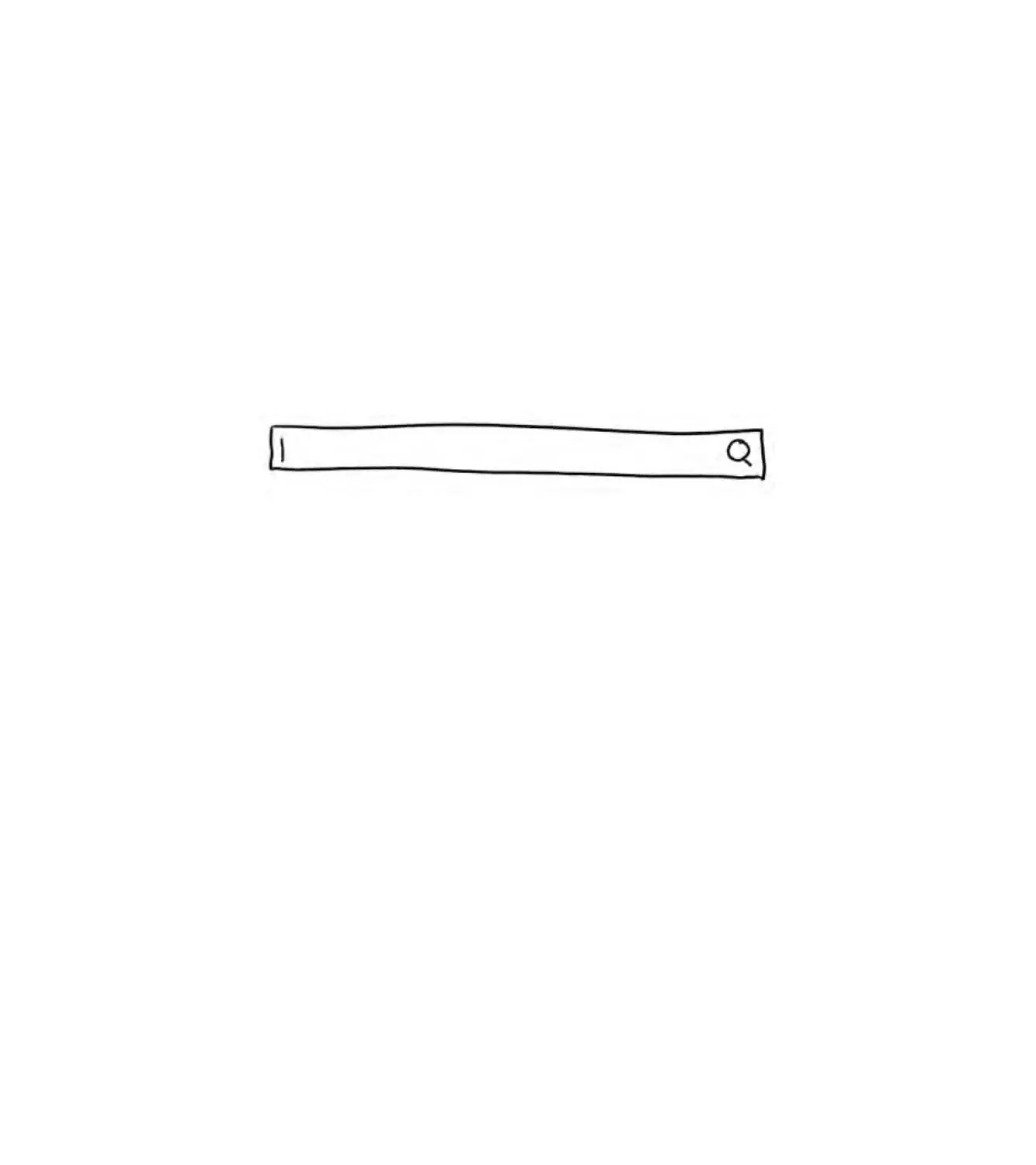
Every design problem has multiple, if not infinite, ways
of solving it. Experts strongly prefer simpler solutions
over more complex ones, for they know that such
solutions are easier to understand and change in the
future. Simplicity is so important to them that they
often continue to search for simpler solutions even after
they have a solution in hand.

10612.indb 19

8/26/16 10:29 AM

10612.indb 20

8/26/16 10:29 AM

2

EXPERTS SOLVE
SIMPLER PROBLEMS FIRST
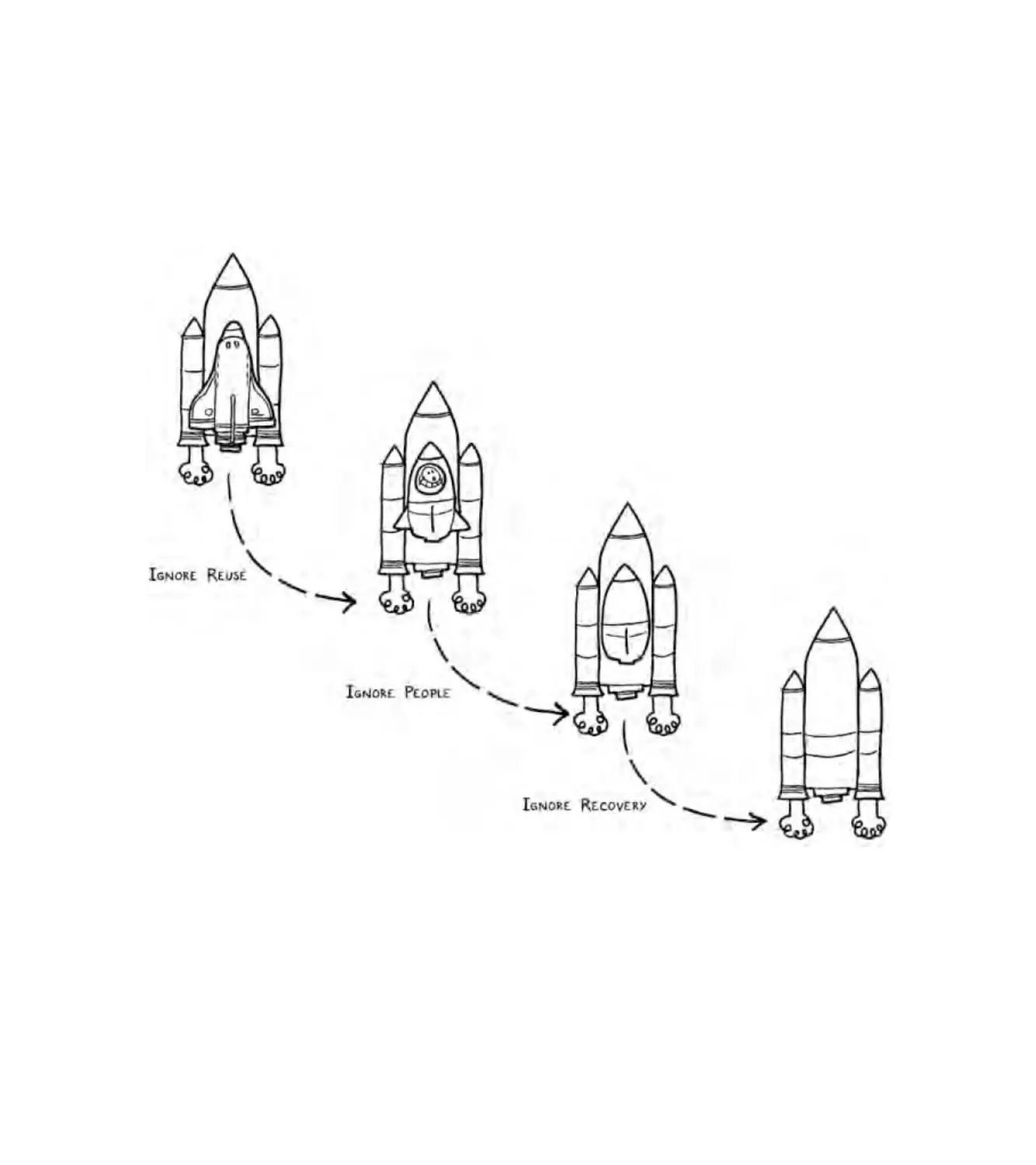
Experts do not try to think about everything at once.
When faced with a complex problem, experts often
solve a simpler problem first, one that addresses the
same core issue in a more straightforward form. In
doing so, they can generate candidate solutions that
are incomplete, but provide insight for solving the more
complex problem that they actually have to solve.

10612.indb 21

8/26/16 10:29 AM

10612.indb 22

8/26/16 10:29 AM

3

EXPERTS DIVIDE
AND CONQUER
Experts know when and how to break down a complex
problem into smaller problems that can be solved
independently. In addressing the parts, however, they
do not forget about the whole: they reflect on the
relationships between parts. When what emerges
in solving one part affects other parts, they make
adjustments. Indeed, they sometimes repartition the
whole problem and solution as a result.

10612.indb 23

8/26/16 10:29 AM

10612.indb 24

8/26/16 10:29 AM

4
EXPERTS DO NOT
OVERGENERALIZE
General solutions are preferred over less general
solutions, both for the design as a whole and for its
constituent parts. Experts, however, avoid
overgeneralizing, which constitutes wasted effort and
leads to solutions that are more complex than
necessary. The balance is important. Experts use what
they know about the practical constraints of the
design context to decide whether to generalize for reuse
or to optimize for the immediate situation.

10612.indb 25

8/26/16 10:29 AM

10612.indb 26

8/26/16 10:29 AM

5
EXPERTS DESIGN
ELEGANT ABSTRACTIONS
While all developers create abstractions, experts
design them. A good abstraction makes evident what
is important, both in what it does and how it does it.
Through a single lens, it communicates the problem
it solves and the machinery of its solution.
Experts are not satisfied with just any abstraction, they
deliberately seek elegant abstractions through which
complex structures can be introduced, understood, and
referred to efficiently.

10612.indb 27

8/26/16 10:29 AM

10612.indb 28

8/26/16 10:29 AM

6

EXPERTS USE
METAPHOR
Experts frequently use metaphor to discuss parts of
a design and how it works. By invoking metaphor, a
more vivid and immediately available picture is evoked
of some aspects of the software, which particularly
benefits collaborative design work in quickly and
succinctly communicating ideas and assumptions.

10612.indb 29

8/26/16 10:29 AM

10612.indb 30

8/26/16 10:29 AM

EXPERTS
COLLABORATE

10612.indb 31

8/26/16 10:29 AM

10612.indb 32

8/26/16 10:29 AM

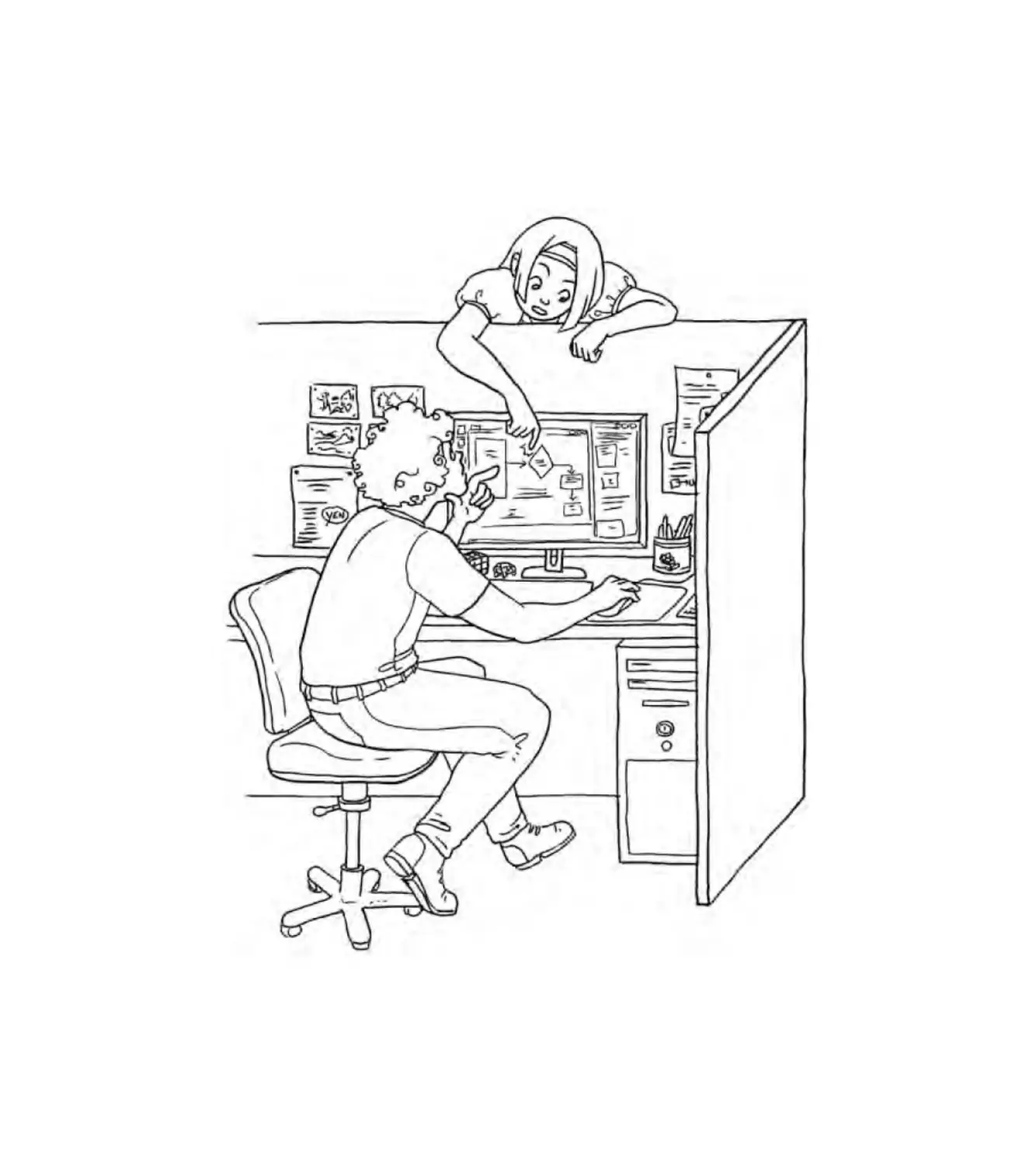
7
EXPERTS PREFER
WORKING WITH OTHERS
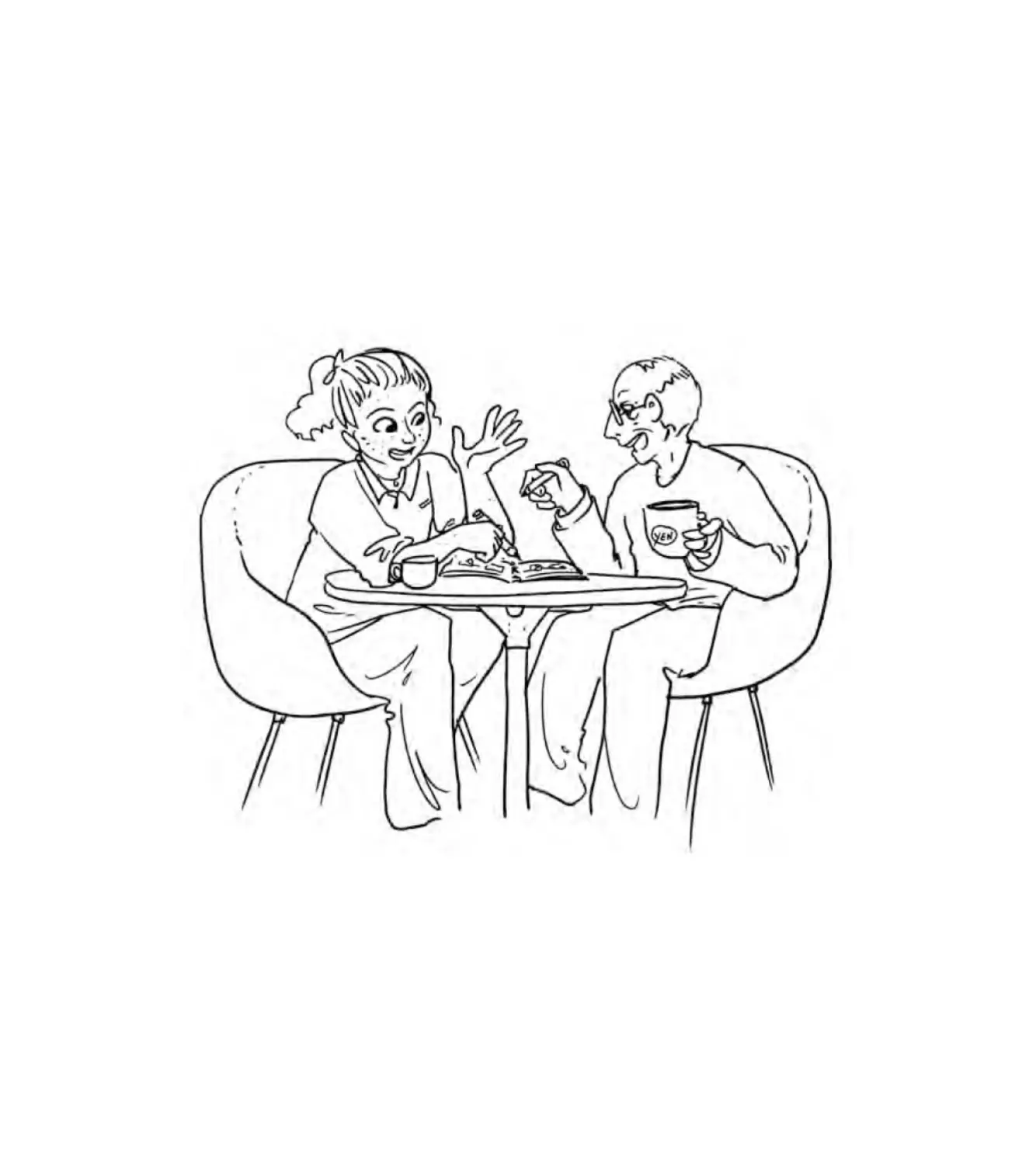
To experts, the image of the designer as a lone genius
who has flashes of brilliance is a fallacy. Experts know
that stimulation through working with others is key to
their own design performance. Moments of surprising
or deep insight do happen, but experts know that
those moments are more likely in a rich, collaborative
environment.

10612.indb 33

8/26/16 10:29 AM

10612.indb 34

8/26/16 10:29 AM

8

EXPERTS
REACH OUT
Experts deliberately involve others outside of their
team when they have a purpose for doing so, often to
obtain specialized technical or domain knowledge.
Experts do not wait to contact others when they need
them; they know that “sooner is better.”

10612.indb 35

8/26/16 10:29 AM

10612.indb 36

8/26/16 10:29 AM

9
EXPERTS CHECK
WITH OTHERS CONTINUALLY
Experts know to check with collaborators regularly
to coordinate mutual efforts, goals, ideas, and
assumptions. They know that individual work may
diverge within a collaboration, and that spotting
divergence is crucial, both to identifying errors and
seizing opportunities. Frequent ad hoc communication
(rather than formal meetings) is a feature of highperforming teams.

10612.indb 37

8/26/16 10:29 AM

10612.indb 38

8/26/16 10:29 AM

EXPERTS INVOLVE
THE USER

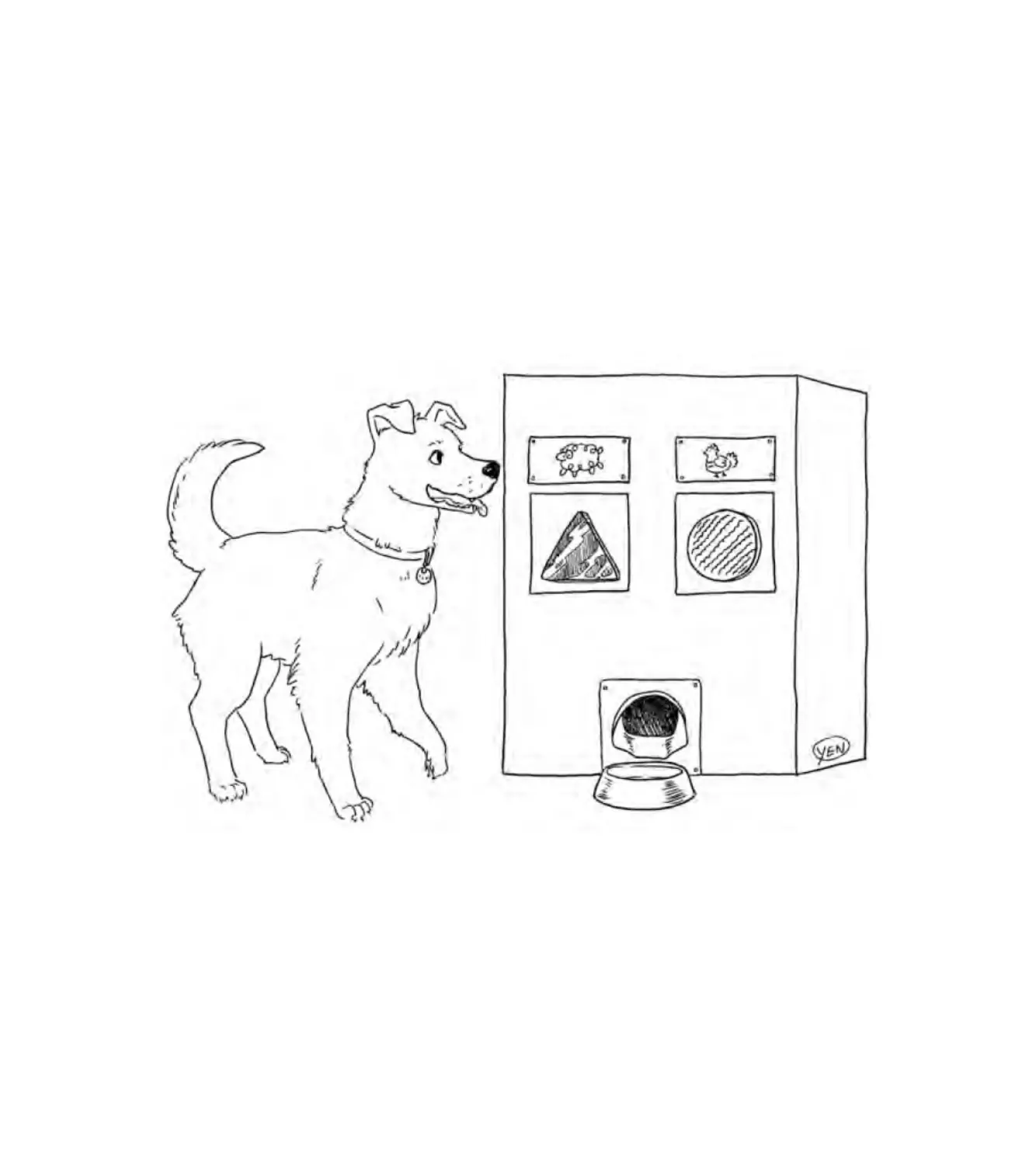
10

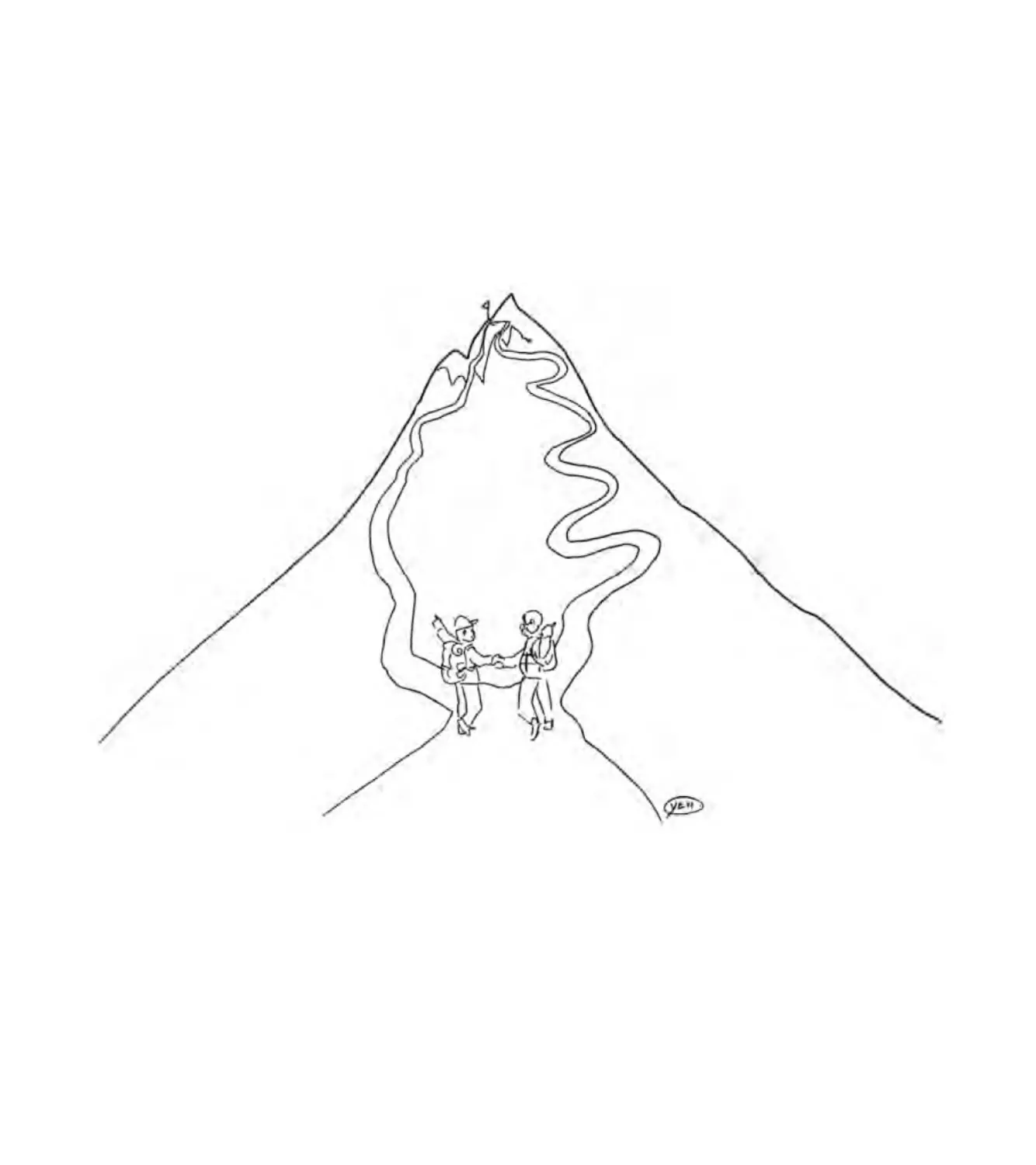
Experts are acutely aware of users. They deliberately
involve users in the design process, studying them,
talking to them, engaging them in testing intermediate
designs, and even asking them to take an active role in
the design team.
Yet experts do not take everything users say at face
value. They realize the potential limitations, as users’
thinking is often colored by current experiences.
Experts look beyond what users ask for, to what users
actually need.

10612.indb 39

8/26/16 10:29 AM

10612.indb 40

8/26/16 10:29 AM

EXPERTS SOCIALLY
EMBED AND REINFORCE
GOOD PRACTICE

11

Experts know that the interplay between designers
plays a crucial part both in nurturing creativity and
in promoting quality and rigor. They consciously
embed and reinforce good practice in their team.
They use knowledge of the group, of both individual
and combined strengths and limitations, to structure
activities, provide systematic checks, and share
knowledge. This collective safety net liberates individuals
to extend themselves.
Experts especially take care over the induction of new
members into local culture and practice, while eliciting
fresh perspectives from them.

10612.indb 41

8/26/16 10:29 AM

10612.indb 42

8/26/16 10:29 AM

EXPERTS AGREE
TO DISAGREE

12

For the benefit of the design project, experts often
agree to disagree. They know that divergence of
opinions can drive innovation and excellence in design.
They also know that many decisions made early
are adjusted, retracted, or refined later on, and so
prolonged haggling tends to be counterproductive if
there is more design to do. Instead, experts accept
temporary disagreement and proceed in designing
other aspects of the project. More information resulting
from further design activity will help them resolve
their disagreement.

10612.indb 43

8/26/16 10:29 AM

10612.indb 44

8/26/16 10:29 AM

EXPERTS
BORROW

10612.indb 45

8/26/16 10:29 AM

10612.indb 46

8/26/16 10:29 AM

EXPERTS PREFER SOLUTIONS
THAT THEY KNOW WORK

13

Experts have no desire to “re-invent the wheel.” If they
have a solution that works, or know of one elsewhere,
they will adopt that solution and move on to other parts
of the design task. Of course, they know to re-assess
the existing solution within the context of the current
project, to make sure that it actually fits. As long as
it does, and as long as it is legally and ethically allowed,
they choose to borrow rather than build, reuse rather
than re-implement, and copy rather than draft.

10612.indb 47

8/26/16 10:29 AM

10612.indb 48

8/26/16 10:29 AM

EXPERTS
LOOK AROUND

14

In the same way that architects walk cities to examine
and take inspiration from existing buildings, software
experts examine the designs of other software to
“see how they did it.” They frequently do so in response
to a particular challenge they face, but they often
also spend time looking around just to add to their
repertoire of possible design solutions to draw upon
in the future.

10612.indb 49

8/26/16 10:29 AM

10612.indb 50

8/26/16 10:29 AM

EXPERTS TAKE INSPIRATION
FROM WHEREVER THEY CAN

15

Experts live with their heads up and their eyes open.
They are aware of their surroundings and “try on” any
ideas they spot. They take inspiration from other people,
from other areas (photography, astronomy, literature,
model railways), and from their wider environment
(a whiteboard drawing, a blog post, a toy, a game). They
continually collect ideas that might be useful.

10612.indb 51

8/26/16 10:29 AM

10612.indb 52

8/26/16 10:29 AM

16
EXPERTS USE
ANALOGY
In dealing with intractable problems, experts sometimes
turn to analogy, levering likeness and unlikeness to
other situations to shift their thinking. They carefully
examine where the analogy holds and where it does
not, and especially use where it breaks down to drive
their understanding of the design problem at hand.

10612.indb 53

8/26/16 10:29 AM

10612.indb 54

8/26/16 10:29 AM

EXPERTS USE DESIGN
METHODS (SELECTIVELY)

17

Experts do not re-invent how to go about design. While
they know that design is a creative process that involves
impromptu activities, they also use structured design
methods to advance their project when appropriate.
They know of and apply a host of methods (world
modeling, tradeoff analysis, refactoring, storyboarding,
test-driven development, cognitive walkthrough).
However, they also know the limitations of such
methods and apply them only if they believe their
project will benefit. Experts balance systematic practice
with freedom of invention.

10612.indb 55

8/26/16 10:29 AM

10612.indb 56

8/26/16 10:29 AM

EXPERTS
NETWORK

18

Experts are very aware that they do not know
everything—far from it. They compensate by building
a network of people who know things, have special
expertise and domain knowledge, or know how to think
and question. They know to whom to turn when they
need something.

10612.indb 57

8/26/16 10:29 AM

10612.indb 58

8/26/16 10:29 AM

EXPERTS
BREAK
THE RULES

10612.indb 59

8/26/16 10:29 AM

10612.indb 60

8/26/16 10:29 AM

EXPERTS RELAX
CONSTRAINTS
Experts do not take much for granted, and for tough
problems they will reconsider just about anything,

19

including hard constraints. They relax these constraints
in order to explore a broader range of possibilities,
sometimes relaxing different constraints successively so
as to challenge their understanding and promote insight.
Experts particularly break constraints early, when
creativity and exploration are needed. Of course, as
they progress and begin to form a more comprehensive
solution, they want clarity and completeness, and
re-introduce the genuine constraints they previously
ignored.

10612.indb 61

8/26/16 10:29 AM

10612.indb 62

8/26/16 10:29 AM

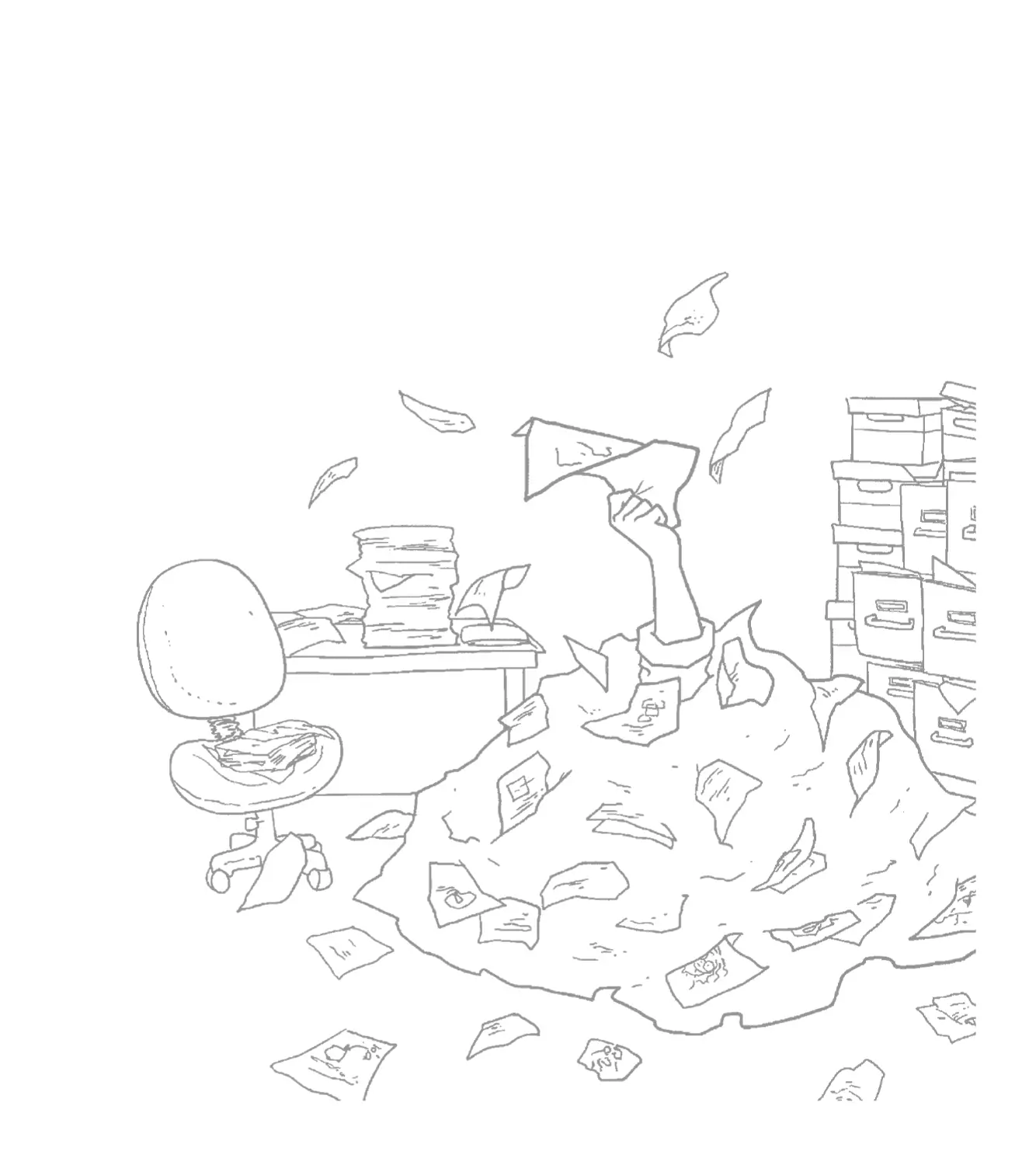
EXPERTS RESHAPE
THE PROBLEM SPACE

20

Experts often step back from the stated problem and
consider the problem space more broadly, looking for
alternative ways of understanding “what the problem
is.” They may change direction by reconceiving the
problem space, or by addressing a different problem in
the same space. They intentionally choose somewhat
different goals from the original design problem, as this
leads to insights either into where the real problem lies,
or into how to overcome key obstacles.

10612.indb 63

8/26/16 10:29 AM

10612.indb 64

8/26/16 10:29 AM

EXPERTS USE NOTATIONS
AS LENSES, RATHER THAN
STRAIGHTJACKETS

21

Experts understand the true value of notations: they
serve as lenses to examine a design problem or advance
a design solution from a particular perspective.
Experts are not married to any one notation and will use
whichever notation best suits the task at hand.
As any notation emphasizes some information at the
expense of other information, experts remember to
complement the leverage a notation gives them with
engaging with what is outside of it.

10612.indb 65

8/26/16 10:29 AM

10612.indb 66

8/26/16 10:29 AM

EXPERTS DESIGN
THROUGHOUT THE
CREATION OF SOFTWARE
Experts do not subscribe to the vision that design

22

is merely a phase during which requirements are
transformed into an architecture or implementation
design. Rather, experts know that requirements
are designed, that interactions are designed, that
architectures are designed, that code is designed, and—
most important—that all these forms of software design
inter-relate and are often worked on in parallel. They
know it is therefore frequently important to break out of
a prescribed software development process and engage
in design activities where and when necessary.

10612.indb 67

8/26/16 10:29 AM

10612.indb 68

8/26/16 10:29 AM

EXPERTS DO NOT FEEL
OBLIGED TO USE THINGS
AS INTENDED

23

Experts use what is useful to them and no more.
Because they understand what they need and why,
they adopt things on their own terms. They may apply
a methodology selectively, recombine process steps,
cross paradigms, alter model solutions, or use methods
in unexpected ways.

10612.indb 69

8/26/16 10:29 AM

10612.indb 70

8/26/16 10:29 AM

EXPERTS
SKETCH

10612.indb 71

8/26/16 10:29 AM

10612.indb 72

8/26/16 10:29 AM

EXPERTS EXTERNALIZE
THEIR THOUGHTS
Experts sketch when they think. They sketch when
alone. They sketch in meetings with colleagues or

24

clients. They sketch when they have no apparent need
to sketch. They sketch on paper, on whiteboards, on
napkins, in the air. Experts know that sketching is a way
to interact with their own thoughts, an opportunity to
externalize, examine, and advance what they have in
their minds.

10612.indb 73

8/26/16 10:29 AM

10612.indb 74

8/26/16 10:29 AM

EXPERTS DRAW THE
PROBLEM AS MUCH AS
THEY DRAW THE SOLUTION
Experts know that their understanding of the design

25

problem and their understanding of its solution
inevitably deepen and co-evolve as they design. Experts
therefore draw the problem as much as they draw
the solution: by moving back-and-forth, they not only
ensure that both stay in sync, but also explicitly use
advances in the understanding of one to drive advances
in the understanding of the other.

10612.indb 75

8/26/16 10:29 AM

10612.indb 76

8/26/16 10:29 AM

EXPERTS DRAW WHAT
THEY NEED AND NO MORE
Experts are frugal in creating their sketches. Experts
draw what they need to support their thinking,

26

discussion, argument, communication, or other design
activity—but no more. A sketch consisting of a few
boxes, a few arrows, and a few annotations is not
uncommon, as is a diagram that is later uninterpretable
because of its sparseness. Providing detail when it is
not needed is a waste of effort and distracts from the
task at hand.

10612.indb 77

8/26/16 10:29 AM

10612.indb 78

8/26/16 10:29 AM

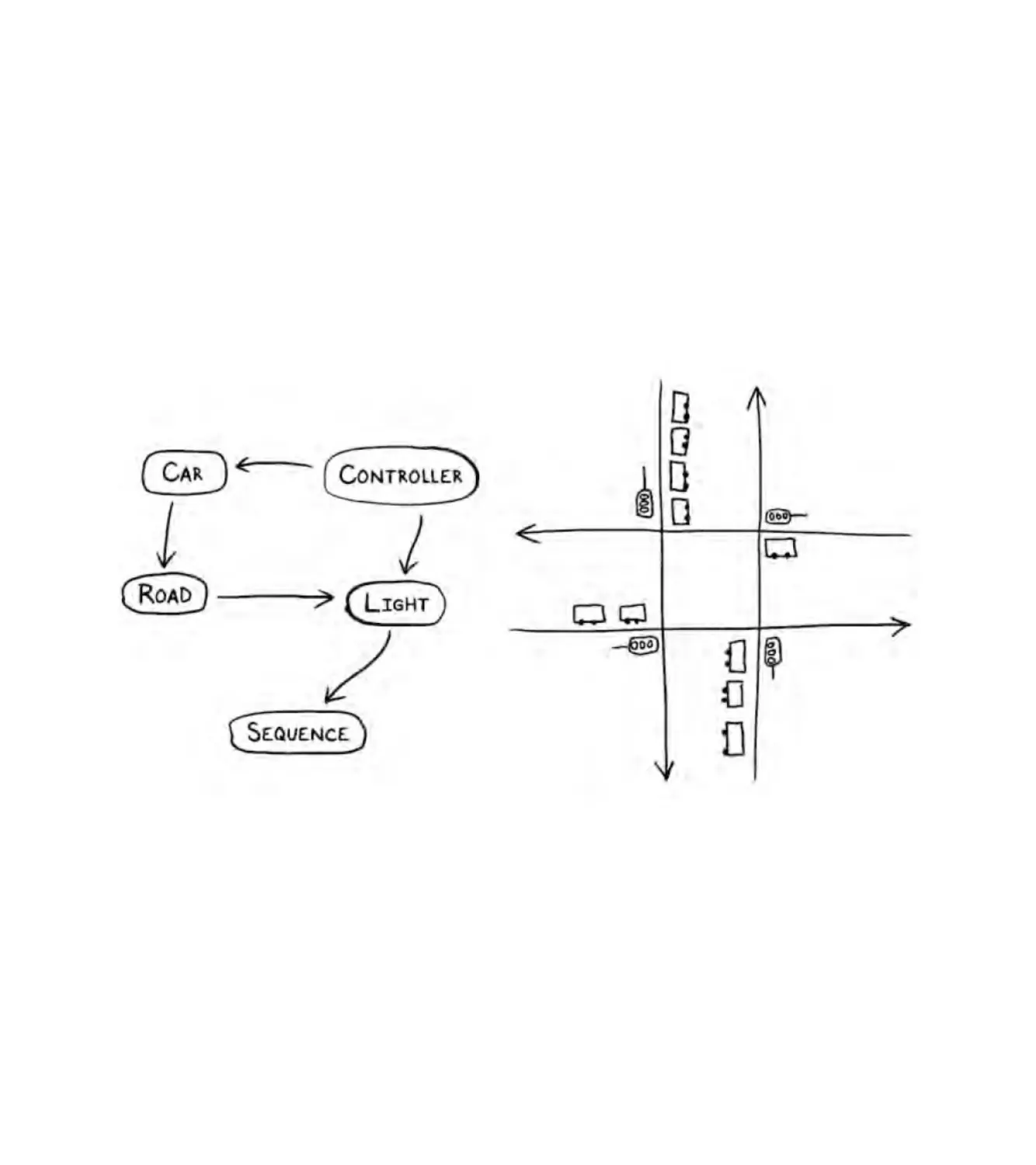
EXPERTS SHIFT BETWEEN
FORMAL AND INFORMAL
Experts are not lazy. When the situation calls for it, they
employ much more formal diagrams than the sketches
they typically create. To model certain phenomena more

27

clearly—with more precision and completeness—they
may well work out a state machine in all of its detail,
edit pseudocode on a whiteboard, or meticulously
specify all of the entities, fields, keys, and relationships
in a database schema. Once done, however, they will
quickly return to sketching, employing a more informal
style that abandons much notational detail.

10612.indb 79

8/26/16 10:29 AM

10612.indb 80

8/26/16 10:29 AM

EXPERTS INVENT
NOTATIONS
Experts choose a notation that suits the problem, even
if the notation does not exist. New notations arise

28

when, in the heat of design, shorthand symbols are
used that take on a meaning of their own. This meaning
typically persists for the duration of the design meeting,
but in some cases use of the symbols becomes more
pervasive in the design project.

10612.indb 81

8/26/16 10:29 AM

10612.indb 82

8/26/16 10:29 AM

EXPERTS
KEEP SKETCHES
Experts prefer to keep their sketches rather than discard
them. Their desks are cluttered with paper sketches.
Their whiteboards are full of drawings. They may have

29

an archive full of old sketches. All for a reason: they
know they may need to revisit a sketch, whether
to consult it to re-invigorate their understanding or to
evolve it because some goal or constraint has changed.

10612.indb 83

8/26/16 10:29 AM

10612.indb 84

8/26/16 10:29 AM

EXPERTS
WORK WITH
UNCERTAINTY

10612.indb 85

8/26/16 10:29 AM

10612.indb 86

8/26/16 10:29 AM

EXPERTS KEEP
OPTIONS OPEN
Although a natural inclination might be to solidify any
design decision that can be made as early as possible,
experts do the opposite: they prefer to keep their

30

options open. They know that any decision they make
now may need to be revised later if they wish to explore
an alternative direction. Therefore, if they do not
have to make a particular decision yet, they simply
will not make it.

10612.indb 87

8/26/16 10:29 AM

10612.indb 88

8/26/16 10:29 AM

EXPERTS MAKE
PROVISIONAL DECISIONS
To further a design solution, experts often make
decisions provisionally. They keep track of which

31

decisions are firm and which are provisional, as well as
the conditions under which the decisions are made.
This way, they acknowledge explicitly where their
design is still tentative and where it is more definite.

10612.indb 89

8/26/16 10:29 AM

10612.indb 90

8/26/16 10:29 AM

EXPERTS SEE ERROR
AS OPPORTUNITY
Design regularly involves error: things that “go amiss,”
misunderstandings, obstacles, wrong turns, emergent
issues. Rather than fearing error, experts embrace error
as opportunity. They accept it as an inherent part of

32

design and take time to explore both the failure and
the context around it. Understanding what happened
often reveals insights about the problem—or about
the solution—such as assumptions, misconceptions,
misalignments, and emergent properties.

10612.indb 91

8/26/16 10:29 AM

10612.indb 92

8/26/16 10:29 AM

EXPERTS KNOW
HOW THINGS WORK
Experts have a huge, accessible store of knowledge.
They know how things work in general. They know
how specific things work. They know how the current

33

design works. When something is uncertain, experts
bring that knowledge to bear, extending from the
known to the unknown.

10612.indb 93

8/26/16 10:29 AM

10612.indb 94

8/26/16 10:29 AM

EXPERTS MAKE
TRADEOFFS
No design problem can be solved perfectly. Experts
realize that designing is making tradeoffs, with each
decision they make favoring some aspects of the design

34

solution over others. Experts inform their decisions
by collecting as much information as possible and
considering how each potential decision trades off
among their design goals.

10612.indb 95

8/26/16 10:29 AM

10612.indb 96

8/26/16 10:29 AM

EXPERTS PRIORITIZE
AMONG STAKEHOLDERS
The history of software is littered with examples in
which the wrong stakeholders were prioritized (usually
managers over end users). Experts cut through issues of
positions of power and human preference, opinion,

35

and bias to identify the real stakeholders—the people
who in the end determine whether or not the system
will be adopted successfully. By focusing on them,
experts can set the right design priorities for the project.

10612.indb 97

8/26/16 10:29 AM

10612.indb 98

8/26/16 10:29 AM

EXPERTS ADJUST
TO THE DEGREE OF
UNCERTAINTY PRESENT
Different design problems incur different amounts of
uncertainty. Experts know which type of problem they
are dealing with and adjust their practices accordingly.
Routine problems have less uncertainty and are handled
in a standard, informed manner, with many decisions

36

made early. Adaptive and original problems involve
more uncertainty and require exploration and invention.
This entails maintaining more alternatives, deferring
more decisions and making provisional decisions, and
backtracking as necessary.

10612.indb 99

8/26/16 10:29 AM

10612.indb 100

8/26/16 10:29 AM

EXPERTS
ARE NOT
AFRAID

10612.indb 101

8/26/16 10:29 AM

10612.indb 102

8/26/16 10:29 AM

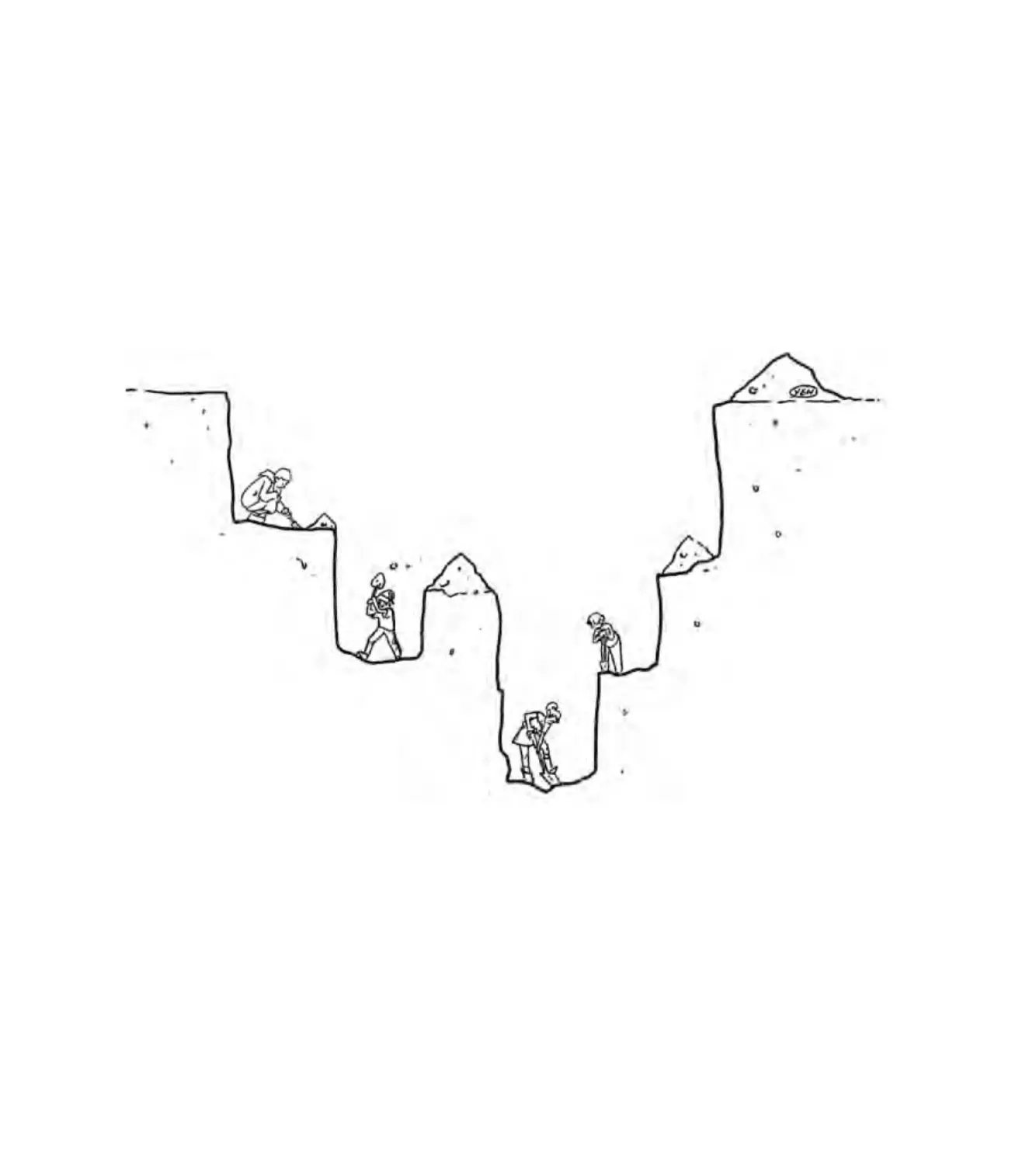
EXPERTS FOCUS
ON THE ESSENCE
Every design problem has an essence, a core set of
considerations that must be understood and “nailed”
in the design solution for it to solve the problem
successfully. This essence can be disruptive: changes in
the core drastically alter the peripheral decisions that

37

need to be made. Experts focus their efforts on the
essence first, and delay expending effort designing on
the periphery.

10612.indb 103

8/26/16 10:29 AM

10612.indb 104

8/26/16 10:29 AM

EXPERTS ADDRESS
KNOWLEDGE DEFICIENCIES
Experts make every effort to find out and fill in what they
do not know. In fact, experts explicitly look for gaps in
their understanding of a design problem and its possible
solutions, and they try to address those deficiencies as
early as they can. They know that “not knowing” is worse
than knowing that something is problematic.

38

A particular form of knowledge deficiency is
assumptions. Experts know that making assumptions
is an integral part of design practice, but make every
effort to verify whether or not their assumptions hold.

10612.indb 105

8/26/16 10:29 AM

10612.indb 106

8/26/16 10:29 AM

EXPERTS GO
AS DEEP AS NEEDED
Experts are not afraid to get their hands dirty in nittygritty details. If code must be written to understand
whether a particular algorithm is sufficiently
performant, they write code. If model checking is
needed to guarantee a certain property in their design,
they build and check the model.

39

Experts know that any abstraction they make is
eventually put to the test by its transition to code, which
is why they often engage with implementation—even
during conceptual design. Aligning abstraction and
implementation enforces discipline and accuracy.

10612.indb 107

8/26/16 10:29 AM

10612.indb 108

8/26/16 10:29 AM

EXPERTS TRY
THE OPPOSITE
Experts take drastic measures when needed. When they
are stuck, they might try the opposite. This may not lead
to a satisfactory solution, but it almost certainly leads
to new insights that help them free their minds, identify

40

new possibilities, and decide on how to press forward.

10612.indb 109

8/26/16 10:29 AM

10612.indb 110

8/26/16 10:29 AM

EXPERTS DO
SOMETHING (ELSE)
Most design projects bog down at some point, when
every suggestion seems to lead to further problems.
Rather than continuing to “bang their heads” against
the same problem, experts switch their focus to another
part of the design. It often does not matter what they
choose to work on, as long as they change focus for a
while. Doing so is likely to reveal considerations that

41

help them overcome the obstacle.

10612.indb 111

8/26/16 10:29 AM

10612.indb 112

8/26/16 10:29 AM

EXPERTS KNOW
WHEN TO STOP
Experts are sensitive to when the incremental benefits
of revisiting the same issue diminish. They have
a strong internal gauge as to when it is time to stop
and move on.

10612.indb 113

42

8/26/16 10:29 AM

10612.indb 114

8/26/16 10:29 AM

EXPERTS BUILD
THEIR OWN TOOLS
Experts go to great lengths to surround themselves with
the right tools for the job. This includes not only finding,
evaluating, and appropriating external tools, but also
creating special-purpose tools (intermediate languages,
testing tools, visualizations) that fit the design situation.

10612.indb 115

43

8/26/16 10:29 AM

10612.indb 116

8/26/16 10:29 AM

EXPERTS
ITERATE

10612.indb 117

8/26/16 10:29 AM

10612.indb 118

8/26/16 10:29 AM

EXPERTS REPEAT
ACTIVITIES
Experts ask the same questions multiple times, of
different people, but also of the same people.
Experts test their designs, not once, but multiple
times. Experts draw a diagram, then draw it again, and
perhaps again and again. Experts repeat these activities
because they know that, each time they do so, they
must re-engage with a fresh mindset and re-explain to
themselves or others. Variations in how they engage,

44

think, draw, and communicate, as well as variations
in what they choose to focus on, uncover new issues
and opportunities.

10612.indb 119

8/26/16 10:29 AM

10612.indb 120

8/26/16 10:29 AM

EXPERTS GENERATE
ALTERNATIVES
Experts explicitly seek, develop, and evaluate
alternatives throughout design. They do this at all
levels. By probing these alternatives, even just in their
minds, they maintain as much flexibility in the design
solution as possible. Alternatives make explicit where
and how the design might be able to “give” in the face

45

of future decisions.

10612.indb 121

8/26/16 10:29 AM

10612.indb 122

8/26/16 10:29 AM

EXPERTS EXPLORE
DIFFERENT PERSPECTIVES
Experts examine a design problem, and its possible
solutions, from different perspectives. They examine
the problem from both a human and a technical
perspective. They assess architectures for their structural
quality, implementability, and deployability. They look
at both the usability and the accessibility of different
interface mock-ups. Because they know that focusing
narrowly on a single perspective is guaranteed to

46

miss important considerations, they explicitly iterate
over multiple perspectives.

10612.indb 123

8/26/16 10:29 AM

10612.indb 124

8/26/16 10:29 AM

EXPERTS MOVE AMONG
LEVELS OF ABSTRACTION
Experts design their solutions at multiple levels of
abstraction, concurrently. They know that focusing only
on high-level models is likely to omit important detail
and that working only on low-level code is likely to lead
to inelegant solutions. In exploring a design solution,
they deliberately move up and down among levels
of abstraction, and use resonances among them to

47

spark insights and identify problems.

10612.indb 125

8/26/16 10:29 AM

10612.indb 126

8/26/16 10:29 AM

EXPERTS ROTATE
AMONG SUBJECT PAIRS
Even in the throes of working on detailed issues
concerning a design, experts iterate through issues in
combination. They know that it is futile to consider a
single issue in isolation for a long period of time. Rather,
they juxtapose them: experts choose to focus on two
(occasionally three) separate issues, consider them
together, make some progress, and move on to the
next pair of issues fairly quickly. In cycling through and
iterating over pairs of issues, they ensure that different

48

aspects of the design stay in sync with one another as
they formulate the overall solution.

10612.indb 127

8/26/16 10:29 AM

10612.indb 128

8/26/16 10:29 AM

EXPERTS CHANGE
NOTATION DELIBERATELY
Experts ask themselves what would happen if they
remodeled what they have in a different notation, using
somewhat different modeling concepts or somewhat
different semantics. Differences in expression can prompt
them to consider additional issues.

49

10612.indb 129

8/26/16 10:29 AM

10612.indb 130

8/26/16 10:29 AM

EXPERTS
PAUSE
Experts prefer to build discontinuity into the design
process: by taking a break, they are more likely to
uncover fresh issues the next time.

50

10612.indb 131

8/26/16 10:29 AM

10612.indb 132

8/26/16 10:29 AM

EXPERTS
TEST

10612.indb 133

8/26/16 10:29 AM

10612.indb 134

8/26/16 10:29 AM

EXPERTS ARE
SKEPTICAL
Where others are content, experts remain skeptical.
They are skeptical that they explored the necessary
breadth and depth of possible solutions. They are
skeptical that the current leading solution is good, or
even just good enough. They are skeptical of others’,
and their own, ideas. That is why they test their designs.
Testing can provide instructive evidence: whether the
design meets its objectives, whether there are emergent
issues, or whether assumptions are justified.

10612.indb 135

51

8/26/16 10:29 AM

10612.indb 136

8/26/16 10:29 AM

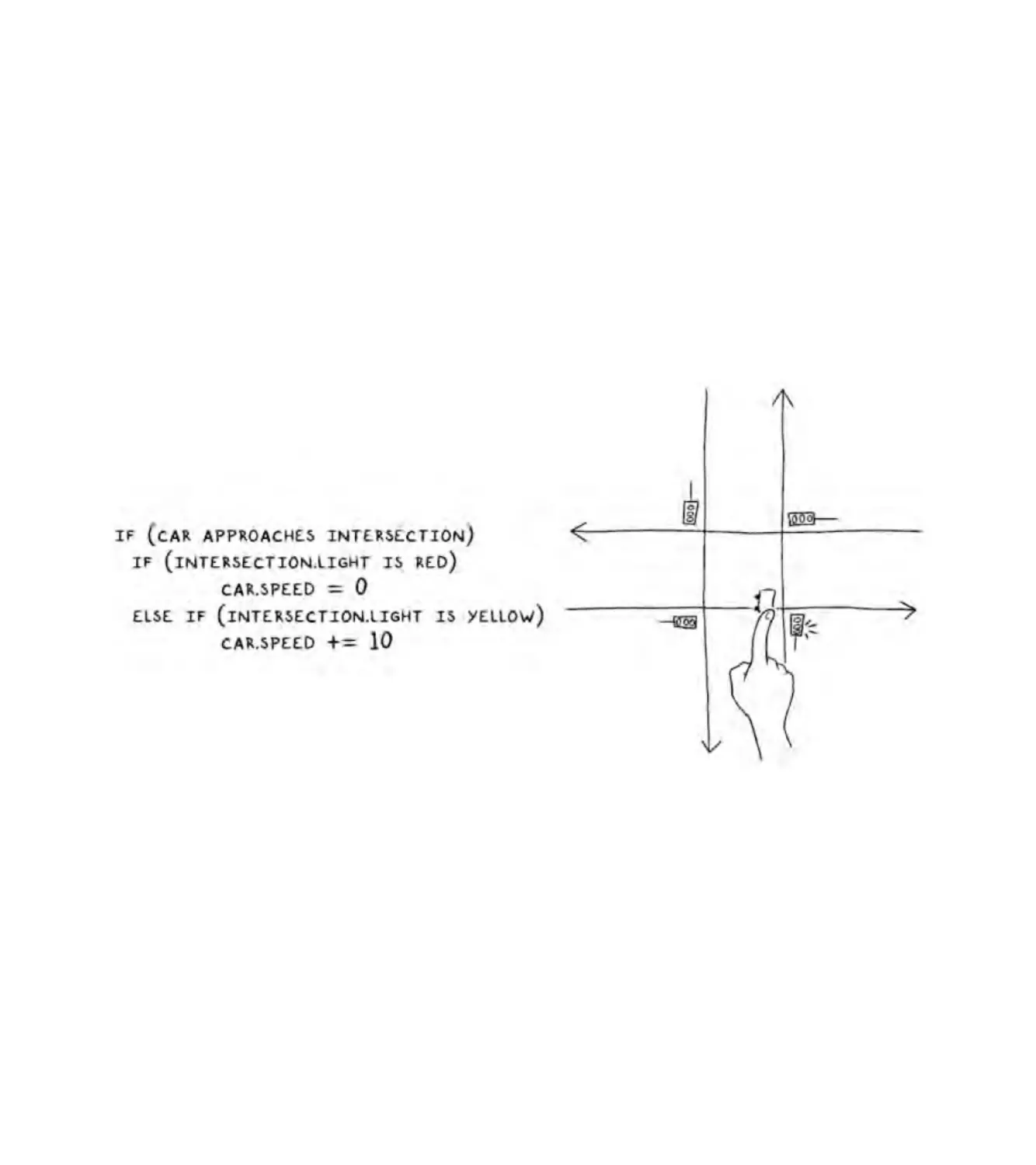
EXPERTS SIMULATE
CONTINUALLY
Experts imagine how a design will work—simulating
aspects of the envisioned software and how the
different parts of the design support a variety of
scenarios. When working with others, experts regularly
walk through a design by verbalizing its operation
step-by-step. When alone, they simulate mentally,
exercising the design repeatedly over time.

52

10612.indb 137

8/26/16 10:29 AM

10612.indb 138

8/26/16 10:29 AM

EXPERTS DRAW EXAMPLES
ALONGSIDE
THEIR DIAGRAMS
On their own, design diagrams remain passive
abstractions. This is why experts draw examples
alongside the diagrams when they simulate a design.
Externalizing their thoughts, juxtaposing the simulation
with their design, and envisioning the execution in
context, forces them to interpret what they drew and
to test their design more thoroughly in the process.

10612.indb 139

53

8/26/16 10:29 AM

10612.indb 140

8/26/16 10:29 AM

EXPERTS TEST
ACROSS REPRESENTATIONS
Different aspects of a design solution are often
represented in different diagrams—commonly in
different notations altogether. Rather than testing each
of these in isolation, experts know to juxtapose them
in order to examine their dependencies, constraints,
interactions, and other alignments.

54

10612.indb 141

8/26/16 10:29 AM

10612.indb 142

8/26/16 10:29 AM

EXPERTS PROTOTYPE
CONCEPTS
Experts know that people struggle to engage with
abstractions and therefore frequently turn to prototypes
to elicit feedback. Prototypes, whether on paper or
as more realistic mock-ups, show concretely how the
proposed design will behave. They allow stakeholders
to engage with and respond to the design concepts,
potentially providing important contextual information.

55

10612.indb 143

8/26/16 10:29 AM

10612.indb 144

8/26/16 10:29 AM

EXPERTS
PLAY THE FOOL
Experts pretend to be ignorant, purposely setting aside
what they know about the design in order to expose
assumptions and flaws. Similarly, they place themselves
in the shoes of a novice user, or a co-worker
unfamiliar with the design, and imagine the questions
they would ask.

56

10612.indb 145

8/26/16 10:29 AM

10612.indb 146

8/26/16 10:29 AM

EXPERTS ARE ALERT TO
EVIDENCE THAT CHALLENGES
THEIR THEORY
Experts remain alert to anything that might challenge
what they believe about their design. They are open
to information that is unexpected, and are particularly
sensitive to any indication that their design might be
wrong. An offhand comment from a future user that
does not align with the current design might well prompt
a significant shift in design scope.
To experts, no issue is too small to investigate, for they
know that small issues can be indicative of much larger
problems lurking beneath the surface.

10612.indb 147

57

8/26/16 10:29 AM

10612.indb 148

8/26/16 10:29 AM

EXPERTS
REFLECT

10612.indb 149

8/26/16 10:29 AM

10612.indb 150

8/26/16 10:29 AM

EXPERTS CURTAIL
DIGRESSIONS
It is not uncommon for designers to realize suddenly
that they have been discussing an at-best marginal issue
for half a meeting. Experts know that, in the midst of
design, it is easy to lose sight of what is happening, and
they make it a practice to check regularly where they
are and where they are going. They use this information
to abandon unproductive work, and focus effort where
it needs to be focused.

58

10612.indb 151

8/26/16 10:29 AM

10612.indb 152

8/26/16 10:29 AM

EXPERTS RETAIN
THEIR ORIENTATION
After many meetings, changes, and enhancements,
losing track of how the design at hand actually works
is not unusual. Experts know the importance of
understanding fully the essential underlying concepts of
a design, and they make every effort to ensure that they
remember the decisions that have already been made,
the ones that still need to be made, and why this is so.

59

10612.indb 153

8/26/16 10:29 AM

10612.indb 154

8/26/16 10:29 AM

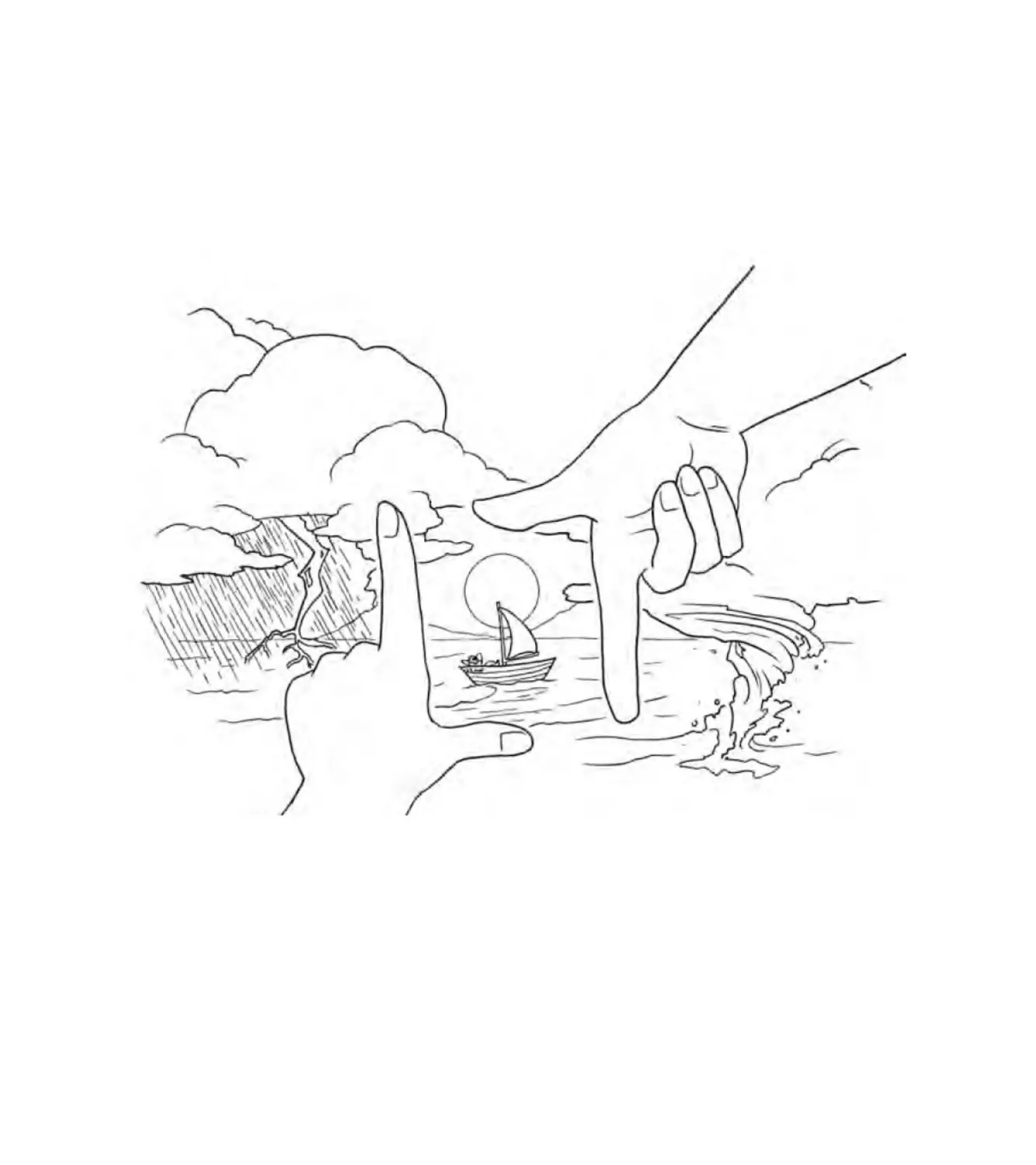
EXPERTS THINK
ABOUT WHAT THEY ARE
NOT DESIGNING
While it is natural to focus on what a design must
accomplish, experts also spend time thinking about
what a design is not intended to do. In articulating
and considering boundaries, they discover where they
are over- and under-designing.

60

10612.indb 155

8/26/16 10:29 AM

10612.indb 156

8/26/16 10:29 AM

EXPERTS RE-ASSESS
THE LANDSCAPE
Experts periodically step back, not just to examine
progress, but also to reflect on the project as a whole.
They question whether they are still solving the right
problem. Have client goals changed? User perceptions?
Technology? Deployment context? Market? Experts ask
these questions with regularity, to ensure the software
they design is fit for purpose.

61

10612.indb 157

8/26/16 10:29 AM

10612.indb 158

8/26/16 10:29 AM

EXPERTS INVEST NOW
TO SAVE EFFORT LATER
In reflecting on an ongoing design project, experts
also anticipate what issues might emerge later.
They foreshadow alternative futures, and perform
cost-benefit analyses to determine whether
investments now—in methods, tools, resources, design
alternatives—could save effort later.

62

10612.indb 159

8/26/16 10:29 AM

10612.indb 160

8/26/16 10:29 AM

EXPERTS
KEEP GOING

10612.indb 161

8/26/16 10:29 AM

10612.indb 162

8/26/16 10:29 AM

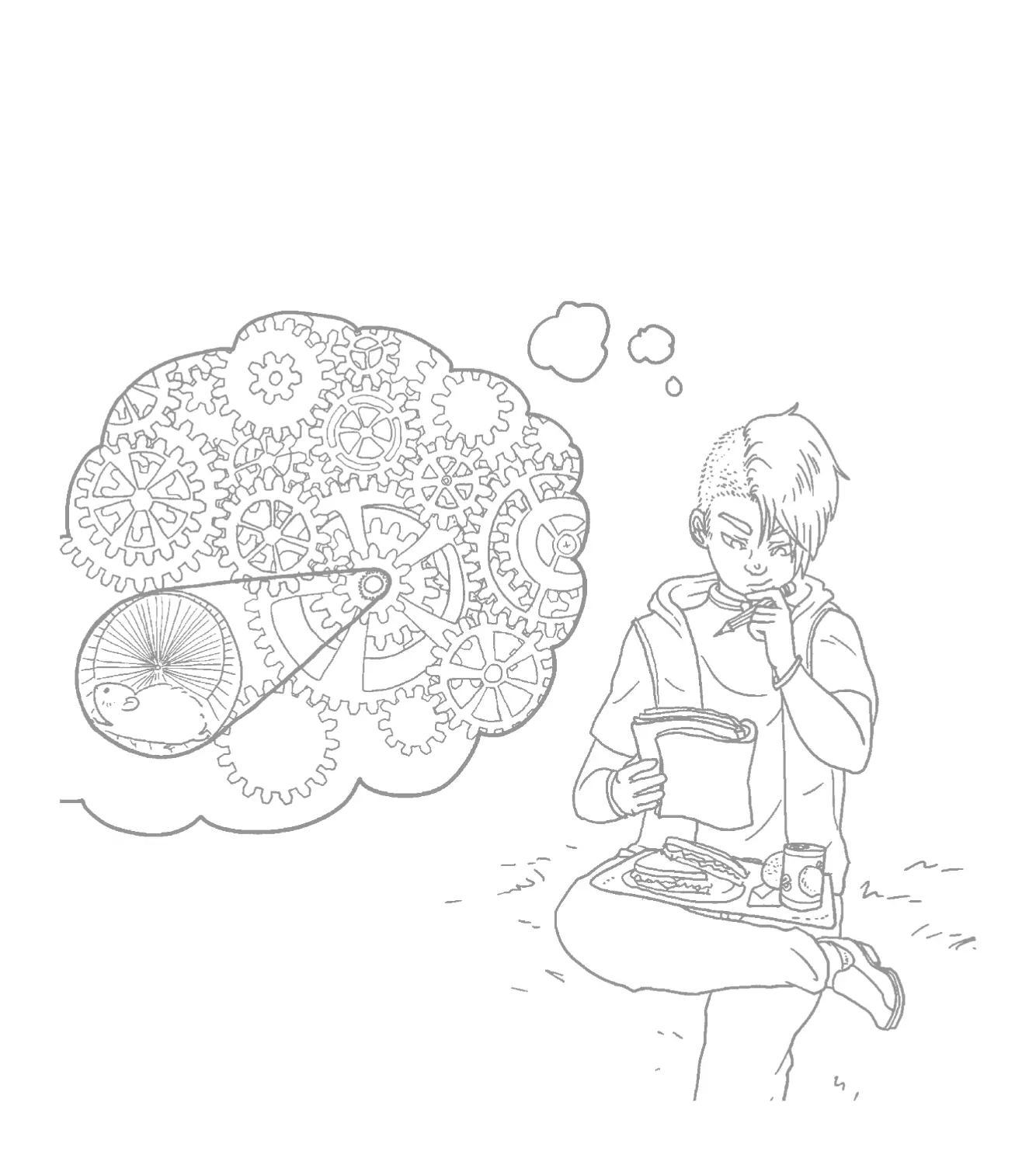
EXPERTS DESIGN
ALL THE TIME
Experts design at their desk, when taking a walk, on
their way to work or back home, in the shower, in
the gym, and anywhere else—including in design
meetings and conversations. They mull over a design
whenever and wherever they can—through habit or
preoccupation—as they know that inspiration can strike
at any moment.

63

10612.indb 163

8/26/16 10:29 AM

10612.indb 164

8/26/16 10:29 AM

EXPERTS KNOW
DESIGN IS NOT DONE
UNTIL THE CODE IS
DELIVERED AND RUNNING
The success of a design is determined largely by the
experiences of the users. Experts know that any design
decision can drastically influence perceptions. They
do not consider their designs done until the code is
delivered and running. That is when the users finally
experience the software.

64

10612.indb 165

8/26/16 10:29 AM

10612.indb 166

8/26/16 10:29 AM

EXPERTS
KEEP LEARNING
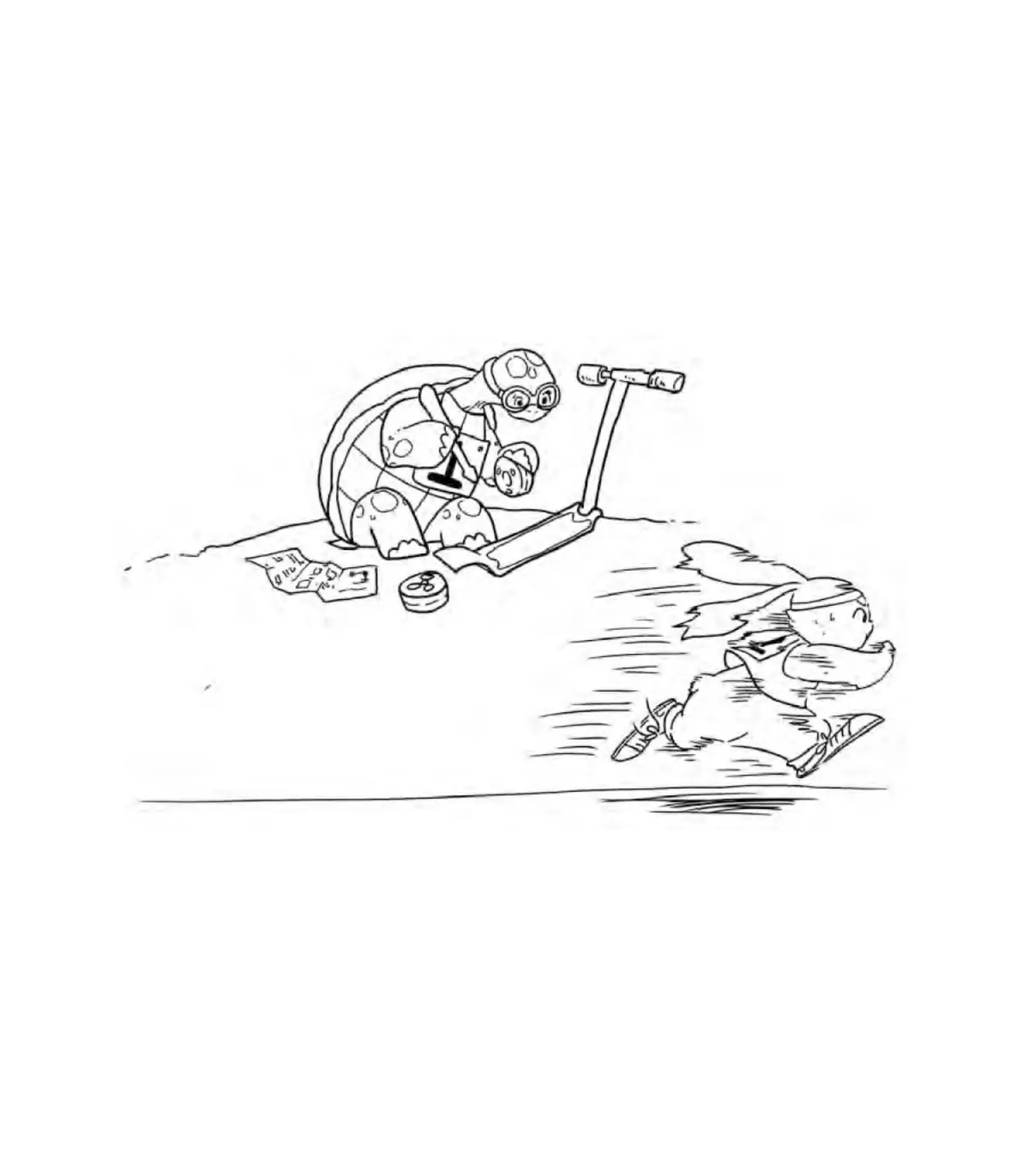
Experts do not take their expertise for granted. They
are continuously on the lookout for new knowledge
to add to their repertoire, and they explicitly seek out
and make time for opportunities to learn.

65

10612.indb 167

8/26/16 10:29 AM

10612.indb 168

8/26/16 10:29 AM

EXPERTS
PLAY
Experts play with new hardware and new programming
languages. They play with toys and technology of
all kinds. They play with mathematical and logical
problems. They play with random new design
challenges they make up for themselves. Play is
invigorating; it helps keep their minds fresh, exposes
them to novel designs, prompts them to reflect on
classic designs, and opens their minds to invention
and imagination.

66

10612.indb 169

8/26/16 10:29 AM

10612.indb 170

8/26/16 10:29 AM

AUTHOR BIOS

10612.indb 171

8/26/16 10:29 AM

10612.indb 172

8/26/16 10:29 AM

Marian Petre “picks the brains of experts” to find out

what makes expert software designers expert, how
people reason and communicate about design and
problem solving, and how they use representations
in their reasoning. She is a Professor of Computing at
The Open University in the UK; she holds degrees in
Psycholinguistics and Computer Science.

10612.indb 173

8/26/16 10:29 AM

10612.indb 174

8/26/16 10:29 AM

André van der Hoek is a programmer at heart, who

loves talking to and working with software designers
and developers to create new tools that help them
be more effective and efficient. He is a Professor
of Informatics at the University of California, Irvine;
he holds degrees in Business-Oriented Computer
Science and Computer Science.

10612.indb 175

8/26/16 10:29 AM

10612.indb 176

8/26/16 10:29 AM

Yen Quach loves to draw. She is an award-winning

freelance artist and illustrator who works in both
digital and traditional media. Reflecting the world with
curiosity and creativity, she began the #draweveryday
challenge in 2013, and she has not missed a day yet.
Yen holds a degree in Illustration and Animation.

10612.indb 177

8/26/16 10:29 AM

10612.indb 178

8/26/16 10:29 AM

10612.indb 179

8/26/16 10:29 AM

10612.indb 180

8/26/16 10:29 AM

10612.indb 181

8/26/16 10:29 AM

10612.indb 182

8/26/16 10:29 AM

10612.indb 183

8/26/16 10:29 AM

10612.indb 184

8/26/16 10:29 AM